
Rubber gym flooring tiles
Rubber gym flooring tiles: our professional selection
Repères de gamme — 66 modèles, dont 64 à prix affiché : 8 €–4 950 € HT par appareil ; marques : Bodytone (calcul du 30/09/2026).
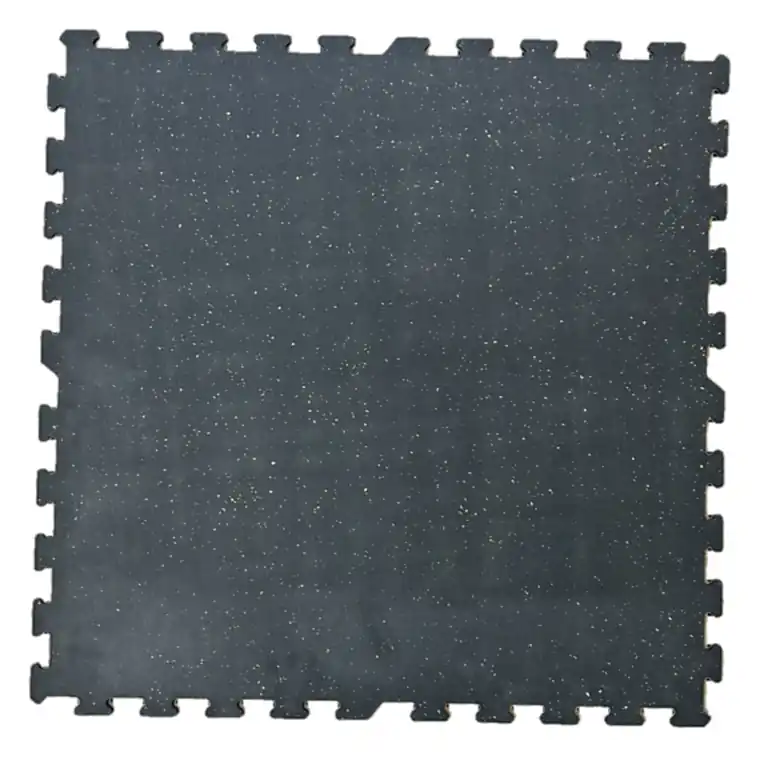
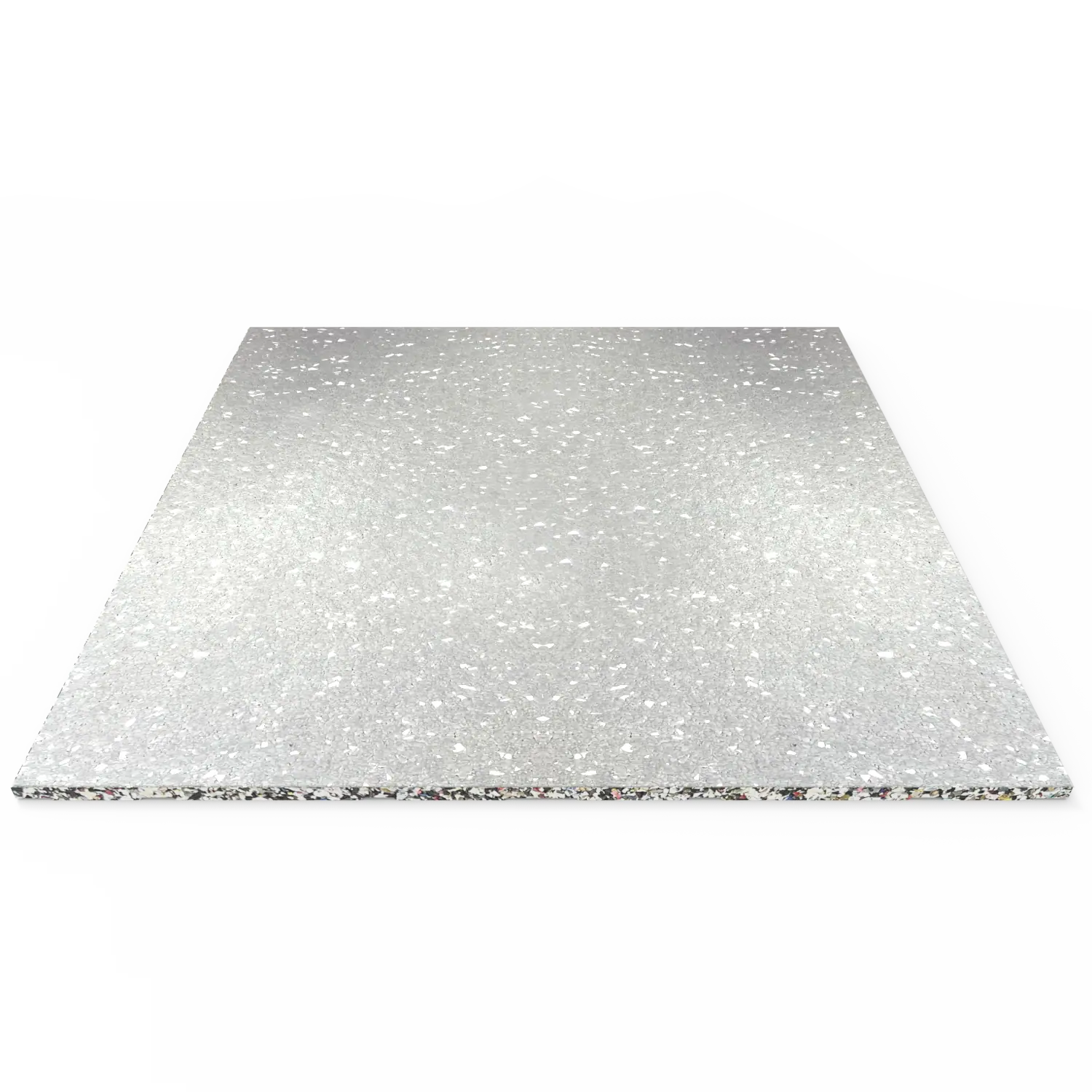
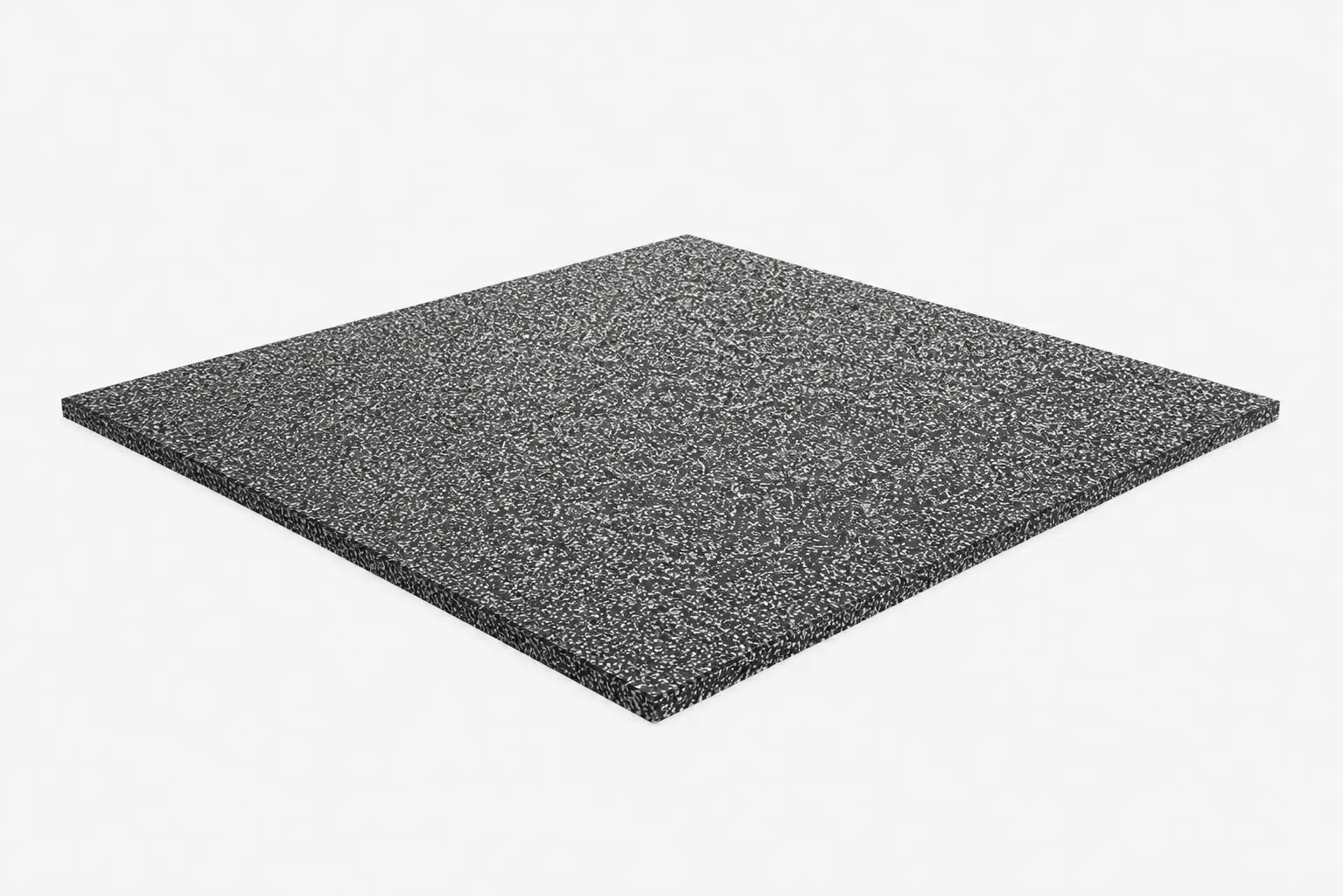
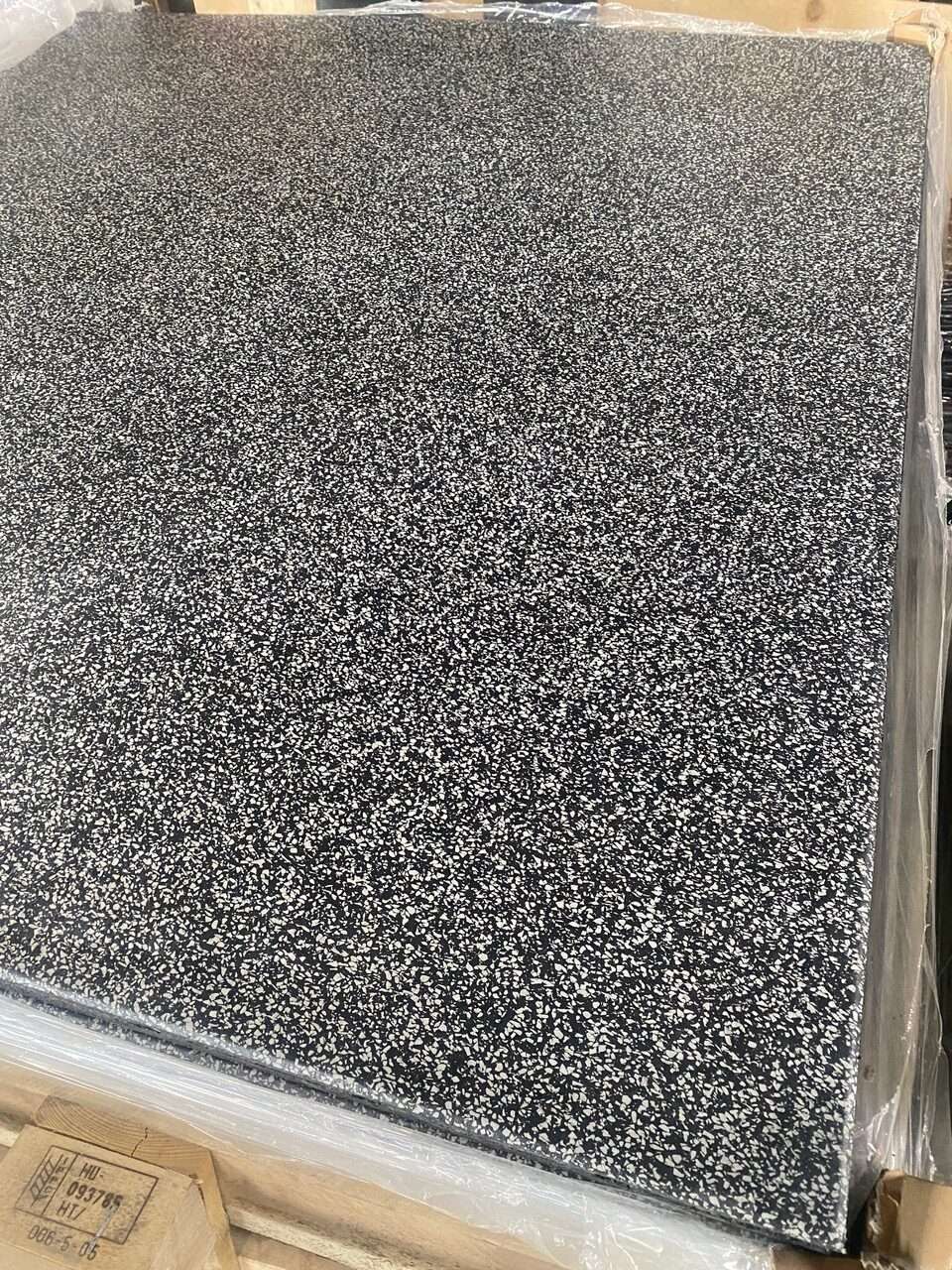
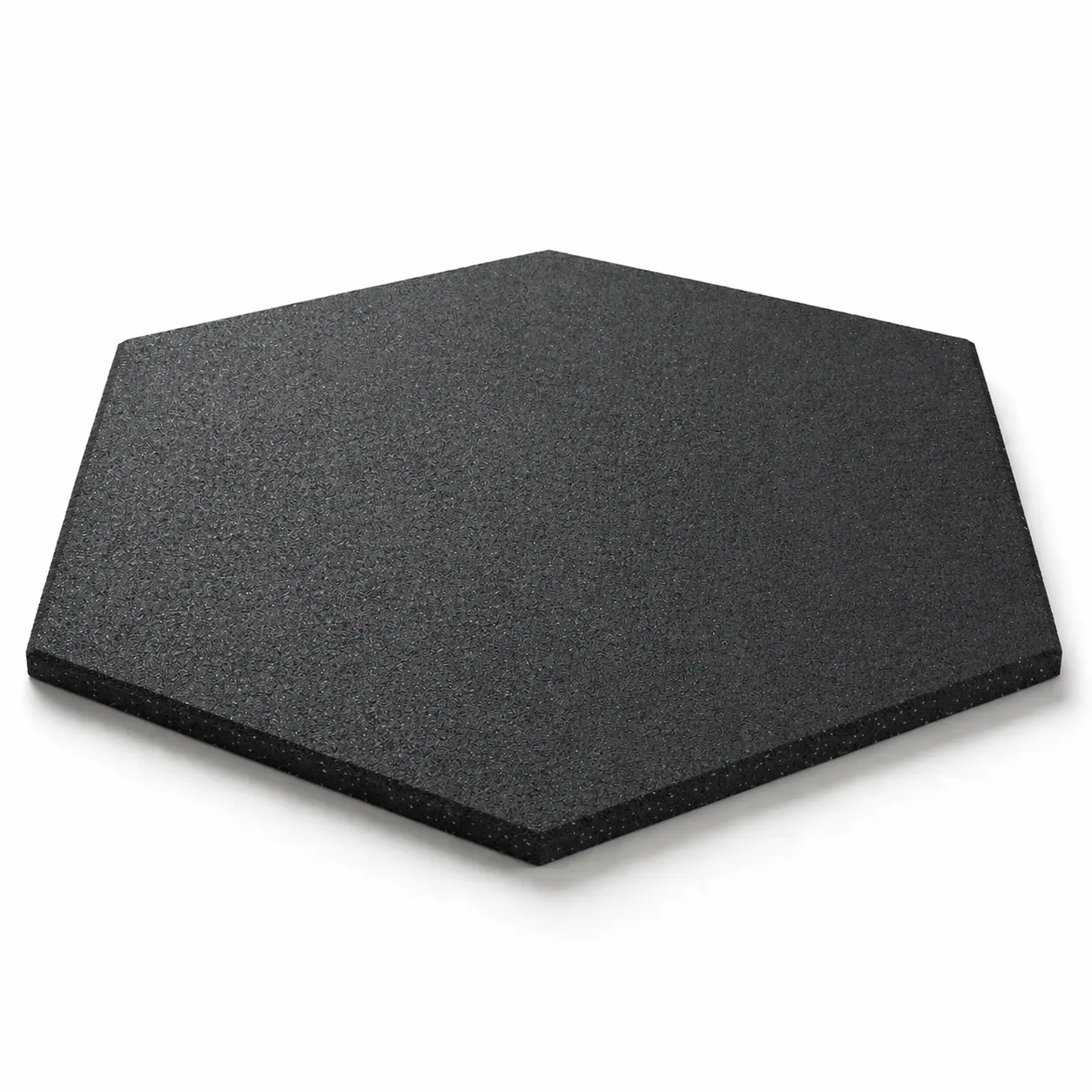
Rubber gym flooring tiles are shock absorbing floor coverings made from recycled SBR rubber granulate bound with polyurethane resin, used in strength areas, CrossFit boxes, playgrounds and outdoor fitness sites. They help protect the substrate when selected for the intended loads and impacts. Thickness, density, drop height and the existing floor must be considered together; a tile does not provide a universal guarantee against cracking or vibration transfer. The range is available in several thicknesses and in several formats, so the same product family covers a compact studio and a 500 m2 commercial gym.
What defines our sports flooring
| Thicknesses and formats | From 6 to 60 mm, up to 100 mm for extreme use. Formats 50 × 50, 50 × 100 and 100 × 100 cm, plus mats and rolls |
|---|---|
| Density | 900 to 1,000 kg/m³ depending on the reference, stated on every product page |
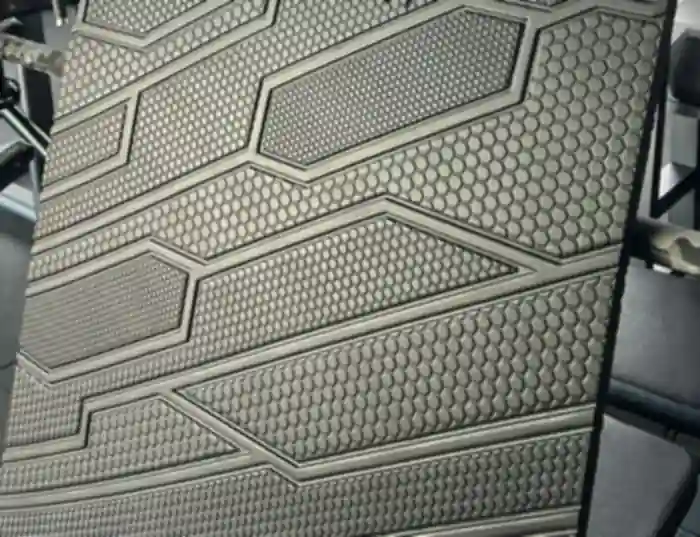
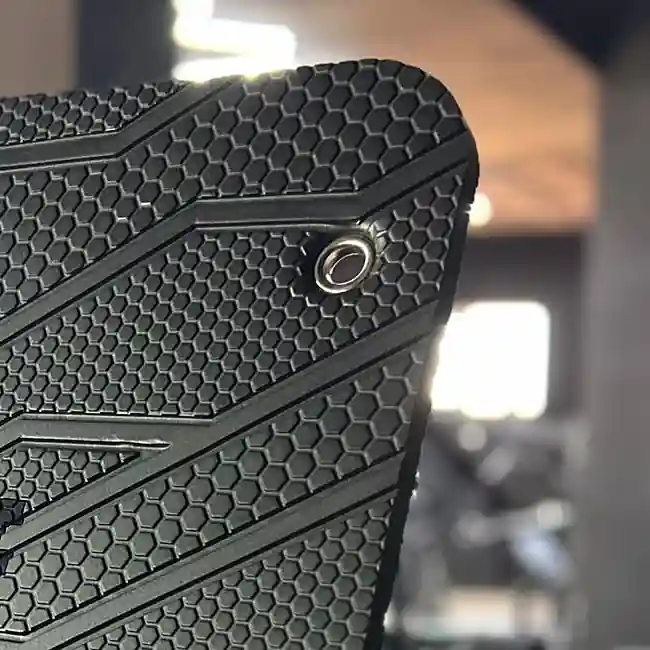
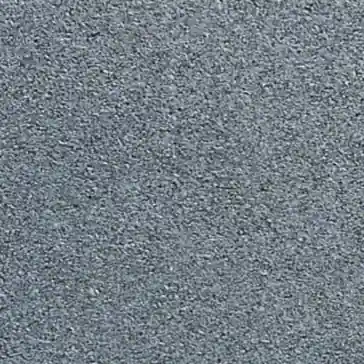
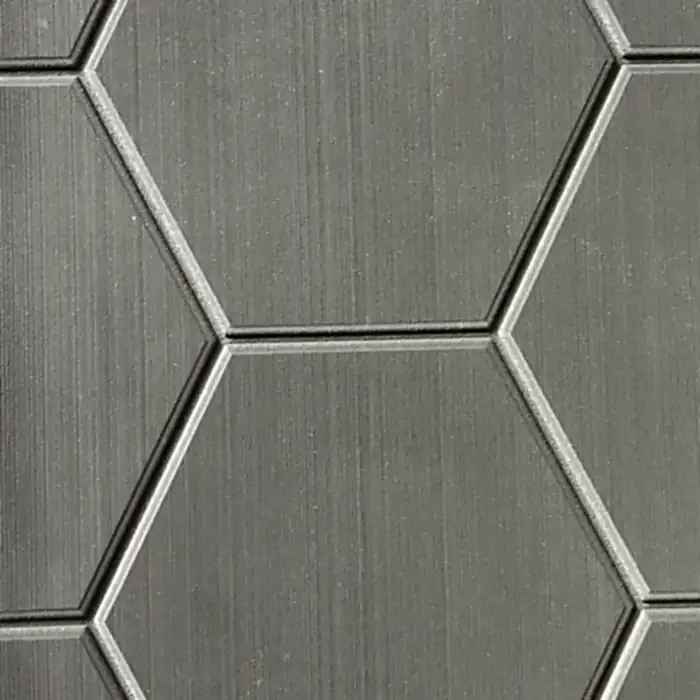
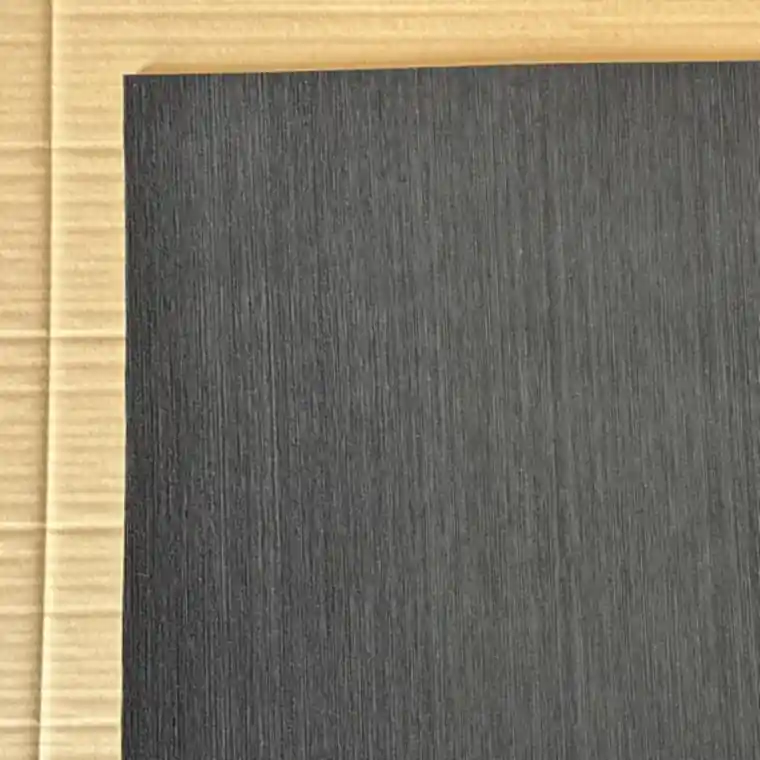
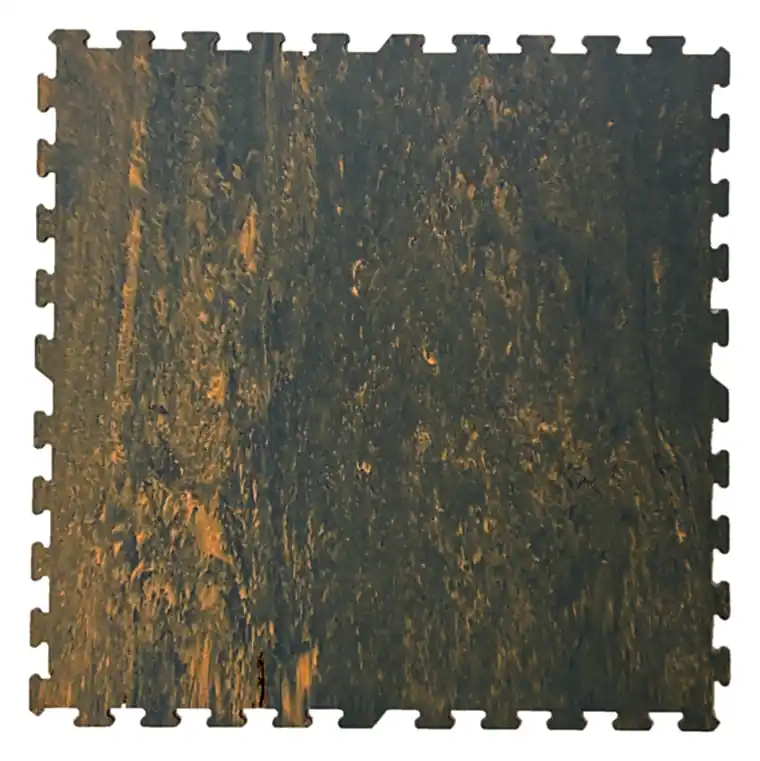
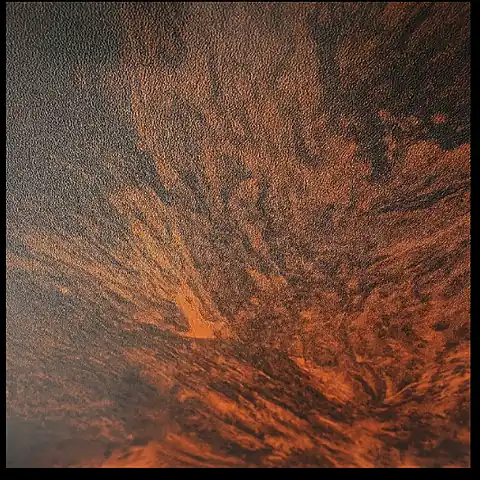
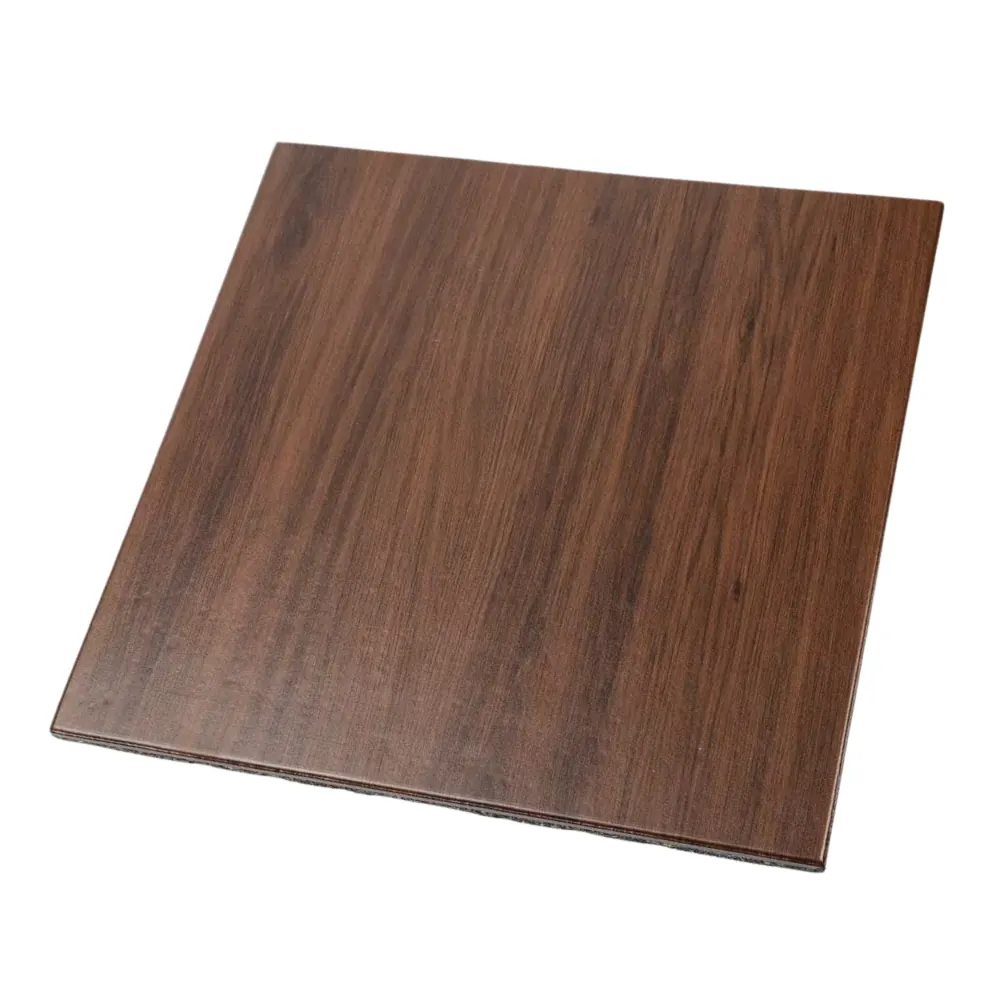
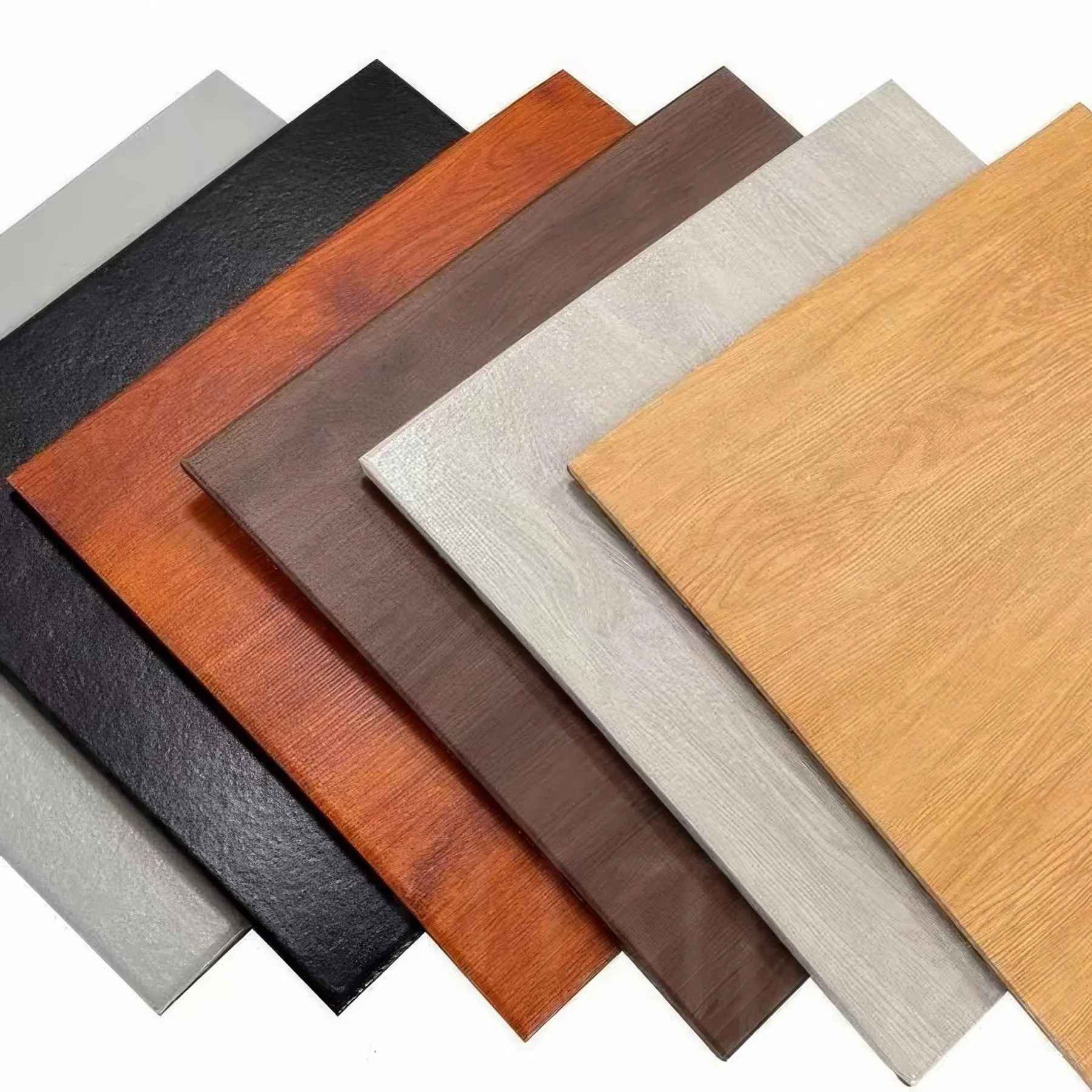
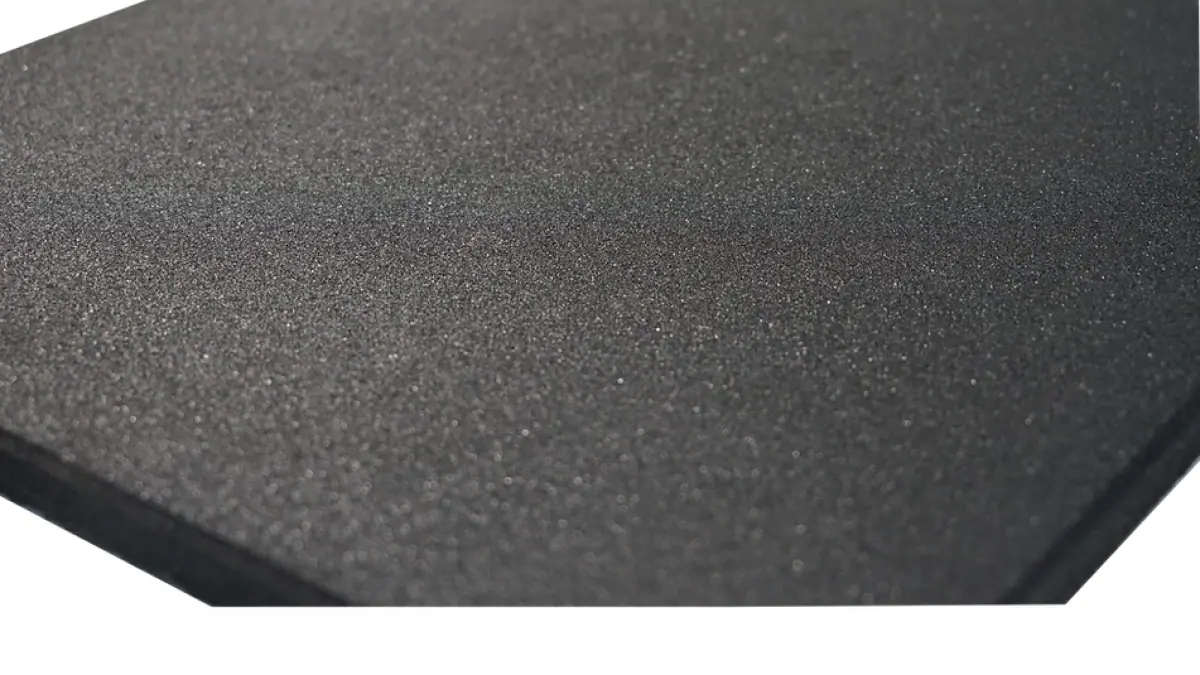
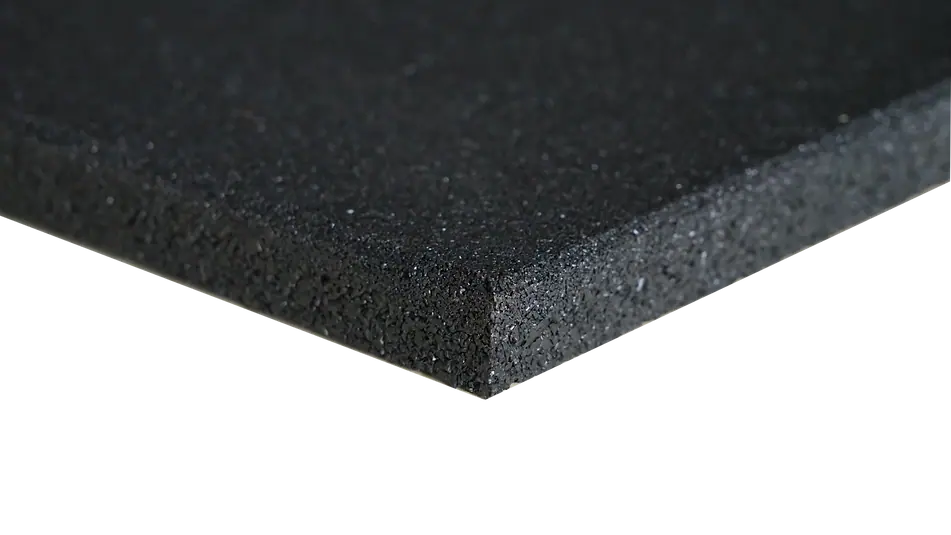
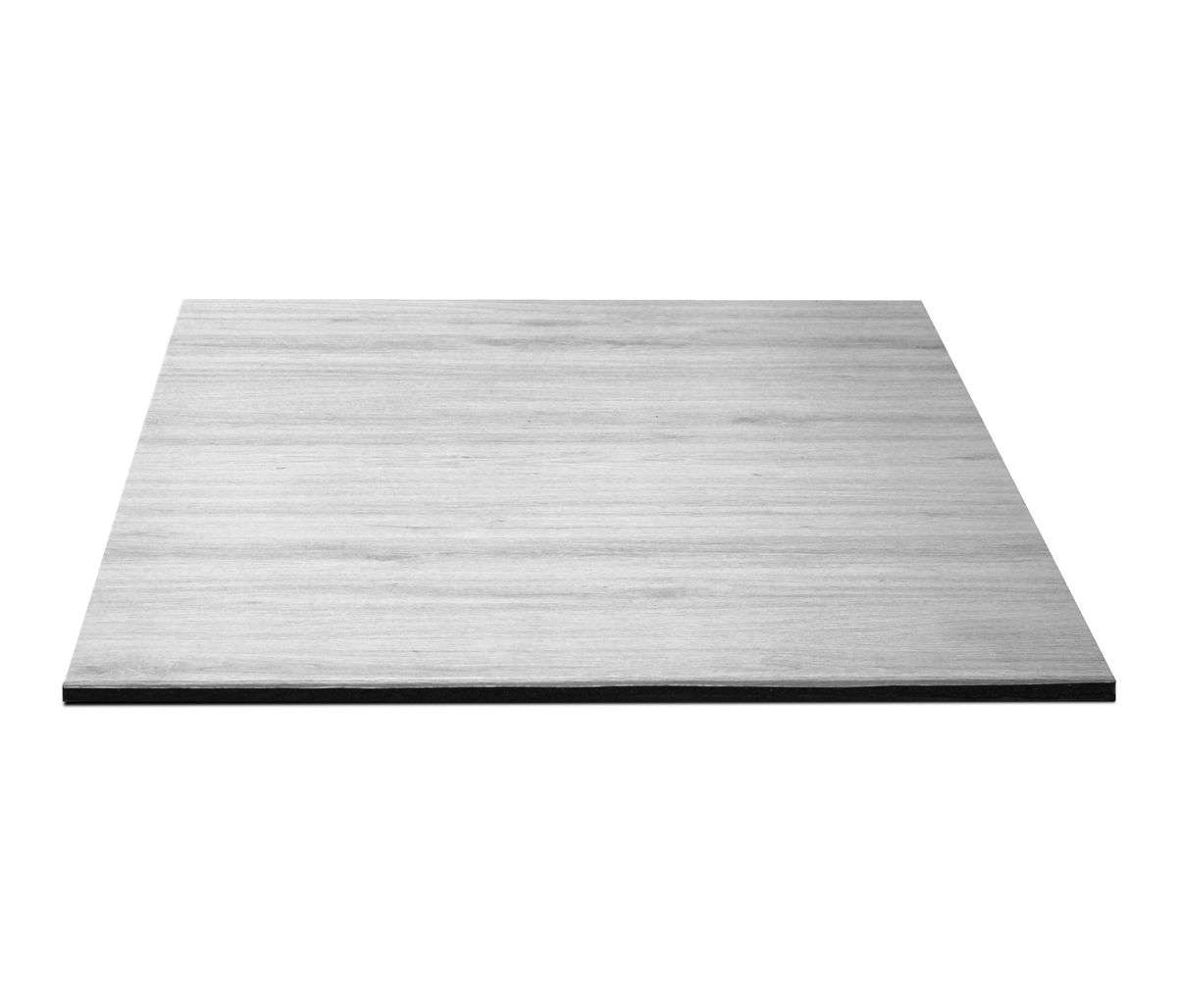
| Composition | Recycled rubber granules with polyurethane binder; coloured, wood-effect or patterned versions depending on the range |
| Impact attenuation | Critical fall height validated by HIC testing to EN 1177, published reference by reference |
| Fire classification | Three classifications backed by test reports (EN 13501-1): Bfl-s1 by SGS (SBR/EPDM tiles 15 to 40 mm), Cfl-s1 by LNE (SBR tiles 15 to 30 mm) and Dfl-s1 by LNE (SBR tiles with EPDM top layer, 25 to 30 mm); reports available on request, not published online; other thicknesses and finishes are classified by Light In Fitness declaration on these bases |
| Acoustics | ΔLw values declared by Light In Fitness on the basis of supplier testing, attestation on request |
| Installation | Loose-laid, connector-jointed or bonded depending on thickness and use. Substrate, flatness and drainage to be checked before ordering |
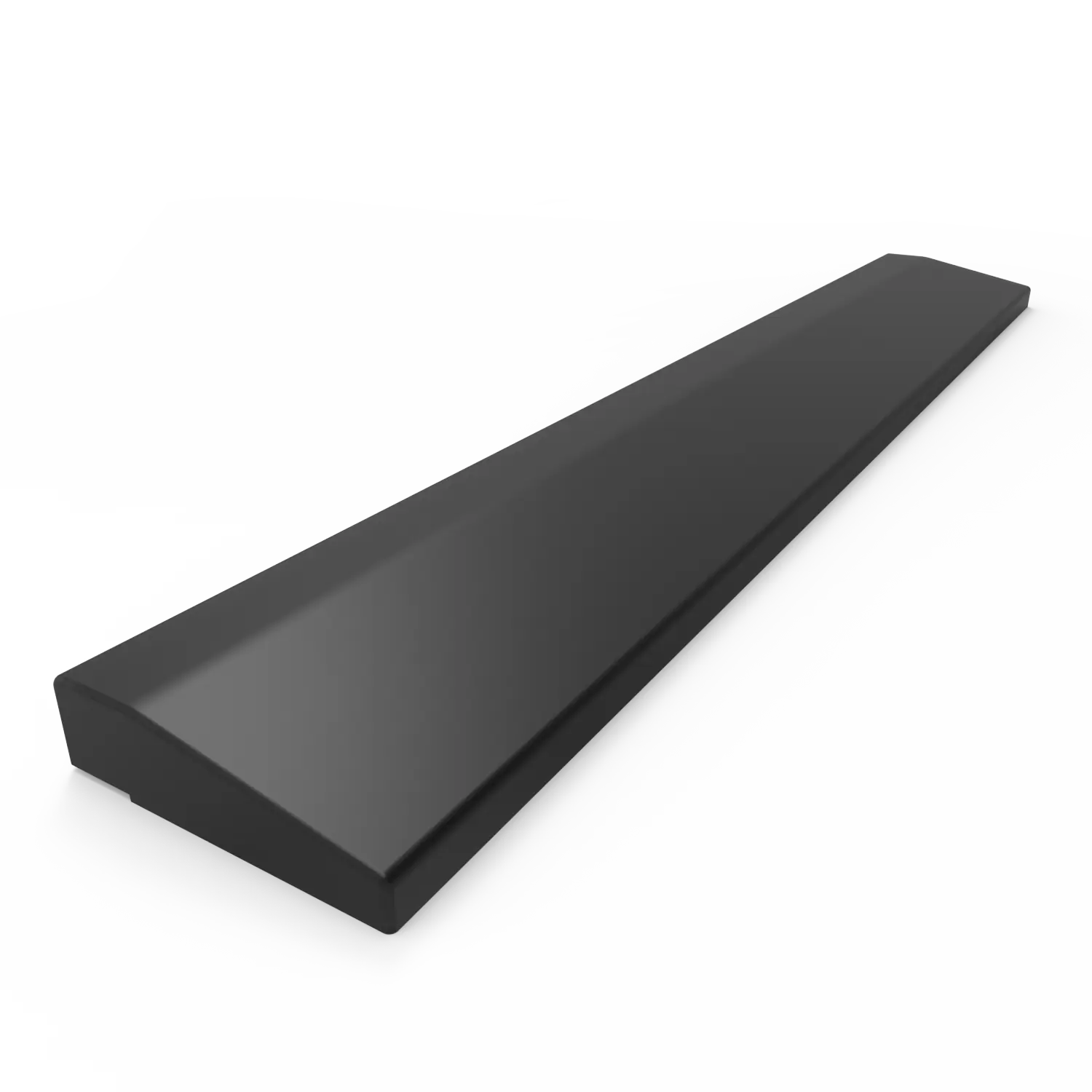
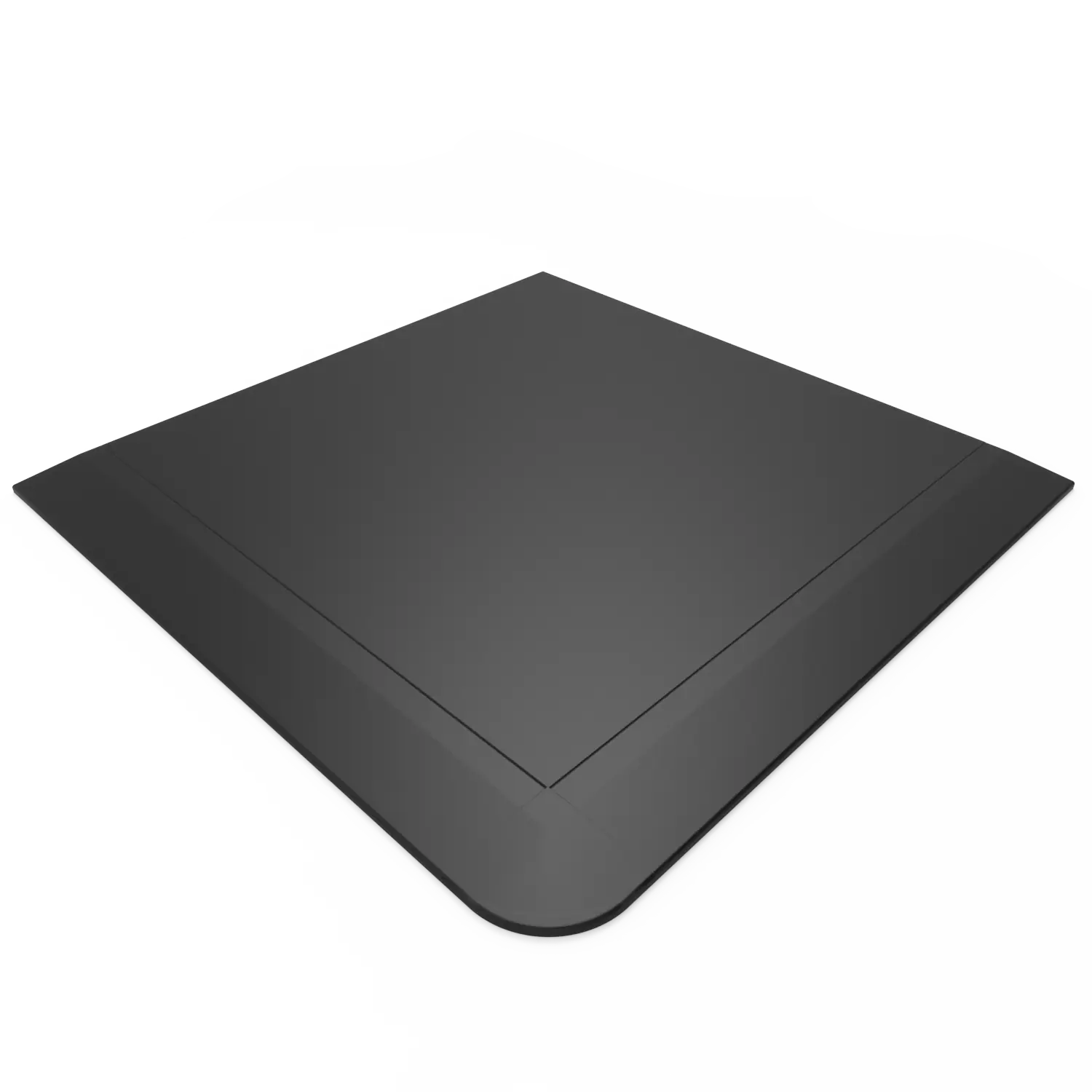
| Edge detailing | Finishing profiles for 20, 25 and 40 mm thicknesses, plus a sloped transition strip. Access ramps and made-to-measure edging available as an option, quoted with the layout |
| Available on request | Cellular tiles to be filled with gravel or topsoil, made-to-measure edging and ramps, interlocking rubber pavers for stables and technical rooms |
| Choosing the thickness | By use zone — free weights, cardio, functional training, play area — never by overall floor area |
Showing 1–32 of 68 resultsSorted by latest
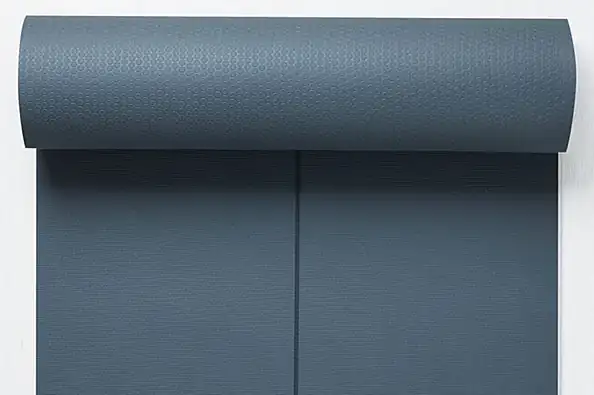
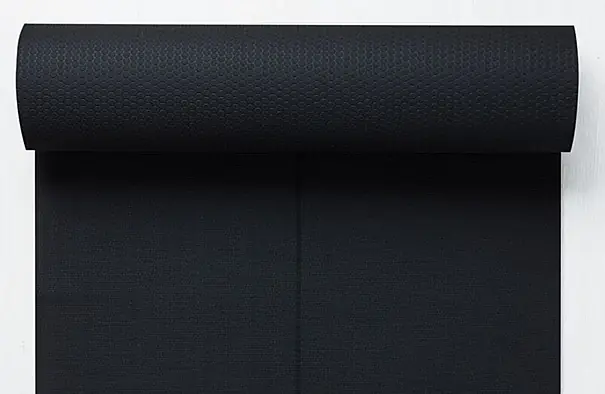


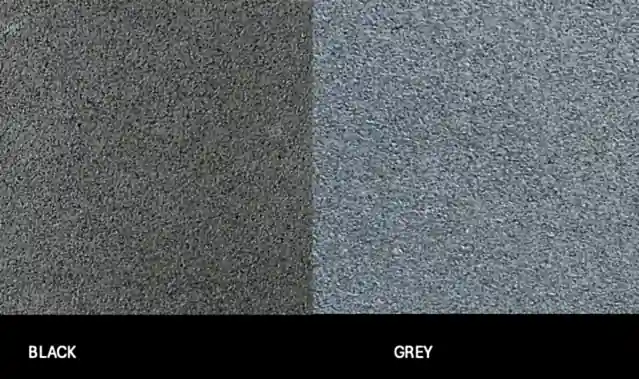
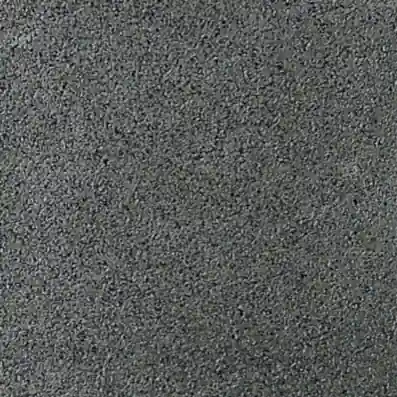

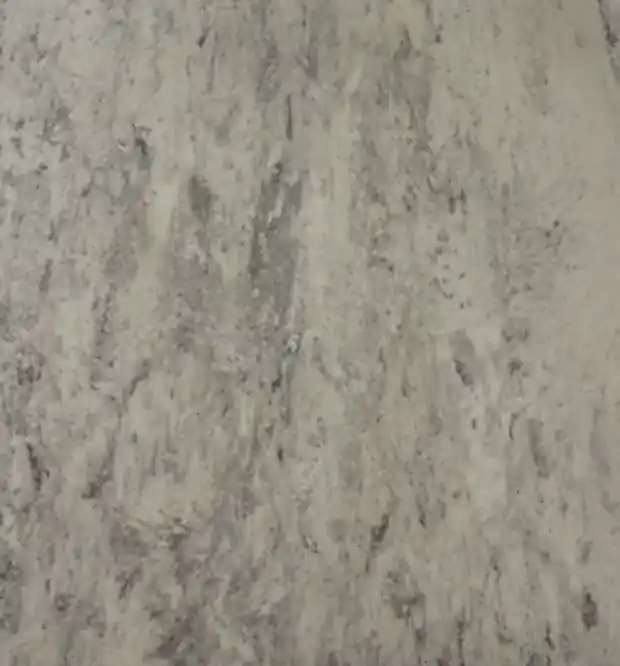
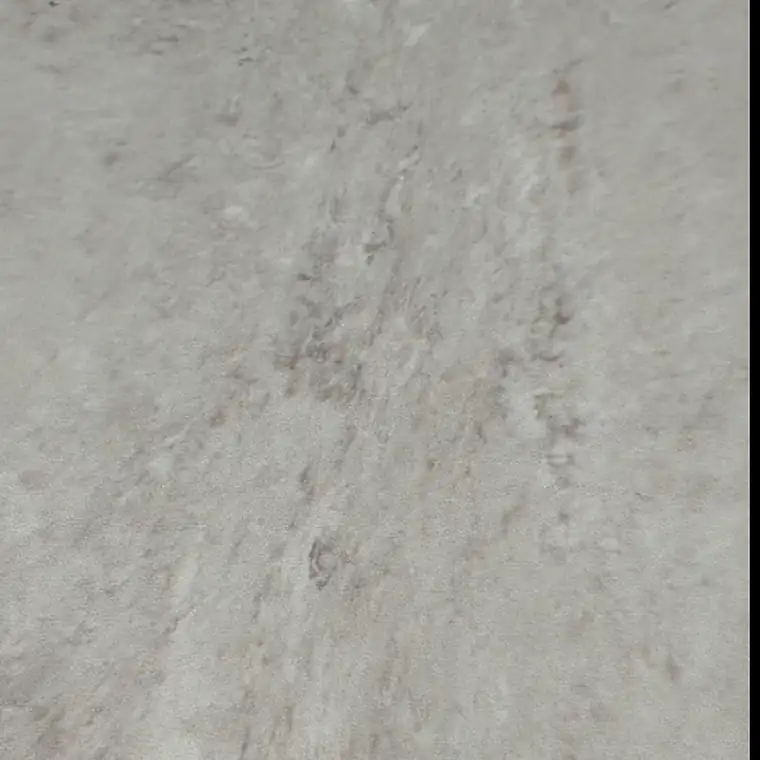
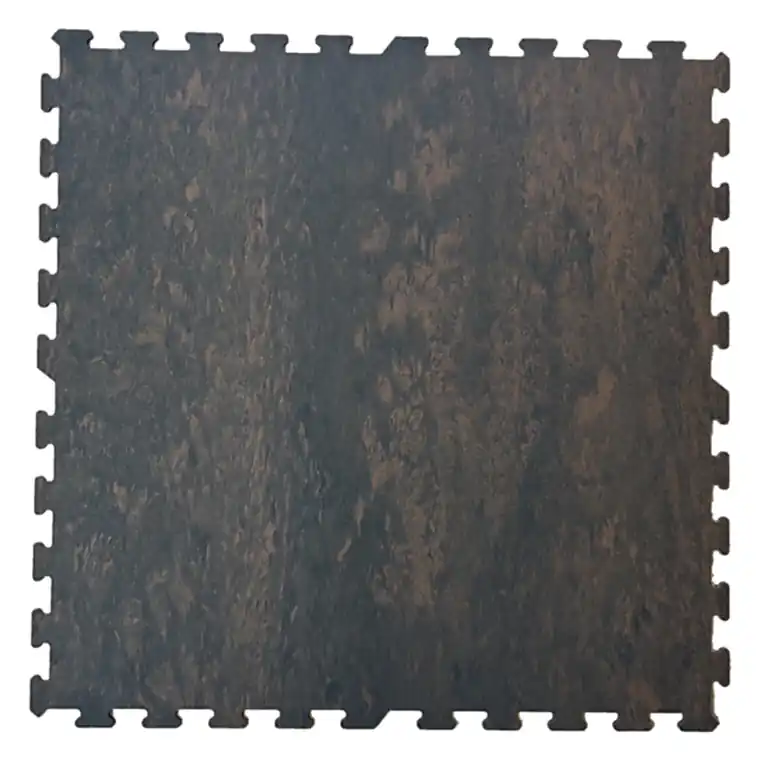
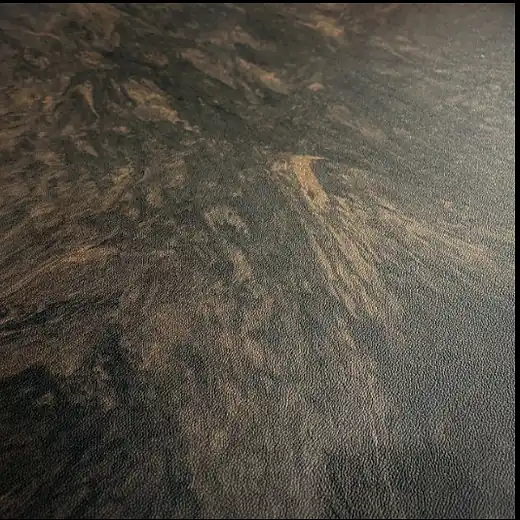


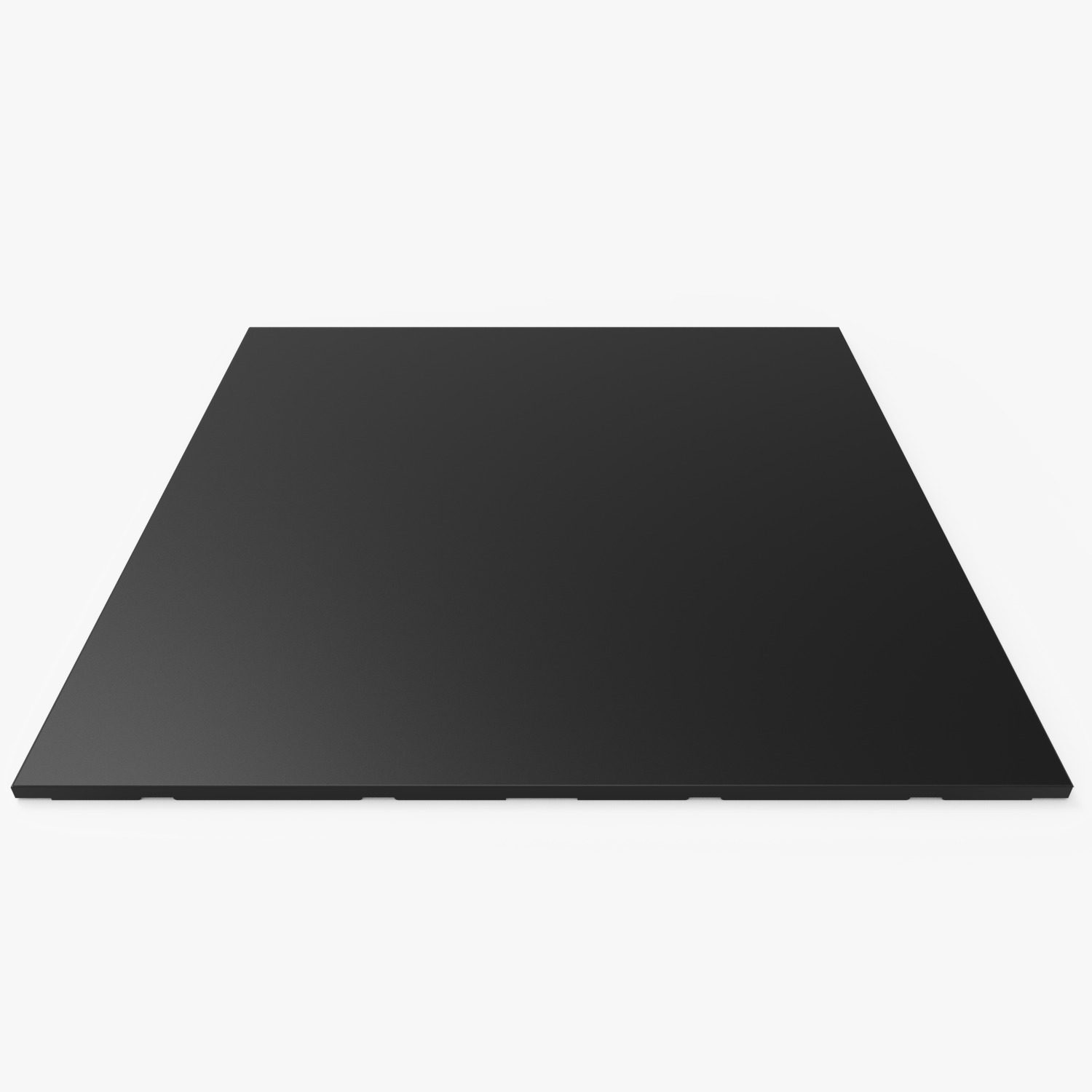
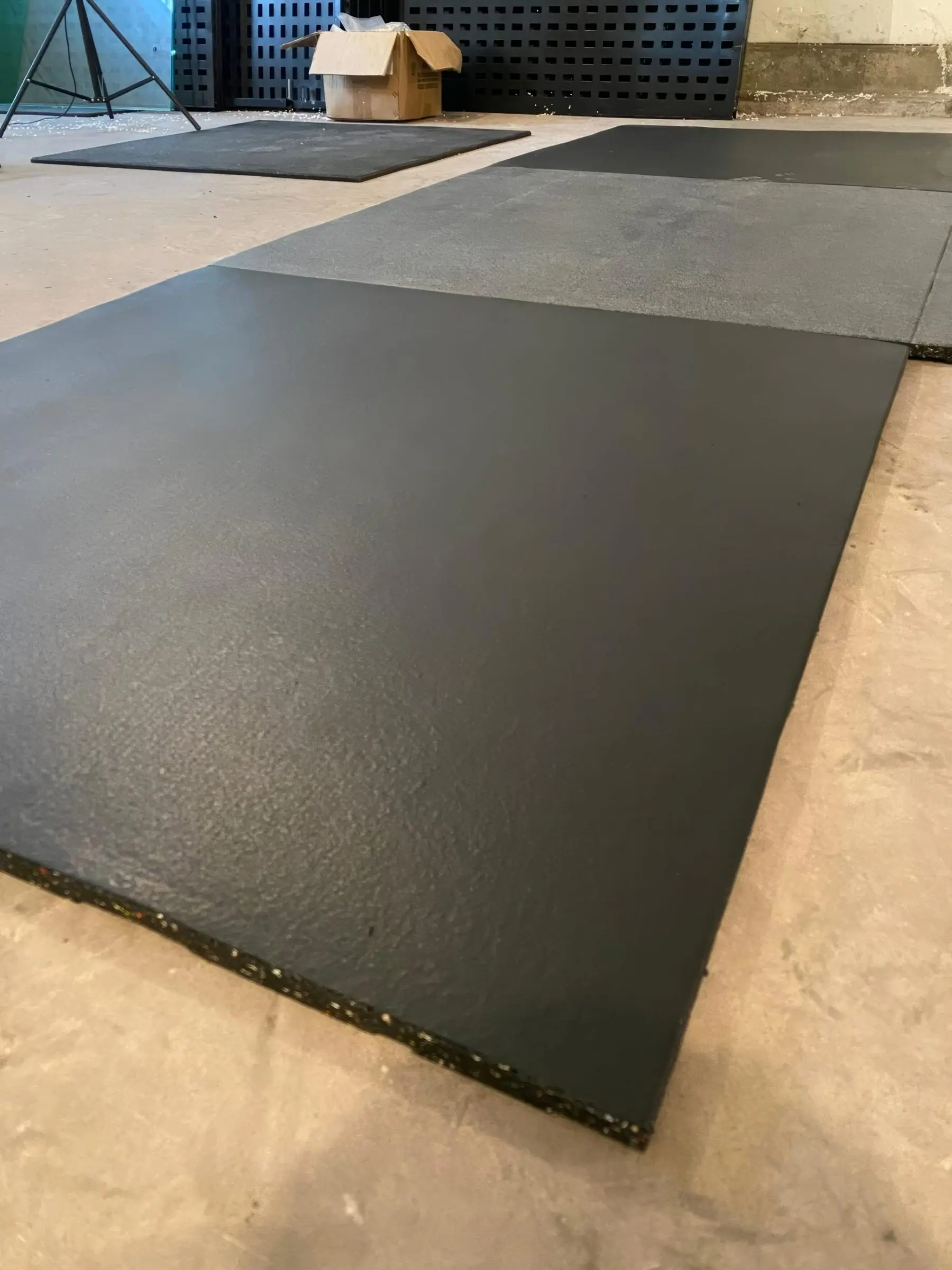
Thicknesses and formats
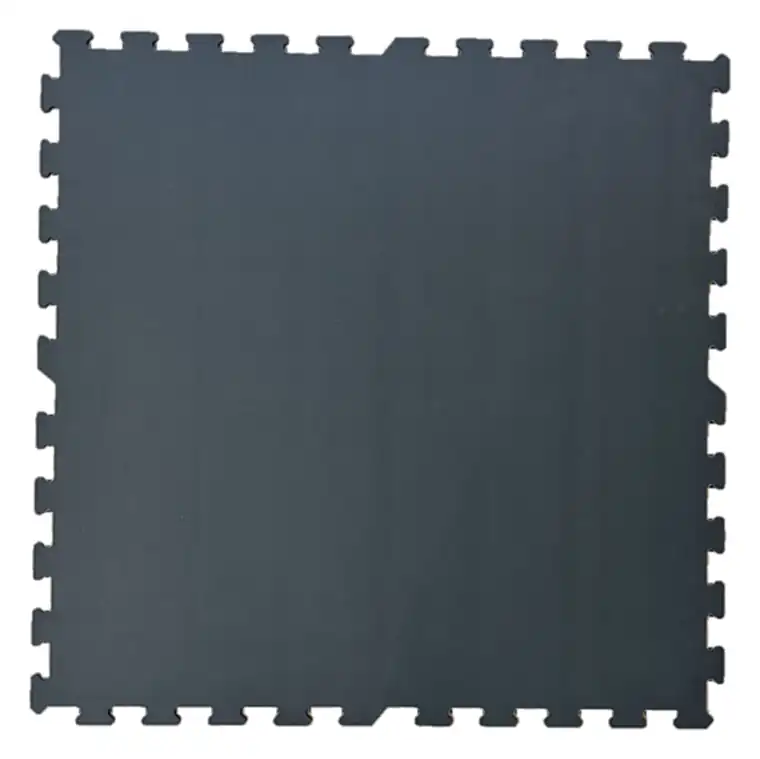
Thickness is chosen from the impact the floor has to absorb, not from perceived comfort. Tiles are supplied from 6 to 60 mm (6, 7, 10, 15, 20, 25, 30, 40, 42, 50 and 60 mm depending on the reference, 100 mm for the extreme version), in 50 x 50 cm, 50 x 100 cm and 100 x 100 cm formats, plus mats from 120 x 50 to 180 x 60 cm. The smaller format suits cut in areas and confined rooms; the larger format lays faster over open surfaces and leaves fewer joints.
| Thickness | Typical use | Comment |
|---|---|---|
| 15 mm | Cardio rows, circulation, machine areas | Check the equipment loads and the substrate |
| 20 to 25 mm | Selectorised and plate loaded areas, studios | Select the reference according to the equipment and loads |
| 30 mm | Free weight zones, dumbbell areas | Check the loads, drop height and substrate |
| 40 mm | CrossFit and weightlifting zones | Size the floor for the intended barbell loads and drop heights |
| 50 mm | Drop zones, playgrounds and outdoor fall areas | Check the reference performance and the required fall height |
Where these tiles are used
Strength areas, where the floor has to take heavy static loads and protect tiling or concrete underneath. CrossFit and weightlifting zones, where a loaded Olympic barbell is dropped repeatedly. Group exercise and functional rooms, where noise transmission to floors below is the main concern. Playgrounds and outdoor fitness sites, where the requirement is impact attenuation matched to a critical fall height. Outdoor sports areas, where UV and frost resistance and drainage of the sub base determine service life.
Laying, standards and maintenance
On a flat, stable sub base, loose laid tiles are sufficient for most indoor projects. Bonding becomes necessary where there are rolling loads, large temperature swings or a sloping surface. Outdoor formulations include UV and frost resistance, and the drainage of the sub base conditions the life of the whole assembly. In playground use, impact attenuation is assessed under EN 1177 and has to match the critical fall height of the equipment above. Indoor fitness areas fall under the general EN ISO 20957-1 framework for the equipment installed on them. Maintenance is limited to sweeping and washing with a neutral detergent.
Frequently asked questions
Which thickness is needed for dropping a loaded barbell?
For CrossFit or weightlifting drop zones, choose the reference according to the loads, drop heights, substrate and neighbouring spaces. Thickness alone does not guarantee the required protection. Bumper plates are still required: the floor absorbs the impact but does not protect cast iron plates or the bar. A lifting platform is the alternative where the discipline is exclusively weightlifting.
Do tiles need to be glued down?
Not in most indoor cases. A flat, clean and stable sub base with tiles laid tight against walls and equipment bases holds well, and loose laying keeps the floor removable. Bonding is used where trolleys or rolling loads cross the surface, where the room sees large temperature variation, or on a slope.
Can indoor tiles be used outdoors?
Use outdoors only a reference specified for that exposure, with the substrate and drainage required by its technical sheet. Wood-effect tiles are for indoor use only. Confirm the exposure when you request the quotation so the right reference is selected.
Send us the surface area, the intended activity and the existing floor build up, and we will return a thickness specification with quantities and prices. Request a quotation for a reply within 24 working hours.