
Obstacle course and trail modules
Obstacle course and trail modules: our professional selection
Obstacle trail modules turn a running route into a challenge course, combining endurance work with strength, agility and coordination. Twelve modules are listed, drawn from obstacle course racing, trail running and the traditional fitness trail. They are specified by local authorities, sports clubs, military bases, leisure centres, schools, campsites and outdoor activity sites.
Showing all 12 resultsSorted by latest
-
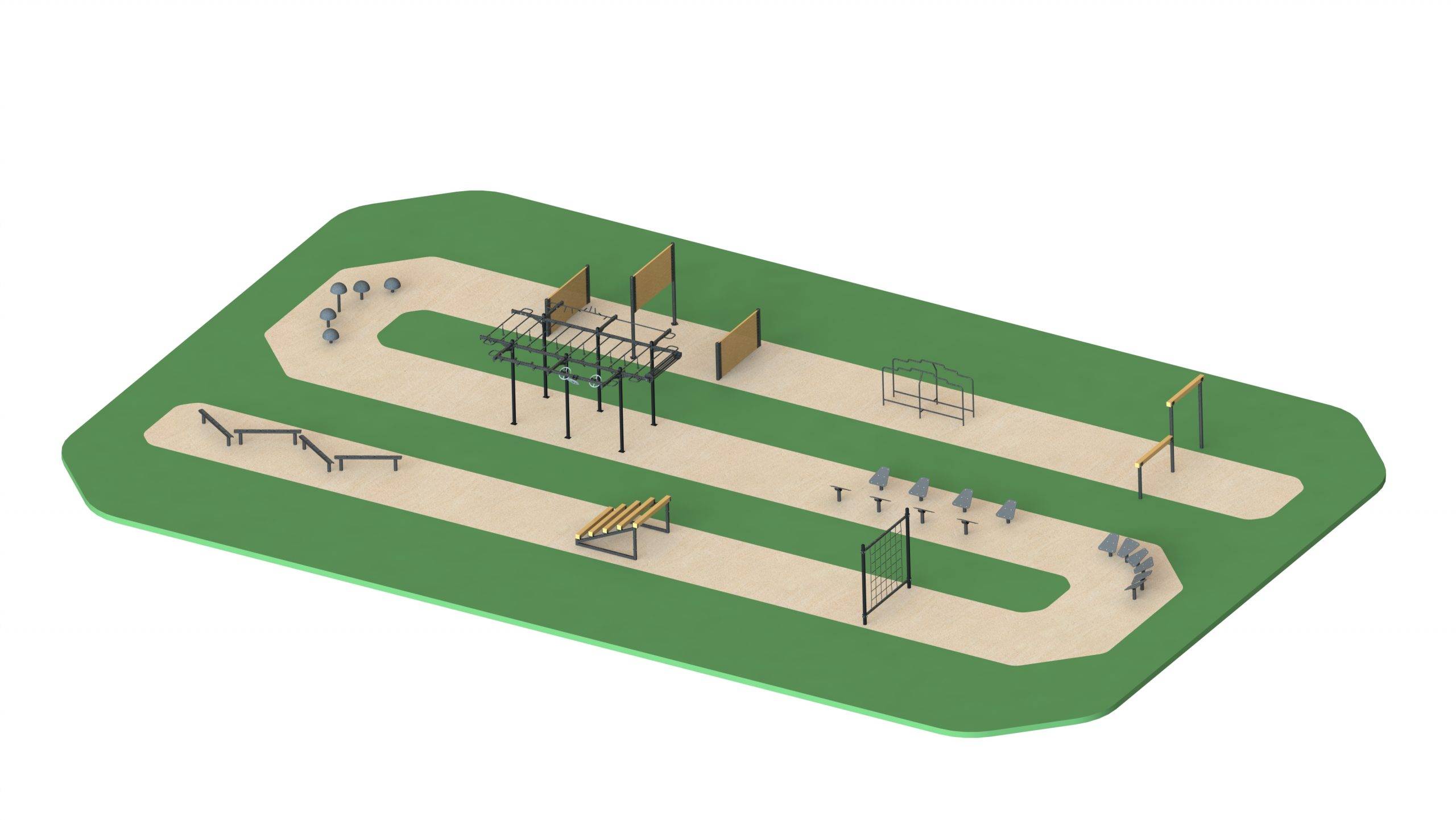
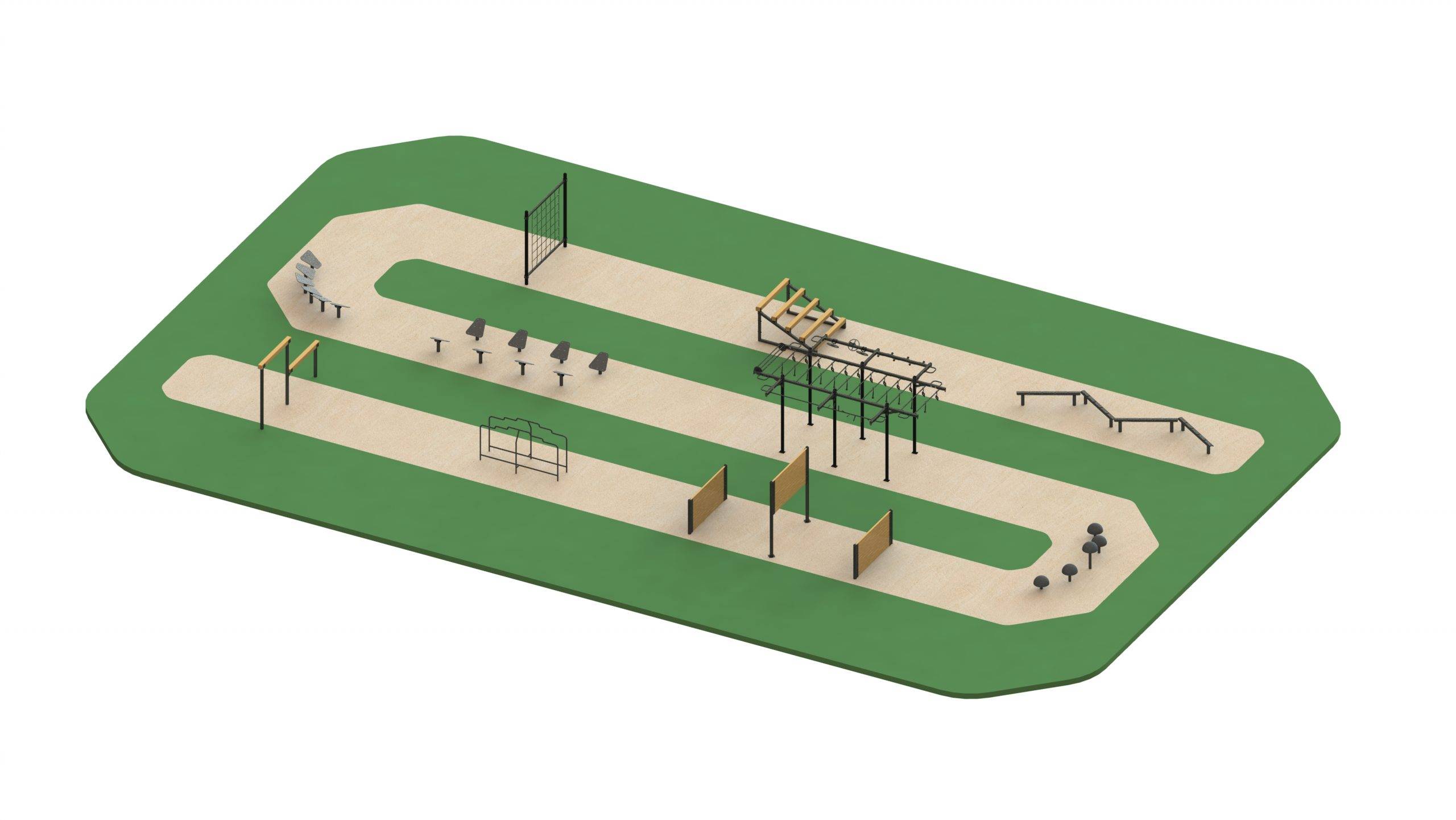
Combattant Ninja OCR Pentathlon complete obstacle course to Pinterest (opens in a new window)Save on Pinterest : Combattant Ninja OCR Pentathlon complete obstacle course
 Add to cartMORE INFO
Combattant Ninja OCR Pentathlon complete obstacle course
42,500.00 € excl. VAT -
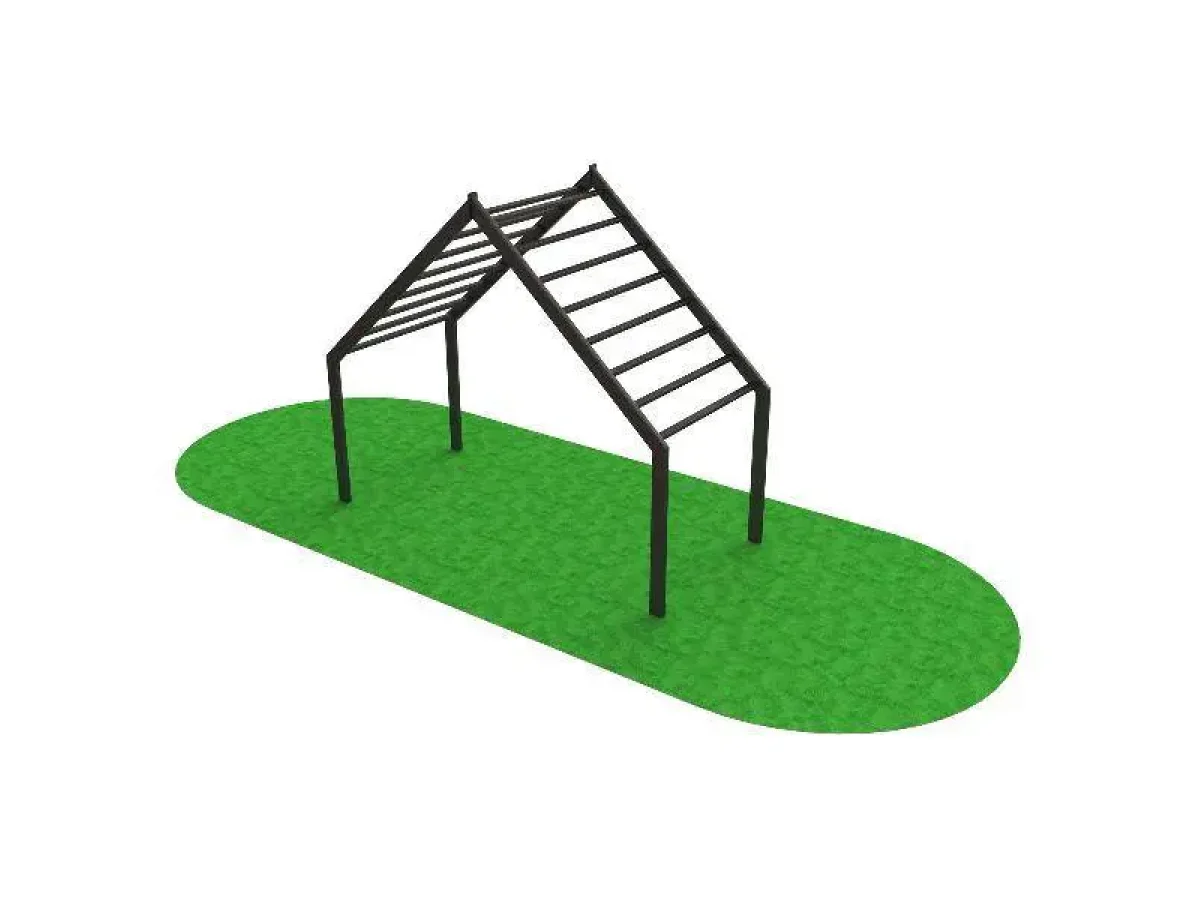
Trail PEAK Obstacle Course Module - Summit Ladder to Pinterest (opens in a new window)Save on Pinterest : Trail PEAK Obstacle Course Module - Summit Ladder
![Trail PEAK Obstacle Course Module - Summit Ladder]() View product
View productTrail PEAK Obstacle Course Module - Summit Ladder
Price on request -
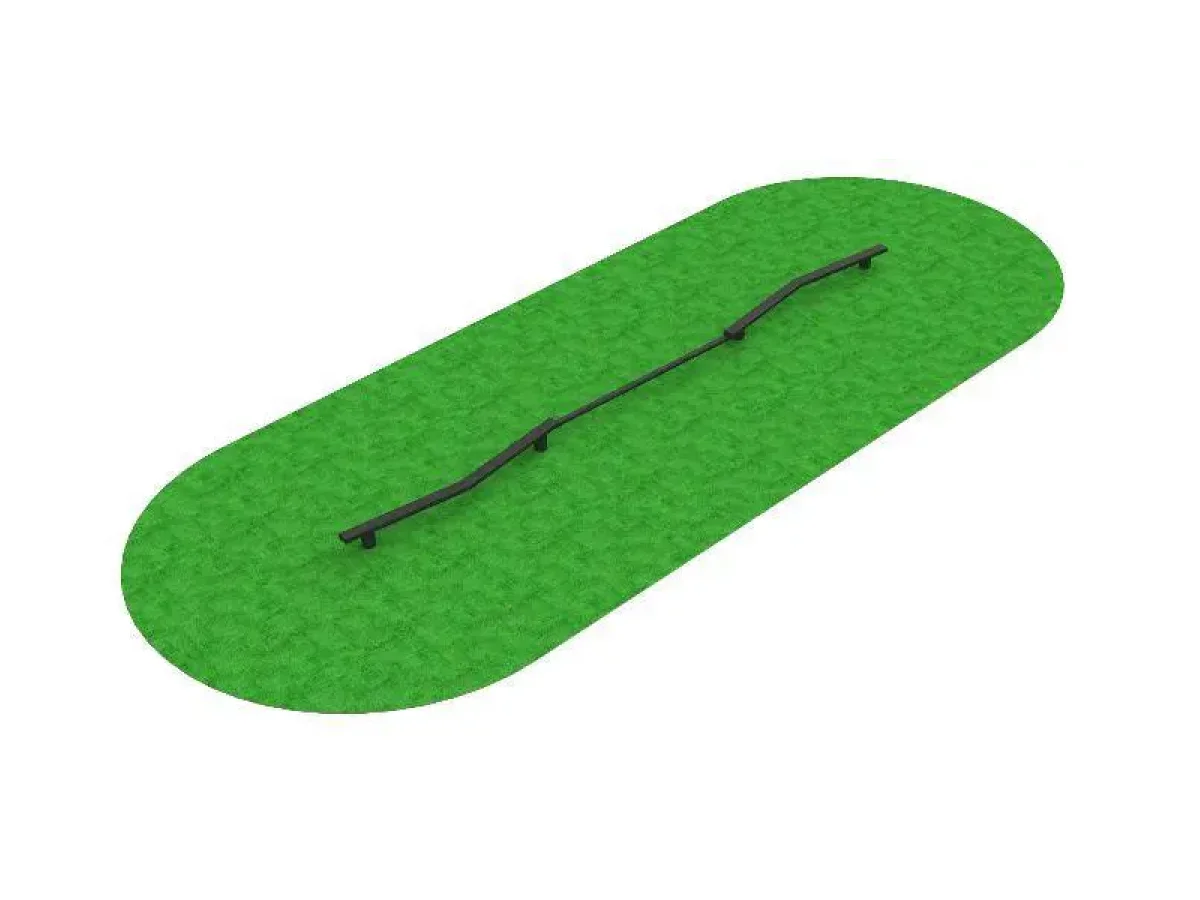
Trail BALANCE SNAKE Obstacle Module - Balance Beam to Pinterest (opens in a new window)Save on Pinterest : Trail BALANCE SNAKE Obstacle Module - Balance Beam
![Trail BALANCE SNAKE Obstacle Module - Balance Beam]() View product
View productTrail BALANCE SNAKE Obstacle Module - Balance Beam
Price on request -
Trail OVER UNDER Obstacle Module - Agility Ladder Rungs to Pinterest (opens in a new window)Save on Pinterest : Trail OVER UNDER Obstacle Module - Agility Ladder Rungs
![Trail OVER UNDER Obstacle Module - Agility Ladder Rungs]() View product
View productTrail OVER UNDER Obstacle Module - Agility Ladder Rungs
Price on request -
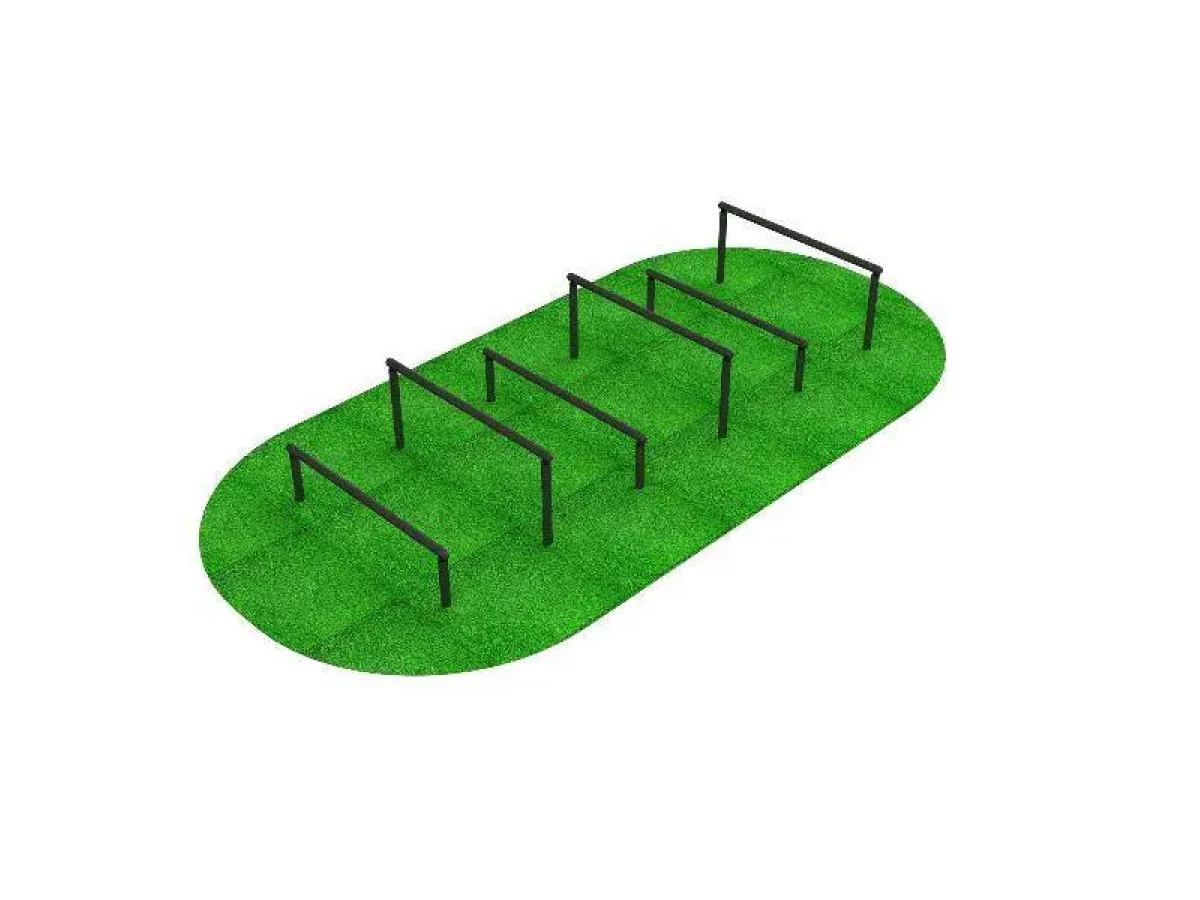
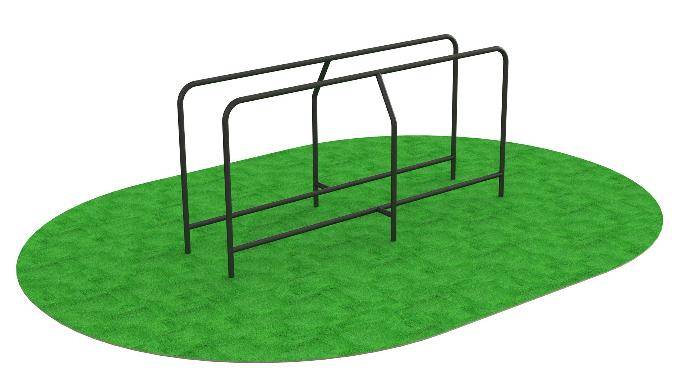
Trail IRISH TABLE Obstacle Module - Fixed Bars for Bottom-to-Top Weaving to Pinterest (opens in a new window)Save on Pinterest : Trail IRISH TABLE Obstacle Module - Fixed Bars for Bottom-to-Top Weaving
![Trail IRISH TABLE Obstacle Module - Fixed Bars for Bottom-to-Top Weaving]() View product
View productTrail IRISH TABLE Obstacle Module - Fixed Bars for Bottom-to-Top Weaving
Price on request -
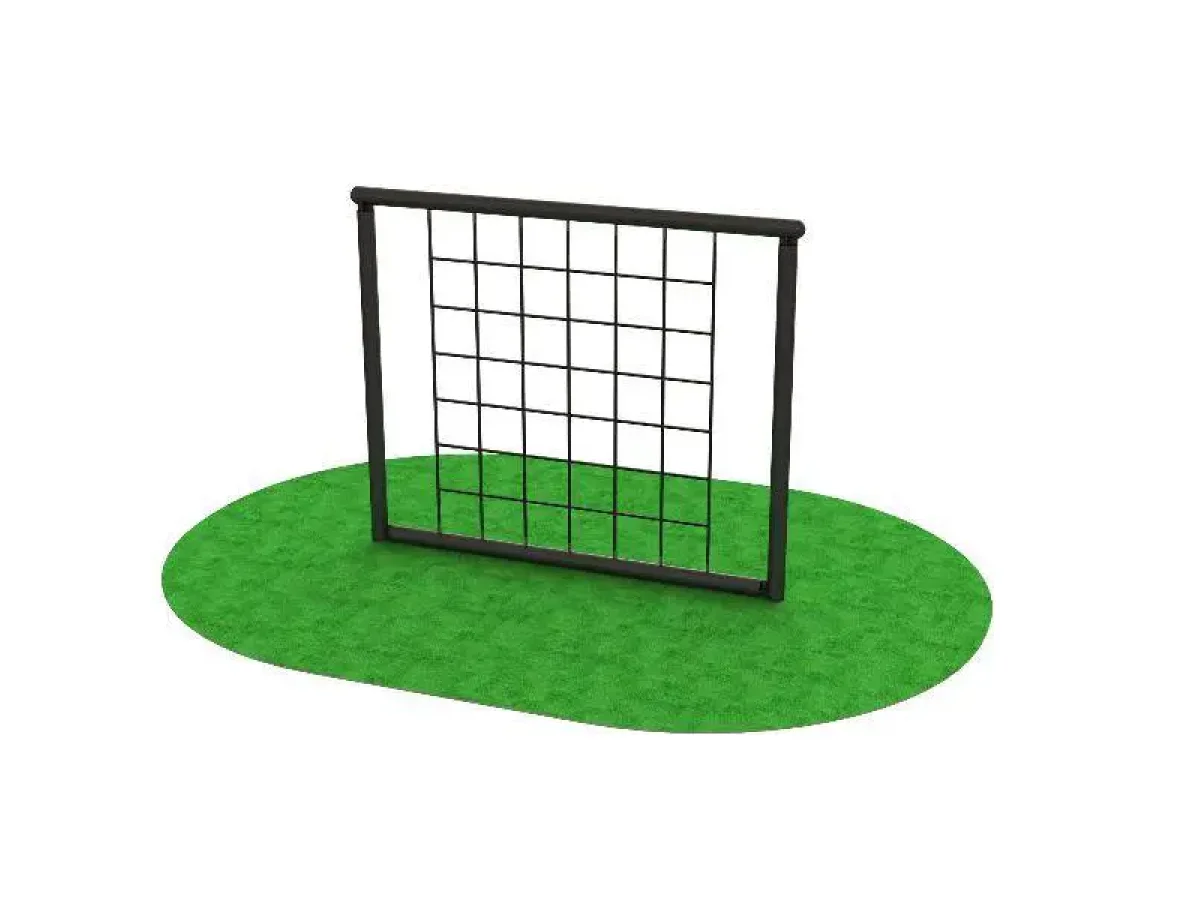
Trail NET WALL Obstacle Module - Climbing Net to Pinterest (opens in a new window)Save on Pinterest : Trail NET WALL Obstacle Module - Climbing Net
![Trail NET WALL Obstacle Module - Climbing Net]() View product
View productTrail NET WALL Obstacle Module - Climbing Net
Price on request -
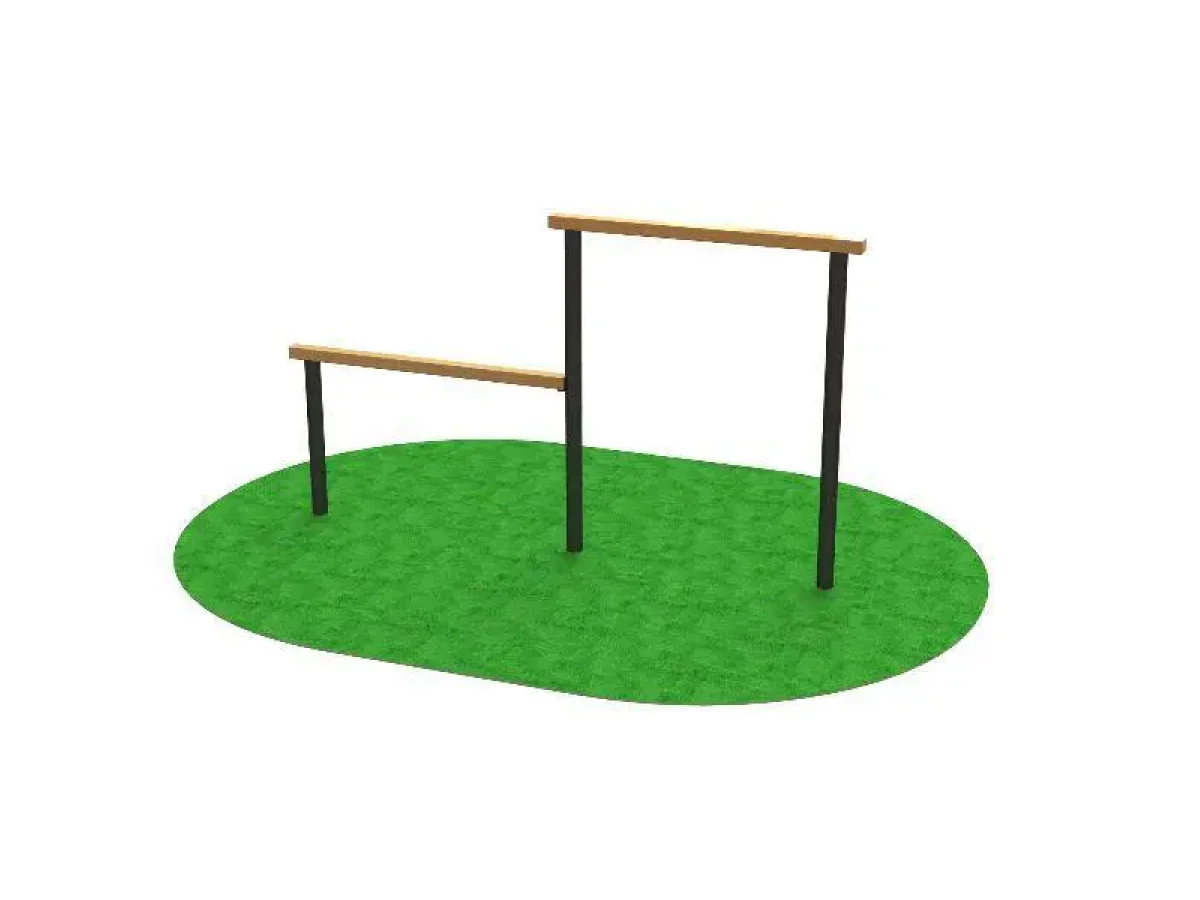
Trail DIPS STEPS Obstacle Module - Arm and Leg Work, Level 2 to Pinterest (opens in a new window)Save on Pinterest : Trail DIPS STEPS Obstacle Module - Arm and Leg Work, Level 2
![module parcours obstacle trail dips steps – travail de bras et jambes niveau 2]() View product
View productTrail DIPS STEPS Obstacle Module - Arm and Leg Work, Level 2
Price on request -
Trail DIPS WALK Obstacle Module - Arm and Leg Work to Pinterest (opens in a new window)Save on Pinterest : Trail DIPS WALK Obstacle Module - Arm and Leg Work
![module parcours obstacle trail dips walk travail de bras et jambes]() View product
View productTrail DIPS WALK Obstacle Module - Arm and Leg Work
Price on request -
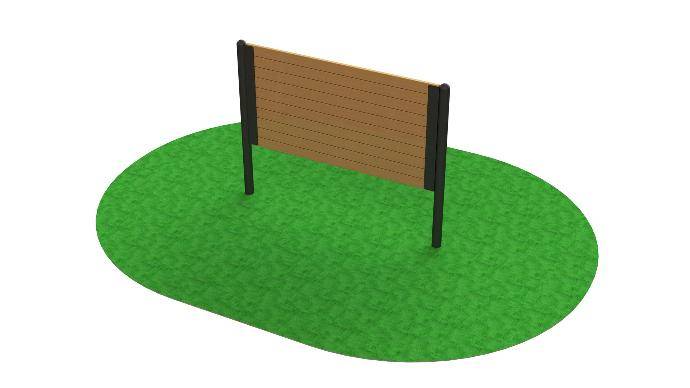
Trail WALL or CRAWL Obstacle Module - Vault Over or Crawl Through to Pinterest (opens in a new window)Save on Pinterest : Trail WALL or CRAWL Obstacle Module - Vault Over or Crawl Through
![Trail WALL or CRAWL Obstacle Module - Vault Over or Crawl Through]() View product
View productTrail WALL or CRAWL Obstacle Module - Vault Over or Crawl Through
Price on request -
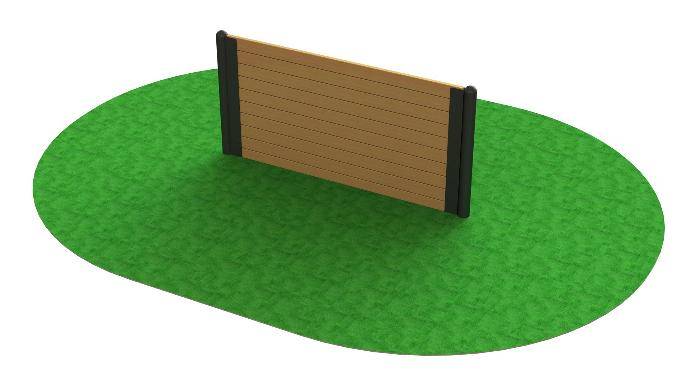
Trail WALL Obstacle Module - Agility Wall to Clear to Pinterest (opens in a new window)Save on Pinterest : Trail WALL Obstacle Module - Agility Wall to Clear
![Trail WALL Obstacle Module - Agility Wall to Clear]() View product
View productTrail WALL Obstacle Module - Agility Wall to Clear
Price on request -
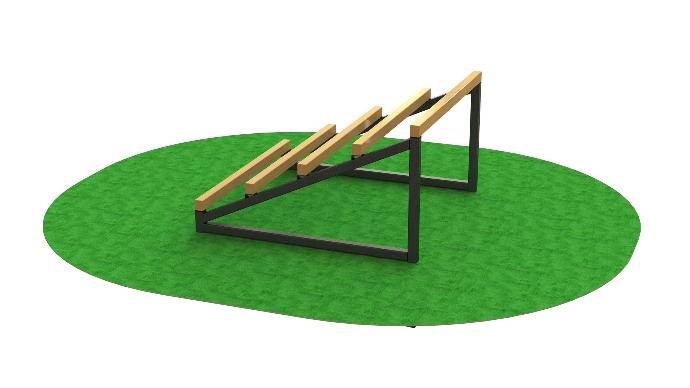
Trail STEP UP Obstacle Module - Training Staircase for Agility to Pinterest (opens in a new window)Save on Pinterest : Trail STEP UP Obstacle Module - Training Staircase for Agility
![Trail STEP UP Obstacle Module - Training Staircase for Agility]() View product
View productTrail STEP UP Obstacle Module - Training Staircase for Agility
Price on request -
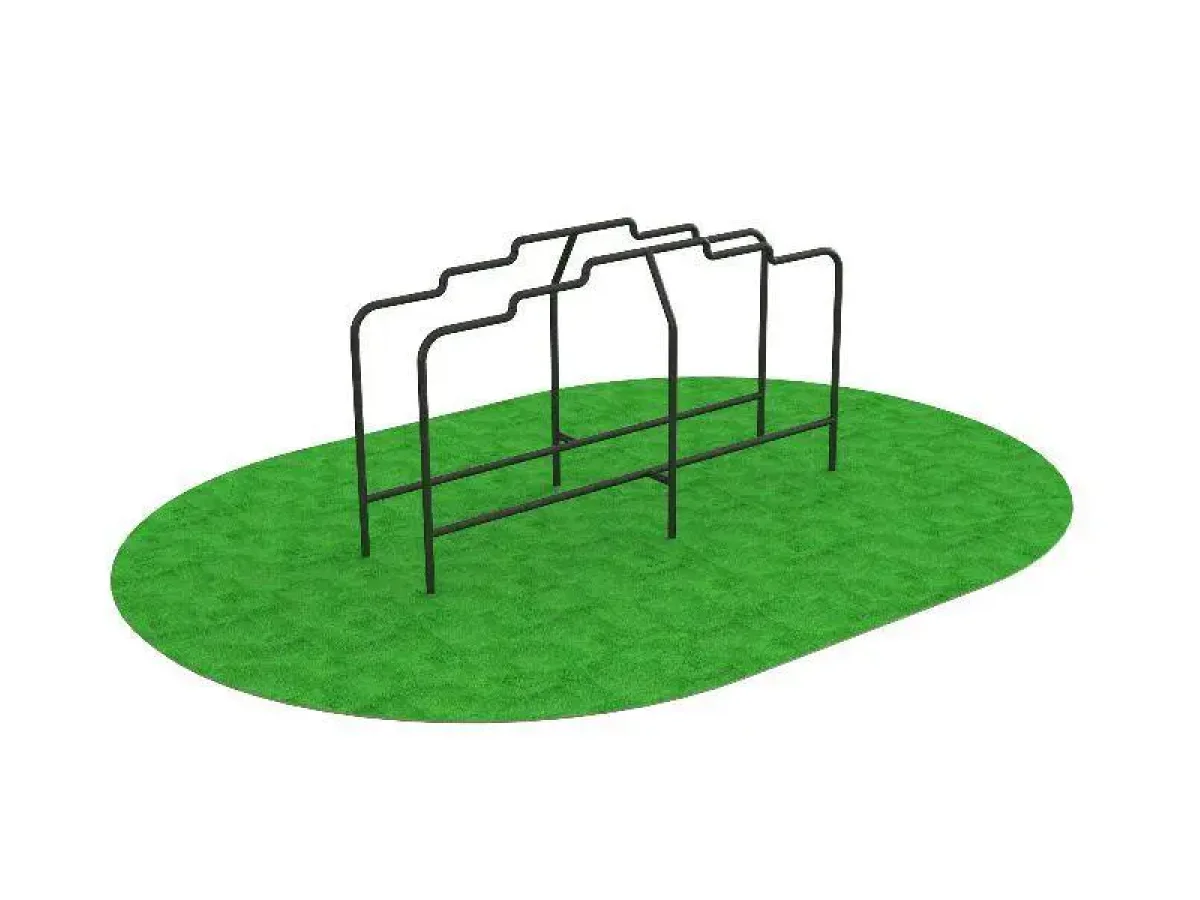
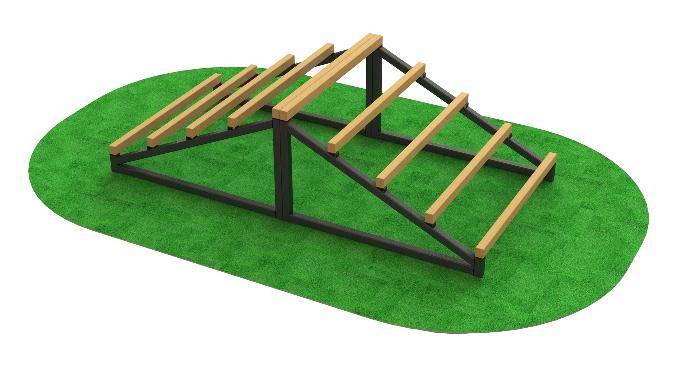
Trail WEAVER Obstacle Module - Pyramid Course Structure to Pinterest (opens in a new window)Save on Pinterest : Trail WEAVER Obstacle Module - Pyramid Course Structure
![module parcours obstacle trail weaver pyramide parcours]() View product
View productTrail WEAVER Obstacle Module - Pyramid Course Structure
Price on request


Modules placed along a route, not in a square
This is what separates an obstacle trail from a fitness area. The modules are distributed along a running loop so that the user arrives at each one already under load, which is how obstacle racing actually works and what makes the installation useful for event training. Spacing decides the difficulty as much as the obstacles do: closely grouped modules produce a circuit, widely spaced modules produce a course. Both are drawn on the layout plan issued with the quotation.
Construction and compliance
Modules are built in treated steel for permanent outdoor installation and are anchored on foundations sized to the ground conditions of the site. Permanently installed outdoor fitness equipment in free public access falls under EN 16630, which is the reference to cite in a tender. Surfacing under obstacles where the user leaves the ground is specified with the layout.
| Design decision | Effect |
|---|---|
| Module spacing | Close spacing gives a circuit, wide spacing a course |
| Route length | Sets the endurance component of the session |
| Obstacle mix | Balance of strength, agility and coordination work |
| Standard | EN 16630 for permanently installed outdoor equipment |
| Surfacing | Specified where users leave the ground |
Frequently asked questions
How is an obstacle trail different from a Ninja course?
An obstacle trail spreads modules along a running route and works endurance alongside strength. A Ninja course concentrates suspended obstacles in one structure.
Can modules be added in phases?
Yes. Each module has its own foundation, so a route can be built out over several budget years.
Is the equipment suitable for unsupervised use?
Modules designed to EN 16630 are intended for free public access; supervision requirements for organised events remain with the operator.