
COV A interlocking rubber tiles
COV A interlocking rubber tiles: our professional selection
The COV A rubber tile is an interlocking tile for strength areas, cross training and cardio zones and sports spaces that need a durable, shock absorbing covering. Light In Fitness supports professionals in choosing tiles matched to the intensity of use, the safety requirements and the finish expected. With a reduced thickness, this tile prioritises protection of the substrate and walking comfort rather than the absorption of dropped heavy loads.
What defines our sports flooring
| Thicknesses and formats | From 6 to 60 mm, up to 100 mm for extreme use. Formats 50 × 50, 50 × 100 and 100 × 100 cm, plus mats and rolls |
|---|---|
| Density | 900 to 1,000 kg/m³ depending on the reference, stated on every product page |
| Composition | Recycled rubber granules with polyurethane binder; coloured, wood-effect or patterned versions depending on the range |
| Impact attenuation | For a play area, check the specific product test report, critical fall height and installation conditions. A fitness tile is not automatically validated to EN 1177 |
| Fire classification | Bfl-s1, Cfl-s1 or Dfl-s1 depending on the reference. Distinguish a classification covered by a test report from a Light In Fitness declaration for finishes or thicknesses outside its scope. Verify product, thickness, subfloor, installation and field of application; documents on request, not published online |
| Acoustics | A reduction in dB requires a report for the complete tile, underlay, subfloor and installation system. Generic values are not a guaranteed performance of each reference; verify evidence before specification |
| Installation | Loose-laid, connector-jointed or bonded depending on thickness and use. Substrate, flatness and drainage to be checked before ordering |
| Edge detailing | Finishing profiles for 20, 25 and 40 mm thicknesses, plus a sloped transition strip. Access ramps and made-to-measure edging available as an option, quoted with the layout |
| Available on request | Cellular tiles to be filled with gravel or topsoil, made-to-measure edging and ramps, interlocking rubber pavers for stables and technical rooms |
| Choosing the thickness | By use zone — free weights, cardio, functional training, play area — never by overall floor area |
Showing all 4 resultsSorted by latest
-
Rubber puzzle tile 7 mm plain brown – 100 × 100 cm Cfl-s2 to Pinterest (opens in a new window)Save on Pinterest : Rubber puzzle tile 7 mm plain brown – 100 × 100 cm Cfl-s2
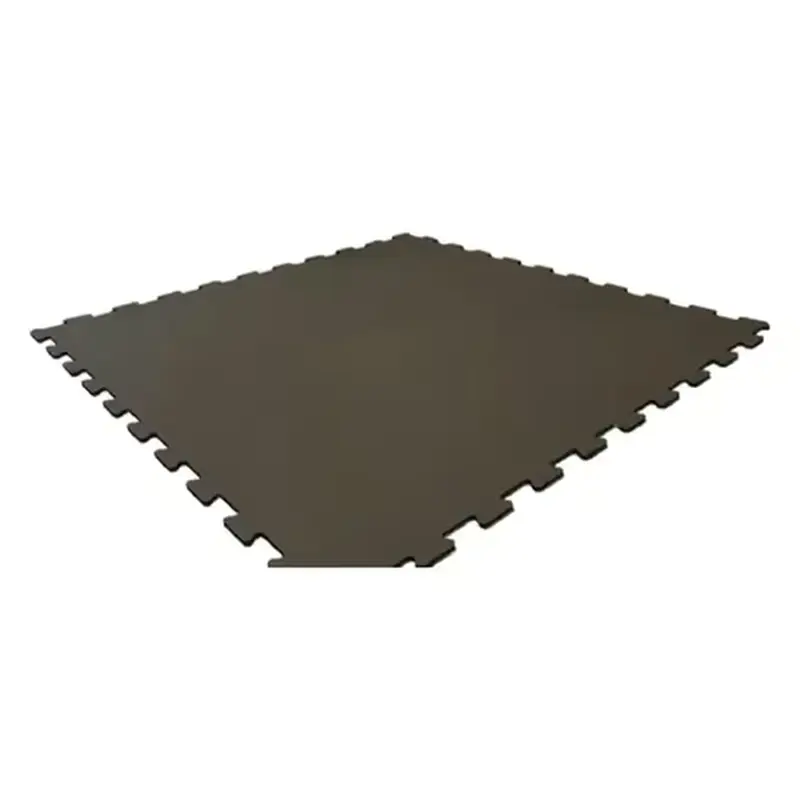
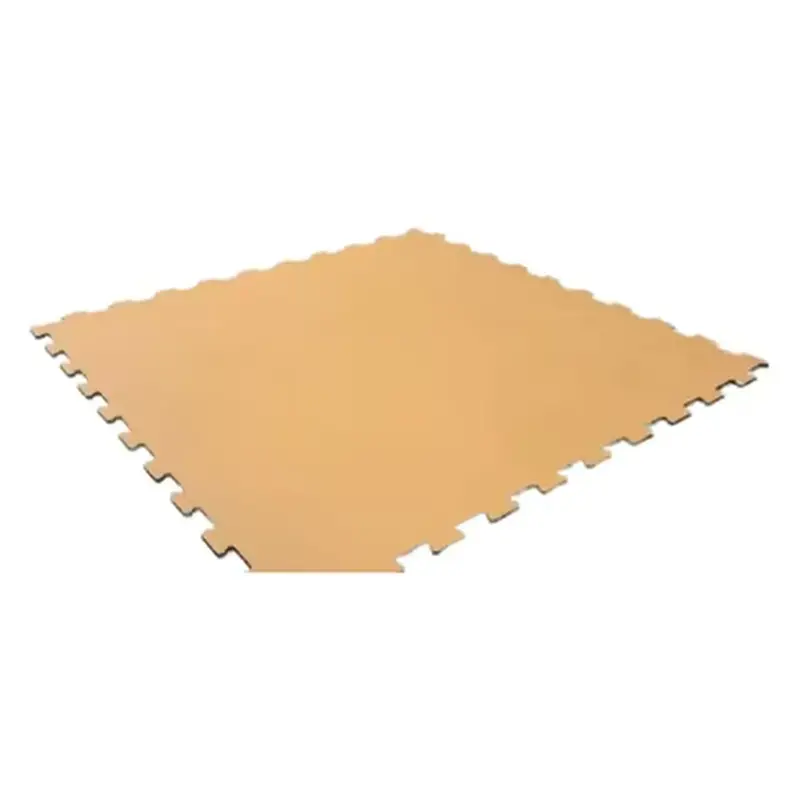
Rubber puzzle tile 7 mm plain brown – 100 × 100 cm Cfl-s2
67.15 € excl. VATsoit 80.58 € TTC selon la destination de livraison
Add to cartMORE INFO -
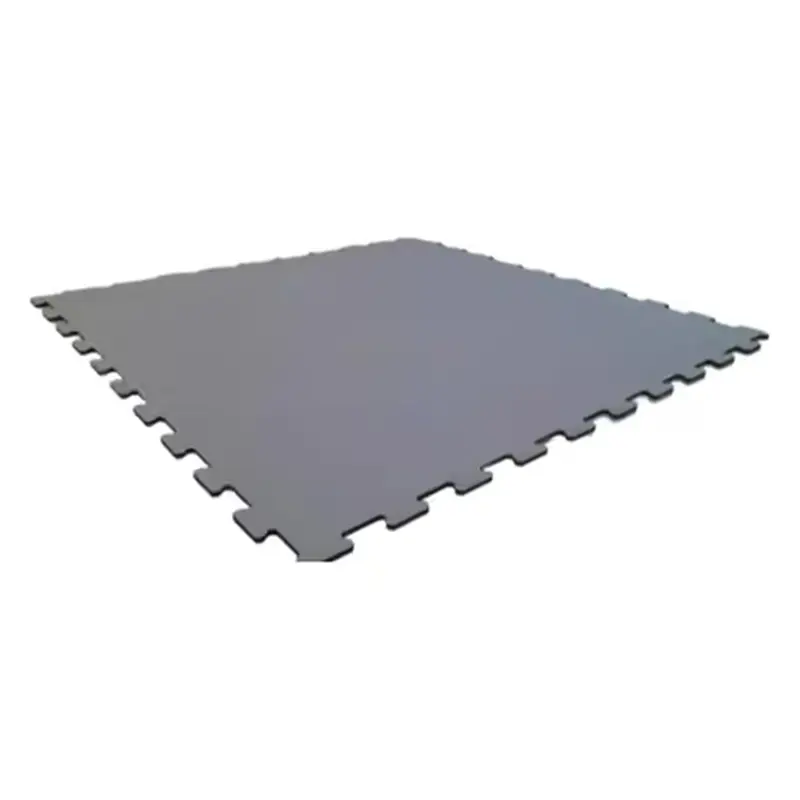
Rubber puzzle tile 7 mm plain grey – 100 × 100 cm Cfl-s2 to Pinterest (opens in a new window)Save on Pinterest : Rubber puzzle tile 7 mm plain grey – 100 × 100 cm Cfl-s2
![Rubber puzzle tile 7 mm plain grey – 100 × 100 cm Cfl-s2]()
Rubber puzzle tile 7 mm plain grey – 100 × 100 cm Cfl-s2
62.05 € excl. VATsoit 74.46 € TTC selon la destination de livraison
Add to cartMORE INFO -
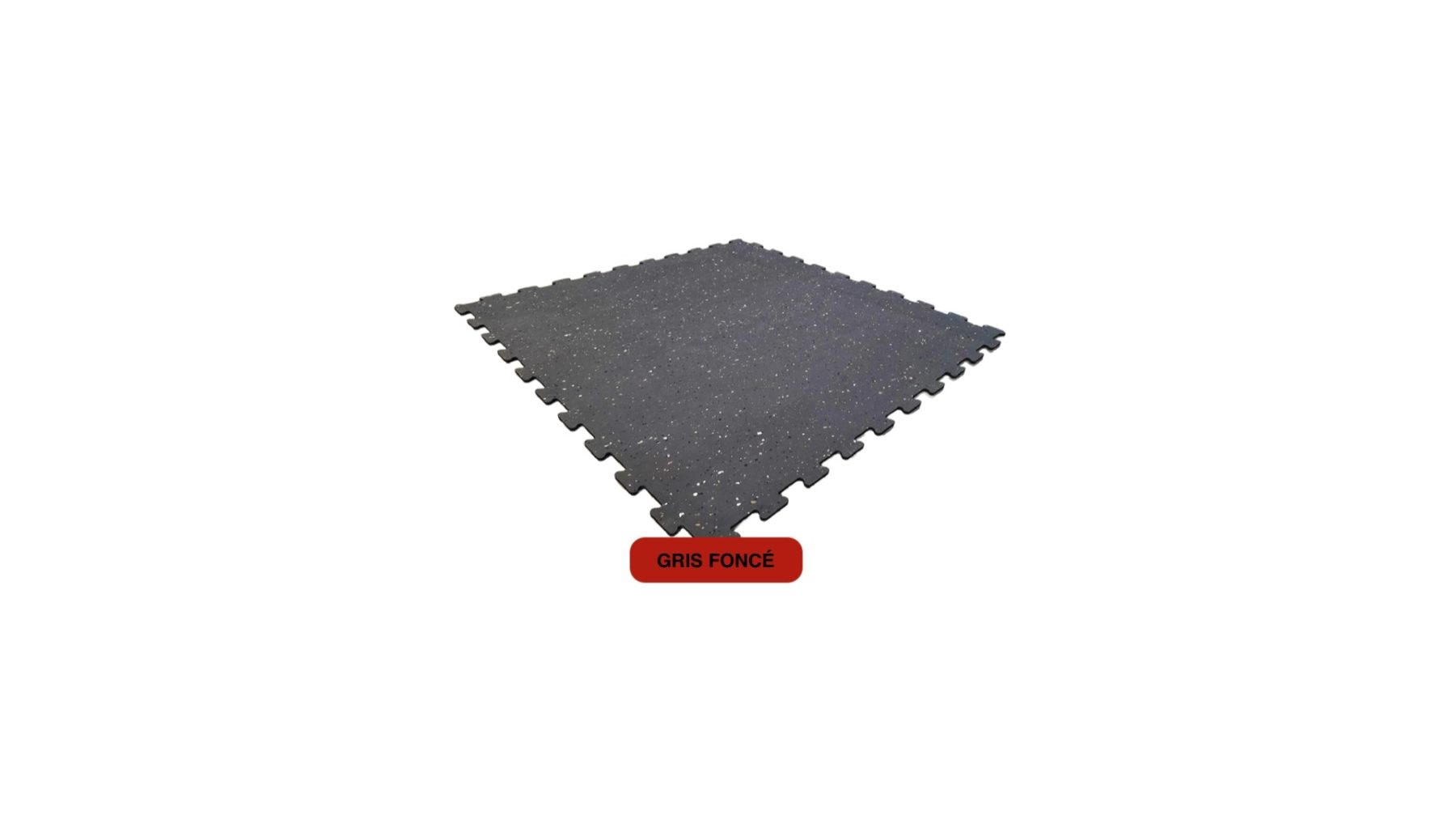
Rubber Puzzle Tile 7 mm — Speckled Dark Grey, Cfl-S2, A+ to Pinterest (opens in a new window)Save on Pinterest : Rubber Puzzle Tile 7 mm — Speckled Dark Grey, Cfl-S2, A+
![Rubber Puzzle Tile 7 mm — Speckled Dark Grey, Cfl-S2, A+]()
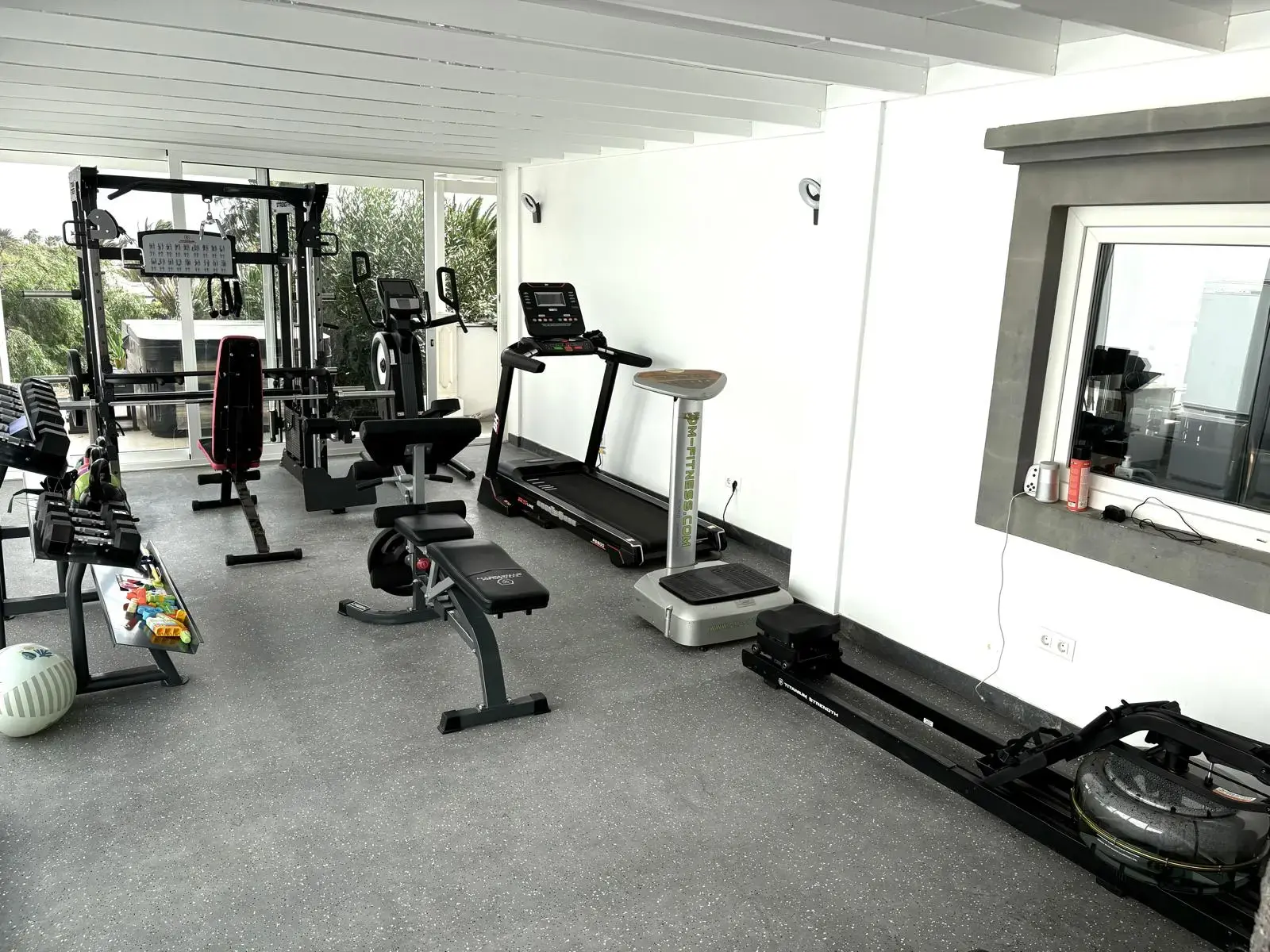
Rubber Puzzle Tile 7 mm — Speckled Dark Grey, Cfl-S2, A+
65.00 € excl. VATsoit 78.00 € TTC selon la destination de livraison
Add to cartMORE INFO -
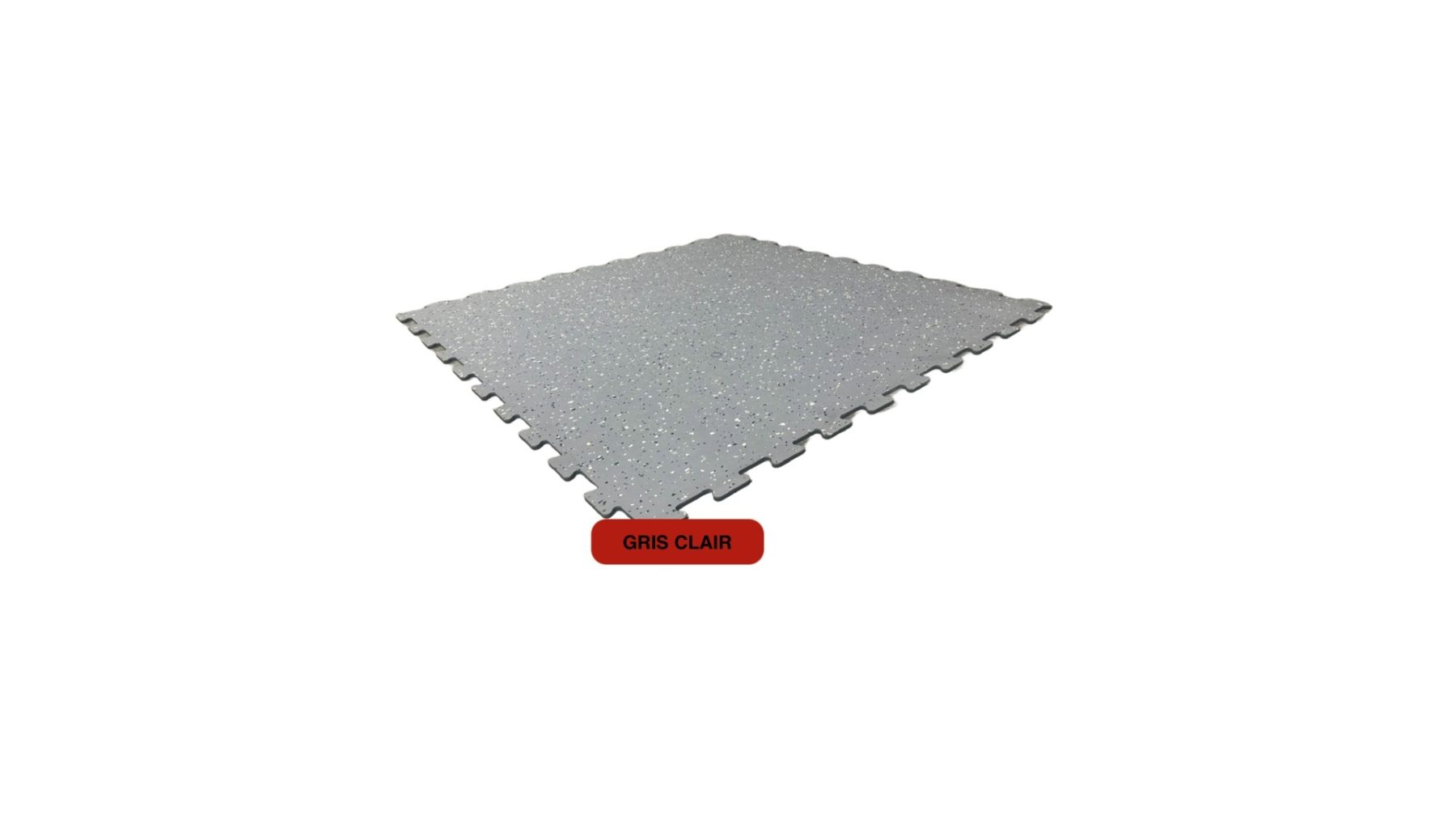
Rubber Puzzle Tile 7 mm — Speckled Light Grey, Cfl-S2, A+ to Pinterest (opens in a new window)Save on Pinterest : Rubber Puzzle Tile 7 mm — Speckled Light Grey, Cfl-S2, A+
![Rubber Puzzle Tile 7 mm — Speckled Light Grey, Cfl-S2, A+]()
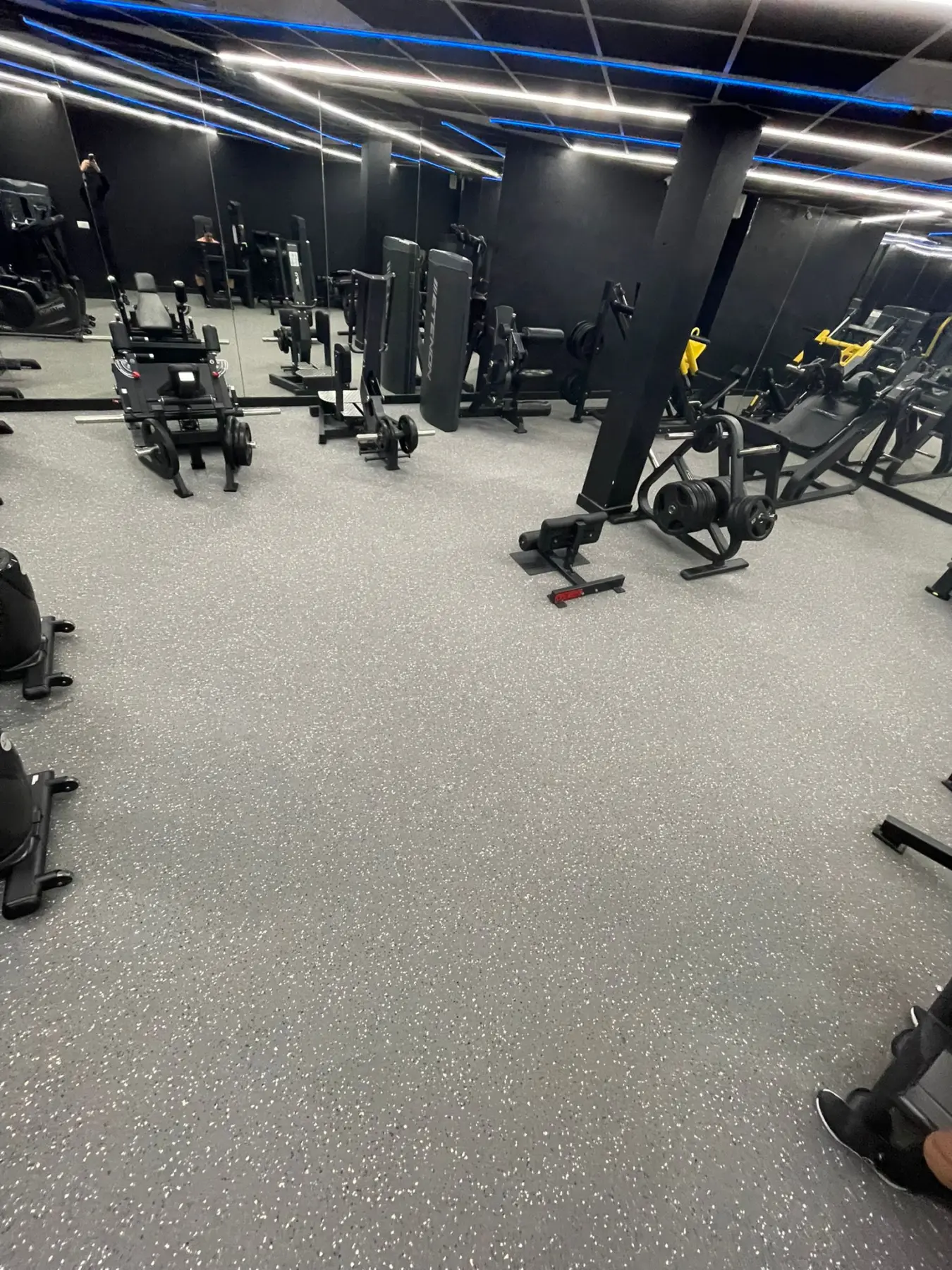
Rubber Puzzle Tile 7 mm — Speckled Light Grey, Cfl-S2, A+
65.00 € excl. VATsoit 78.00 € TTC selon la destination de livraison
Add to cartMORE INFO


Where a thin interlocking tile is the right choice
Thin tiles are the correct specification for large areas where the floor has to be protected and comfortable rather than able to take a loaded barbell. Interlocking edges make the covering quick to lay and to remove, which suits rooms that are reconfigured, temporary installations and areas where access to the slab has to be kept. Where the same room includes a drop zone, that zone is specified separately with a thicker tile or a platform.
| Requirement | COV A interlocking tile | Thick tile or platform |
|---|---|---|
| Substrate protection | Yes | Yes |
| Walking comfort | Yes | Yes |
| Loaded barbell drops | Not intended | Designed for it |
| Speed of laying and removal | Fast, interlocking | Slower |
| Typical zone | Cardio, circulation, machine areas | Platforms, drop zones |
Laying and maintenance
The tile is laid on a flat, clean and stable sub floor. Interlocking edges hold the covering without adhesive in most indoor cases, and perimeter edging tidies the exposed edges. Bonding is used where trolleys or rolling loads cross the surface. Maintenance is limited to sweeping and washing with a neutral detergent. For thicker specifications see rubber gym flooring tiles.
Frequently asked questions
Can this tile go under machines and racks?
It is suitable under cardio machines and selectorised stations, where the load is static. Under a rack that has to be anchored, the tile is cut around the uprights so the structure sits on the slab itself. Send us the equipment plan and we will mark the cut outs.
Do interlocking tiles move in use?
On a flat sub floor with tiles laid tight against walls and equipment bases, movement is minimal. Problems appear where the sub floor is uneven or where a large area has no perimeter restraint. Where rolling loads cross the surface, bonding is the reliable answer.
Send us the surface area and the activity per zone, and we will return a tile specification with quantities. Request a quotation for a reply within 24 working hours.