
Tatami mats for dojos and combat sports halls
Tatami mats for dojos and combat sports halls: our professional selection
Range overview — Sales units vary by product: m², tile, roll or piece. Accessories and maintenance equipment are priced separately. Compare flooring prices for the same surface area.
Tatami mats are specified by thickness and density together, and the discipline practised decides both. Throwing, grappling and striking place different demands on the surface. Thickness and density alone do not establish suitability: check the intended use and tests for the chosen model.
Showing all 7 resultsSorted by latest
-
EVA puzzle tile 40 mm, 100 × 100 cm for floor exercises to Pinterest (opens in a new window)Save on Pinterest : EVA puzzle tile 40 mm, 100 × 100 cm for floor exercises
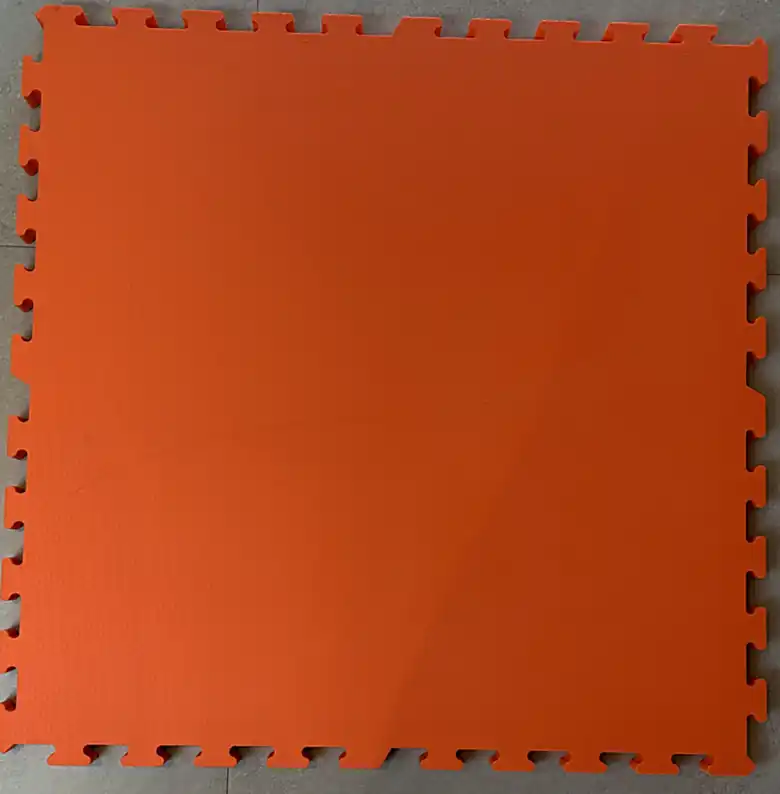
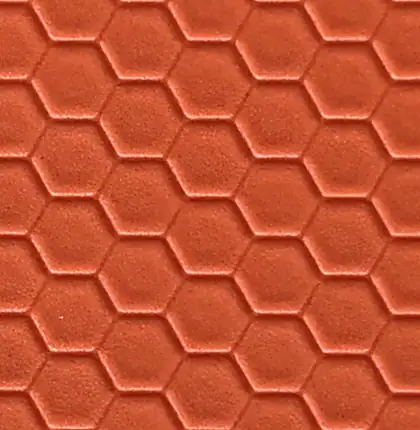
EVA puzzle tile 40 mm, 100 × 100 cm for floor exercises
61.53 € excl. VATsoit 73.84 € TTC selon la destination de livraison
Add to cartMORE INFO -
20 mm High Density Puzzle Tile - Martial Arts and Fitness Floor to Pinterest (opens in a new window)Save on Pinterest : 20 mm High Density Puzzle Tile - Martial Arts and Fitness Floor
20 mm High Density Puzzle Tile - Martial Arts and Fitness Floor
38.43 € excl. VATsoit 46.12 € TTC selon la destination de livraison
Add to cartMORE INFO -
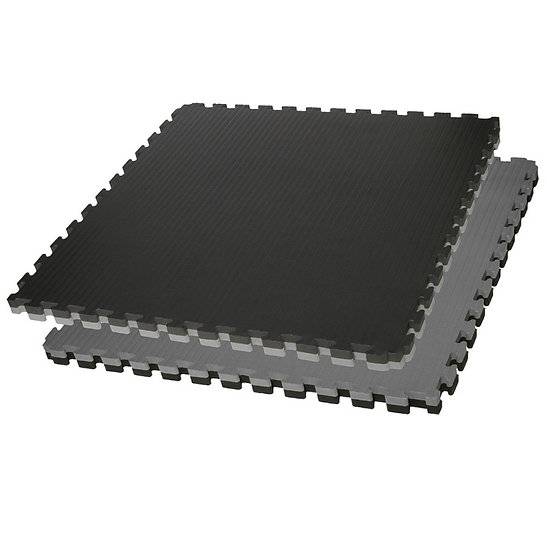
Dojo Tatami Mat 25 mm Black/Grey — EVA Puzzle Tile, Edges Included to Pinterest (opens in a new window)Save on Pinterest : Dojo Tatami Mat 25 mm Black/Grey — EVA Puzzle Tile, Edges Included
![Dojo Tatami Mat 25 mm Black/Grey — EVA Puzzle Tile, Edges Included]()
Dojo Tatami Mat 25 mm Black/Grey — EVA Puzzle Tile, Edges Included
17.00 € excl. VATsoit 20.40 € TTC selon la destination de livraison
Add to cartMORE INFO -
Roll out tatami mat 40 mm, 1.5 x 10 m to Pinterest (opens in a new window)Save on Pinterest : Roll out tatami mat 40 mm, 1.5 x 10 m
![Roll out tatami mat 40 mm, 1.5 x 10 m]()
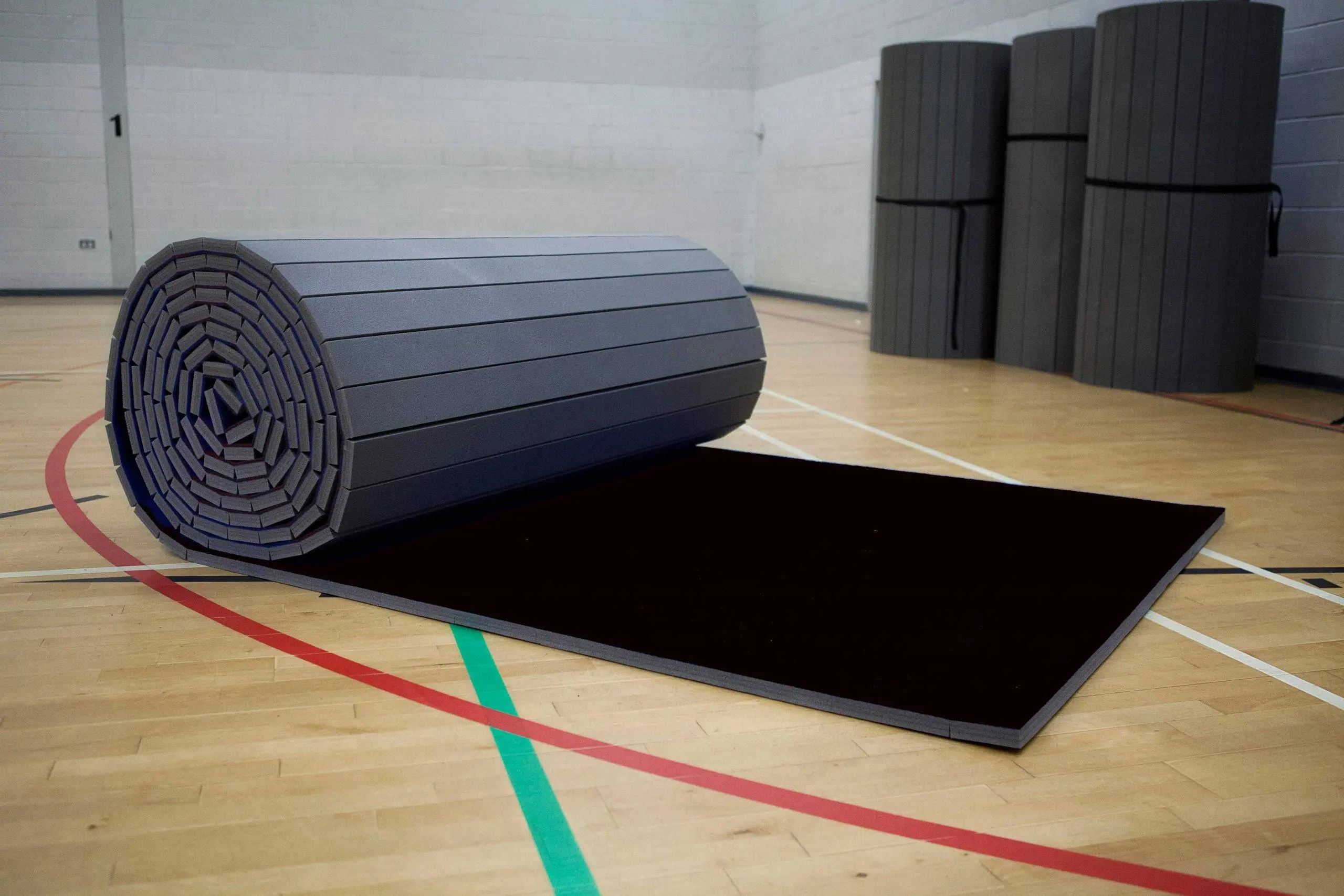
Roll out tatami mat 40 mm, 1.5 x 10 m
950.00 € excl. VATsoit 1,140.00 € TTC selon la destination de livraison
Add to cartMORE INFO -
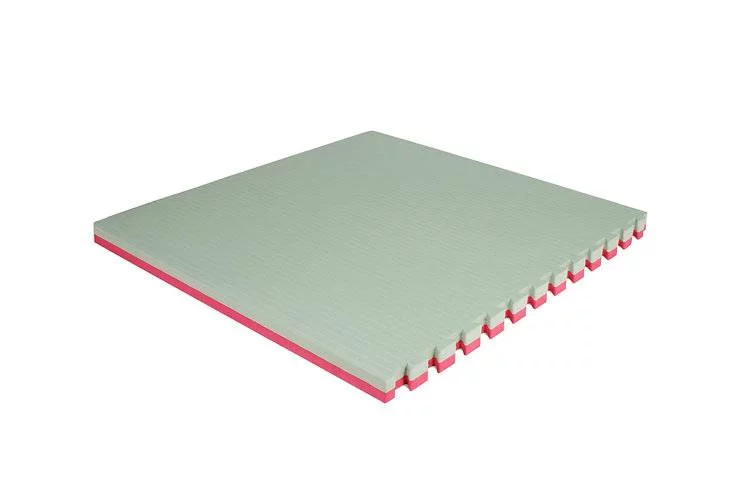
Dojo puzzle tatami tile 40 mm, reversible two colour to Pinterest (opens in a new window)Save on Pinterest : Dojo puzzle tatami tile 40 mm, reversible two colour
![Dojo puzzle tatami tile 40 mm, reversible two colour]()
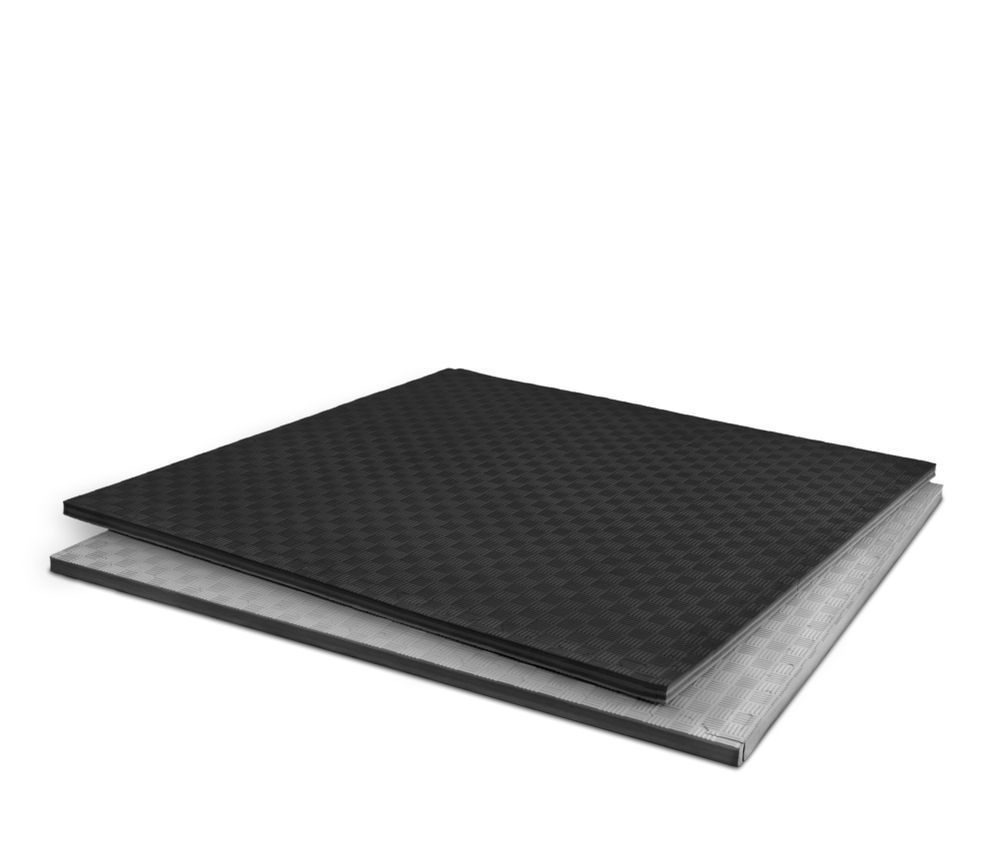
Dojo puzzle tatami tile 40 mm, reversible two colour
36.00 € excl. VATsoit 43.20 € TTC selon la destination de livraison
Add to cartMORE INFO -
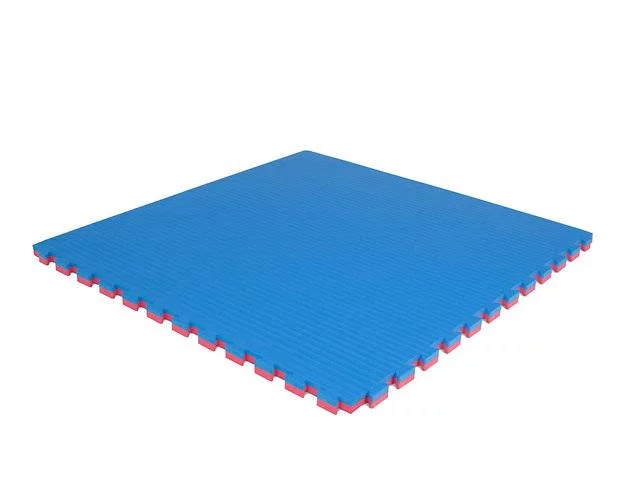
30 mm red and blue puzzle tatami, 100 × 100 cm to Pinterest (opens in a new window)Save on Pinterest : 30 mm red and blue puzzle tatami, 100 × 100 cm
![30 mm red and blue puzzle tatami, 100 × 100 cm]()
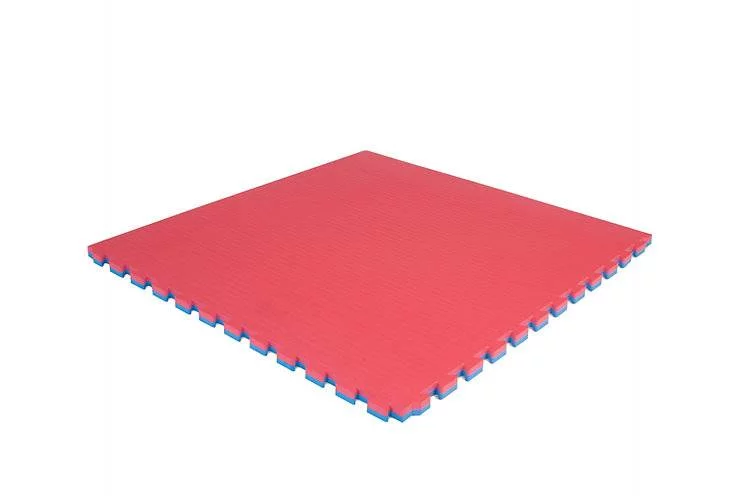
30 mm red and blue puzzle tatami, 100 × 100 cm
28.00 € excl. VATsoit 33.60 € TTC selon la destination de livraison
Add to cartMORE INFO -
Puzzle tatami tile 50 mm for martial arts to Pinterest (opens in a new window)Save on Pinterest : Puzzle tatami tile 50 mm for martial arts
![Puzzle tatami tile 50 mm for martial arts]()
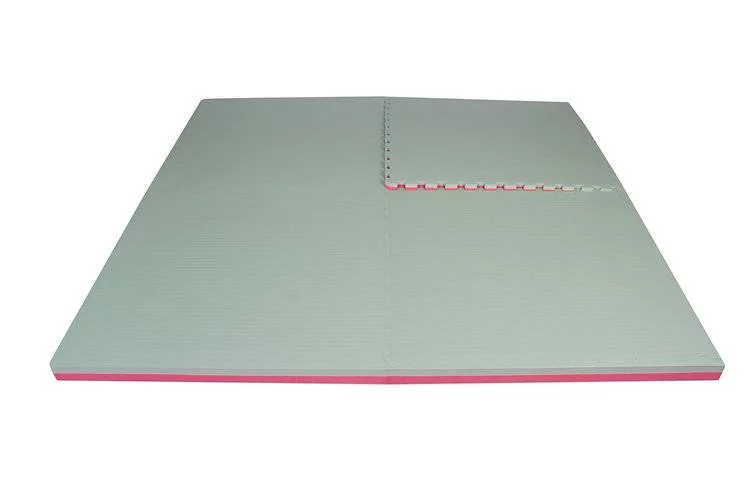
Puzzle tatami tile 50 mm for martial arts
45.00 € excl. VATsoit 54.00 € TTC selon la destination de livraison
Add to cartMORE INFO


Formats and thicknesses stocked
| Product | Thickness | Format |
|---|---|---|
| Dojo tile, black and grey | 25 mm | Interlocking tile |
| Dojo puzzle tile | 30 mm | Interlocking tile |
| Dojo puzzle tile, black and grey or red and blue | 40 mm | Interlocking tile |
| Dojo puzzle tile | 50 mm | Interlocking tile |
| Roll out tatami mat | 40 mm | Rolls with joins between adjacent runs |
Puzzle tiles or roll out mats
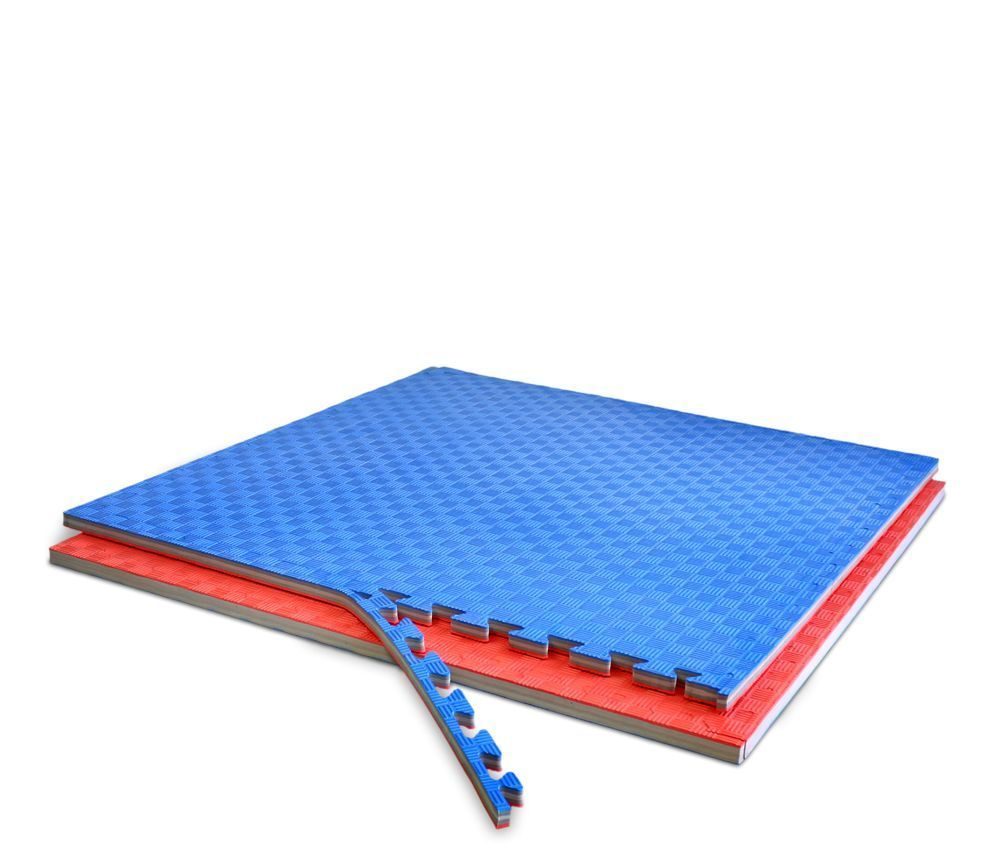
Puzzle tiles assemble by castellated edges and come apart just as easily, which is what shared halls need: a martial arts session on Tuesday and a dance class on Wednesday. They also make damage repairable tile by tile rather than mat by mat.
Roll out mats are installed in runs, with connections between adjacent rolls. Allow for these joins and the storage and handling of the rolls when planning a shared hall.
Colour is not only cosmetic. Contrasting tile colours are routinely used to mark a competition area inside a larger mat, and reversible red and blue tiles let a club change the layout without buying a second surface.
Which thickness for a judo or wrestling club?
The range includes 40 to 50 mm and 25 to 30 mm options. Thickness alone does not establish suitability for throws or a particular discipline; check the intended use and tests for the selected model.
Can tatami be laid over an existing floor?
Check the existing floor and the installation requirements of the selected model before choosing this arrangement. For heavy impact zones outside the mat area, see rubber gym flooring tiles.