
Playground surfacing and edging to EN 1177
Playground surfacing and edging to EN 1177: our professional selection
Playground surfacing carries half of the compliance file: EN 1177 requires an impact absorbing surface as soon as the free fall height of the equipment calls for one. This range covers the complete requirement, from the surface itself, synthetic impact absorbing, gravel or sand, through to the edging that retains it, available in timber palisade, concrete or synthetic profile.
The framework behind our playgrounds and trails
| Standards applied | EN 1176:2015 for playground equipment, EN 16630:2015 for permanently installed outdoor fitness, EN 1177 for impact-attenuating surfacing |
|---|---|
| Certification | Ranges tested and certified by an independent body, TÜV Rheinland on the TRAINER ranges — certificate supplied on request |
| Data published per reference | Age range, free fall height, safety zone, foundation depth and overall dimensions |
| Materials | Hot-dip galvanised and powder-coated steel, stainless steel, HPL and HDPE panels, laminated timber, braided polyamide ropes |
| Impact-attenuating surfacing | Sized from the equipment free fall height, never from its product family |
| Structural warranty | 20 years on steel structures, lifetime on stainless structures manufactured by Light In Fitness |
| Spare parts | Available for at least 20 years after delivery |
| Statutory inspections | Downloadable inspection log, compliant with French decree 96-1136 for public play areas |
| Design and manufacturing | Structures designed in Tours, France and manufactured in Europe — priced quotation within 72 hours |
Showing all 6 resultsSorted by latest
-
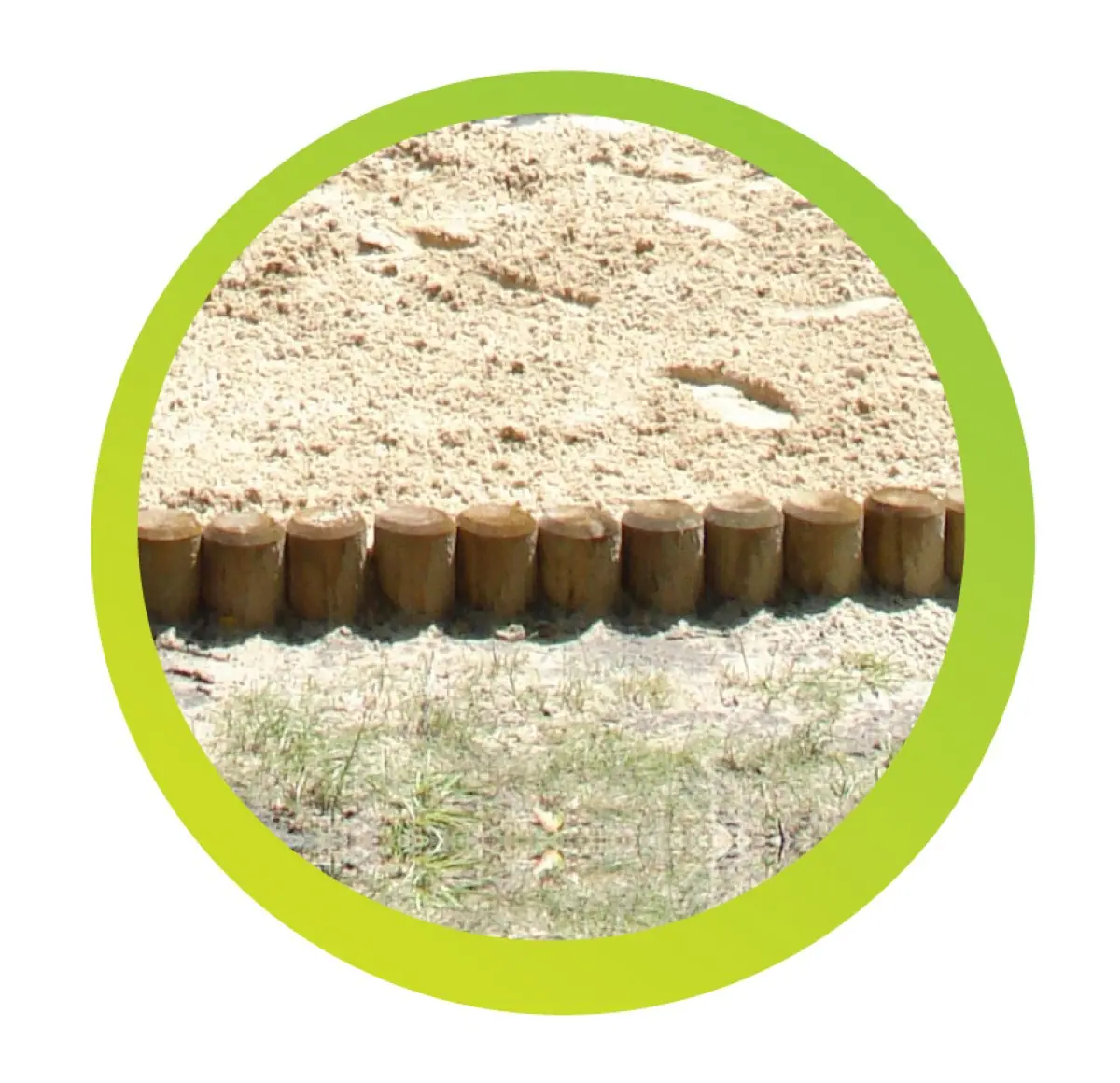
Timber Palisade Playground Edging - Natural Log Border to Pinterest (opens in a new window)Save on Pinterest : Timber Palisade Playground Edging - Natural Log Border
 View product
Timber Palisade Playground Edging - Natural Log Border
Price on request -
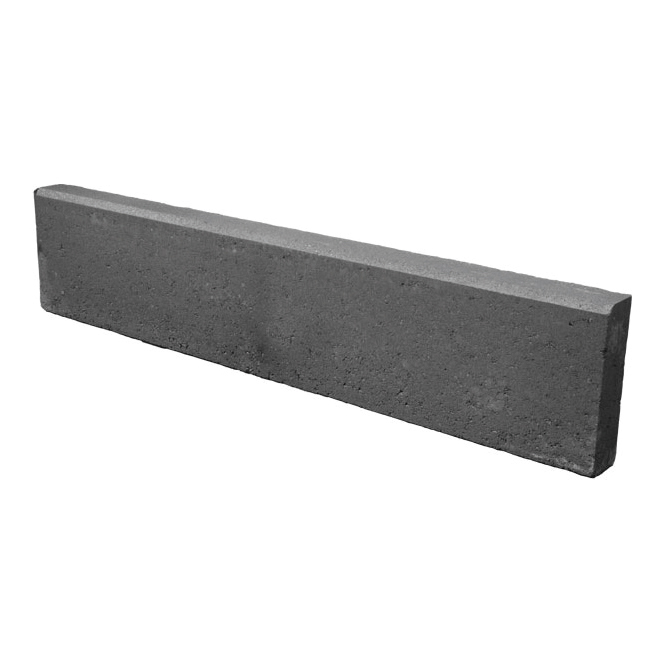
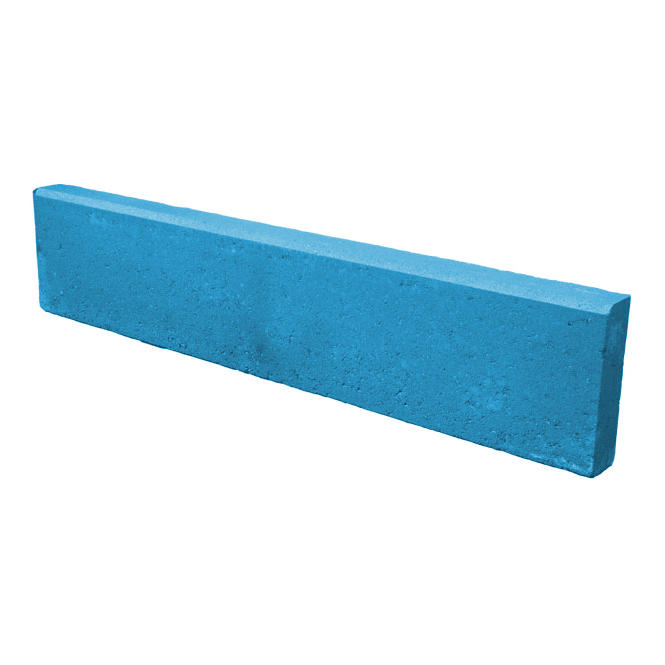
Concrete Playground Edging - Heavy-Duty Kerb Border to Pinterest (opens in a new window)Save on Pinterest : Concrete Playground Edging - Heavy-Duty Kerb Border
![Playground surfacing and edging to EN 1177]() View product
View productConcrete Playground Edging - Heavy-Duty Kerb Border
Price on request -
Synthetic Playground Edging - Lightweight Surfacing Border to Pinterest (opens in a new window)Save on Pinterest : Synthetic Playground Edging - Lightweight Surfacing Border
![Playground surfacing and edging to EN 1177]() View product
View productSynthetic Playground Edging - Lightweight Surfacing Border
Price on request -
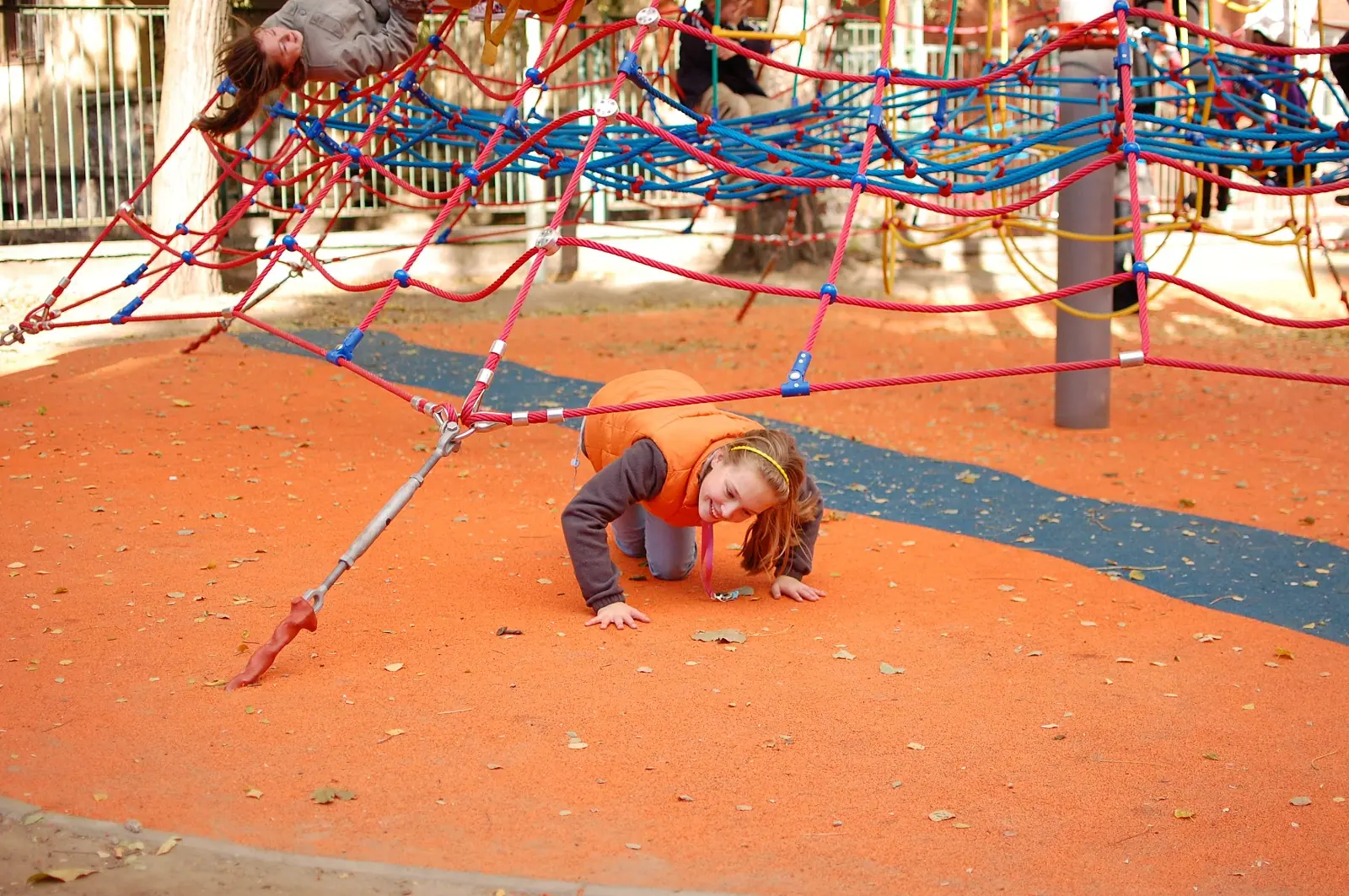
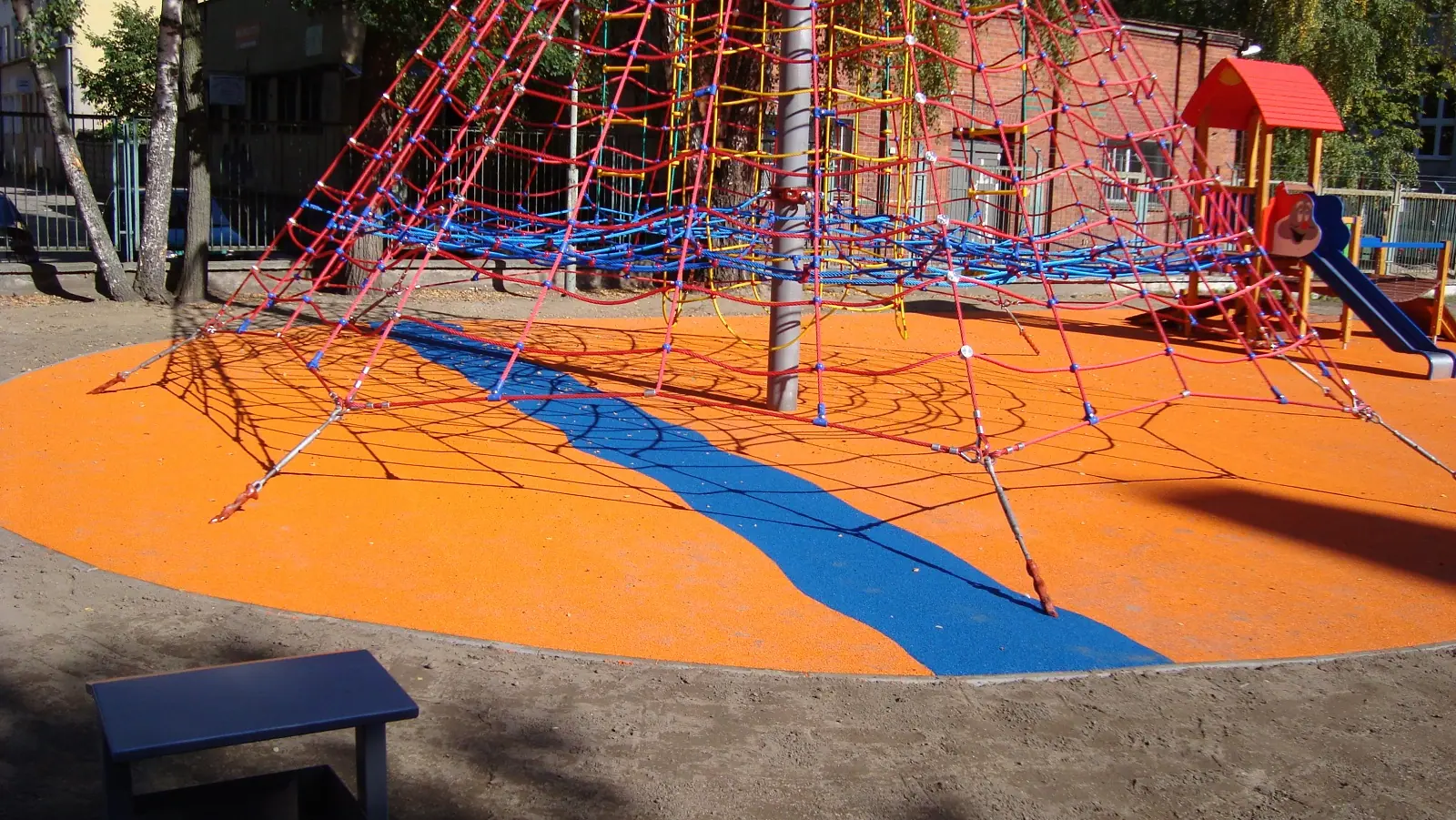
Wet-Pour Safety Surfacing for Playgrounds - EPDM on SBR to Pinterest (opens in a new window)Save on Pinterest : Wet-Pour Safety Surfacing for Playgrounds - EPDM on SBR
![Playground surfacing and edging to EN 1177]()
 View product
Wet-Pour Safety Surfacing for Playgrounds - EPDM on SBR
Price on request -
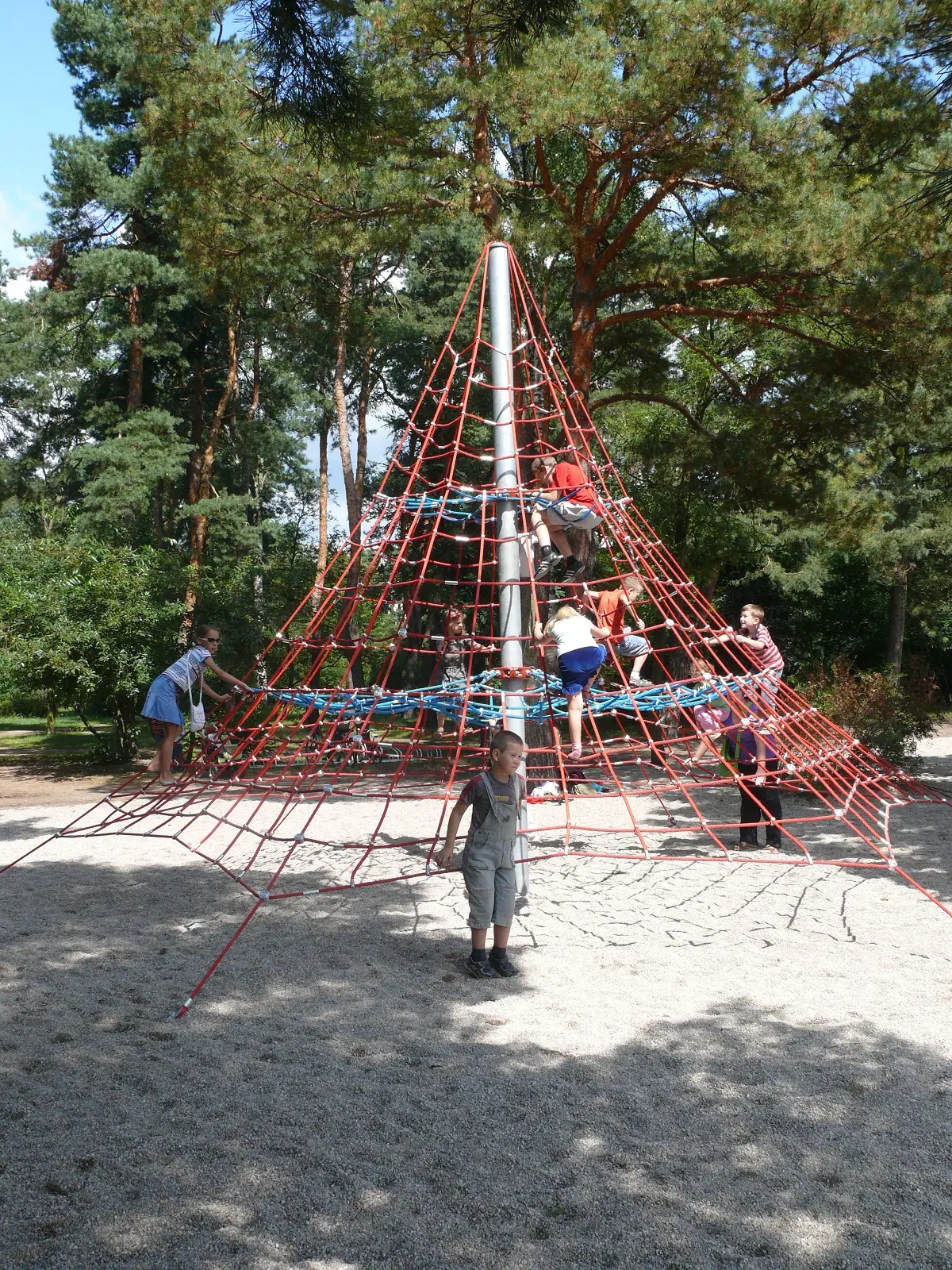
Rounded Gravel Safety Surfacing for Playgrounds to Pinterest (opens in a new window)Save on Pinterest : Rounded Gravel Safety Surfacing for Playgrounds
![Playground surfacing and edging to EN 1177]() View product
View productRounded Gravel Safety Surfacing for Playgrounds
Price on request -
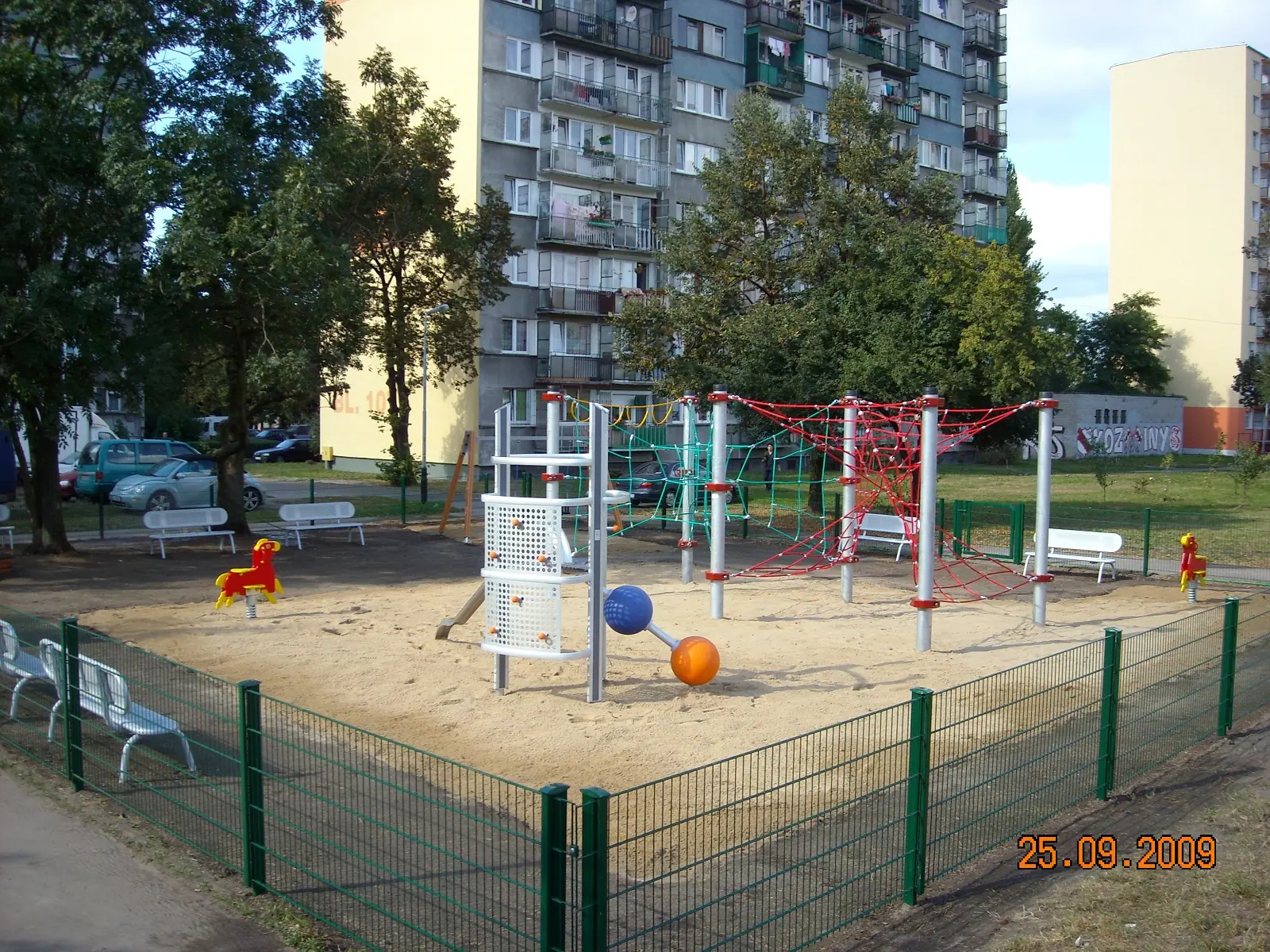
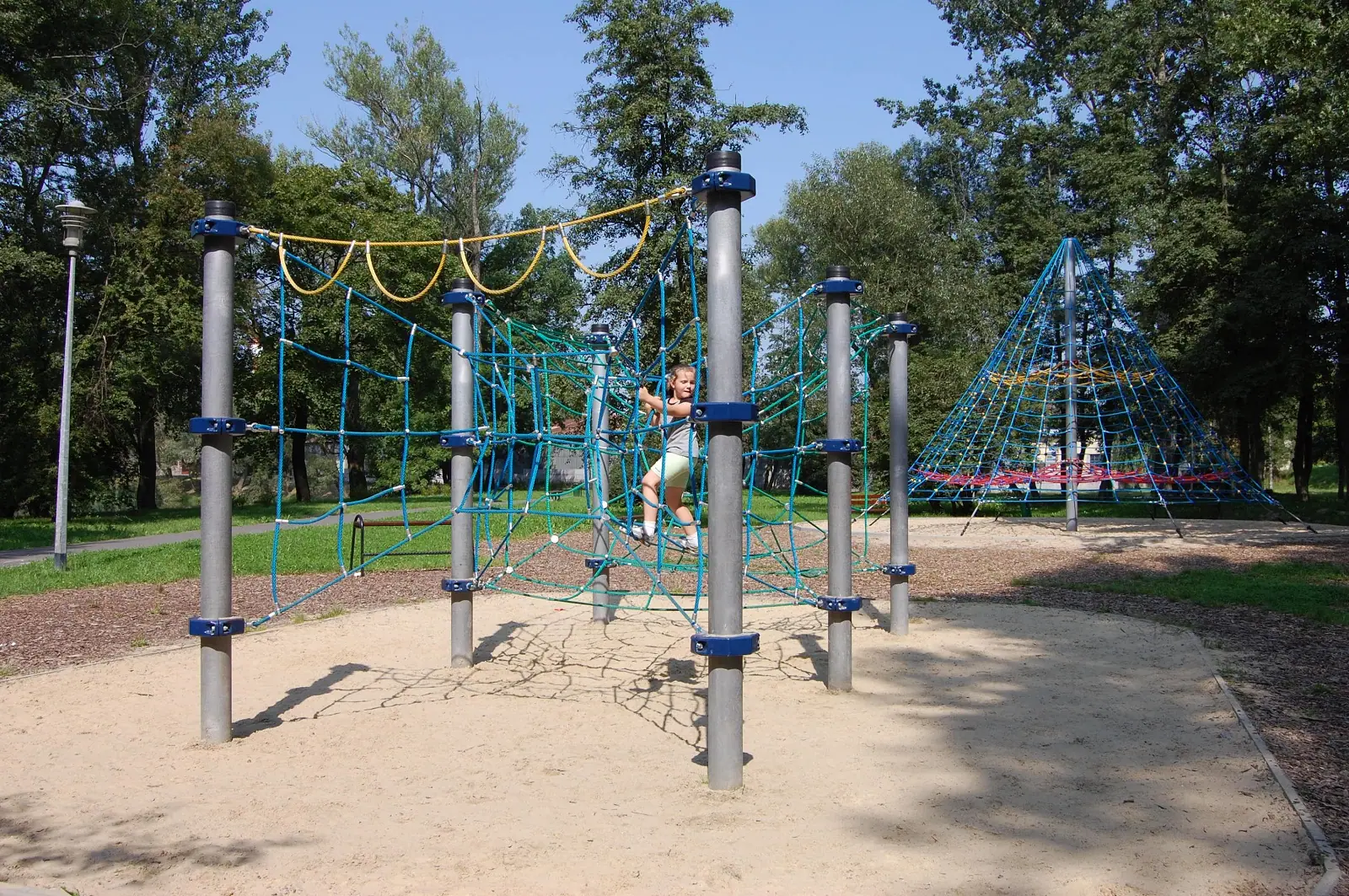
Play Sand Safety Surfacing for Playgrounds to Pinterest (opens in a new window)Save on Pinterest : Play Sand Safety Surfacing for Playgrounds
![Playground surfacing and edging to EN 1177]()
 View product
Play Sand Safety Surfacing for Playgrounds
Price on request


Comparing the three surfaces
| Surface | Character | Upkeep |
|---|---|---|
| Synthetic impact absorbing | Bonded, continuous, colour options, accessible to wheels and pushchairs | Sweeping and occasional washing |
| Gravel | Loose fill, free draining, low initial cost | Raking and periodic topping up to depth |
| Sand | Loose fill, soft underfoot, familiar in play areas | Regular raking and depth checks |
Edging and containment
Loose fill only performs at its declared depth, which is why the perimeter matters. Timber palisade edging suits parks and woodland settings, concrete edging is the most robust option for heavily used municipal sites, and synthetic edging gives a low profile boundary that is easy to mow up to. All three also serve as a visual limit between the play zone and circulation areas.
The choice is made from the critical fall height of each item, the intensity of use and the maintenance budget available. We document required thicknesses item by item in the quotation, so the surfaced area and its depth are priced rather than estimated.
What thickness of surfacing is needed?
It follows the free fall height of the equipment above it, so a low toddler unit and a tall climbing tower do not receive the same build-up. The quotation states the value for each structure on the plan.
Does the surface have to cover the whole play area?
It has to cover the impact area defined around each item, which for slides, swings and climbing faces extends well beyond the footprint of the structure. Related ranges: playground equipment and outdoor sports flooring.