
Stainless steel 316L outdoor fitness equipment
Stainless steel 316L outdoor fitness equipment: our professional selection
Range overview — 96 models, including 86 with displayed prices: €399–€24,999 excl. VAT per machine; brands: iGreen; 83 models designed in Tours and manufactured in Europe (calculated on 2026-10-19).
Choose outdoor stainless steel fitness equipment by movement, site exposure, intended users and available space. The stainless steel frames in this range are 316L; check the material and components of the selected reference. Accessories in the catalogue may use other materials.
Les gammes inox 316L en détail
L'acier inoxydable 316L est la nuance retenue pour les implantations en bord de mer, en bord de bassin et sur les sites soumis aux embruns ou aux agents chlorés.
- Stainless steel outdoor strength machines 45 références
- Stainless steel street workout stations C8 and C12 3 références
What defines the stainless steel ranges
| Reference grade | 316L stainless steel with molybdenum — higher grades available on request for the most exposed sites |
|---|---|
| Finishes | Brushed stainless, engine-turned stainless, or a RAL colour applied at order stage |
| Structural warranty | Lifetime on stainless structures manufactured by Light In Fitness |
| Spare parts | Available for at least 20 years after delivery |
| Environments covered | Seafront and salt spray, poolside and chlorinated air, urban sites, mountain and frost |
| Maintenance | Fresh water rinsing and fastener checks — no repainting, no anti-corrosion treatment |
| Installation | Bolted base plate on a concrete slab, or post set in a concrete footing |
| Design and manufacturing | Structures designed in Tours, France and manufactured in Europe — priced quotation within 72 hours |
Showing 1–32 of 96 resultsSorted by latest
-
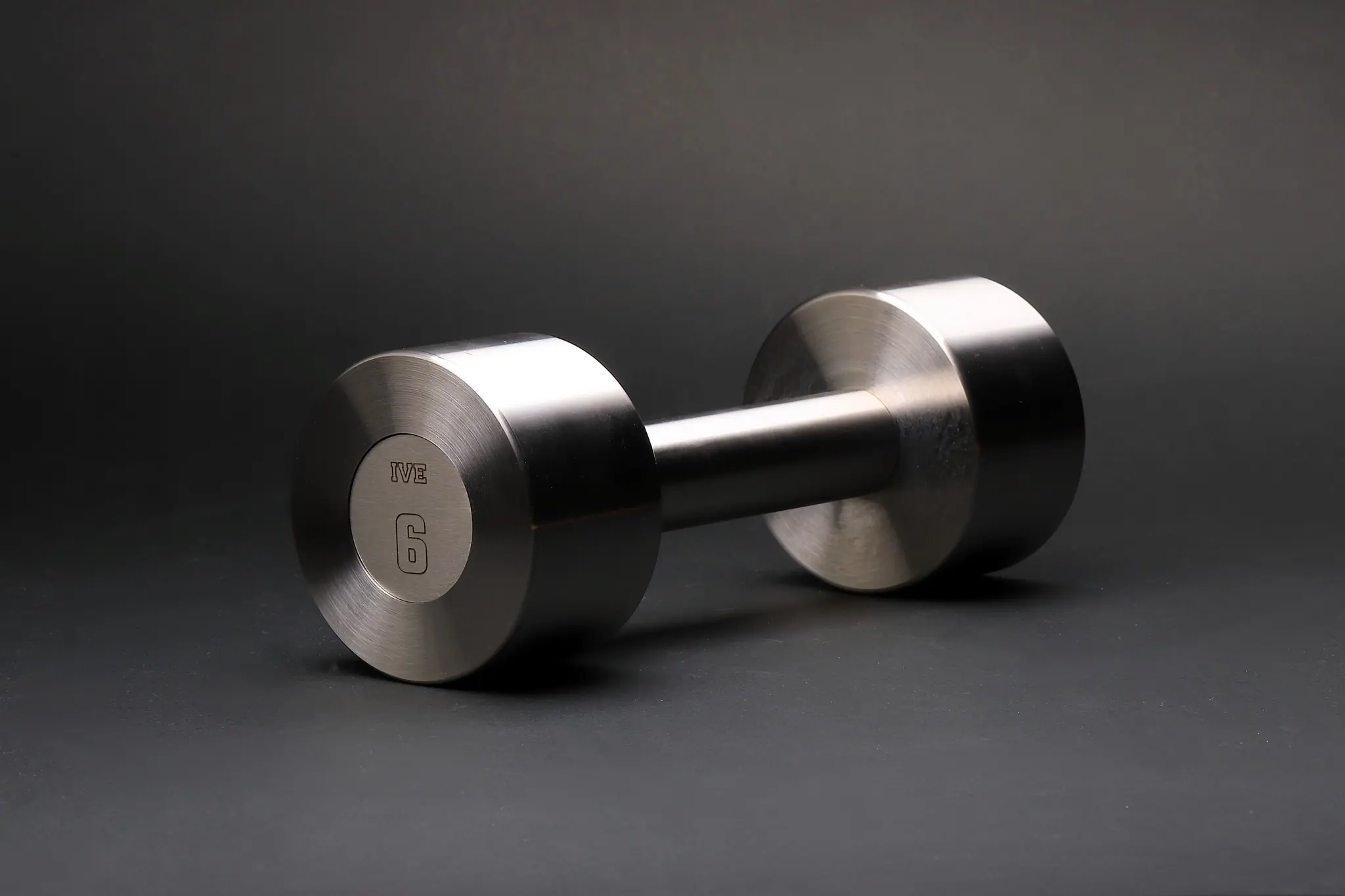
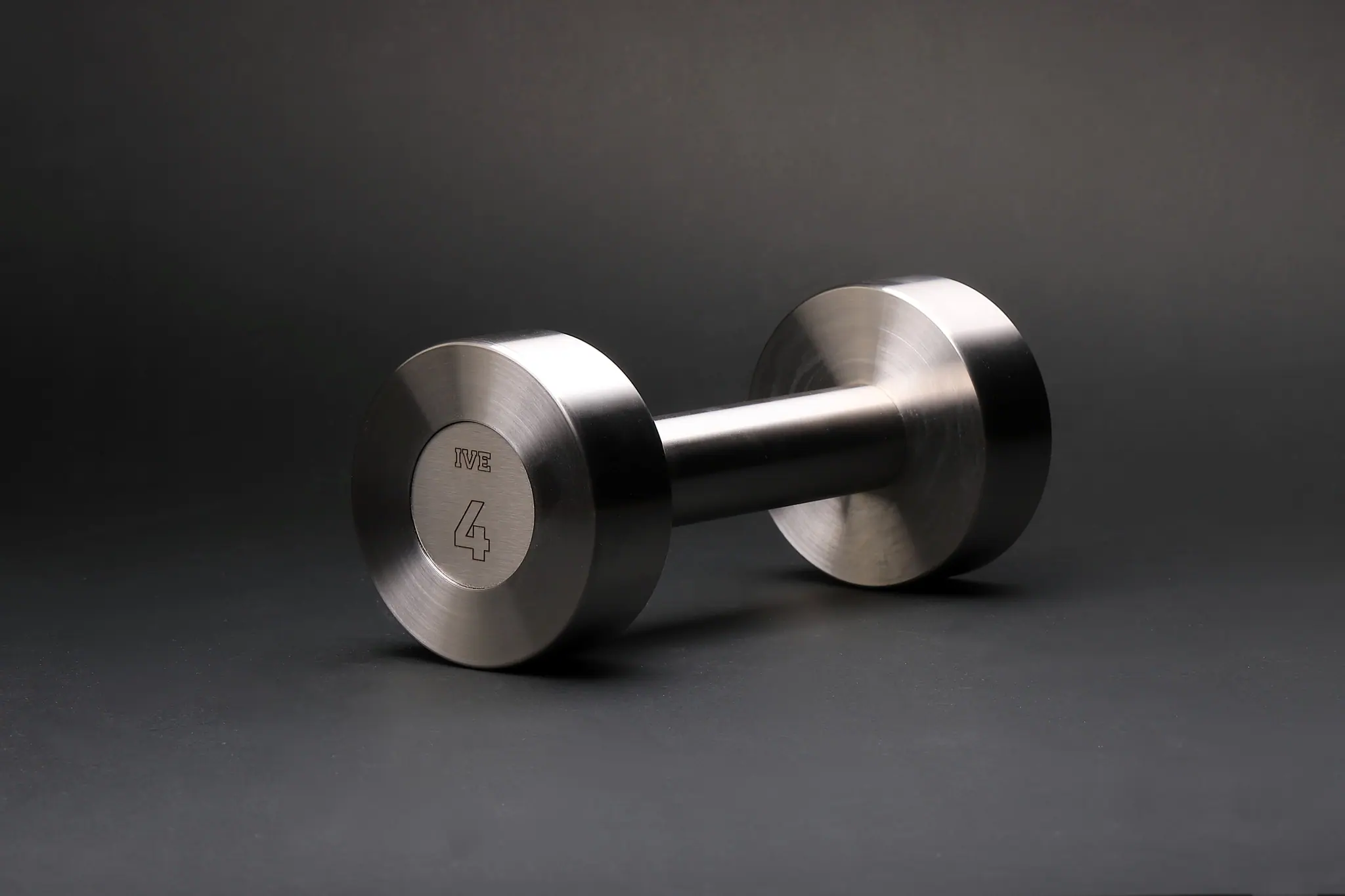
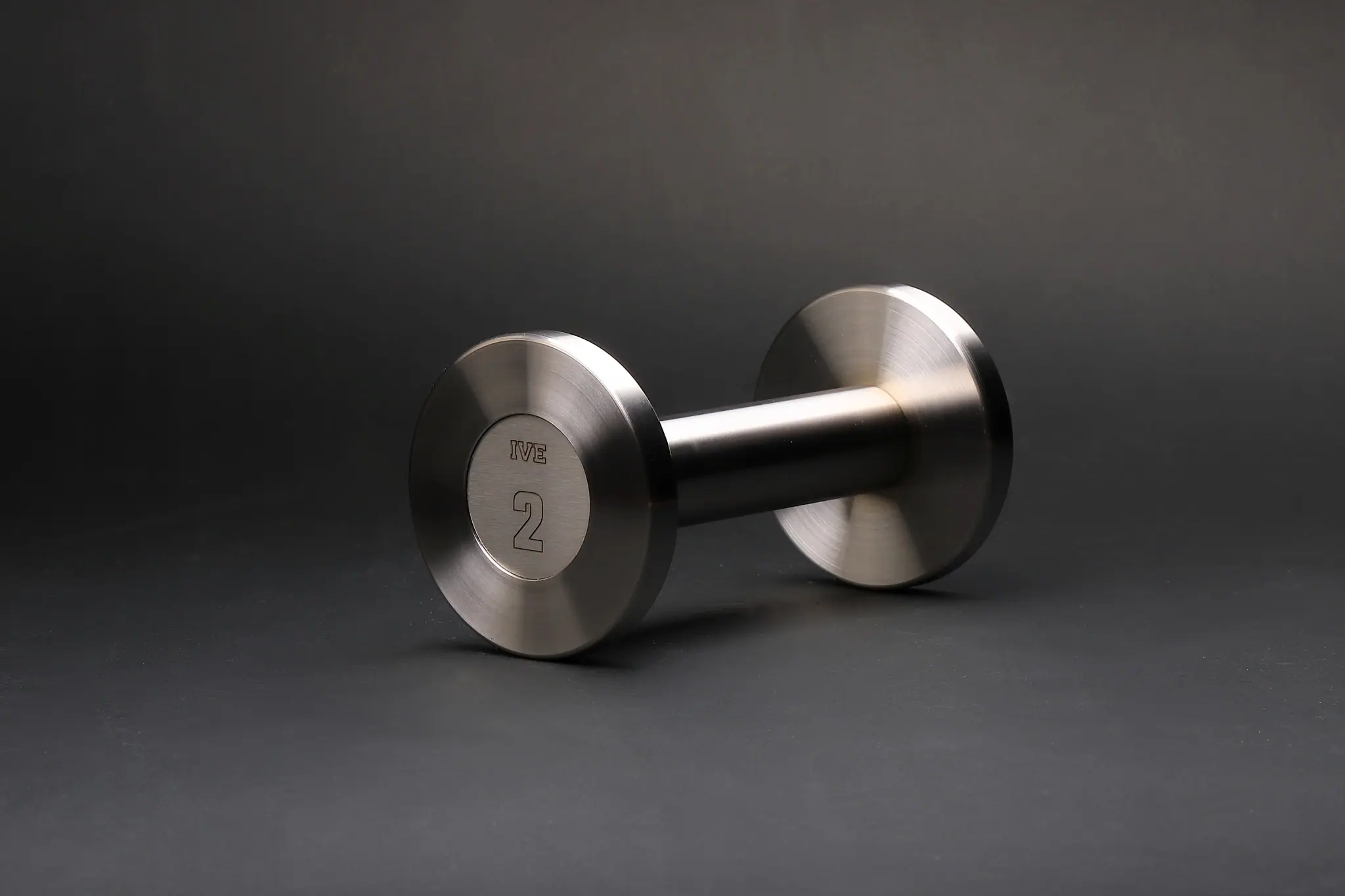
Outdoor Stainless Steel Dumbbell — 1 to 100 kg (316L) to Pinterest (opens in a new window)Save on Pinterest : Outdoor Stainless Steel Dumbbell — 1 to 100 kg (316L)
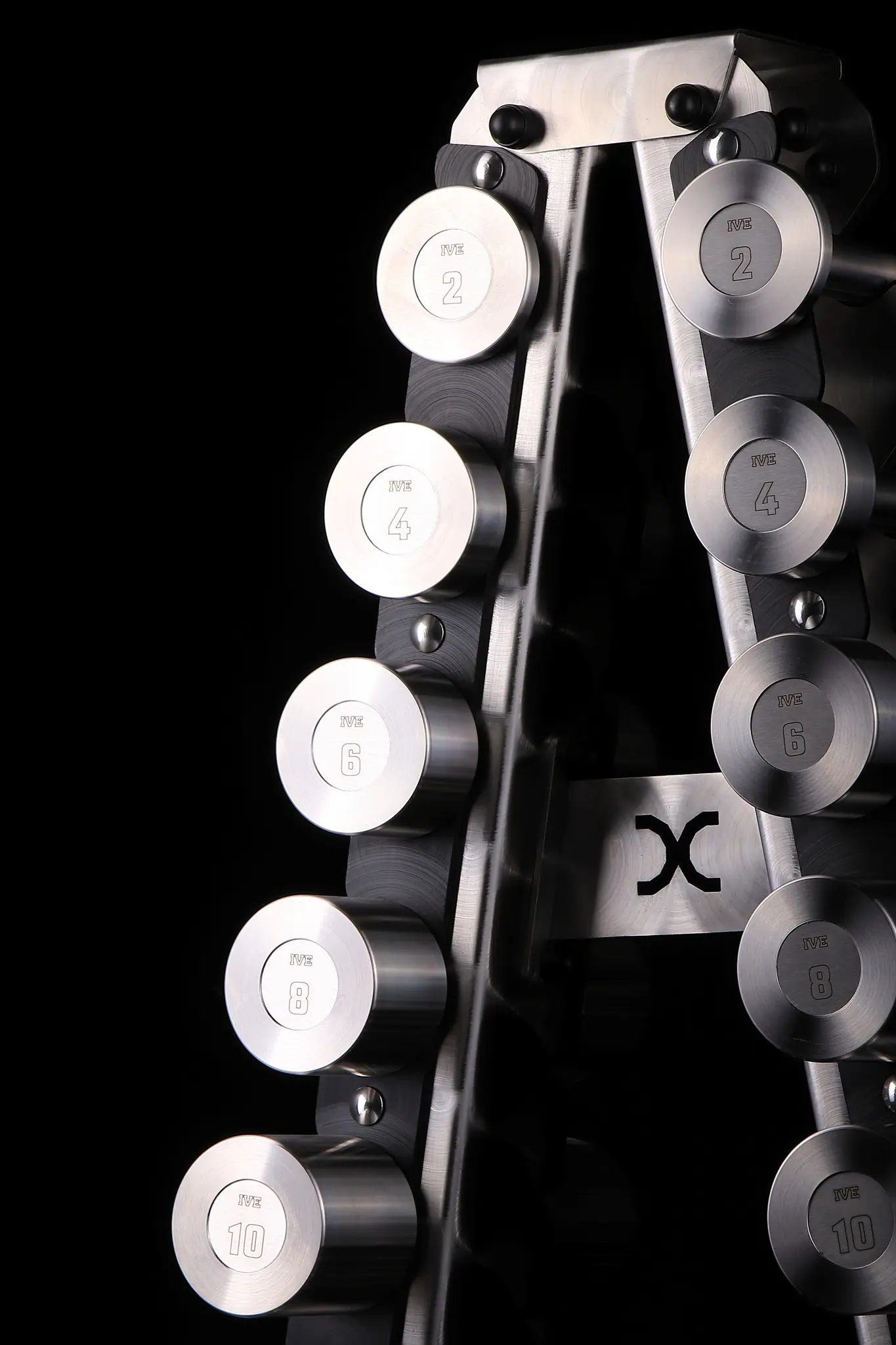
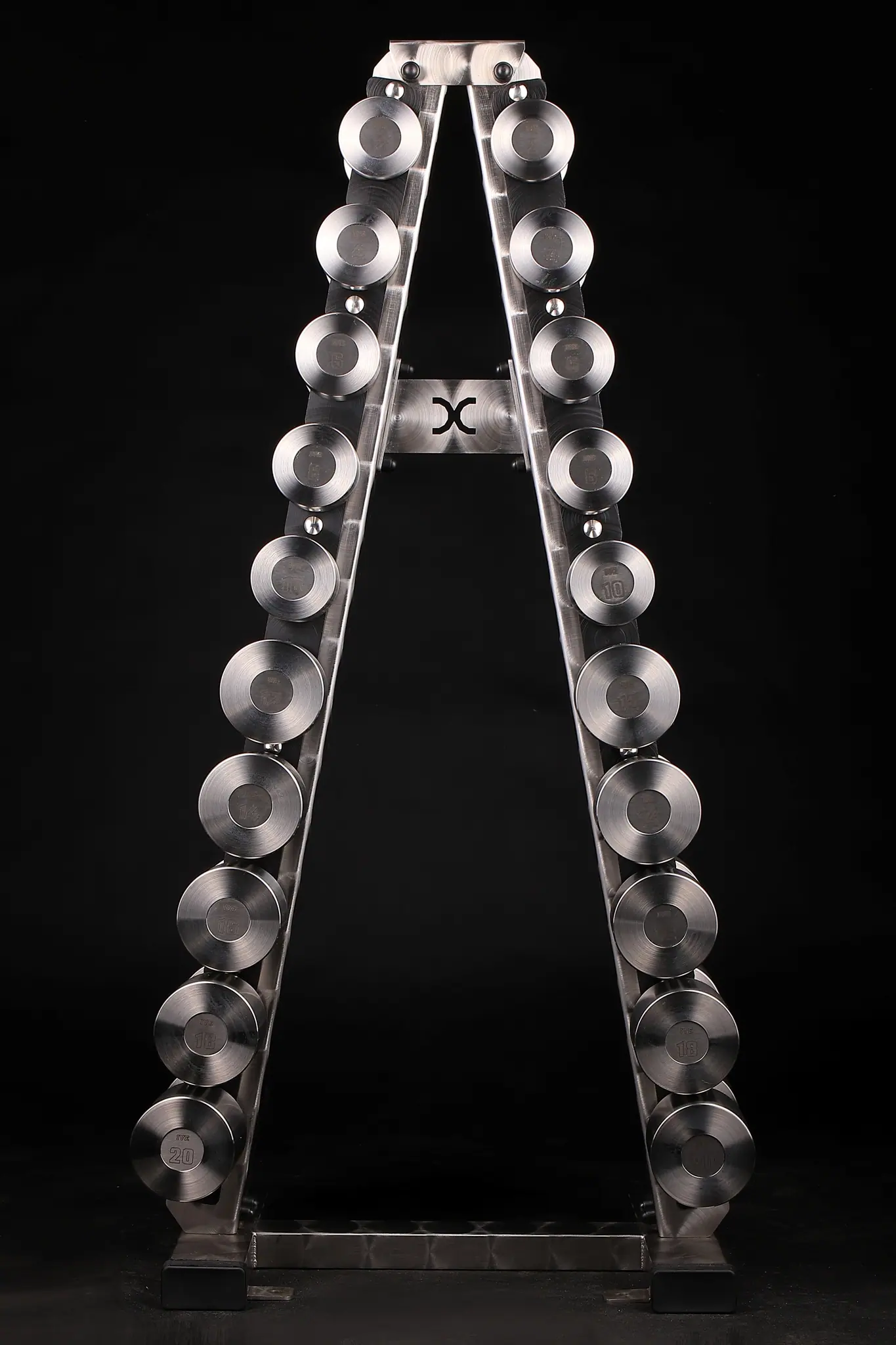 Select options This product has multiple variants. The options may be chosen on the product page
Outdoor Stainless Steel Dumbbell — 1 to 100 kg (316L)
Price range: 99.99 € through 2,079.99 € excl. VAT -
Stainless Steel Outdoor Horizontal Dumbbell Rack - 10 Pairs to Pinterest (opens in a new window)Save on Pinterest : Stainless Steel Outdoor Horizontal Dumbbell Rack - 10 Pairs
![Stainless Steel Outdoor Horizontal Dumbbell Rack - 10 Pairs]() Add to cartMORE INFO
Add to cartMORE INFOStainless Steel Outdoor Horizontal Dumbbell Rack - 10 Pairs
2,499.00 € excl. VAT -
Outdoor Horizontal Dumbbell Rack 5 Pairs - 316L Stainless to Pinterest (opens in a new window)Save on Pinterest : Outdoor Horizontal Dumbbell Rack 5 Pairs - 316L Stainless
![Outdoor Horizontal Dumbbell Rack 5 Pairs - 316L Stainless]() Add to cartMORE INFO
Add to cartMORE INFOOutdoor Horizontal Dumbbell Rack 5 Pairs - 316L Stainless
1,999.00 € excl. VAT -
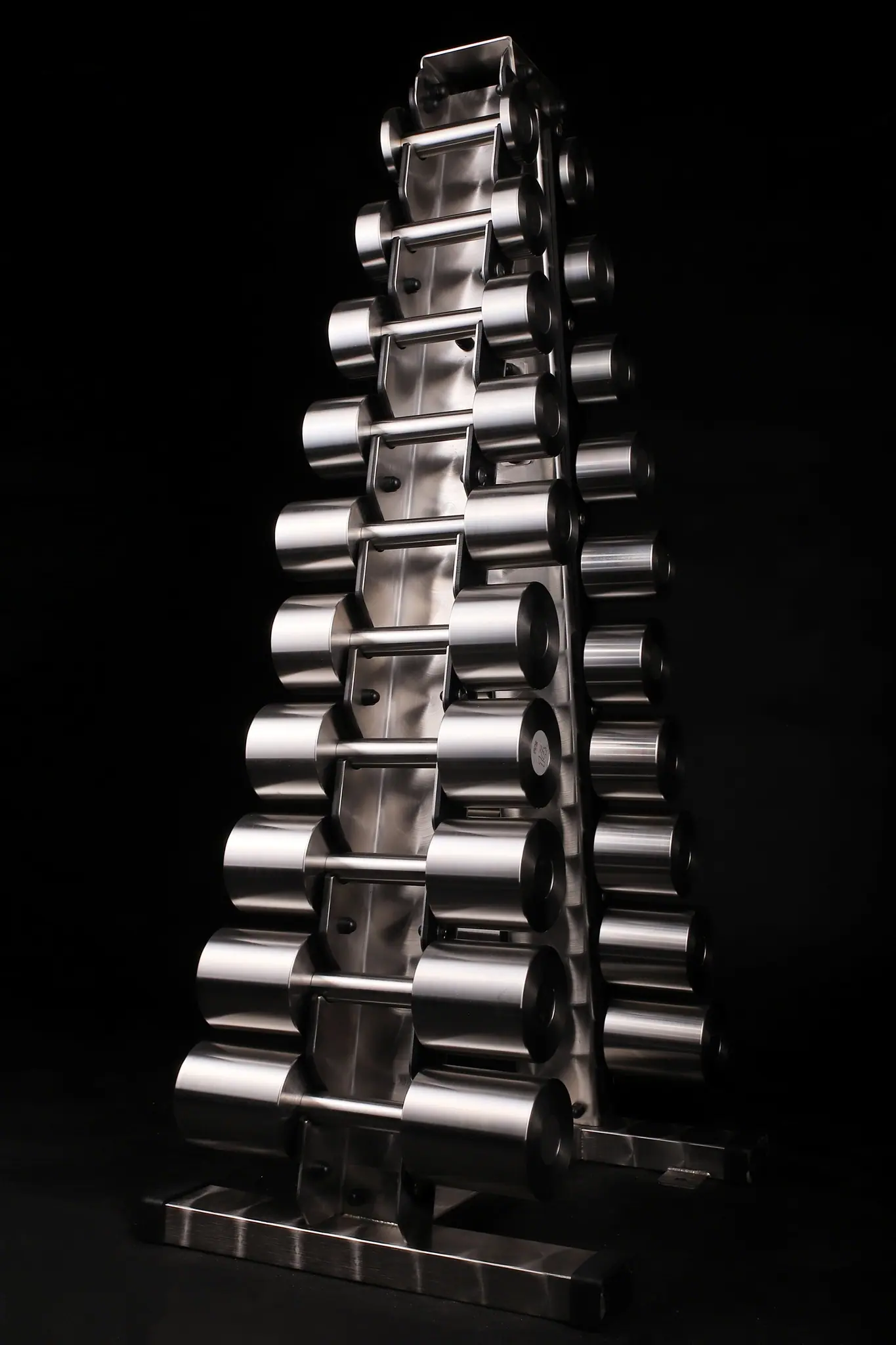
Outdoor Vertical Dumbbell Rack 10 Pairs - 316L Stainless to Pinterest (opens in a new window)Save on Pinterest : Outdoor Vertical Dumbbell Rack 10 Pairs - 316L Stainless
![Outdoor Vertical Dumbbell Rack 10 Pairs - 316L Stainless]() Add to cartMORE INFO
Add to cartMORE INFOOutdoor Vertical Dumbbell Rack 10 Pairs - 316L Stainless
1,999.00 € excl. VAT -
Stainless Steel Outdoor Vertical Dumbbell Rack, 5 Pairs to Pinterest (opens in a new window)Save on Pinterest : Stainless Steel Outdoor Vertical Dumbbell Rack, 5 Pairs
![Stainless Steel Outdoor Vertical Dumbbell Rack, 5 Pairs]() Add to cartMORE INFO
Add to cartMORE INFOStainless Steel Outdoor Vertical Dumbbell Rack, 5 Pairs
1,499.00 € excl. VAT -
Outdoor Bumper Plate 20 lb — Weatherproof to Pinterest (opens in a new window)Save on Pinterest : Outdoor Bumper Plate 20 lb — Weatherproof
![Disque bumper outdoor 20 lb]() Add to cartMORE INFO
Add to cartMORE INFOOutdoor Bumper Plate 20 lb — Weatherproof
67.99 € excl. VAT -
15 lb Outdoor Bumper Plate — Stainless Steel Insert to Pinterest (opens in a new window)Save on Pinterest : 15 lb Outdoor Bumper Plate — Stainless Steel Insert
![Disque bumper outdoor 15 lb]() Add to cartMORE INFO
Add to cartMORE INFO15 lb Outdoor Bumper Plate — Stainless Steel Insert
56.99 € excl. VAT -
10 lb Outdoor Bumper Plate — Stainless Steel Insert to Pinterest (opens in a new window)Save on Pinterest : 10 lb Outdoor Bumper Plate — Stainless Steel Insert
![Disque bumper outdoor 10 lb]() Add to cartMORE INFO
Add to cartMORE INFO10 lb Outdoor Bumper Plate — Stainless Steel Insert
45.99 € excl. VAT -
5 lb Outdoor Bumper Plate — Stainless Steel Insert to Pinterest (opens in a new window)Save on Pinterest : 5 lb Outdoor Bumper Plate — Stainless Steel Insert
![Disque bumper outdoor 5 lb]() Add to cartMORE INFO
Add to cartMORE INFO5 lb Outdoor Bumper Plate — Stainless Steel Insert
34.99 € excl. VAT -
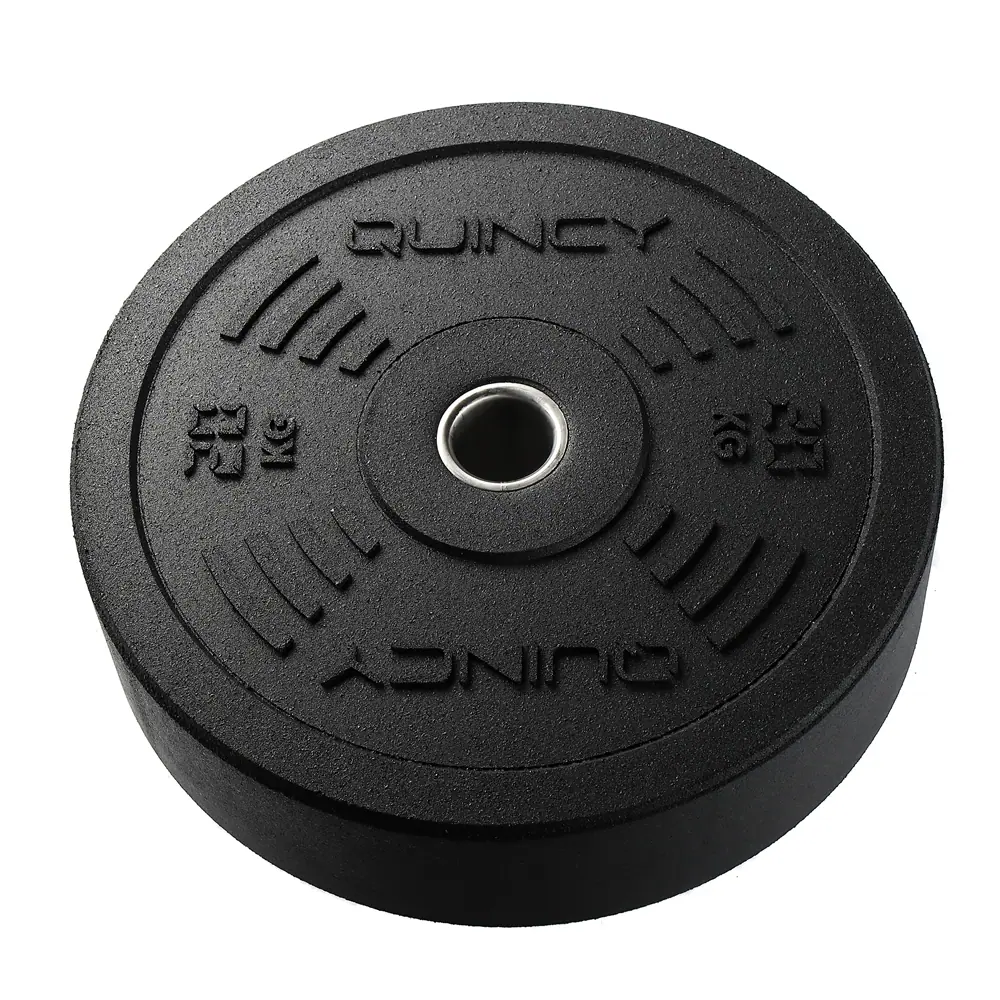
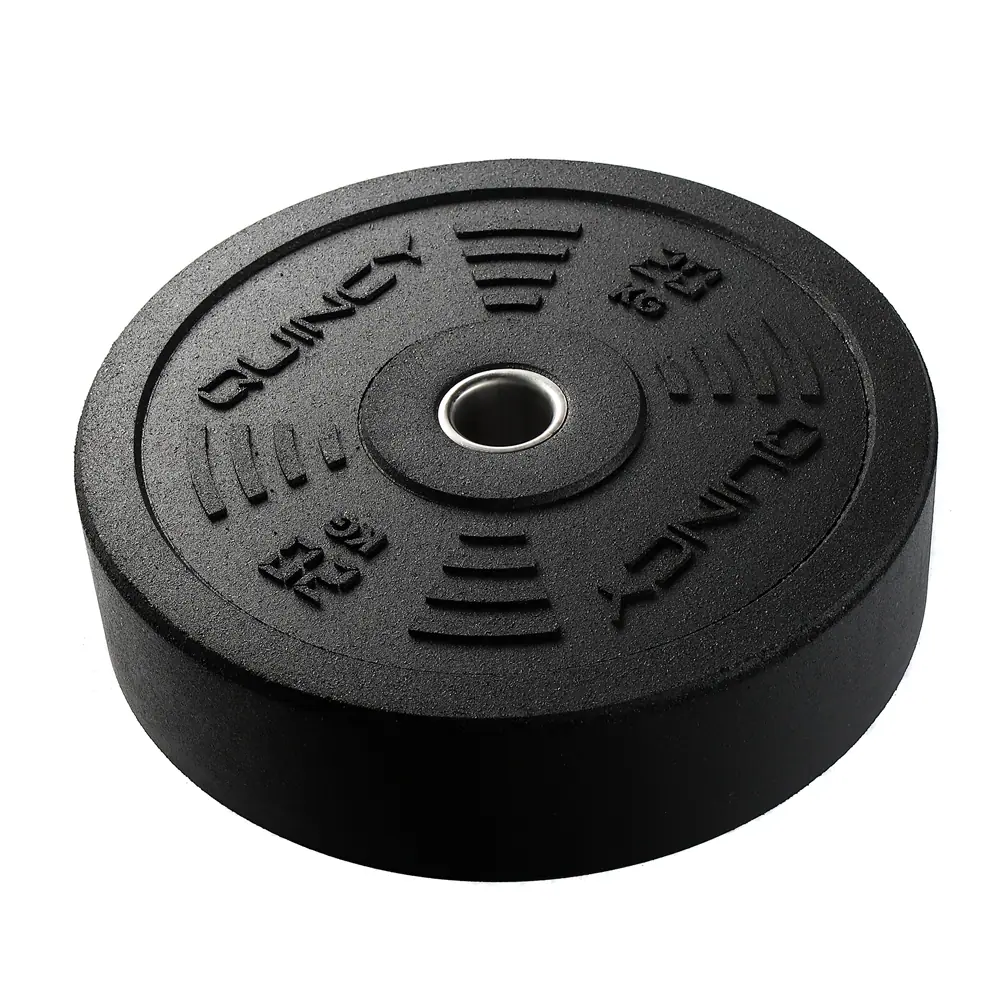
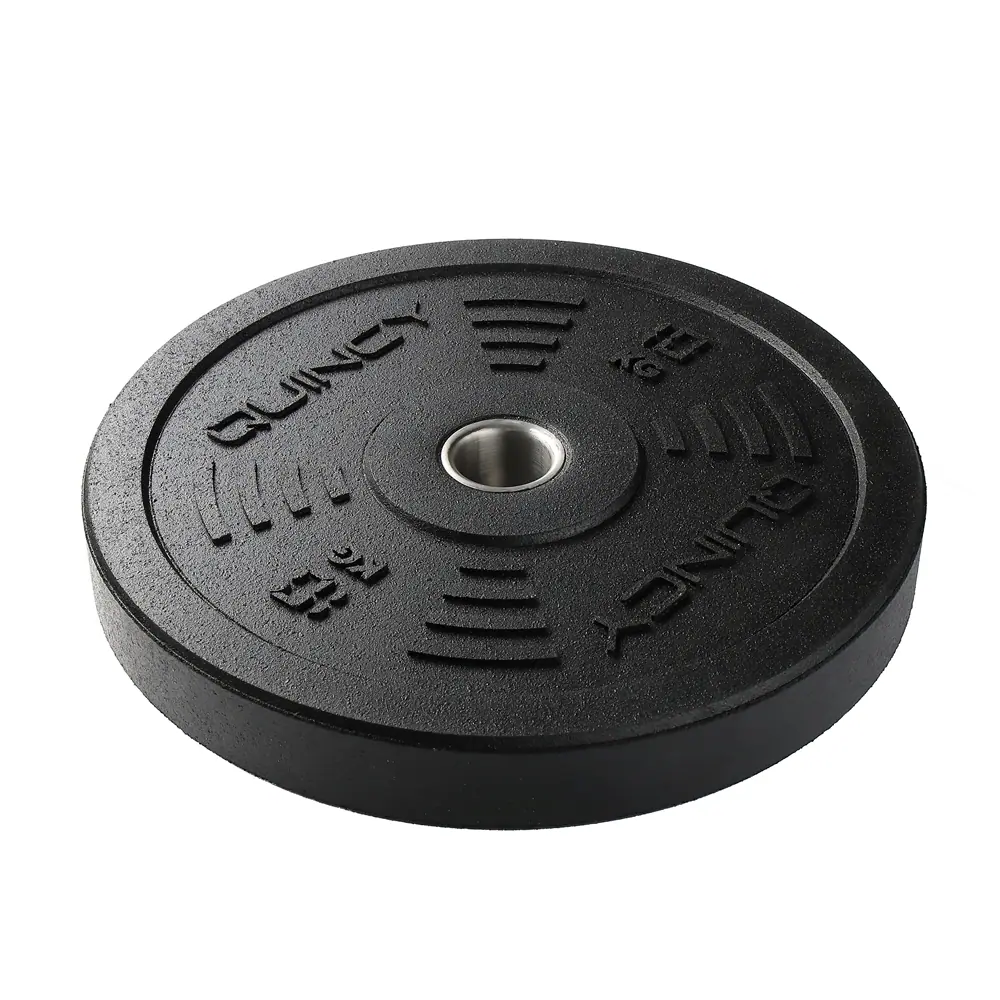
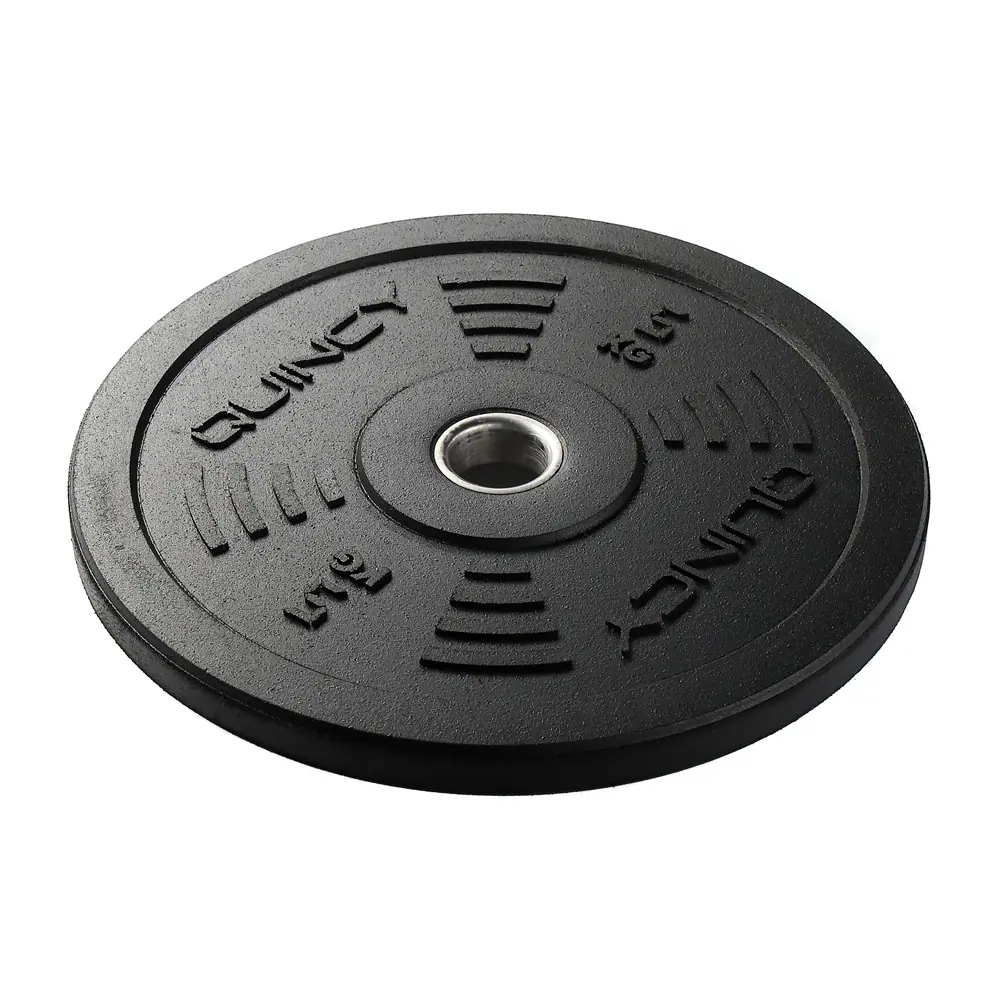
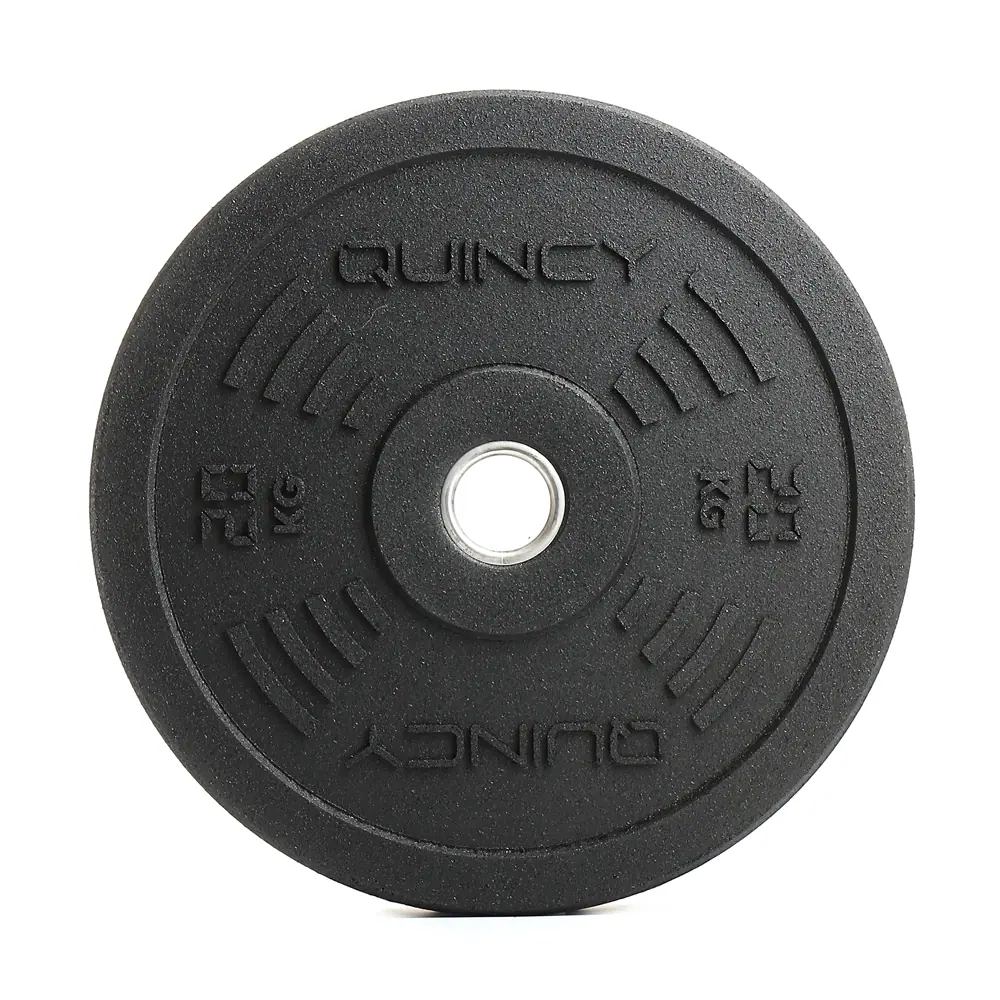
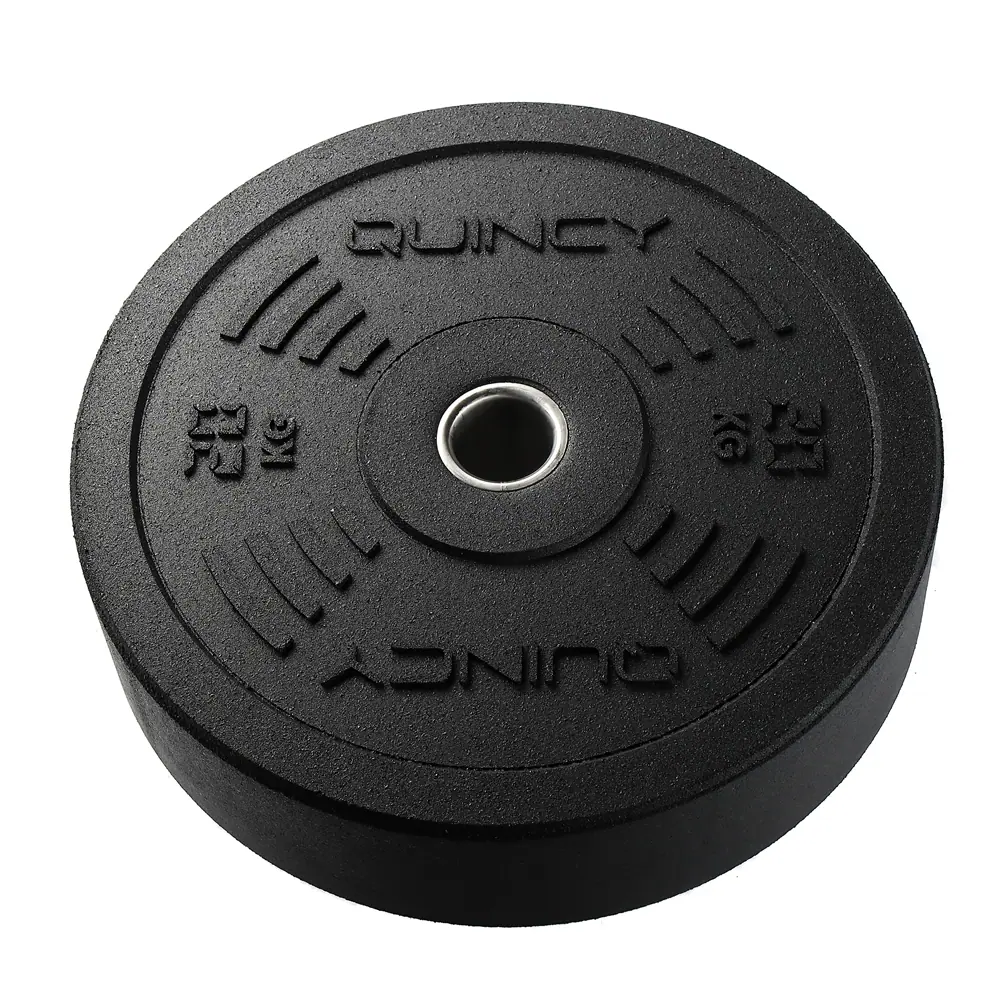
Outdoor Bumper Plate 20 kg — Weatherproof to Pinterest (opens in a new window)Save on Pinterest : Outdoor Bumper Plate 20 kg — Weatherproof
![Disque bumper outdoor 20 kg]() Add to cartMORE INFO
Add to cartMORE INFOOutdoor Bumper Plate 20 kg — Weatherproof
67.99 € excl. VAT -
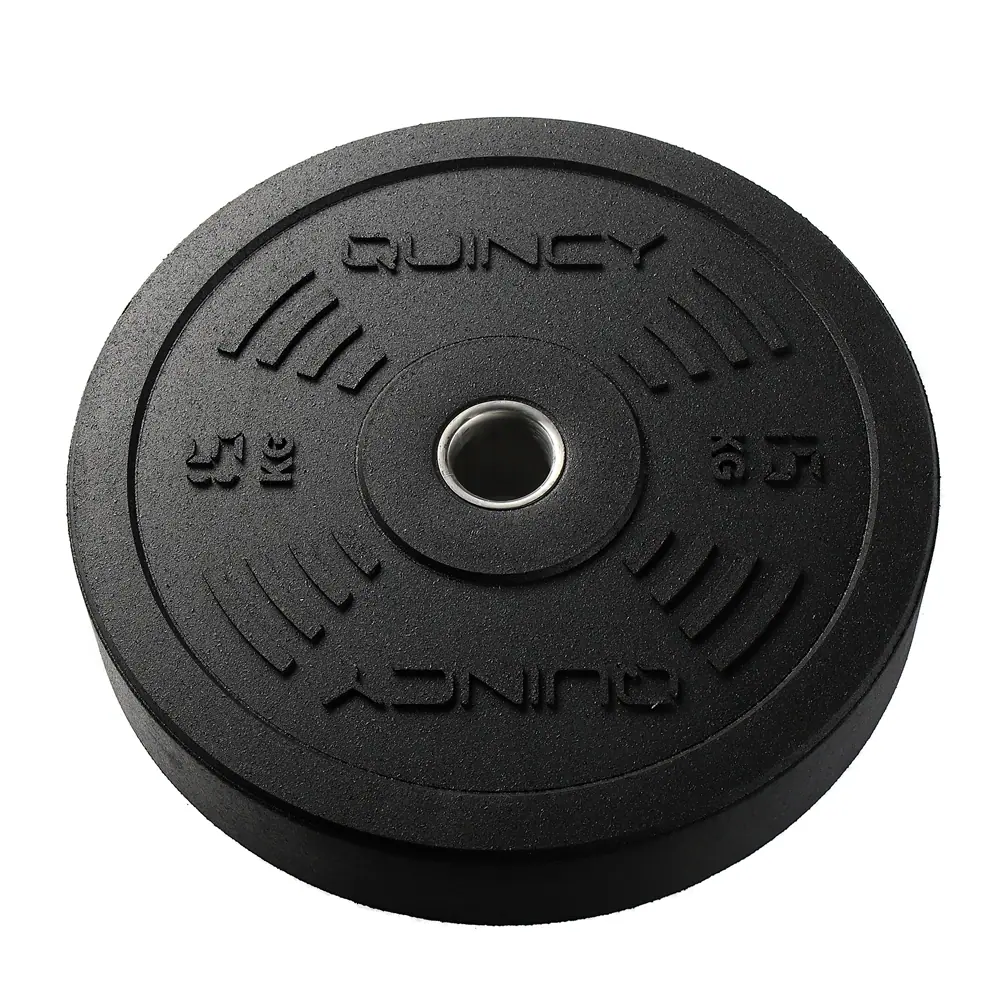
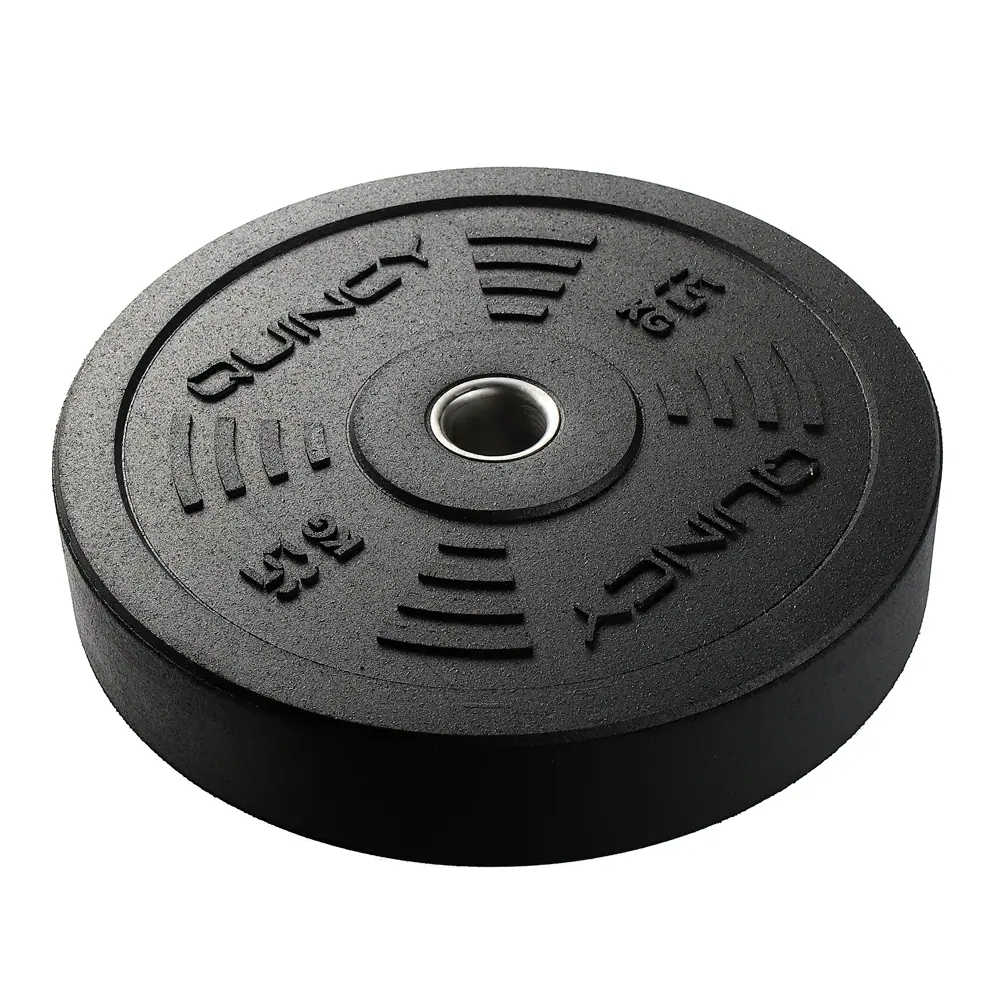
Outdoor Bumper Plate 15 kg — Weatherproof to Pinterest (opens in a new window)Save on Pinterest : Outdoor Bumper Plate 15 kg — Weatherproof
![Disque bumper outdoor 15 kg]() Add to cartMORE INFO
Add to cartMORE INFOOutdoor Bumper Plate 15 kg — Weatherproof
56.99 € excl. VAT -
10 kg Outdoor Bumper Plate — Stainless Steel Insert to Pinterest (opens in a new window)Save on Pinterest : 10 kg Outdoor Bumper Plate — Stainless Steel Insert
![Disque bumper outdoor 10 kg]() Add to cartMORE INFO
Add to cartMORE INFO10 kg Outdoor Bumper Plate — Stainless Steel Insert
45.99 € excl. VAT -
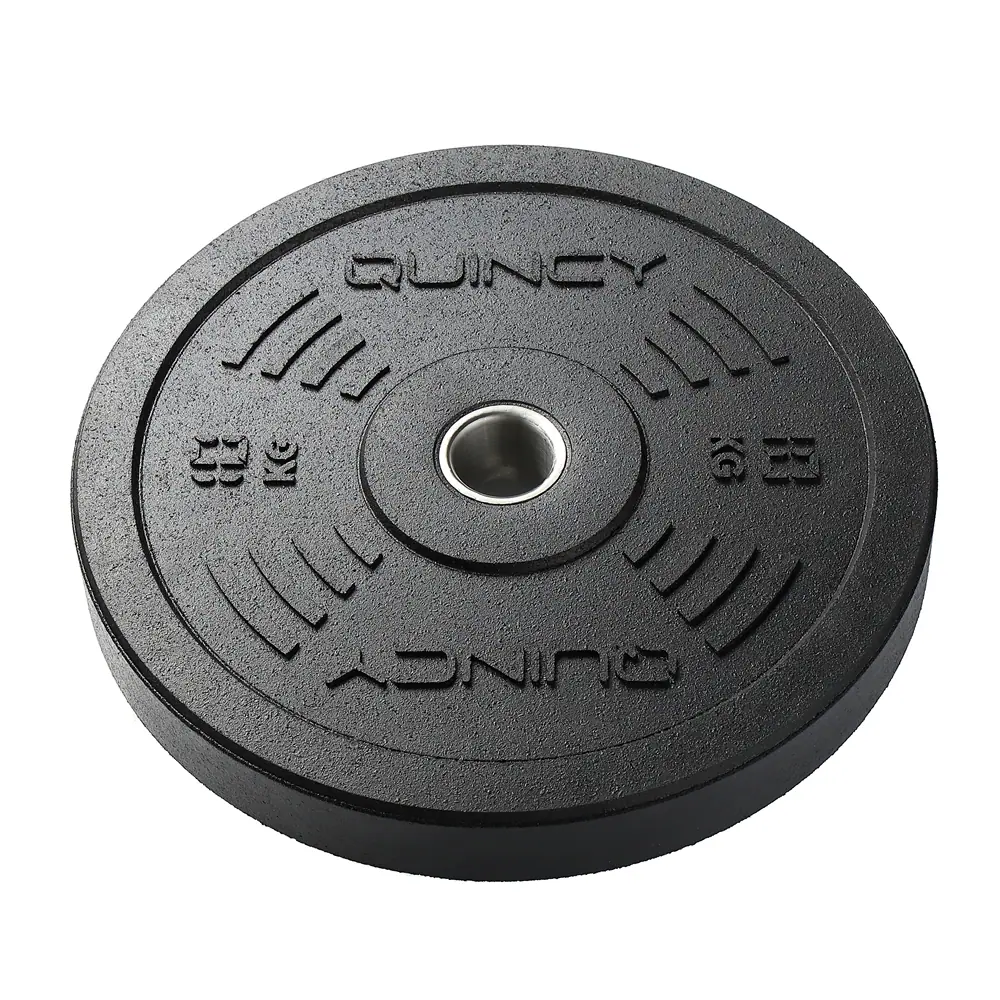
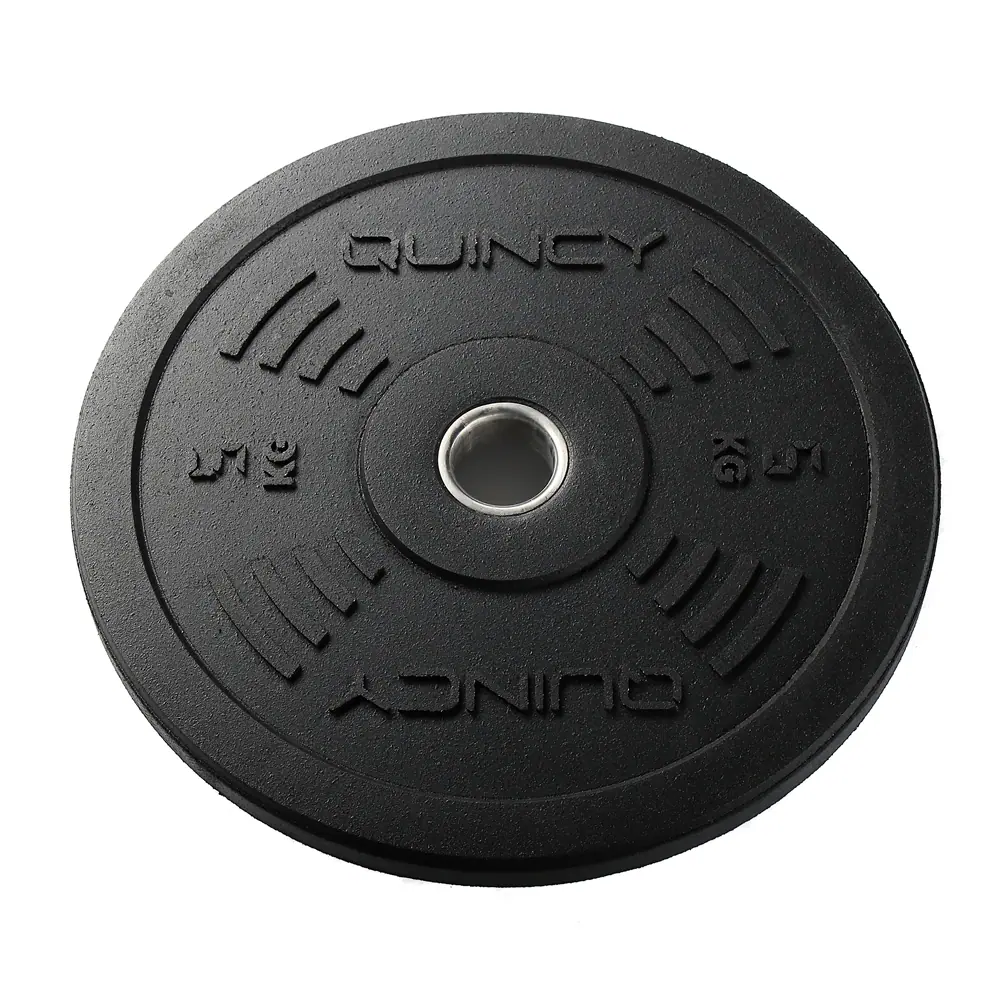
5 kg Outdoor Bumper Plate — Stainless Steel Insert to Pinterest (opens in a new window)Save on Pinterest : 5 kg Outdoor Bumper Plate — Stainless Steel Insert
![Disque bumper outdoor 5 kg]() Add to cartMORE INFO
Add to cartMORE INFO5 kg Outdoor Bumper Plate — Stainless Steel Insert
34.99 € excl. VAT -
230 lb Outdoor Bumper Plate Set - 4 Pairs (10 to 45 lb) to Pinterest (opens in a new window)Save on Pinterest : 230 lb Outdoor Bumper Plate Set - 4 Pairs (10 to 45 lb)
![Set 230 lb disques bumper outdoor]() Add to cartMORE INFO
Add to cartMORE INFO230 lb Outdoor Bumper Plate Set - 4 Pairs (10 to 45 lb)
399.00 € excl. VAT -
100 kg Outdoor Bumper Plate Set - 4 Pairs (5 to 20 kg) to Pinterest (opens in a new window)Save on Pinterest : 100 kg Outdoor Bumper Plate Set - 4 Pairs (5 to 20 kg)
![Set 100 kg disques bumper outdoor]() Add to cartMORE INFO
Add to cartMORE INFO100 kg Outdoor Bumper Plate Set - 4 Pairs (5 to 20 kg)
399.00 € excl. VAT -
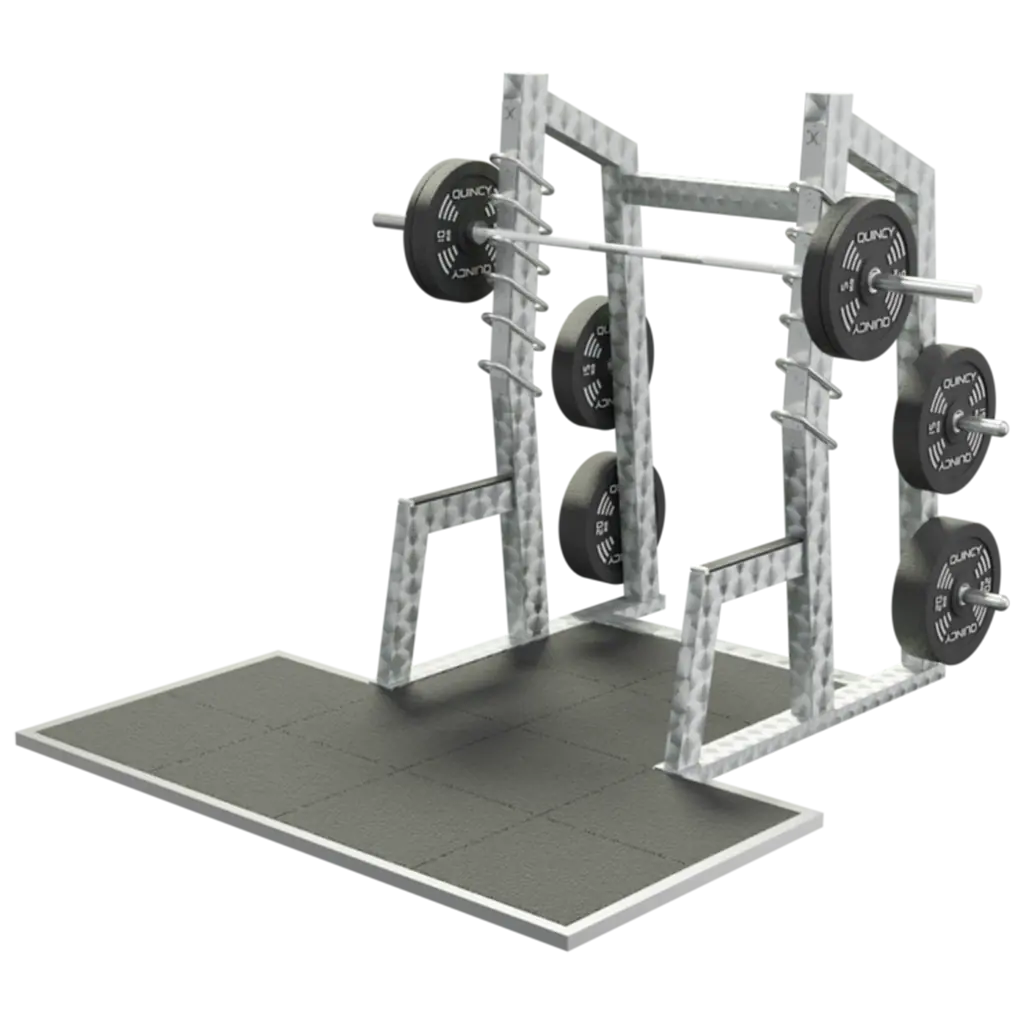
Outdoor cross competition squat rack with integrated platform to Pinterest (opens in a new window)Save on Pinterest : Outdoor cross competition squat rack with integrated platform
![Outdoor cross competition squat rack with integrated platform]() Add to cartMORE INFO
Add to cartMORE INFOOutdoor cross competition squat rack with integrated platform
3,999.00 € excl. VAT -
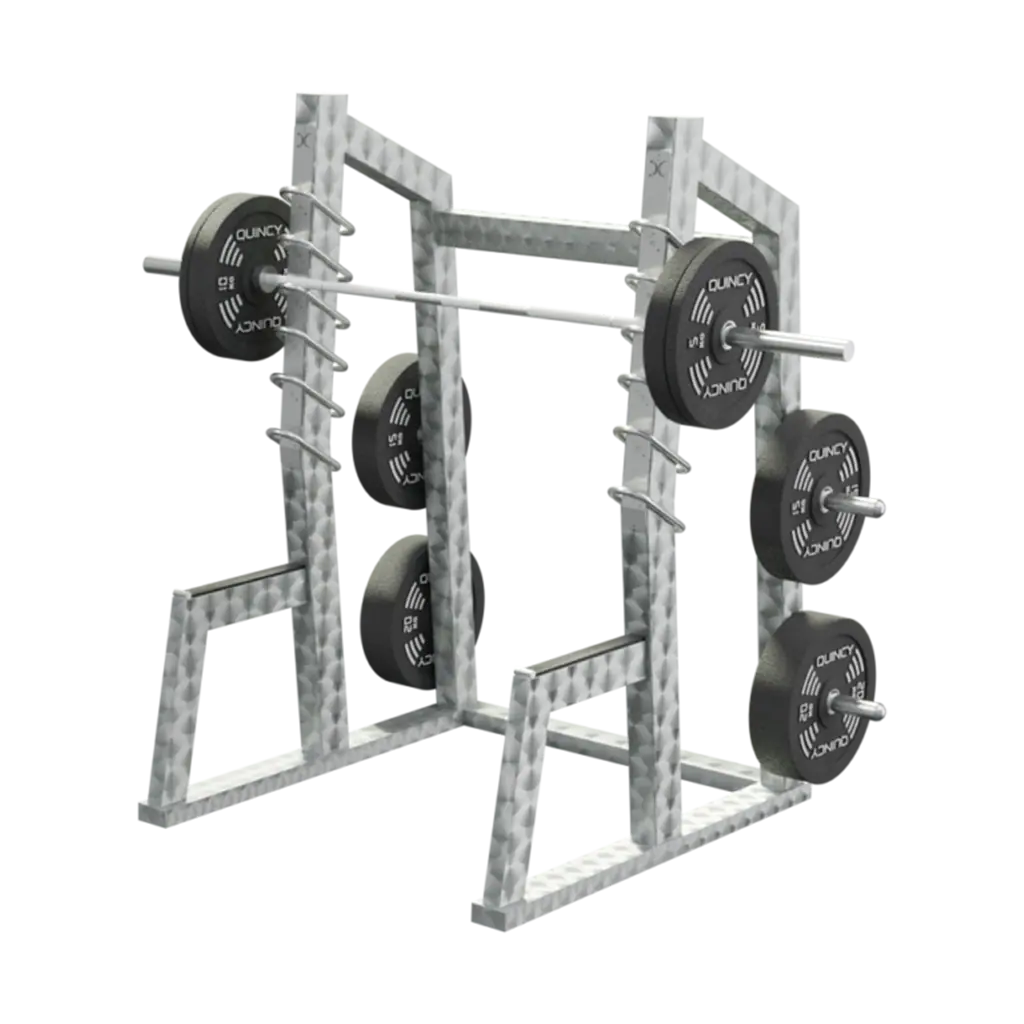
Stainless steel outdoor competition squat rack to Pinterest (opens in a new window)Save on Pinterest : Stainless steel outdoor competition squat rack
![Stainless steel outdoor competition squat rack]() Add to cartMORE INFO
Add to cartMORE INFOStainless steel outdoor competition squat rack
2,999.00 € excl. VAT -
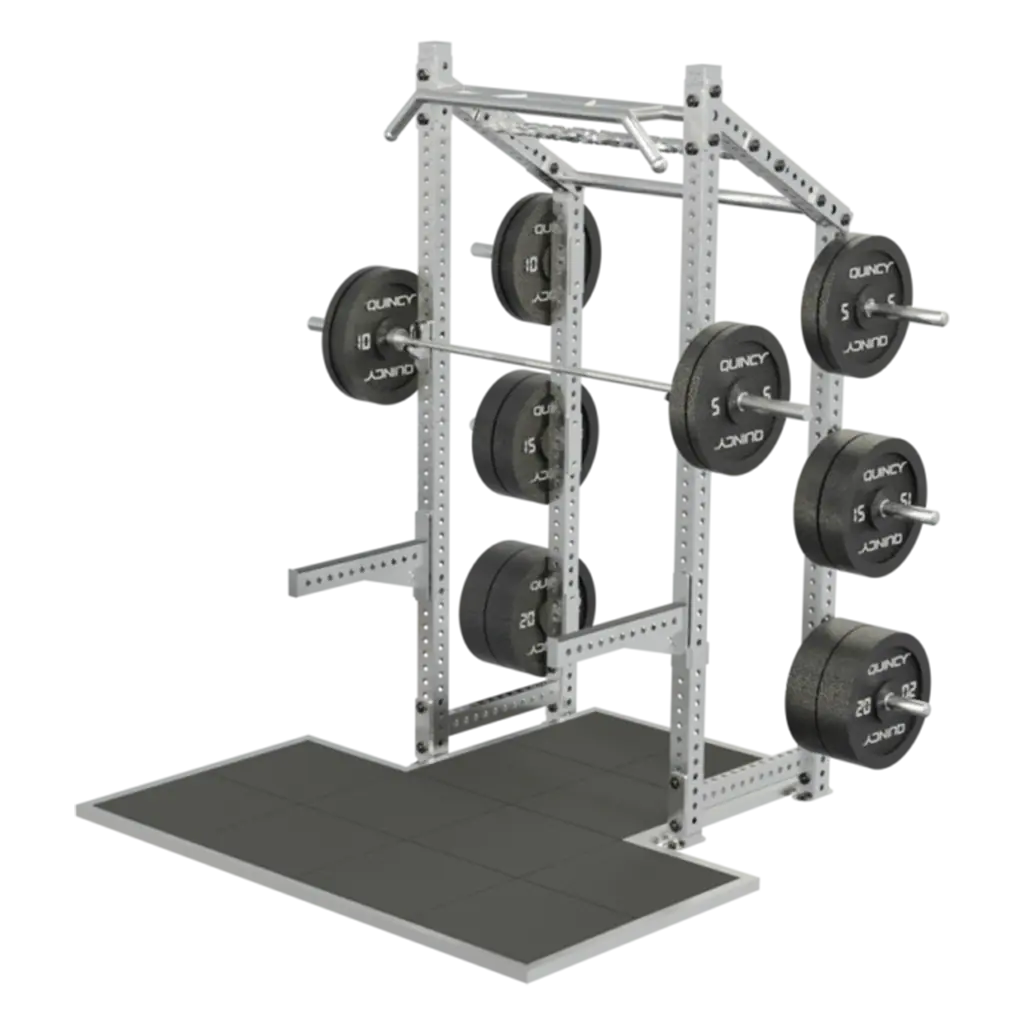
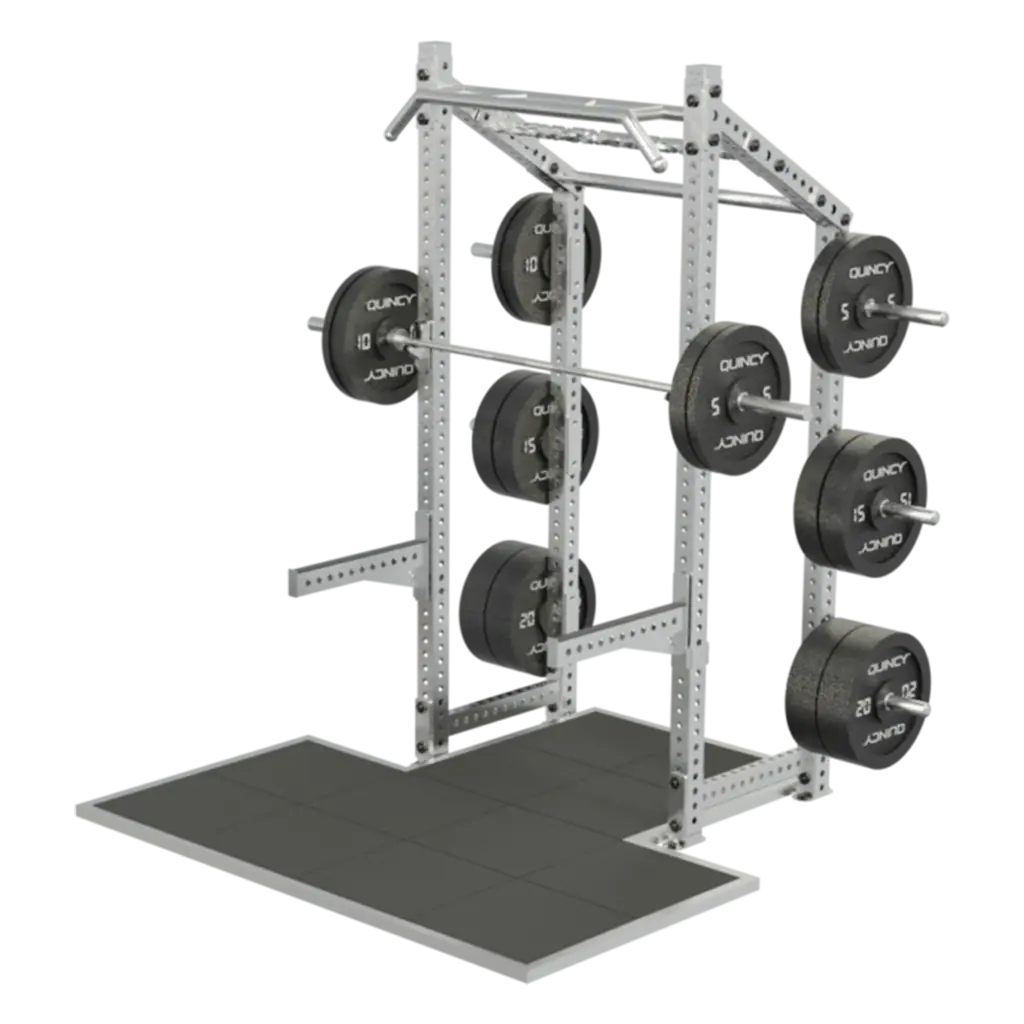
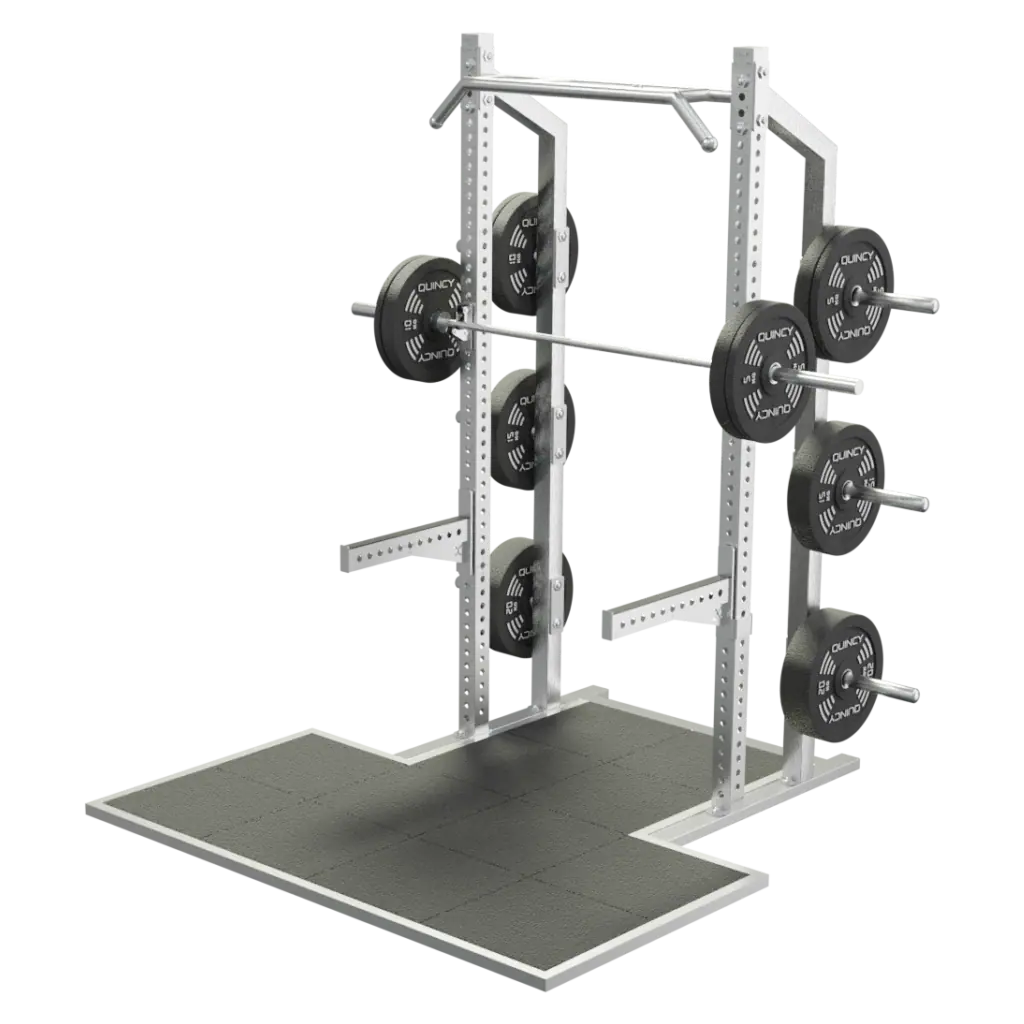
Stainless steel outdoor half power rack with lifting platform to Pinterest (opens in a new window)Save on Pinterest : Stainless steel outdoor half power rack with lifting platform
![Stainless steel outdoor half power rack with lifting platform]() Add to cartMORE INFO
Add to cartMORE INFOStainless steel outdoor half power rack with lifting platform
4,999.00 € excl. VAT -
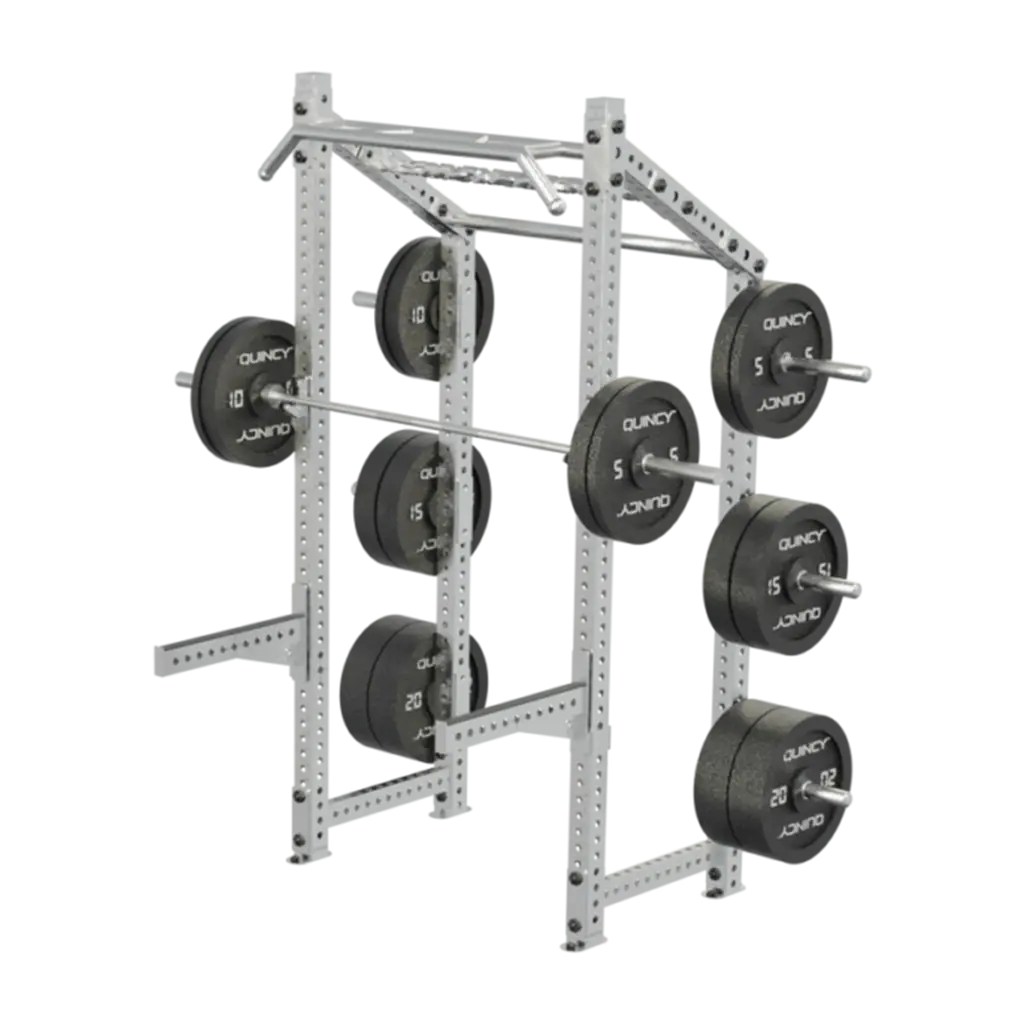
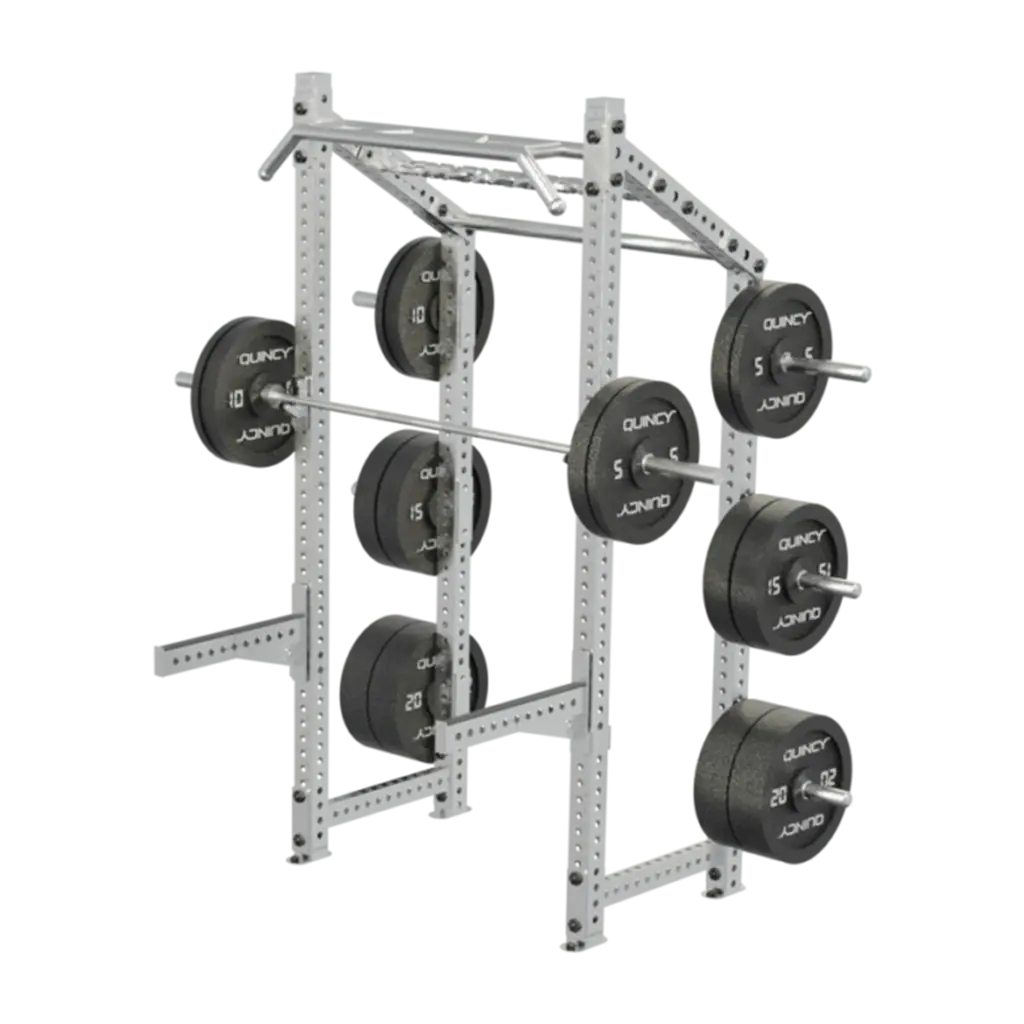
Outdoor cross competition half power rack in 316L to Pinterest (opens in a new window)Save on Pinterest : Outdoor cross competition half power rack in 316L
![Outdoor cross competition half power rack in 316L]() Add to cartMORE INFO
Add to cartMORE INFOOutdoor cross competition half power rack in 316L
3,999.00 € excl. VAT -
Outdoor stainless steel 316L three quarter power rack with platform to Pinterest (opens in a new window)Save on Pinterest : Outdoor stainless steel 316L three quarter power rack with platform
![Outdoor stainless steel 316L three quarter power rack with platform]() Add to cartMORE INFO
Add to cartMORE INFOOutdoor stainless steel 316L three quarter power rack with platform
5,499.00 € excl. VAT -
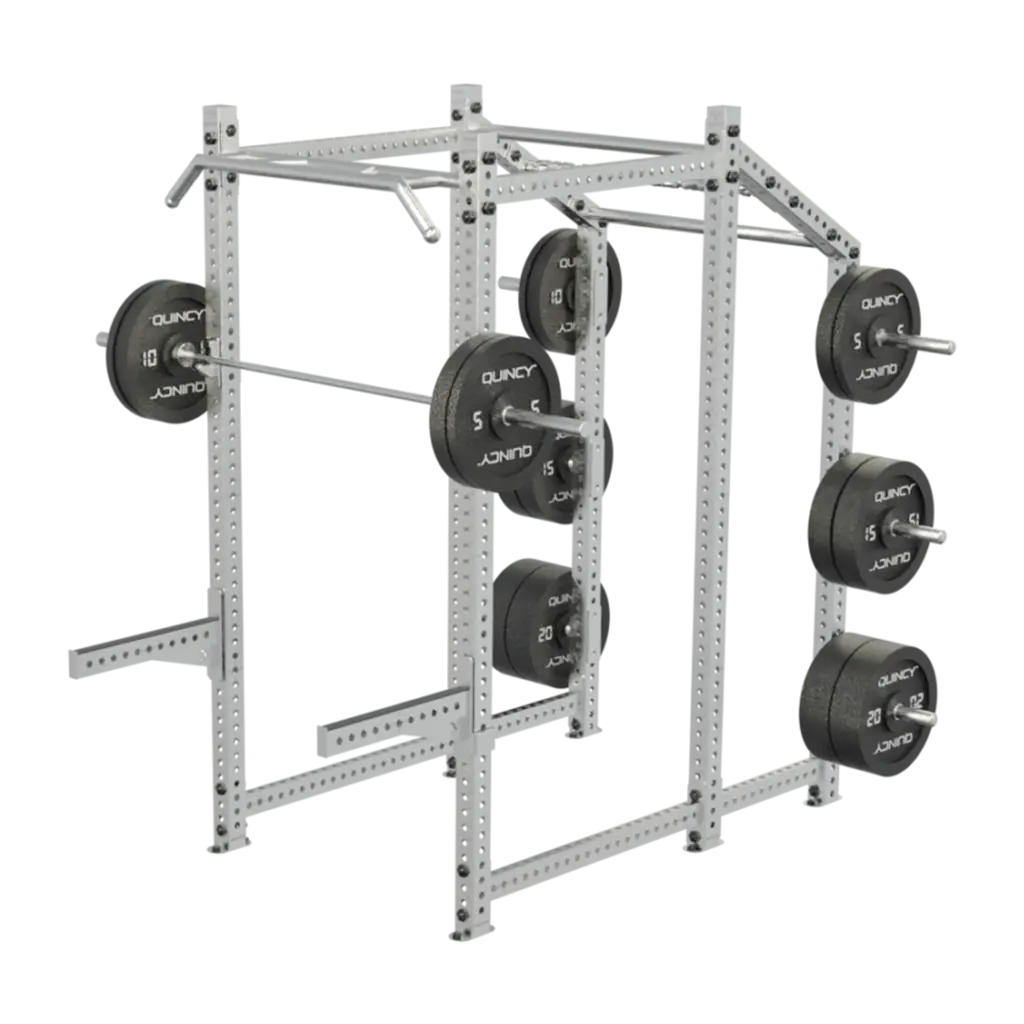
Stainless steel outdoor three quarter power rack, cage only to Pinterest (opens in a new window)Save on Pinterest : Stainless steel outdoor three quarter power rack, cage only
![Stainless steel outdoor three quarter power rack, cage only]() Add to cartMORE INFO
Add to cartMORE INFOStainless steel outdoor three quarter power rack, cage only
4,499.00 € excl. VAT -
Outdoor stainless cross competition power rack with platform to Pinterest (opens in a new window)Save on Pinterest : Outdoor stainless cross competition power rack with platform
![Outdoor stainless cross competition power rack with platform]() Add to cartMORE INFO
Add to cartMORE INFOOutdoor stainless cross competition power rack with platform
5,999.00 € excl. VAT -
Stainless steel outdoor cross competition power rack, cage only to Pinterest (opens in a new window)Save on Pinterest : Stainless steel outdoor cross competition power rack, cage only
![Stainless steel outdoor cross competition power rack, cage only]() Add to cartMORE INFO
Add to cartMORE INFOStainless steel outdoor cross competition power rack, cage only
4,999.00 € excl. VAT -
Stainless steel outdoor Olympic squat rack with lifting platform to Pinterest (opens in a new window)Save on Pinterest : Stainless steel outdoor Olympic squat rack with lifting platform
![Stainless steel outdoor Olympic squat rack with lifting platform]() Add to cartMORE INFO
Add to cartMORE INFOStainless steel outdoor Olympic squat rack with lifting platform
4,999.00 € excl. VAT -
Outdoor olympic squat rack in 316L, luxe range to Pinterest (opens in a new window)Save on Pinterest : Outdoor olympic squat rack in 316L, luxe range
![Outdoor olympic squat rack in 316L, luxe range]() Add to cartMORE INFO
Add to cartMORE INFOOutdoor olympic squat rack in 316L, luxe range
3,999.00 € excl. VAT -
Outdoor stainless steel Olympic half rack with platform to Pinterest (opens in a new window)Save on Pinterest : Outdoor stainless steel Olympic half rack with platform
![Outdoor stainless steel Olympic half rack with platform]() Add to cartMORE INFO
Add to cartMORE INFOOutdoor stainless steel Olympic half rack with platform
7,999.00 € excl. VAT -
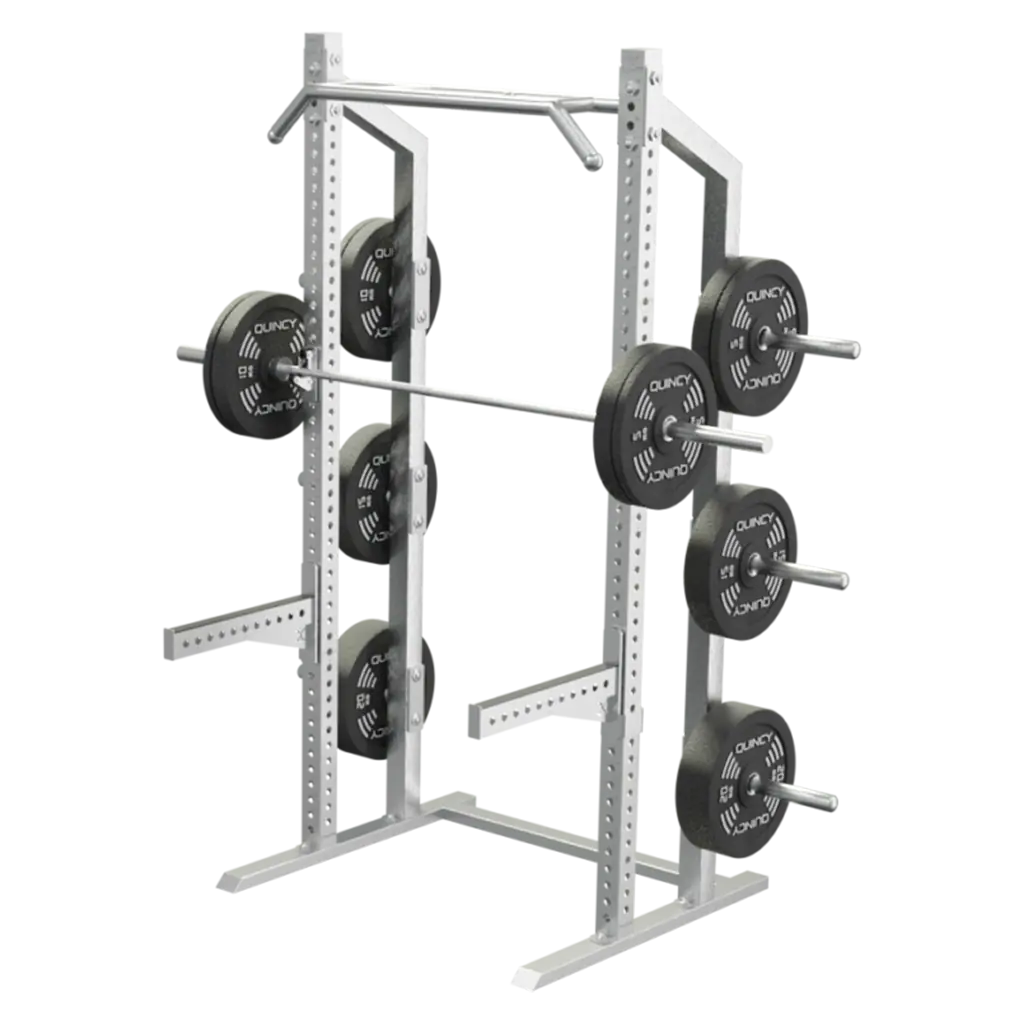
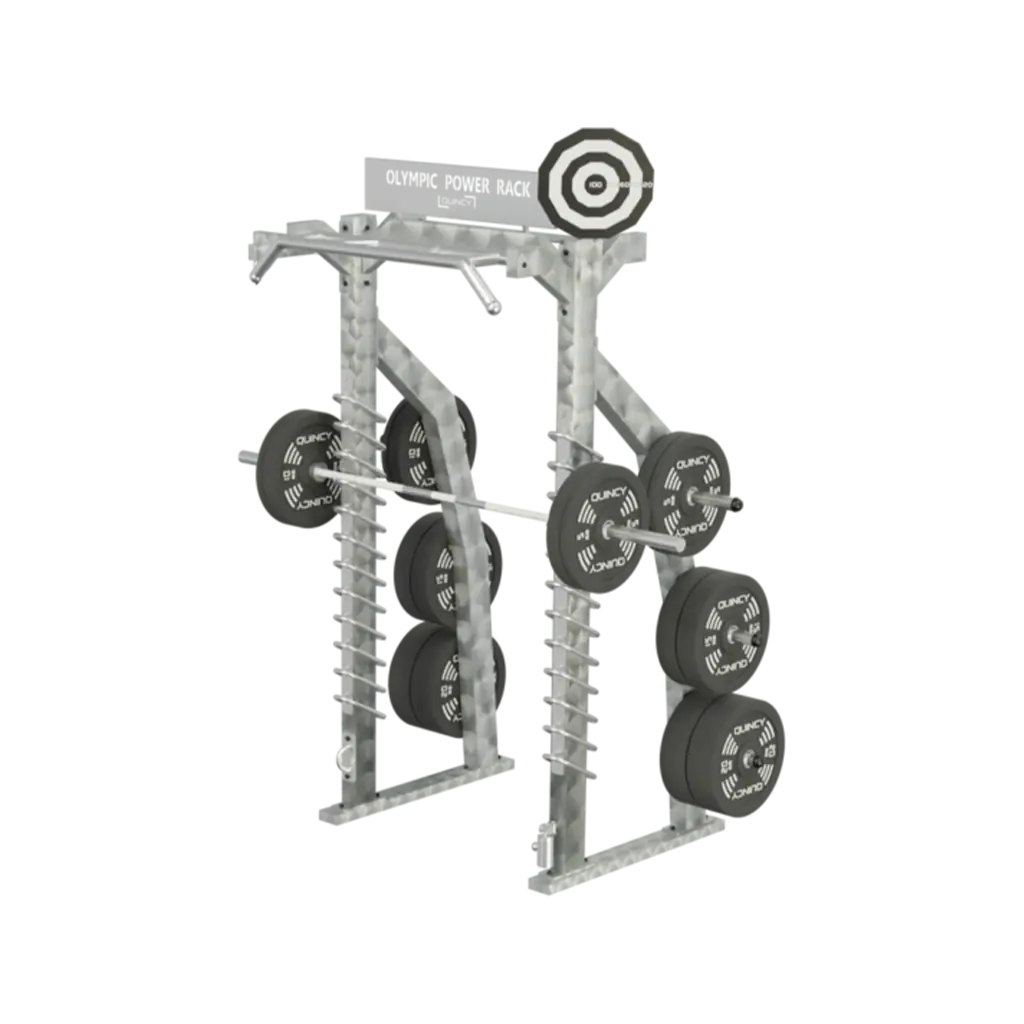
Outdoor stainless steel Olympic half rack to Pinterest (opens in a new window)Save on Pinterest : Outdoor stainless steel Olympic half rack
![Outdoor stainless steel Olympic half rack]() Add to cartMORE INFO
Add to cartMORE INFOOutdoor stainless steel Olympic half rack
6,999.00 € excl. VAT -
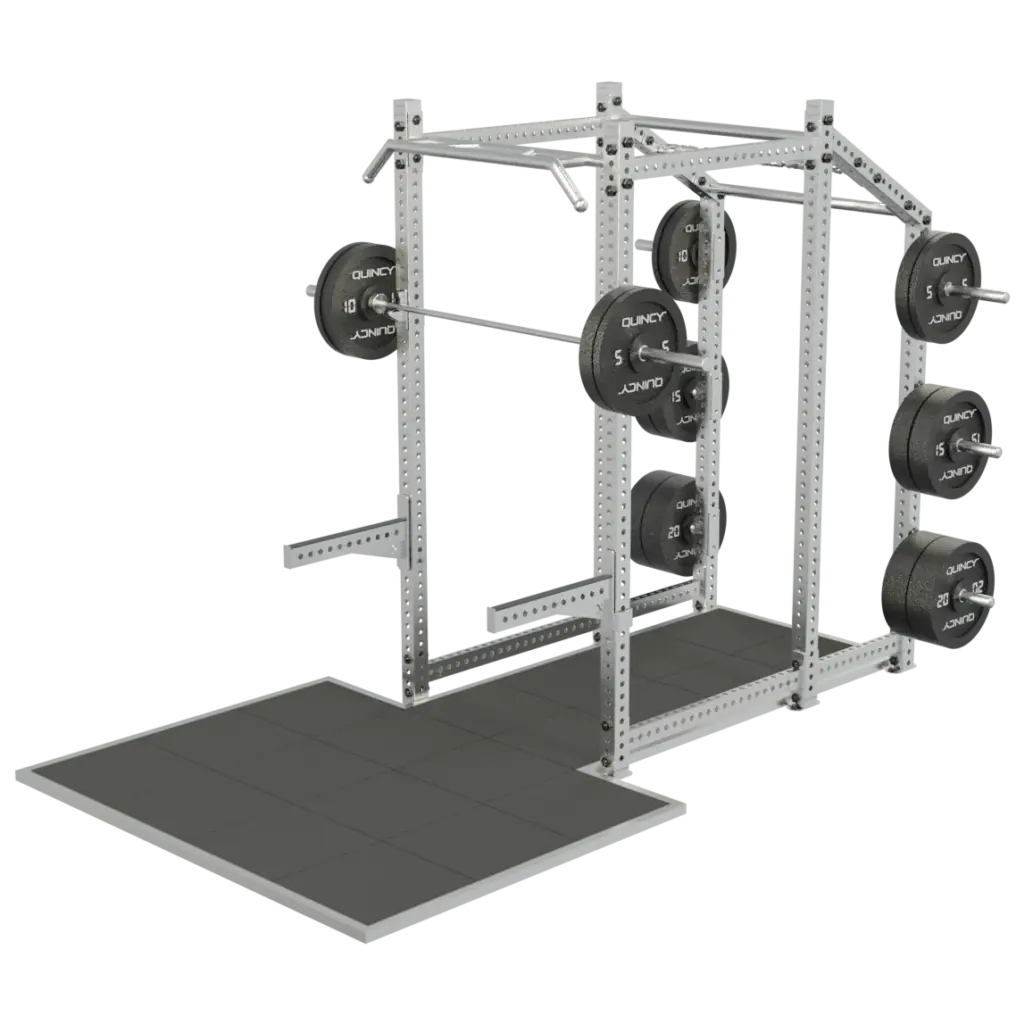
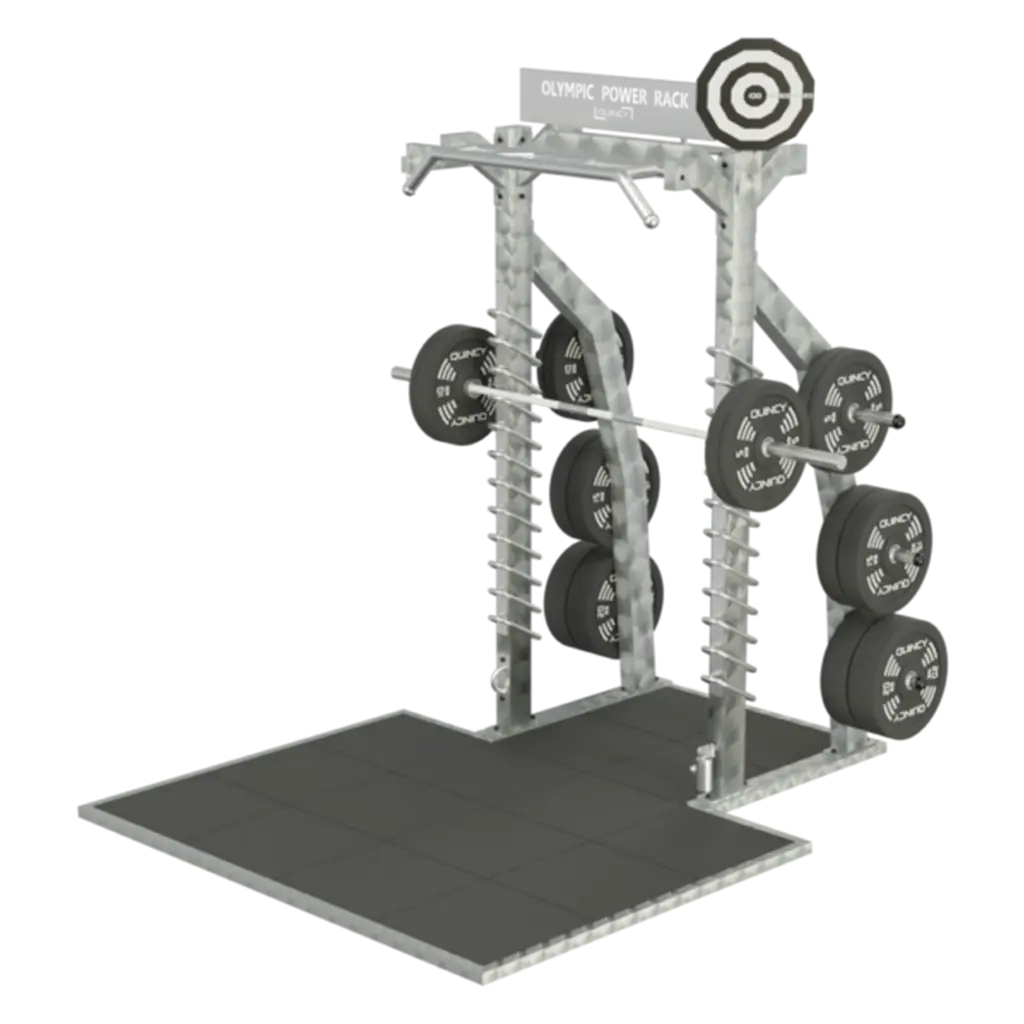
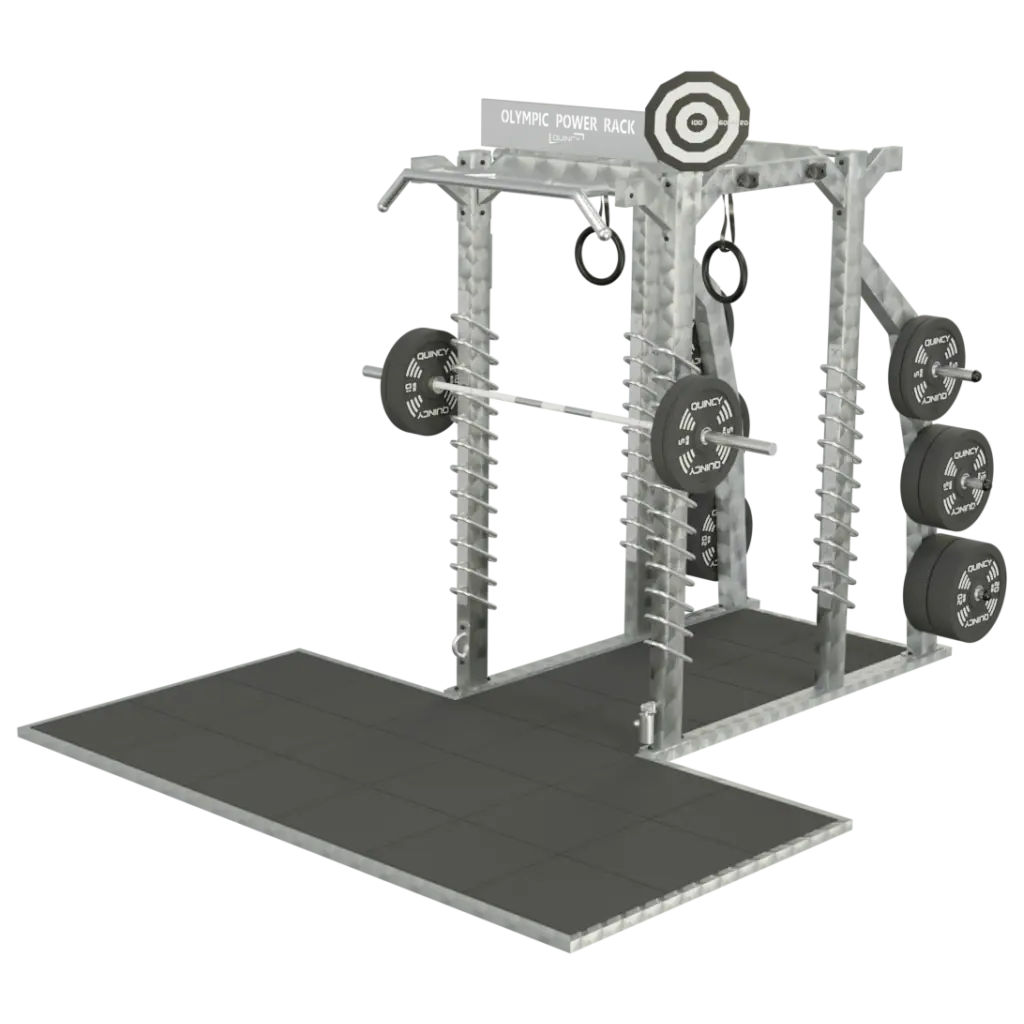
Outdoor stainless steel Olympic power rack with platform to Pinterest (opens in a new window)Save on Pinterest : Outdoor stainless steel Olympic power rack with platform
![Outdoor stainless steel Olympic power rack with platform]() Add to cartMORE INFO
Add to cartMORE INFOOutdoor stainless steel Olympic power rack with platform
8,999.00 € excl. VAT -
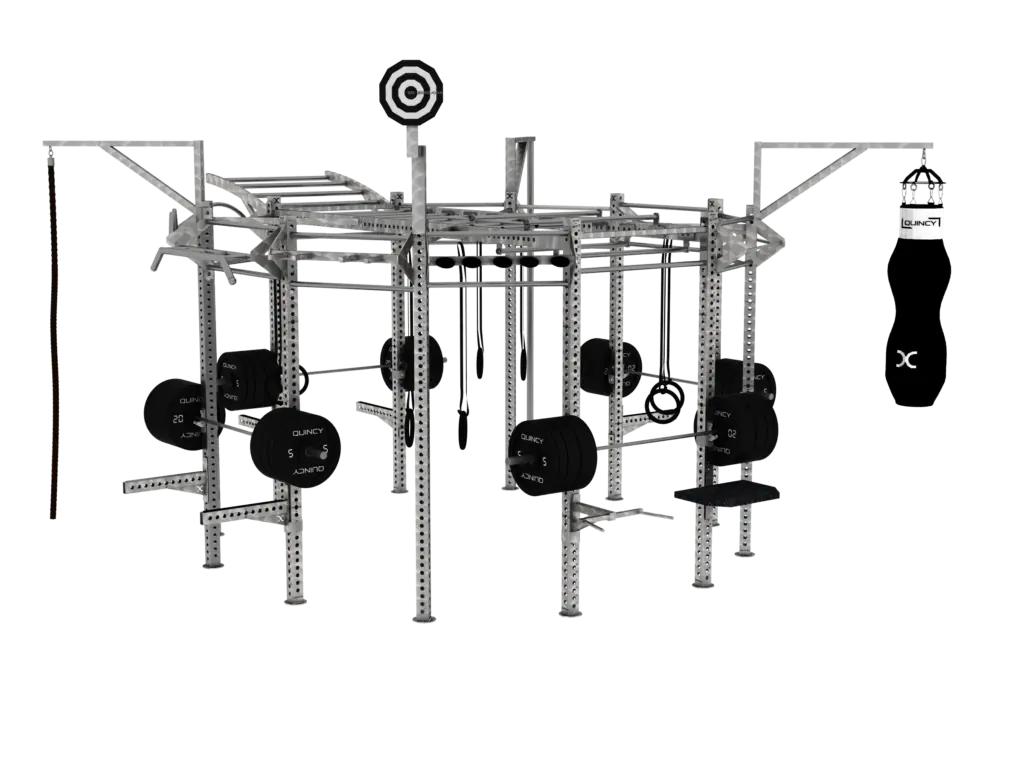
Cross Competition 12 freestanding outdoor stainless steel rig to Pinterest (opens in a new window)Save on Pinterest : Cross Competition 12 freestanding outdoor stainless steel rig
![Cross Competition 12 freestanding outdoor stainless steel rig]() Add to cartMORE INFO
Add to cartMORE INFOCross Competition 12 freestanding outdoor stainless steel rig
11,999.00 € excl. VAT -
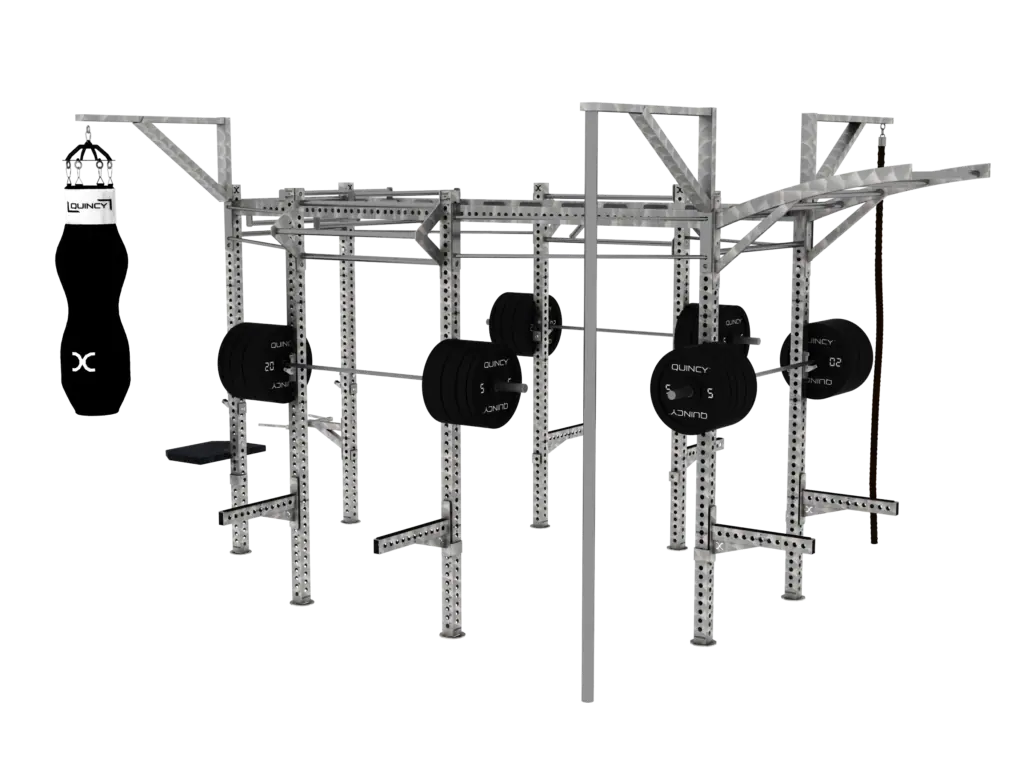
Outdoor stainless steel cross competition rig 8, freestanding to Pinterest (opens in a new window)Save on Pinterest : Outdoor stainless steel cross competition rig 8, freestanding
![Outdoor stainless steel cross competition rig 8, freestanding]() Add to cartMORE INFO
Add to cartMORE INFOOutdoor stainless steel cross competition rig 8, freestanding
9,999.00 € excl. VAT -
Outdoor stainless steel cross competition rig 7, wall mounted to Pinterest (opens in a new window)Save on Pinterest : Outdoor stainless steel cross competition rig 7, wall mounted
![Outdoor stainless steel cross competition rig 7, wall mounted]() Add to cartMORE INFO
Add to cartMORE INFOOutdoor stainless steel cross competition rig 7, wall mounted
7,999.00 € excl. VAT -
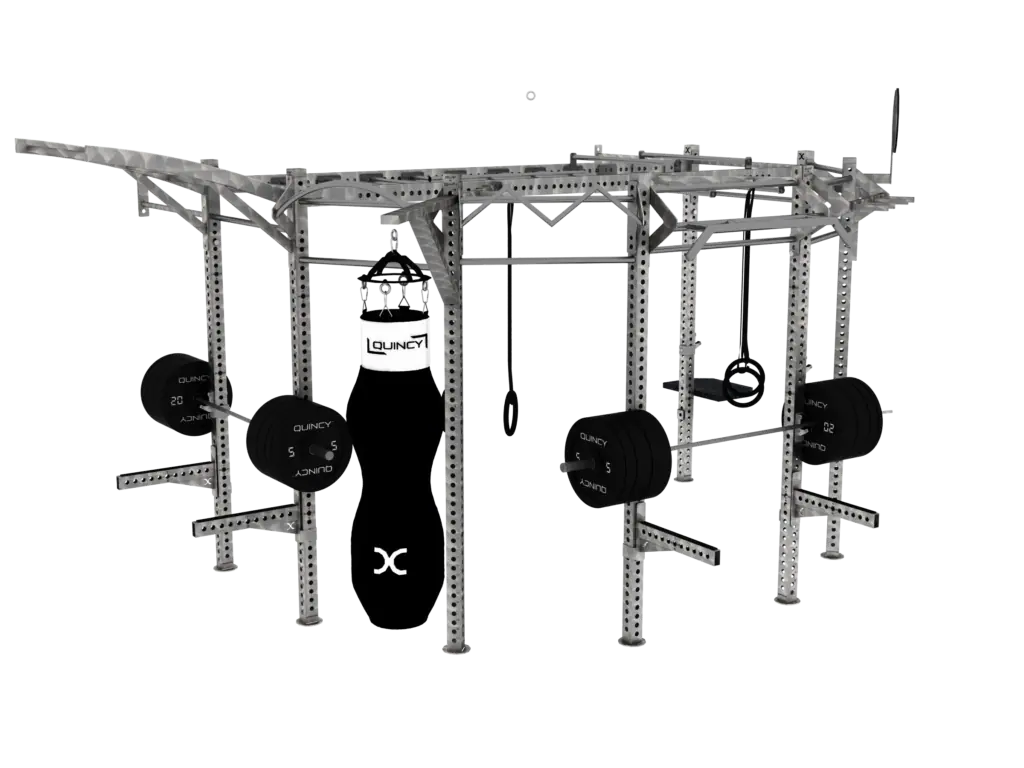
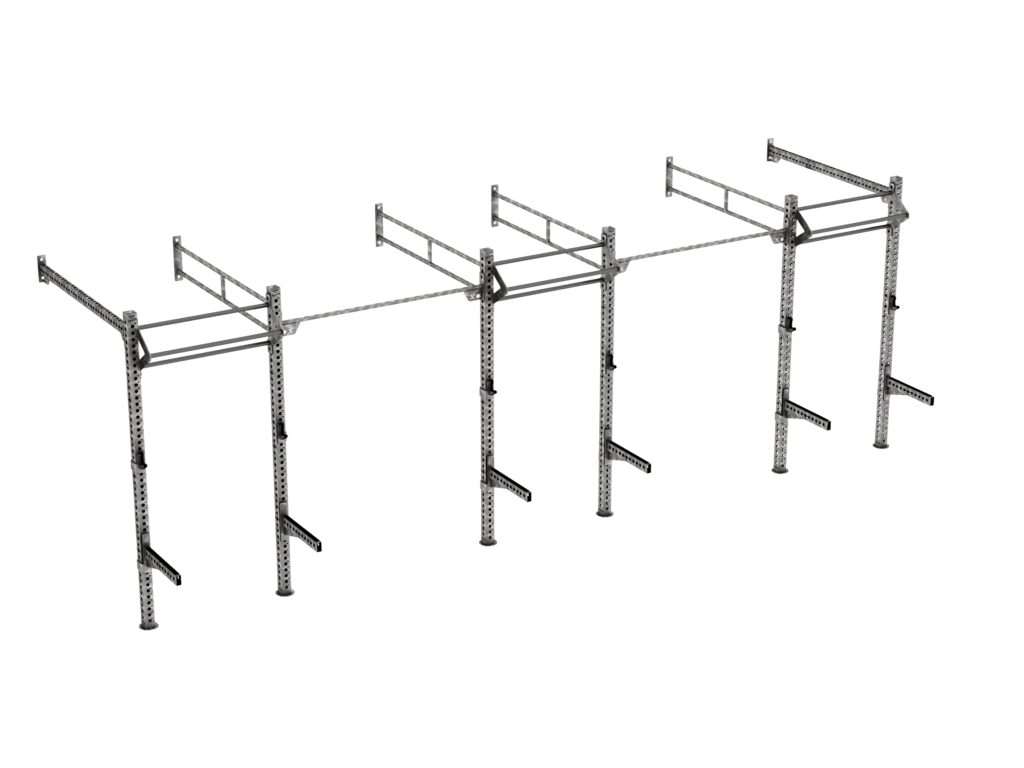
Outdoor stainless steel cross competition rig, 24 ft wall mounted to Pinterest (opens in a new window)Save on Pinterest : Outdoor stainless steel cross competition rig, 24 ft wall mounted
![Outdoor stainless steel cross competition rig, 24 ft wall mounted]() Add to cartMORE INFO
Add to cartMORE INFOOutdoor stainless steel cross competition rig, 24 ft wall mounted
7,299.00 € excl. VAT


Choose by exercise and reference
- stainless steel outdoor strength machines
- Stainless steel street workout stations
- Outdoor stainless steel 316L pull-up bar, 7 grips
- Outdoor stainless steel 316L parallel dip bars
The safety area does not establish the shape of the clearances. Validate the dimensioned layout, access, foundations and receiving surface for this reference. Equipment dimensions, safety area and working area must not be treated as interchangeable.
Material and maintenance
The frame is 316L stainless steel. The frame grade does not automatically describe every fixing, accessory or moving component. Coastal exposure, salt deposits and areas sheltered from rain need to be considered when choosing the equipment and its maintenance plan.
Cleaning and inspection of anchors, joints and moving parts follow the model instructions. Stainless steel does not remove these checks; adjust the schedule to exposure and use.
Choosing stainless steel grade for sports equipment.
Model documentation and scope
EN 16630 applies to outdoor fixed fitness equipment within its scope. It does not establish blanket conformity for every accessory, free-weight system or obstacle course in this category. Check the instructions and conformity documents for the selected model and configuration; a declaration must not be described as independent certification.
Frequently asked questions
How should equipment be selected for an outdoor site?
Define the movements and user group first, then compare the model dimensions, safety or working areas and access. The dimensioned layout must establish clearances and foundations. Catalogue data cannot replace this plan.
How should the equipment be maintained?
Cleaning and inspection of anchors, joints and moving parts follow the model instructions. Stainless steel does not remove these checks; adjust the schedule to exposure and use.
Is every accessory stainless steel?
No. The catalogue includes complementary accessories in rubber and other materials. The individual product description and data sheet determine its material and intended use.
stainless steel outdoor strength machines · Request a quotation.