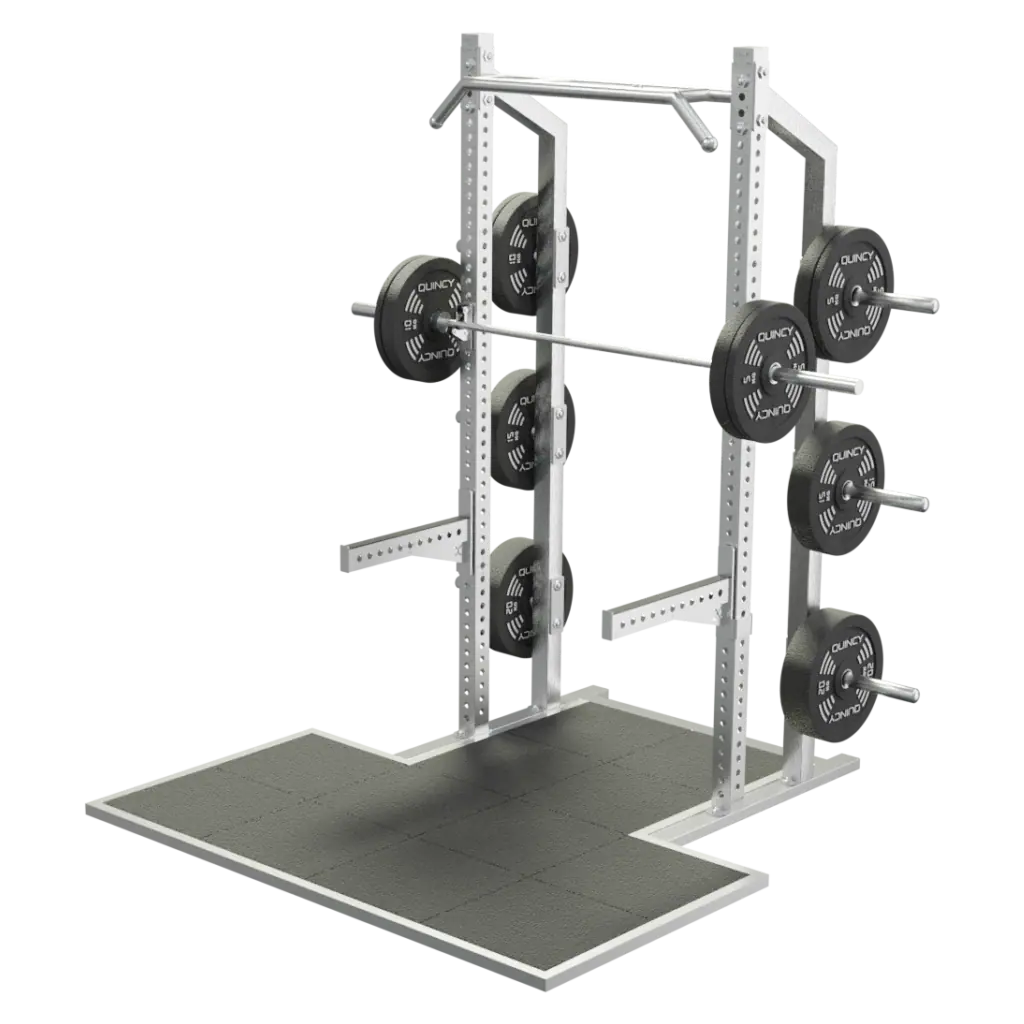
Outdoor stainless steel 316L three quarter power rack with platform
Outdoor stainless steel 316L three quarter power rack with platform : outdoor gym equipment for public spaces, marque Light In Fitness, 5 499,00 EUR excl. VAT. Frame material : Acier Inoxydable. Installation included; delivery priced on quotation across Europe.
5,499.00 € excl. VAT
i.e. 6,598.80 € TTC selon la destination de livraison
Shipping quoted separately The shipping cost is confirmed before you approve the order.
Outdoor three quarter power rack in marine grade stainless steel 316L with an integrated weightlifting platform. Complies with EN 16630 in public access, with a 1.50 m safety zone and EN 1177 surfacing.
Quotation = itemised pricing with delivery, installation and trade discounts, within 24 business hours. No commitment. Our commitments
Conformity: equipment designed to EN 16630 (permanently installed outdoor fitness equipment); the Light In Fitness declaration of conformity for this reference is supplied on request with the quotation.
Light In Fitness warranty: stainless steel frame with lifetime warranty (designed by Light In Fitness in Tours, France, manufactured in Europe), wear parts 6 months — detailed conditions. Our custom design service.
Description
This three quarter power rack in stainless steel 316L sits between a full cage and a half rack, with an integrated weightlifting platform. It keeps the safety of a cage for heavy work while reducing the floor area a full cage demands, which is the compromise most outdoor strength areas actually need.
The three quarter structure secures squats and bench work with bar catches at several heights, while leaving the station open on the access side so the lifter is not enclosed. The top bar takes pull ups, and the integrated platform handles deadlifts and Olympic lifts, so a single unit covers the three movement families a strength area has to support.
Construction follows the cross competition range: standard hole spacing, sizing for intensive professional use, and stainless steel 316L, the marine grade that resists corrosion in coastal air, chlorinated environments and salt laden atmospheres. Maintenance is limited to cleaning and periodic inspection of the fixings, with no repainting cycle.
Technical specification
| Item | Value |
|---|---|
| Product type | Outdoor three quarter power rack with weightlifting platform |
| Range | Cross competition, stainless steel outdoor |
| Material | Stainless steel 316L, marine grade |
| Hole spacing | Standard competition spacing |
| Integrated platform | Yes, for deadlift and Olympic lifting |
| Bar catches | Multiple heights for squat and bench |
| Pull up bar | Top bar |
| Standard | EN 16630 where installed in free public access |
| Safety zone | 1.50 m minimum around the structure |
| Anchoring | Base plates set into concrete foundations, or fixed to an existing concrete slab |
| Price | 5,499 EUR excluding VAT |
Outdoor installation, compliance and anchoring
Where the rack is installed in free public access, such as a municipal fitness area, a park or a school yard, it falls under EN 16630 for permanently installed outdoor fitness equipment. That requires a safety zone of at least 1.50 m around the structure and an impact attenuating surface compliant with EN 1177, with the thickness sized from the free height of fall. On closed private sites such as a military base, a company facility or a box, those requirements remain the reference for good practice even where they are not mandatory.
For the landing area we recommend rubber gym flooring tiles of 40 to 65 mm laid bonded. Anchoring is by base plates set into concrete foundations, or fixed to an existing concrete slab where one is already in place. An implantation study and an anchoring plan are issued on request.
Typical buyers are boxes and clubs securing heavy work on a reduced footprint, barracks needing an open access strength station, municipalities creating an intermediate strength zone, and gyms extending an indoor strength floor outdoors. Light In Fitness has manufactured and distributed from Tours since 2013 and supports more than 2,500 customers, with a free implantation study, delivery throughout France, installation by our own teams, a professional warranty and continued availability of wearing parts.
Technical data sheet
| Material | Stainless steel 316L |
|---|---|
| Standard | EN 16630:2015-06E |
| Certificate | CE / EU Declaration of Conformity |
| Upright section | 80 × 80 mm |
| J-cups | 1 pair included |
| Weightlifting platform | Included |
Manufacturer technical data checked by Light In Fitness. Layout plan and detailed data sheet on request.
Frequently asked questions
Why stainless steel 316L rather than galvanised steel?
316L is a marine grade stainless. It holds up in coastal air, chlorinated environments and salt laden atmospheres where a coated or galvanised frame will eventually corrode.
What surface is required underneath?
An EN 1177 compliant impact attenuating surface, thickness sized from the free height of fall. We recommend 40 to 65 mm bonded rubber tiles.
Can it be fixed to an existing slab?
Yes. Anchoring is either into new concrete foundations or onto an existing concrete slab. The anchoring plan is supplied with the implantation study.
Request a quotation for a reply within 24 working hours, or see the stainless steel outdoor fitness and squat racks and power racks ranges.
Additional information
| Frame material | Acier Inoxydable |
|---|
Delivery and installation
Lead times are confirmed in the quotation according to the product, available stock and destination.
Access requirements and delivery appointments for heavy equipment are agreed before dispatch.
Installation is included when stated for the product or in the quotation; otherwise it is quoted separately.
Related products
-
Solid Rock Outdoor Delt Row, Shoulder and Upper Back Station for Open Air Installation to Pinterest (opens in a new window)Save on Pinterest : Solid Rock Outdoor Delt Row, Shoulder and Upper Back Station for Open Air Installation
 Add to cartMORE INFO
Solid Rock Outdoor Delt Row, Shoulder and Upper Back Station for Open Air Installation
3,405.00 € excl. VAT -
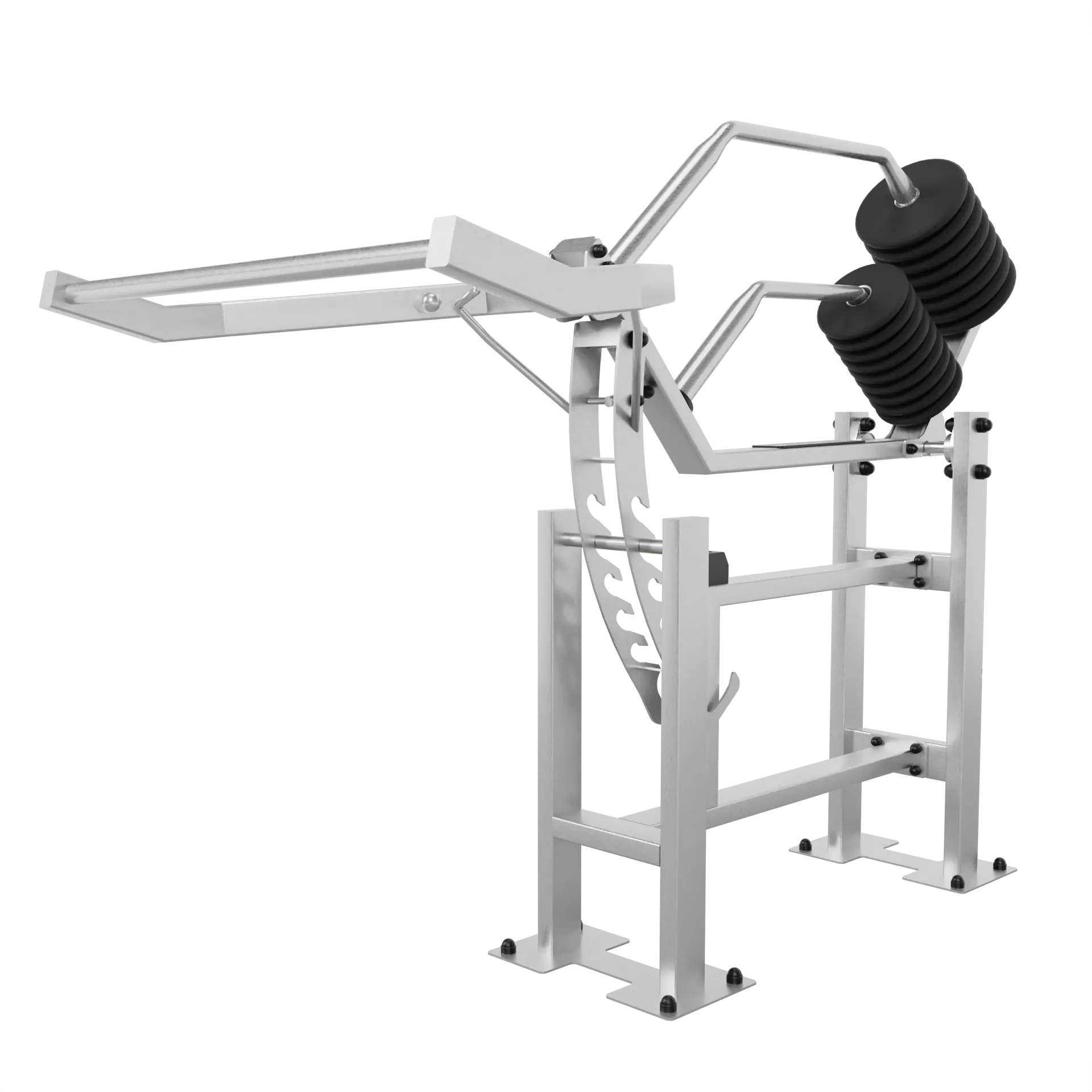
Stainless steel outdoor Squat Pro machine, plate loaded to Pinterest (opens in a new window)Save on Pinterest : Stainless steel outdoor Squat Pro machine, plate loaded
![Stainless steel outdoor Squat Pro machine, plate loaded]()
 Add to cartMORE INFO
Stainless steel outdoor Squat Pro machine, plate loaded
6,999.00 € excl. VAT -
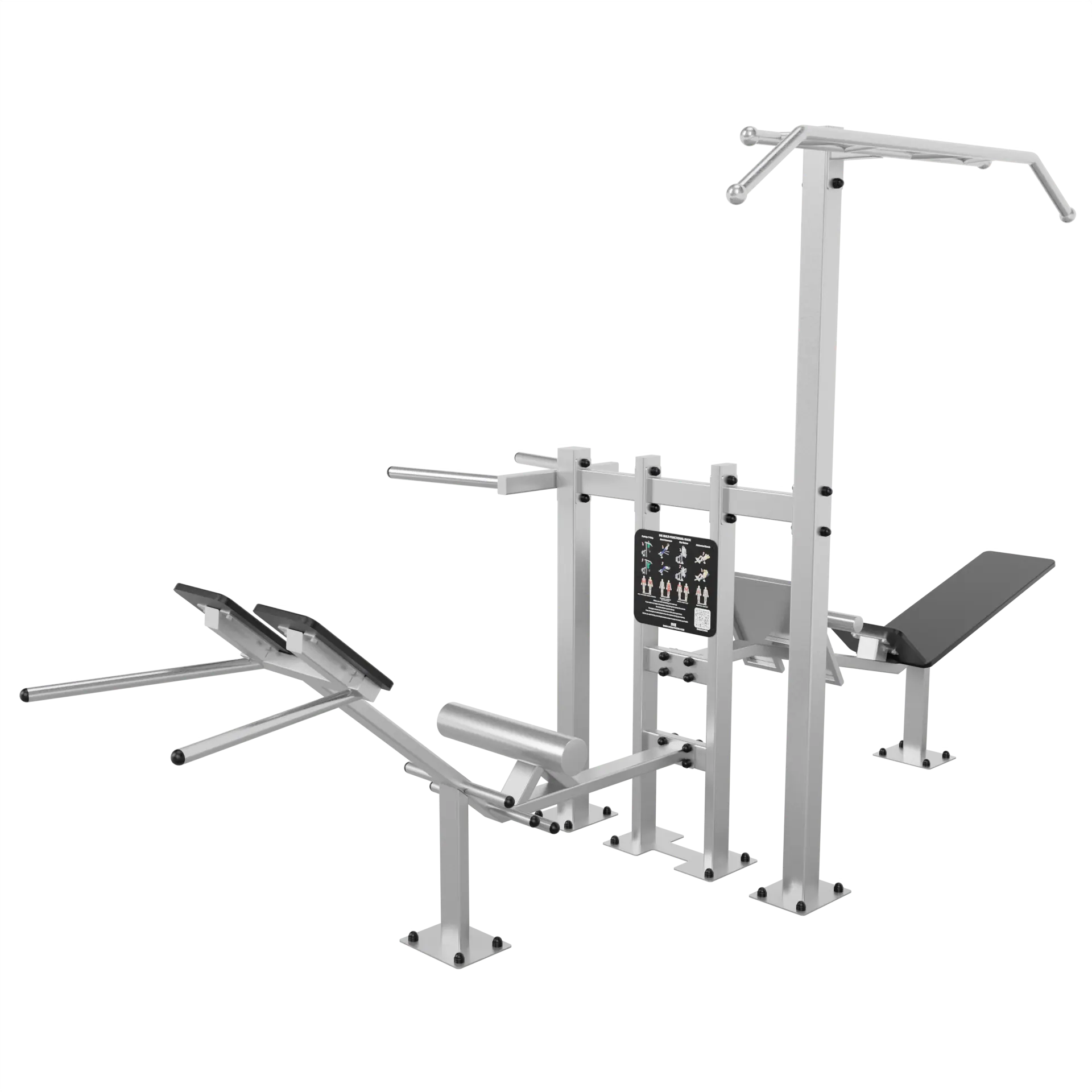
Stainless steel outdoor multifunction rack for bodyweight training to Pinterest (opens in a new window)Save on Pinterest : Stainless steel outdoor multifunction rack for bodyweight training
![Stainless steel outdoor multifunction rack for bodyweight training]()
 Add to cartMORE INFO
Stainless steel outdoor multifunction rack for bodyweight training
4,999.00 € excl. VAT