
Fire rated rubber flooring tiles
Fire rated rubber flooring tiles: our professional selection
Range overview — Sales units vary by product: m², tile, roll or piece. Accessories and maintenance equipment are priced separately. Compare flooring prices for the same surface area.
Fire rated rubber tiles answer the requirements of sports venues open to the public, strength training areas, hotels, local authority buildings and professional centres where the floor covering has to satisfy a reaction to fire classification. Light In Fitness helps you choose a covering that combines impact absorption, durability and the safety classification your building requires.
What defines our sports flooring
| Thicknesses and formats | From 6 to 60 mm, up to 100 mm for extreme use. Formats 50 × 50, 50 × 100 and 100 × 100 cm, plus mats and rolls |
|---|---|
| Density | 900 to 1,000 kg/m³ depending on the reference, stated on every product page |
| Composition | Recycled rubber granules with polyurethane binder; coloured, wood-effect or patterned versions depending on the range |
| Impact attenuation | For a play area, check the specific product test report, critical fall height and installation conditions. A fitness tile is not automatically validated to EN 1177 |
| Fire classification | Bfl-s1, Cfl-s1 or Dfl-s1 depending on the reference. Distinguish a classification covered by a test report from a Light In Fitness declaration for finishes or thicknesses outside its scope. Verify product, thickness, subfloor, installation and field of application; documents on request, not published online |
| Acoustics | A reduction in dB requires a report for the complete tile, underlay, subfloor and installation system. Generic values are not a guaranteed performance of each reference; verify evidence before specification |
| Installation | Loose-laid, connector-jointed or bonded depending on thickness and use. Substrate, flatness and drainage to be checked before ordering |
| Edge detailing | Finishing profiles for 20, 25 and 40 mm thicknesses, plus a sloped transition strip. Access ramps and made-to-measure edging available as an option, quoted with the layout |
| Available on request | Cellular tiles to be filled with gravel or topsoil, made-to-measure edging and ramps, interlocking rubber pavers for stables and technical rooms |
| Choosing the thickness | By use zone — free weights, cardio, functional training, play area — never by overall floor area |
Showing all 14 resultsSorted by latest
-
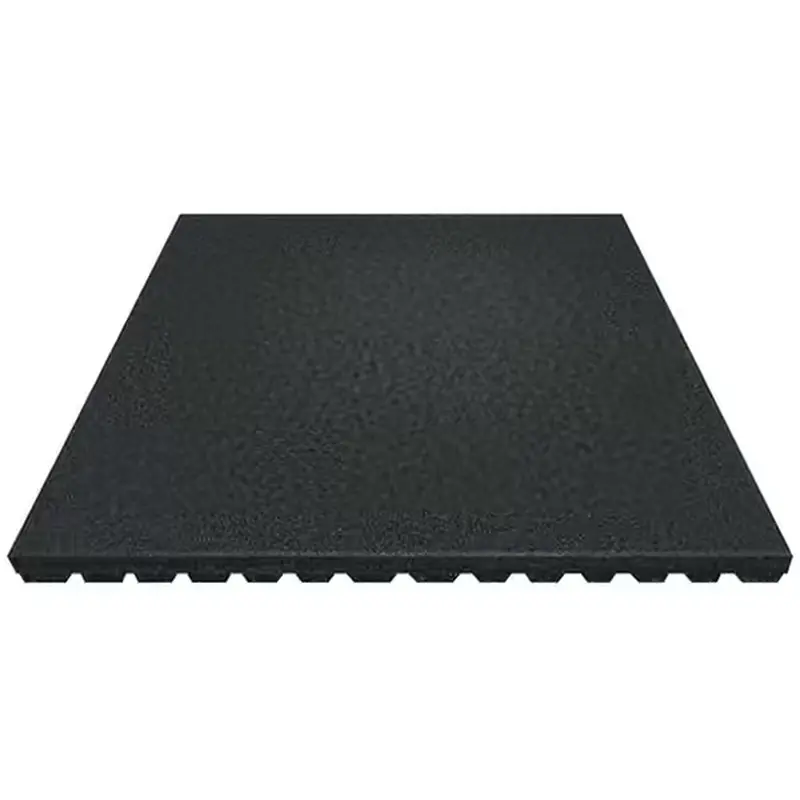
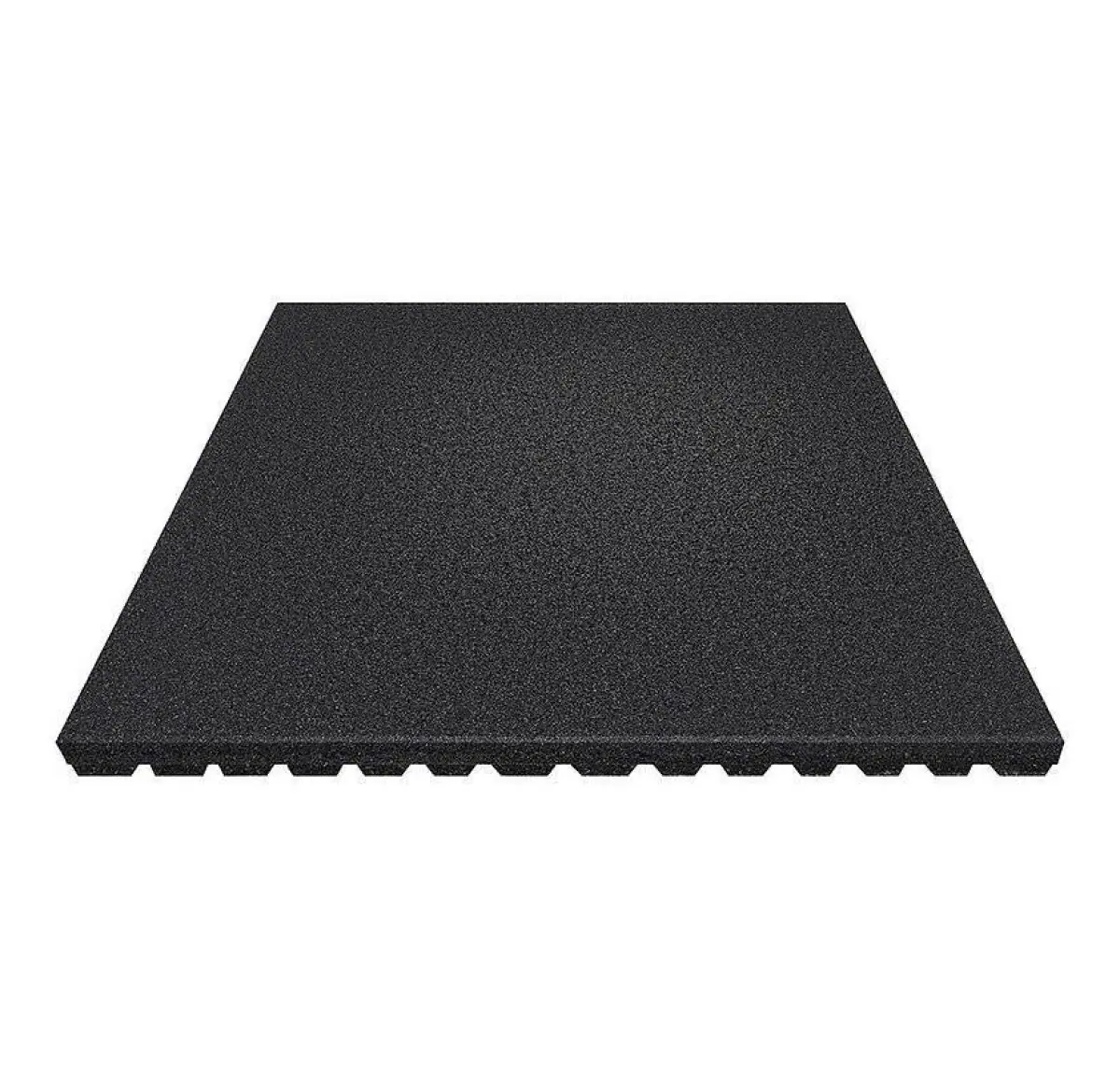
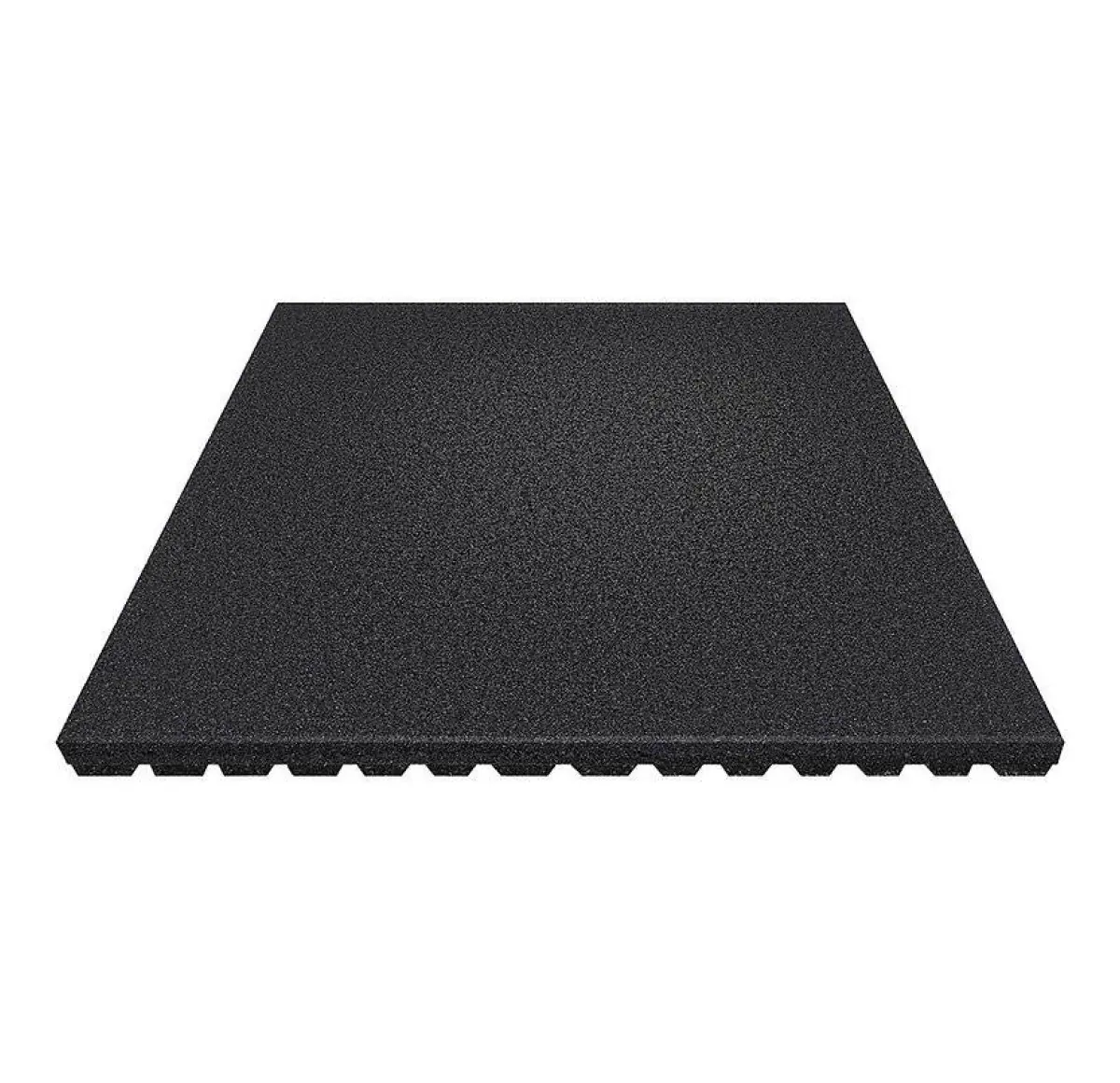
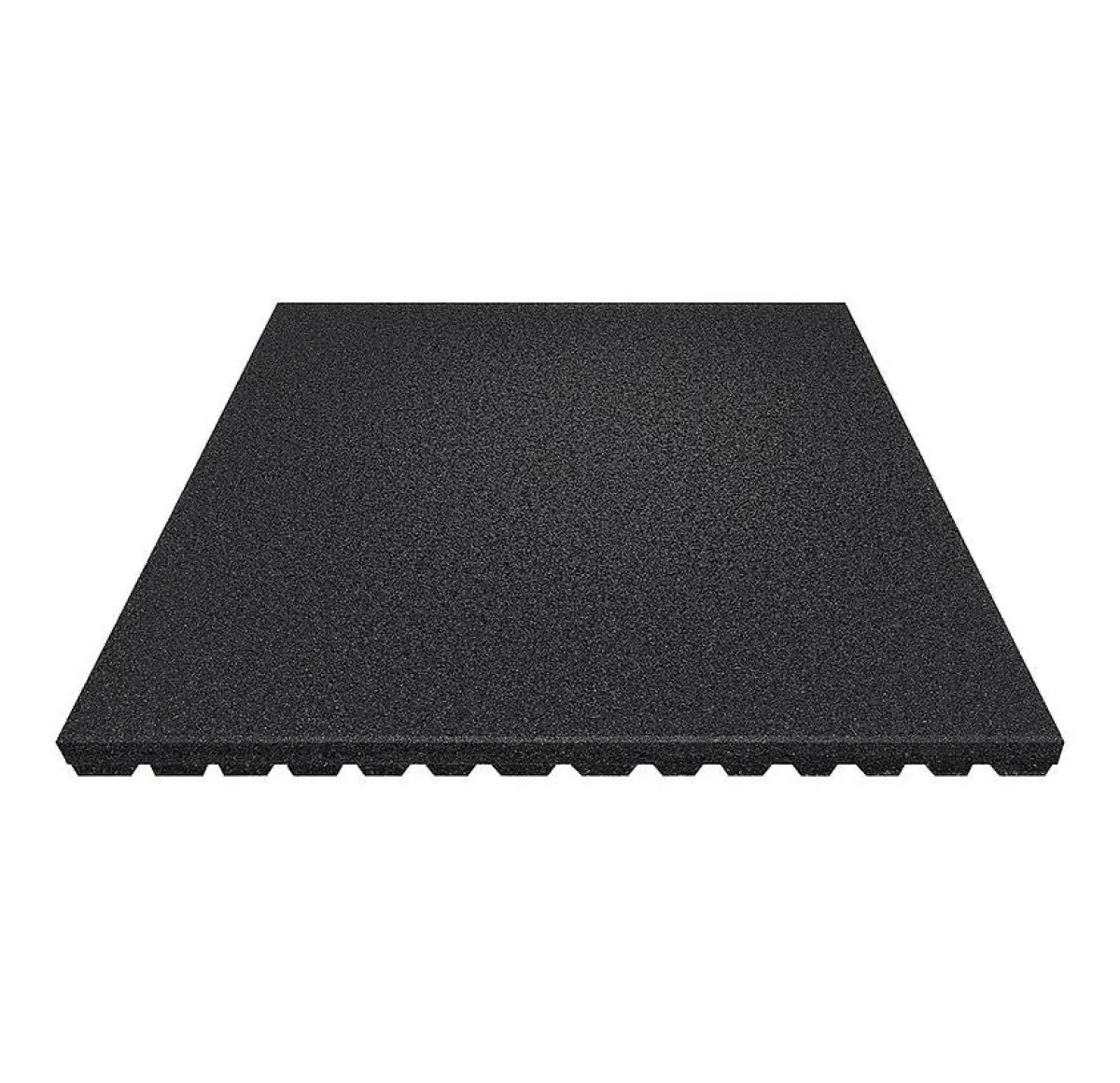
Studded rubber tile Dfl-s1 30 mm – 100 × 100 cm to Pinterest (opens in a new window)Save on Pinterest : Studded rubber tile Dfl-s1 30 mm – 100 × 100 cm
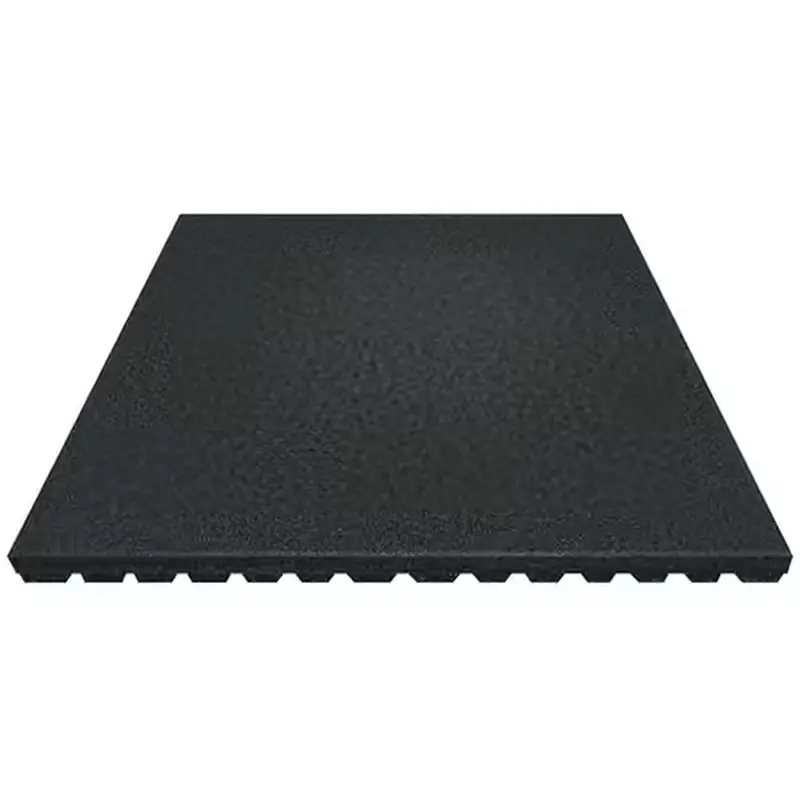
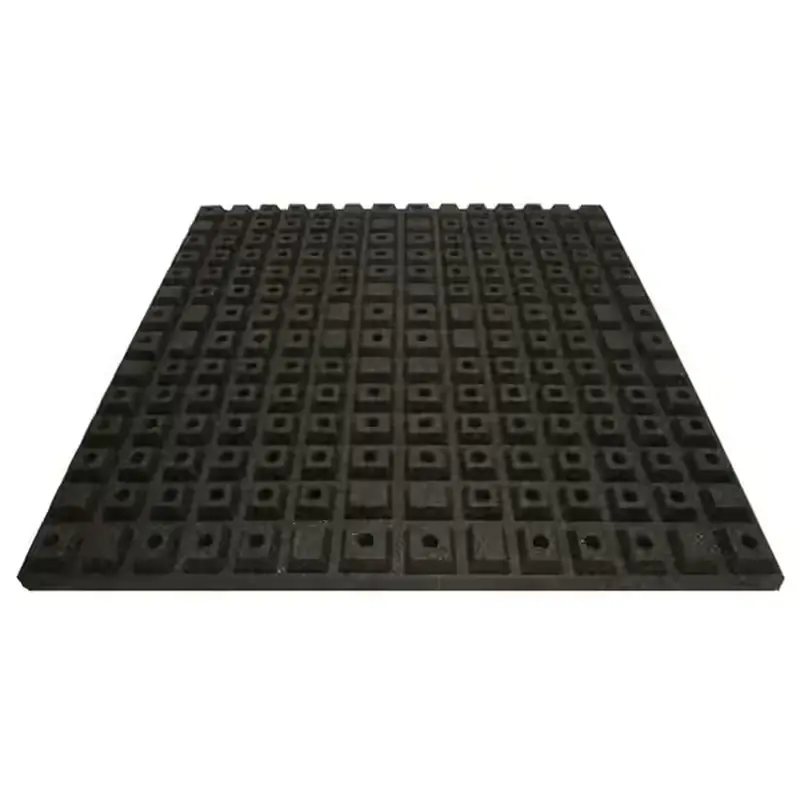
Studded rubber tile Dfl-s1 30 mm – 100 × 100 cm
49.42 € excl. VATsoit 59.30 € TTC selon la destination de livraison
Add to cartMORE INFO -
Smooth rubber tile Bfl-s1 30 mm – 100 × 100 cm to Pinterest (opens in a new window)Save on Pinterest : Smooth rubber tile Bfl-s1 30 mm – 100 × 100 cm
![Smooth rubber tile Bfl-s1 30 mm – 100 × 100 cm]() View product
View productSmooth rubber tile Bfl-s1 30 mm – 100 × 100 cm
Price on request -
Smooth rubber tile Bfl-s1 25 mm – 100 × 100 cm to Pinterest (opens in a new window)Save on Pinterest : Smooth rubber tile Bfl-s1 25 mm – 100 × 100 cm
![Smooth rubber tile Bfl-s1 25 mm – 100 × 100 cm]() View product
View productSmooth rubber tile Bfl-s1 25 mm – 100 × 100 cm
Price on request -
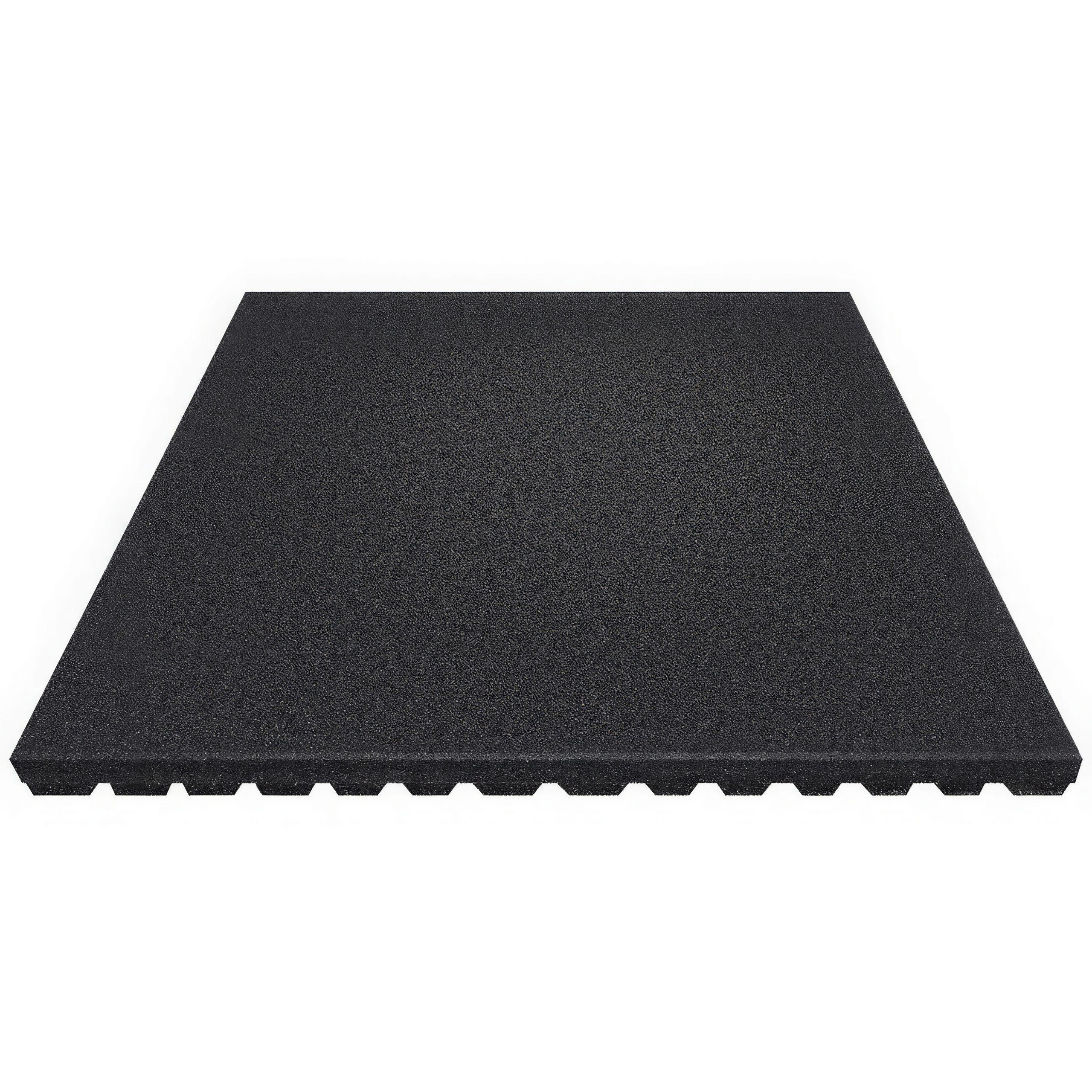
Studded rubber tile Cfl-s1 30 mm – 100 × 100 cm to Pinterest (opens in a new window)Save on Pinterest : Studded rubber tile Cfl-s1 30 mm – 100 × 100 cm
![Studded rubber tile Cfl-s1 30 mm – 100 × 100 cm]()
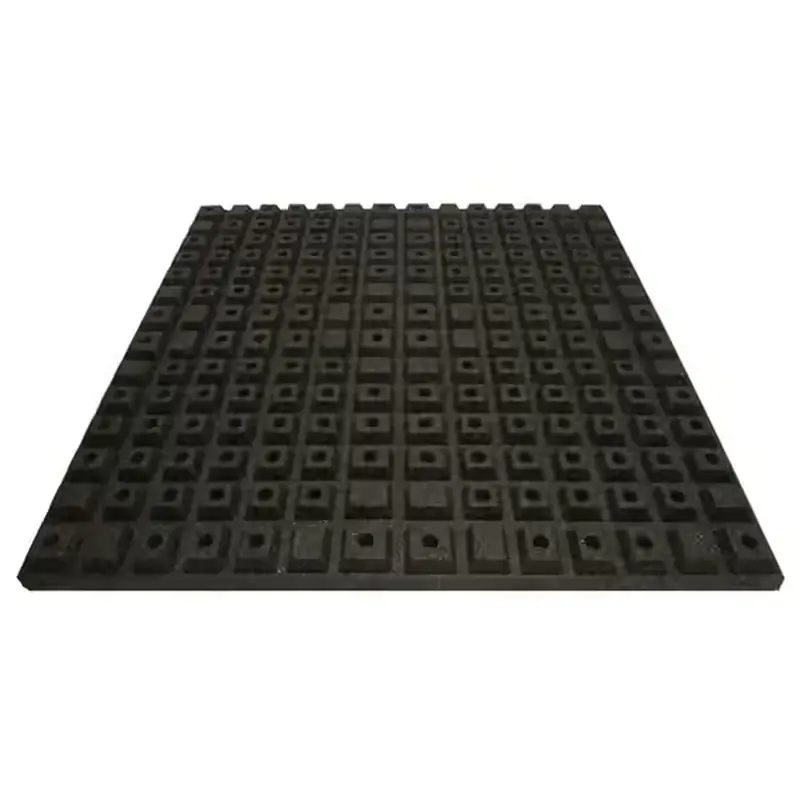
Studded rubber tile Cfl-s1 30 mm – 100 × 100 cm
40.80 € excl. VATsoit 48.96 € TTC selon la destination de livraison
Add to cartMORE INFO -
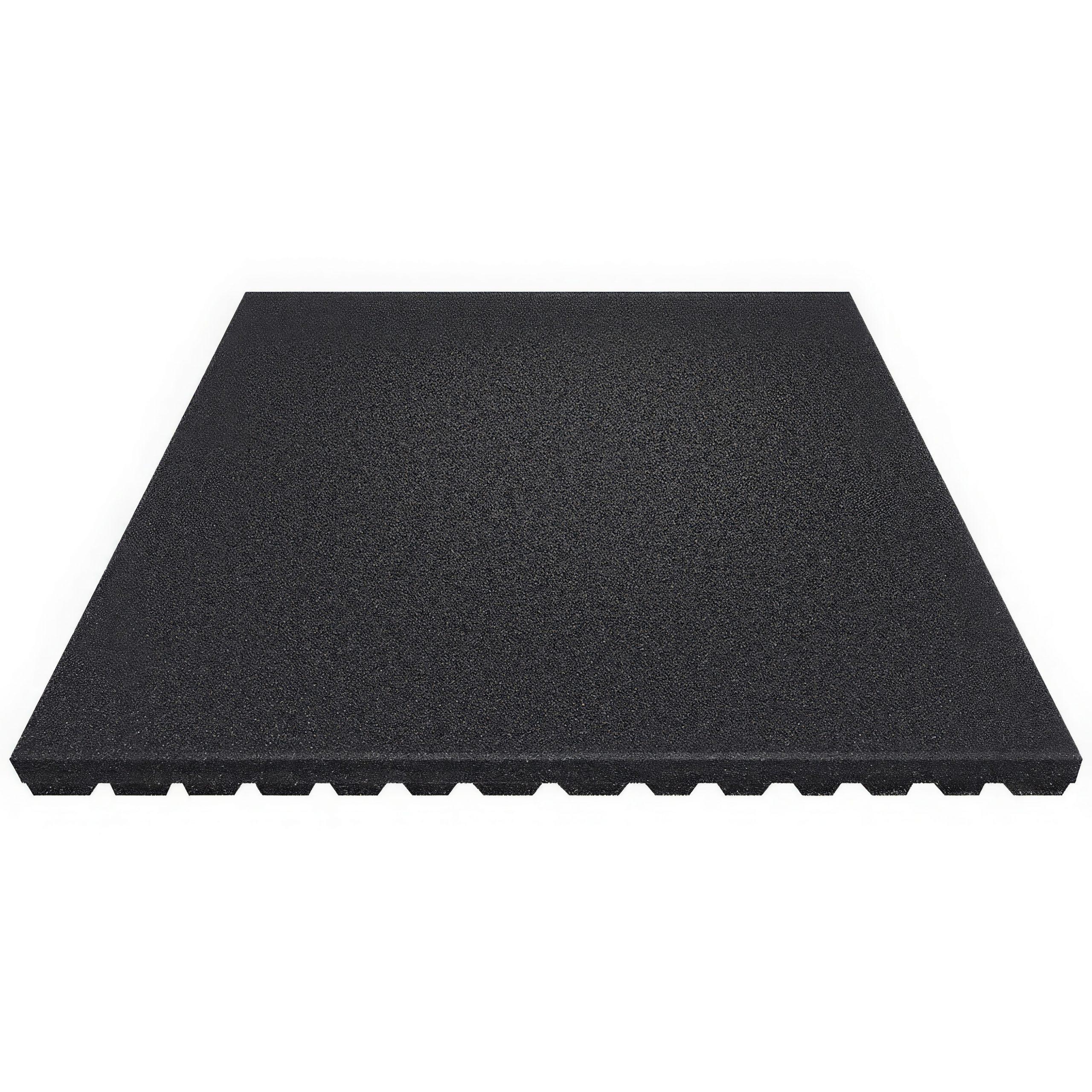
Studded rubber tile Cfl-s1 25 mm – 100 × 100 cm to Pinterest (opens in a new window)Save on Pinterest : Studded rubber tile Cfl-s1 25 mm – 100 × 100 cm
![Studded rubber tile Cfl-s1 25 mm – 100 × 100 cm]()
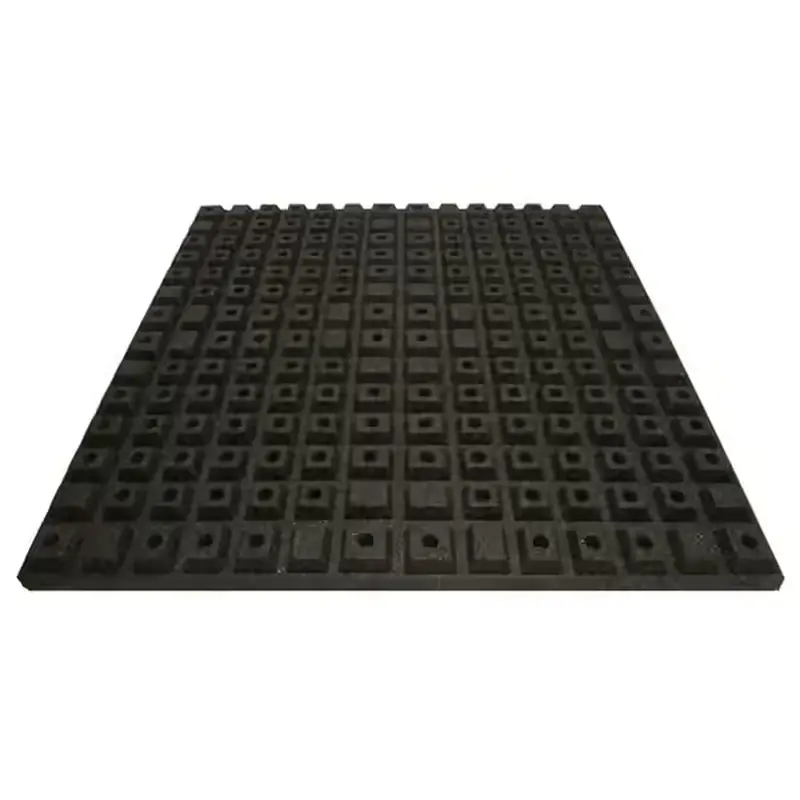
Studded rubber tile Cfl-s1 25 mm – 100 × 100 cm
36.55 € excl. VATsoit 43.86 € TTC selon la destination de livraison
Add to cartMORE INFO -
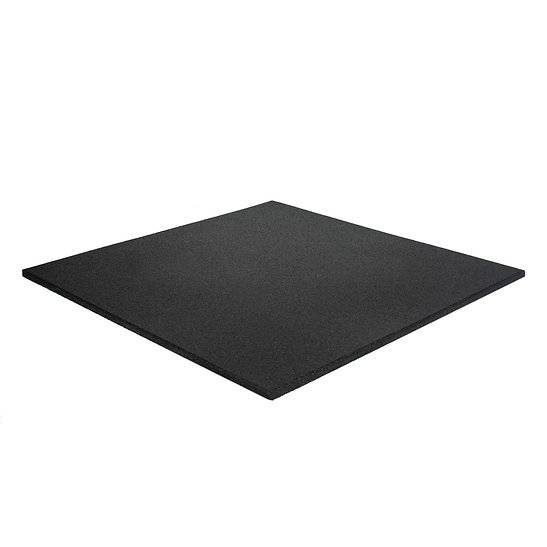
Rubber tile Cfl-s1 30 mm black – 100 × 100 cm to Pinterest (opens in a new window)Save on Pinterest : Rubber tile Cfl-s1 30 mm black – 100 × 100 cm
![Rubber tile Cfl-s1 30 mm black – 100 × 100 cm]()
Rubber tile Cfl-s1 30 mm black – 100 × 100 cm
56.56 € excl. VATsoit 67.87 € TTC selon la destination de livraison
Add to cartMORE INFO -
Rubber tile Cfl-s1 15 mm black – 100 × 100 cm to Pinterest (opens in a new window)Save on Pinterest : Rubber tile Cfl-s1 15 mm black – 100 × 100 cm
![Rubber tile Cfl-s1 15 mm black – 100 × 100 cm]()
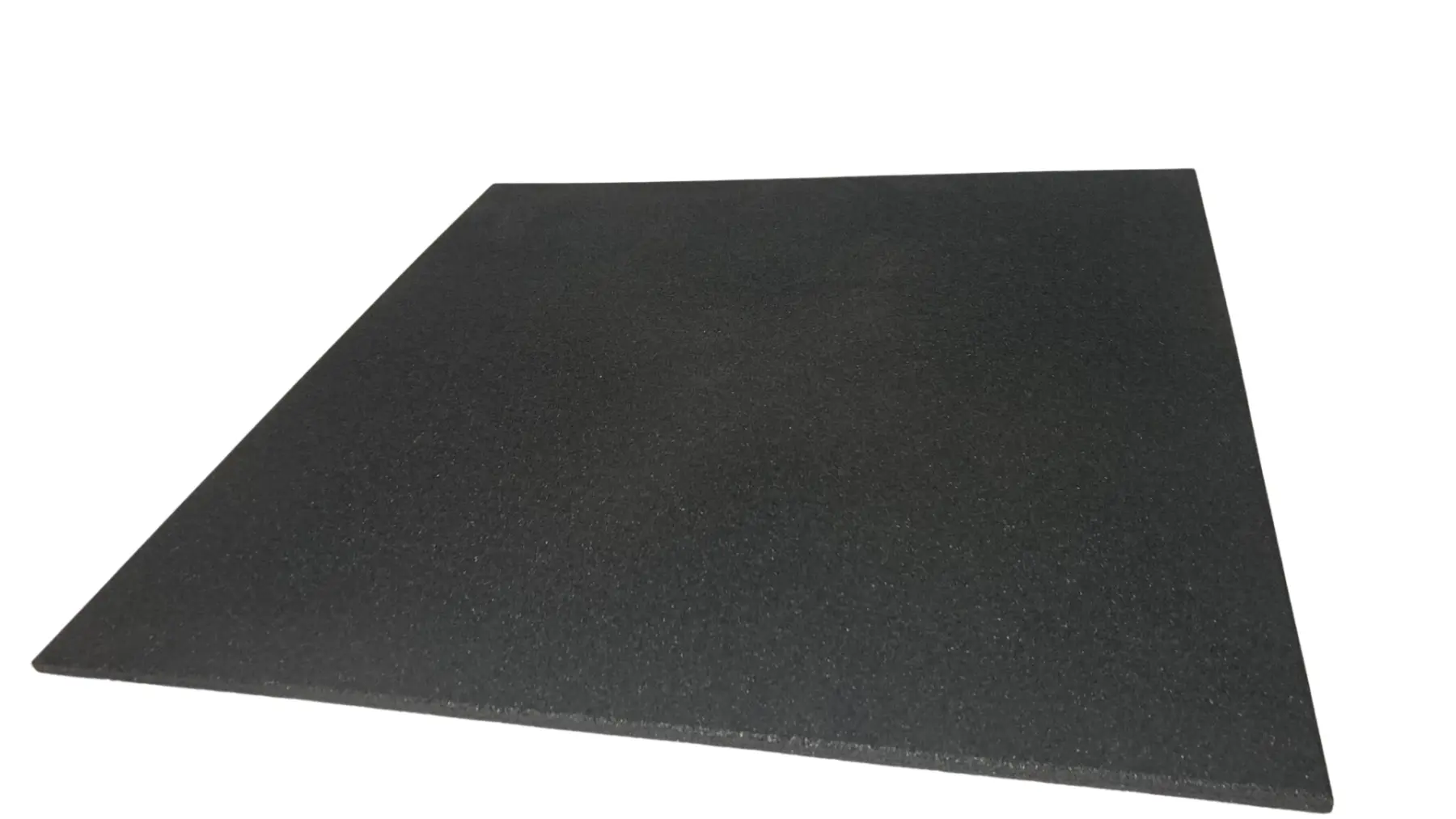
Rubber tile Cfl-s1 15 mm black – 100 × 100 cm
31.45 € excl. VATsoit 37.74 € TTC selon la destination de livraison
Add to cartMORE INFO -
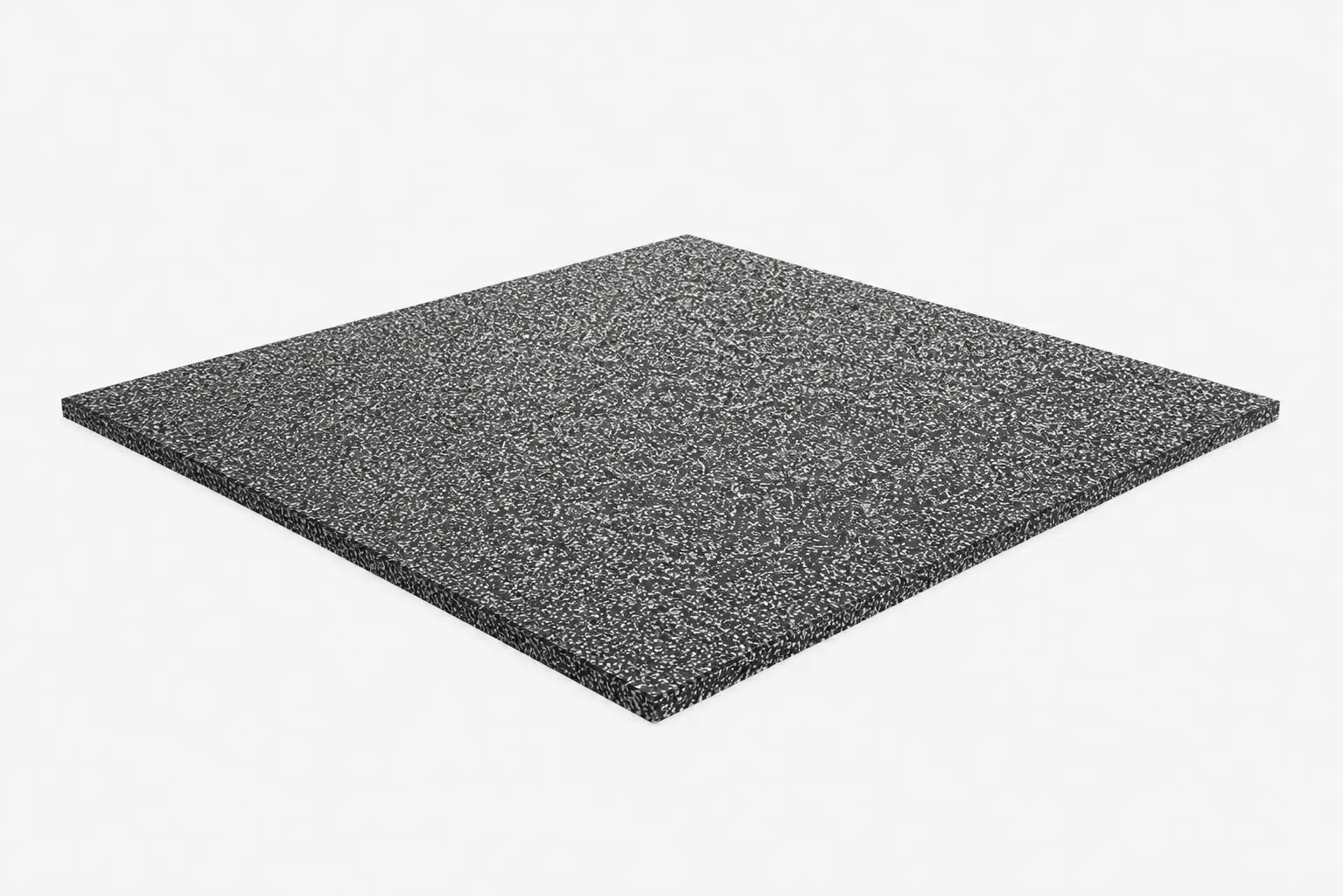
Bfl-s1 Rubber Tile — Black Speckled White Terrazzo Finish to Pinterest (opens in a new window)Save on Pinterest : Bfl-s1 Rubber Tile — Black Speckled White Terrazzo Finish
![Bfl-s1 Rubber Tile — Black Speckled White Terrazzo Finish]()
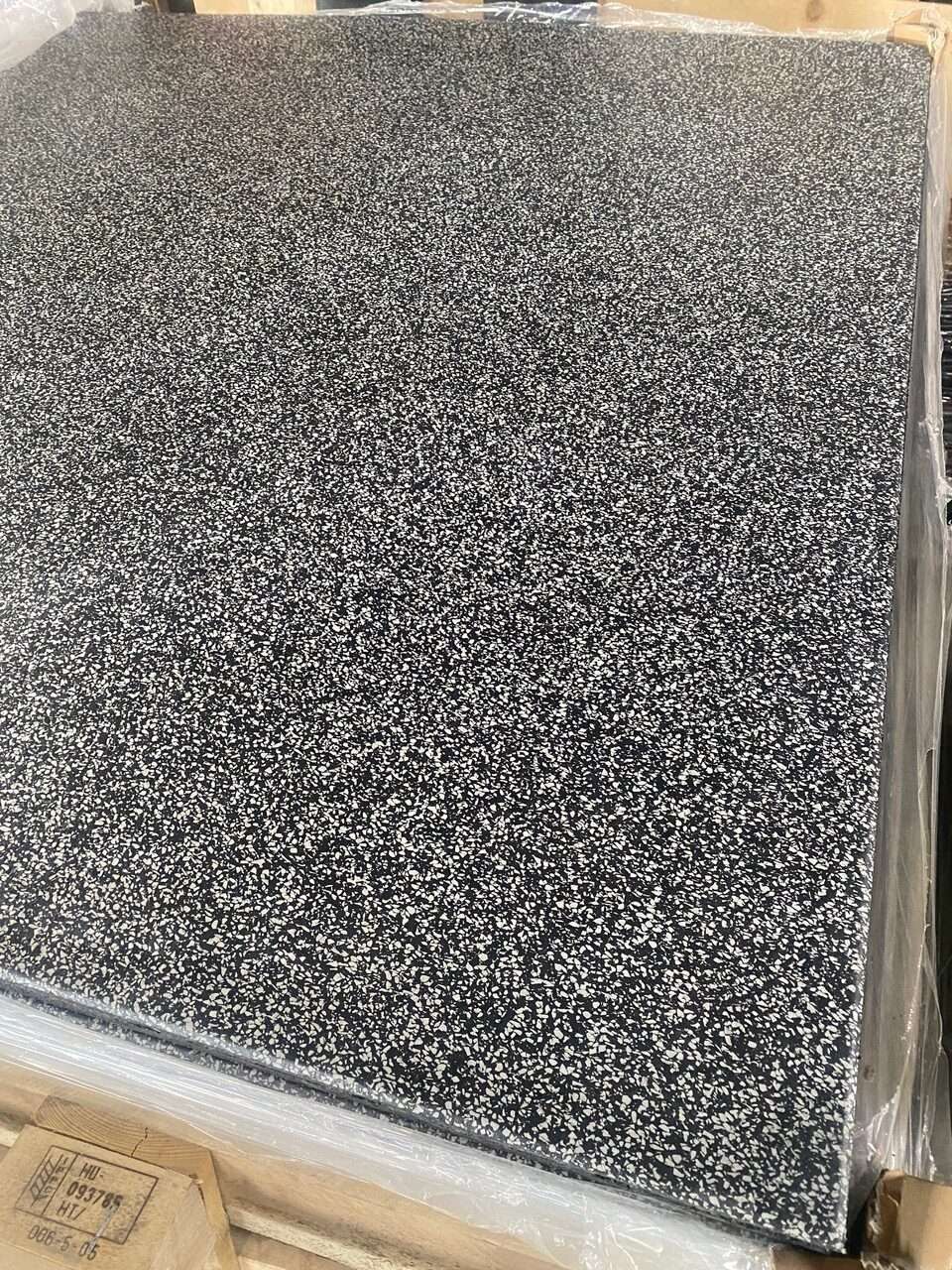
Bfl-s1 Rubber Tile — Black Speckled White Terrazzo Finish
45.00 € excl. VATsoit 54.00 € TTC selon la destination de livraison
Add to cartMORE INFO -
Cfl-s1 rubber tile 20 mm to Pinterest (opens in a new window)Save on Pinterest : Cfl-s1 rubber tile 20 mm
![Cfl-s1 rubber tile 20 mm]()
Cfl-s1 rubber tile 20 mm
42.00 € excl. VATsoit 50.40 € TTC selon la destination de livraison
Add to cartMORE INFO -
Premium Rubber Tile 42 mm Cfl-s1 Fire-Rated — 100 x 100 cm to Pinterest (opens in a new window)Save on Pinterest : Premium Rubber Tile 42 mm Cfl-s1 Fire-Rated — 100 x 100 cm
![Premium Rubber Tile 42 mm Cfl-s1 Fire-Rated — 100 x 100 cm]()
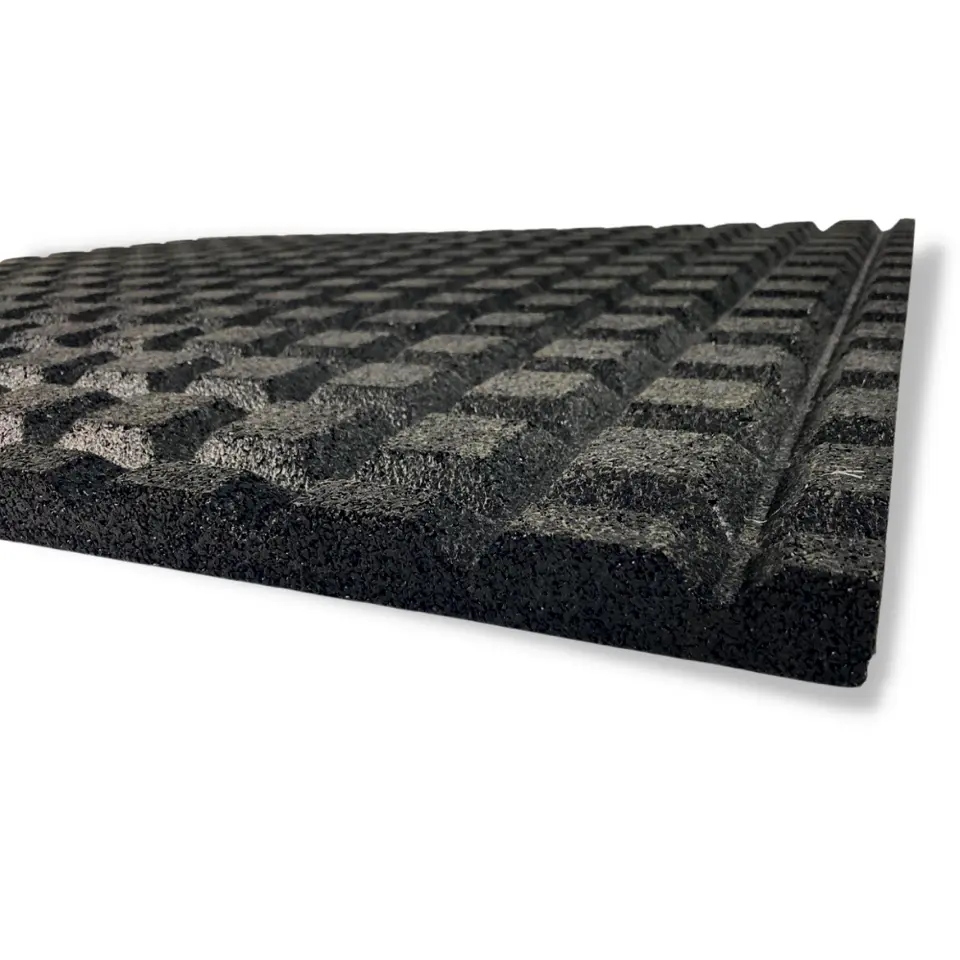
Premium Rubber Tile 42 mm Cfl-s1 Fire-Rated — 100 x 100 cm
64.00 € excl. VATsoit 76.80 € TTC selon la destination de livraison
Add to cartMORE INFO -
Bfl-s1 Rubber Gym Tile 20 mm — Black, 100 x 100 cm to Pinterest (opens in a new window)Save on Pinterest : Bfl-s1 Rubber Gym Tile 20 mm — Black, 100 x 100 cm
![Bfl-s1 Rubber Gym Tile 20 mm — Black, 100 x 100 cm]()
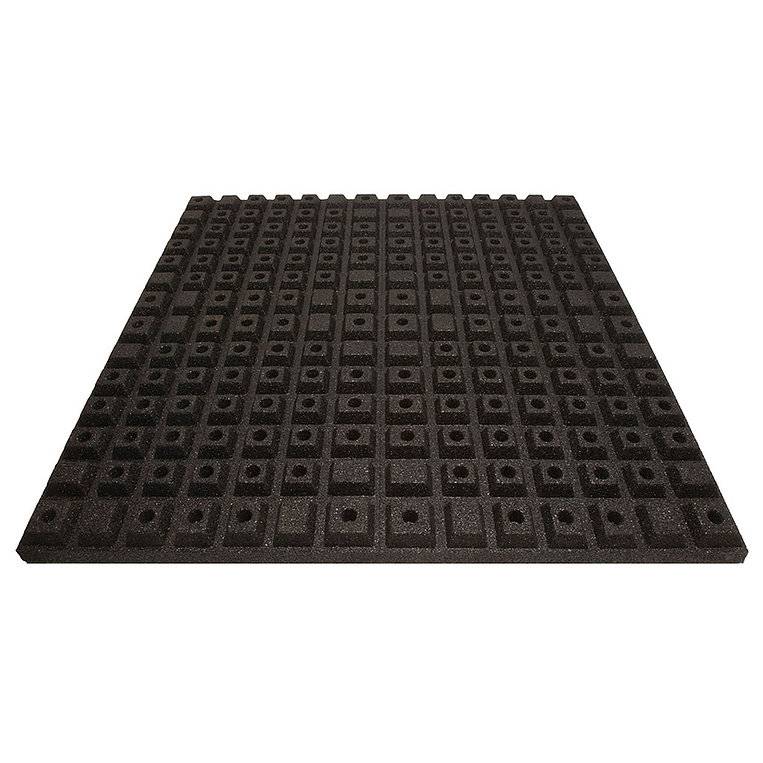
Bfl-s1 Rubber Gym Tile 20 mm — Black, 100 x 100 cm
45.00 € excl. VATsoit 54.00 € TTC selon la destination de livraison
Add to cartMORE INFO -
Premium 42 mm rubber drop zone tile, Dfl-S1 classification to Pinterest (opens in a new window)Save on Pinterest : Premium 42 mm rubber drop zone tile, Dfl-S1 classification
![Premium 42 mm rubber drop zone tile, Dfl-S1 classification]()
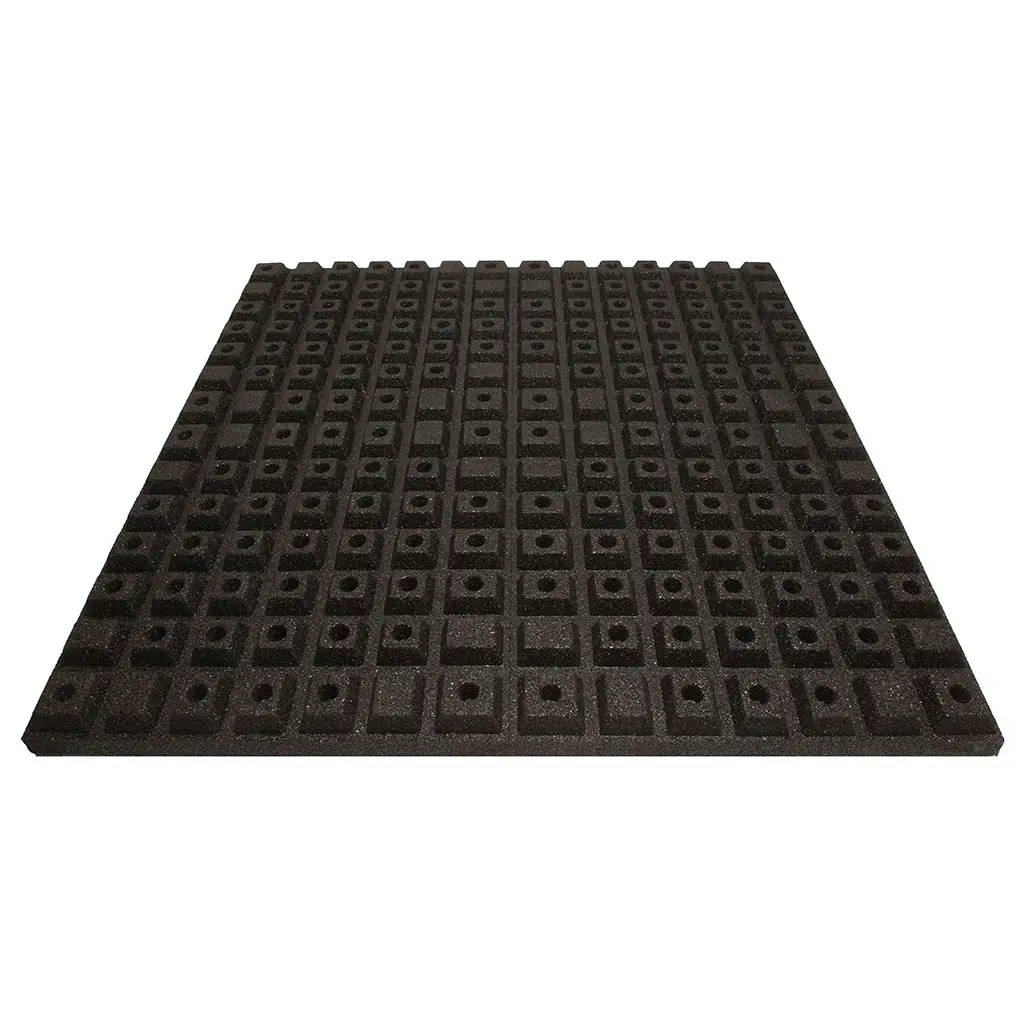
Premium 42 mm rubber drop zone tile, Dfl-S1 classification
60.00 € excl. VATsoit 72.00 € TTC selon la destination de livraison
Add to cartMORE INFO -
Fire rated rubber gym tile 40 mm, Dfl-S1 to Pinterest (opens in a new window)Save on Pinterest : Fire rated rubber gym tile 40 mm, Dfl-S1
![Fire rated rubber gym tile 40 mm, Dfl-S1]()
Fire rated rubber gym tile 40 mm, Dfl-S1
58.00 € excl. VATsoit 69.60 € TTC selon la destination de livraison
Add to cartMORE INFO -
Dfl-s1 Rubber Gym Tile 25 mm — 100 x 100 cm to Pinterest (opens in a new window)Save on Pinterest : Dfl-s1 Rubber Gym Tile 25 mm — 100 x 100 cm
![Dfl-s1 Rubber Gym Tile 25 mm — 100 x 100 cm]()

Dfl-s1 Rubber Gym Tile 25 mm — 100 x 100 cm
45.00 € excl. VATsoit 54.00 € TTC selon la destination de livraison
Add to cartMORE INFO
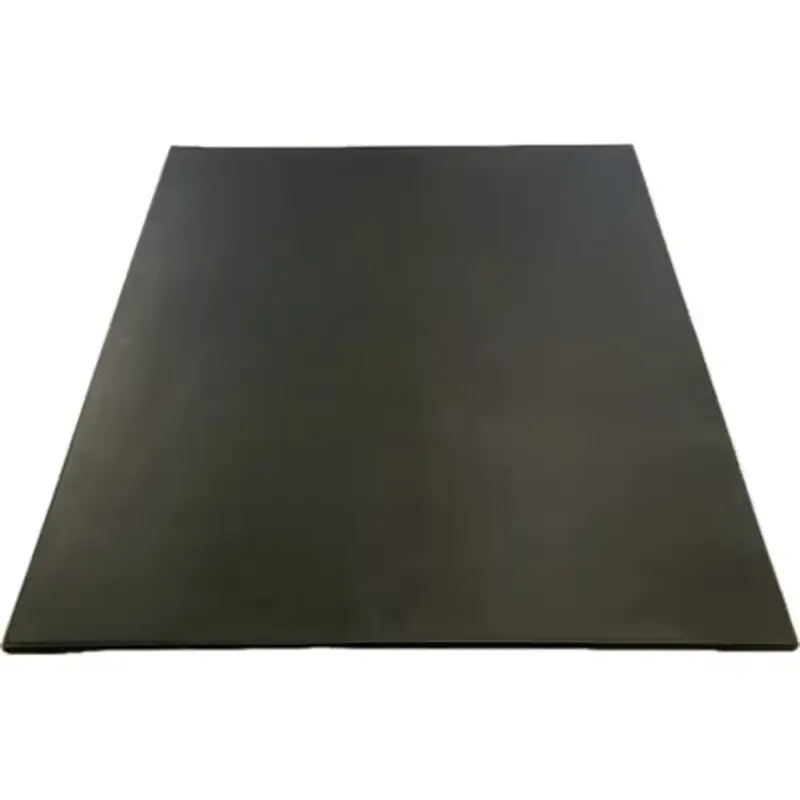
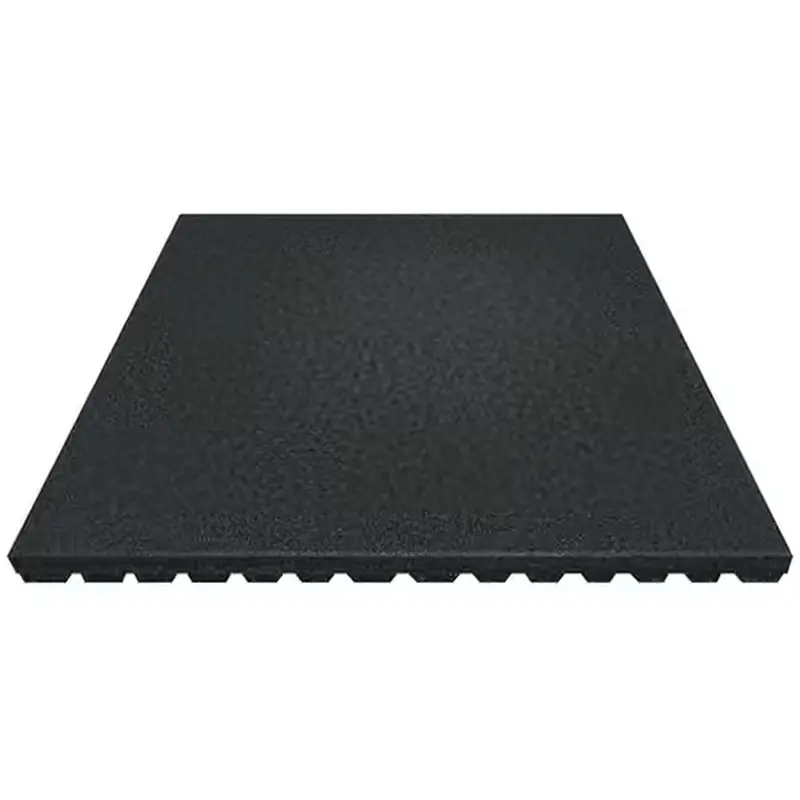



Understanding the Bfl, Cfl and Dfl classes
These are the European reaction to fire classifications applicable to floor coverings, listed here from the highest performing to the lowest of the three. Which class a project needs is set by the building, its use and its classification as a venue open to the public, not by the equipment installed on the floor. The correct order of operations is to obtain the required class from the building file, then specify the covering, because retrofitting a compliant floor after an inspection is far more expensive.
| Class | Relative performance | Typical context |
|---|---|---|
| Bfl | Highest of the three | Venues with the strictest requirements |
| Cfl | Intermediate | Many public sports and hotel areas |
| Dfl | Lowest of the three | Where no higher class is imposed |
Specification, laying and documentation
Ask for the classification certificate with the quotation and keep it in the building file, since that is the document an inspection will ask for. Beyond the fire class, the covering is specified like any other: thickness follows the impact to be absorbed and the traffic it will carry. Laying is loose on a flat, stable sub floor in most indoor cases, bonded where rolling loads or slopes apply. For the wider range see rubber gym flooring tiles.
Frequently asked questions
How do I know which class my building requires?
The requirement comes from the building’s classification and its fire safety file, prepared by the party responsible for the works or by the operator, not from the flooring supplier. Once the class is known, we supply a covering that meets it together with the supporting certificate. If the class is not yet fixed, ask the question before ordering.
Does a fire classification reduce impact absorption?
Not inherently. Fire performance and impact absorption are separate properties, and both appear on the technical sheet. What matters is checking that the reference chosen satisfies both requirements at the same time rather than one of them. We confirm both figures on the offer.
Send us the required class, the surface area and the intended activity, and we will return a compliant specification. Request a quotation for a reply within 24 working hours.