Professional weight benches
Professional weight benches: our professional selection
Weight benches are core equipment for any strength area, whether a commercial gym, a fitness club, a rehabilitation centre, a cross training zone, a hotel, a corporate facility or a demanding home gym. They support a wide range of exercises across several muscle groups, and the right specification depends on the movements programmed and on how often the bench is adjusted during a session.
What defines our selection: Professional weight benches
| References | 52 references published in this category |
|---|---|
| Listed prices | From €469 to €3,975 excl. VAT depending on the reference |
| On quotation | 26 reference(s) without listed price, priced on quotation |
| Brands | Bodytone, Etenon |
| Condition | New professional equipment only, no used or refurbished items |
| Warranty | Specific to each brand and reference, stated on the product page |
| Quote and delivery | Quote within 24 working hours; delivery in France charged separately, installation available on quotation |
| Customers | Over 2,500 customers equipped since 2013: gyms, hotels, local authorities, clubs |
Showing 1–32 of 52 resultsSorted by latest
-
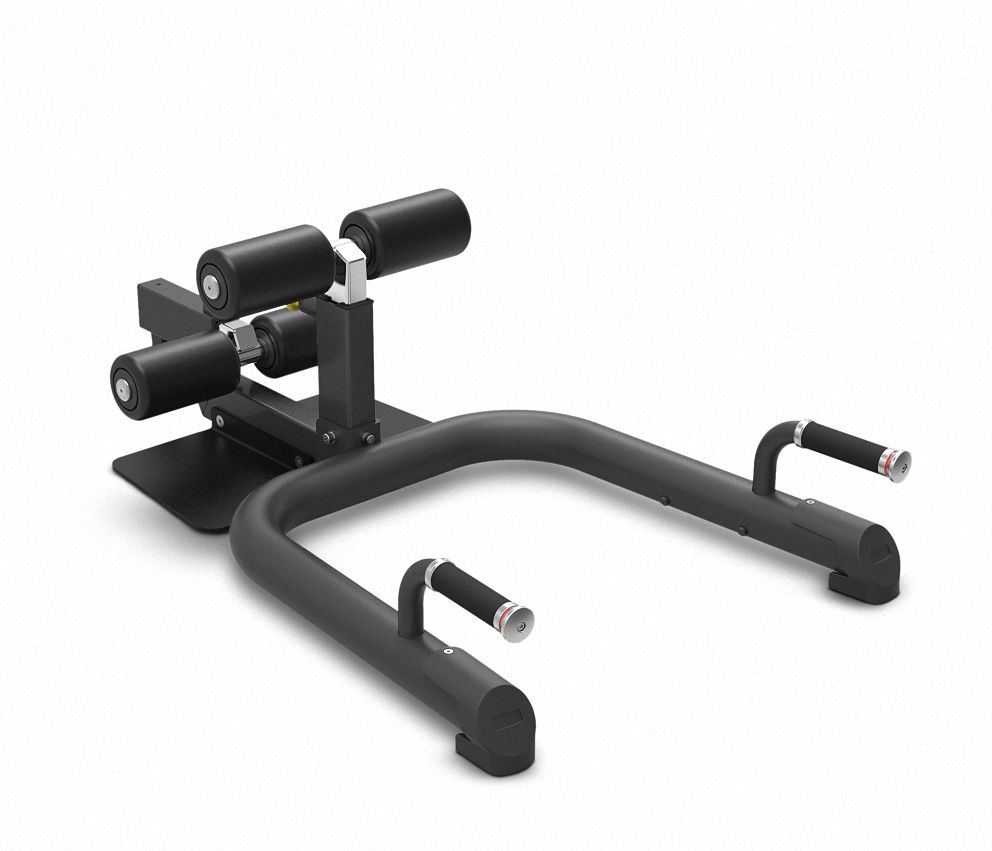
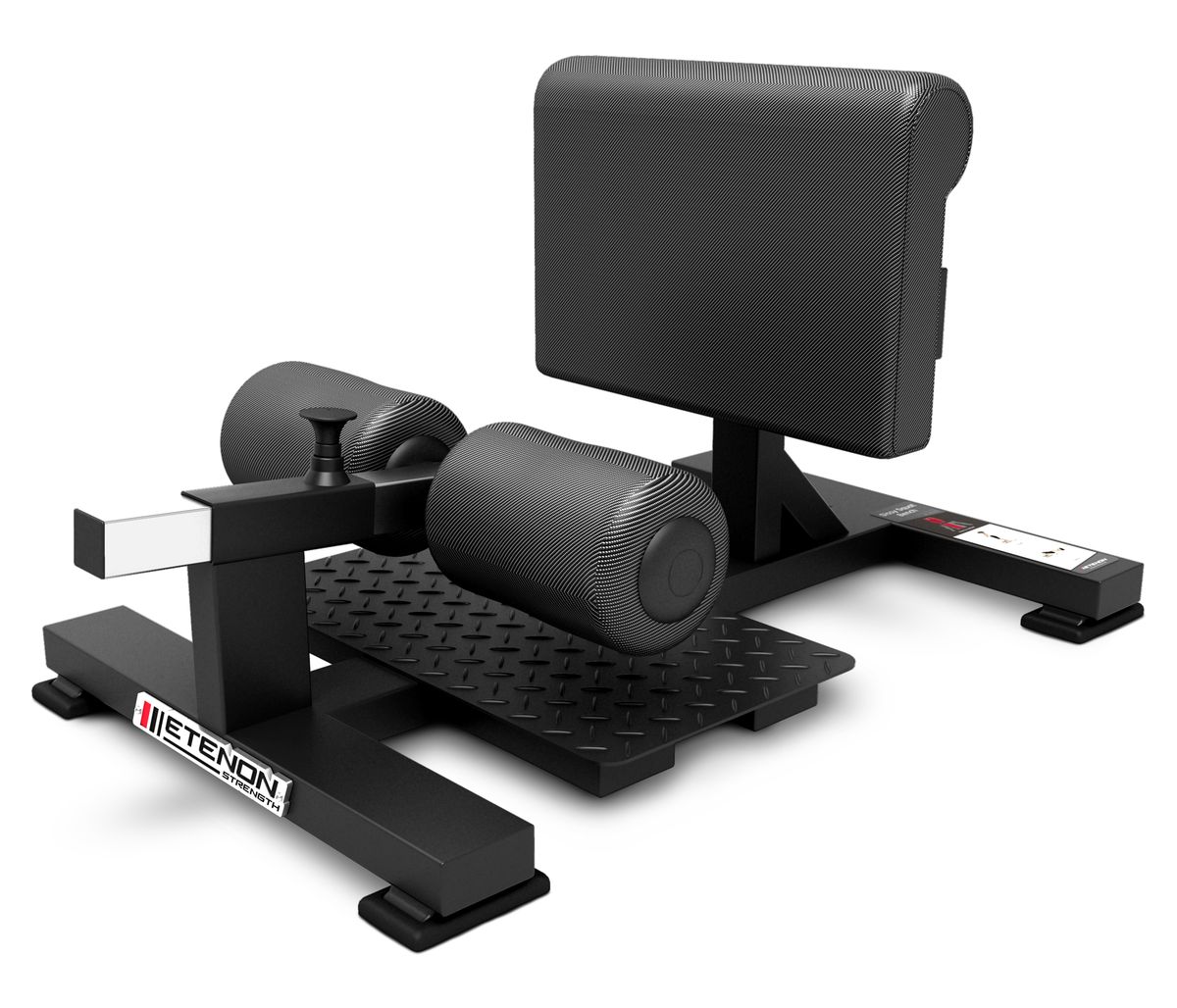
Sissy Squat Bench Etenon PTT0229 to Pinterest (opens in a new window)Save on Pinterest : Sissy Squat Bench Etenon PTT0229
 Add to cartMORE INFO
Sissy Squat Bench Etenon PTT0229
1,099.00 € excl. VAT -
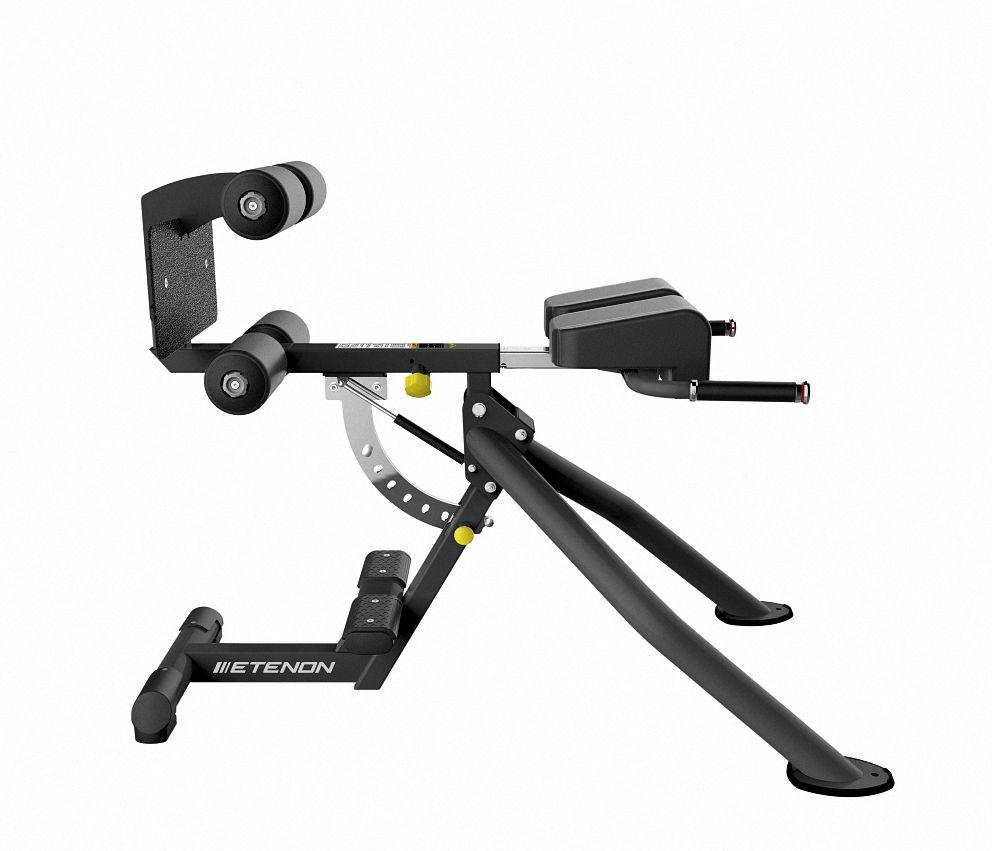
PTT02 Lumbar Dual Reclinable Bench Etenon PTT0224F to Pinterest (opens in a new window)Save on Pinterest : PTT02 Lumbar Dual Reclinable Bench Etenon PTT0224F
![PTT02 Lumbar Dual Reclinable Bench Etenon PTT0224F]()
 Add to cartMORE INFO
PTT02 Lumbar Dual Reclinable Bench Etenon PTT0224F
1,499.00 € excl. VAT -
PTT02 45º Lumbar Bench Etenon PTT0220F to Pinterest (opens in a new window)Save on Pinterest : PTT02 45º Lumbar Bench Etenon PTT0220F
![PTT02 45º Lumbar Bench Etenon PTT0220F]() Add to cartMORE INFO
PTT02 45º Lumbar Bench Etenon PTT0220F
1,199.00 € excl. VAT -
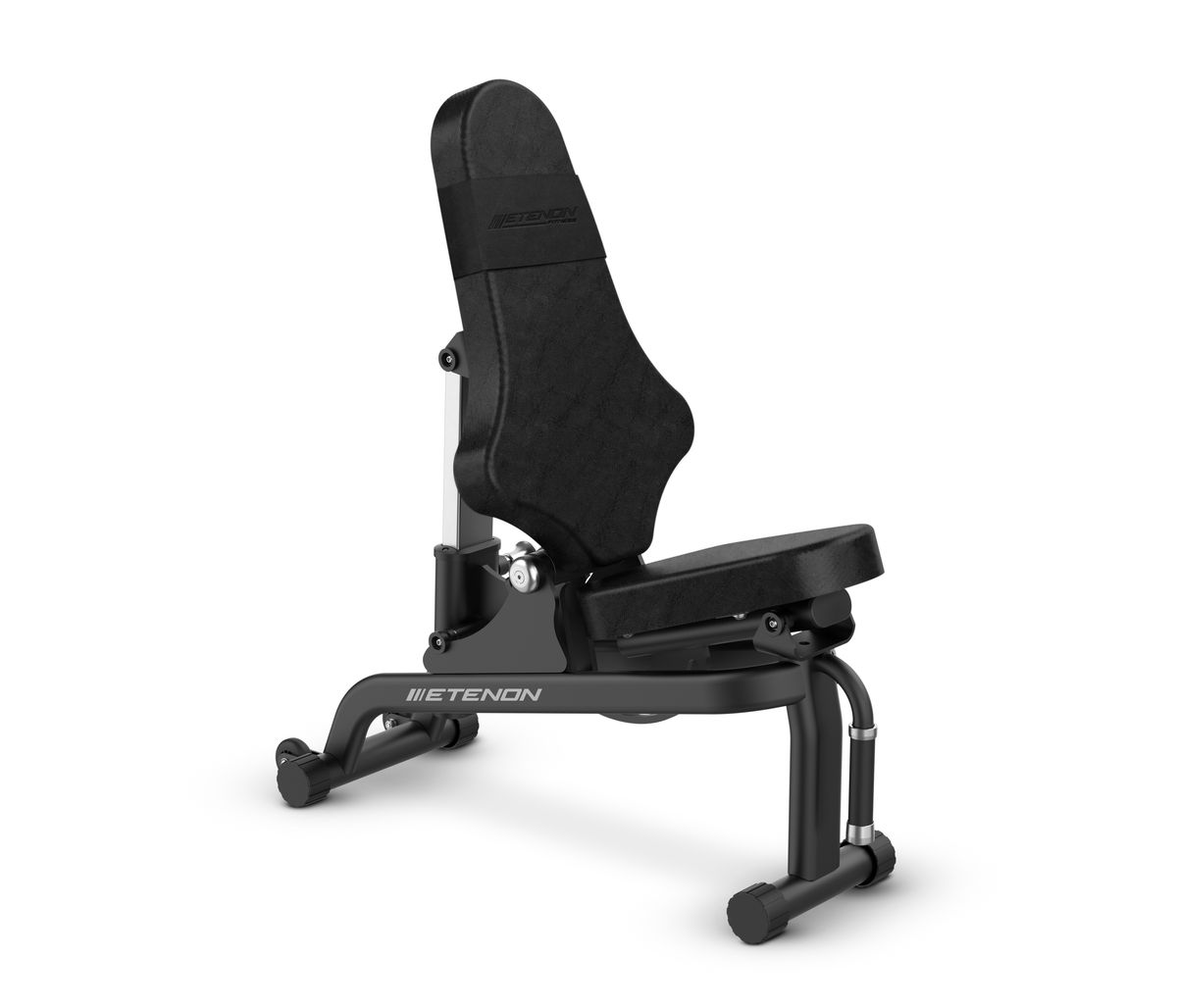
Adjustable Mini Bench Etenon PTT0244 to Pinterest (opens in a new window)Save on Pinterest : Adjustable Mini Bench Etenon PTT0244
![Adjustable Mini Bench Etenon PTT0244]()
 Add to cartMORE INFO
Adjustable Mini Bench Etenon PTT0244
690.00 € excl. VAT -
PTT02 Declined Adjustable Bench Etenon PTT0228F to Pinterest (opens in a new window)Save on Pinterest : PTT02 Declined Adjustable Bench Etenon PTT0228F
![PTT02 Declined Adjustable Bench Etenon PTT0228F]() Add to cartMORE INFO
PTT02 Declined Adjustable Bench Etenon PTT0228F
1,399.00 € excl. VAT -
PTT02 90º ABS Bench Etenon PTT0218F to Pinterest (opens in a new window)Save on Pinterest : PTT02 90º ABS Bench Etenon PTT0218F
![PTT02 90º ABS Bench Etenon PTT0218F]() Add to cartMORE INFO
PTT02 90º ABS Bench Etenon PTT0218F
1,199.00 € excl. VAT -
PTT02 Etenon Flat Bench PTT0201F to Pinterest (opens in a new window)Save on Pinterest : PTT02 Etenon Flat Bench PTT0201F
![PTT02 Etenon Flat Bench PTT0201F]() Add to cartMORE INFO
PTT02 Etenon Flat Bench PTT0201F
469.00 € excl. VAT -
INOX Adjustable Bench Etenon BA003 to Pinterest (opens in a new window)Save on Pinterest : INOX Adjustable Bench Etenon BA003
![INOX Adjustable Bench Etenon BA003]() Add to cartMORE INFO
INOX Adjustable Bench Etenon BA003
1,290.00 € excl. VAT -
PTT02 Adjustable Bench Etenon PTT0204F to Pinterest (opens in a new window)Save on Pinterest : PTT02 Adjustable Bench Etenon PTT0204F
![PTT02 Adjustable Bench Etenon PTT0204F]() Add to cartMORE INFO
PTT02 Adjustable Bench Etenon PTT0204F
999.00 € excl. VAT -
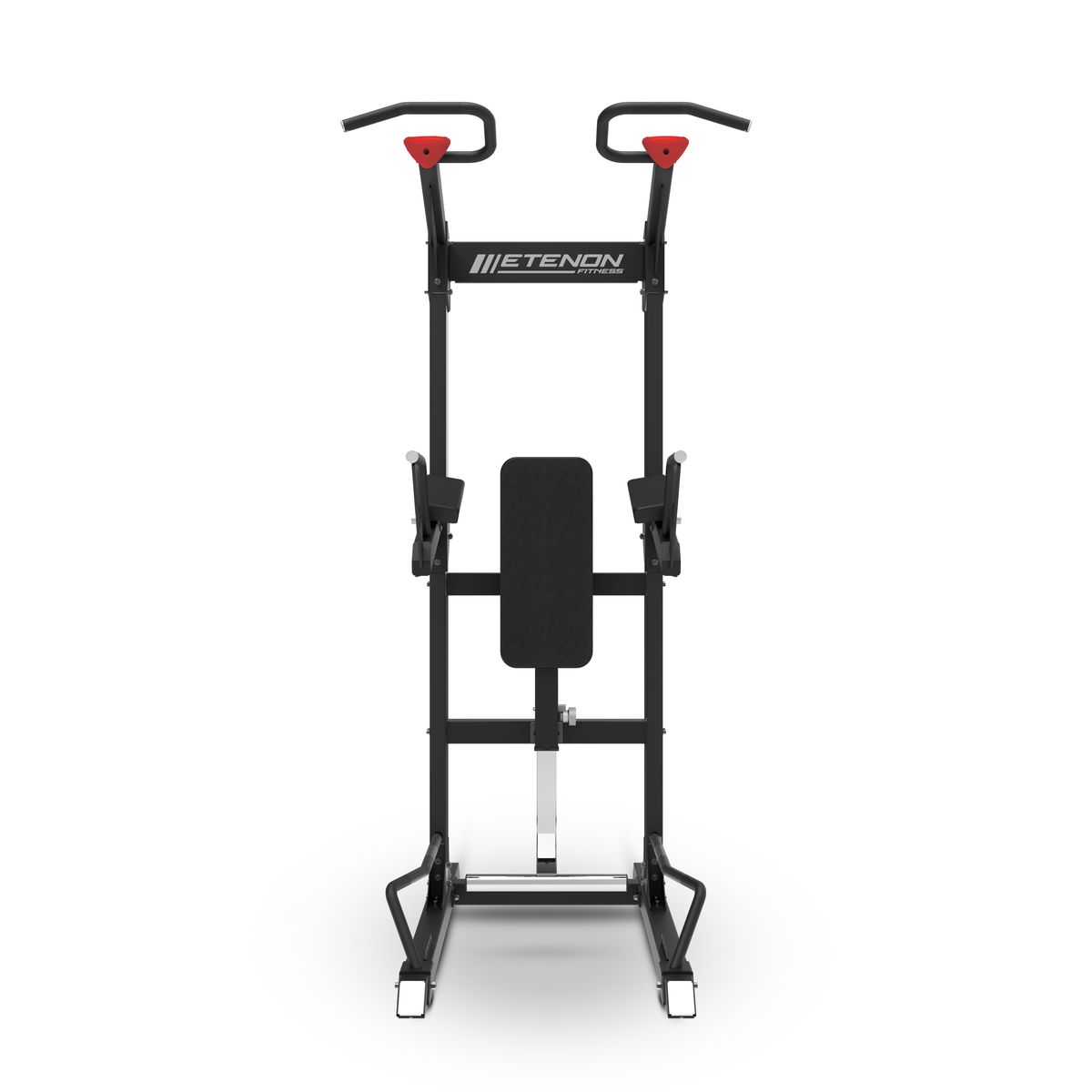
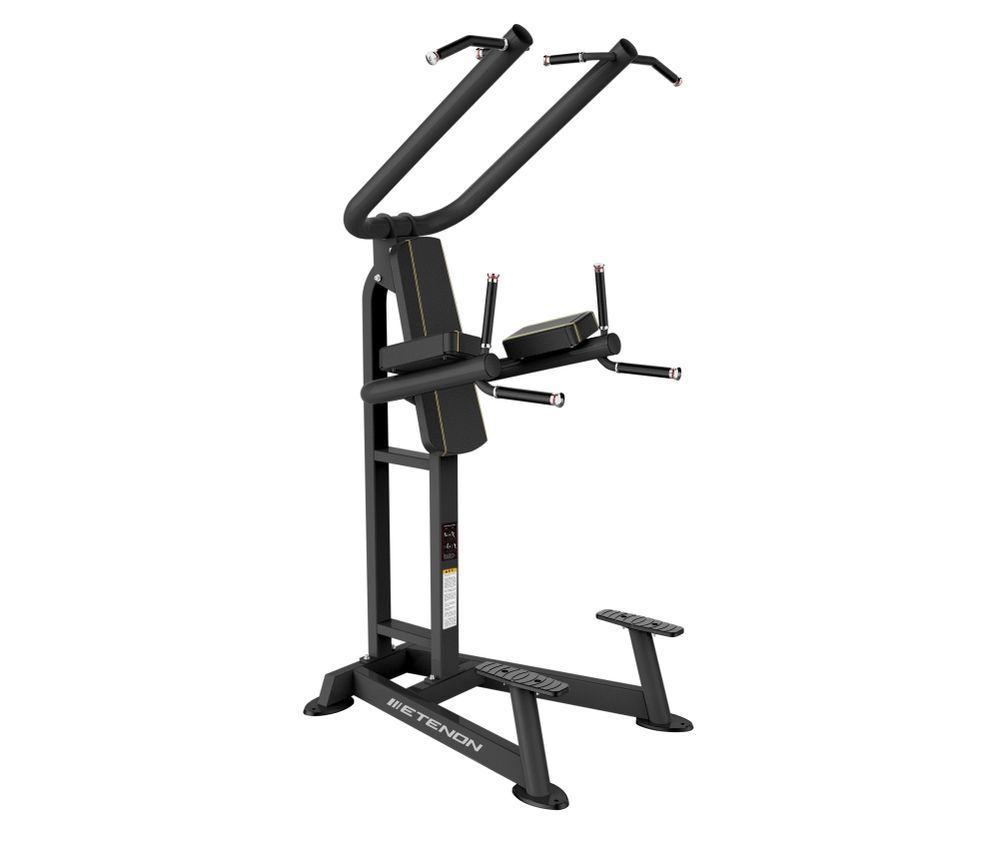
Dip/Chin-Up/Abdominal Station Etenon BS002 to Pinterest (opens in a new window)Save on Pinterest : Dip/Chin-Up/Abdominal Station Etenon BS002
![Station de Dips/Tractions/Abdominaux Etenon BS002]()
 Add to cartMORE INFO
Dip/Chin-Up/Abdominal Station Etenon BS002
1,599.00 € excl. VAT -
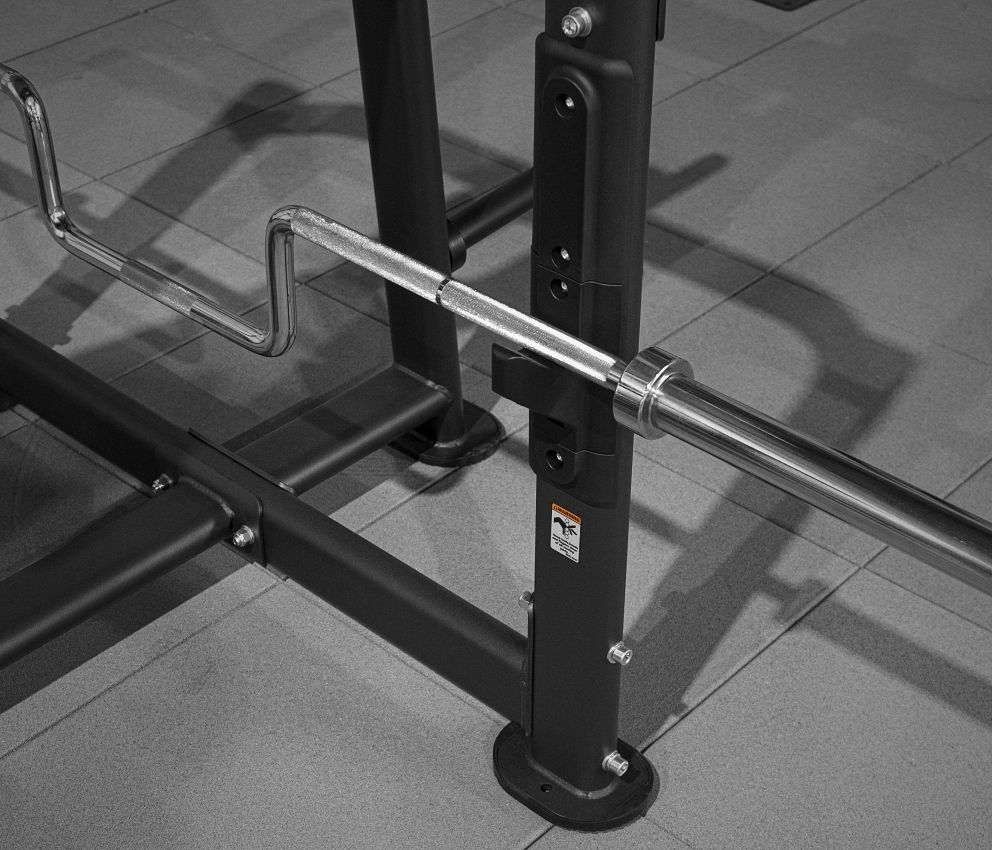
Prone Rowing Bench Etenon PTT0235 to Pinterest (opens in a new window)Save on Pinterest : Prone Rowing Bench Etenon PTT0235
![Prone Rowing Bench Etenon PTT0235]()
 Add to cartMORE INFO
Prone Rowing Bench Etenon PTT0235
1,999.00 € excl. VAT -
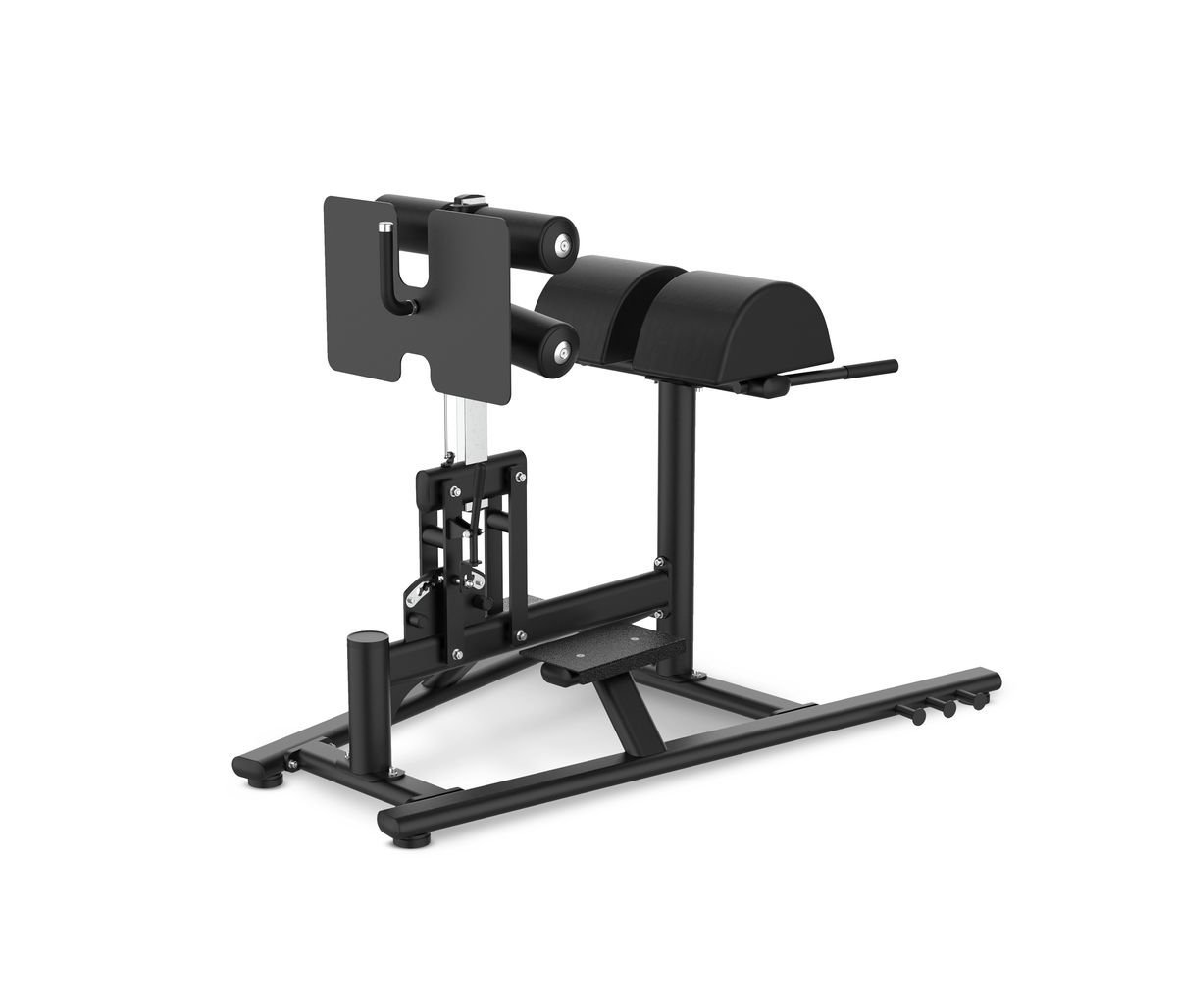
PRO GHD Bench Etenon PTT0248 to Pinterest (opens in a new window)Save on Pinterest : PRO GHD Bench Etenon PTT0248
![PRO GHD Bench Etenon PTT0248]()
 Add to cartMORE INFO
PRO GHD Bench Etenon PTT0248
2,195.00 € excl. VAT -
PTT02 Strength Bench Etenon PTT0227F to Pinterest (opens in a new window)Save on Pinterest : PTT02 Strength Bench Etenon PTT0227F
![PTT02 Strength Bench Etenon PTT0227F]() Add to cartMORE INFO
PTT02 Strength Bench Etenon PTT0227F
799.00 € excl. VAT -
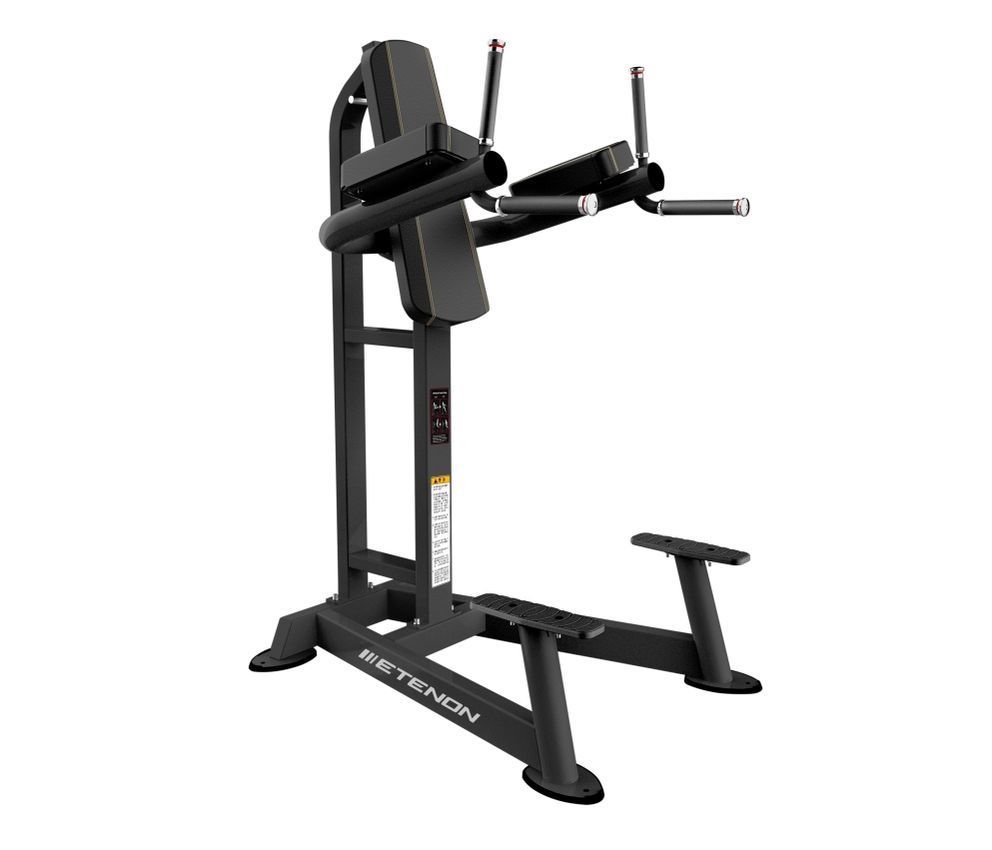
PTT02 Ab / Chin up Etenon PTT0219F to Pinterest (opens in a new window)Save on Pinterest : PTT02 Ab / Chin up Etenon PTT0219F
![PTT02 Tractions / Dips Etenon PTT0219F]() Add to cartMORE INFO
PTT02 Ab / Chin up Etenon PTT0219F
1,599.00 € excl. VAT -
PTT02 AB - Power Tower Etenon PTT0215F to Pinterest (opens in a new window)Save on Pinterest : PTT02 AB - Power Tower Etenon PTT0215F
![PTT02 Dips et Abdos Etenon PTT0215F]() Add to cartMORE INFO
PTT02 AB - Power Tower Etenon PTT0215F
1,199.00 € excl. VAT -
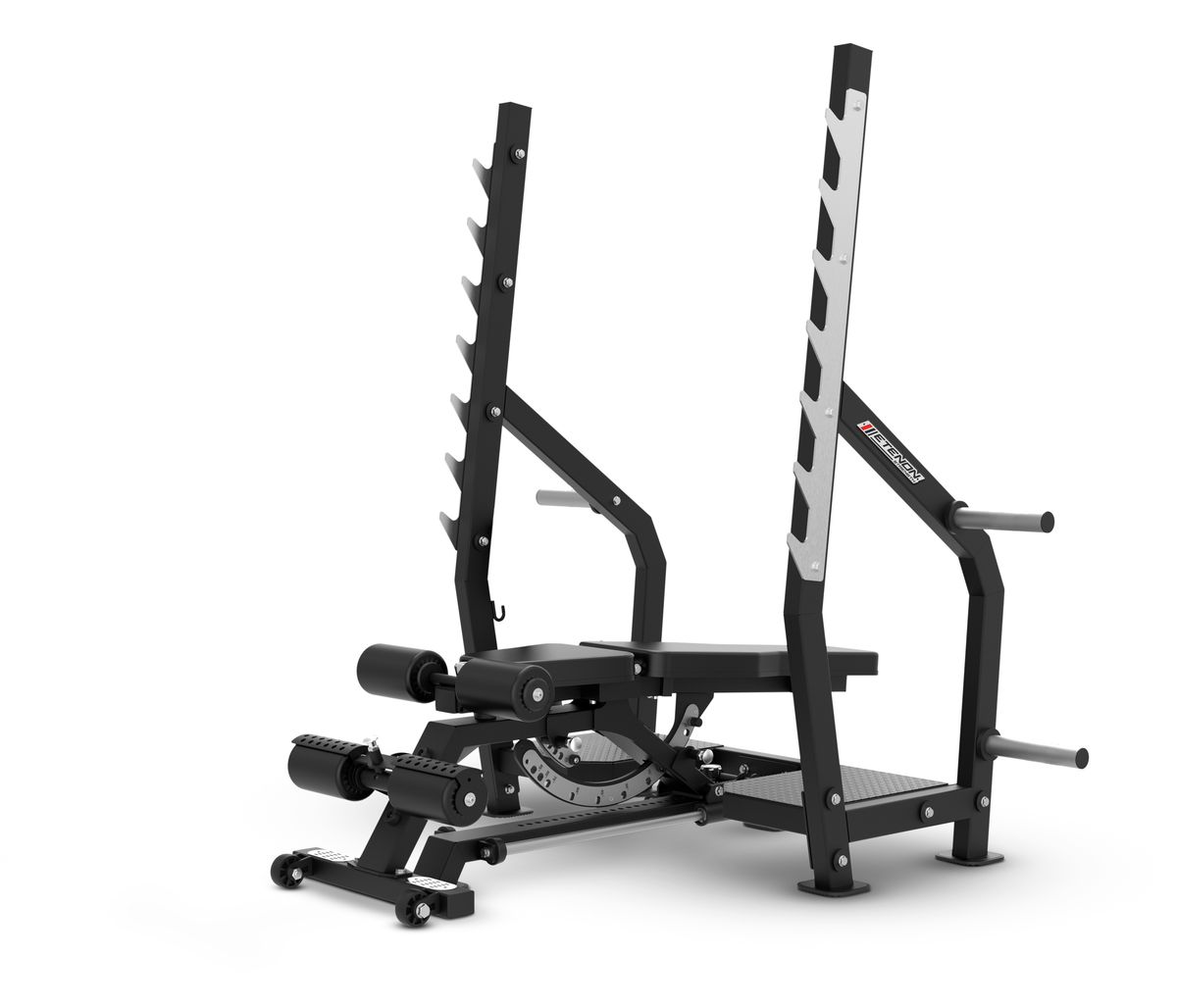
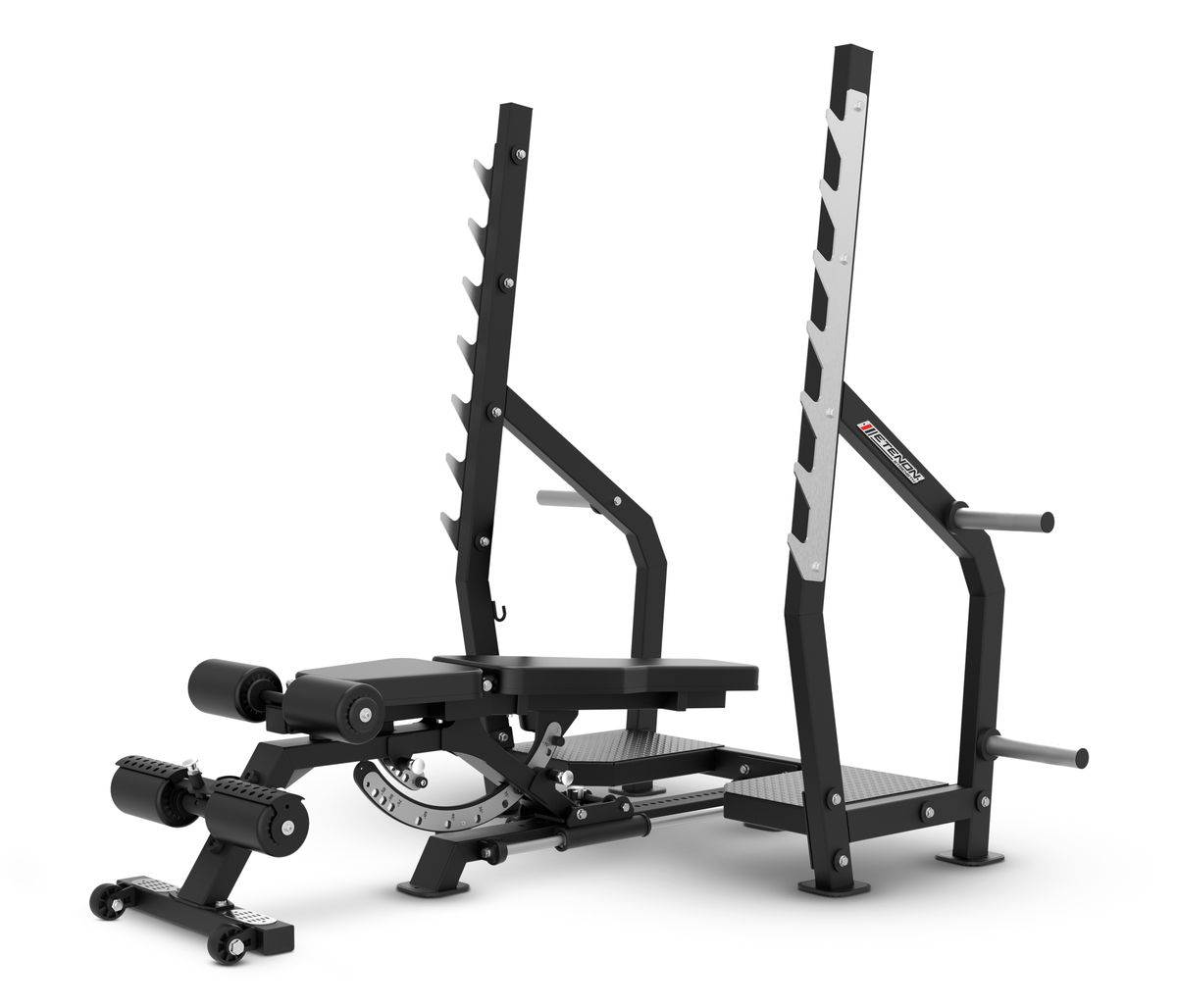
Press Bench Etenon PTT0242 to Pinterest (opens in a new window)Save on Pinterest : Press Bench Etenon PTT0242
![Press Bench Etenon PTT0242]()
 Add to cartMORE INFO
Press Bench Etenon PTT0242
2,490.00 € excl. VAT -
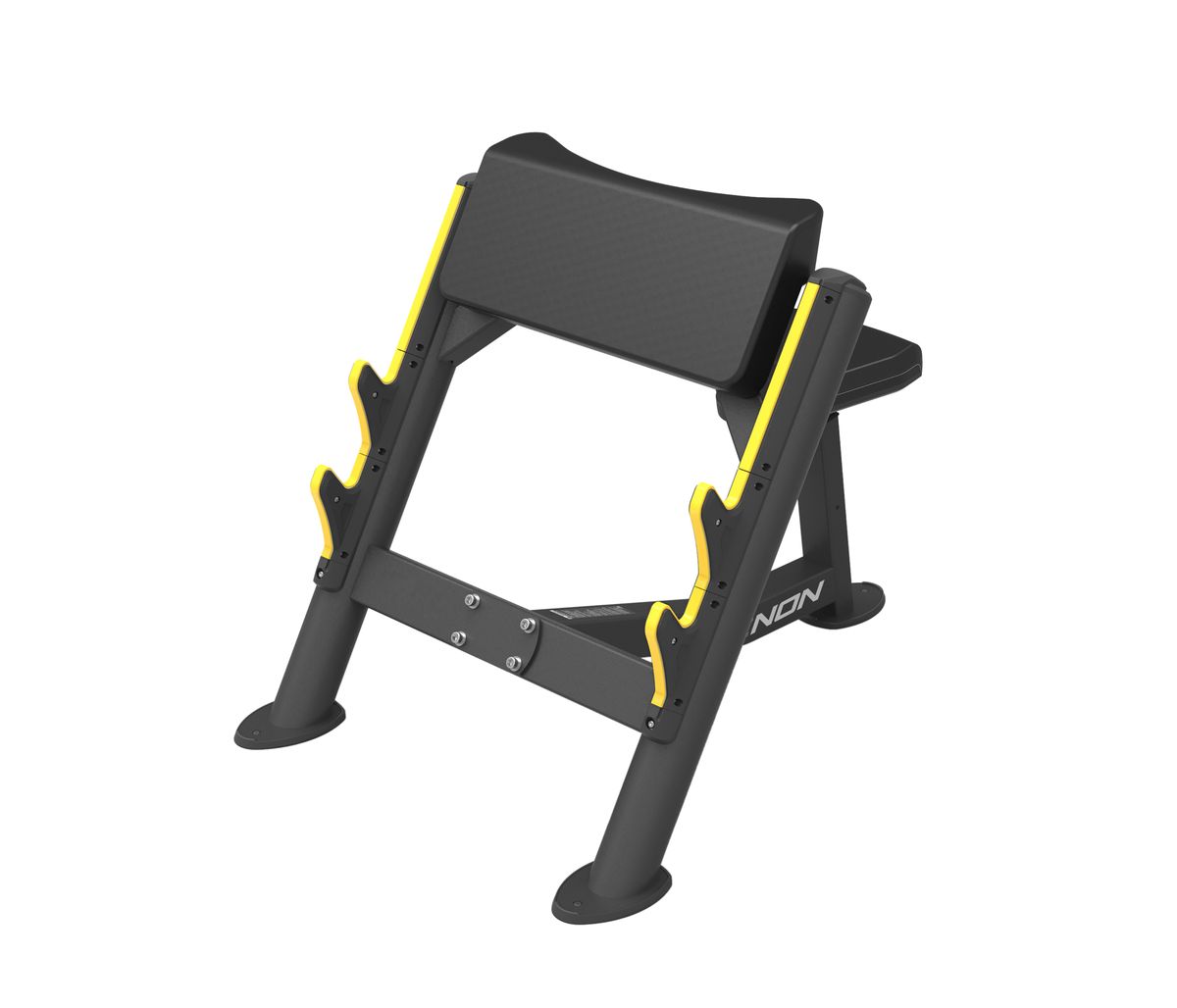
PTT02 Biceps Bench Etenon PTT0206F to Pinterest (opens in a new window)Save on Pinterest : PTT02 Biceps Bench Etenon PTT0206F
![PTT02 Biceps Bench Etenon PTT0206F]() Add to cartMORE INFO
PTT02 Biceps Bench Etenon PTT0206F
990.00 € excl. VAT -
PTT02 Training Chair Etenon PTT0205F to Pinterest (opens in a new window)Save on Pinterest : PTT02 Training Chair Etenon PTT0205F
![PTT02 Training Chair Etenon PTT0205F]() Add to cartMORE INFO
PTT02 Training Chair Etenon PTT0205F
550.00 € excl. VAT -
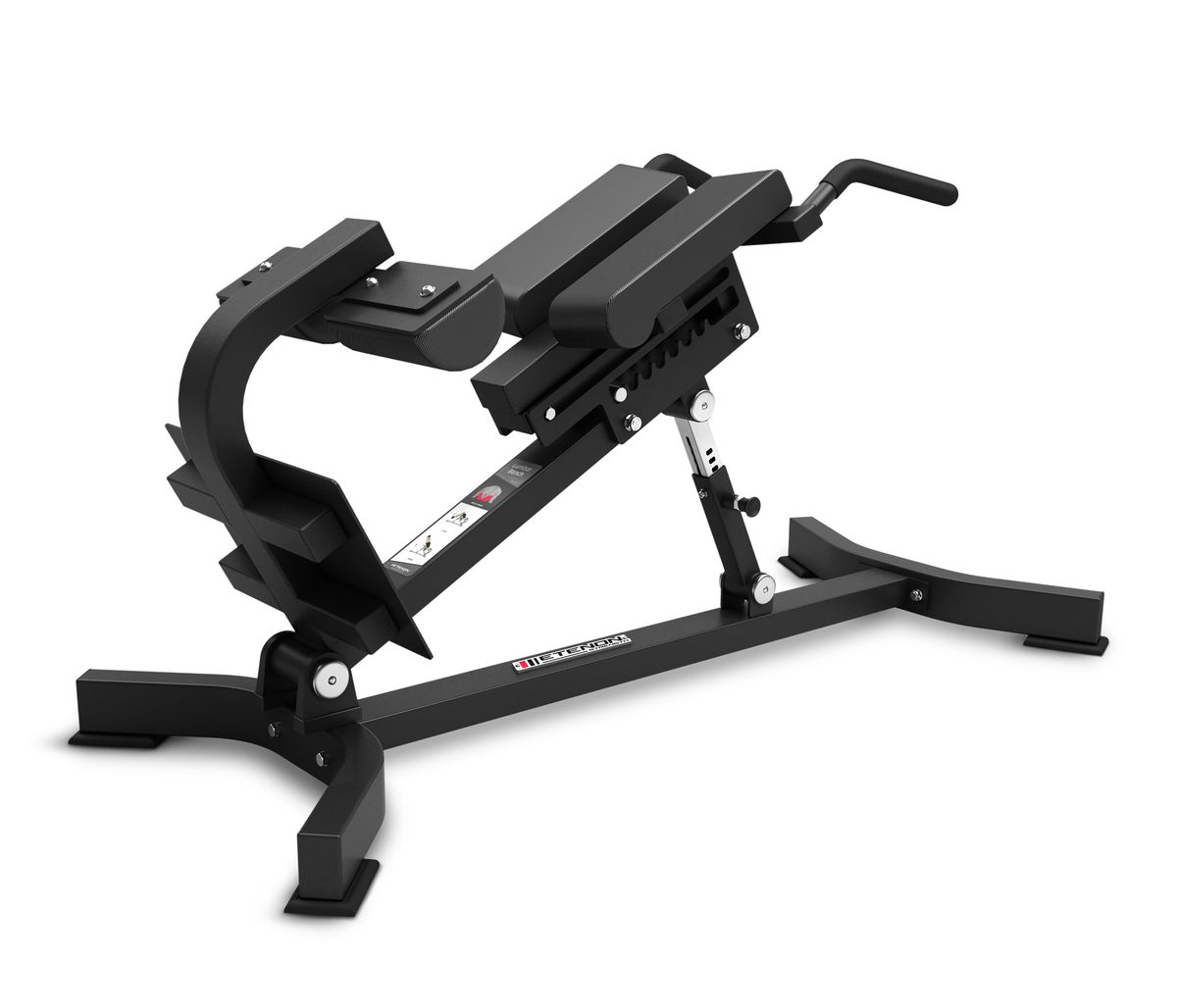
Lumbar bench Etenon PL2581 to Pinterest (opens in a new window)Save on Pinterest : Lumbar bench Etenon PL2581
![Lumbar bench Etenon PL2581]() Add to cartMORE INFO
Lumbar bench Etenon PL2581
1,399.00 € excl. VAT -
Sissy Squat Bench Etenon PL2580 to Pinterest (opens in a new window)Save on Pinterest : Sissy Squat Bench Etenon PL2580
![Sissy Squat Bench Etenon PL2580]() Add to cartMORE INFO
Sissy Squat Bench Etenon PL2580
699.00 € excl. VAT -
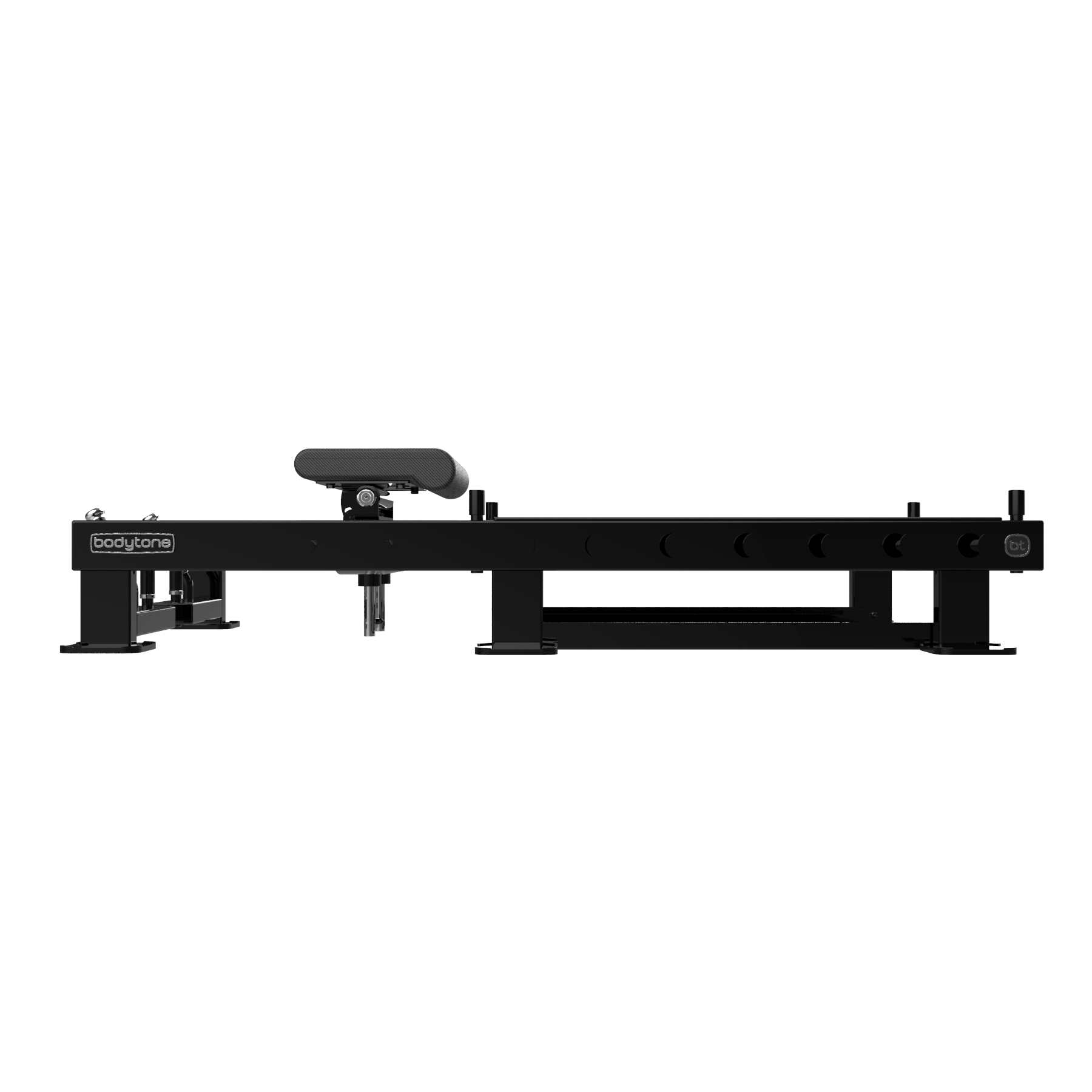
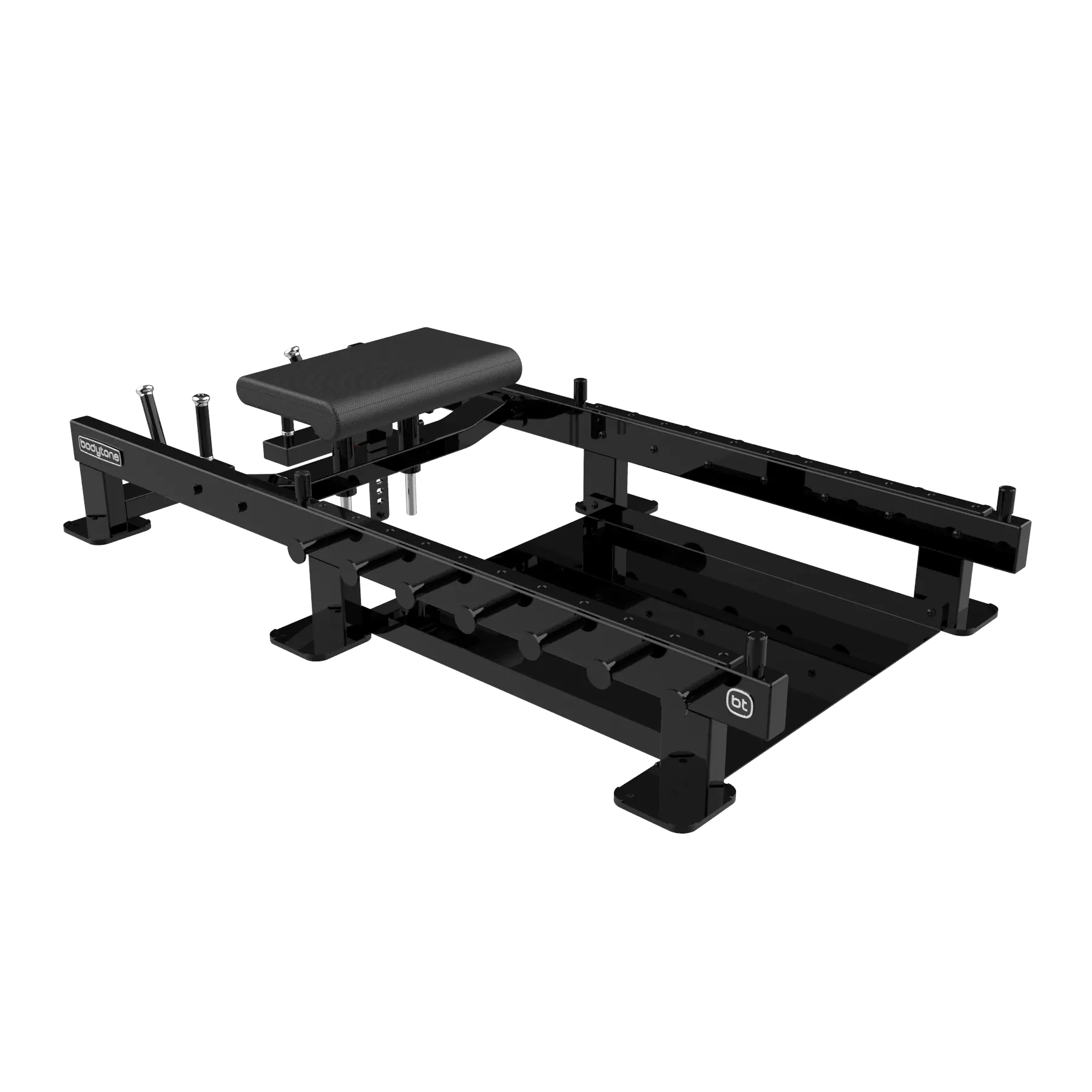
Bodytone FBC18 Hip Thrust Platform, Free Weight to Pinterest (opens in a new window)Save on Pinterest : Bodytone FBC18 Hip Thrust Platform, Free Weight
![Machine Hip Thrust FBC18 Bodytone]()
 View product
Bodytone FBC18 Hip Thrust Platform, Free Weight
Price on request -
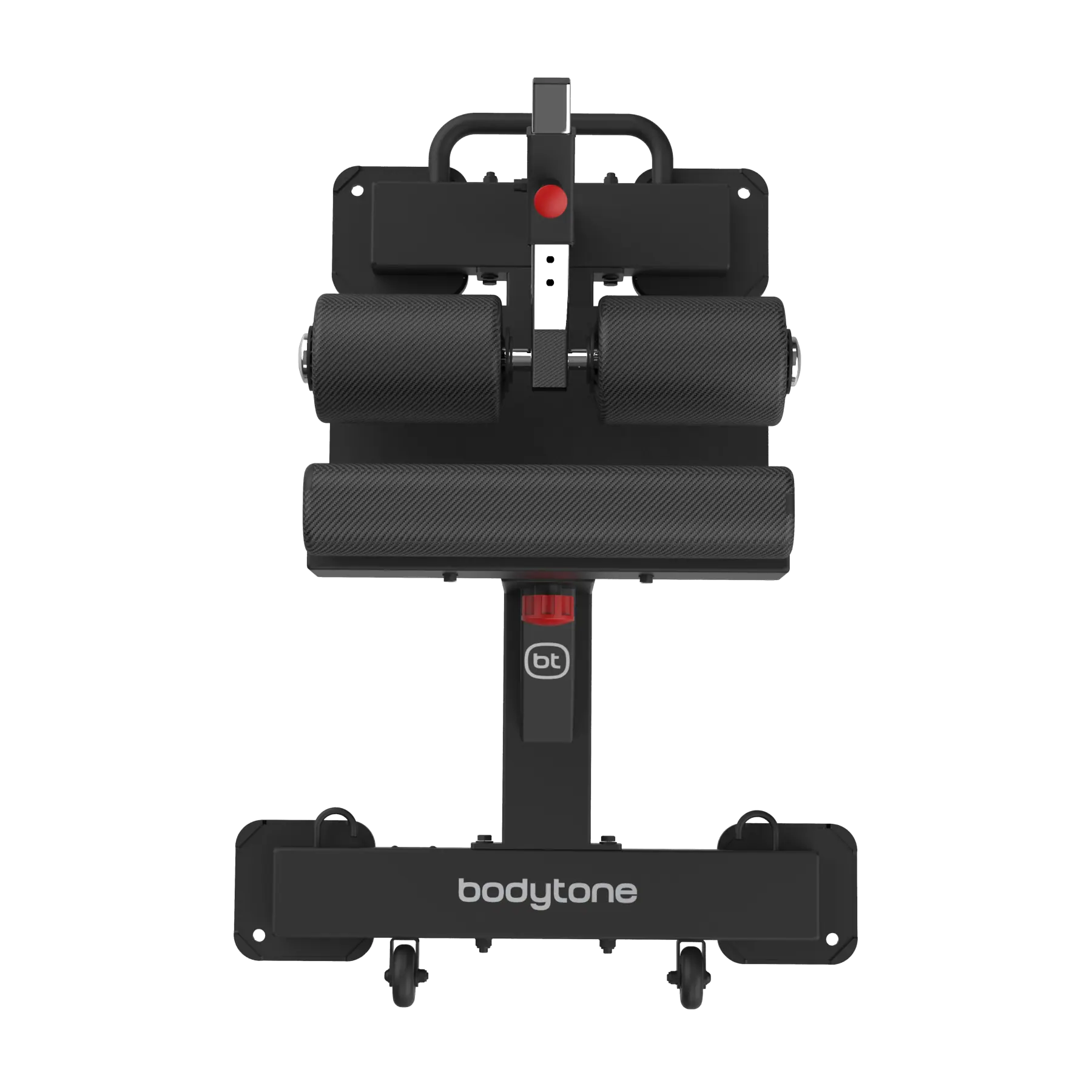
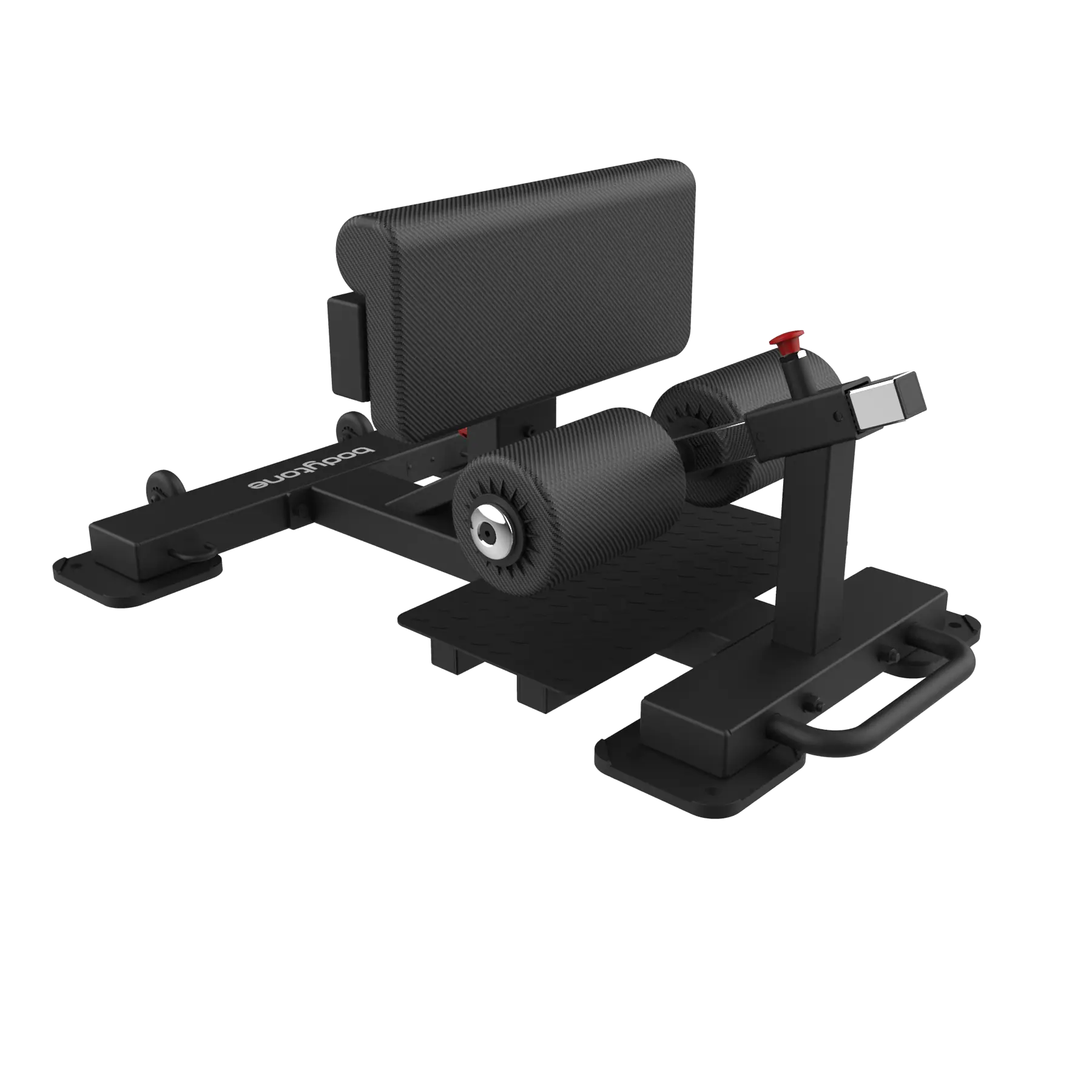
Bodytone FBC17 Sissy Squat Bench to Pinterest (opens in a new window)Save on Pinterest : Bodytone FBC17 Sissy Squat Bench
![Sissy Squat FBC17 Bodytone]()
 View product
Bodytone FBC17 Sissy Squat Bench
Price on request -
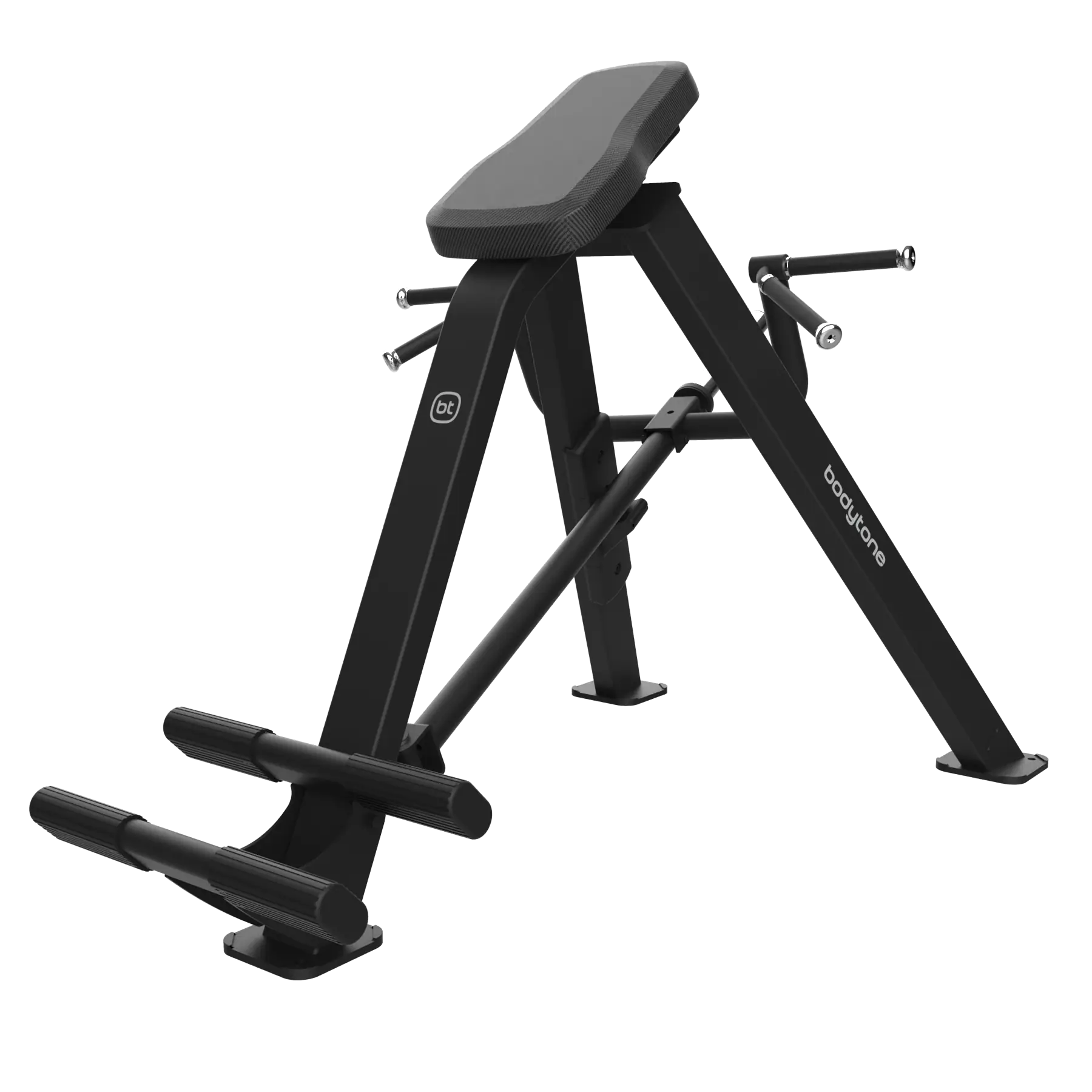
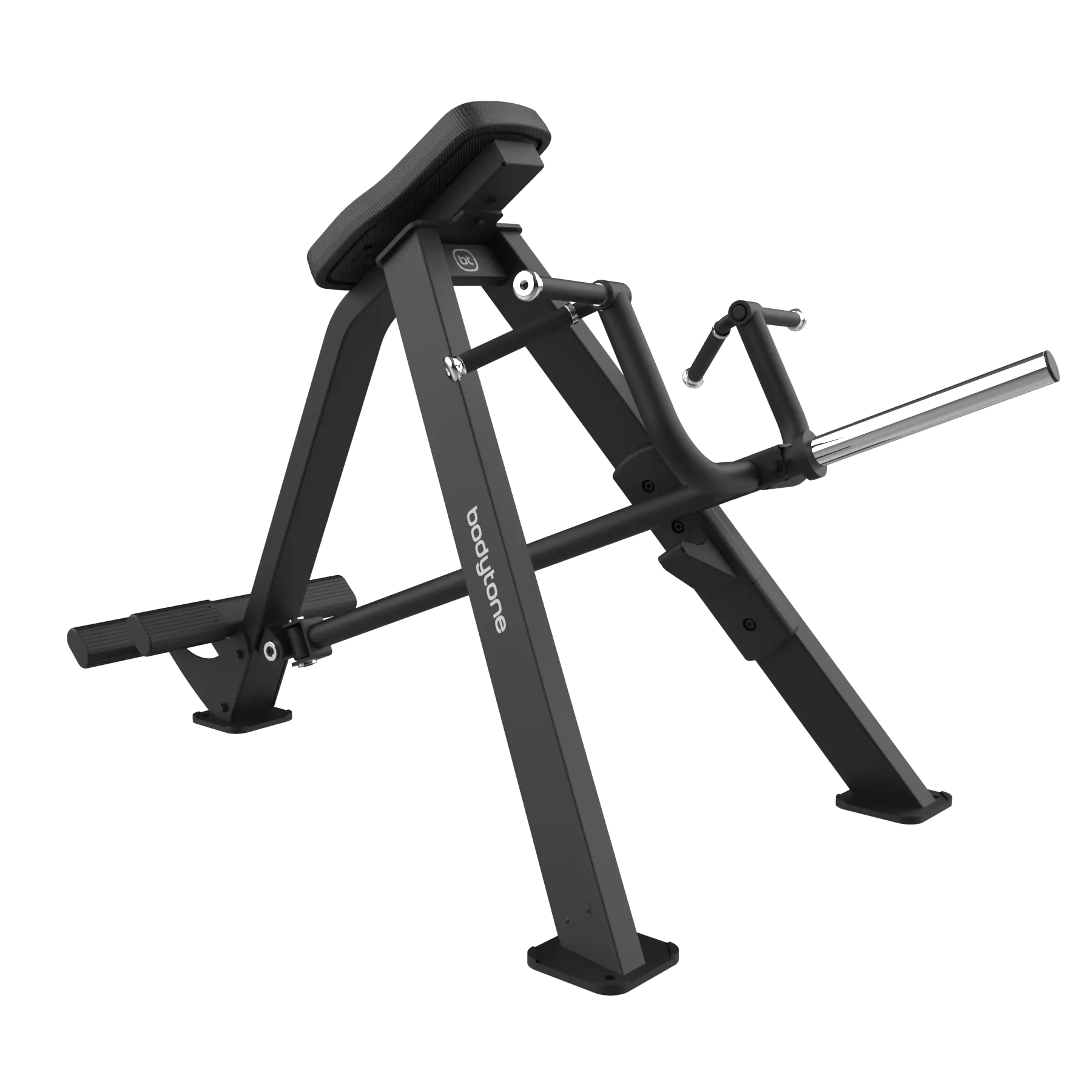
Bodytone FBC16 T-Bar Row Station to Pinterest (opens in a new window)Save on Pinterest : Bodytone FBC16 T-Bar Row Station
![Rowing T-Bar FBC16 Bodytone]()
 View product
Bodytone FBC16 T-Bar Row Station
Price on request -
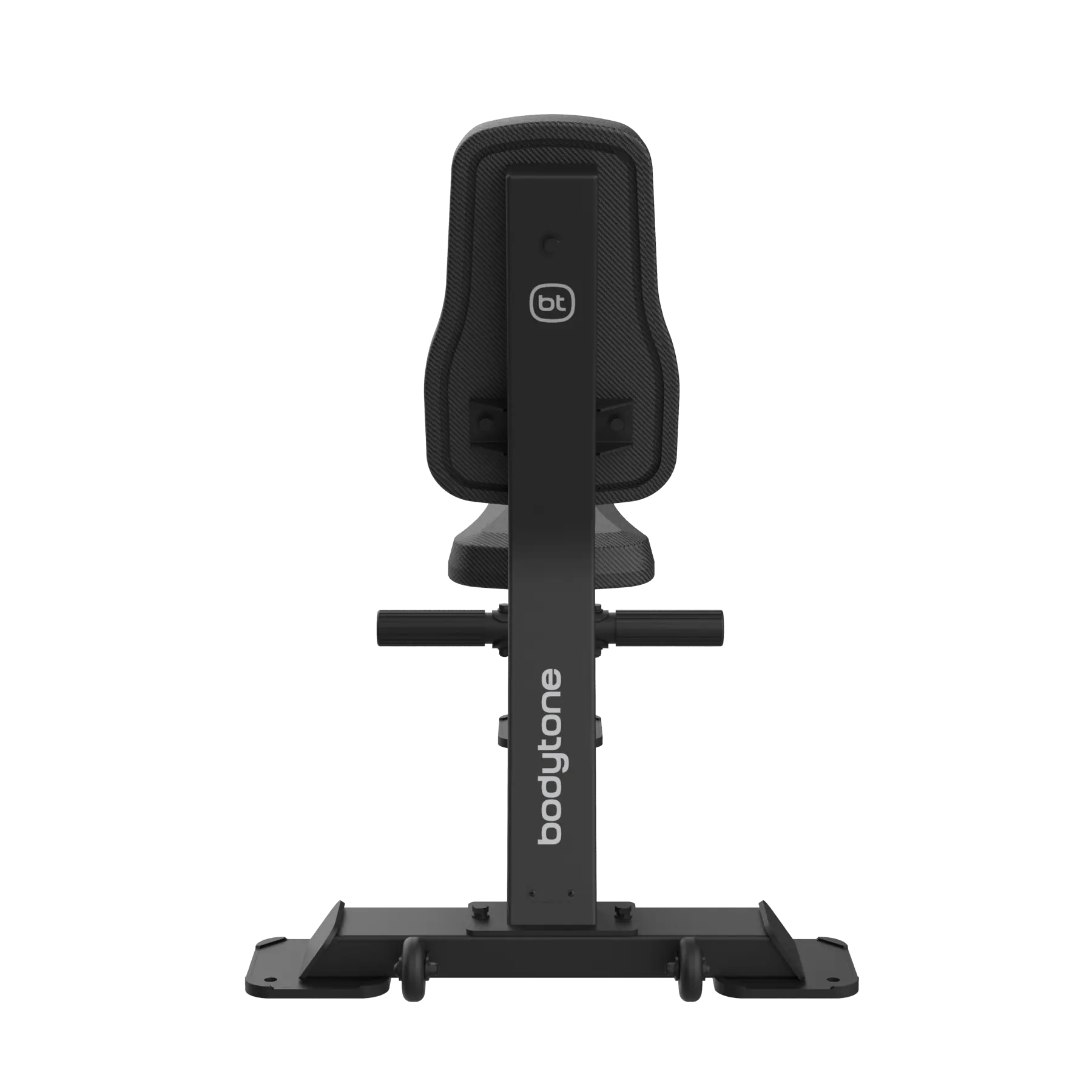
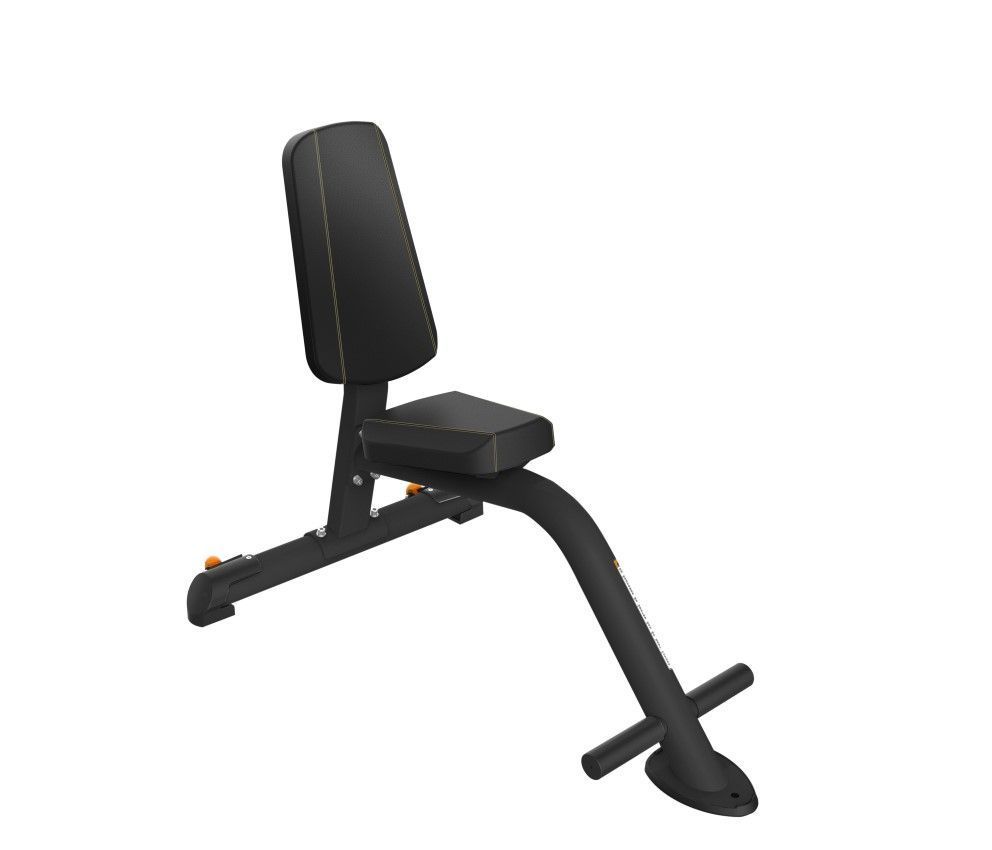
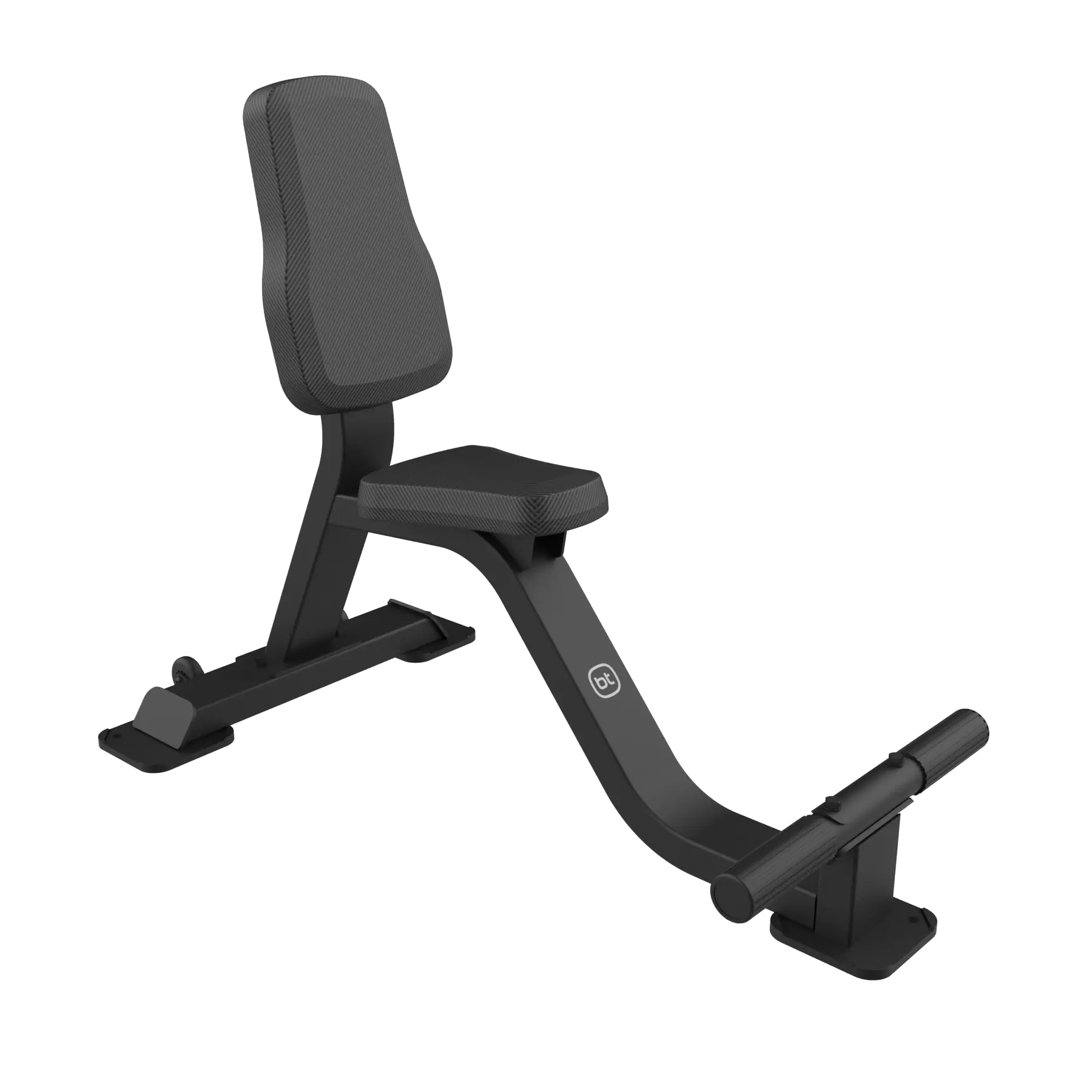
Bodytone FBC13 Utility Bench to Pinterest (opens in a new window)Save on Pinterest : Bodytone FBC13 Utility Bench
![Bodytone FBC13 Utility Bench]()
 View product
Bodytone FBC13 Utility Bench
Price on request -
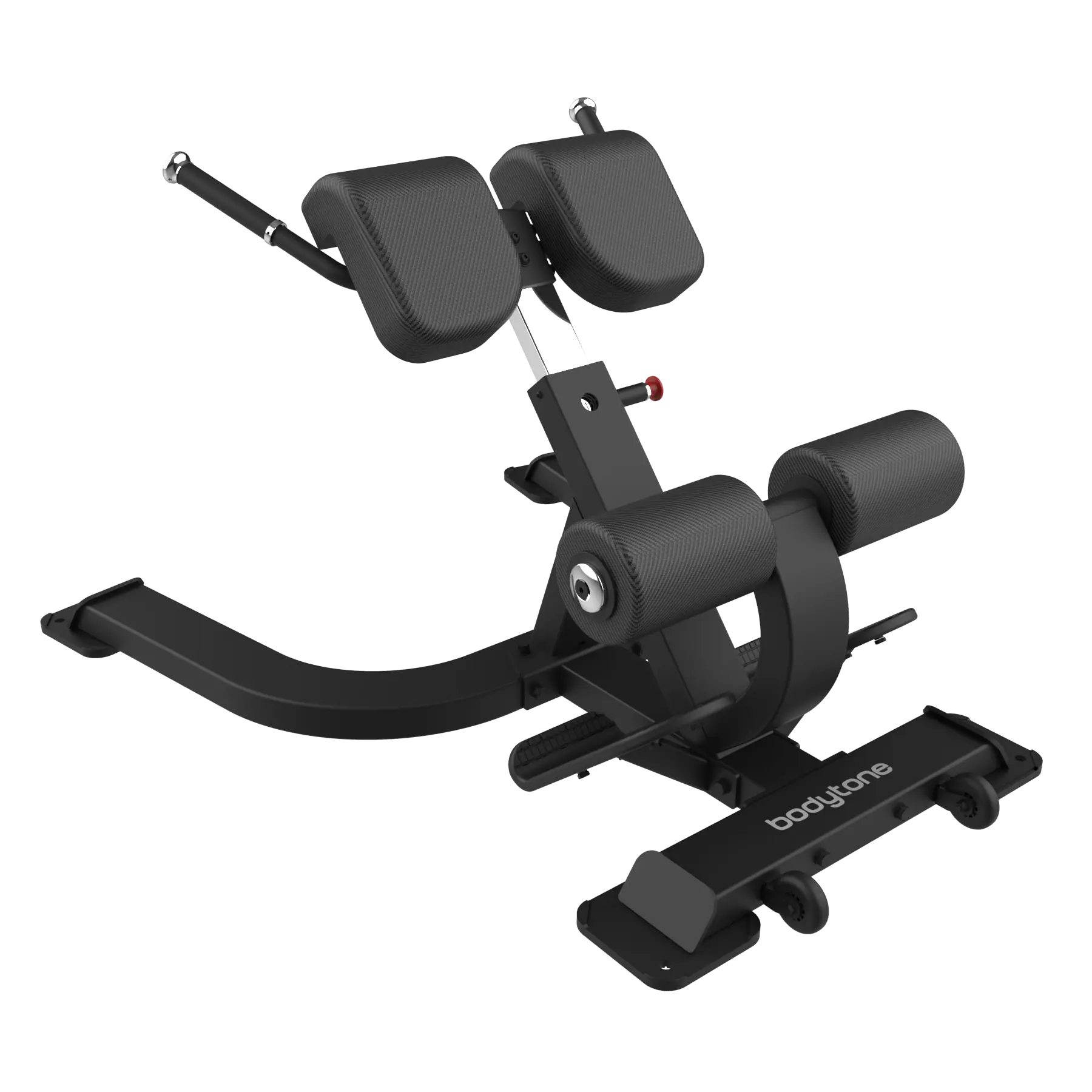
Bodytone FBC12 Back Extension Bench to Pinterest (opens in a new window)Save on Pinterest : Bodytone FBC12 Back Extension Bench
![Bodytone FBC12 Back Extension Bench]()
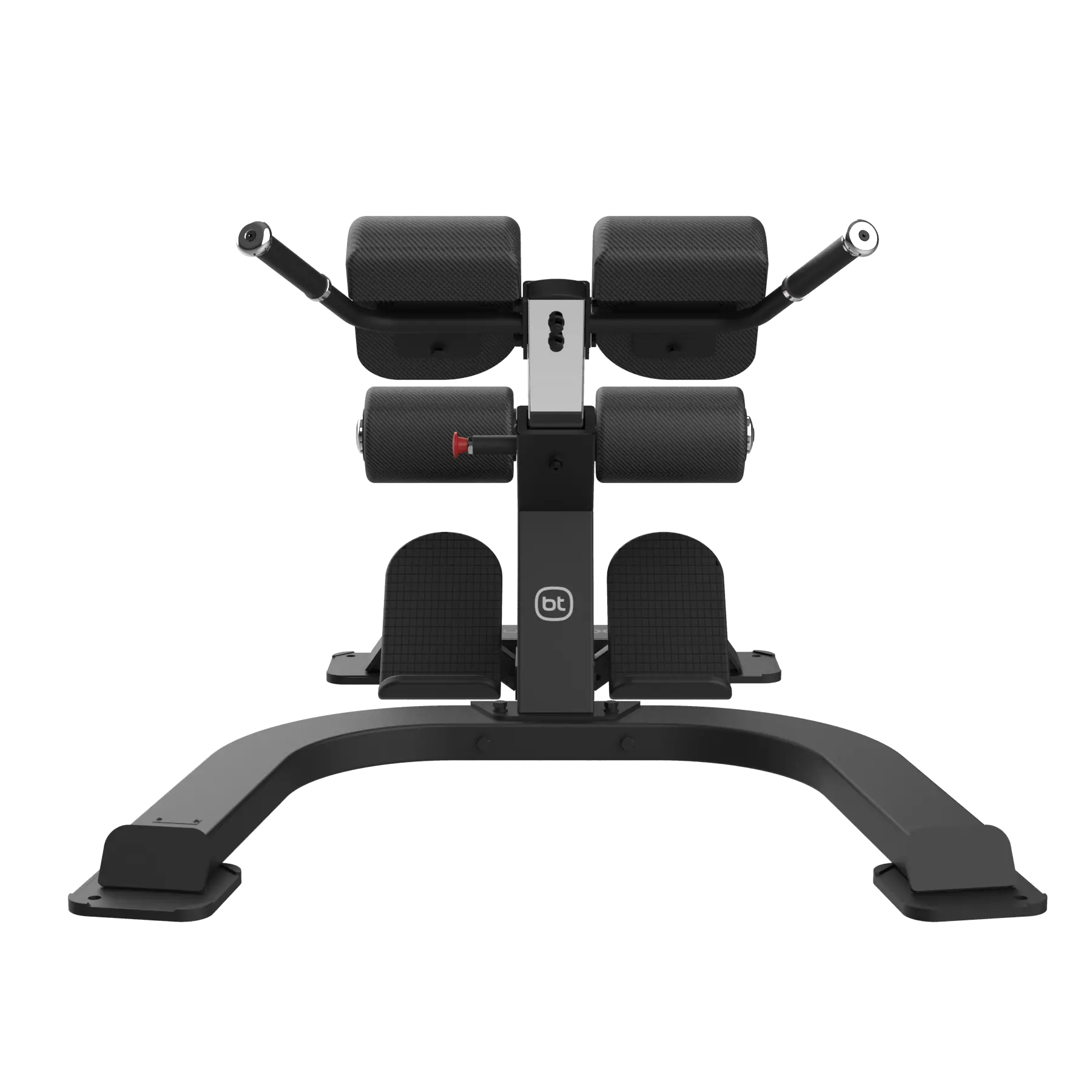 View product
Bodytone FBC12 Back Extension Bench
Price on request -
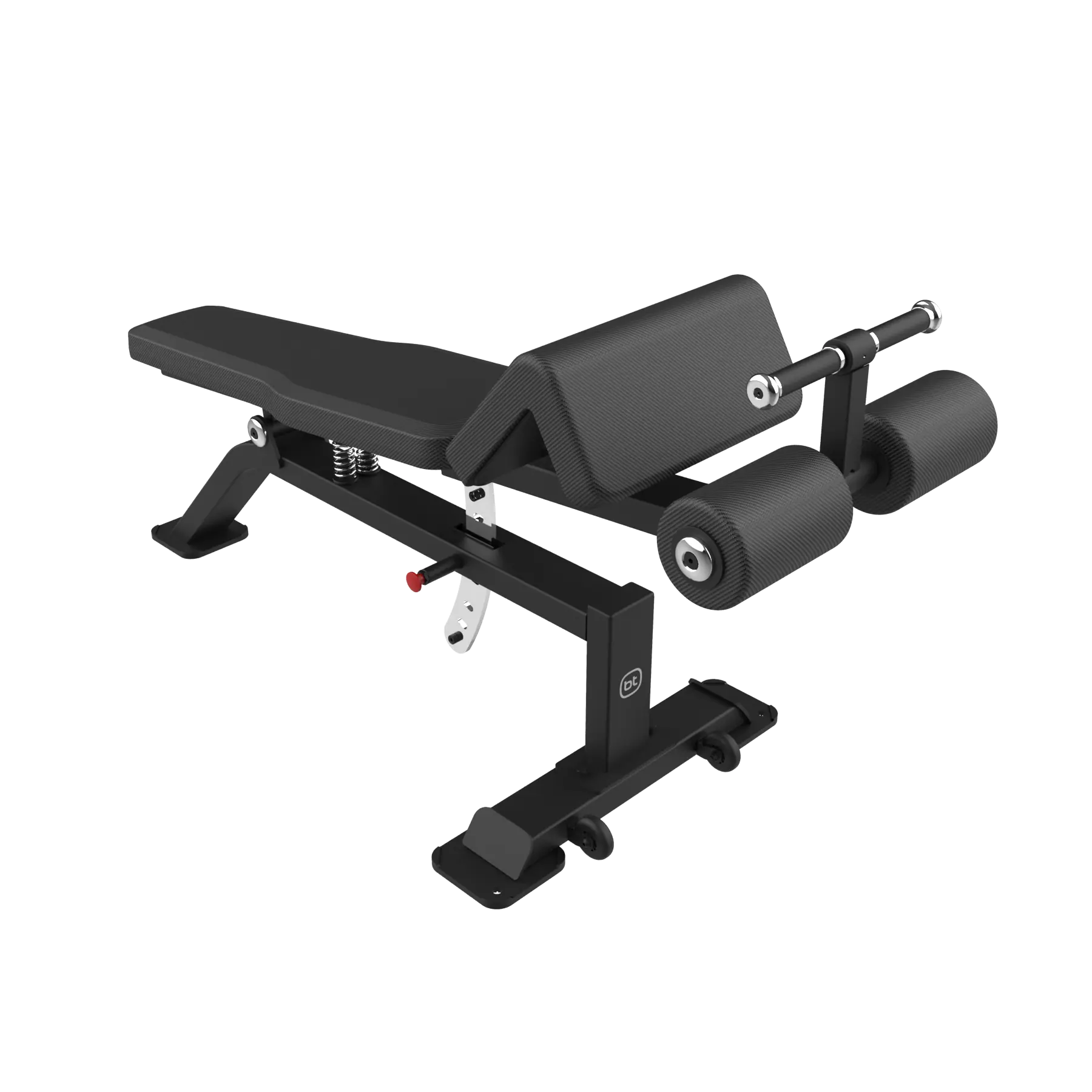
Bodytone FBC11 Adjustable Abdominal Bench to Pinterest (opens in a new window)Save on Pinterest : Bodytone FBC11 Adjustable Abdominal Bench
![Bodytone FBC11 Adjustable Abdominal Bench]()
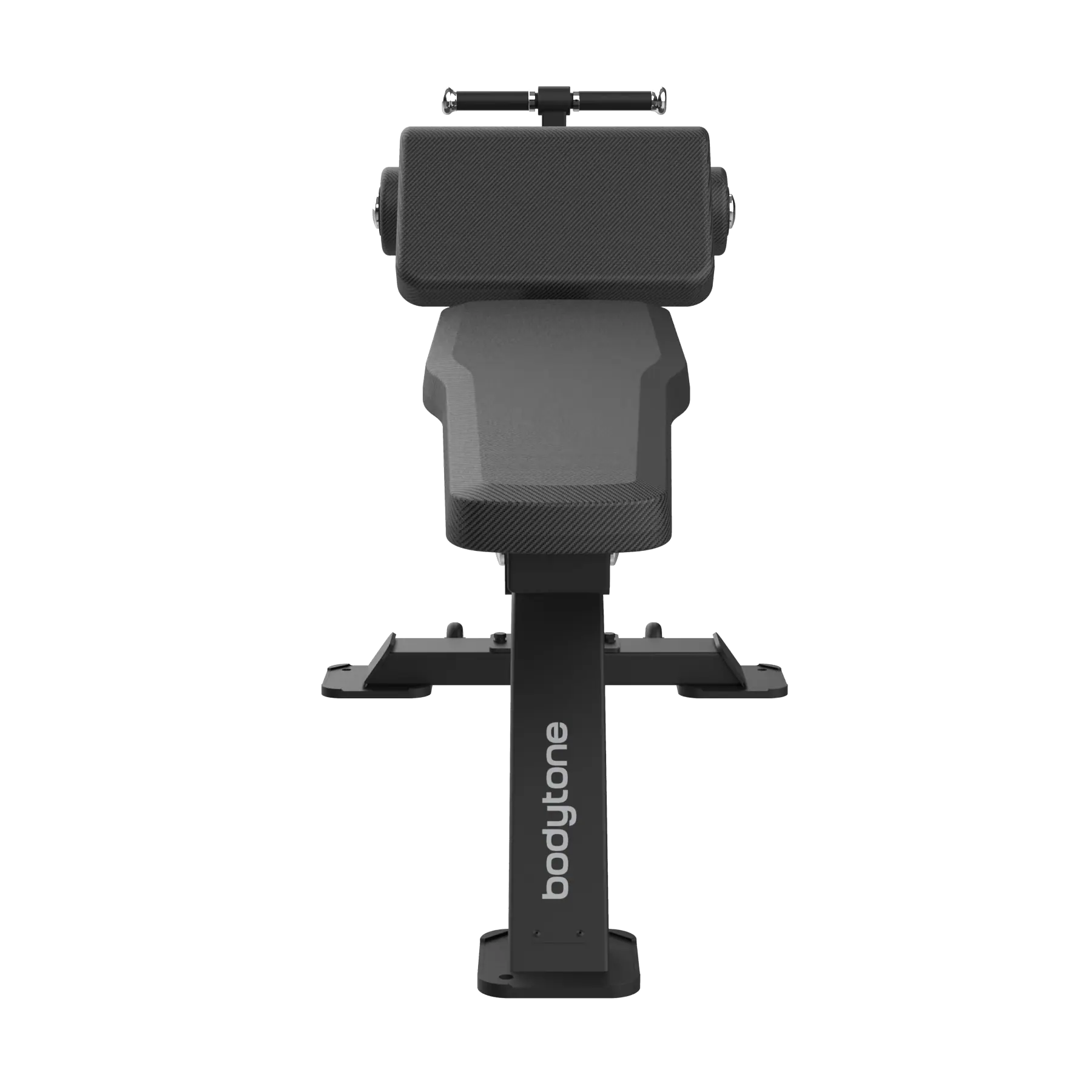 View product
Bodytone FBC11 Adjustable Abdominal Bench
Price on request -
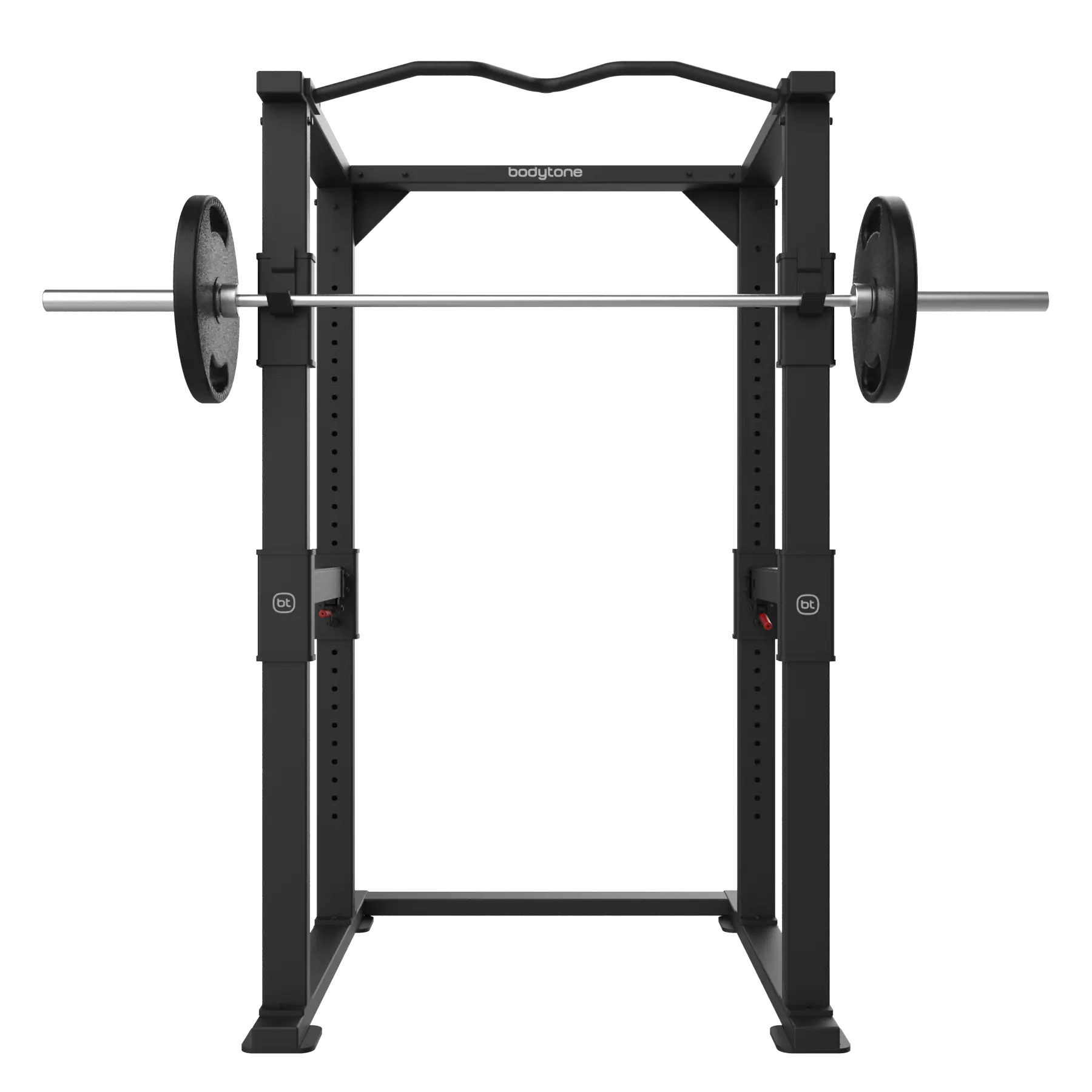
Bodytone FBC10 power rack, inner and outer bar supports to Pinterest (opens in a new window)Save on Pinterest : Bodytone FBC10 power rack, inner and outer bar supports
![Power Rack FBC10 Bodytone]()
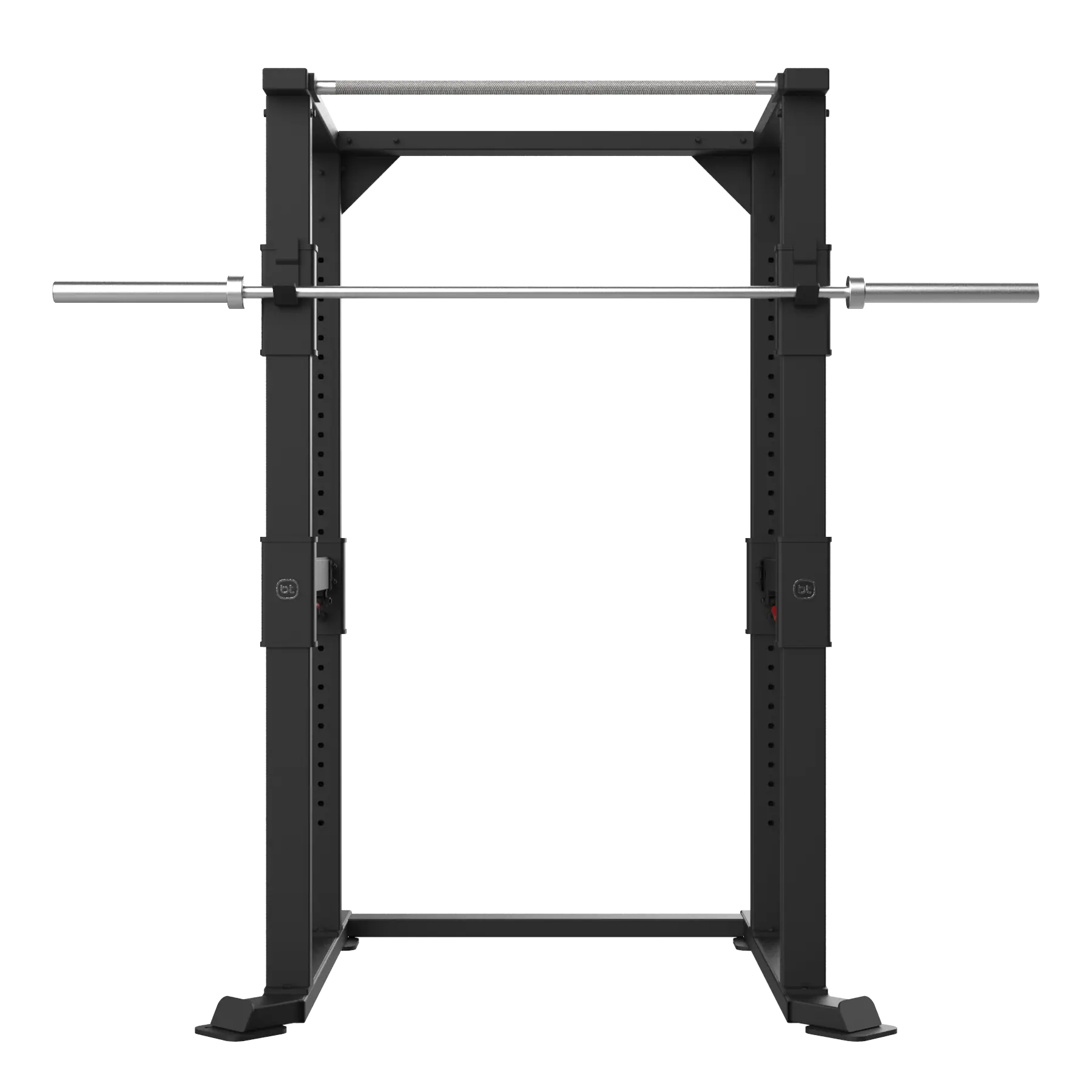 Add to cartMORE INFO
Bodytone FBC10 power rack, inner and outer bar supports
1,913.90 € excl. VAT -
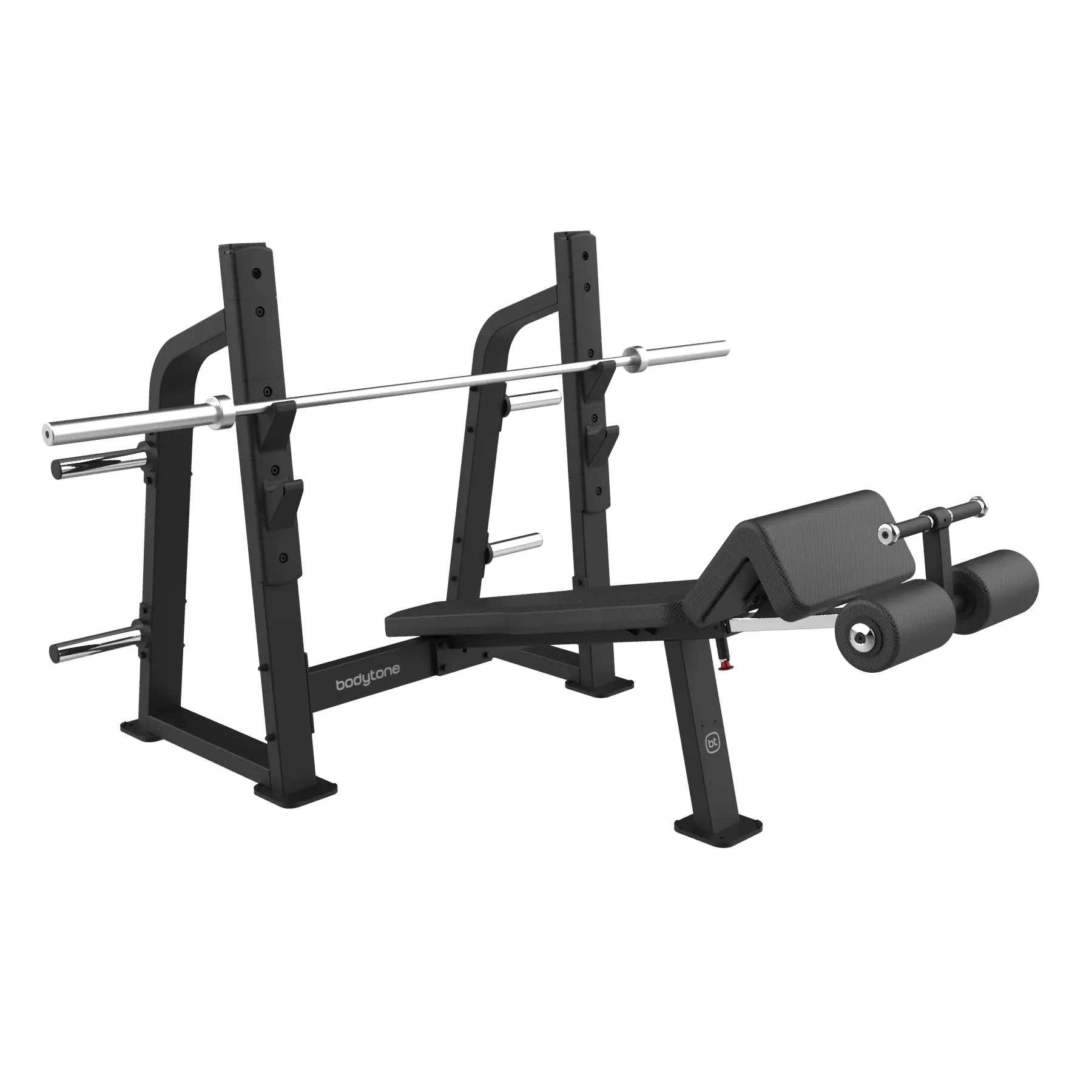
Bodytone FBC06 Olympic Decline Bench to Pinterest (opens in a new window)Save on Pinterest : Bodytone FBC06 Olympic Decline Bench
![Bodytone FBC06 Olympic Decline Bench]()
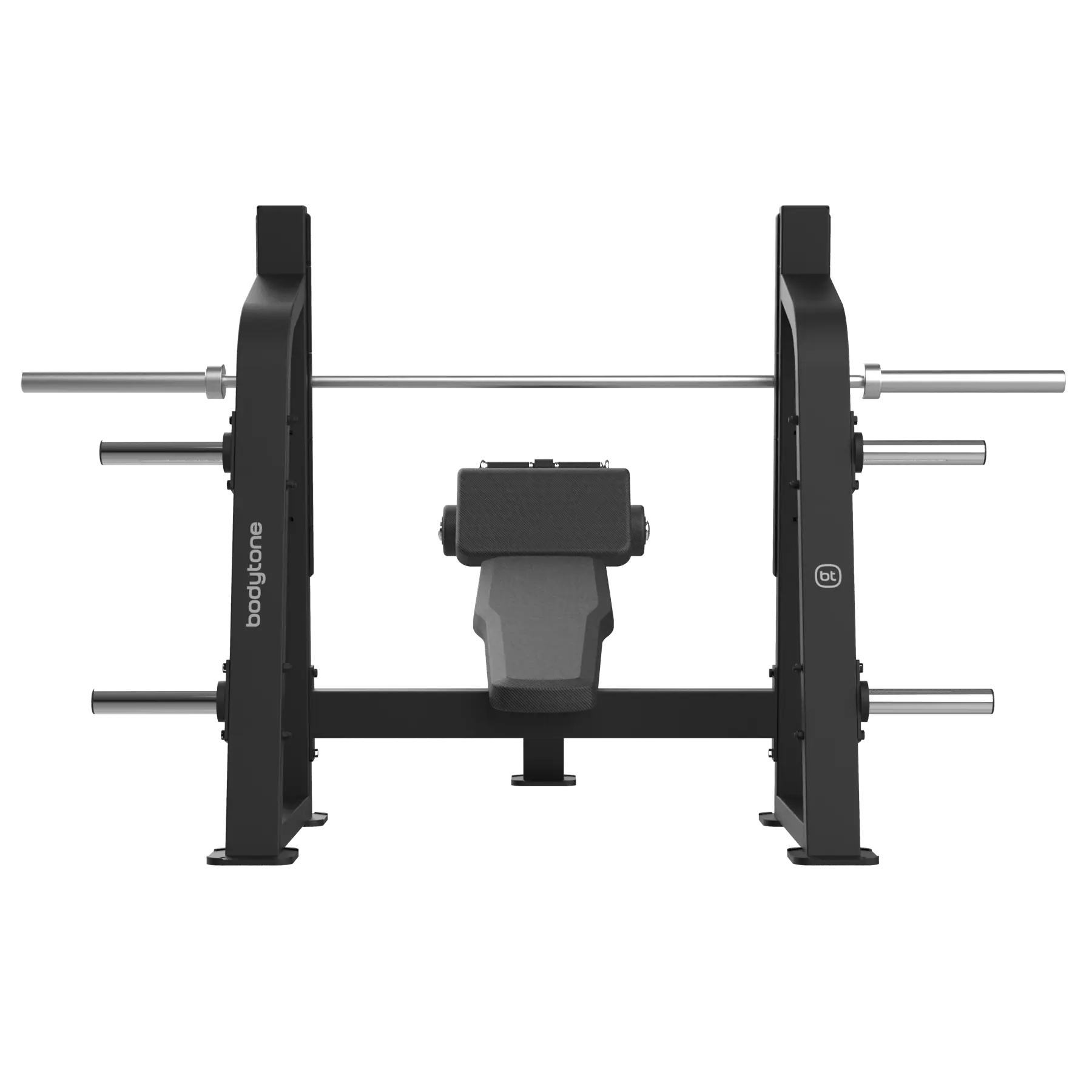 View product
Bodytone FBC06 Olympic Decline Bench
Price on request -
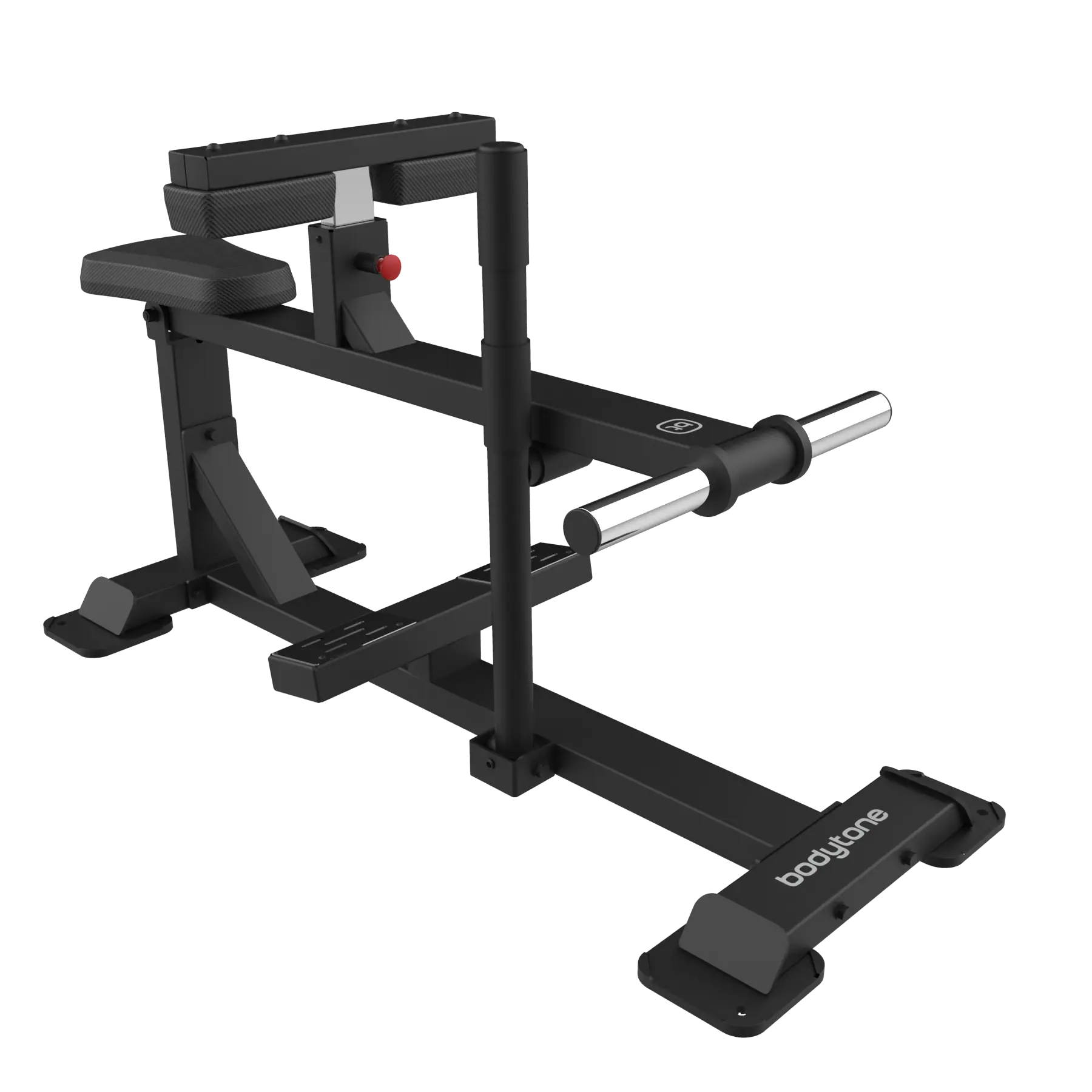
Bodytone FBC05 Seated Calf Bench to Pinterest (opens in a new window)Save on Pinterest : Bodytone FBC05 Seated Calf Bench
![Bodytone FBC05 Seated Calf Bench]()
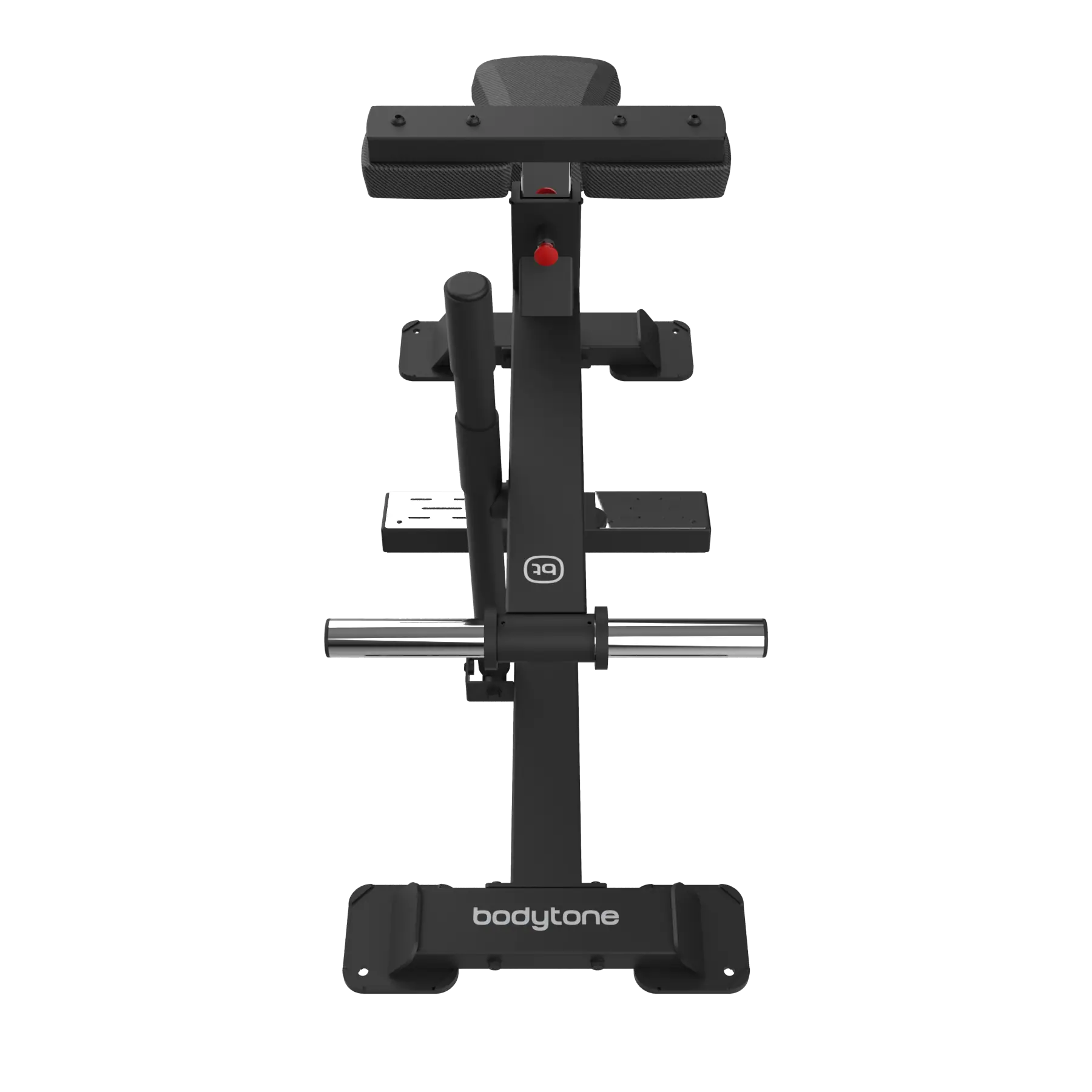 View product
Bodytone FBC05 Seated Calf Bench
Price on request -
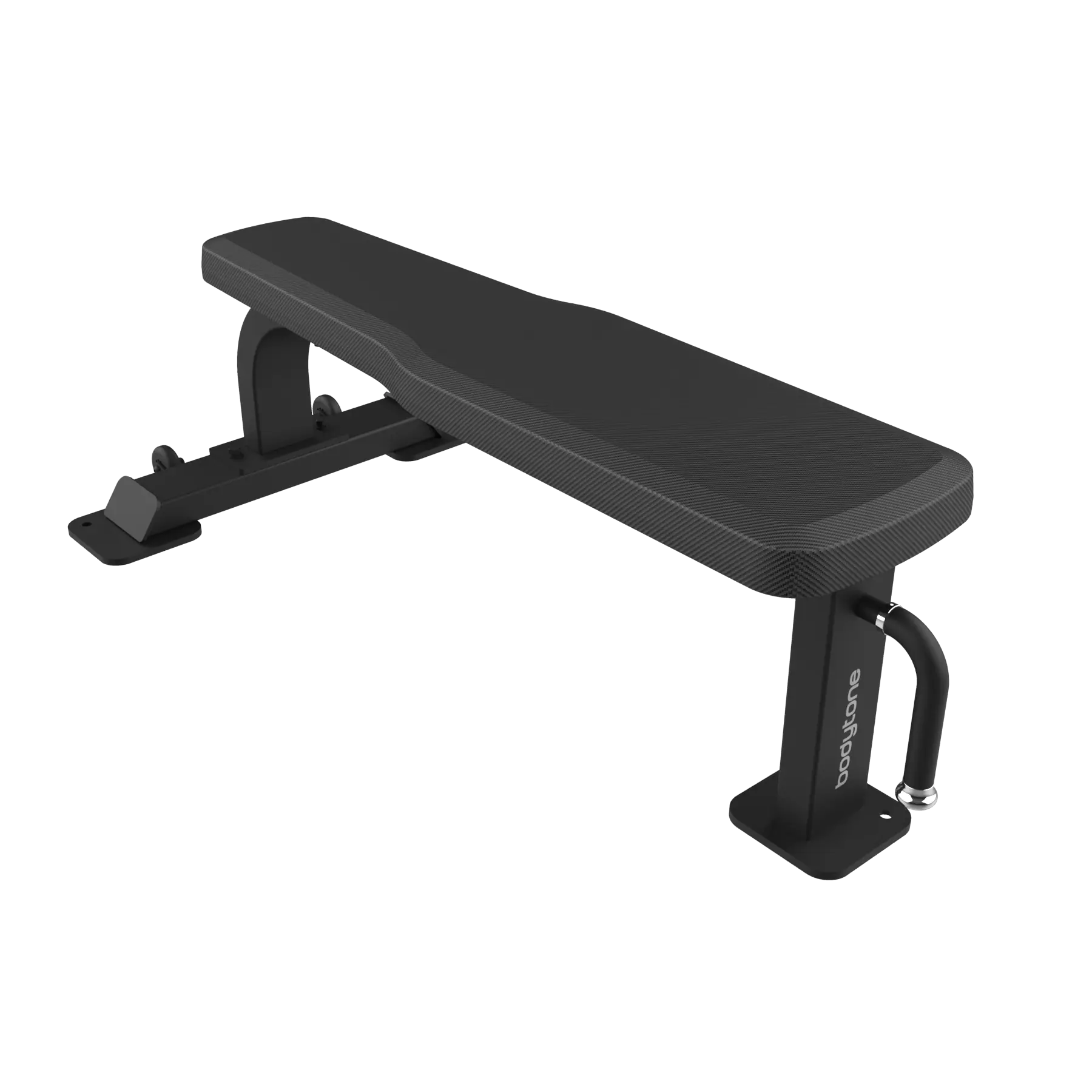
Bodytone FBC04 flat weight bench to Pinterest (opens in a new window)Save on Pinterest : Bodytone FBC04 flat weight bench
![Bodytone FBC04 flat weight bench]()
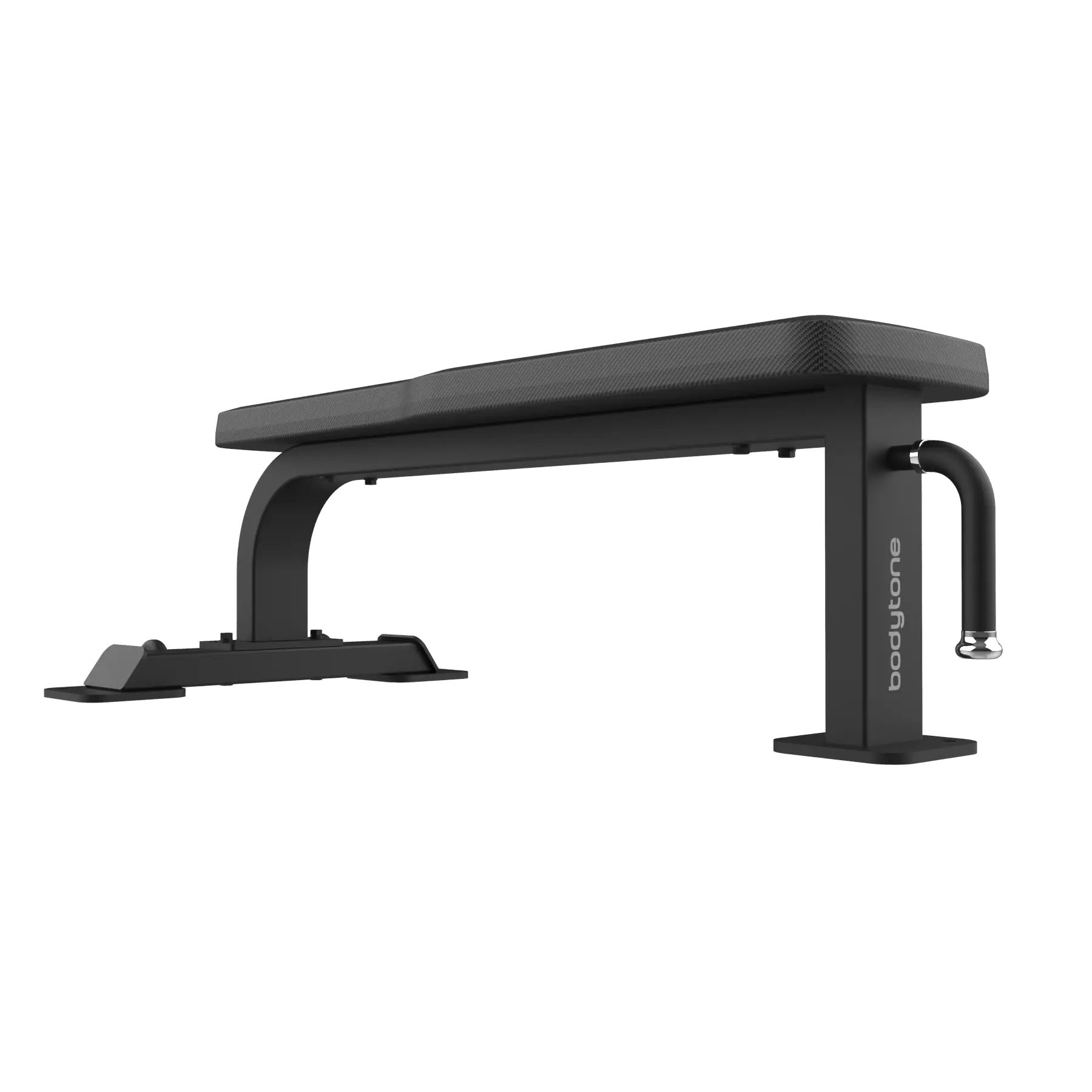 View product
Bodytone FBC04 flat weight bench
Price on request -
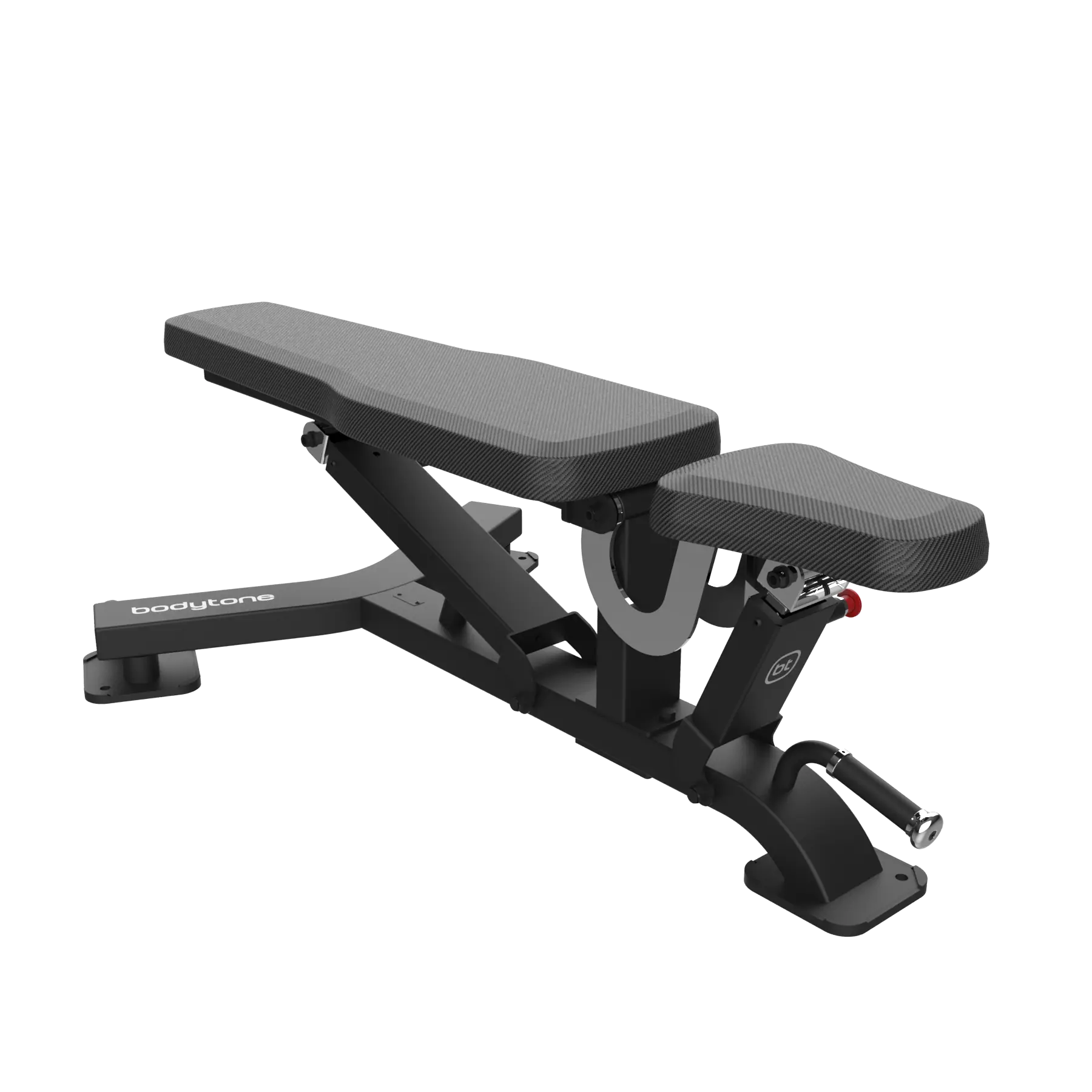
Bodytone FBC03 adjustable weight bench to Pinterest (opens in a new window)Save on Pinterest : Bodytone FBC03 adjustable weight bench
![Bodytone FBC03 adjustable weight bench]()
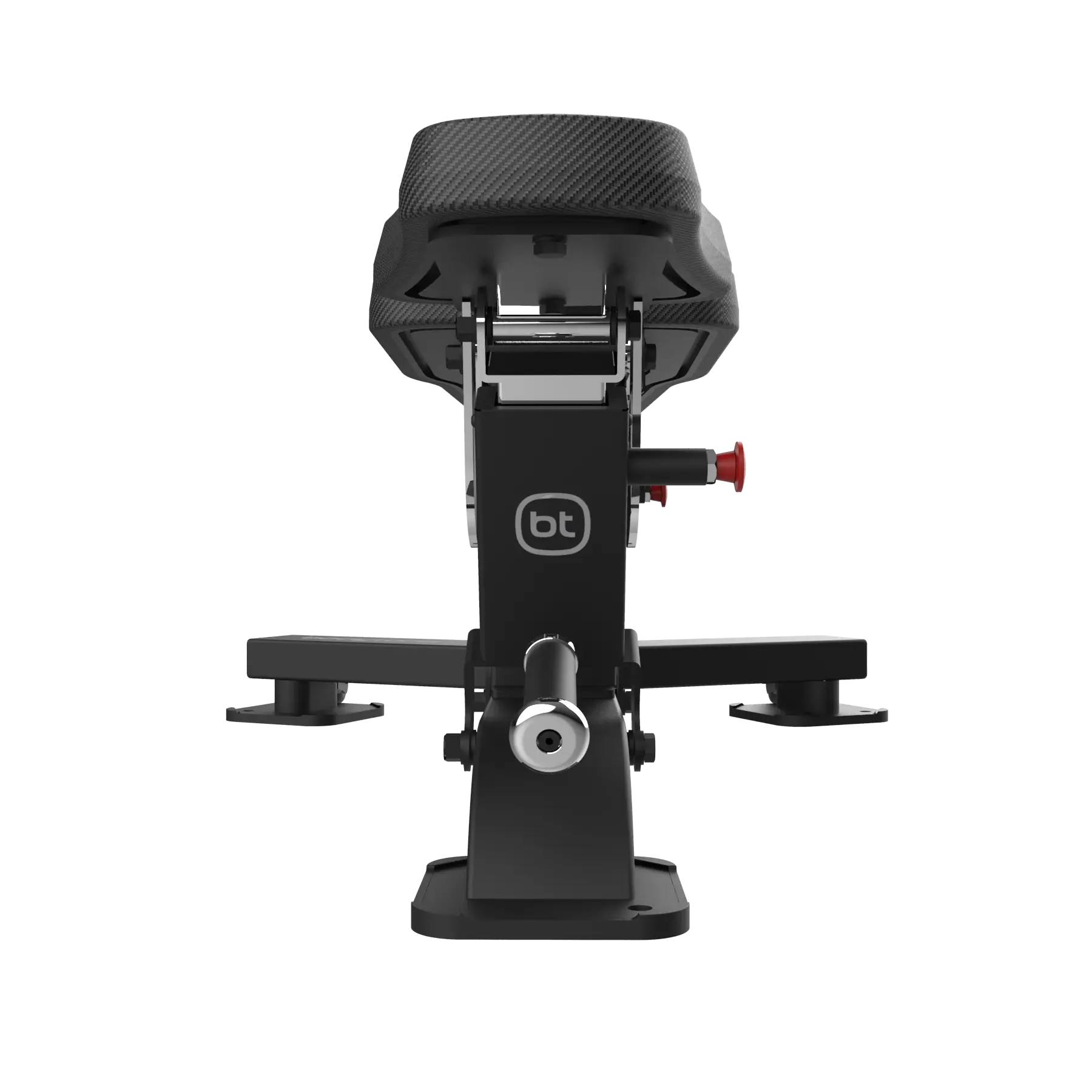 View product
Bodytone FBC03 adjustable weight bench
Price on request -
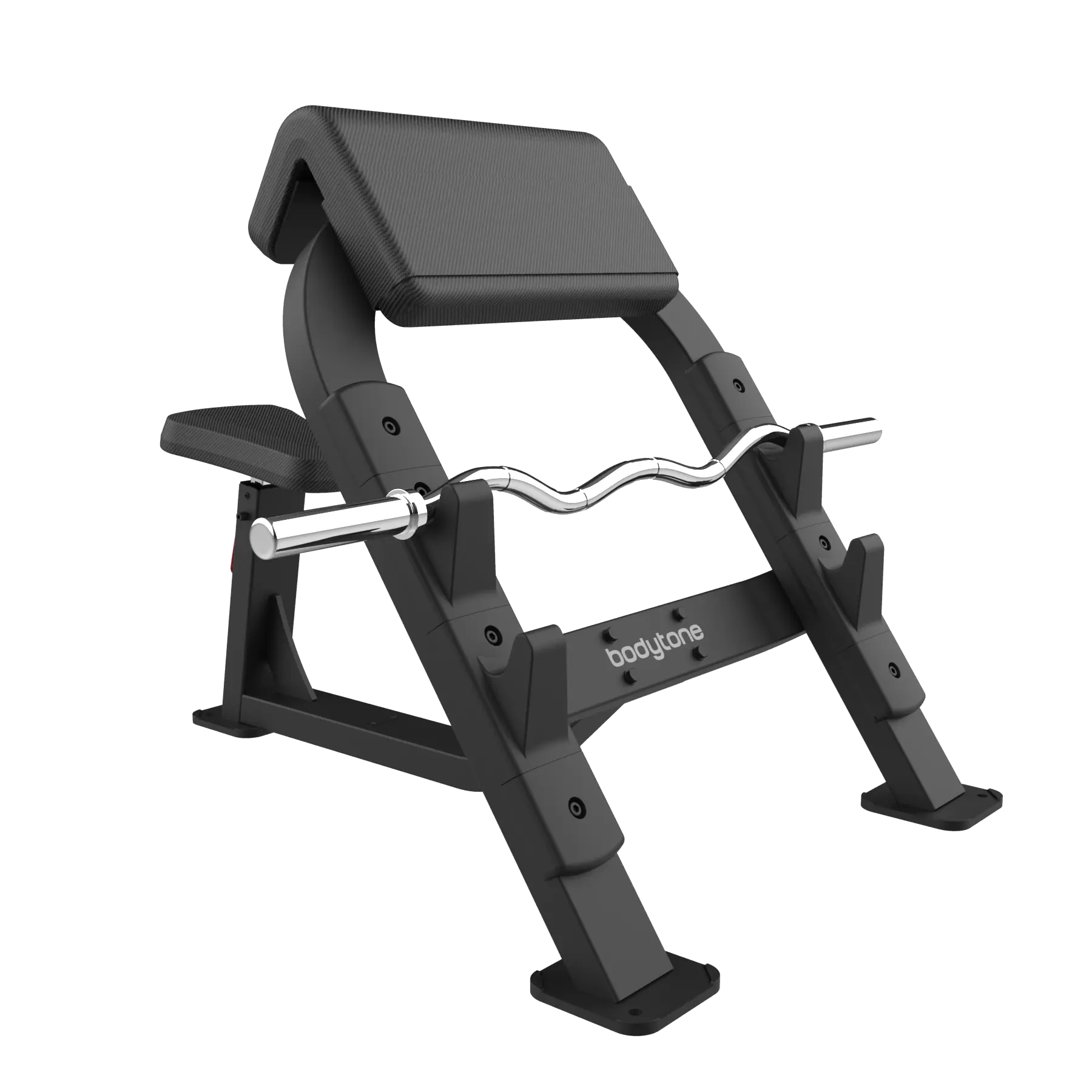
Bodytone FBC02 Preacher Curl Bench to Pinterest (opens in a new window)Save on Pinterest : Bodytone FBC02 Preacher Curl Bench
![Bodytone FBC02 Preacher Curl Bench]()
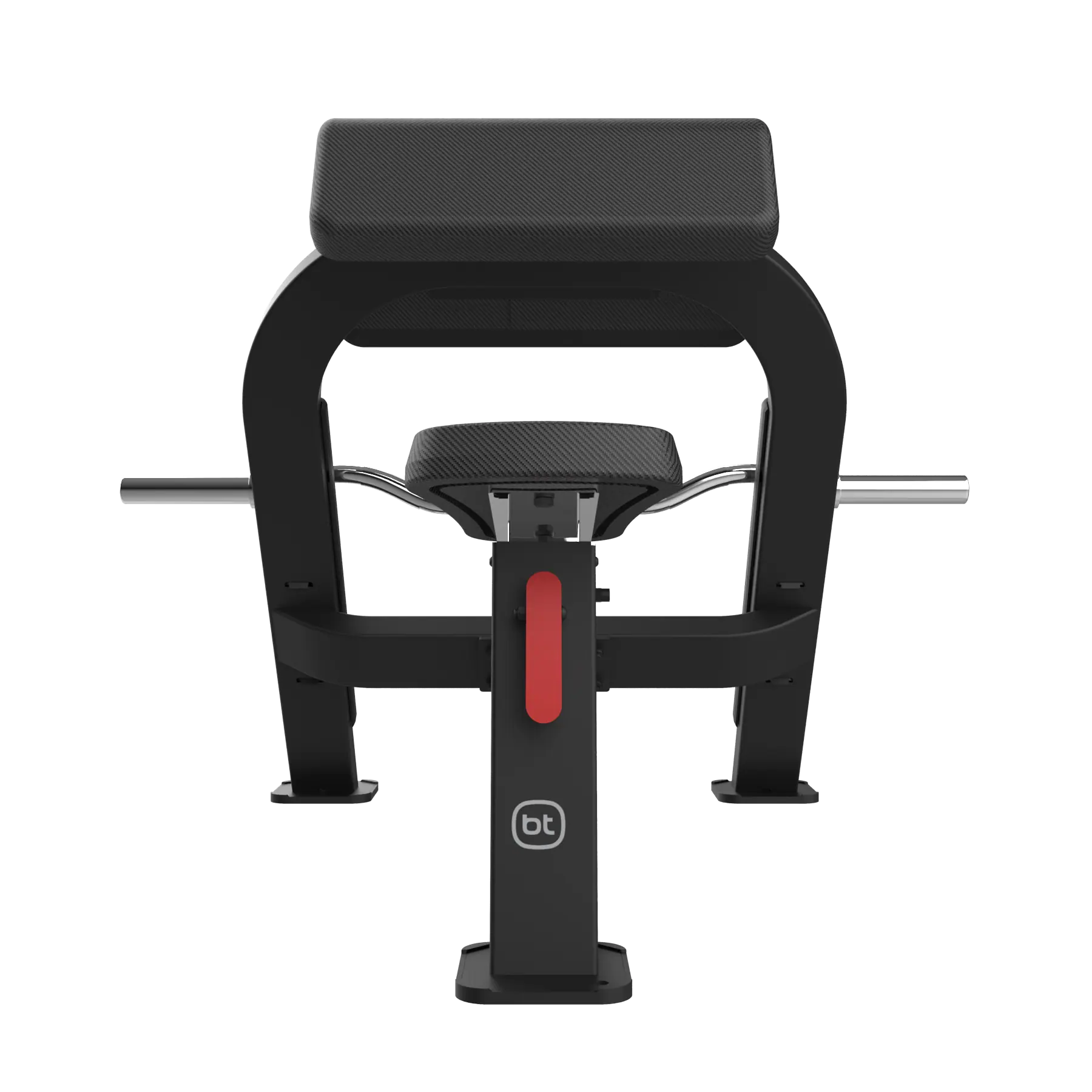 View product
Bodytone FBC02 Preacher Curl Bench
Price on request
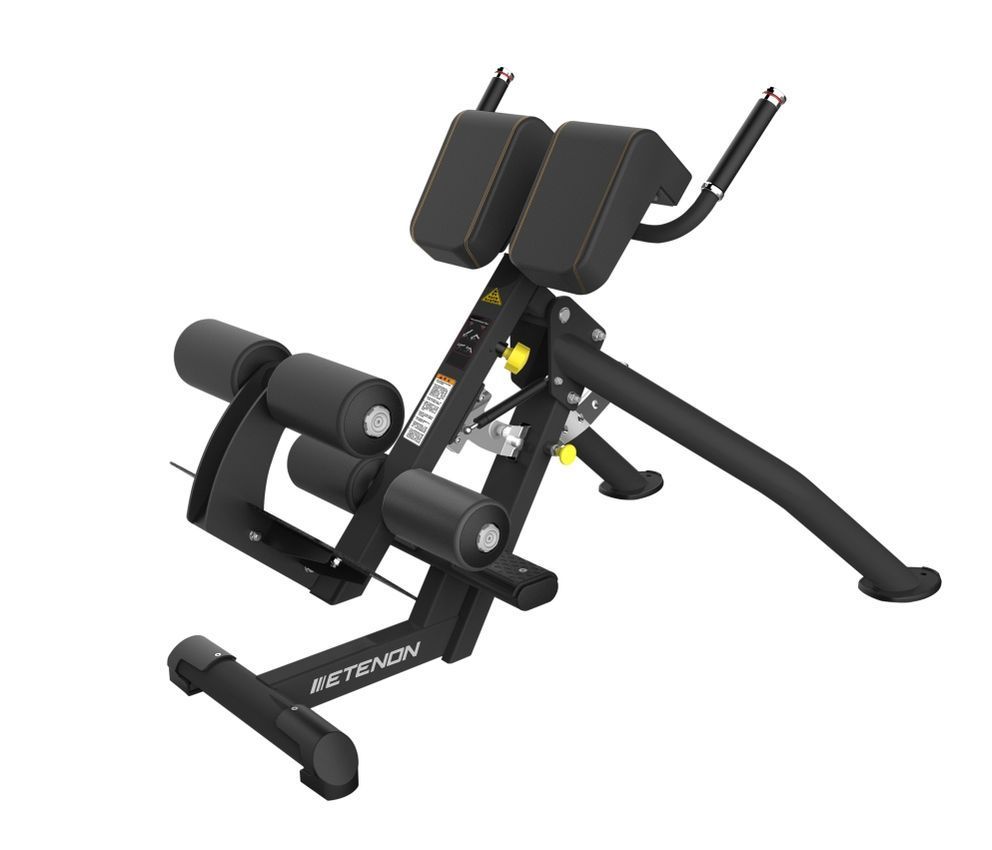
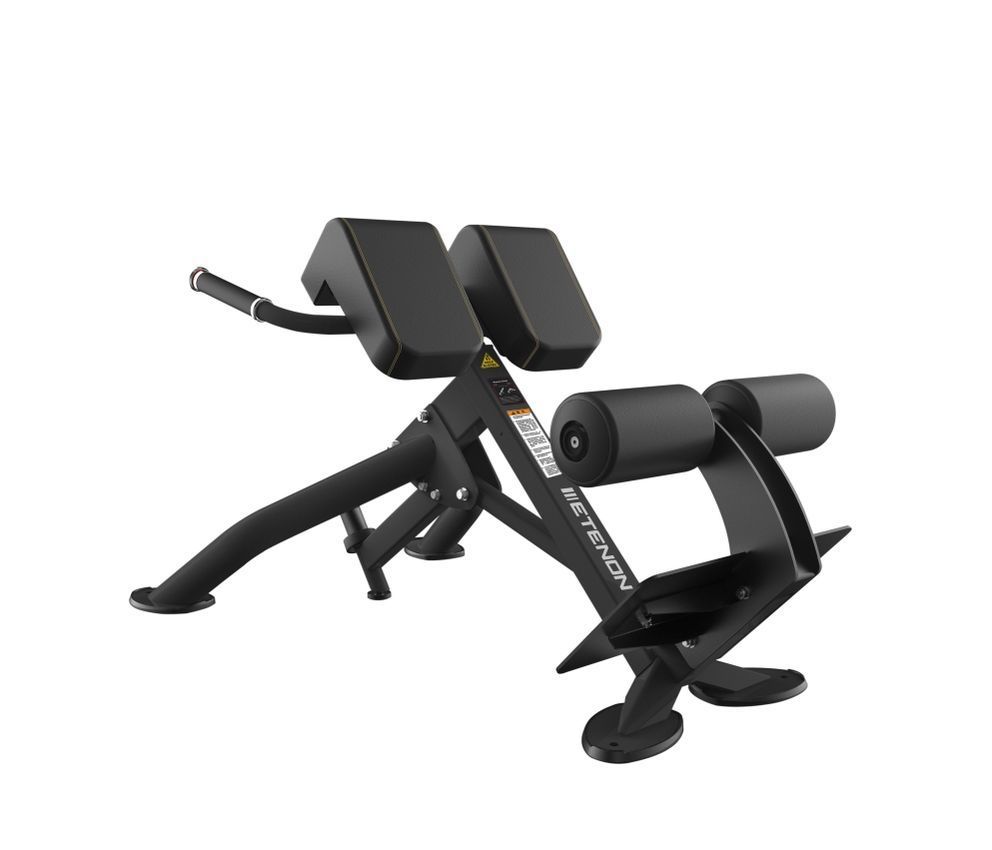
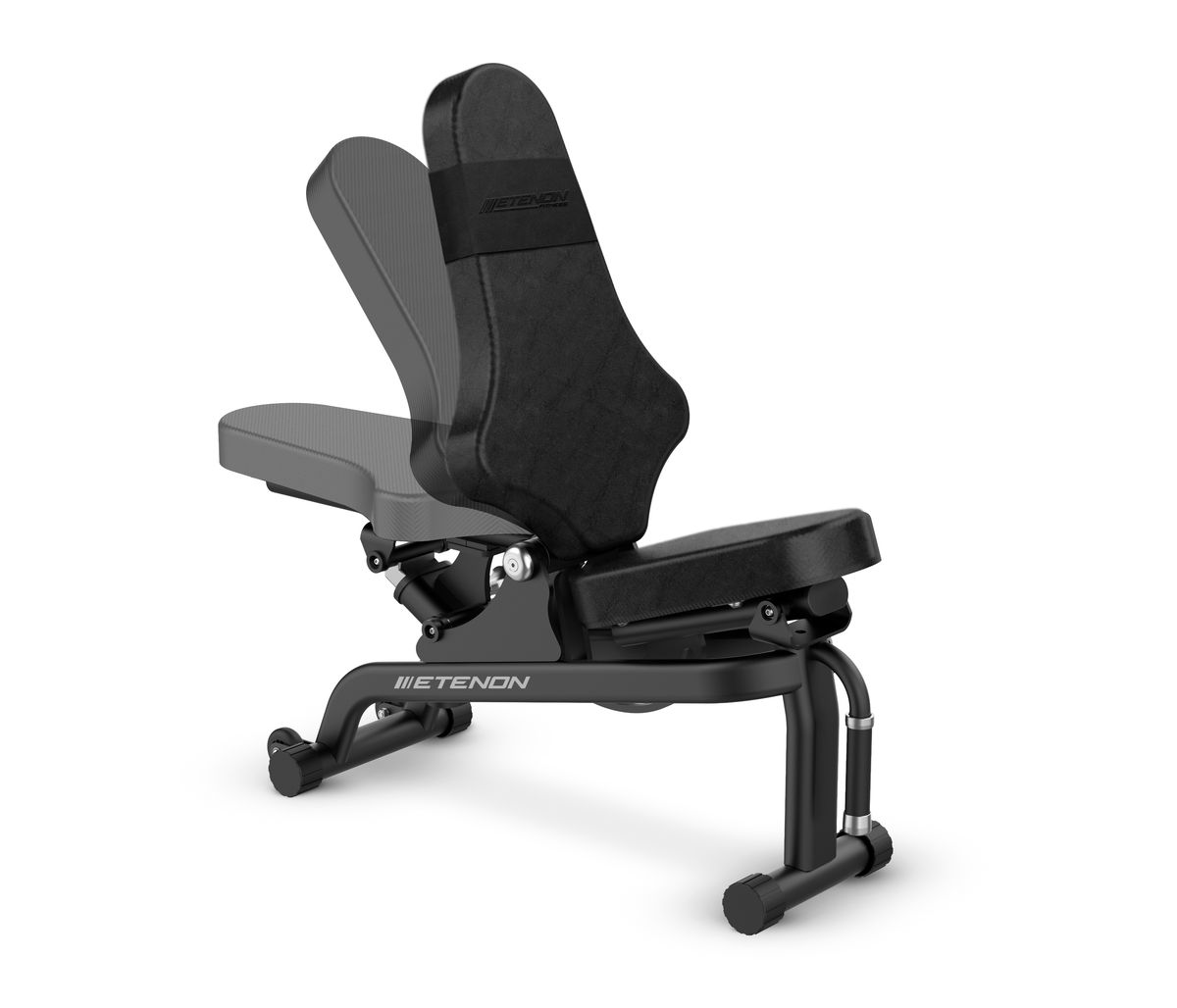
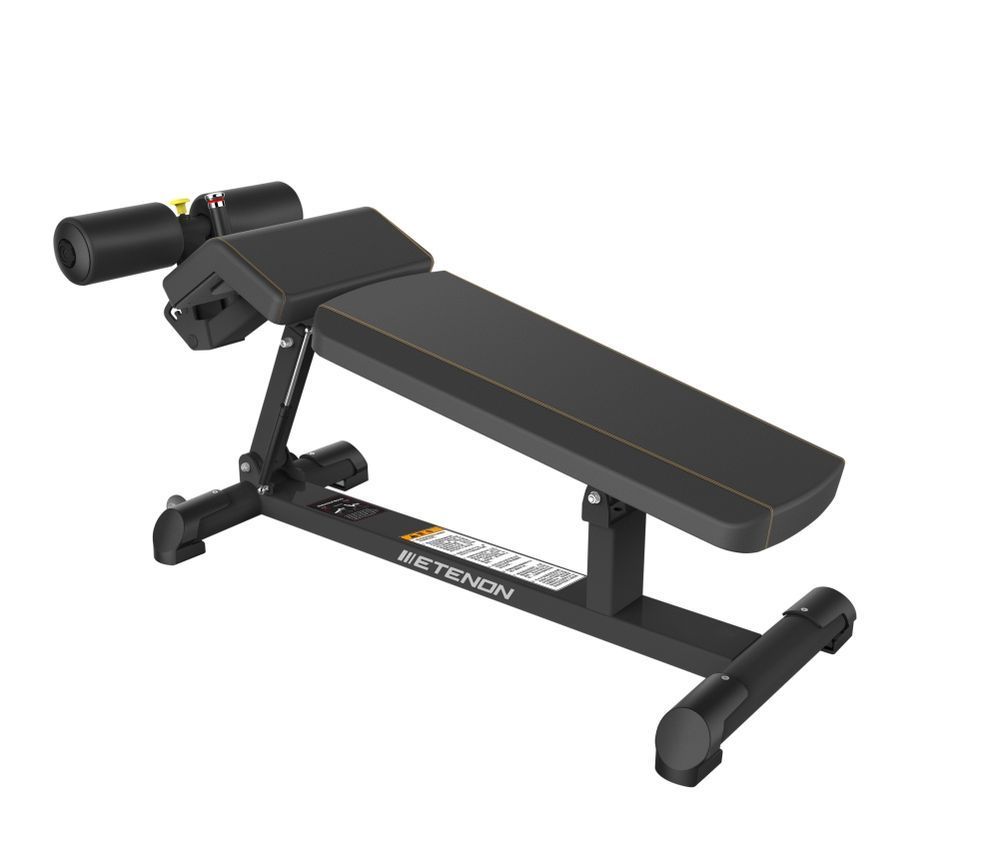
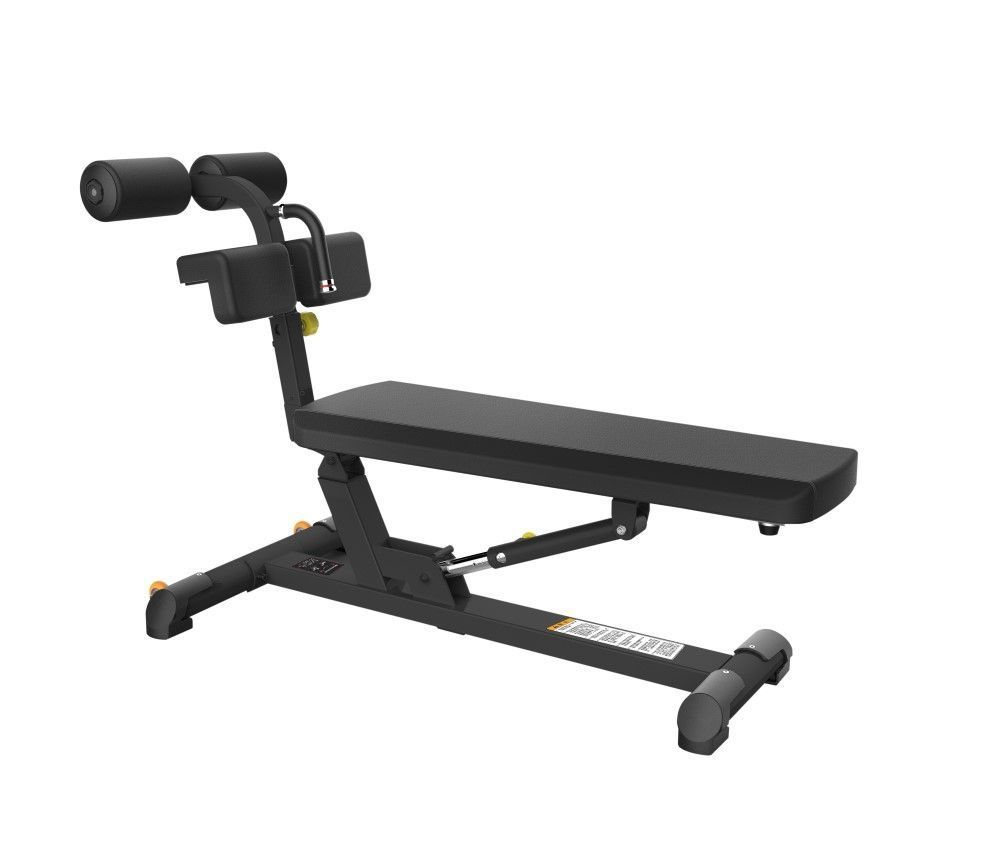
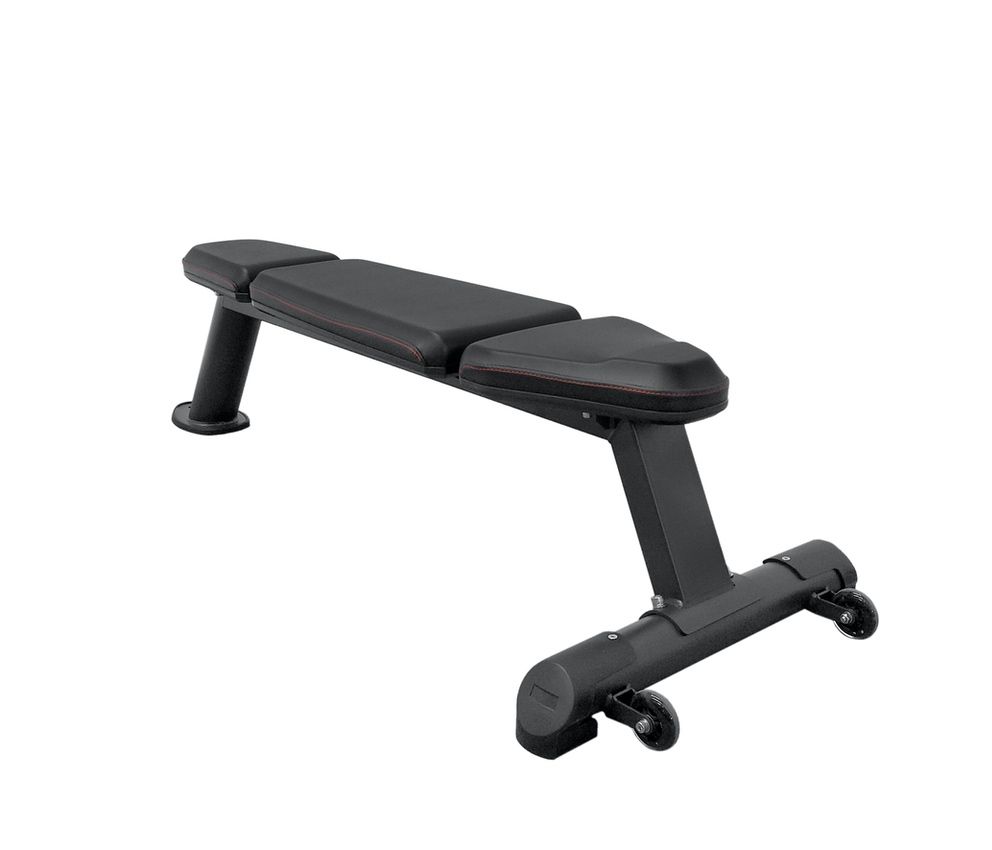
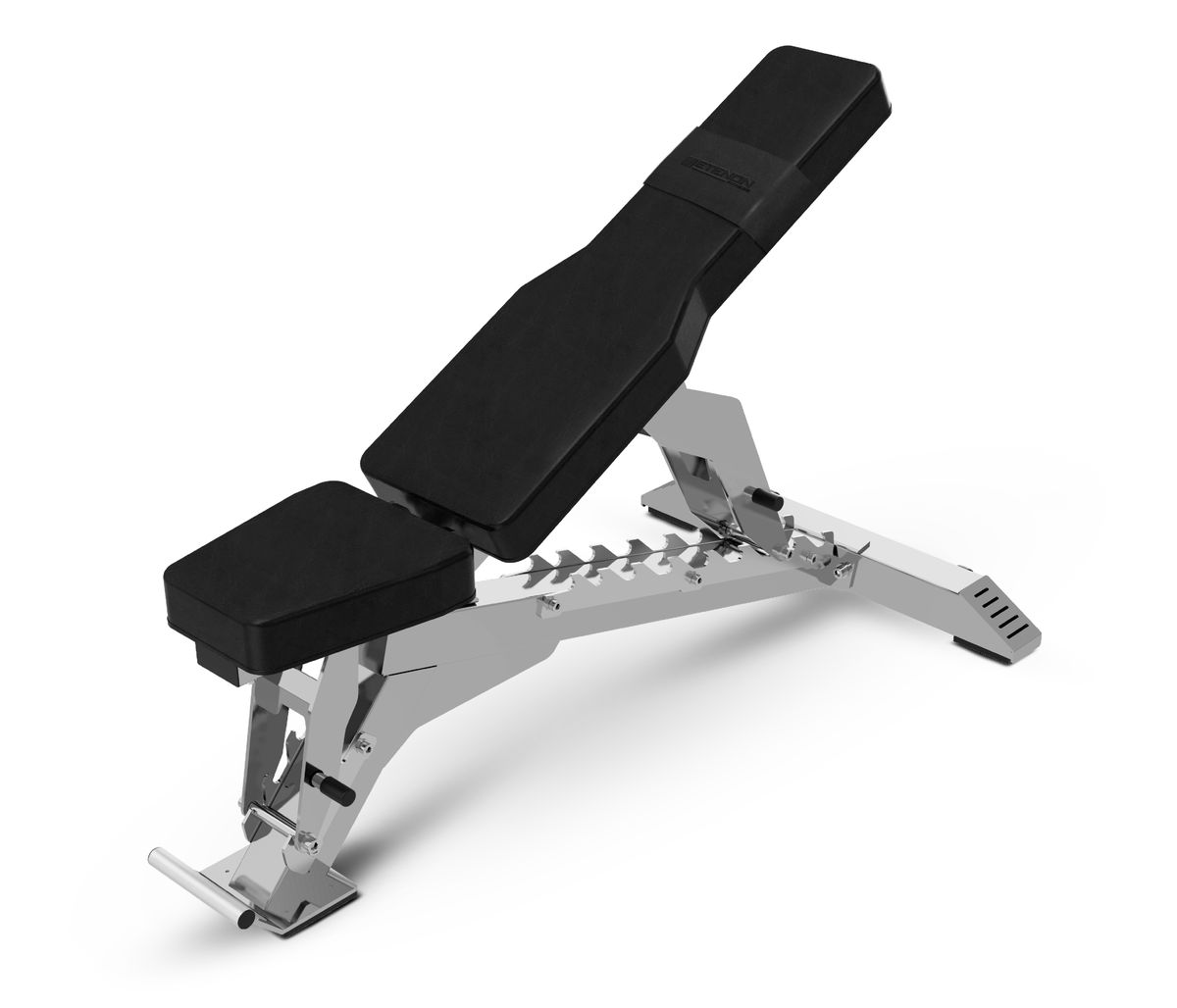
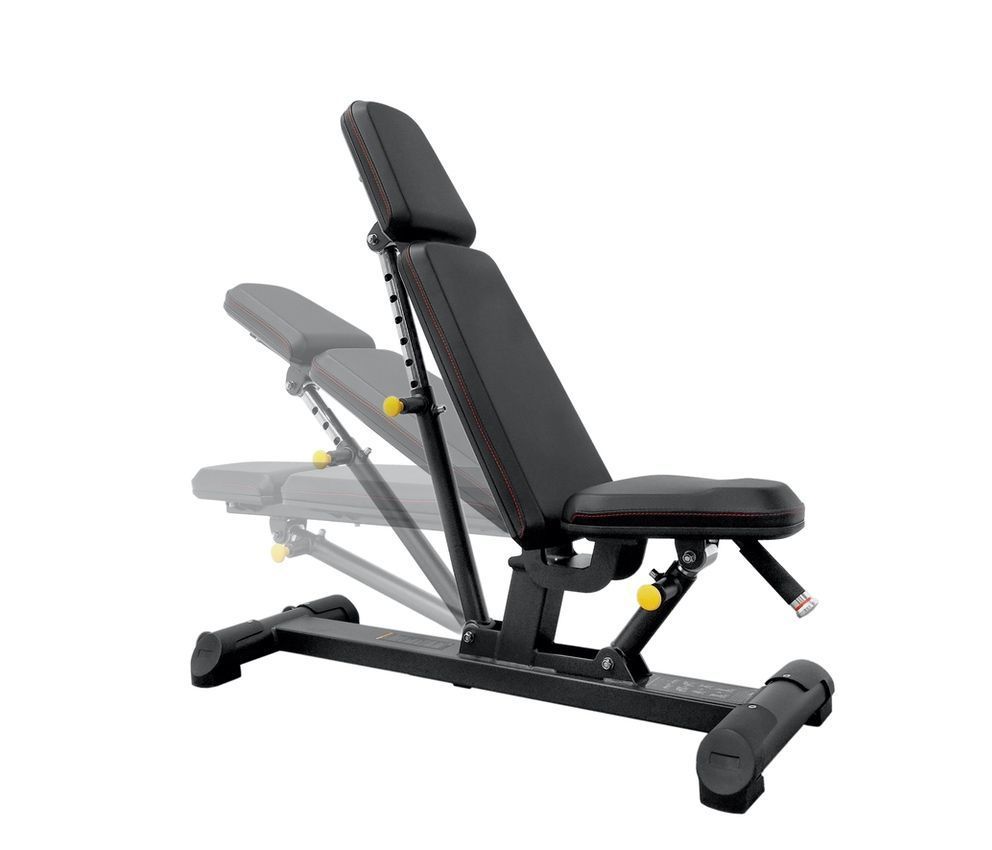
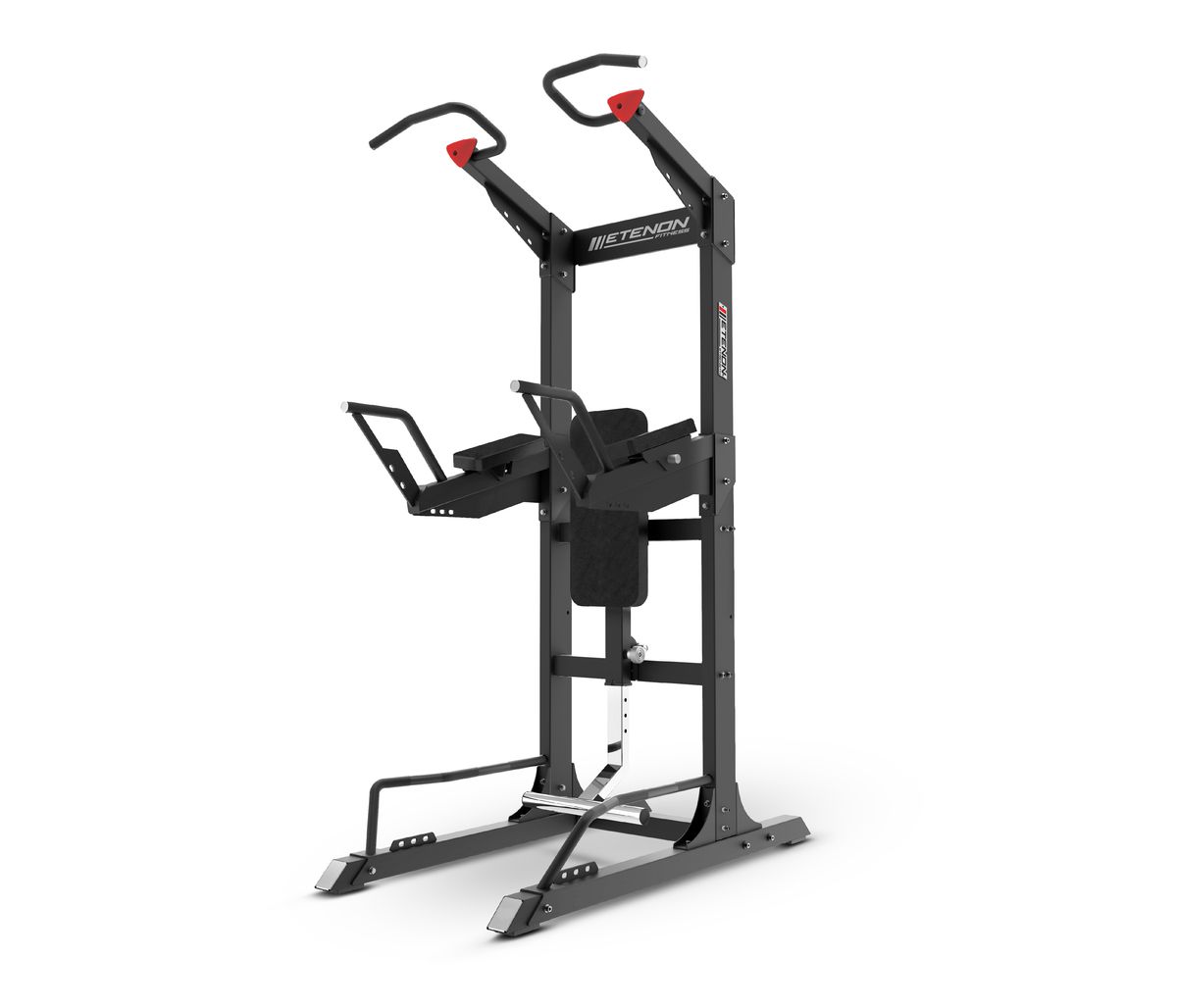
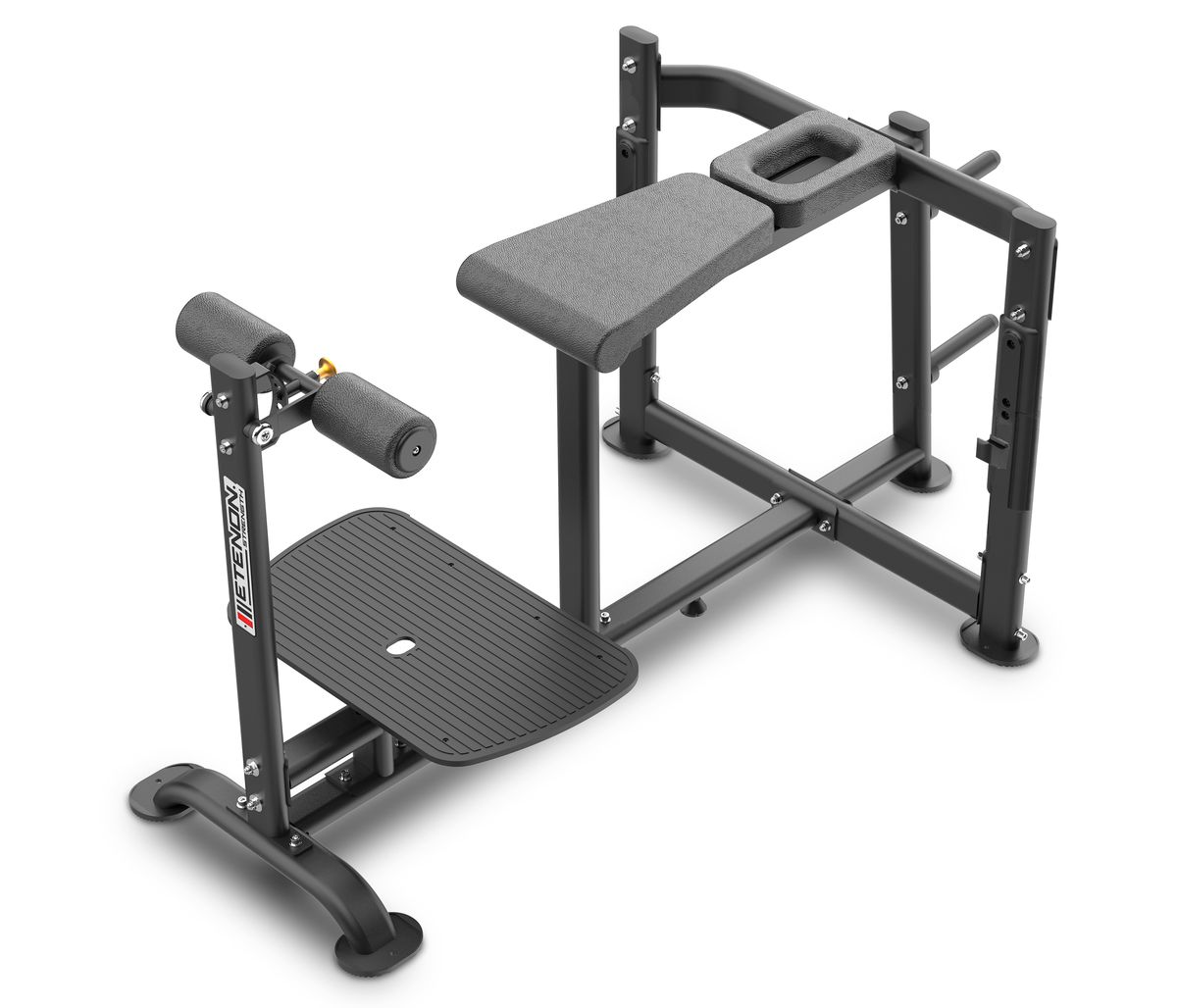
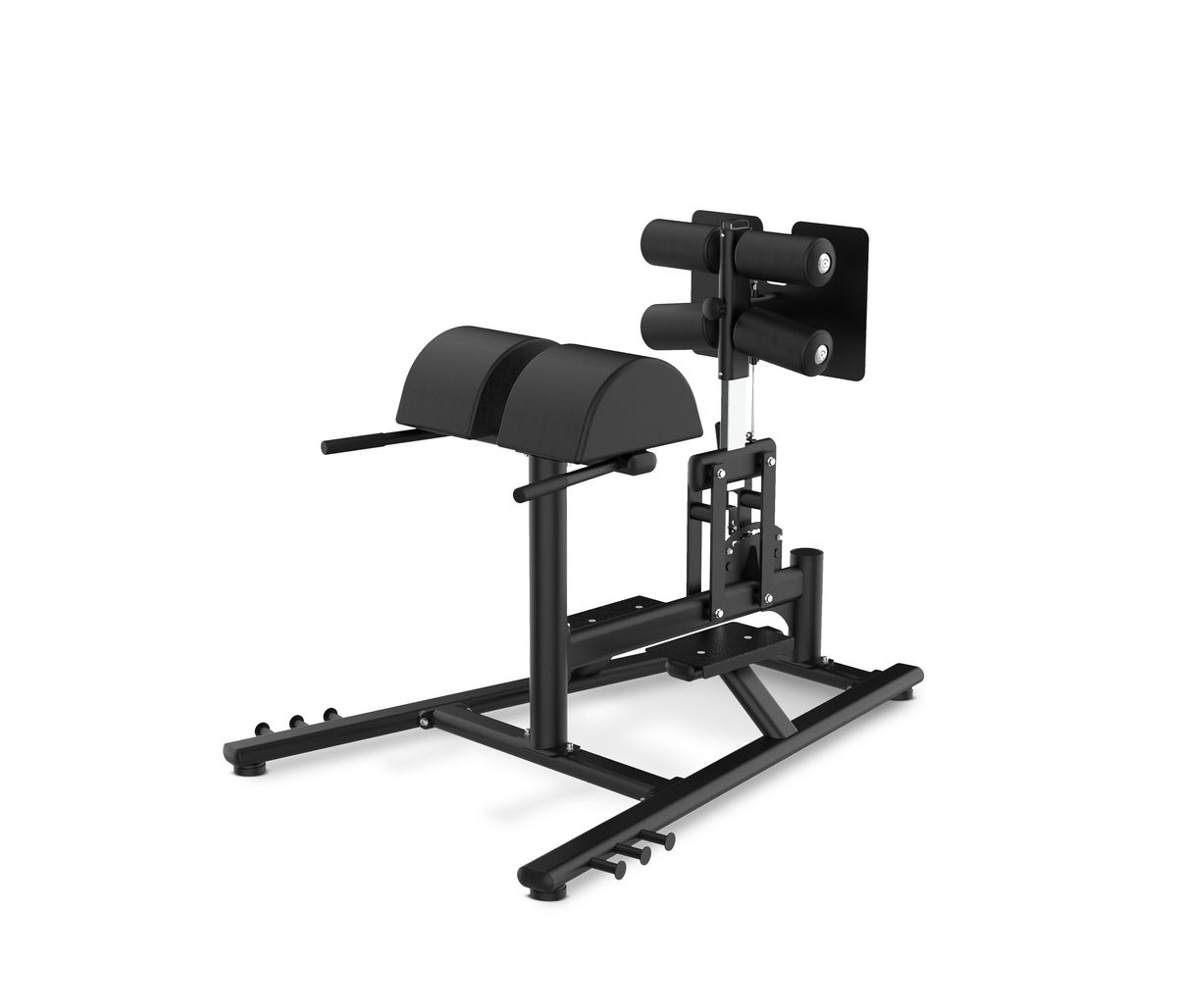
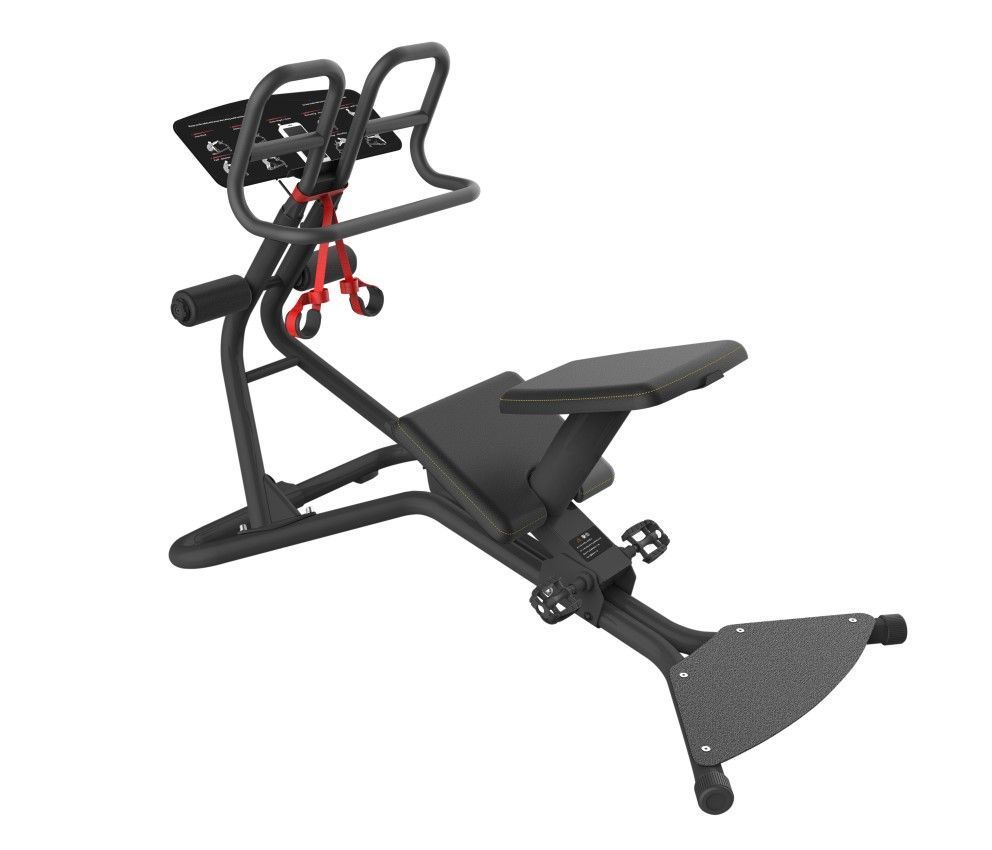


Light In Fitness, a B2B fitness equipment distributor and manufacturer based in Tours, France, since 2013, has equipped more than 2,500 clients: gyms, local authorities, hotels, care homes and military bases. This range includes 52 products from the Bodytone and Etenon brands, priced from €469 to €3,975 excl. VAT and delivery (26 on quotation). Selections are made by Michaël Galy, founder of Light In Fitness, according to the site, its users and the project budget.
The bench types and what they are for
Flat benches are used for bench press and dumbbell work at a fixed angle. Incline and decline benches change the emphasis within a pressing movement. Adjustable multi position benches cover flat, incline and upright work on one frame, which saves floor area at the cost of a few seconds of adjustment between sets. Specific benches cover defined movements: preacher curl benches for biceps, abdominal benches for trunk work, and back extension frames. Accessories such as leg holders and dumbbell rests extend a single bench’s use.
| Bench type | Main use | Best fit |
|---|---|---|
| Flat bench | Bench press, dumbbell pressing | Racks, platforms, free weight areas |
| Incline and decline bench | Angle specific pressing | Dedicated strength floors |
| Adjustable multi position | Flat, incline and seated work | Compact rooms, hotels, home gyms |
| Preacher curl bench | Isolated biceps work | Bodybuilding oriented floors |
| Abdominal and back bench | Trunk and lower back | Circuits, rehabilitation, general clubs |
Specification and installation
Check the pad width and length against the users, the frame rating, and the stability of the adjustment mechanism, since that is where a bench in daily use fails first. Allow clearance at both ends for a lifter and a spotter, and keep benches out of circulation routes. Indoor equipment falls under EN ISO 20957-1 class S (successor to the former EN 957). Warranty runs from 2 to 5 years depending on the range, and stocked references ship in 5 to 10 working days.
Frequently asked questions
How many benches does a club need?
Count one bench per rack or press station, then add benches for the dumbbell area sized from peak attendance, since that is where queuing appears. Adjustable benches reduce the total count but slow down turnaround slightly. The final figure comes from your layout and attendance.
Flat or adjustable?
Flat benches are more rigid and are preferred under a rack for heavy pressing. Adjustable benches cover more movements on one footprint, which suits compact rooms and hotels. Most commercial floors use flat benches in the racks and adjustable benches in the dumbbell area.
Send us your room area and the movements you programme, and we will return a bench specification with prices. Request a quotation for a reply within 24 working hours.