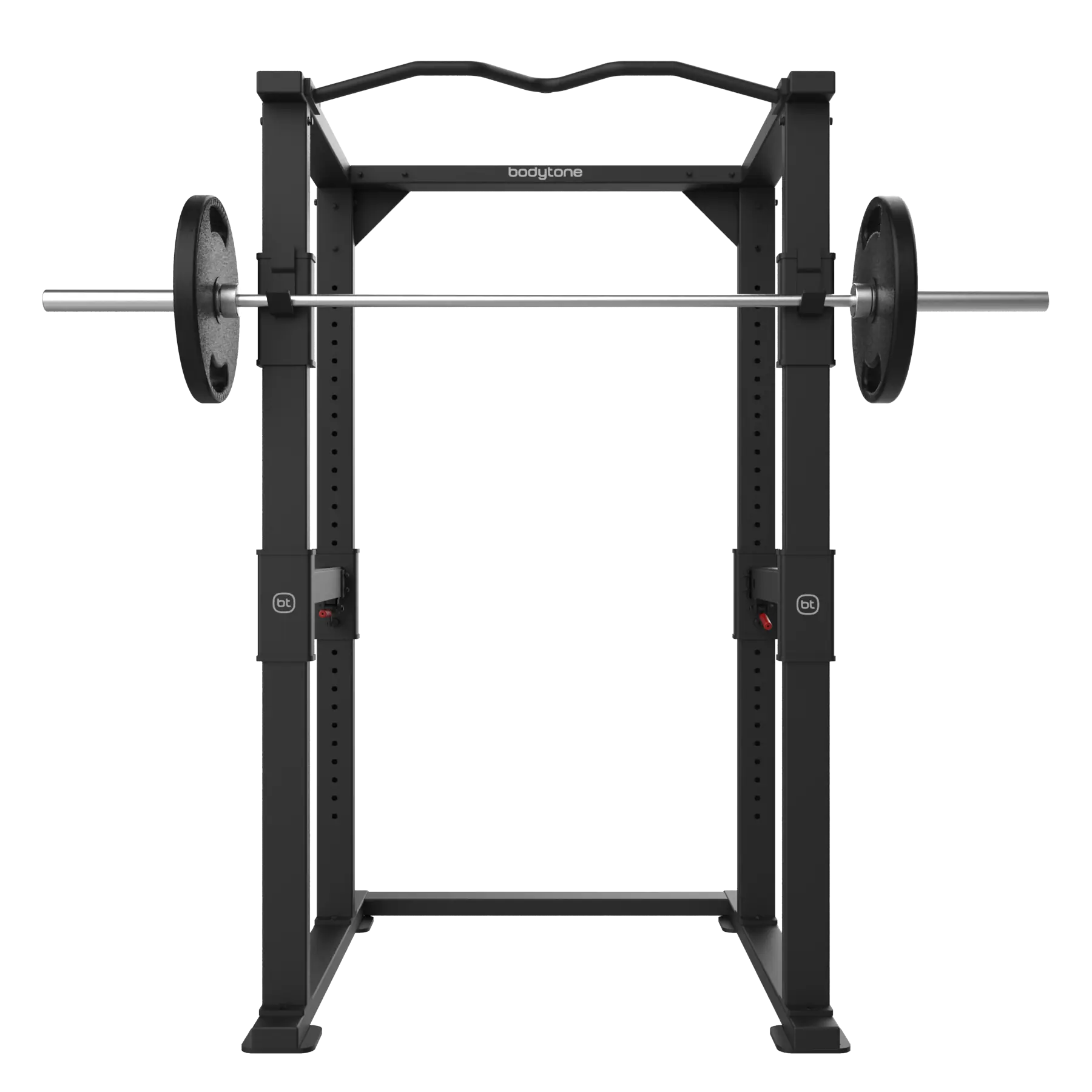
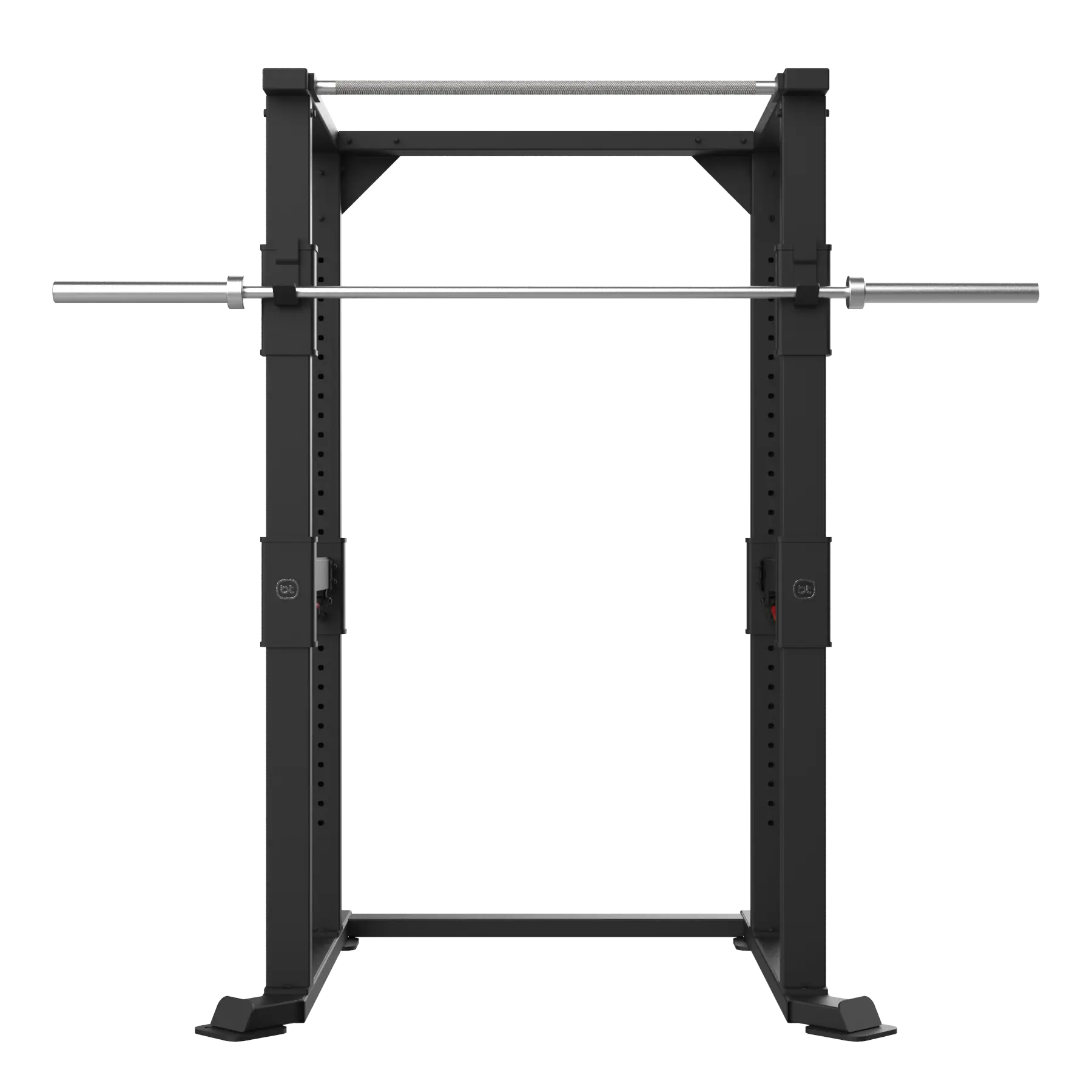
Bodytone FBC10 power rack, inner and outer bar supports
Bodytone FBC10 power rack, inner and outer bar supports : professional weight benches, 1 913,90 EUR excl. VAT. Encombrement 157 × 153 × 212 cm, masse 133 kg. Brand : Bodytone. Delivery and installation priced on quotation across Europe.
1,913.90 € excl. VAT
i.e. 2,296.68 € TTC selon la destination de livraison
Shipping quoted separately The shipping cost is confirmed before you approve the order.
Bodytone FBC10 commercial power rack, 157 x 153 x 212 cm, 133 kg, 200 kg maximum load. Inner and outer bar supports for squat, overhead press and bench press in one station.
Quotation = itemised pricing with delivery, installation and trade discounts, within 24 business hours. No commitment. Our commitments
Conformity: manufacturer’s declaration of conformity issued by Bodytone (document BT-DOC-FBC-001 Rev.00) to standards EN ISO 20957-1:2024 and EN ISO 20957-2:2024 (benches and racks); the document is supplied on request with the quotation.
Bodytone France warranty: 5 years on the frame, 2 years on electronics and mechanical parts (bearings, pulleys, moving parts), 6 months on wear parts — parts, labour and travel included, subject to regular maintenance — detailed conditions.
Description
The Bodytone FBC10 is a commercial power rack measuring 157 x 153 x 212 cm, weighing 133 kg and rated for a 200 kg barbell load including plates. It carries inner and outer bar supports, so the same frame handles squats and shoulder press inside the uprights and bench press from the outer hooks without moving the bench in and out of the structure. For a mid sized gym, a personal training studio or a corporate fitness room, it is the single station that covers the largest share of a free weight programme.
Technical specification
| Brand | Bodytone |
|---|---|
| Manufacturer reference | FBC10 |
| Internal reference / SKU | LIF-BT-FBC10 |
| Type | Free weight power rack, inner and outer bar supports |
| Dimensions (L x W x H) | 157 x 153 x 212 cm |
| Floor area | 2.40 m2 |
| Net weight | 133 kg |
| Maximum load | 200 kg, plates included |
| Frame | Welded steel uprights with adjustable J hooks and safety supports |
| Finish | Powder coated steel |
| Supplied with | Rack only; barbell, plates and bench quoted separately |
| Standard | Confirmed at quotation |
| Price | 1,913.90 EUR excluding VAT |
Movements covered and how to programme the station
Inside the uprights the FBC10 handles back squat, front squat, overhead press and rack pulls from the safety supports. Moving the bar to the outer hooks converts it into a bench press station with a bench positioned outside the frame, which keeps loading and unloading clear of the squat area. That dual position layout is what distinguishes a power rack from a simple squat stand and is the reason a single FBC10 can serve a small facility that cannot justify separate squat and bench stations.
- Inner supports for squats, front squats and overhead press
- Outer supports for flat and incline bench press
- Adjustable safety catches for solo training without a spotter
- 200 kg maximum load including plates, adequate for general member use
- Free standing 133 kg structure on a 2.40 m2 footprint
Floor planning and safety
Reserve at least 3 x 3 m of usable area around the rack. The frame itself takes 157 x 153 cm, but a 220 cm Olympic bar overhangs both sides, and users need room to walk the bar out and to rack plates. Overall height is 212 cm, so a clear ceiling of 250 cm or more is advisable if members will press overhead inside the uprights.
Loaded to 200 kg the assembly approaches 340 kg, which on a suspended floor or an upper storey should be checked against the permissible load. Fit heavy duty rubber tiles, ideally 30 mm or more, under the rack and the lifting platform area to absorb dropped bars and to protect the screed. Weekly checks should cover the J hook liners, the safety support pins and the tightness of the frame bolts, all of which loosen under repeated impact.
Frequently asked questions
Are plates and a barbell included?
No. The FBC10 is a free weight station supplied as a frame. Olympic bars, plates and benches are quoted separately, so check that they appear on your quotation if you are equipping a room from scratch.
Does the rack have to be bolted to the floor?
It is designed to stand free on its own base at 133 kg. Anchoring is generally optional and is decided on site according to the flooring, the training intensity and whether the facility is supervised.
What is the maximum load, exactly?
200 kg on the bar supports, plates included. That figure covers the working range of the vast majority of gym members; a strength specific facility with heavier lifting should be quoted on a rack rated above that.
Request a quotation for the FBC10 with delivery and assembly, or compare it with our other squat racks and power racks before finalising the free weight area.
Additional information
| Weight | 133 kg |
|---|---|
| Dimensions | 157 × 153 × 212 cm |
| Brand | Bodytone |
| Brand | Bodytone |
| Référence constructeur | FBC10 |
| Dimensions (L x l x H) | 157 x 153 x 212 cm |
| Poids net | 133 kg |
| Charge maximale | 200 kg |
Delivery and installation
Lead times are confirmed in the quotation according to the product, available stock and destination.
Access requirements and delivery appointments for heavy equipment are agreed before dispatch.
Installation is included when stated for the product or in the quotation; otherwise it is quoted separately.
You may also like…
-
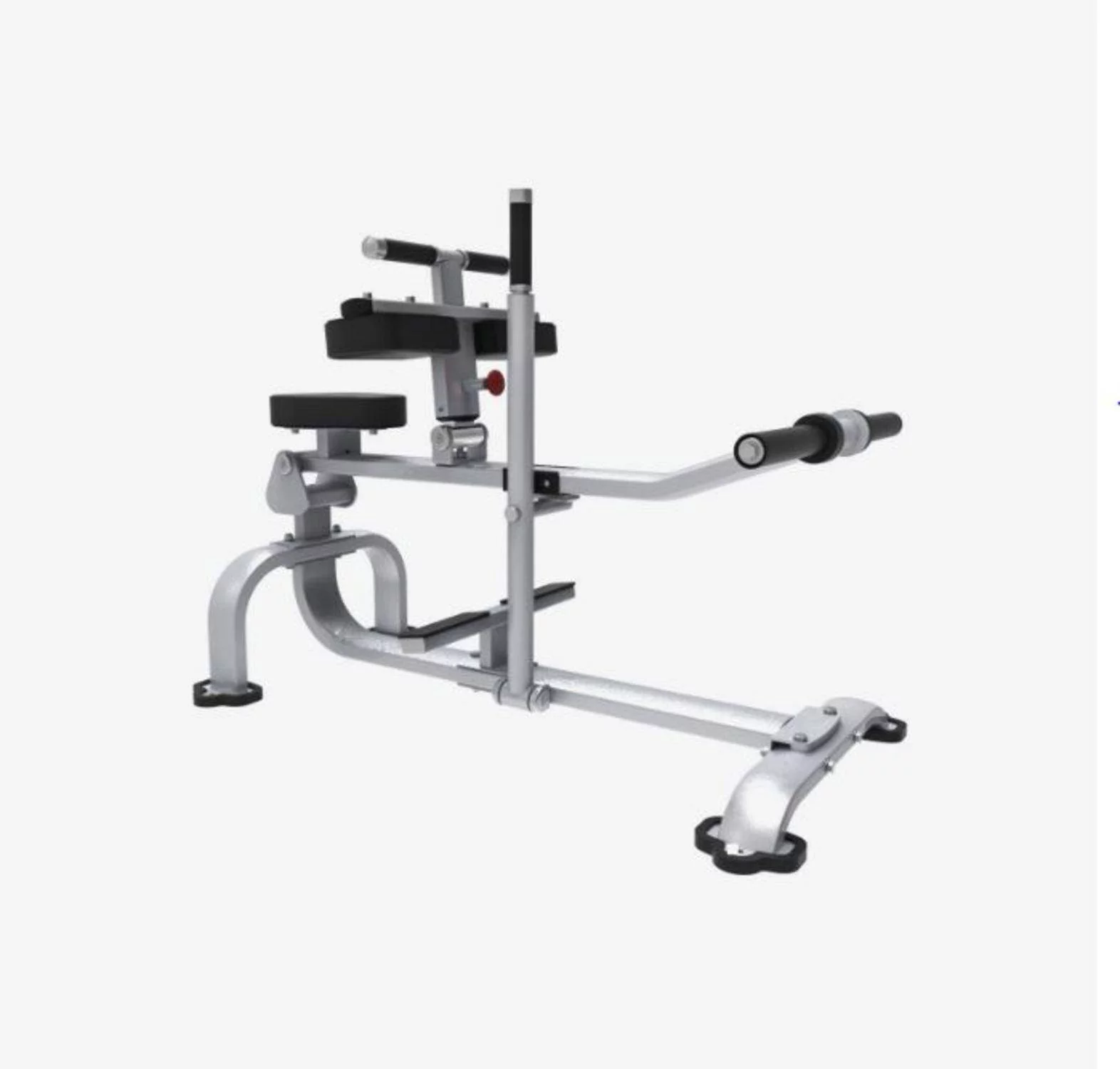
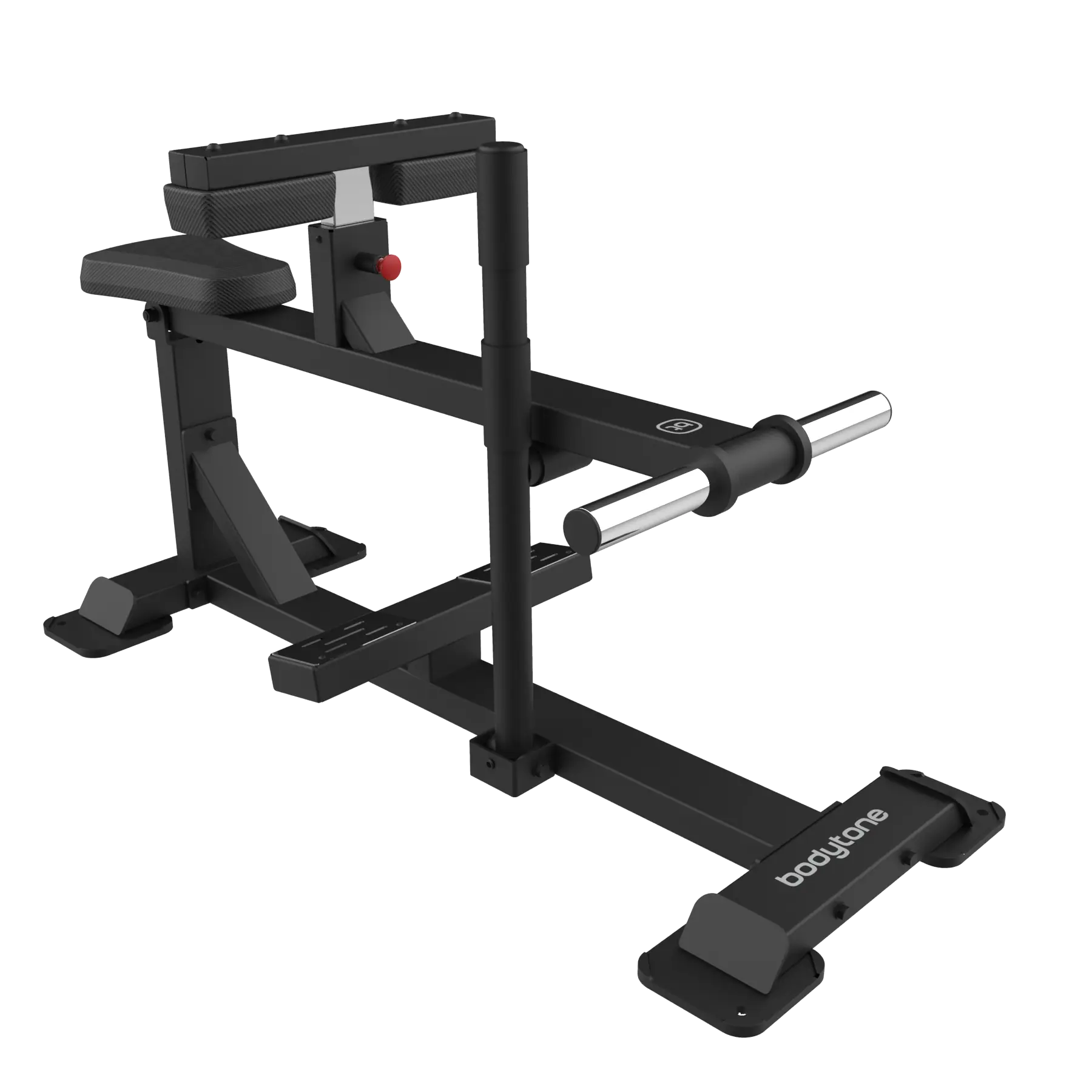
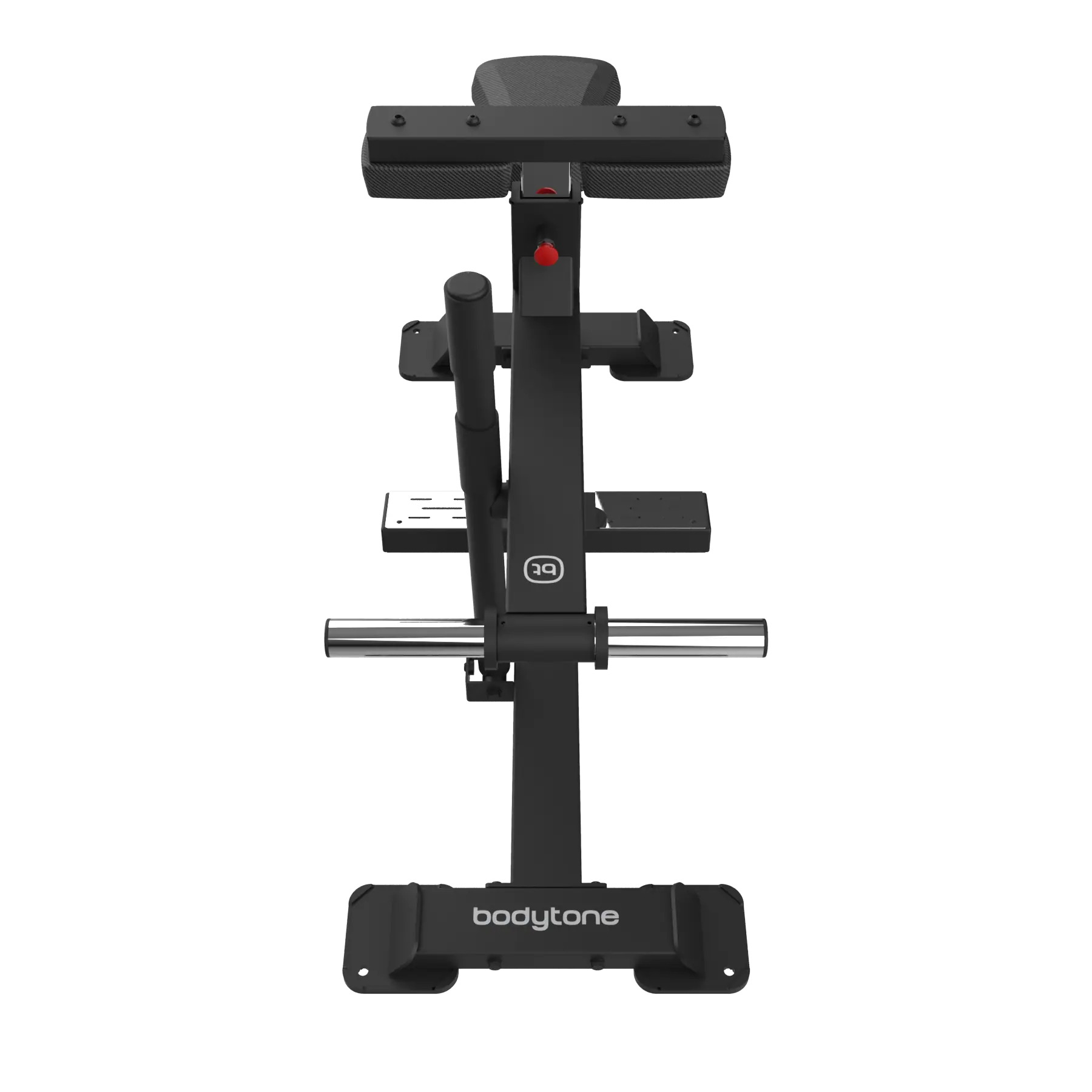
Bodytone FBC05 Seated Calf Bench to Pinterest (opens in a new window)Save on Pinterest : Bodytone FBC05 Seated Calf Bench
 View product
Bodytone FBC05 Seated Calf Bench
Price on request -
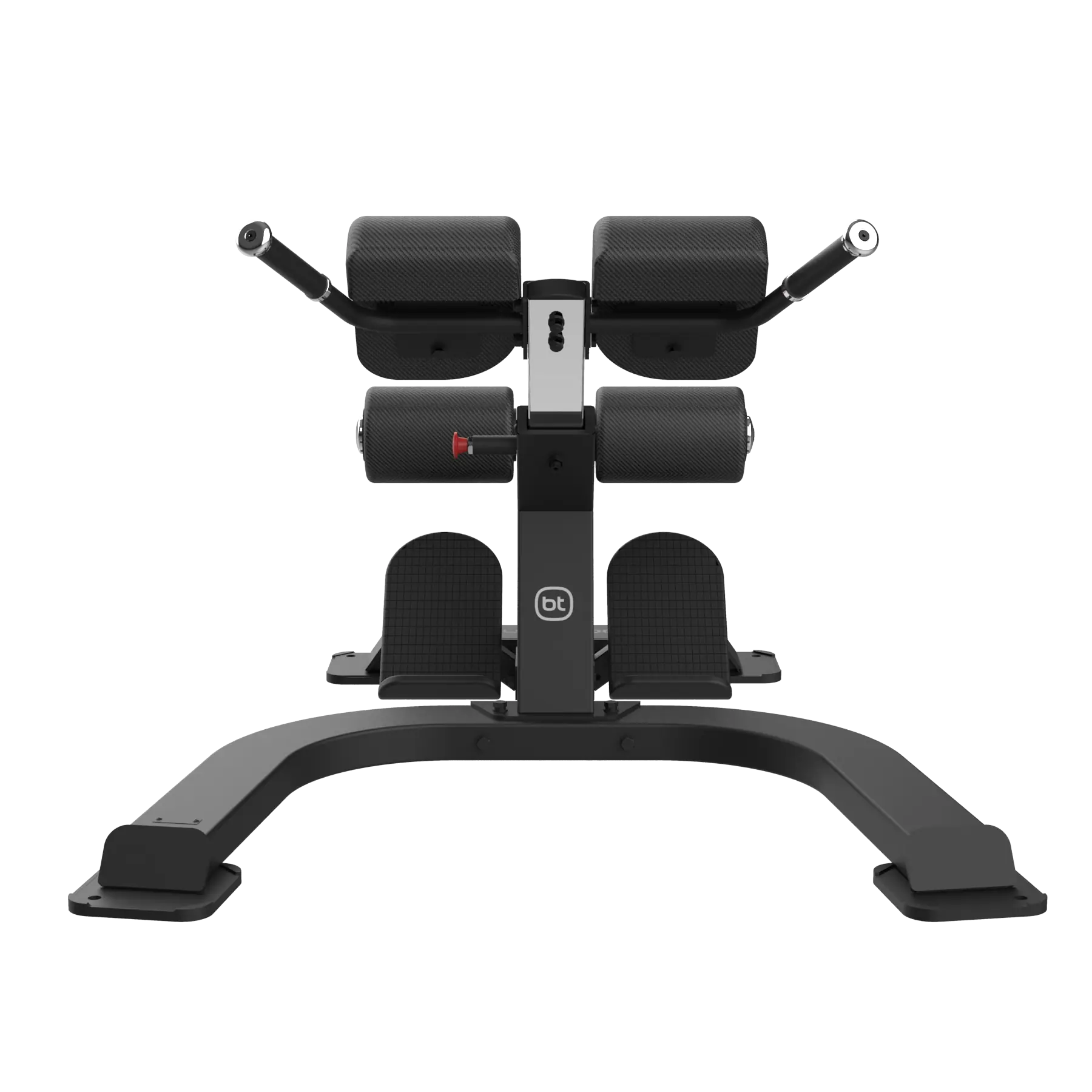
Bodytone FBC12 Back Extension Bench to Pinterest (opens in a new window)Save on Pinterest : Bodytone FBC12 Back Extension Bench
![Bodytone FBC12 Back Extension Bench]()
 View product
Bodytone FBC12 Back Extension Bench
Price on request -
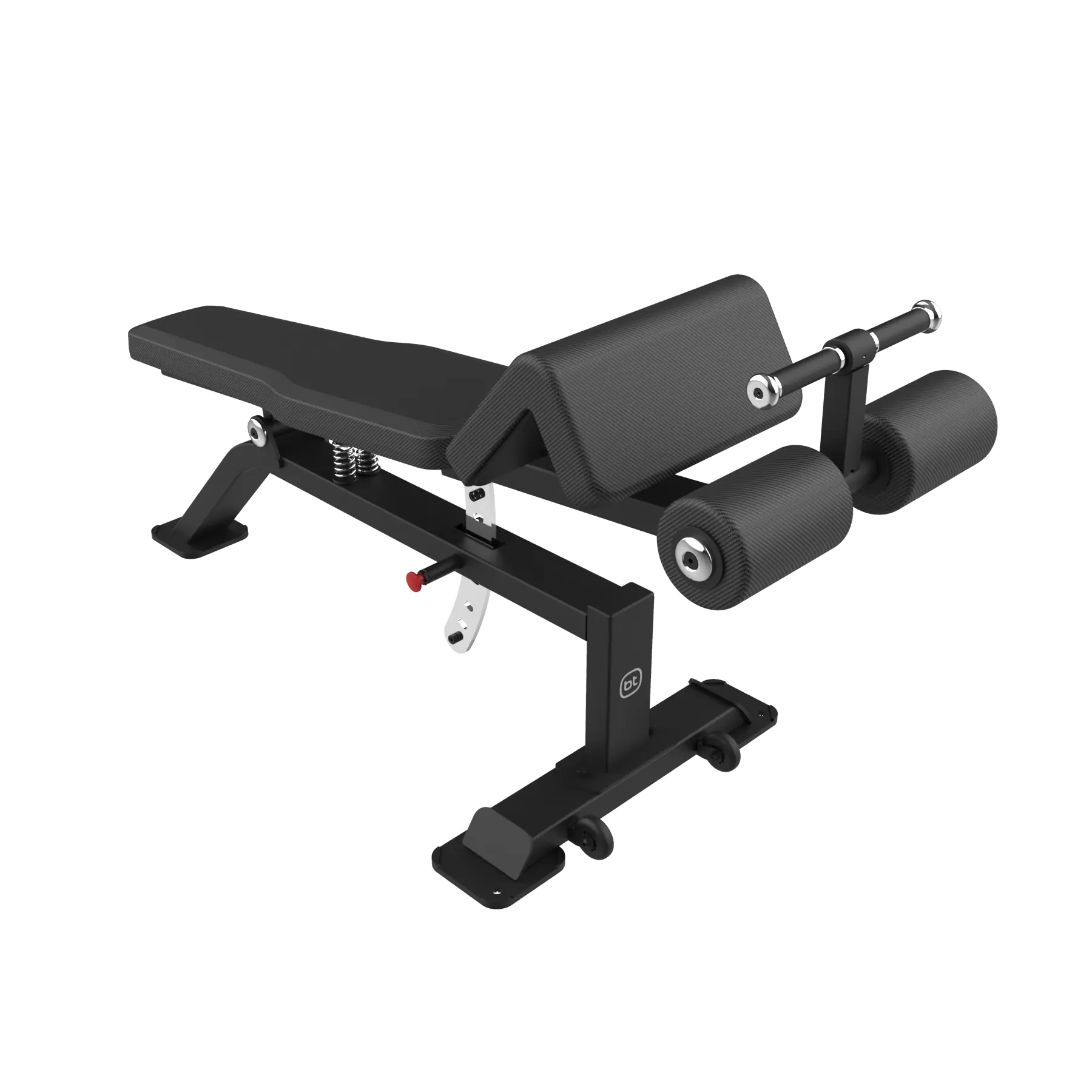
Bodytone FBC11 Adjustable Abdominal Bench to Pinterest (opens in a new window)Save on Pinterest : Bodytone FBC11 Adjustable Abdominal Bench
![Bodytone FBC11 Adjustable Abdominal Bench]()
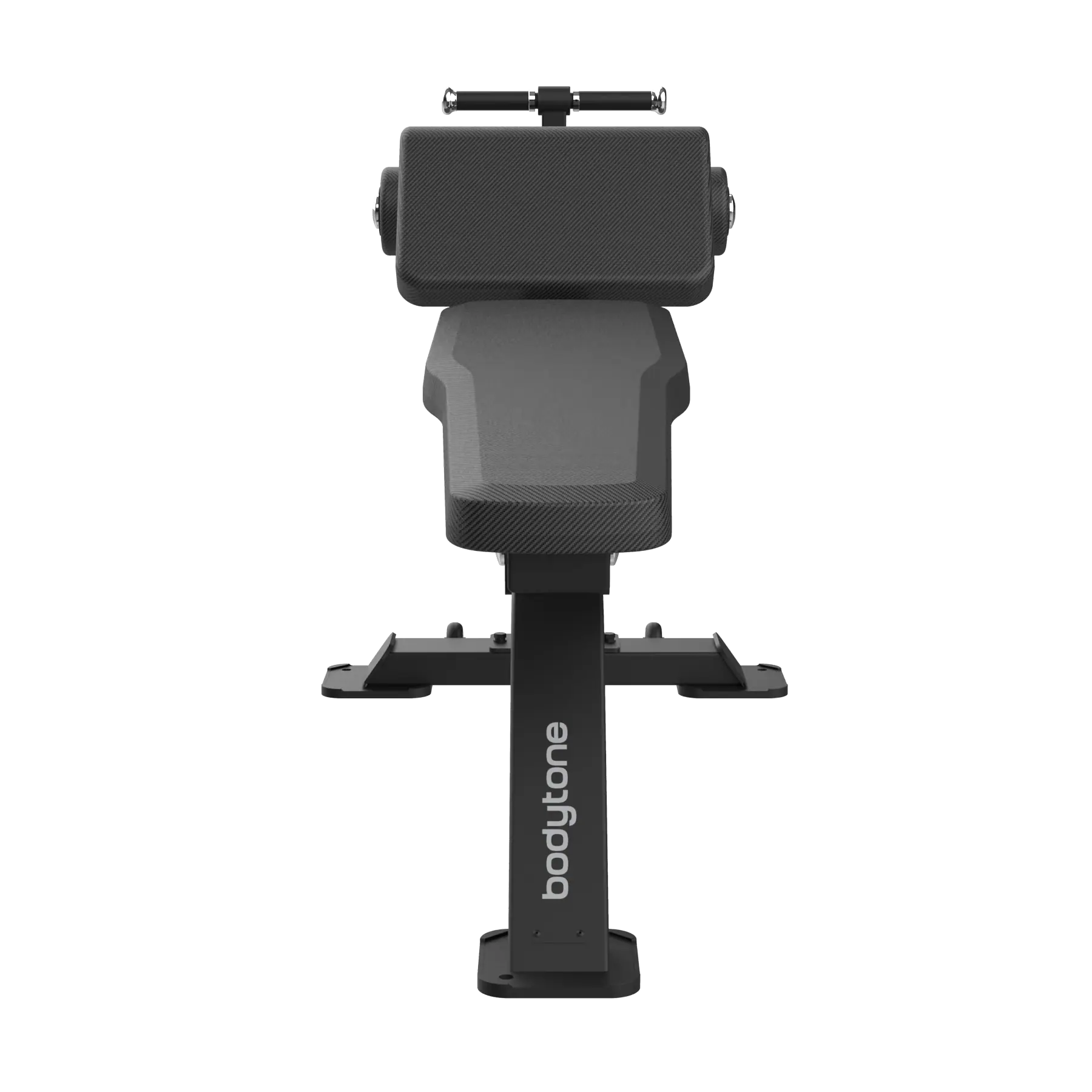 View product
Bodytone FBC11 Adjustable Abdominal Bench
Price on request -
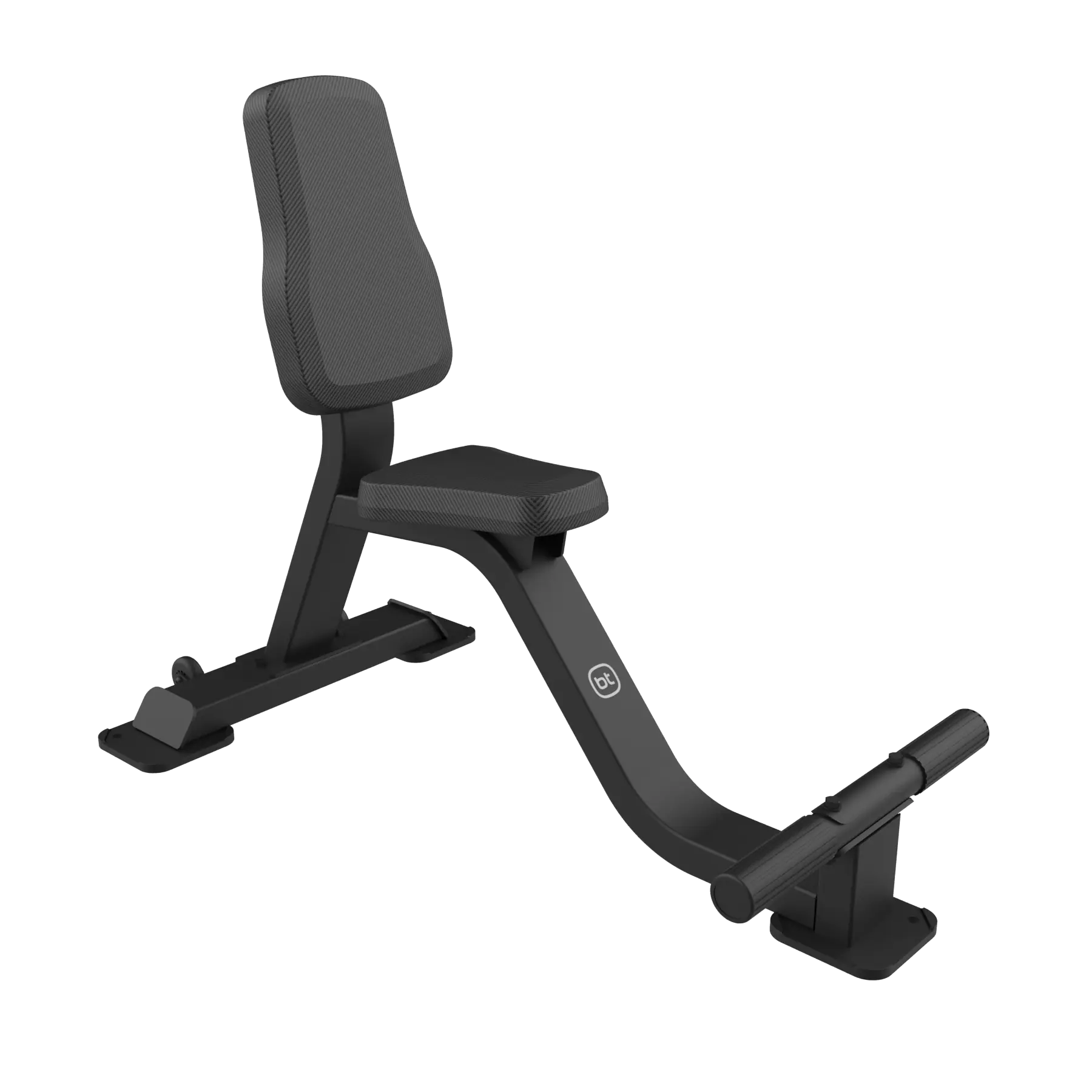
Bodytone FBC13 Utility Bench to Pinterest (opens in a new window)Save on Pinterest : Bodytone FBC13 Utility Bench
![Bodytone FBC13 Utility Bench]()
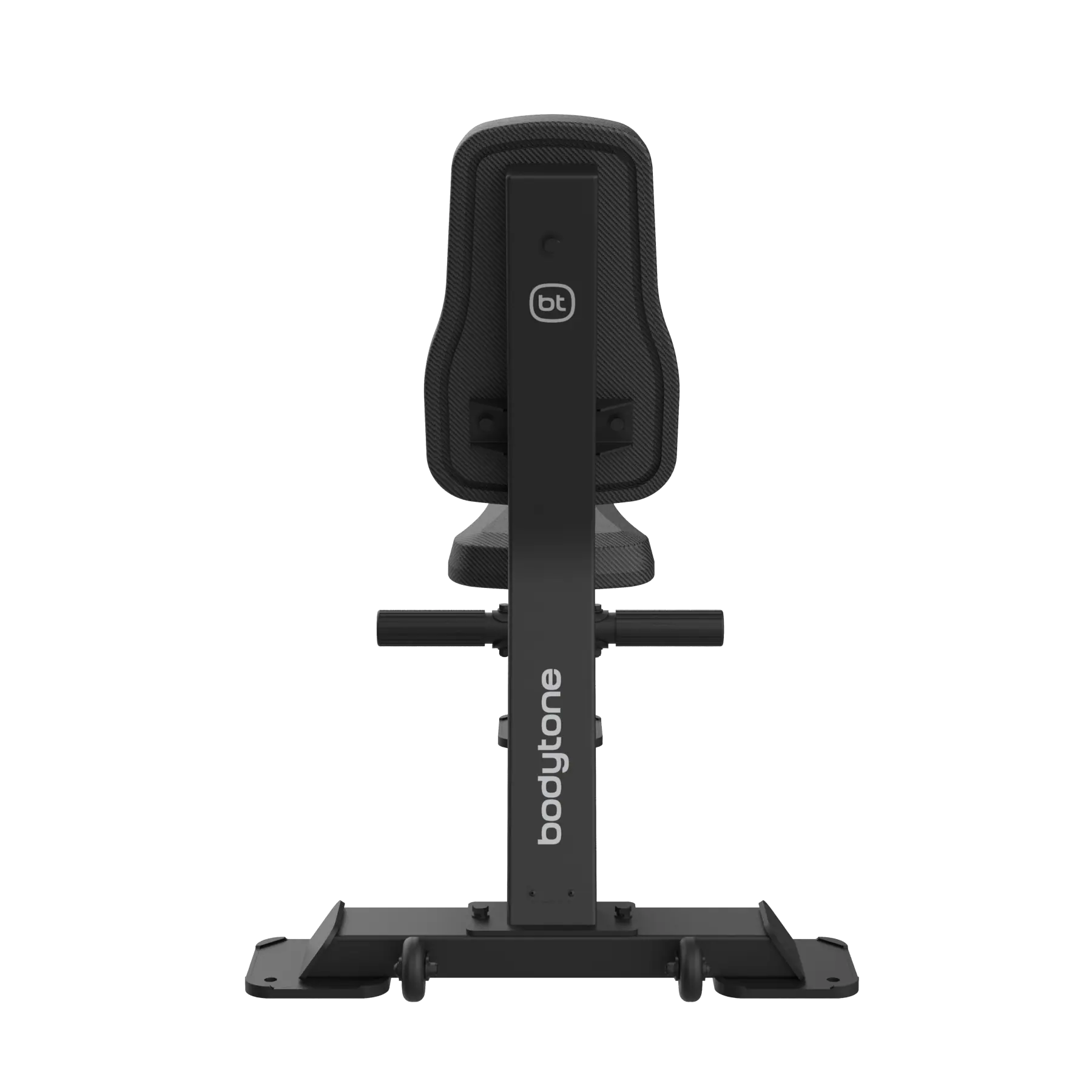 View product
Bodytone FBC13 Utility Bench
Price on request -
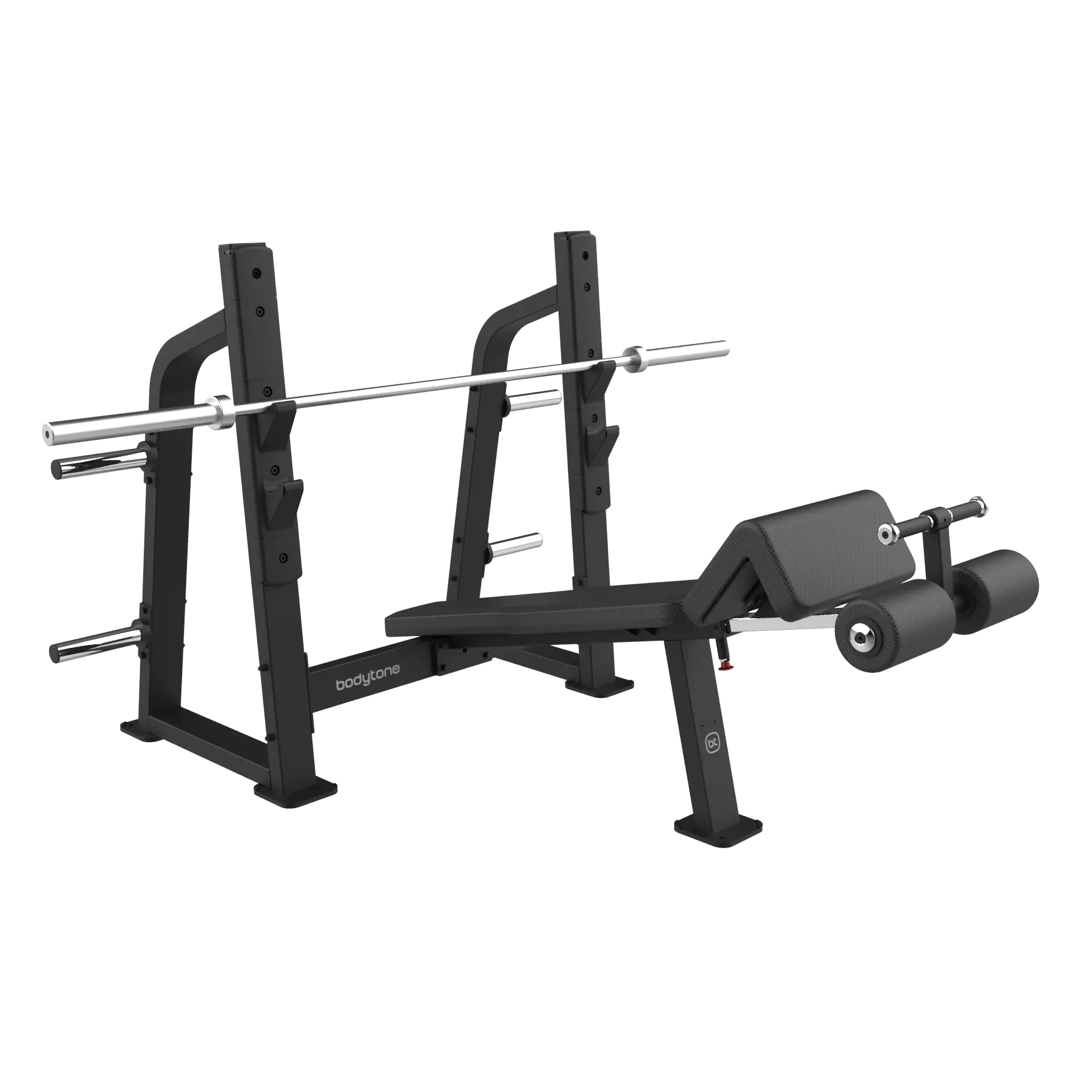
Bodytone FBC06 Olympic Decline Bench to Pinterest (opens in a new window)Save on Pinterest : Bodytone FBC06 Olympic Decline Bench
![Bodytone FBC06 Olympic Decline Bench]()
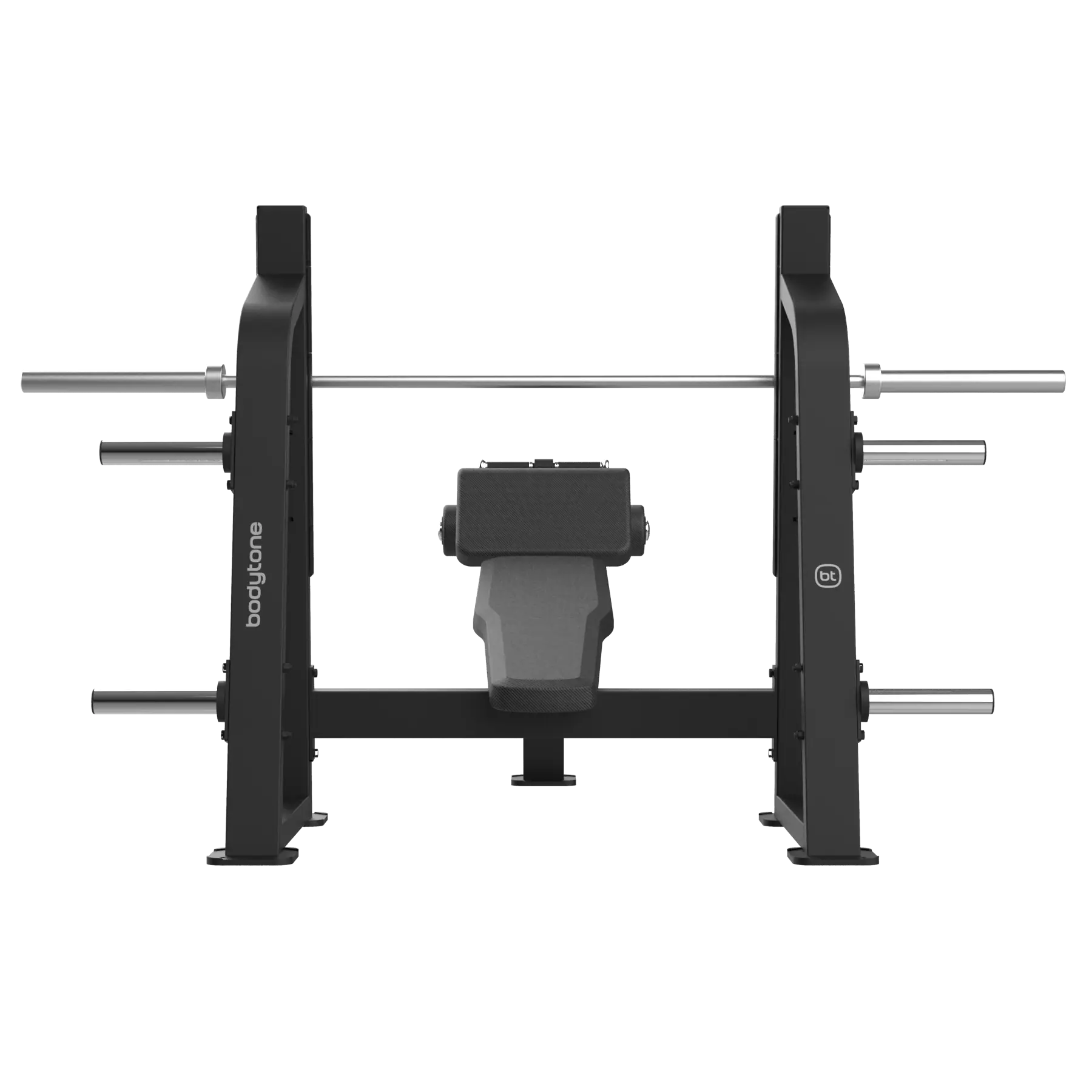 View product
Bodytone FBC06 Olympic Decline Bench
Price on request
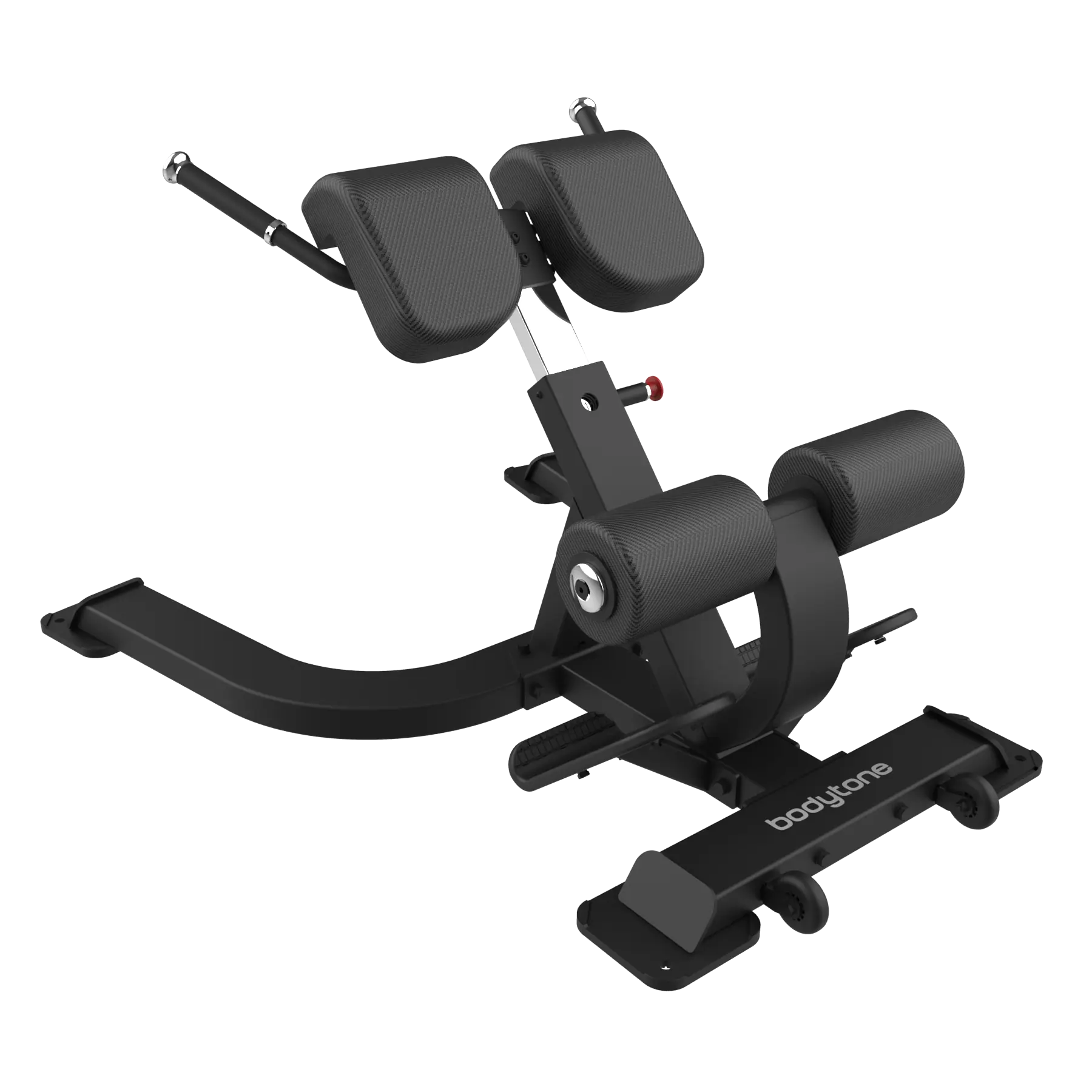
Related products
-
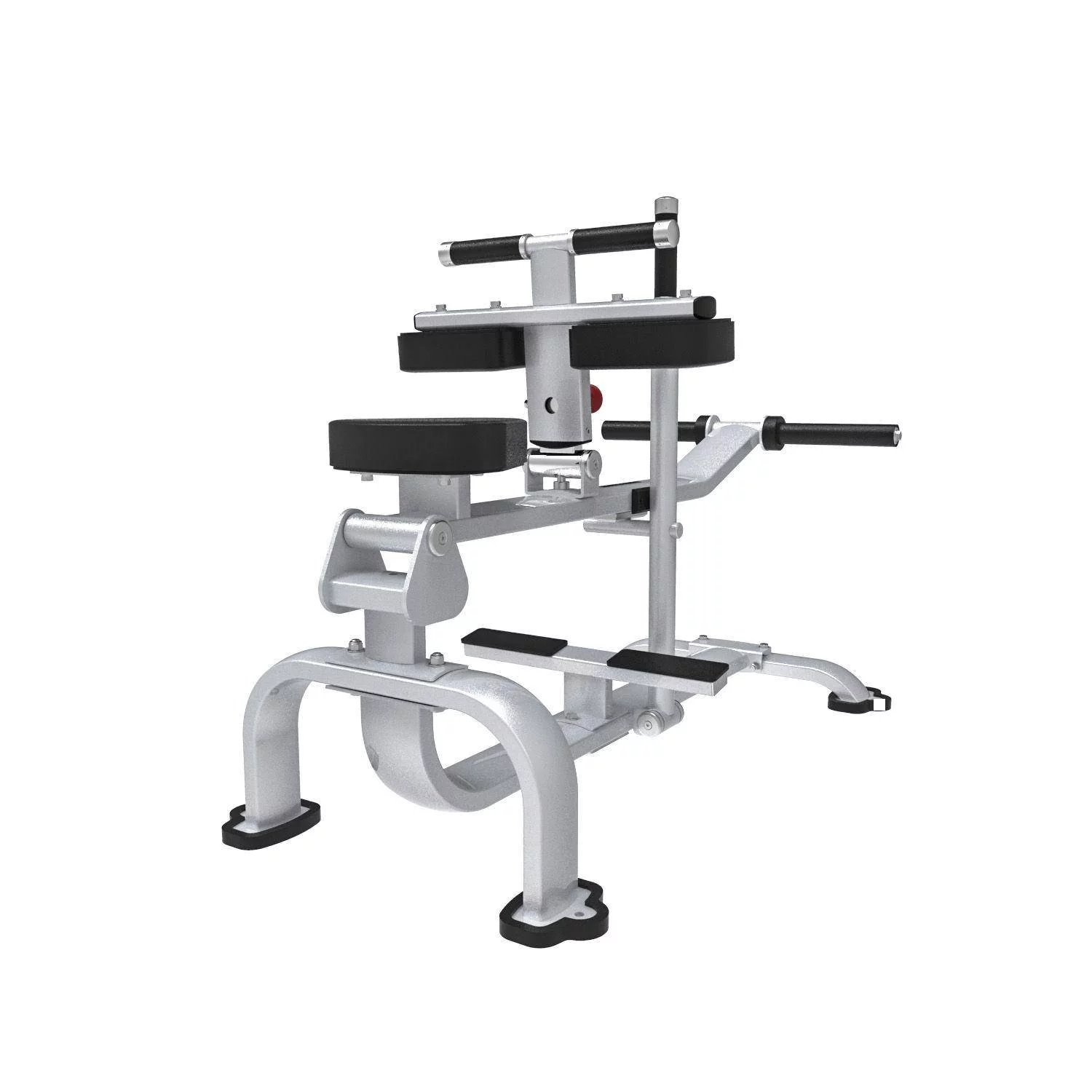
Bodytone EB05 Seated Calf Bench to Pinterest (opens in a new window)Save on Pinterest : Bodytone EB05 Seated Calf Bench
![Seated Calf Bench EB05 Bodytone]()
 View product
Bodytone EB05 Seated Calf Bench
Price on request -
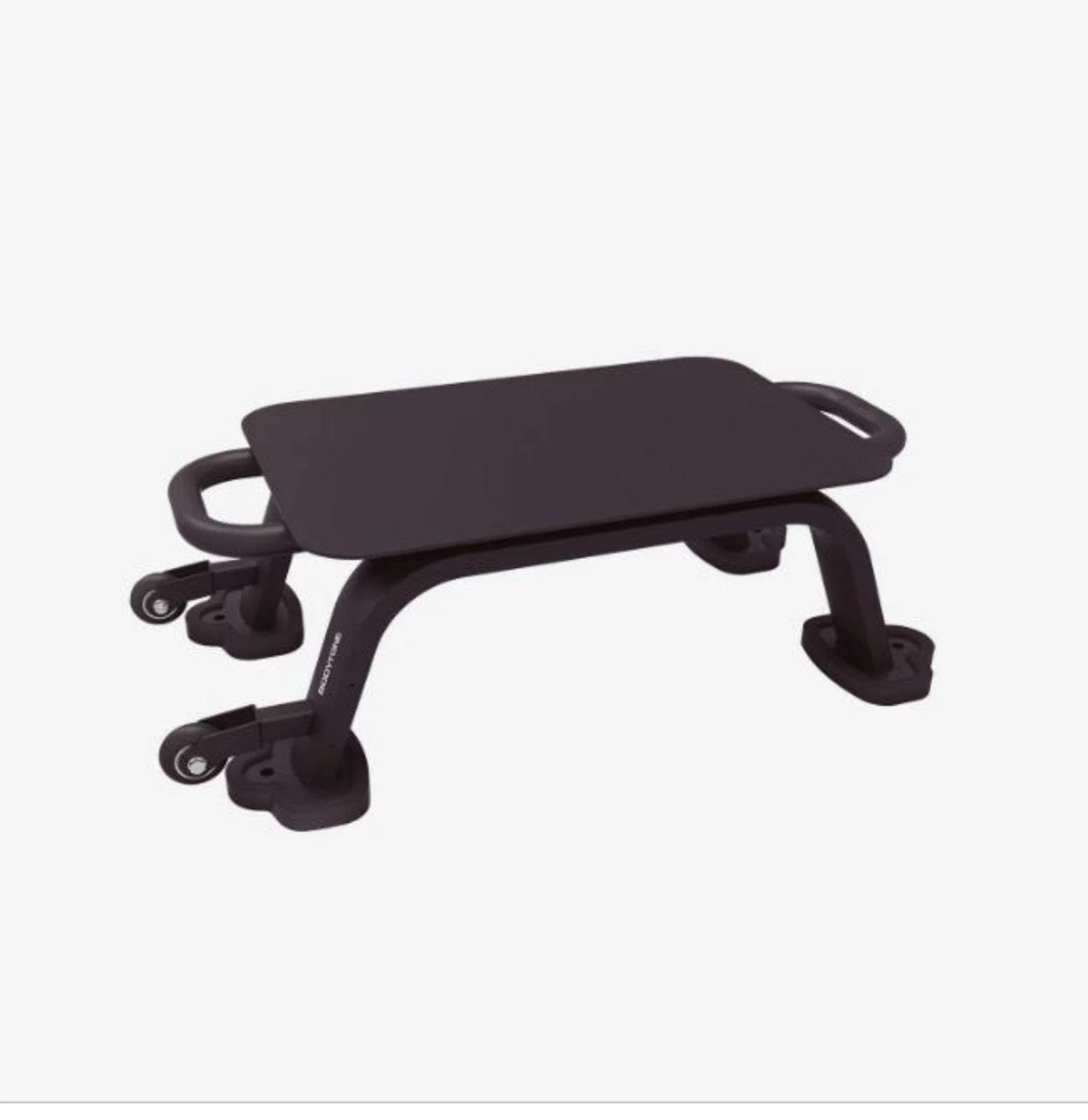
Bodytone EB12 Auxiliary Platform to Pinterest (opens in a new window)Save on Pinterest : Bodytone EB12 Auxiliary Platform
![Auxiliar Plateform EB12 Bodytone]() View product
View productBodytone EB12 Auxiliary Platform
Price on request -
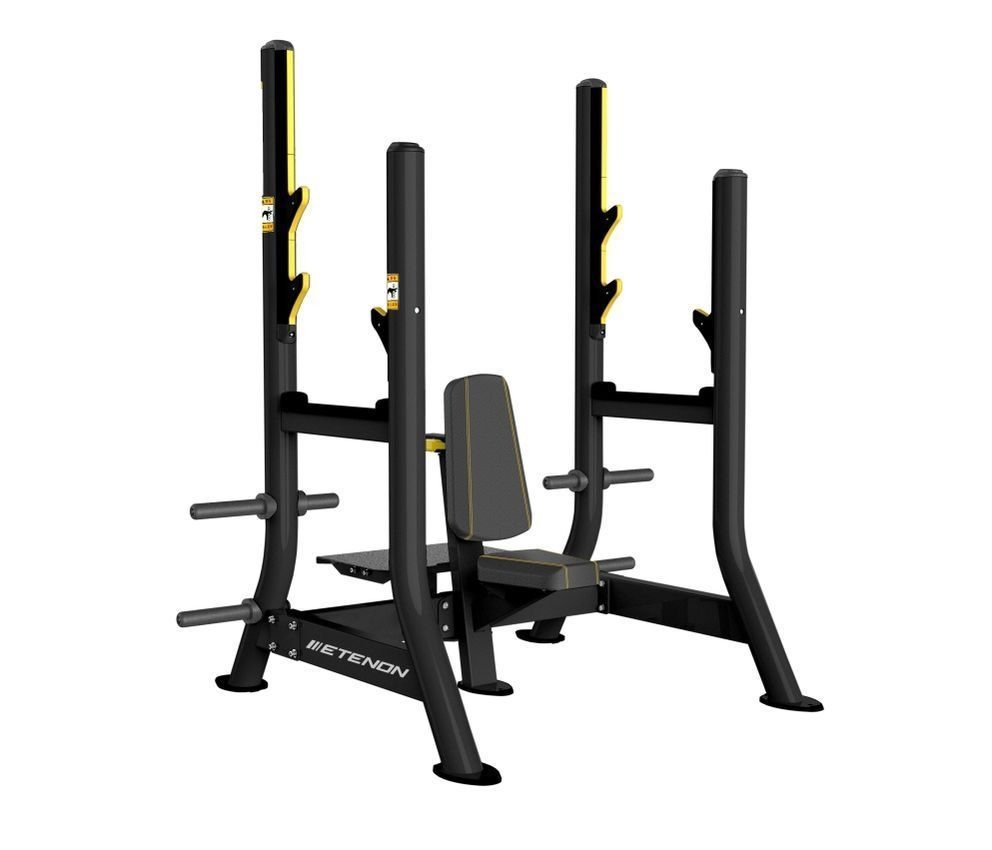
Etenon PTT02 Military Press Bench - Seated Overhead Press to Pinterest (opens in a new window)Save on Pinterest : Etenon PTT02 Military Press Bench - Seated Overhead Press
![Etenon PTT02 Military Press Bench - Seated Overhead Press]() Add to cartMORE INFO
Add to cartMORE INFOEtenon PTT02 Military Press Bench - Seated Overhead Press
1,999.00 € excl. VAT