
Professional indoor cycling bikes
Professional indoor cycling bikes: our professional selection
Range overview — 15 models, including 14 with displayed prices: €209–€4,099 excl. VAT per machine; brands: Etenon, Bodytone, Xebex, Fitness Tech (calculated on 2026-10-19).
Professional indoor cycling bikes are built for group classes, spinning sessions and high intensity interval training in gyms, cycling studios and group exercise rooms. They combine adjustable resistance, a heavy flywheel, a rigid frame and components designed for back to back classes. In a studio, the bike is used far more intensively than any machine on the general cardio floor, which is why the specification differs.
Showing all 15 resultsSorted by latest
-
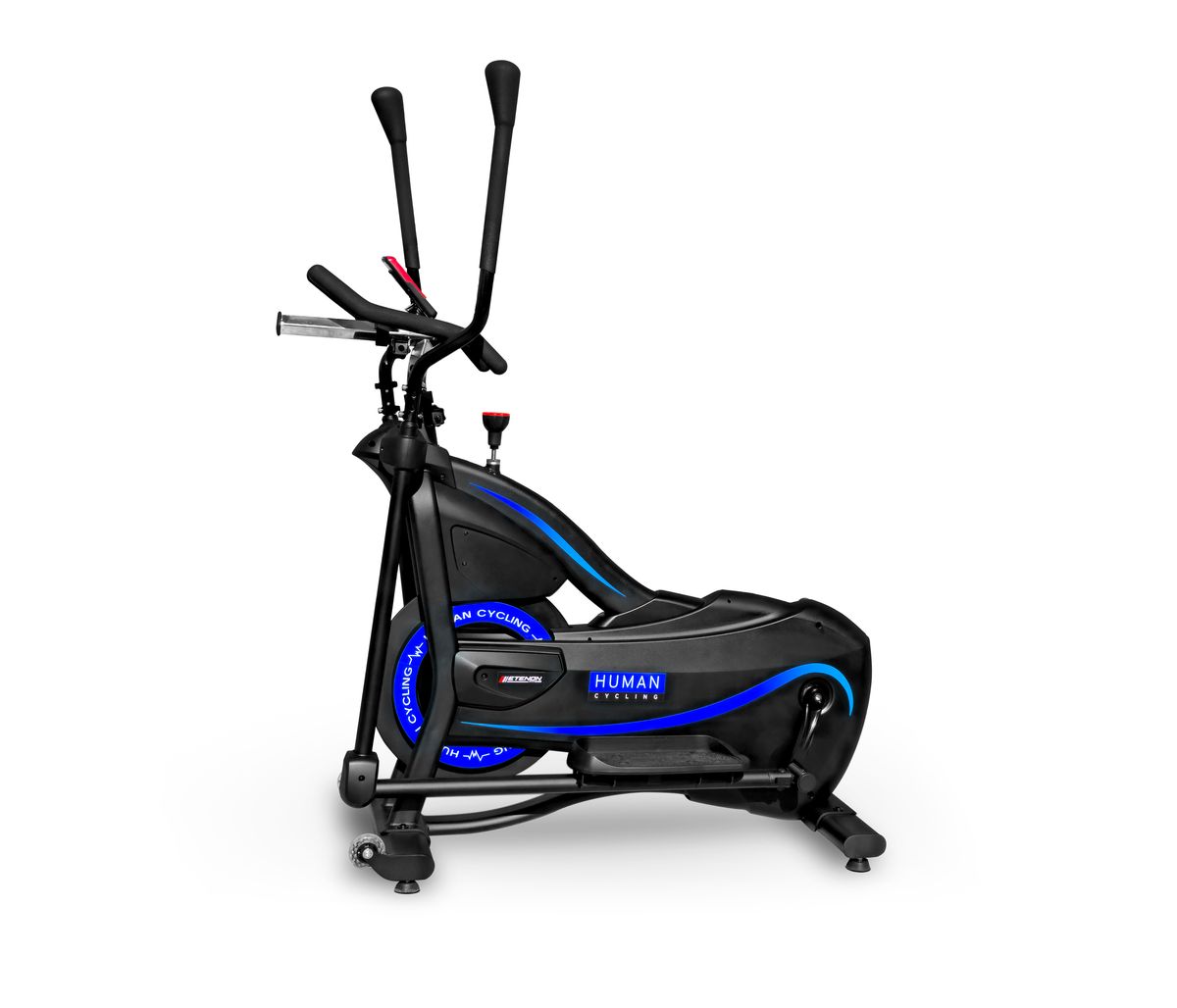
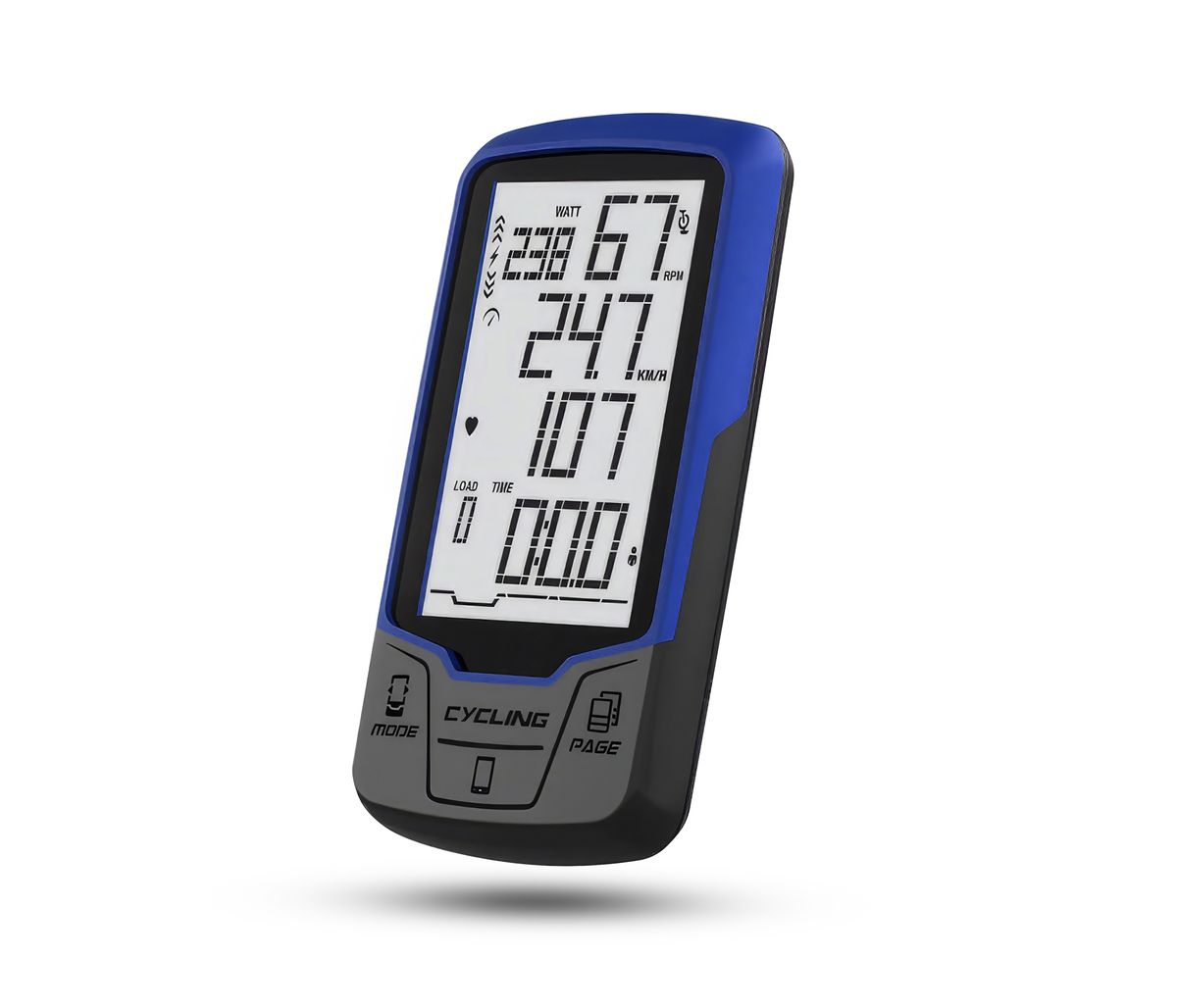
Bike Humancycling Etenon HC001 to Pinterest (opens in a new window)Save on Pinterest : Bike Humancycling Etenon HC001
 Add to cartMORE INFO
Bike Humancycling Etenon HC001
4,099.00 € excl. VAT -
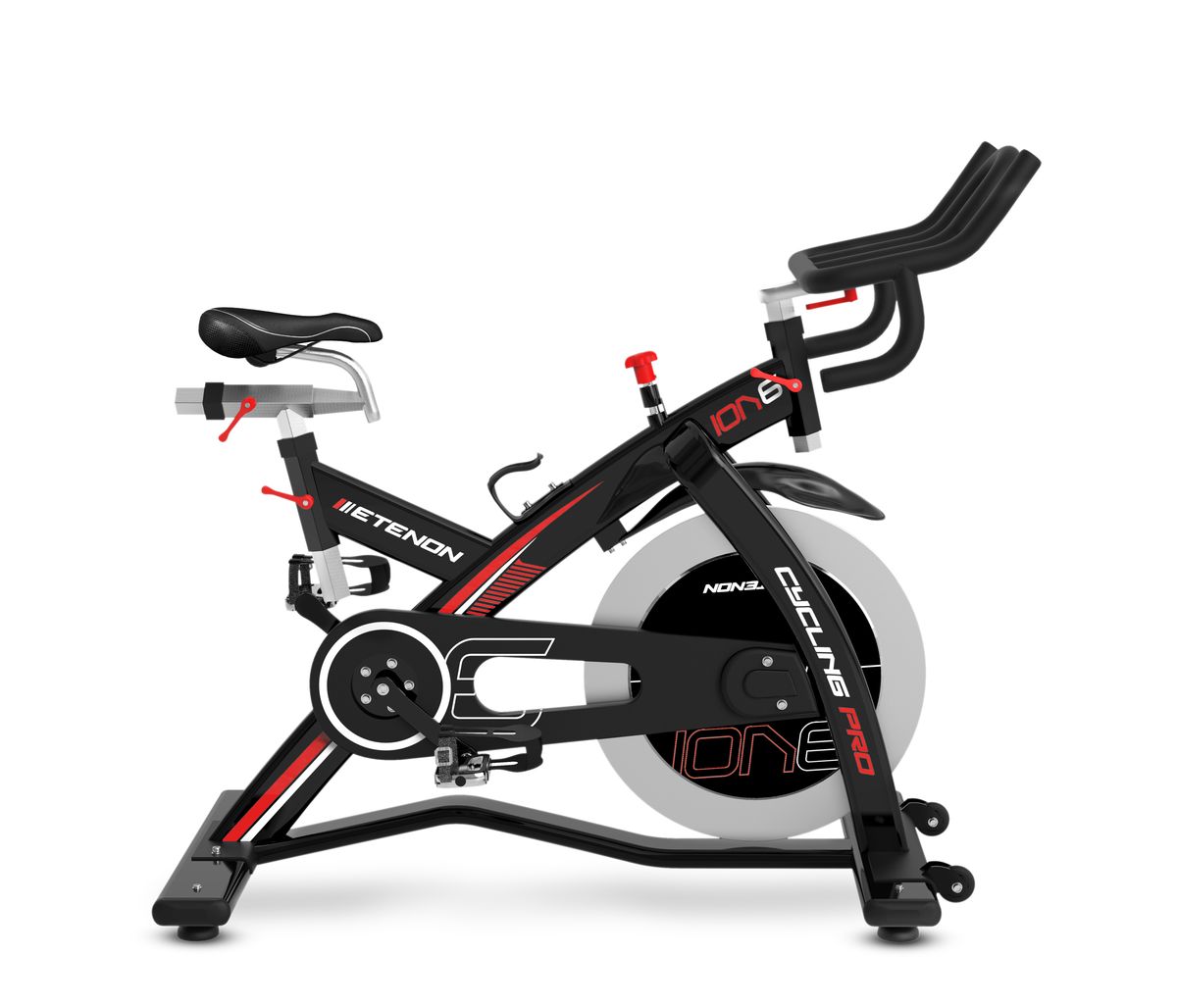
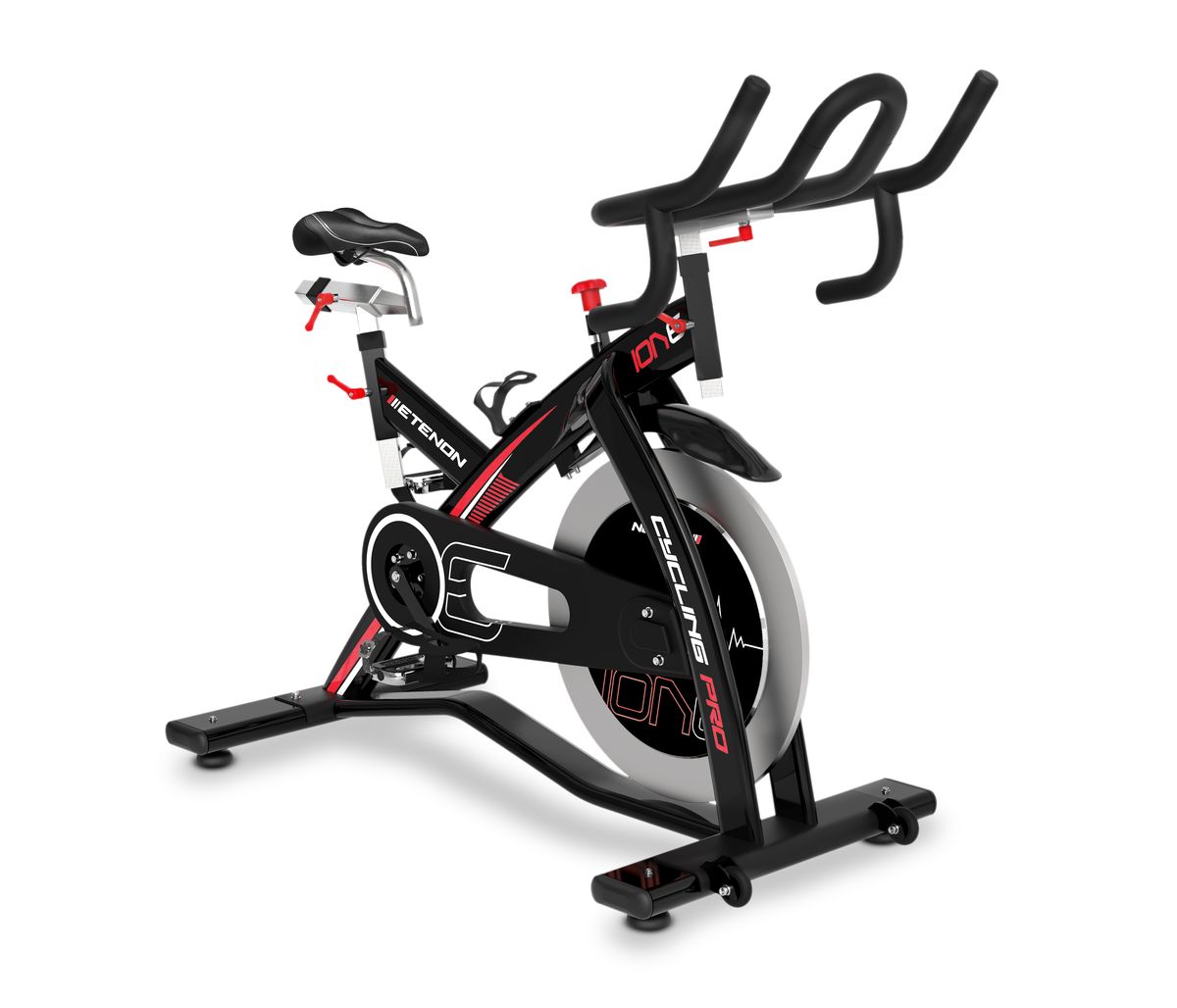
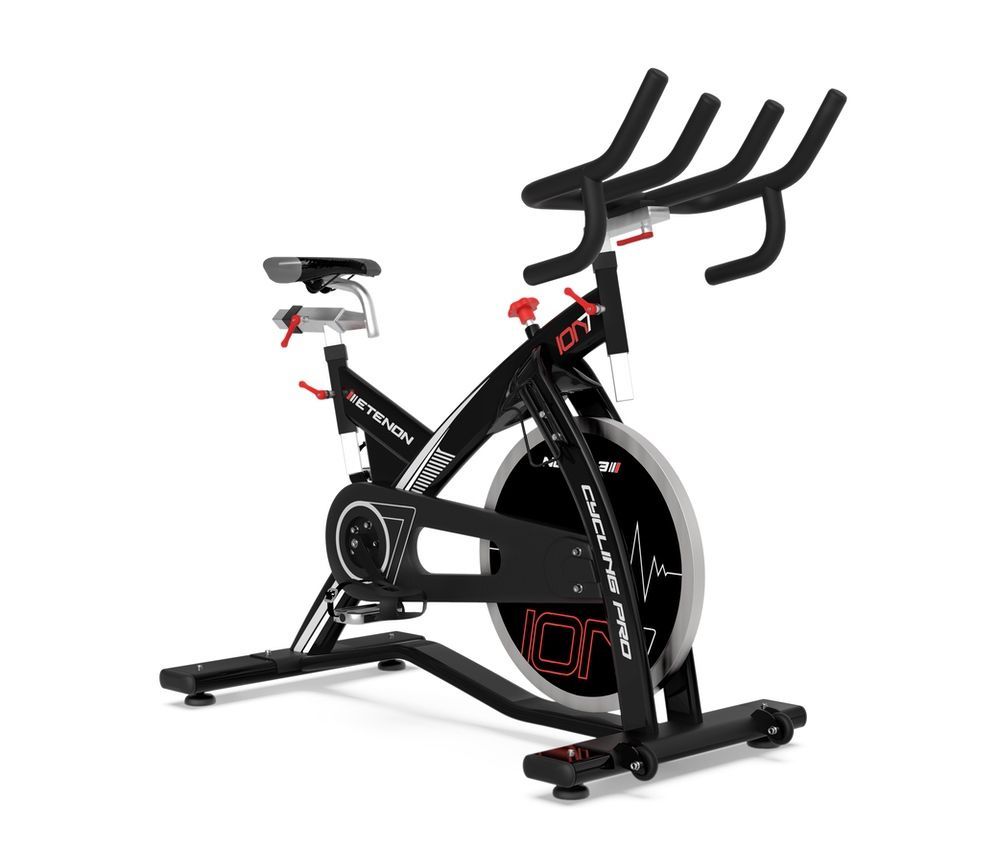
Cycle Indoor Ion.6 PRO60 Etenon PRO60 to Pinterest (opens in a new window)Save on Pinterest : Cycle Indoor Ion.6 PRO60 Etenon PRO60
![Cycle Indoor Ion.6 PRO60 Etenon PRO60]()
 Add to cartMORE INFO
Cycle Indoor Ion.6 PRO60 Etenon PRO60
1,690.00 € excl. VAT -
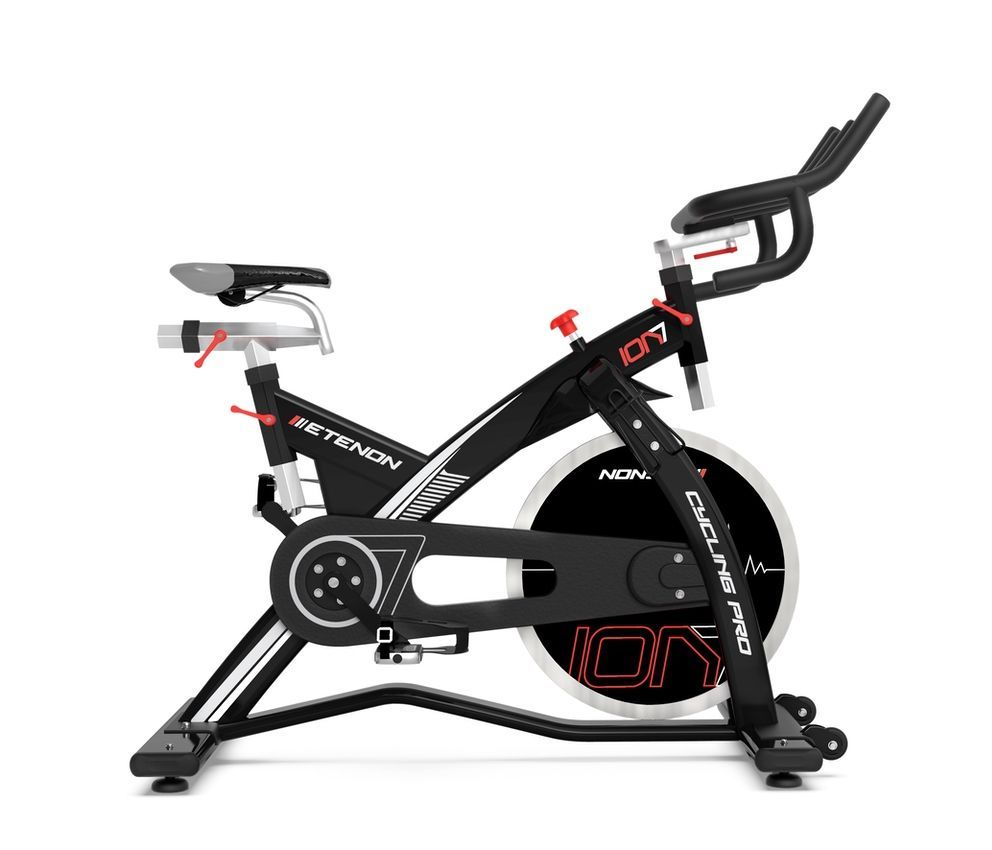
Cycle Indoor Ion.7 PRO70 Etenon PRO70 to Pinterest (opens in a new window)Save on Pinterest : Cycle Indoor Ion.7 PRO70 Etenon PRO70
![Cycle Indoor Ion.7 PRO70 Etenon PRO70]()
 Add to cartMORE INFO
Cycle Indoor Ion.7 PRO70 Etenon PRO70
2,050.00 € excl. VAT -
Fitness Tech R-18 semi-professional indoor bike to Pinterest (opens in a new window)Save on Pinterest : Fitness Tech R-18 semi-professional indoor bike
![Fitness Tech R-18 semi-professional indoor bike]()
 Add to cartMORE INFO
Fitness Tech R-18 semi-professional indoor bike
580.00 € excl. VAT -
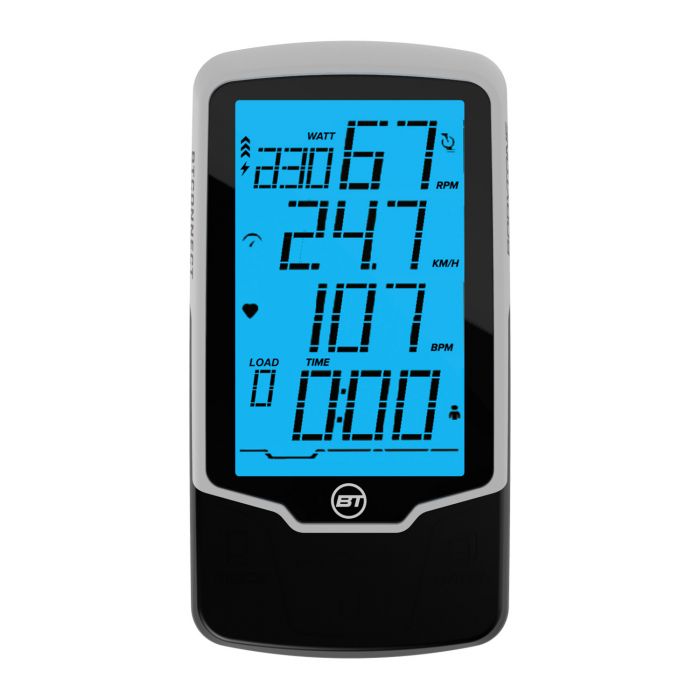
Bodytone M20X Wireless Console - Watts/HR/Cadence for MT3-MT6 Bikes to Pinterest (opens in a new window)Save on Pinterest : Bodytone M20X Wireless Console - Watts/HR/Cadence for MT3-MT6 Bikes
![compteur sans fil bodytone m20x]() Add to cartMORE INFO
Add to cartMORE INFOBodytone M20X Wireless Console - Watts/HR/Cadence for MT3-MT6 Bikes
209.00 € excl. VAT -
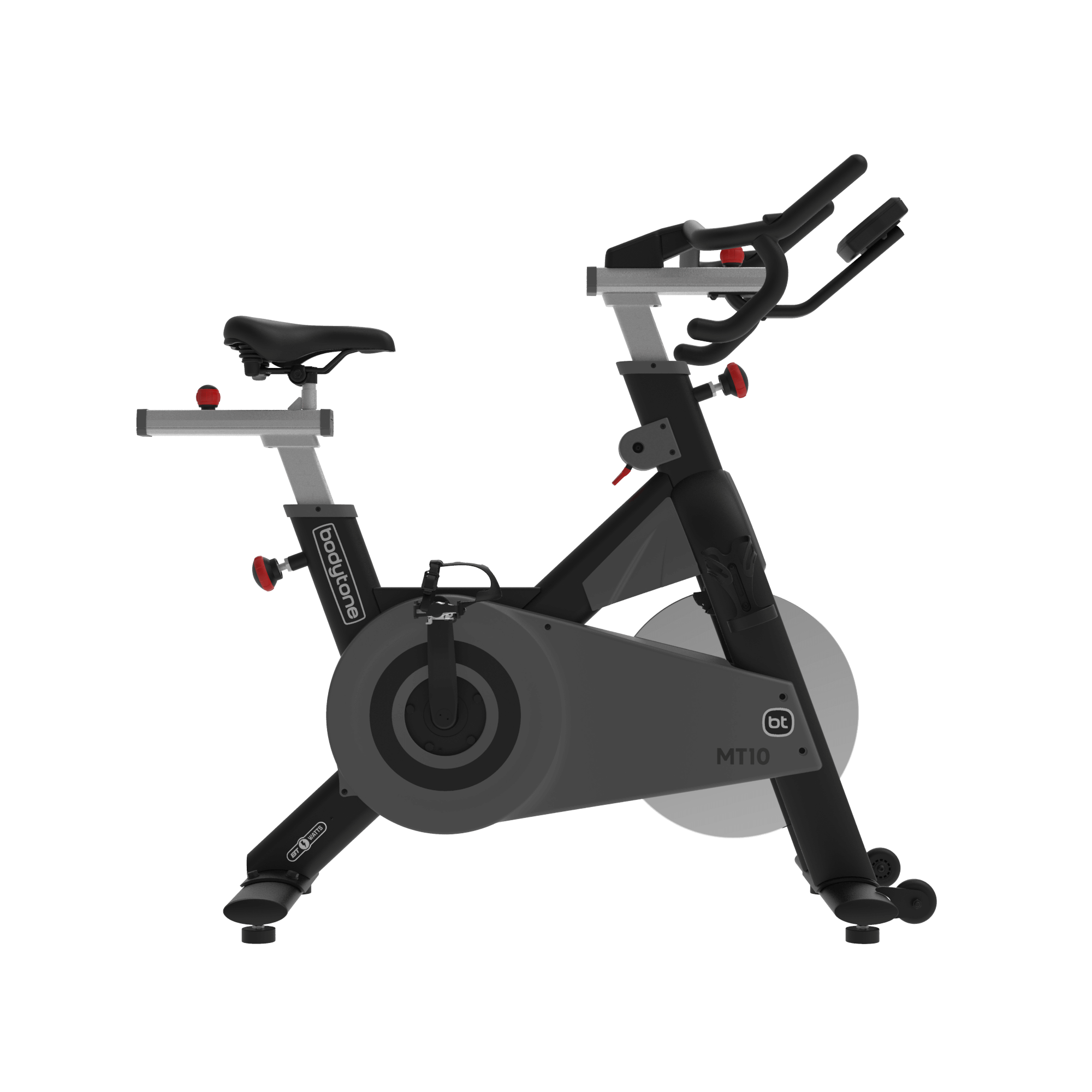
Bodytone MT10 professional indoor cycling bike to Pinterest (opens in a new window)Save on Pinterest : Bodytone MT10 professional indoor cycling bike
![Professional indoor cycling bikes]()
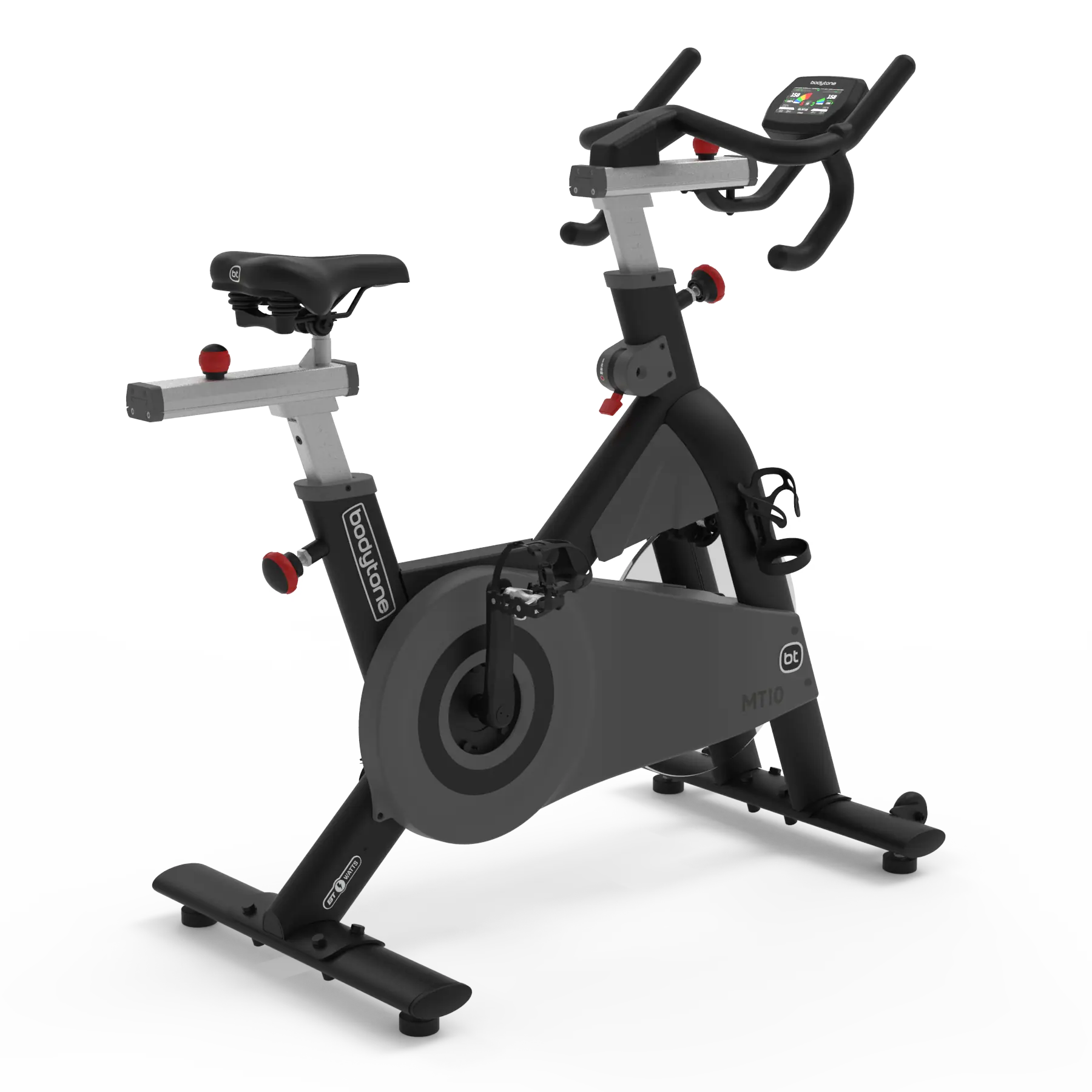 Add to cartMORE INFO
Bodytone MT10 professional indoor cycling bike
2,731.80 € excl. VAT -
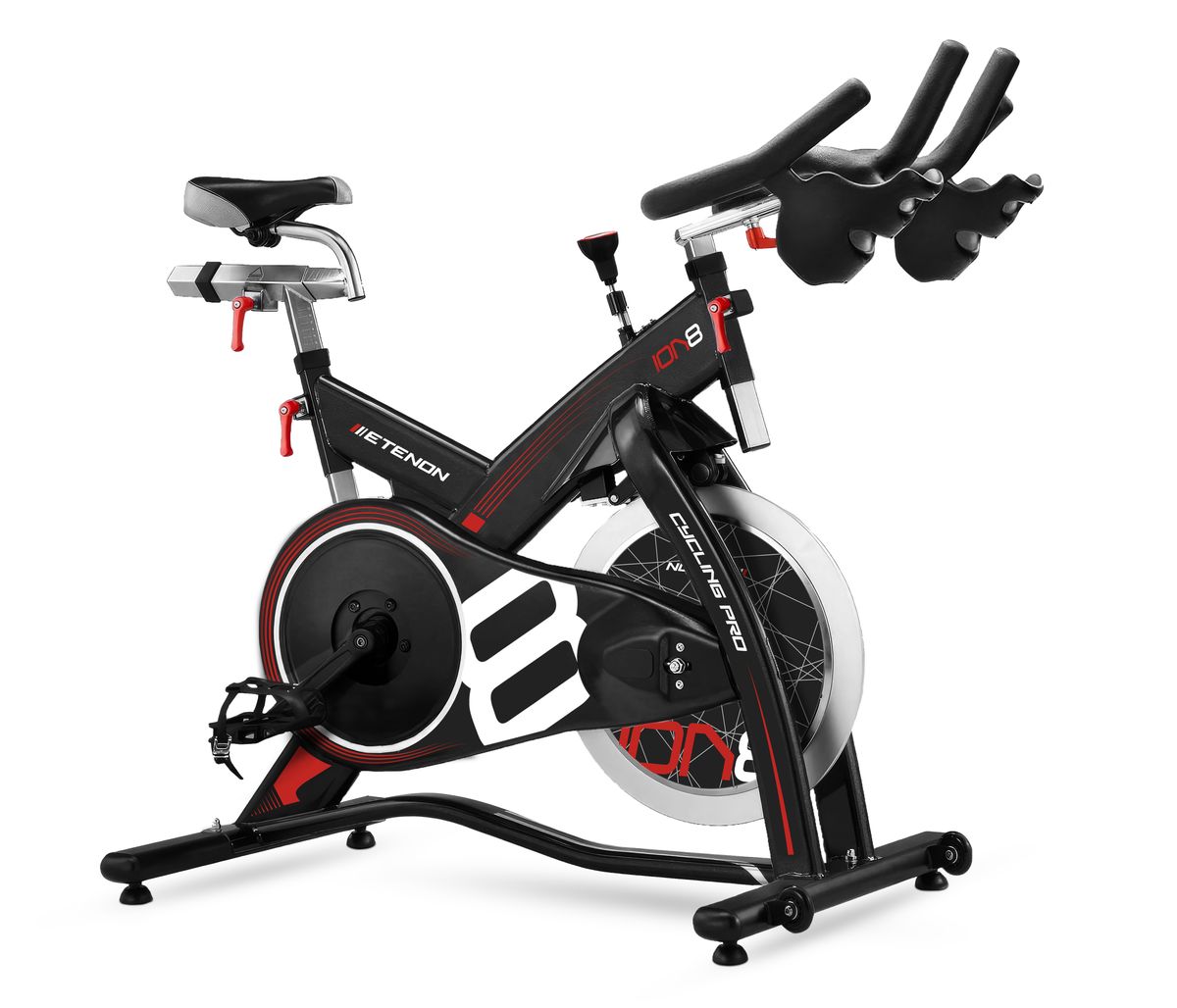
Etenon ION8 indoor cycling bike, magnetic with Zwift console to Pinterest (opens in a new window)Save on Pinterest : Etenon ION8 indoor cycling bike, magnetic with Zwift console
![Etenon ION8 indoor cycling bike, magnetic with Zwift console]()
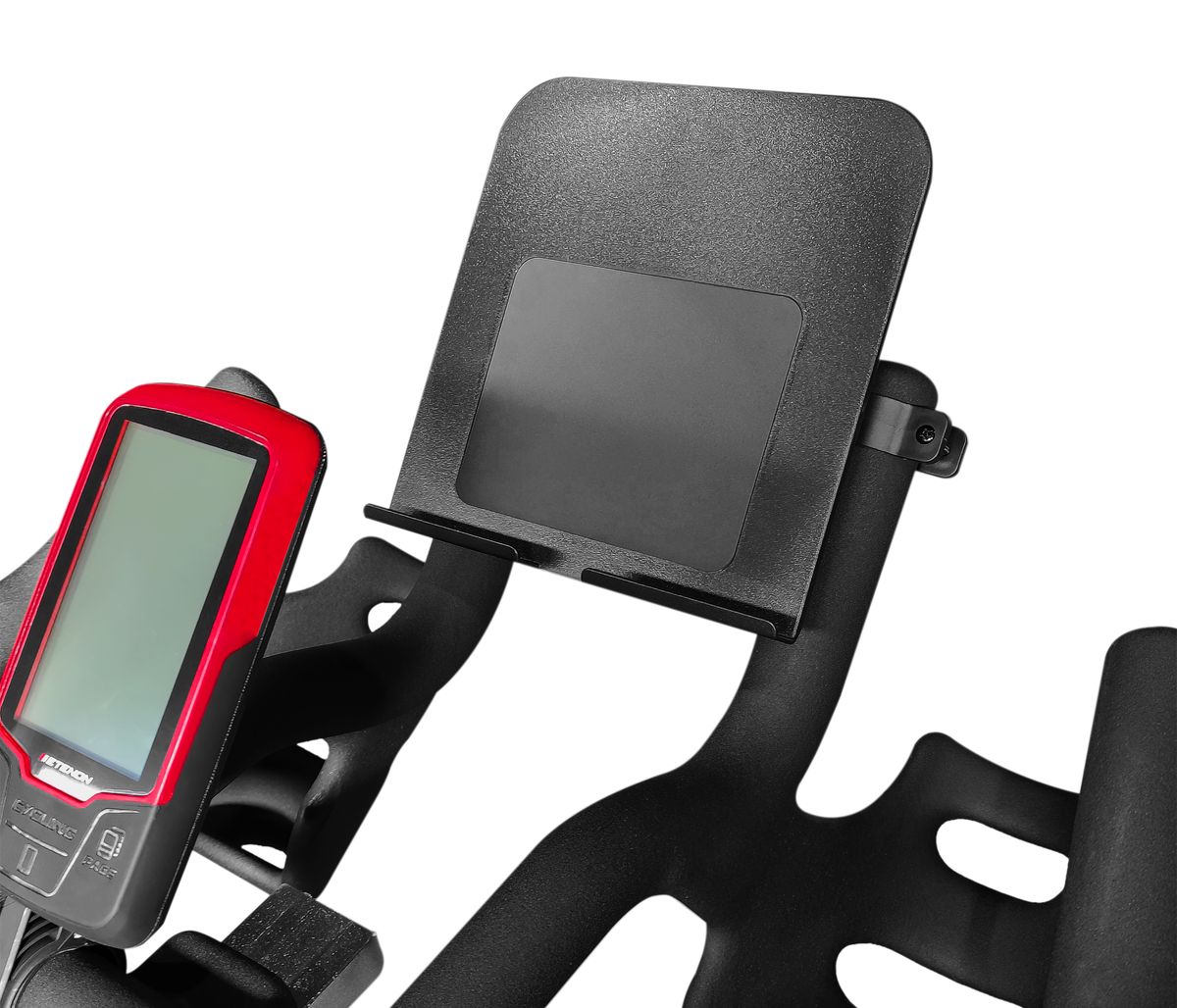 Add to cartMORE INFO
Etenon ION8 indoor cycling bike, magnetic with Zwift console
1,950.00 € excl. VAT -
Strong Bike Gold Spin Bike - Entry-Price Studio Cycling, Console Included to Pinterest (opens in a new window)Save on Pinterest : Strong Bike Gold Spin Bike - Entry-Price Studio Cycling, Console Included
![Strong Bike Gold Spin Bike - Entry-Price Studio Cycling, Console Included]()
 Add to cartMORE INFO
Strong Bike Gold Spin Bike - Entry-Price Studio Cycling, Console Included
690.00 € excl. VAT -
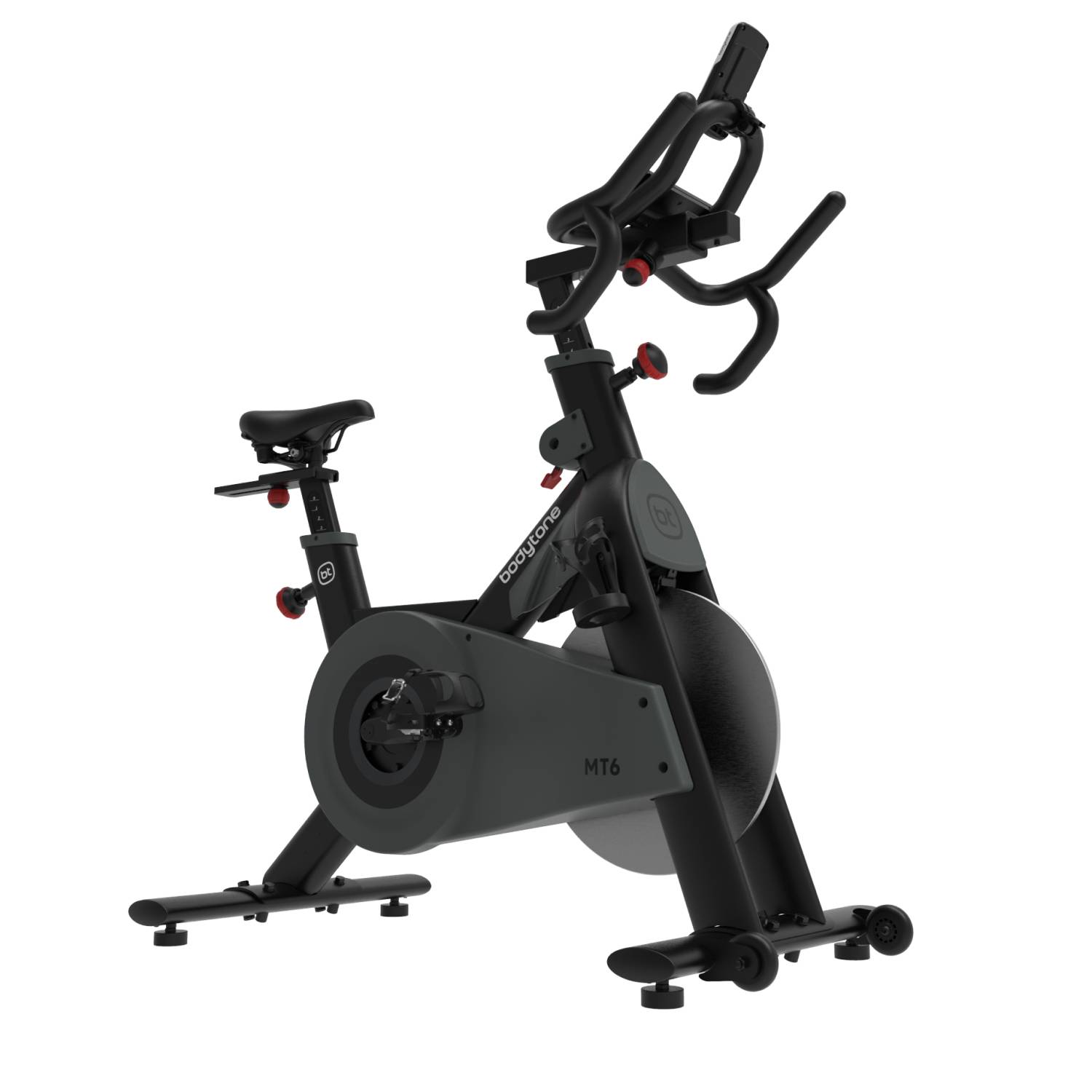
Bodytone MT6 professional indoor cycling bike, magnetic and silent to Pinterest (opens in a new window)Save on Pinterest : Bodytone MT6 professional indoor cycling bike, magnetic and silent
![Bodytone MT6 professional indoor cycling bike, magnetic and silent]()
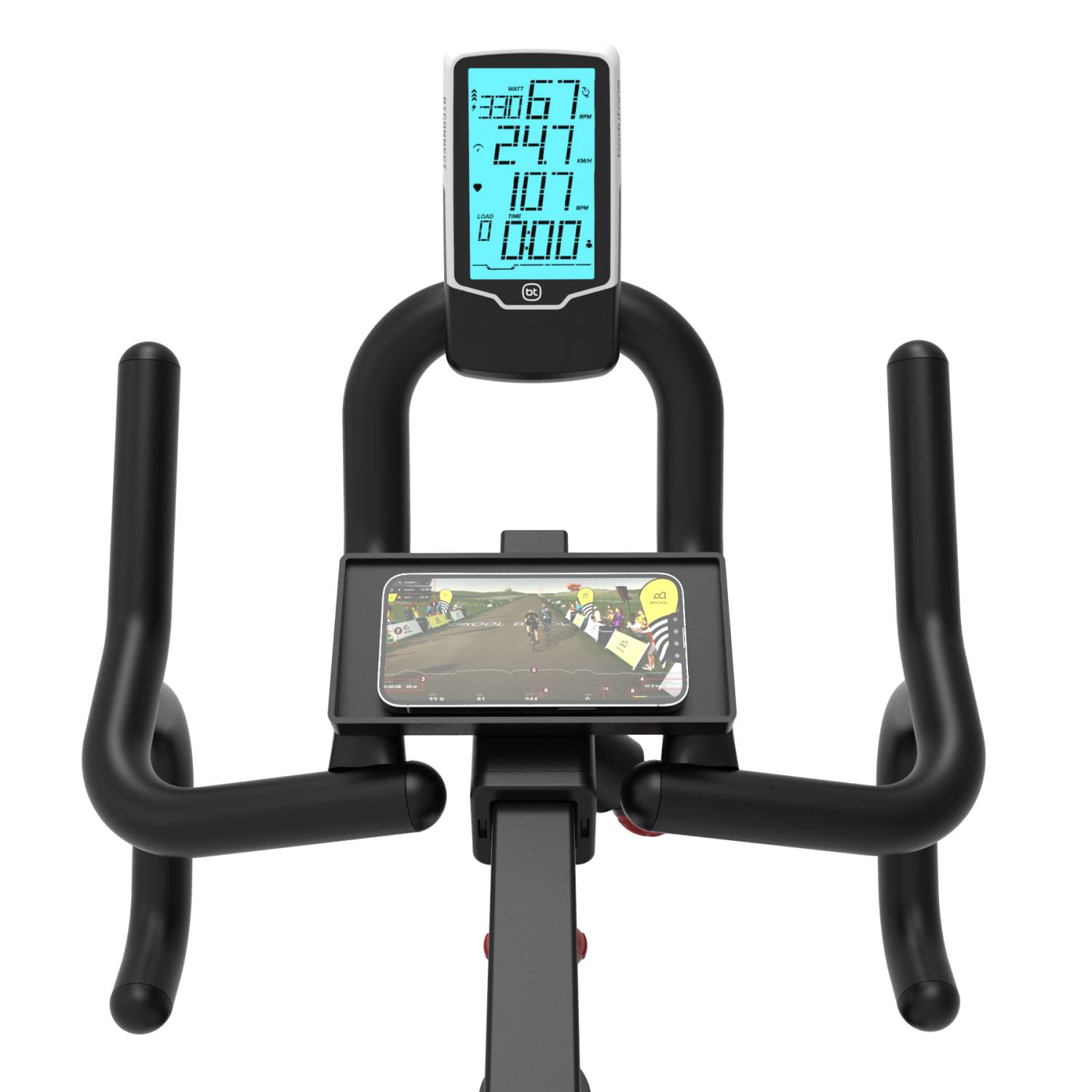 Add to cartMORE INFO
Bodytone MT6 professional indoor cycling bike, magnetic and silent
1,425.40 € excl. VAT -
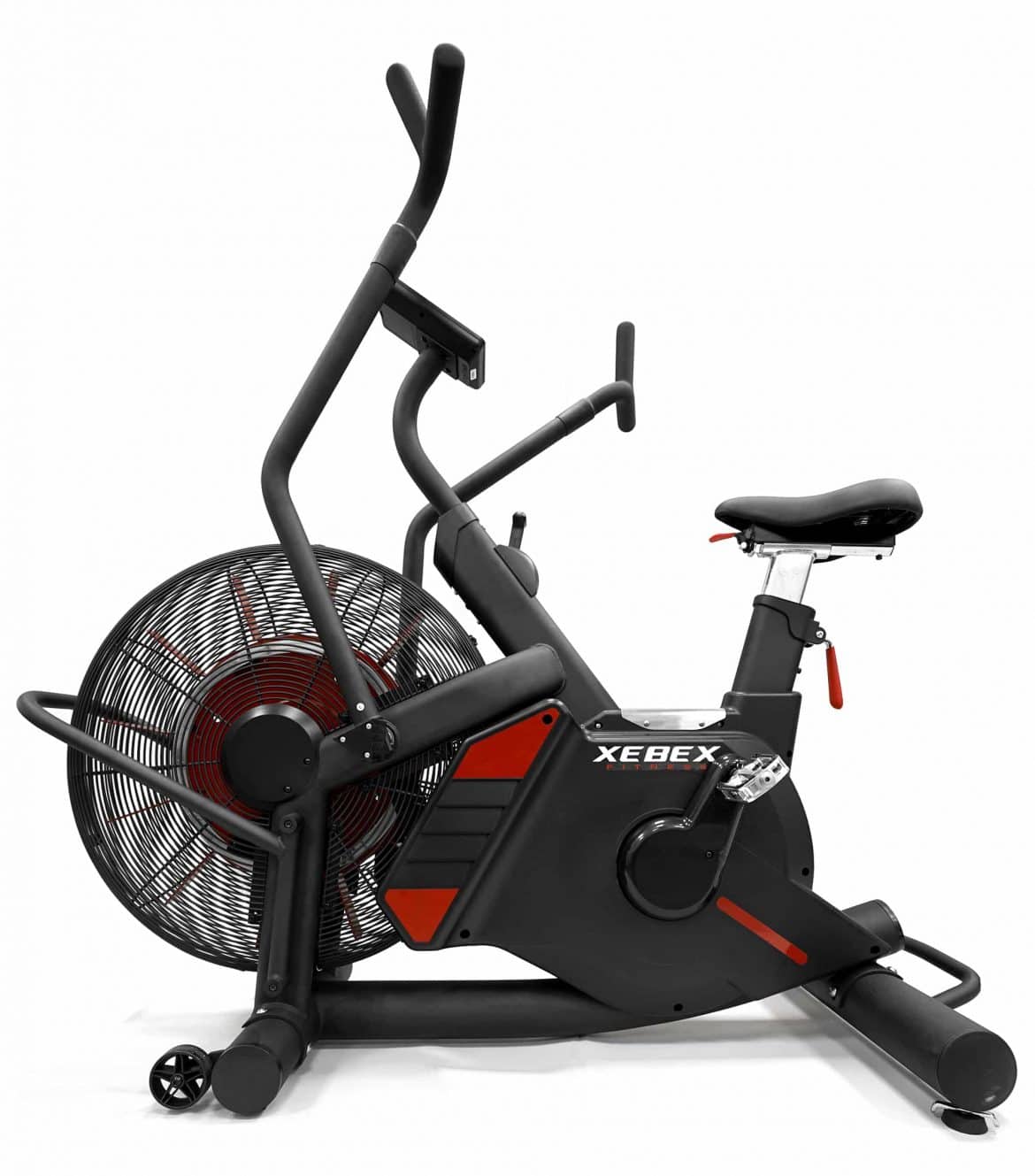
Xebex AirPlus Air Bike - Professional Dual-Action Cardio for CrossFit Boxes to Pinterest (opens in a new window)Save on Pinterest : Xebex AirPlus Air Bike - Professional Dual-Action Cardio for CrossFit Boxes
![Xebex AirPlus Air Bike - Professional Dual-Action Cardio for CrossFit Boxes]()
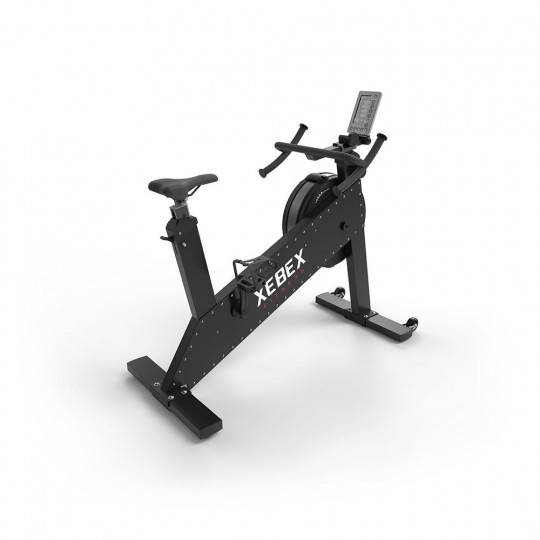 Add to cartMORE INFO
Xebex AirPlus Air Bike - Professional Dual-Action Cardio for CrossFit Boxes
1,050.00 € excl. VAT -
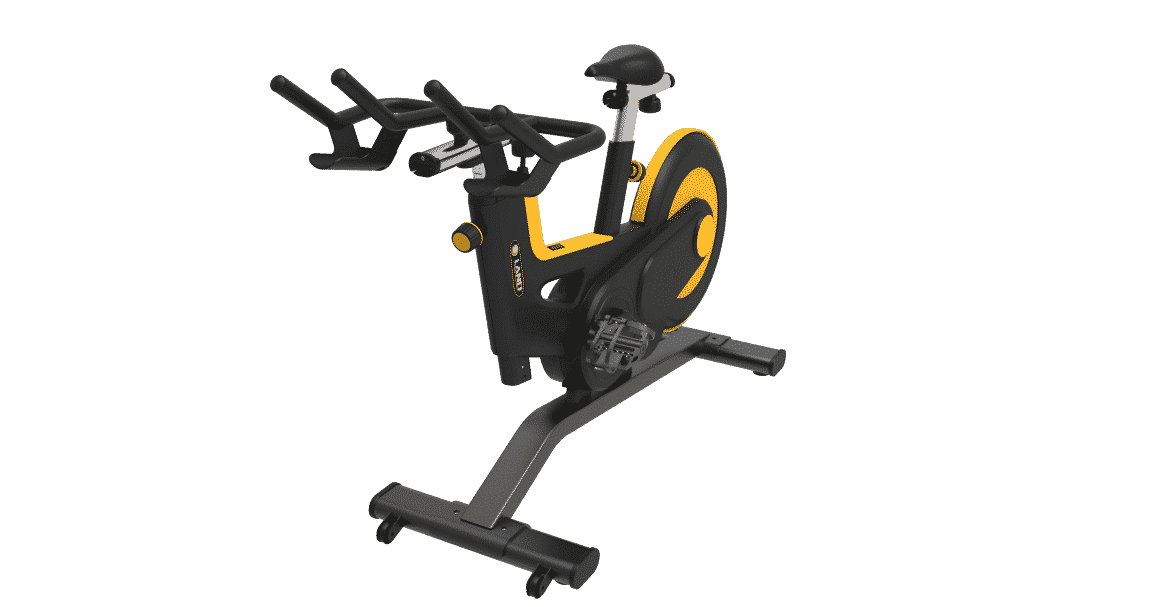
EXO Indoor Cycling Bike — Professional Group Cycle to Pinterest (opens in a new window)Save on Pinterest : EXO Indoor Cycling Bike — Professional Group Cycle
![Cycling Indoor EXO]()
 View product
EXO Indoor Cycling Bike — Professional Group Cycle
Price on request -
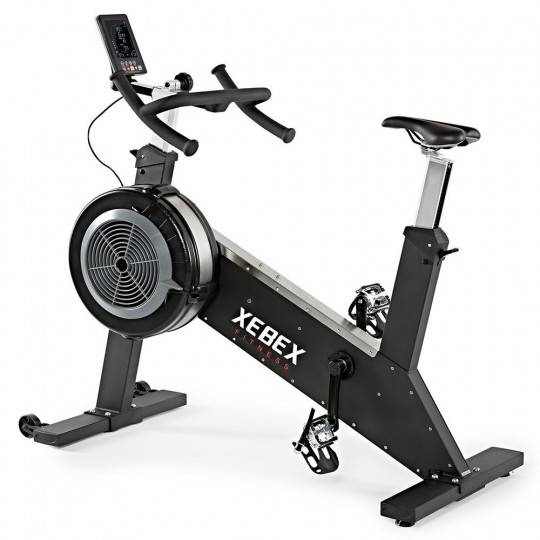
Xebex Air Bike Power, 86 kg air bike with moving arms to Pinterest (opens in a new window)Save on Pinterest : Xebex Air Bike Power, 86 kg air bike with moving arms
![Xebex Air Bike Power, 86 kg air bike with moving arms]()
 Add to cartMORE INFO
Xebex Air Bike Power, 86 kg air bike with moving arms
1,850.00 € excl. VAT -
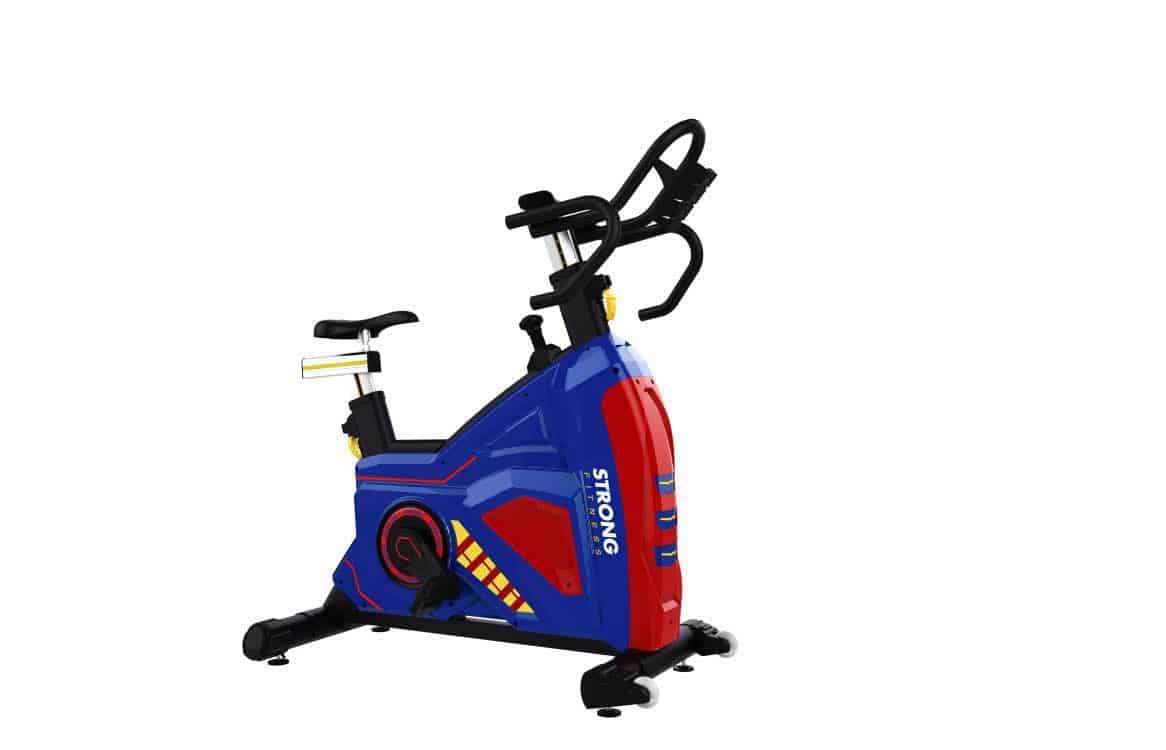
Cycling Pro Strong Indoor Cycling Bike to Pinterest (opens in a new window)Save on Pinterest : Cycling Pro Strong Indoor Cycling Bike
![Spinning Strong Fitness]()
 Add to cartMORE INFO
Cycling Pro Strong Indoor Cycling Bike
1,450.00 € excl. VAT -
M-5811 Magnetic Indoor Cycling Bike - Professional Studio to Pinterest (opens in a new window)Save on Pinterest : M-5811 Magnetic Indoor Cycling Bike - Professional Studio
![M-5811 Magnetic Indoor Cycling Bike - Professional Studio]() Add to cartMORE INFO
Add to cartMORE INFOM-5811 Magnetic Indoor Cycling Bike - Professional Studio
1,950.00 € excl. VAT -
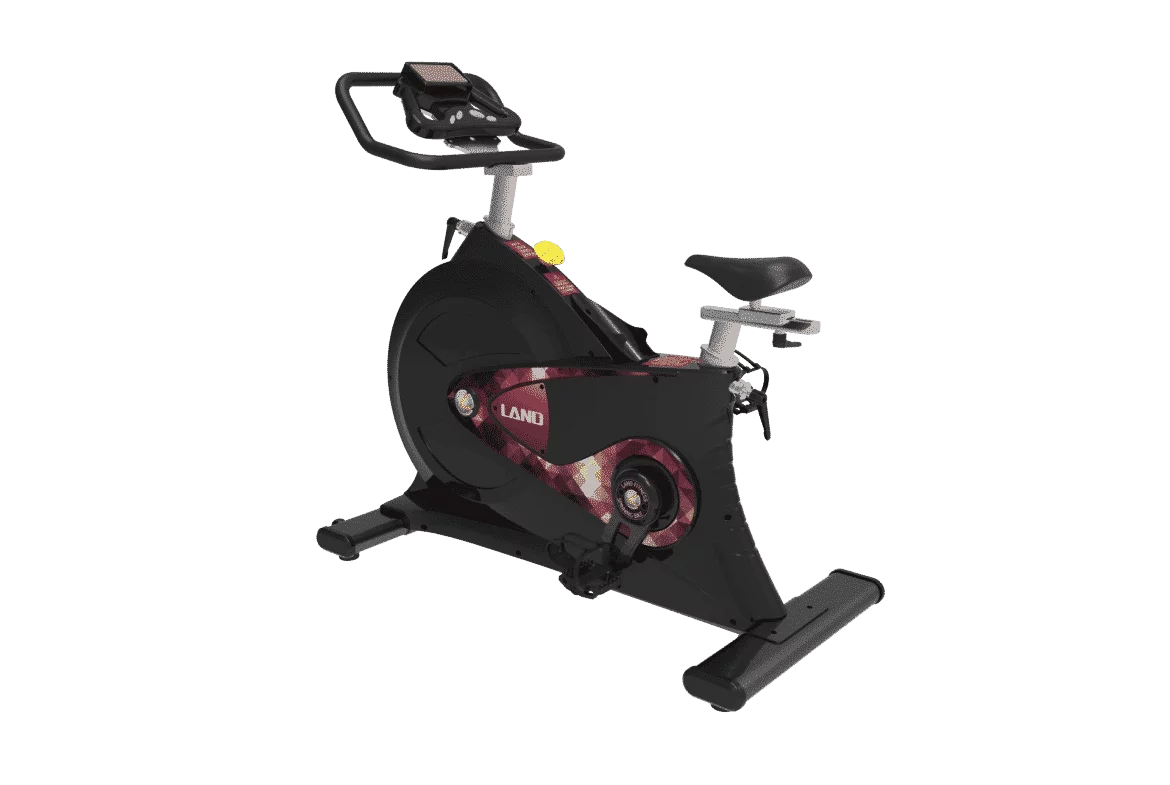
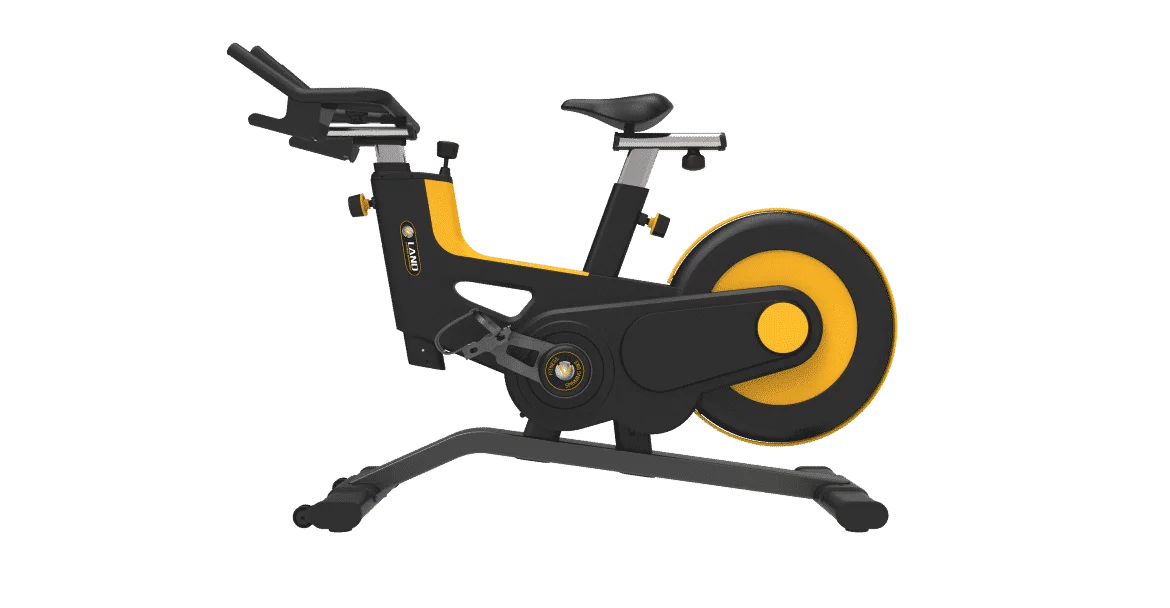
Cycling Energy Indoor Bike - Professional Studio Cycle, 18 kg Flywheel to Pinterest (opens in a new window)Save on Pinterest : Cycling Energy Indoor Bike - Professional Studio Cycle, 18 kg FlywheelSALE!
![Spinning Energy]()
 Add to cartMORE INFO
Cycling Energy Indoor Bike - Professional Studio Cycle, 18 kg Flywheel
Original price was: 1,850.00 €.1,350.00 €Current price is: 1,350.00 €. excl. VAT




What to specify for a studio
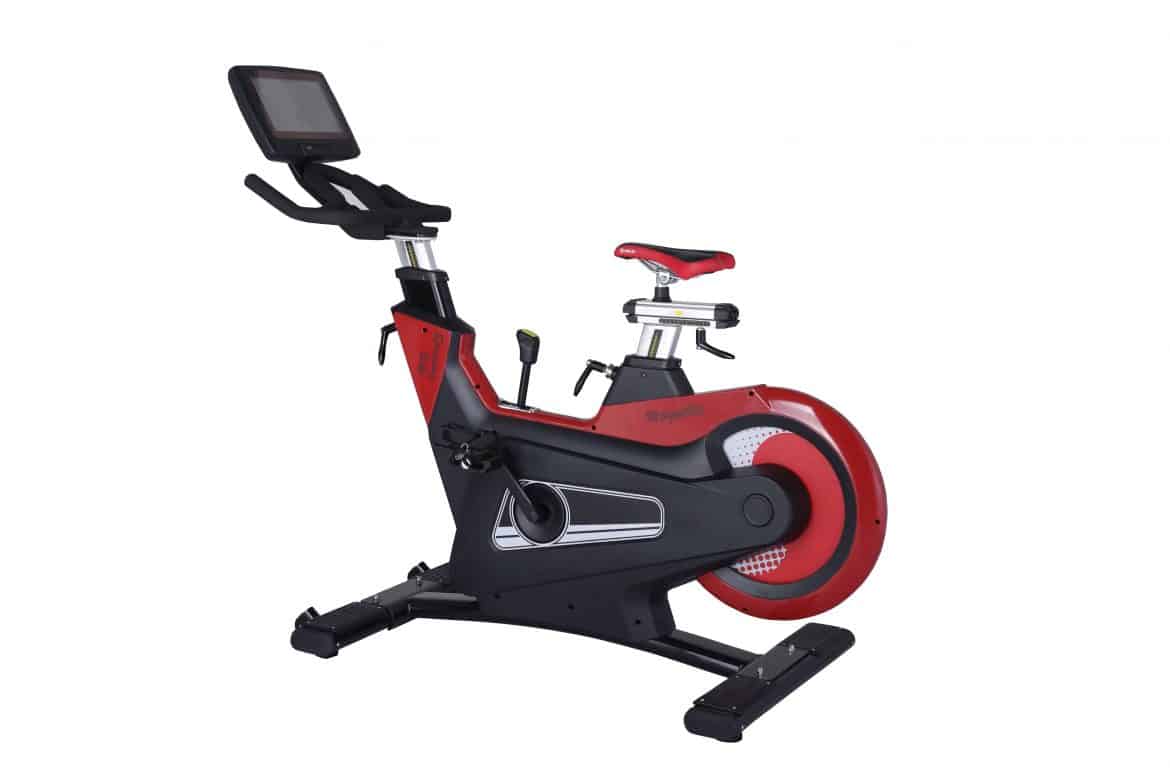
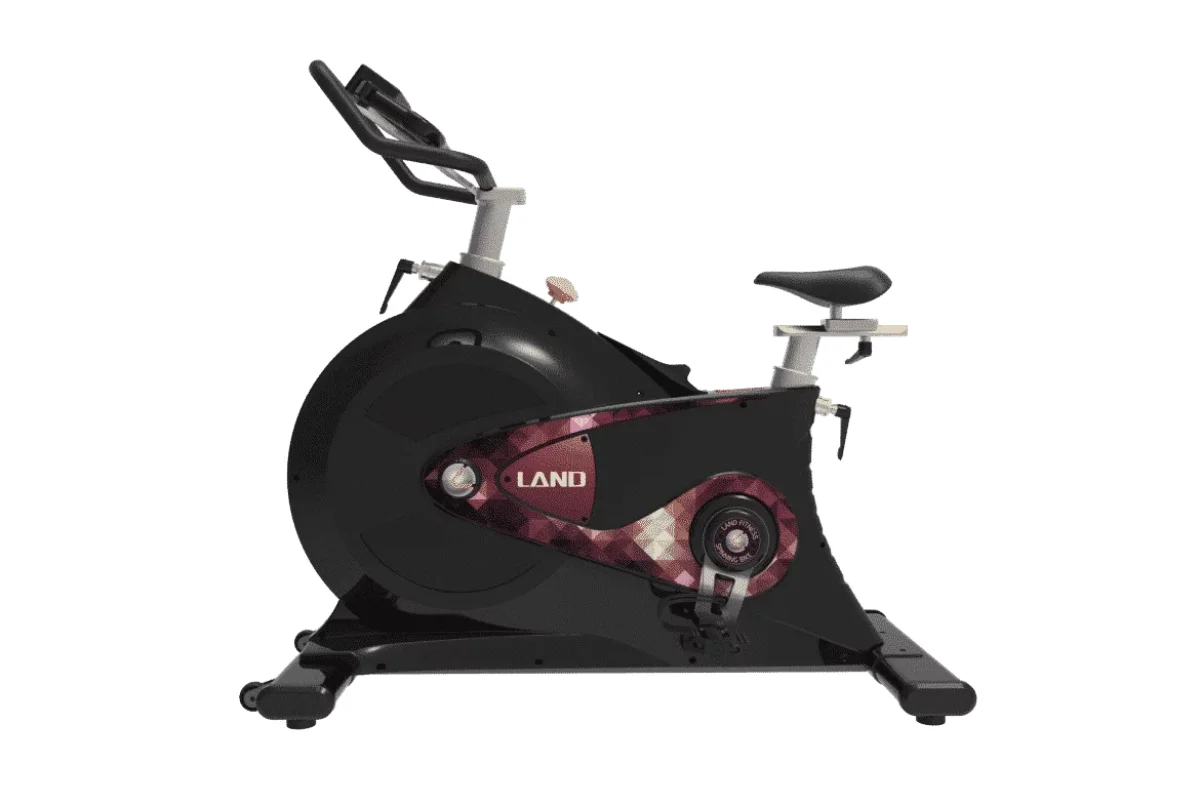
Resistance type, either magnetic or friction, determines maintenance: magnetic systems avoid pad wear, friction systems are simpler and cheaper to service. Flywheel mass and position affect the feel of the pedal stroke. Adjustment range on handlebar and saddle, in both height and reach, determines whether one bike fits a whole class. Where classes are coached on power, a console displaying watts is required rather than optional, since the session structure depends on it.
| Specification | Why it matters in a studio |
|---|---|
| Resistance type | Magnetic avoids pad wear, friction is cheaper to service |
| Flywheel | Mass and position define the pedal feel |
| Adjustment range | One bike has to fit every participant in a class |
| Power display | Required where sessions are coached on watts |
| Frame finish | Sweat resistance in a hot, humid room |
Installation and maintenance
A cycling studio is a demanding environment: heat, humidity and sweat attack frames and fixings, so cleaning after each class is part of the operating routine rather than an option. Allow enough space between bikes for an instructor to pass and for participants to mount and dismount safely. Flooring has to be non slip and easy to wash. Indoor equipment falls under EN ISO 20957-1 class S (successor to the former EN 957), and warranty runs from 2 to 5 years depending on the range.
Frequently asked questions
How many bikes fit in a studio?
The limit is the spacing needed for the instructor to move between rows and for participants to get on and off without contact, not the bike footprint. Ventilation capacity is the second constraint, because a full class generates significant heat. We size the room on the layout plan.
Magnetic or friction resistance?
Magnetic resistance avoids pad wear and gives a consistent feel over time, which suits studios running several classes a day. Friction systems cost less and are simple to service but need pad replacement as a routine item. For a studio at high occupancy, magnetic is normally the lower total cost.
Send us your studio dimensions and class size, and we will return a bike specification with prices. Request a quotation for a reply within 24 working hours.