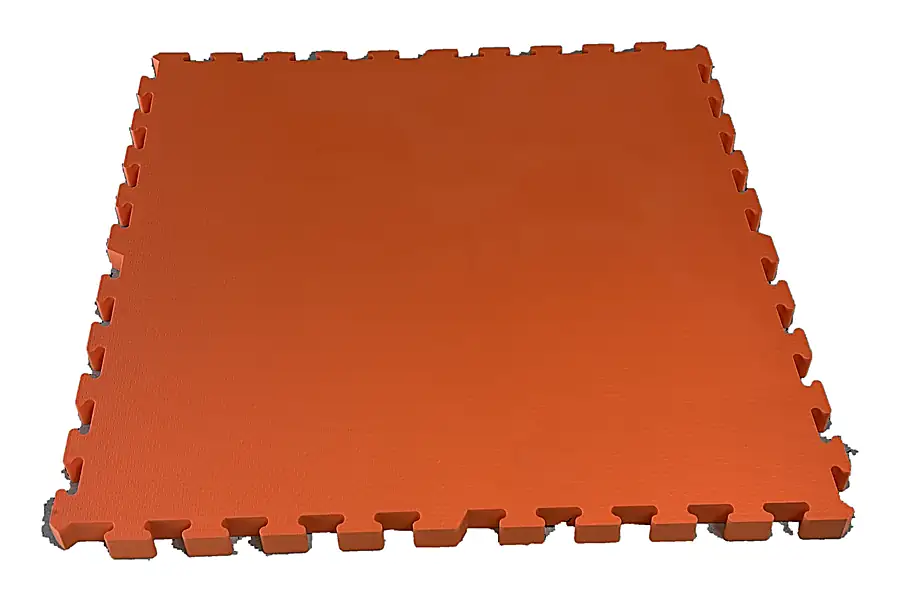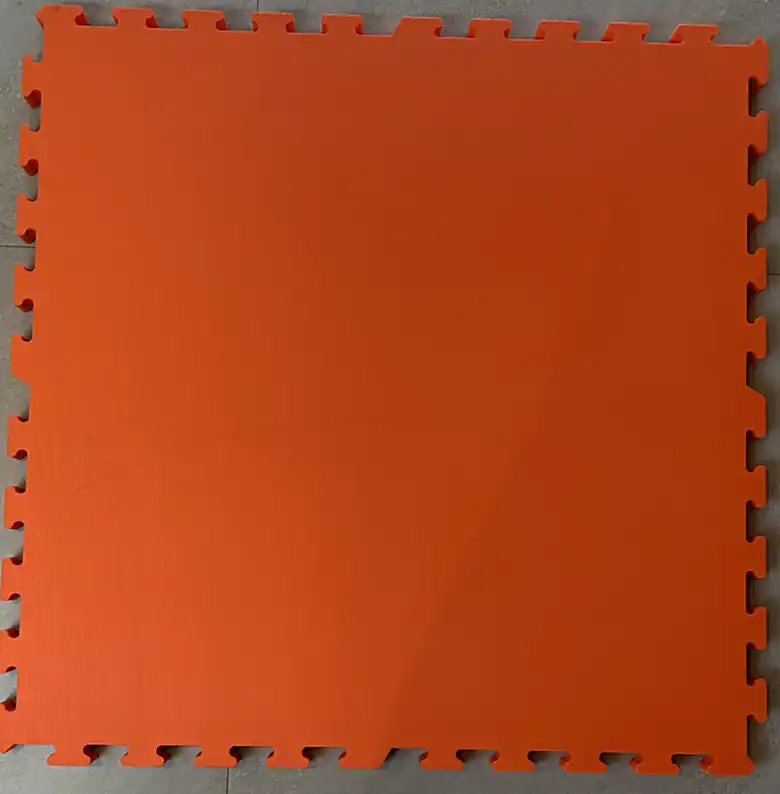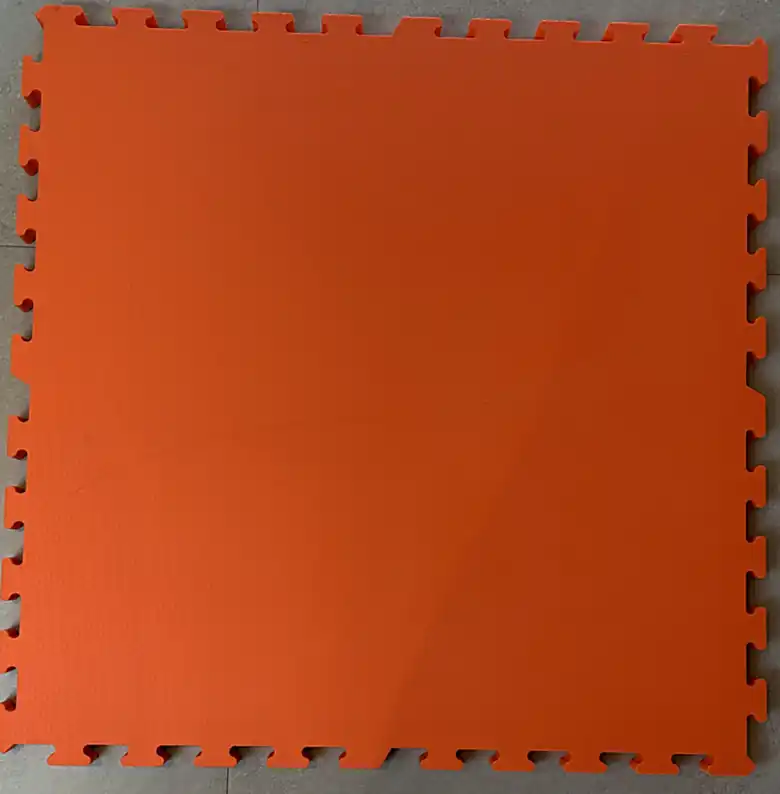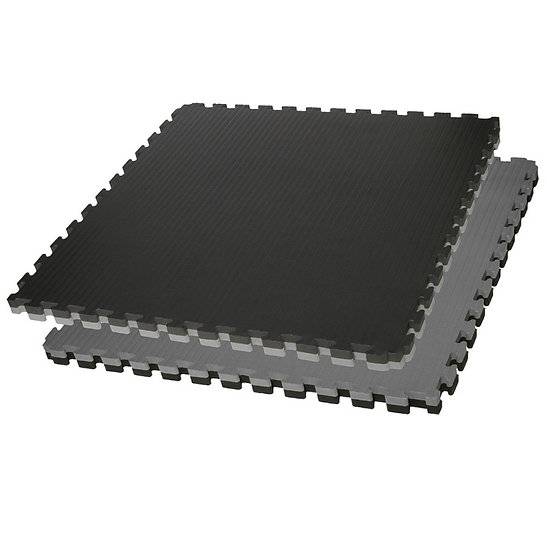
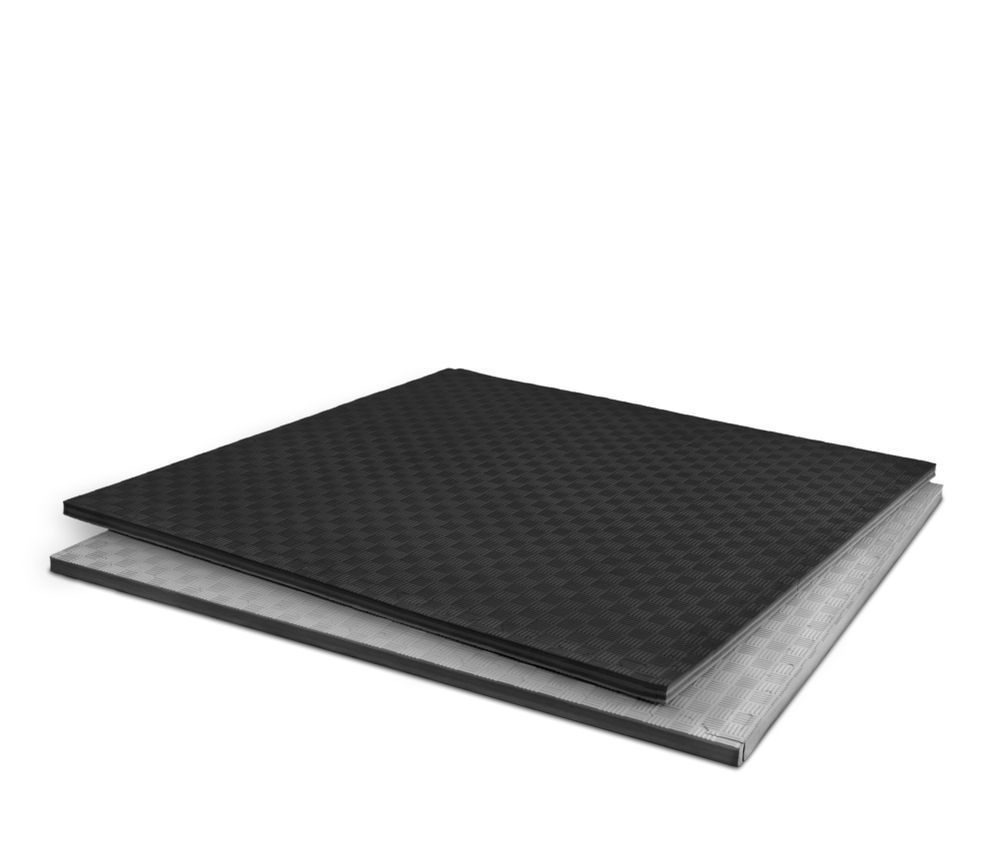
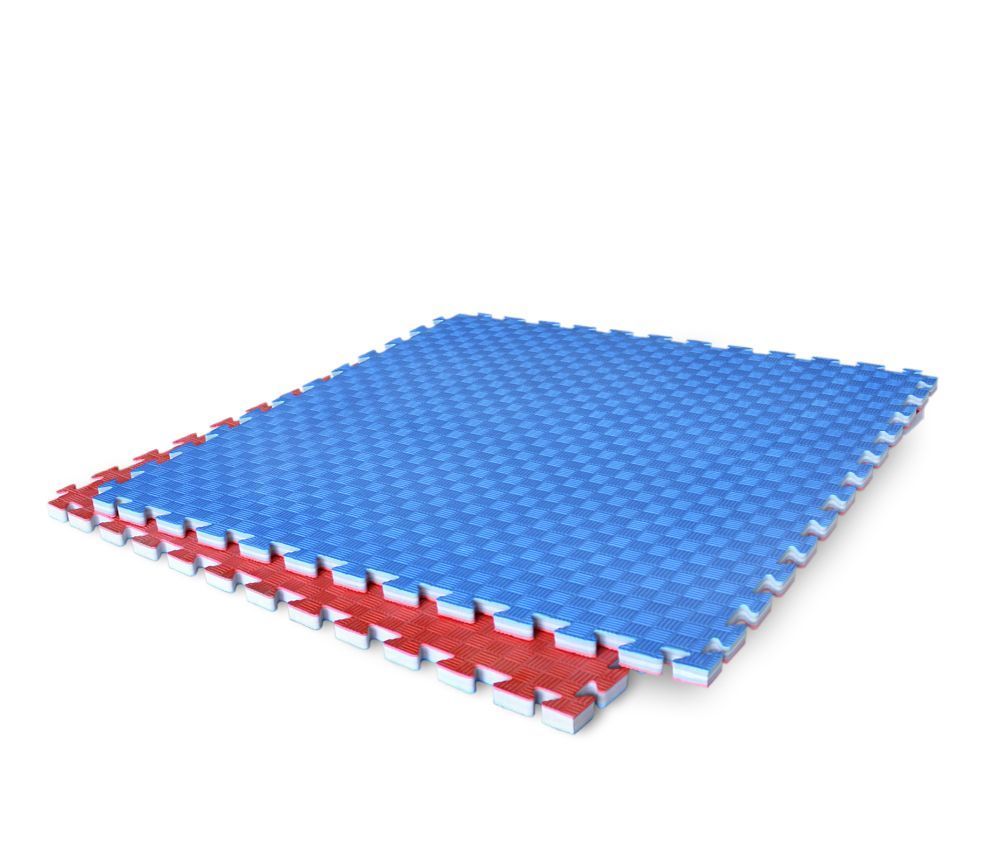
Dojo puzzle tatami tile 40 mm, reversible two colour
Dojo puzzle tatami tile 40 mm, reversible two colour : tatami mats for dojos and combat sports halls, marque Light In Fitness, 36,00 EUR excl. VAT. Masse 5 kg. Delivery and installation priced on quotation across Europe.
36.00 € excl. VAT
i.e. 43.20 € TTC selon la destination de livraison
Shipping quoted separately The shipping cost is confirmed before you approve the order.
Reversible 40 mm puzzle tatami in closed cell EVA foam at 125 kg per cubic metre, available in black and grey or red and blue. Specified for competition judo, wrestling, grappling and MMA where heavy throws are practised.
Quotation = itemised pricing with delivery, installation and trade discounts, within 24 business hours. No commitment. Our commitments
Description
The Dojo puzzle tatami is the thickest reversible mat in the range at 40 mm, supplied in two colour pairings: black and grey, or red and blue. It is specified for disciplines involving heavy throws and repeated high intensity impacts, including adult competition judo, wrestling, grappling, competitive jiu jitsu, MMA, sambo, krav maga, hapkido and muay thai. Forty millimetres of closed cell EVA foam is what protects knees, ankles, hips and shoulders during breakfalls and repeated contact with the floor. Tiles measure 100 x 100 cm and the price is 36 EUR excluding VAT per square metre, with volume pricing by area.
Technical specification
| Product | Dojo puzzle tatami tile, 40 mm |
| Thickness | 40 mm |
| Format | 100 x 100 cm, one square metre per tile |
| Weight per tile | 5 kg |
| Density | 125 kg per cubic metre |
| Material | Closed cell EVA foam, waterproof, antibacterial, antistatic |
| Colours | Reversible, black and grey or red and blue |
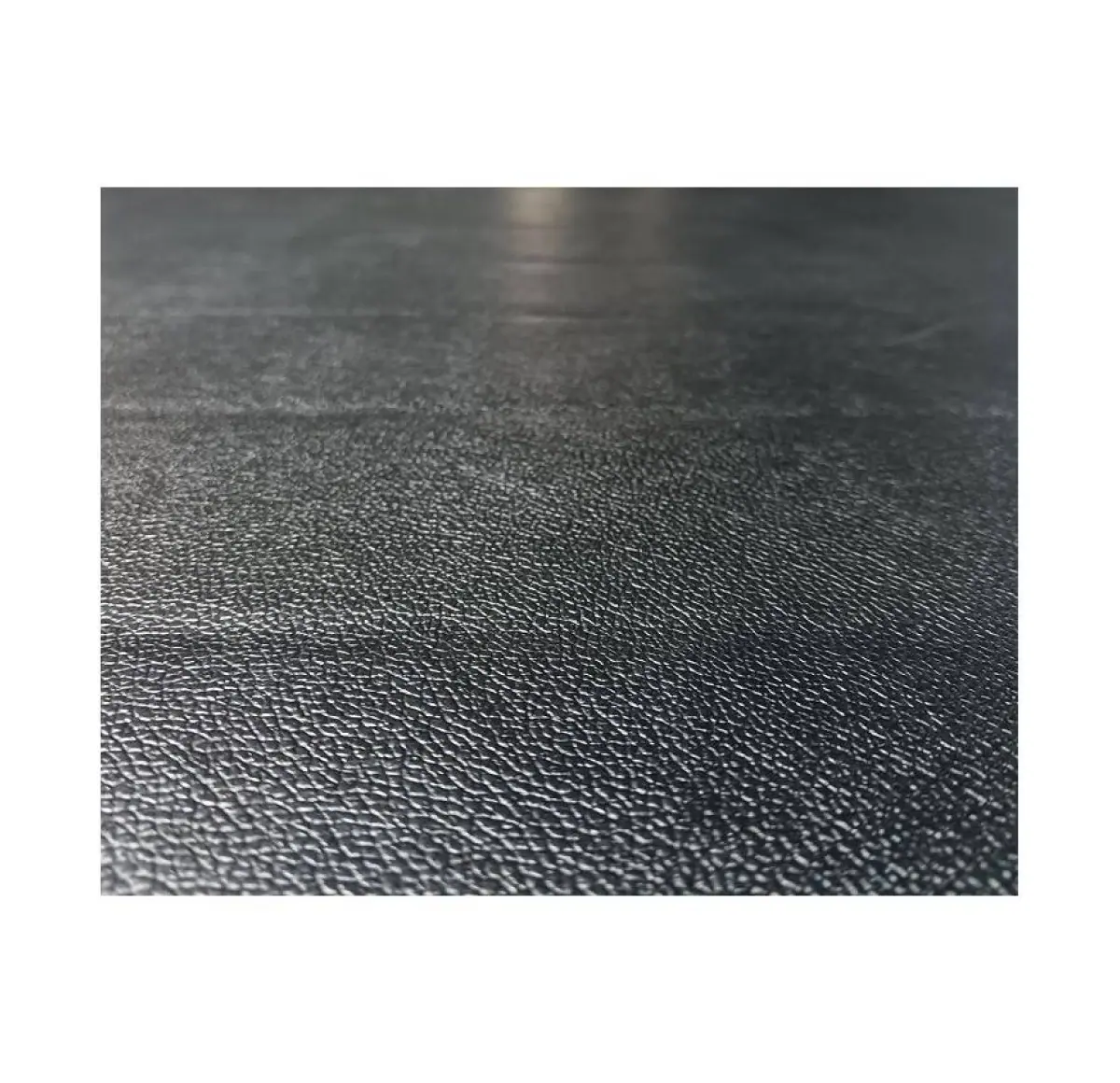
| Surface | Non slip |
| Installation | Puzzle interlock, no adhesive and no tools |
| Edging strips | On request |
| Properties | Waterproof, antibacterial, antistatic, abrasion resistant, partial acoustic insulation |
| Cutting | Can be cut with a knife, measure before cutting |
| Use | Indoor, temporary outdoor possible, prolonged UV exposure not advised |
| Fire classification and certifications | On request |
| Price | 36 EUR excluding VAT per square metre, degressive by area and volume |
Choosing the thickness and running a combat surface
Thickness on a combat mat is decided by what happens above it. Striking disciplines and general floor work are served by 25 mm. The moment a programme includes throws taken by adults at competition intensity, 40 mm becomes the working minimum, because the energy dissipated on landing has to be absorbed by the mat rather than by the joints. The 125 kg per cubic metre density is the market standard at this thickness and is what keeps the foam from bottoming out under a heavy fall.
The reversible construction has three practical uses in a club. Two contrasting faces let a coach mark out a contest area inside a larger mat, the faces can be alternated to spread wear and extend the service life of the surface, and the colour scheme can be matched to the identity of the dojo. Puzzle interlock means the surface is assembled and dismantled without adhesive or tools, which suits shared halls where the room reverts to another use in the evening.
For hygiene, closed cell EVA does not absorb sweat, which is the main reason it is preferred over open cell alternatives in a contact discipline. Cleaning is vacuuming followed by a damp mop with soapy water or a pH neutral disinfectant; abrasive products and solvents attack the surface and must be avoided. Tiles can be trimmed with a knife to fit against walls or pillars, and edge strips are available on request to finish an exposed perimeter.
Frequently asked questions
Is 40 mm necessary, or is 25 mm enough?
25 mm covers striking, conditioning and general floor work. 40 mm is what should be specified where adult throws and repeated heavy landings are part of the programme, for joint protection during breakfalls.
Can the mats be left outdoors?
Temporary outdoor use is possible, for a demonstration or an open day. Prolonged UV exposure is not advised, so a permanent outdoor installation calls for a different product.
What about fire classification for a club open to the public?
Fire classification and certification documents are issued on request. Confirm the class required for your establishment with the safety commission before ordering.
Request a quotation with your mat area and colour choice. Browse the wider range of professional gym flooring.
Additional information
| Weight | 5 kg |
|---|
Delivery and installation
Lead times are confirmed in the quotation according to the product, available stock and destination.
Access requirements and delivery appointments for heavy equipment are agreed before dispatch.
Installation is included when stated for the product or in the quotation; otherwise it is quoted separately.
You may also like…
-
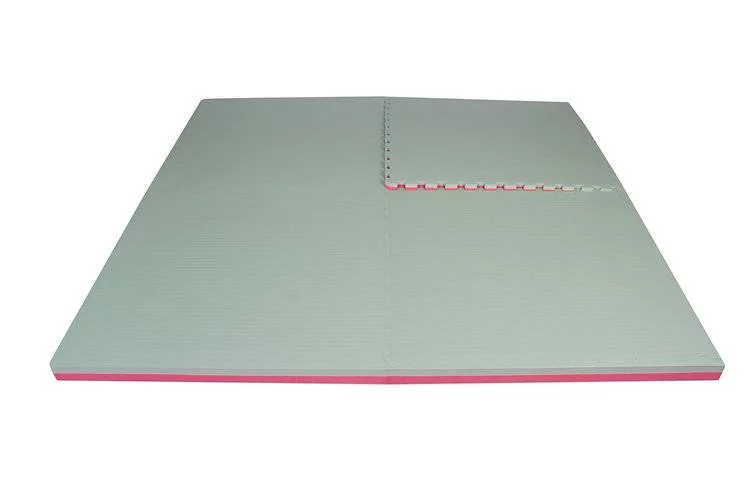
Puzzle tatami tile 50 mm for martial arts to Pinterest (opens in a new window)Save on Pinterest : Puzzle tatami tile 50 mm for martial arts
 Add to cartMORE INFO
Puzzle tatami tile 50 mm for martial arts
45.00 € excl. VAT -
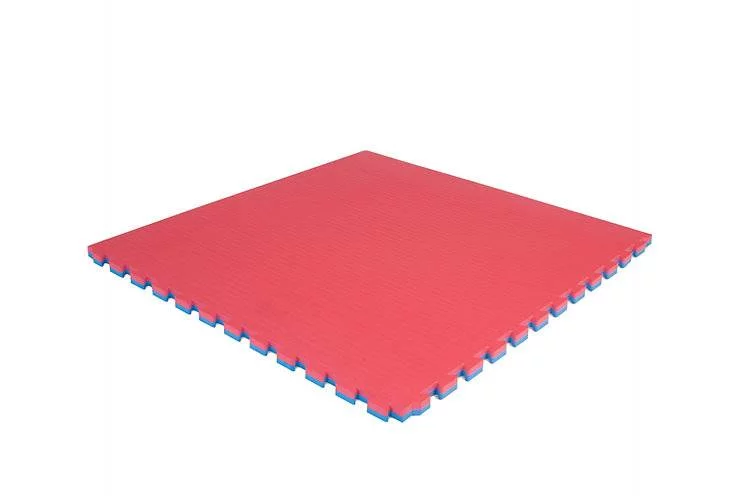
30 mm red and blue puzzle tatami, 100 × 100 cm to Pinterest (opens in a new window)Save on Pinterest : 30 mm red and blue puzzle tatami, 100 × 100 cm
![30 mm red and blue puzzle tatami, 100 × 100 cm]()
 Add to cartMORE INFO
30 mm red and blue puzzle tatami, 100 × 100 cm
28.00 € excl. VAT -
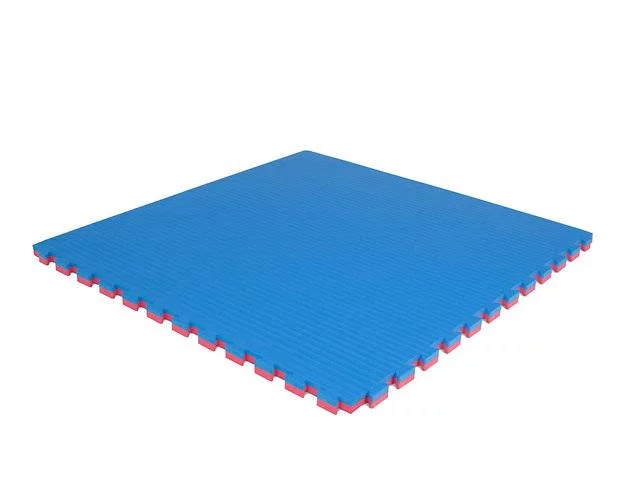
Dojo Tatami Mat 25 mm Black/Grey — EVA Puzzle Tile, Edges Included to Pinterest (opens in a new window)Save on Pinterest : Dojo Tatami Mat 25 mm Black/Grey — EVA Puzzle Tile, Edges Included
![Dojo Tatami Mat 25 mm Black/Grey — EVA Puzzle Tile, Edges Included]() Add to cartMORE INFO
Add to cartMORE INFODojo Tatami Mat 25 mm Black/Grey — EVA Puzzle Tile, Edges Included
17.00 € excl. VAT
Related products
-
20 mm High Density Puzzle Tile - Martial Arts and Fitness Floor to Pinterest (opens in a new window)Save on Pinterest : 20 mm High Density Puzzle Tile - Martial Arts and Fitness FloorAdd to cartMORE INFO
20 mm High Density Puzzle Tile - Martial Arts and Fitness Floor
38.43 € excl. VAT -
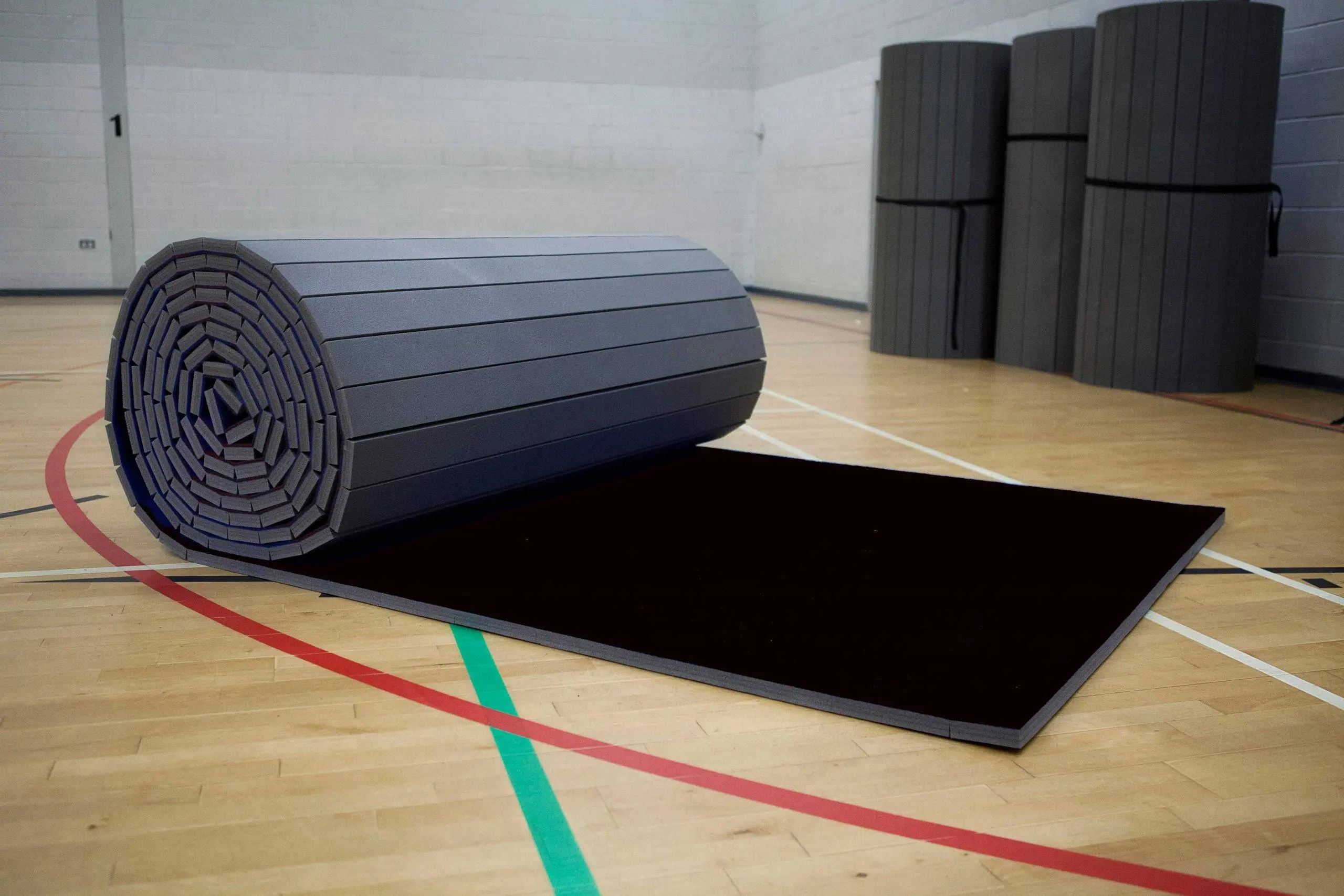
Roll out tatami mat 40 mm, 1.5 x 10 m to Pinterest (opens in a new window)Save on Pinterest : Roll out tatami mat 40 mm, 1.5 x 10 m
![Roll out tatami mat 40 mm, 1.5 x 10 m]()
 Add to cartMORE INFO
Roll out tatami mat 40 mm, 1.5 x 10 m
950.00 € excl. VAT -
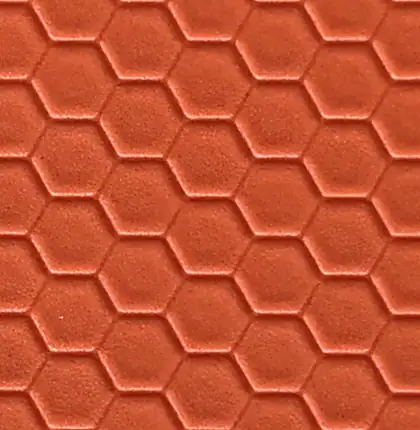
EVA puzzle tile 40 mm, 100 × 100 cm for floor exercises to Pinterest (opens in a new window)Save on Pinterest : EVA puzzle tile 40 mm, 100 × 100 cm for floor exercises
![EVA puzzle tile 40 mm, 100 × 100 cm for floor exercises]()
 Add to cartMORE INFO
EVA puzzle tile 40 mm, 100 × 100 cm for floor exercises
61.53 € excl. VAT