
Outdoor sports flooring
Outdoor sports flooring: our professional selection
Repères de gamme — 31 modèles, dont 29 à prix affiché : 14 €–79 € HT par appareil (calcul du 29/09/2026).
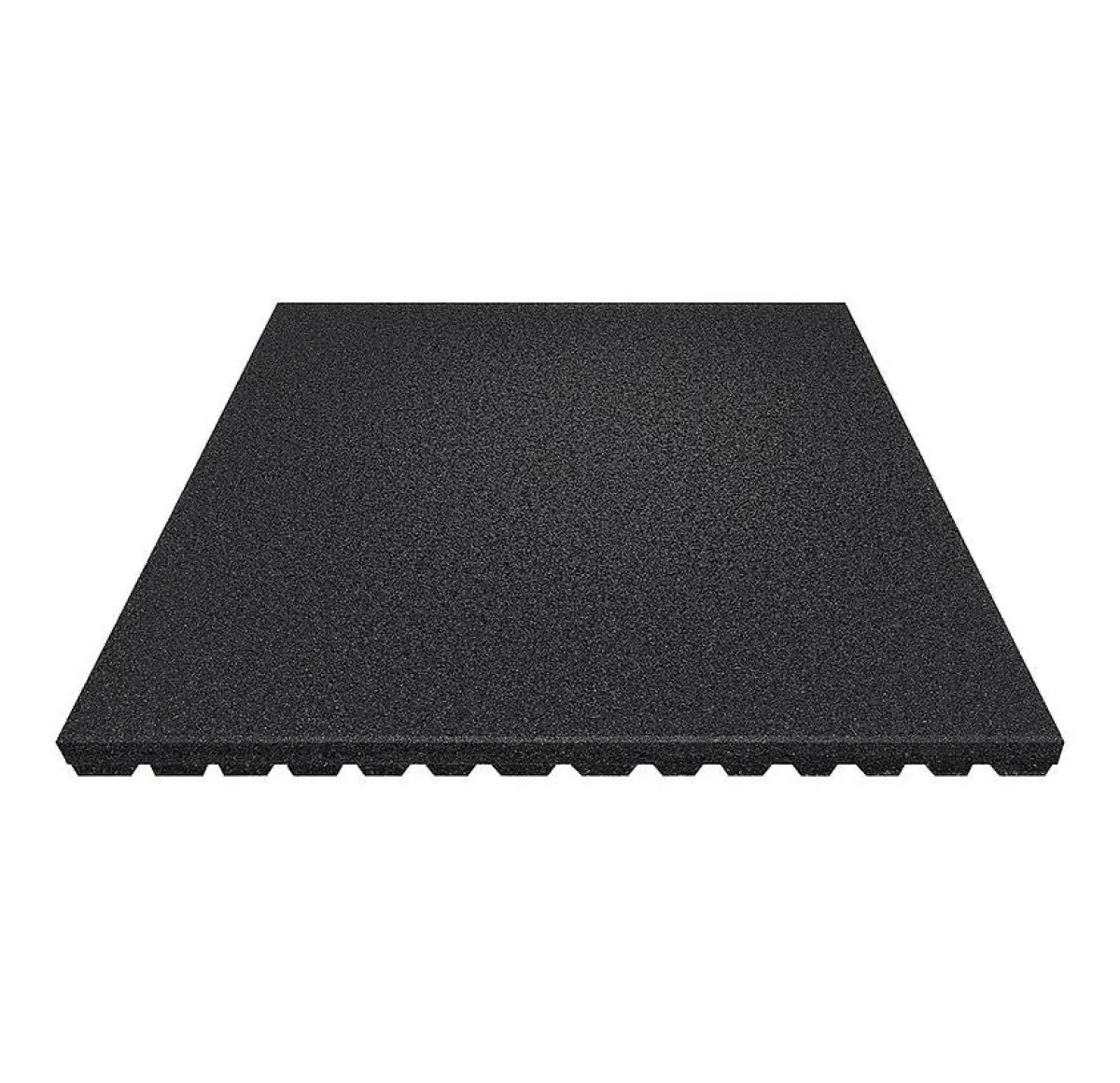
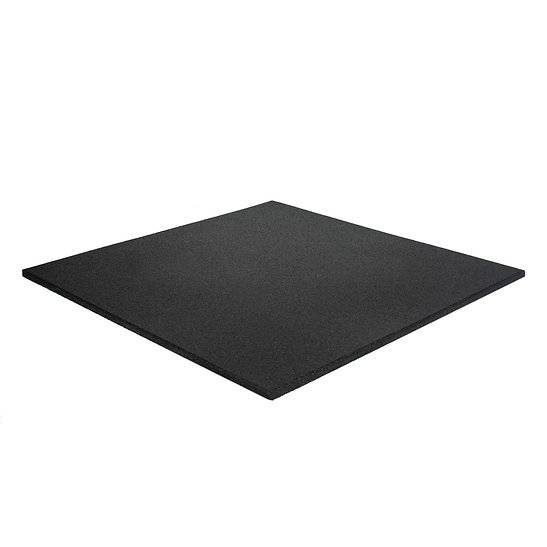
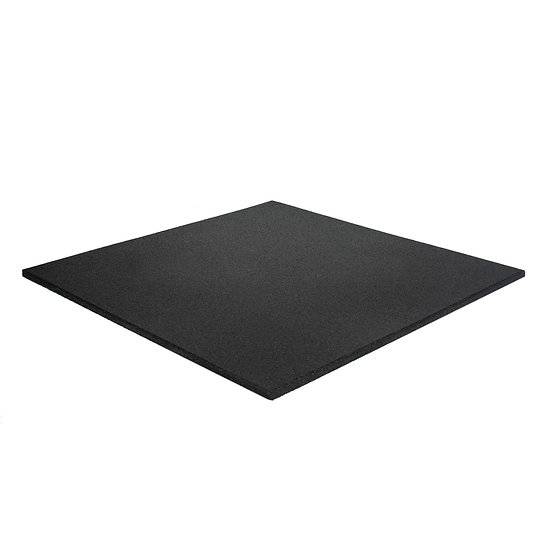
Outdoor sports flooring is the surfacing specified for outdoor fitness areas, fitness trails, street workout zones and collective sports spaces exposed to weather all year. The range covers professional coverings that resist UV and frost, absorb impact and suit projects run by local authorities, campsites, schools, clubs and companies. Specification follows two figures: the free height of fall to be absorbed, and the drainage capacity of the sub base.
What defines our sports flooring
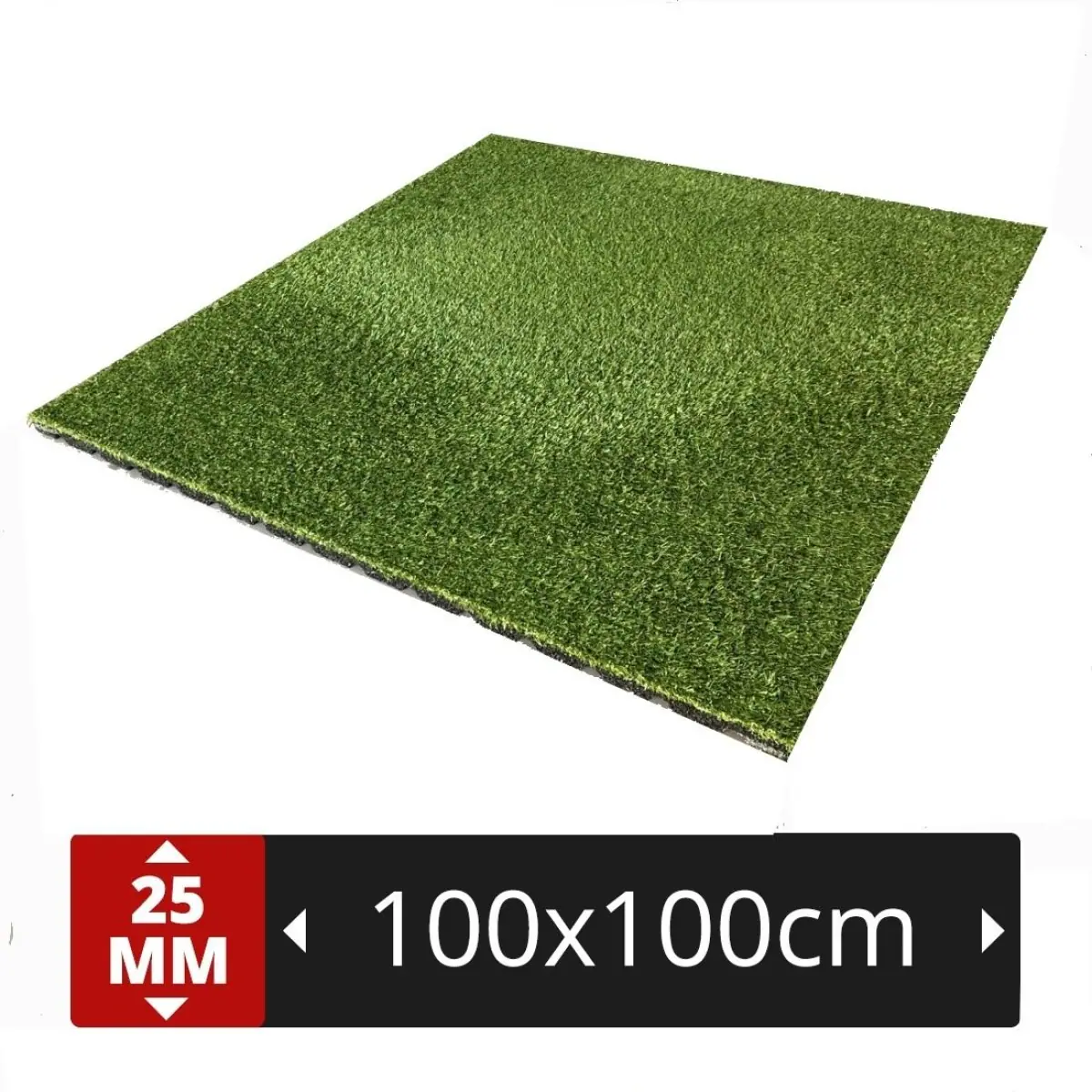
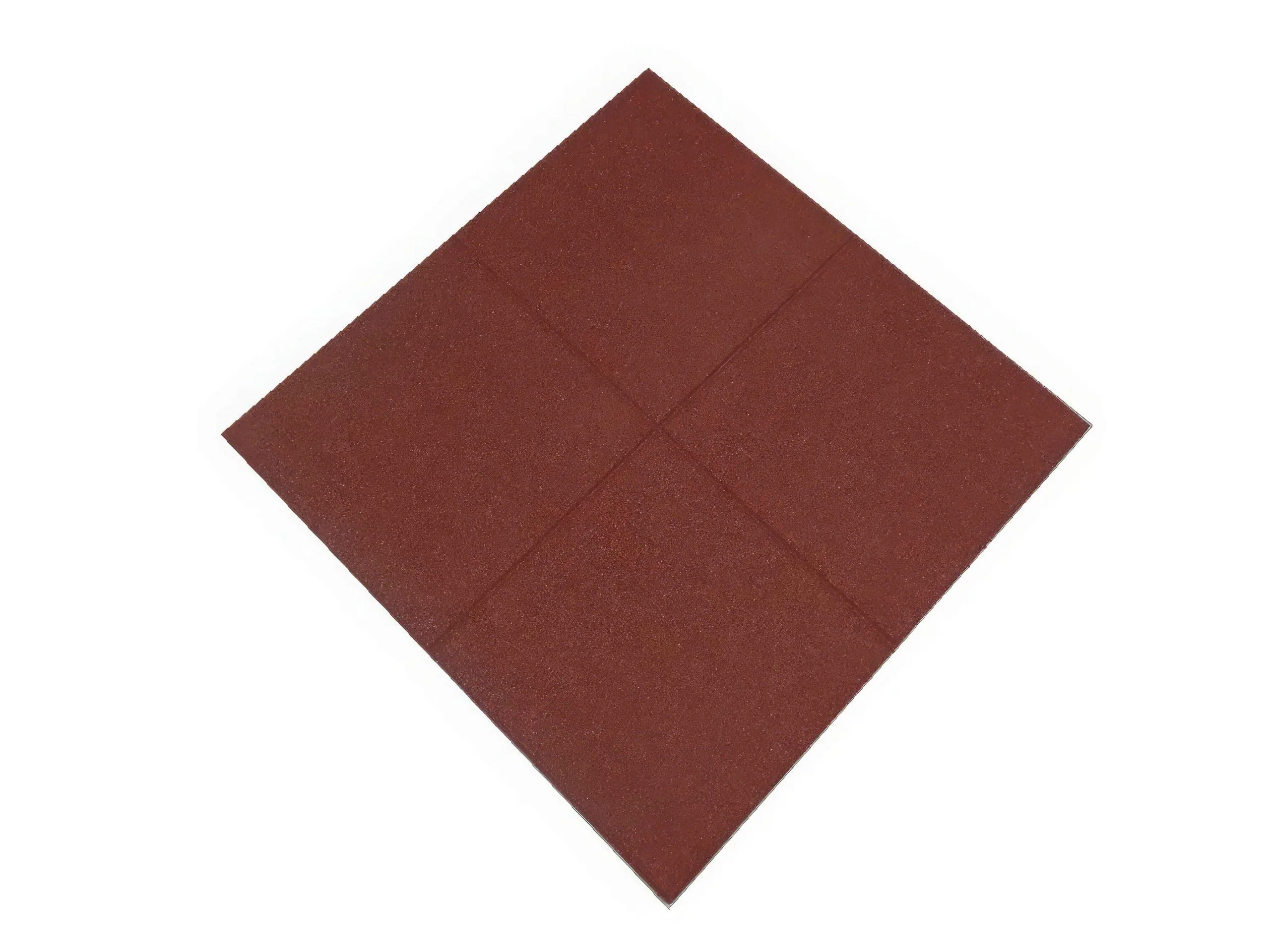
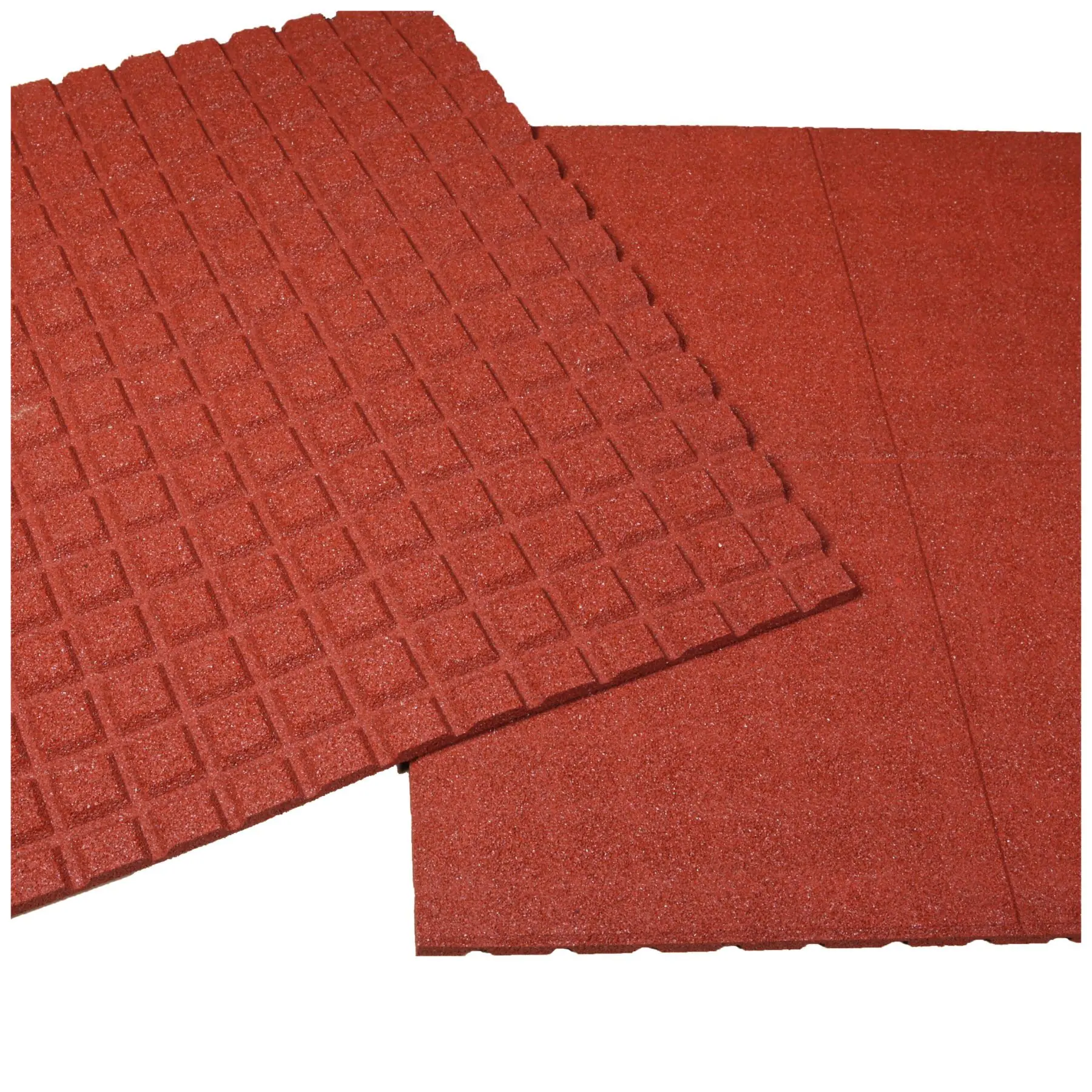
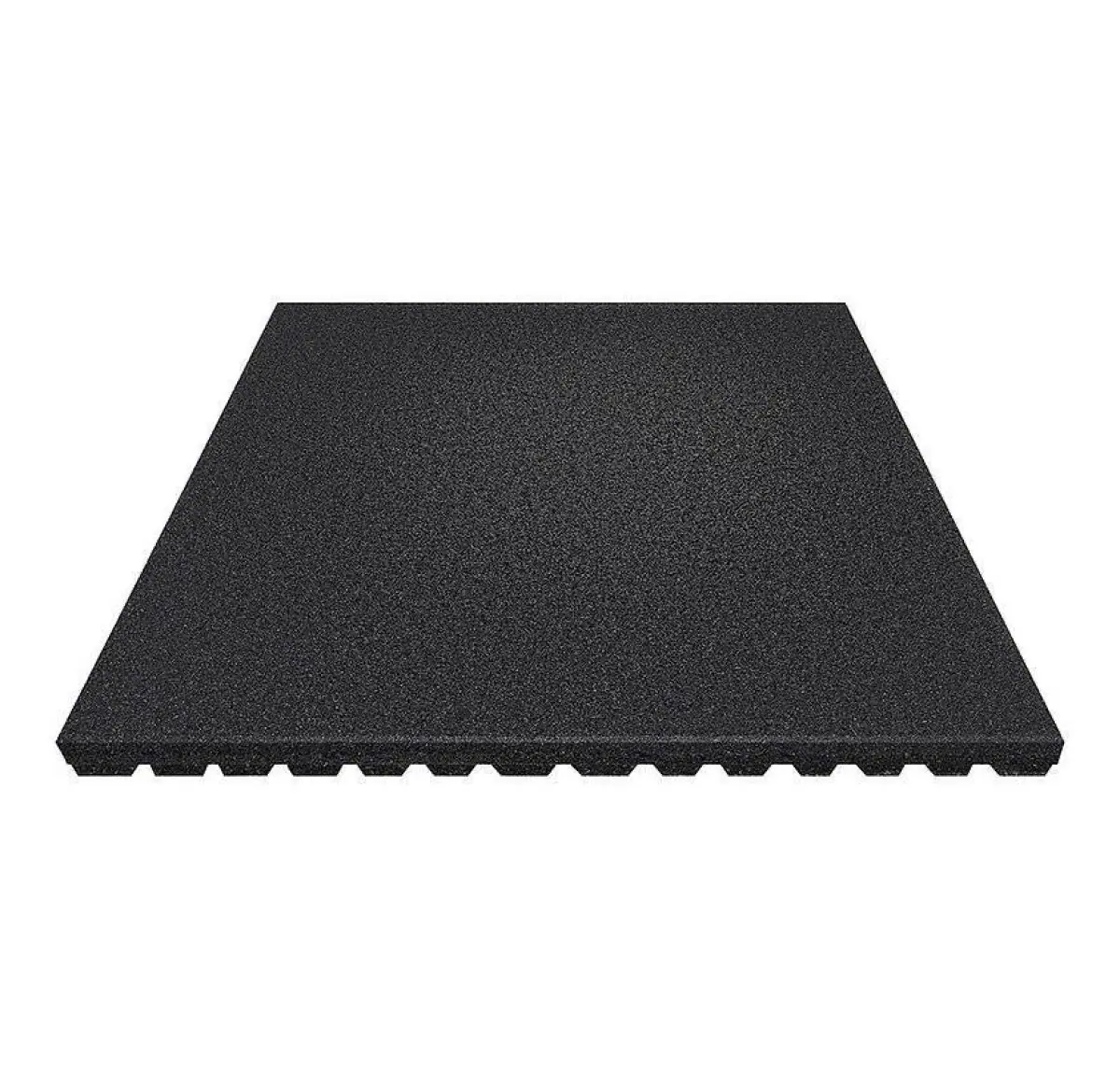
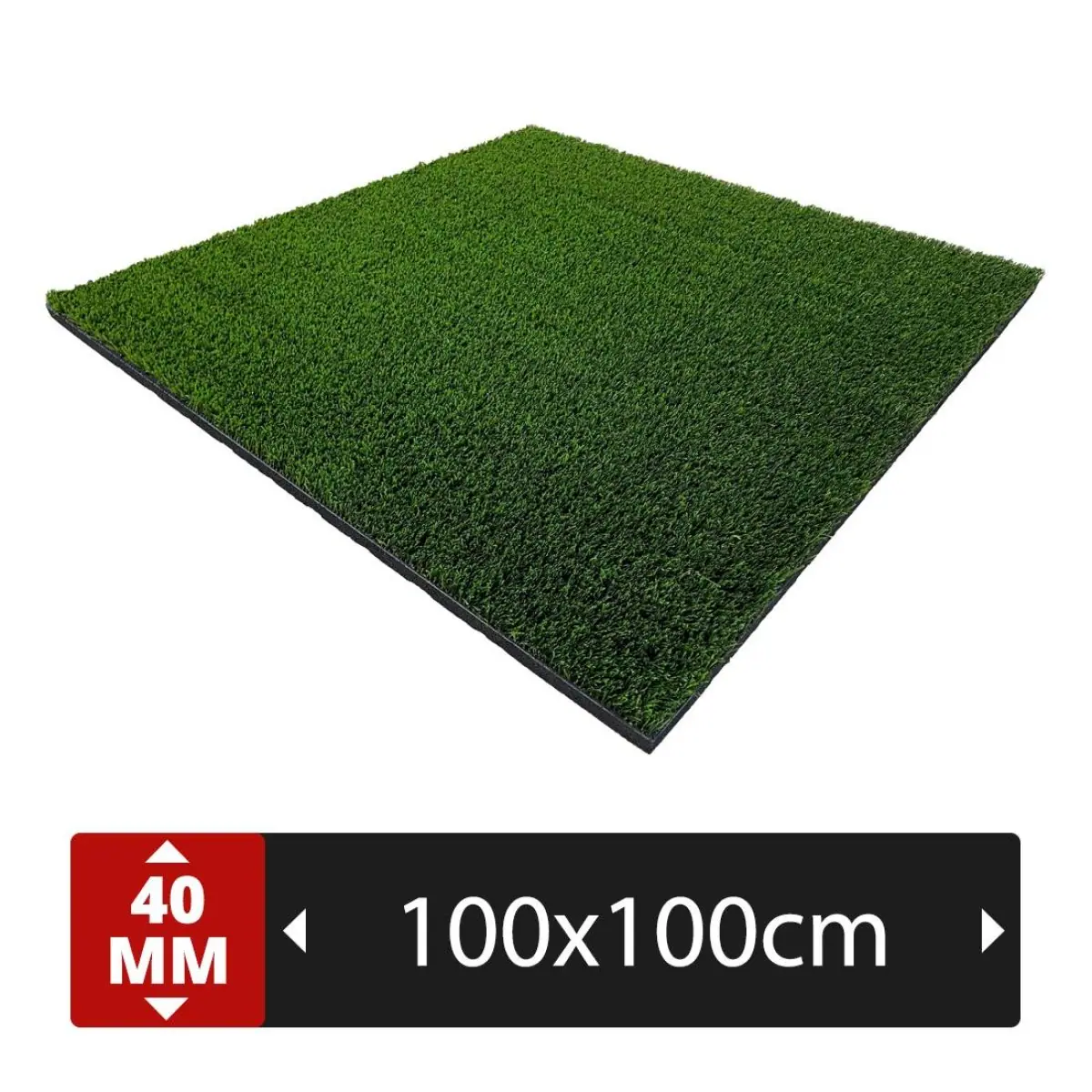
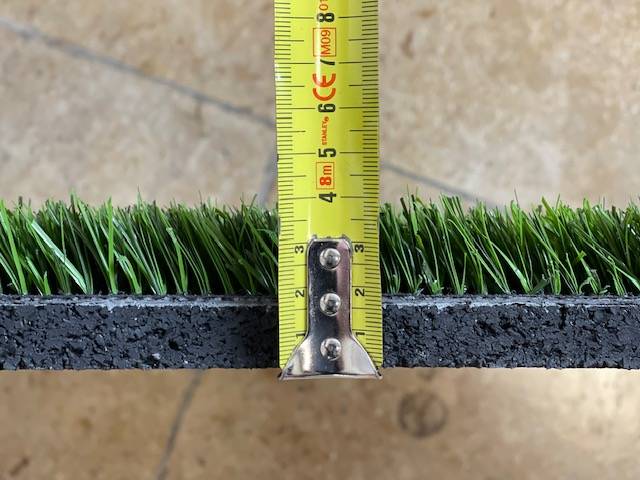
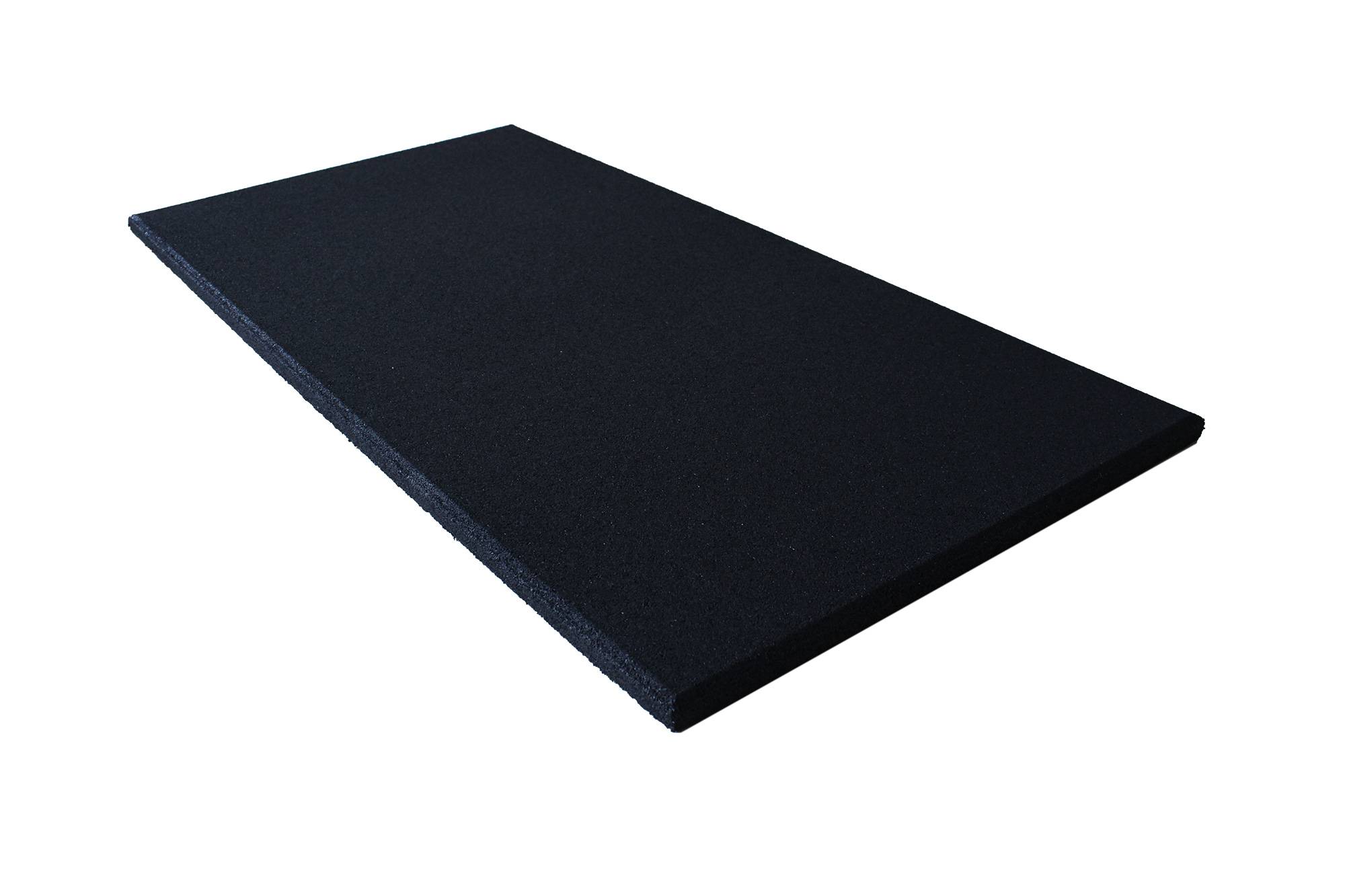
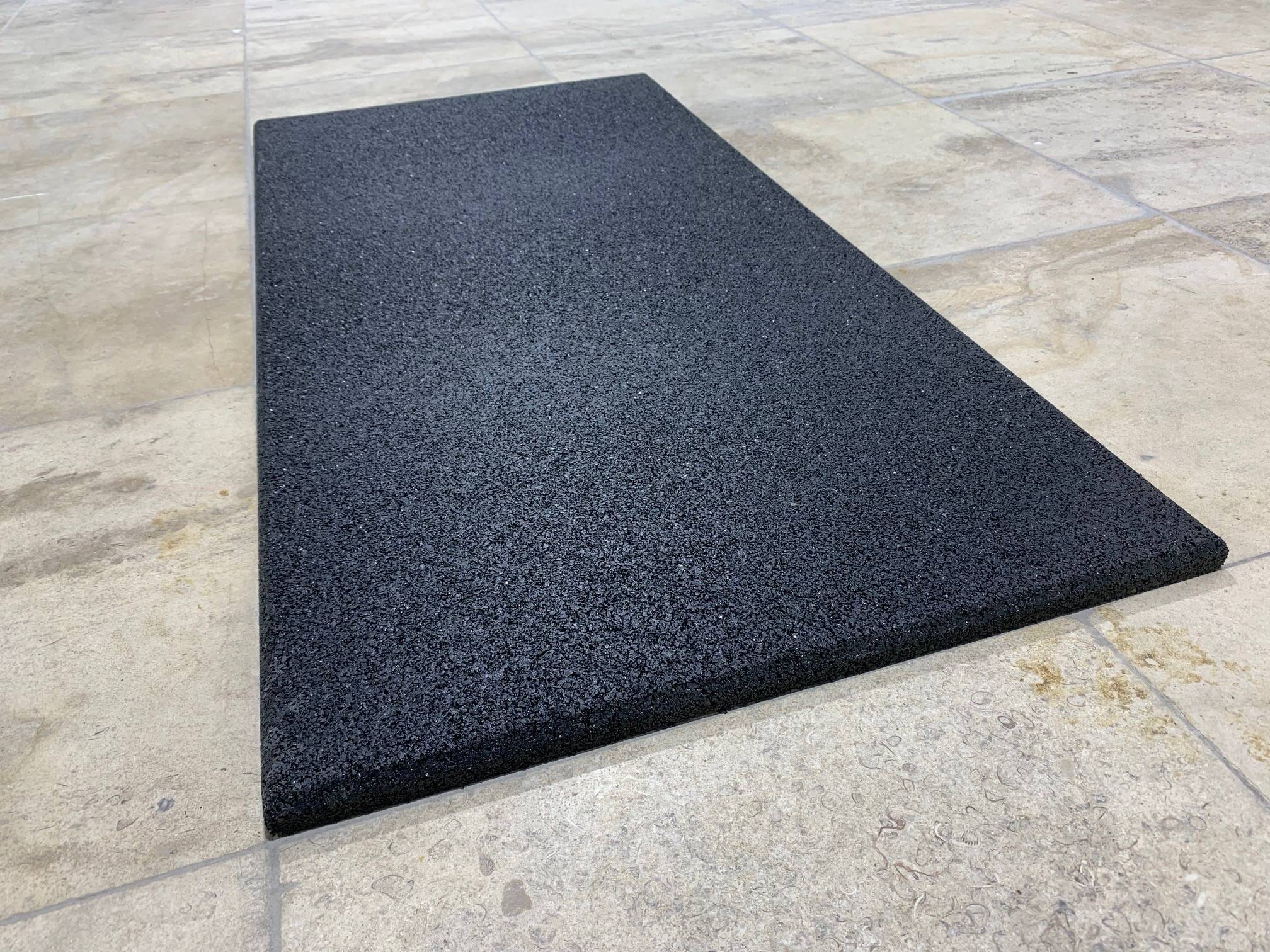
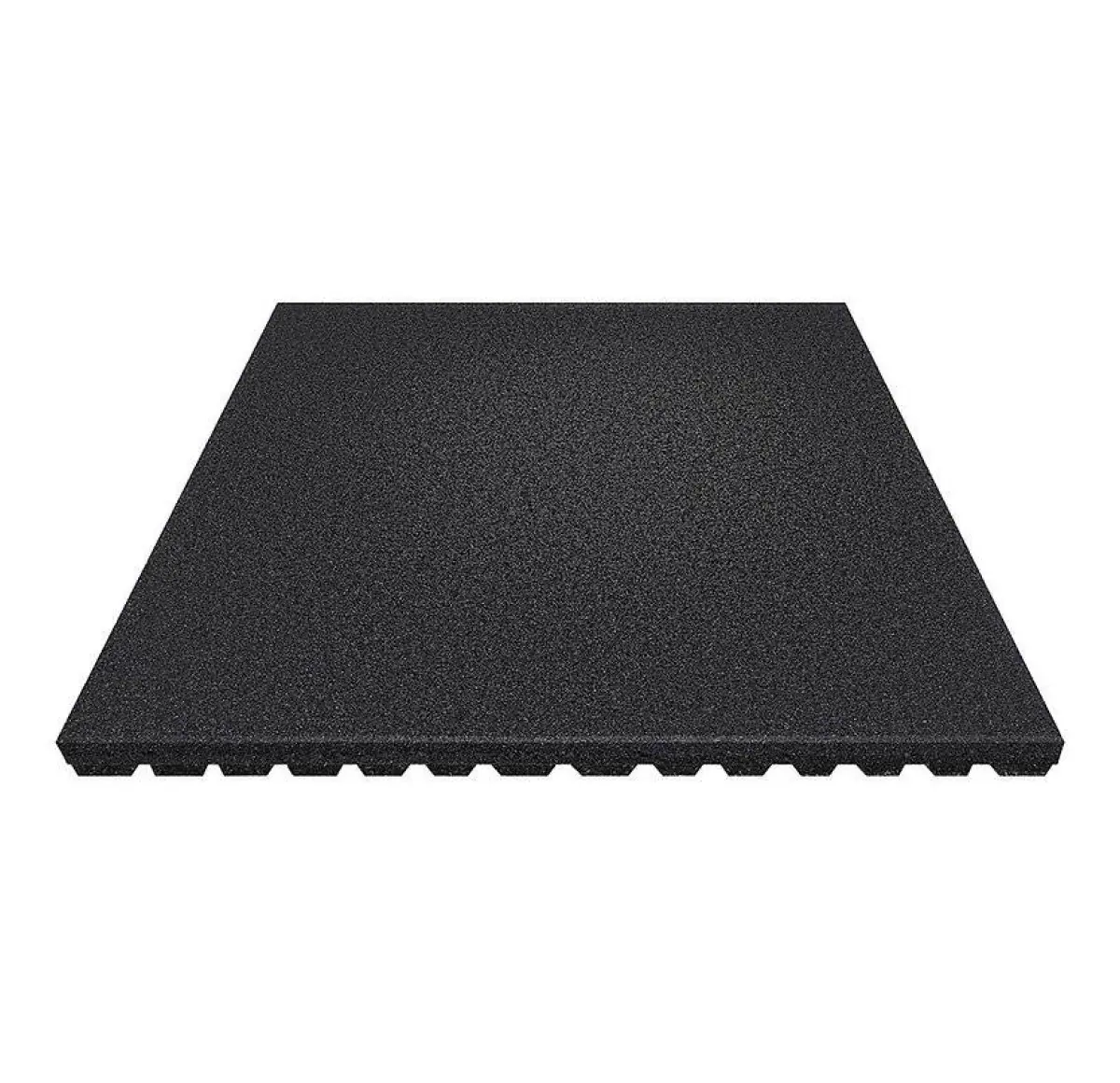
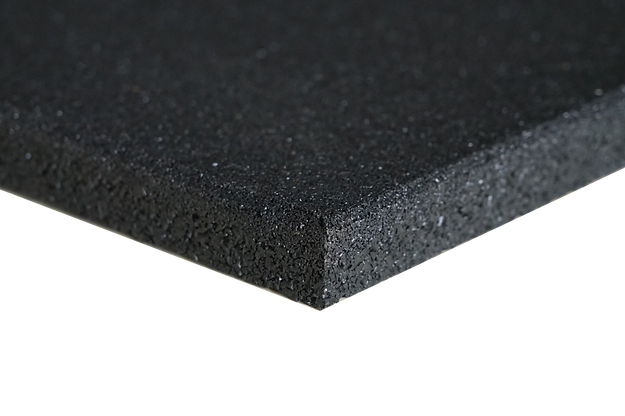
| Thicknesses and formats | From 6 to 60 mm, up to 100 mm for extreme use. Formats 50 × 50, 50 × 100 and 100 × 100 cm, plus mats and rolls |
|---|---|
| Density | 900 to 1,000 kg/m³ depending on the reference, stated on every product page |
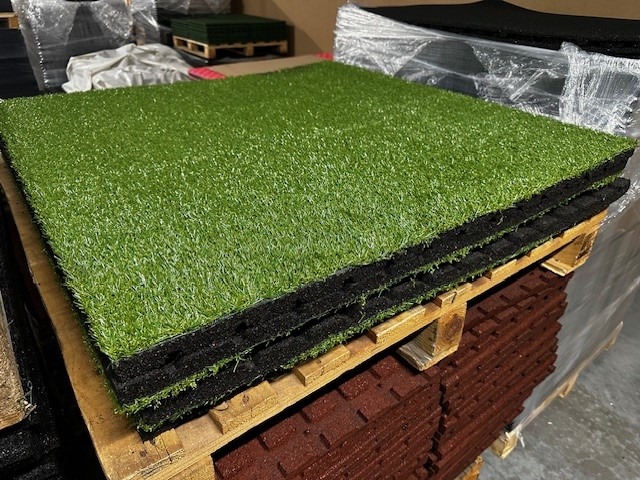
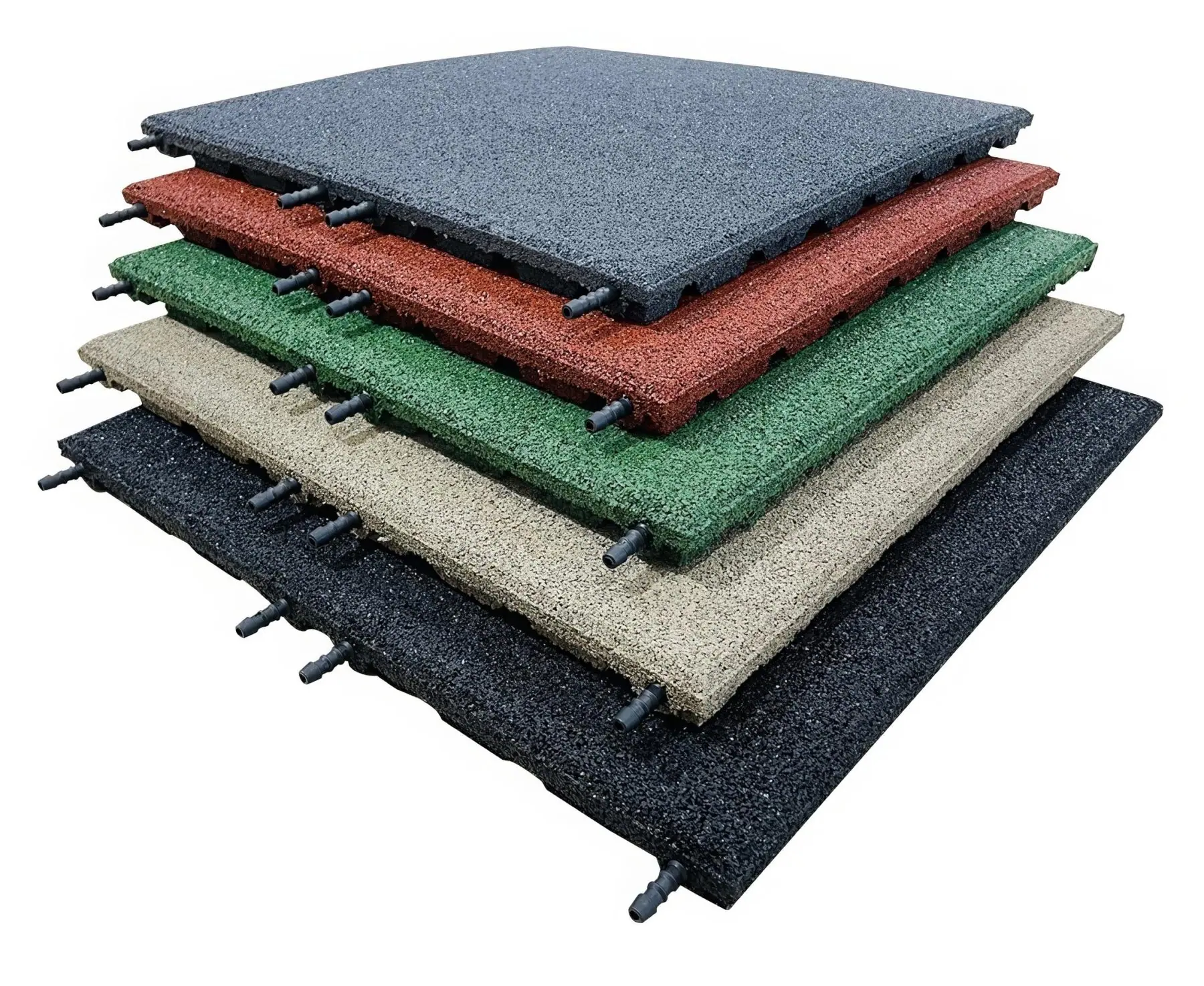
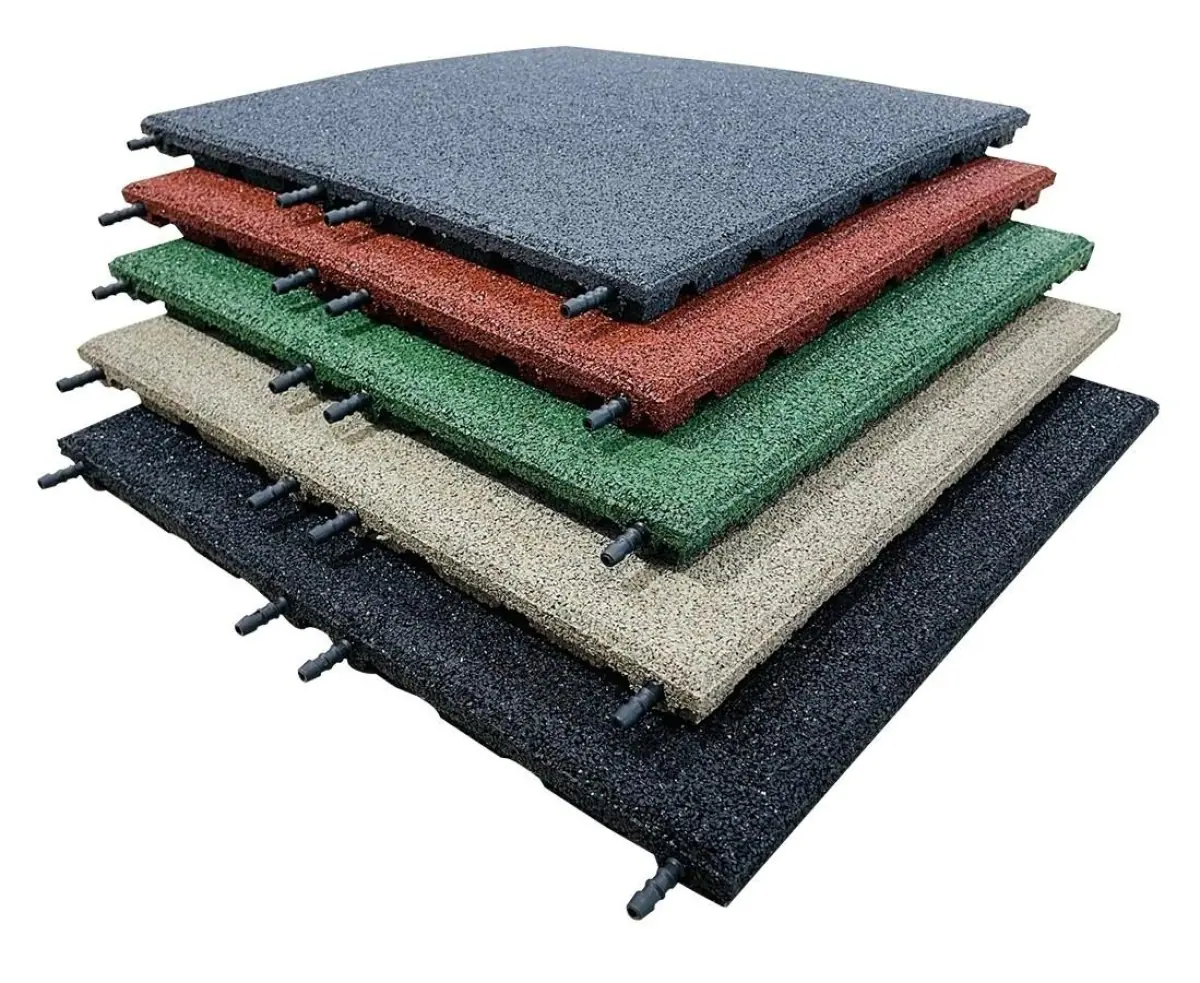
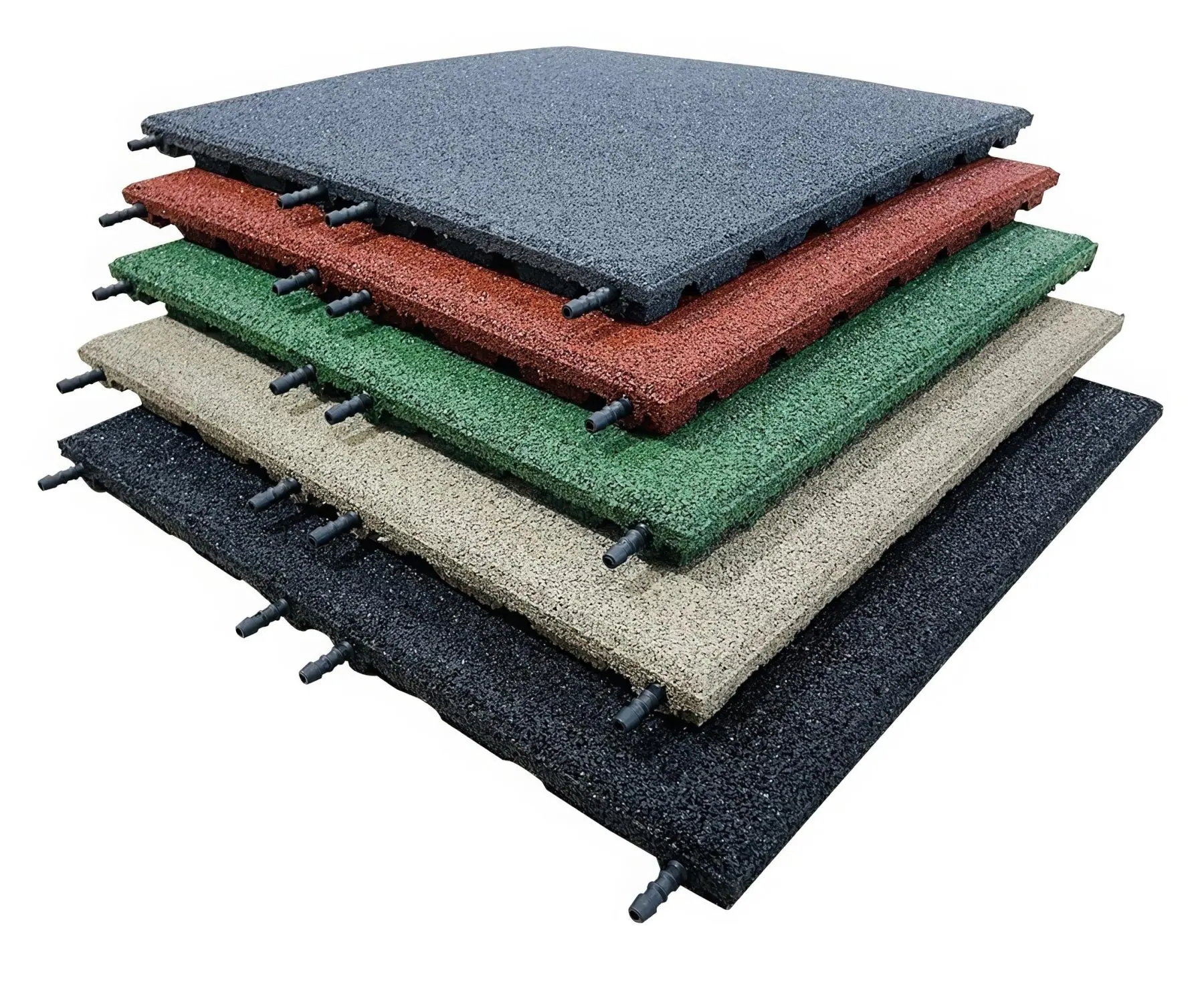
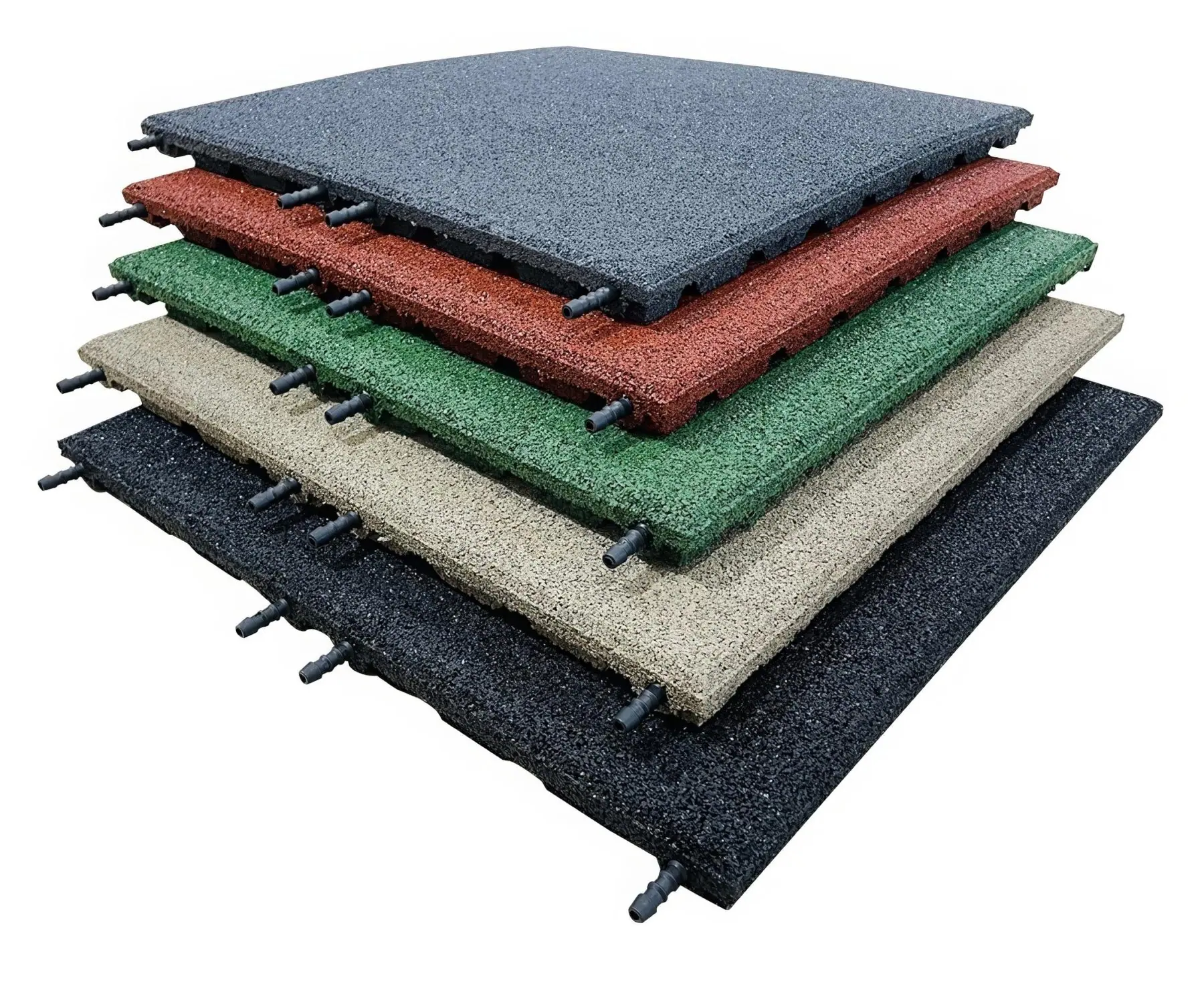
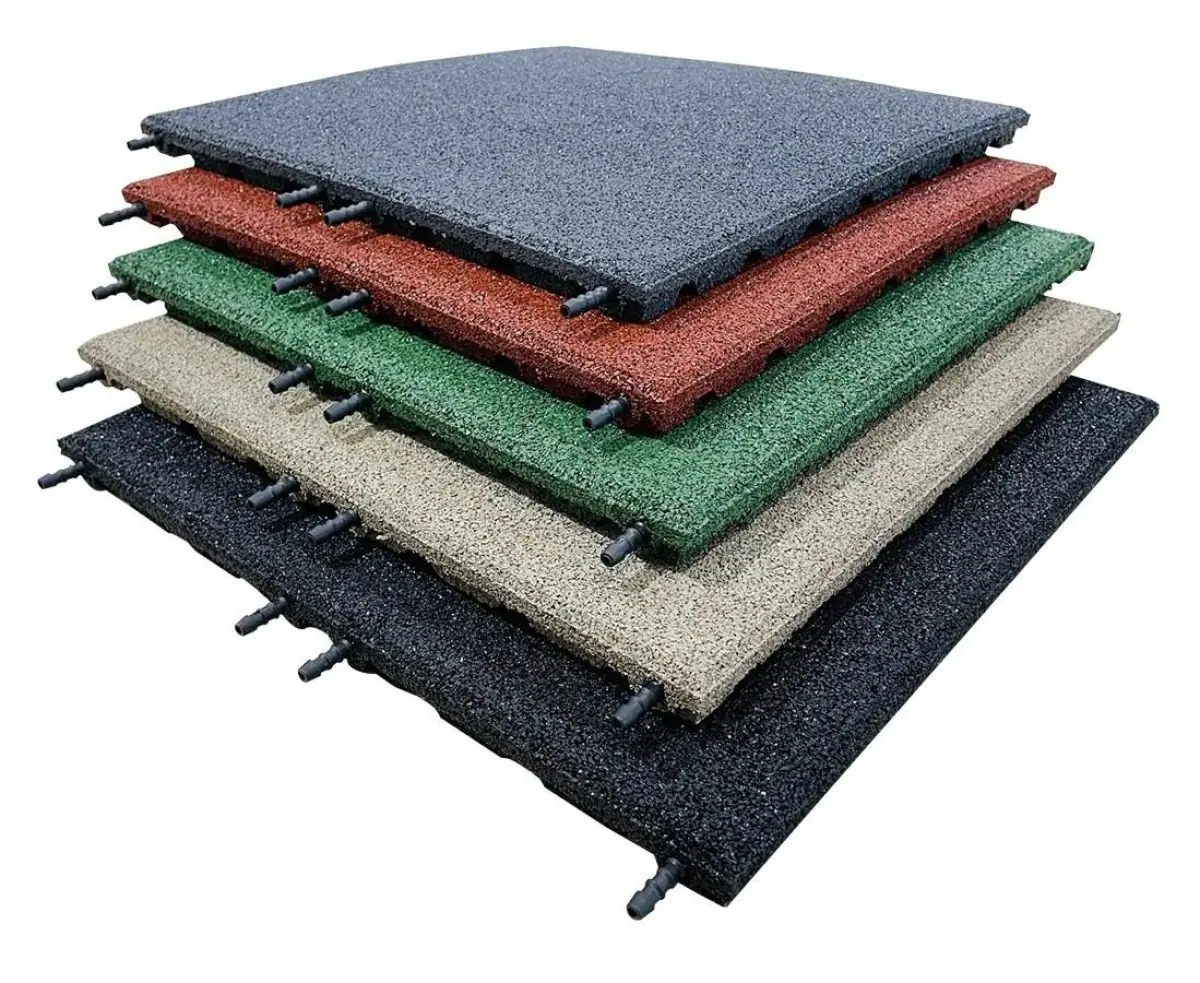
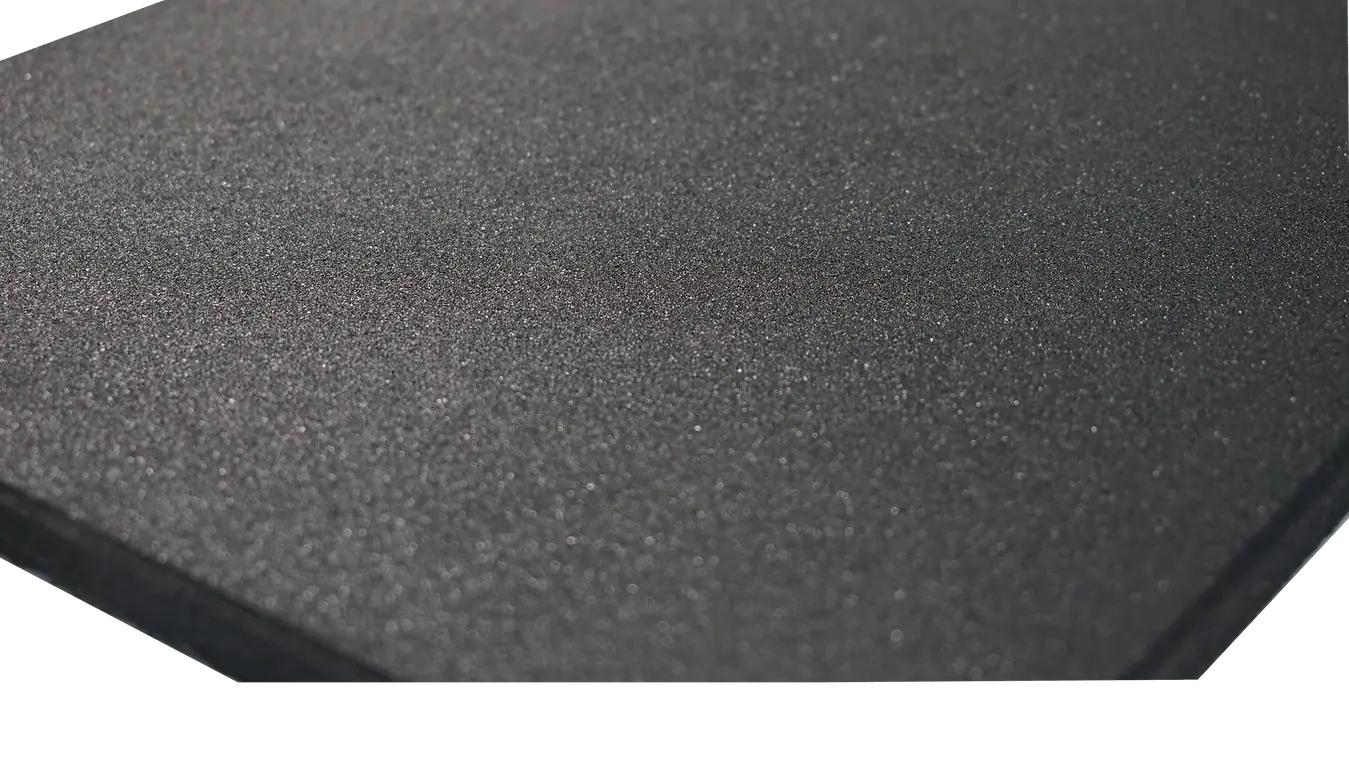
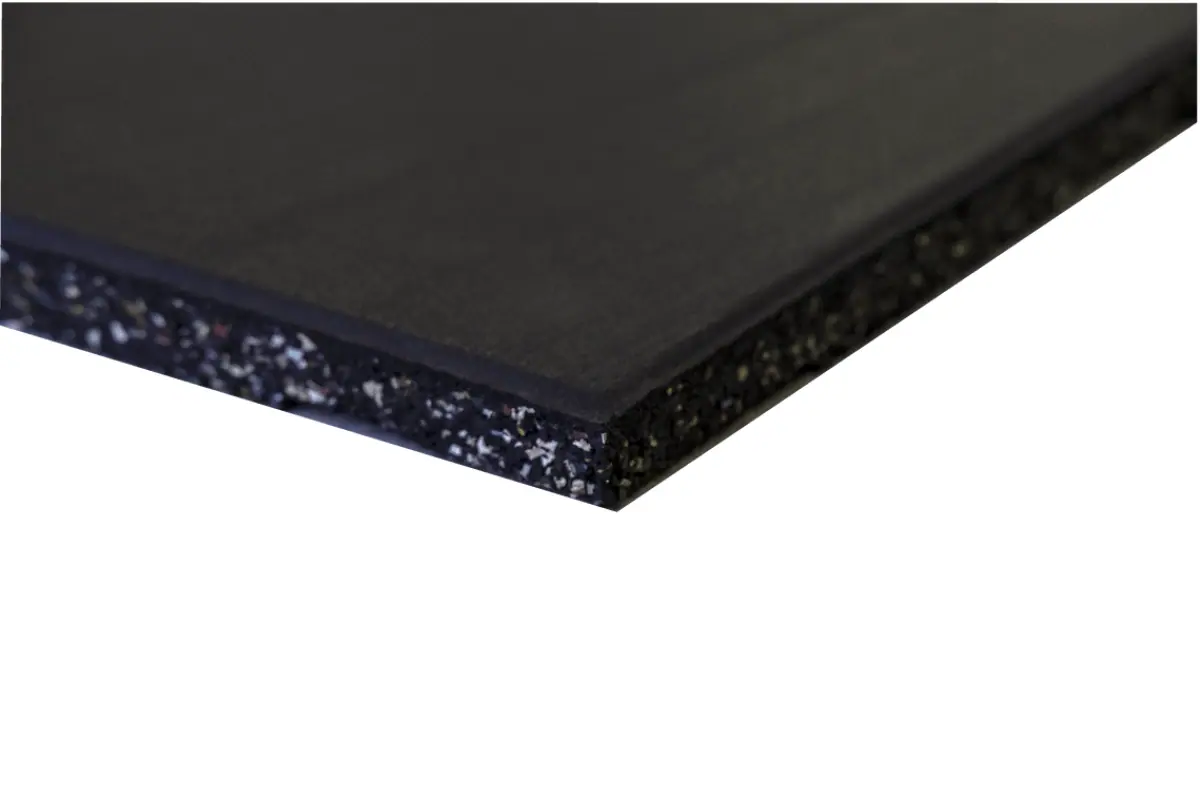
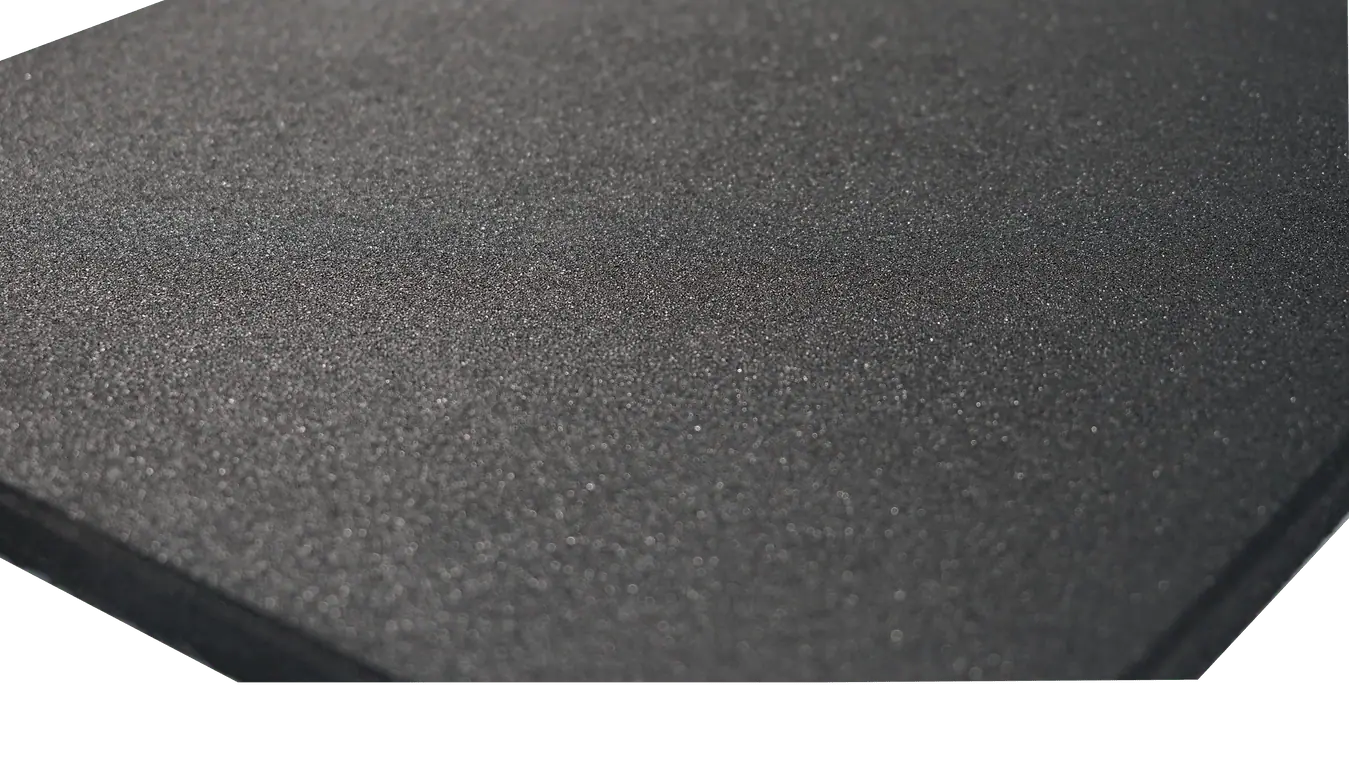
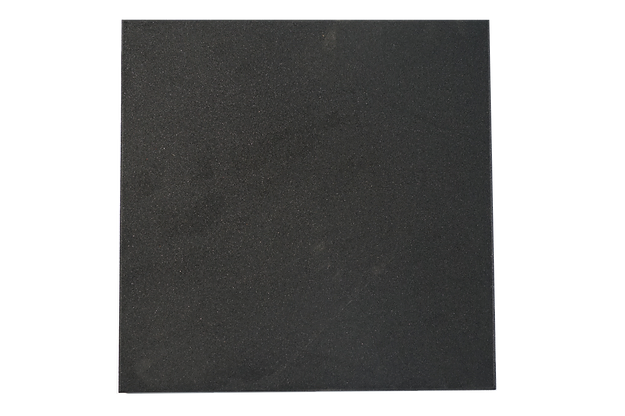
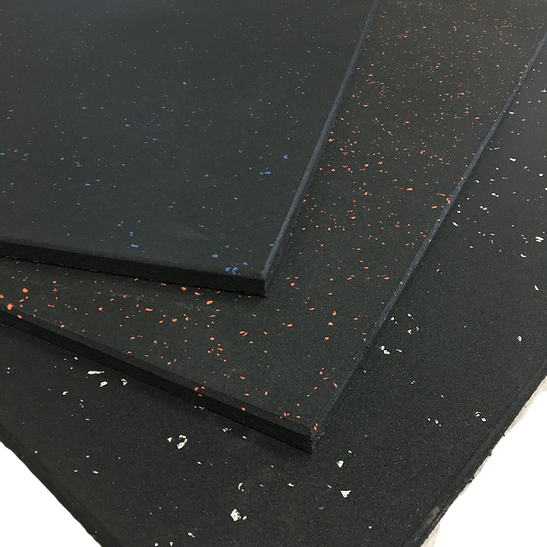
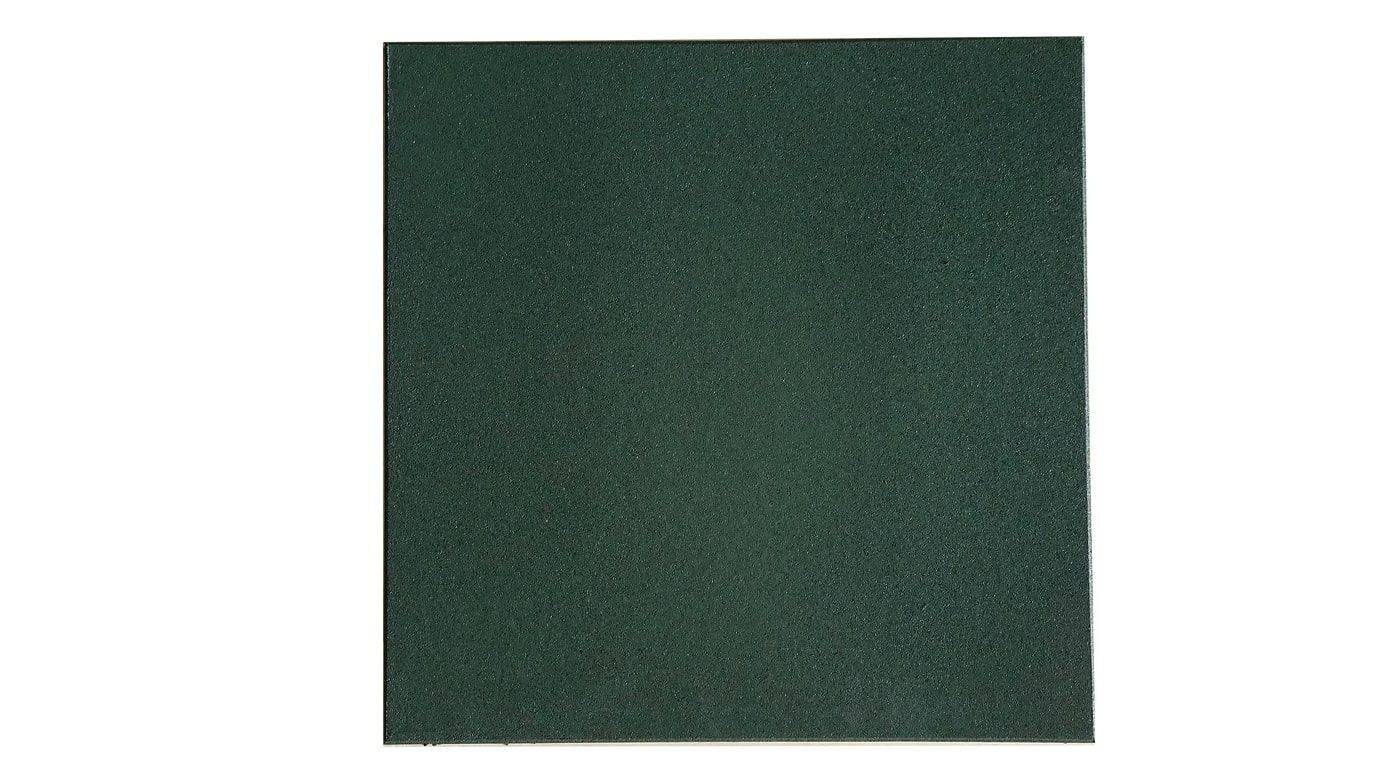
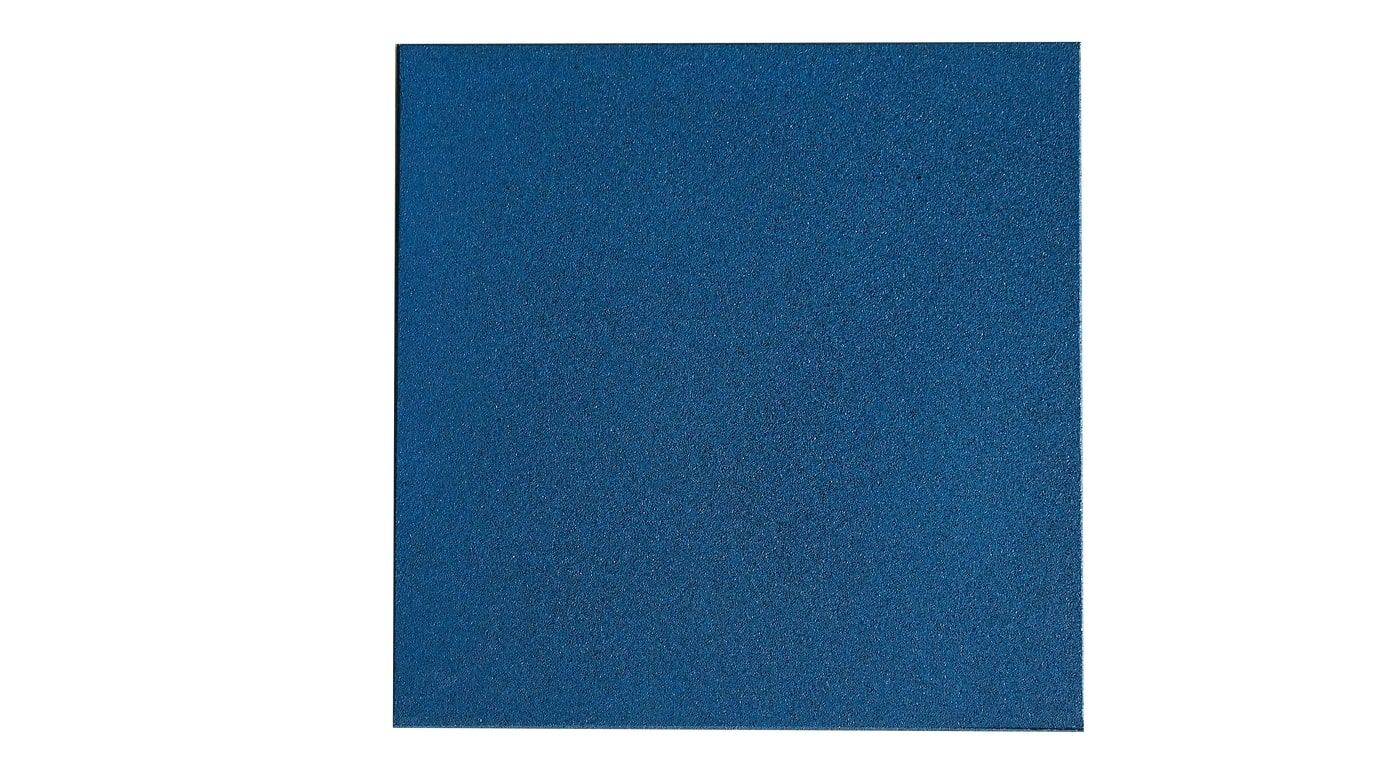
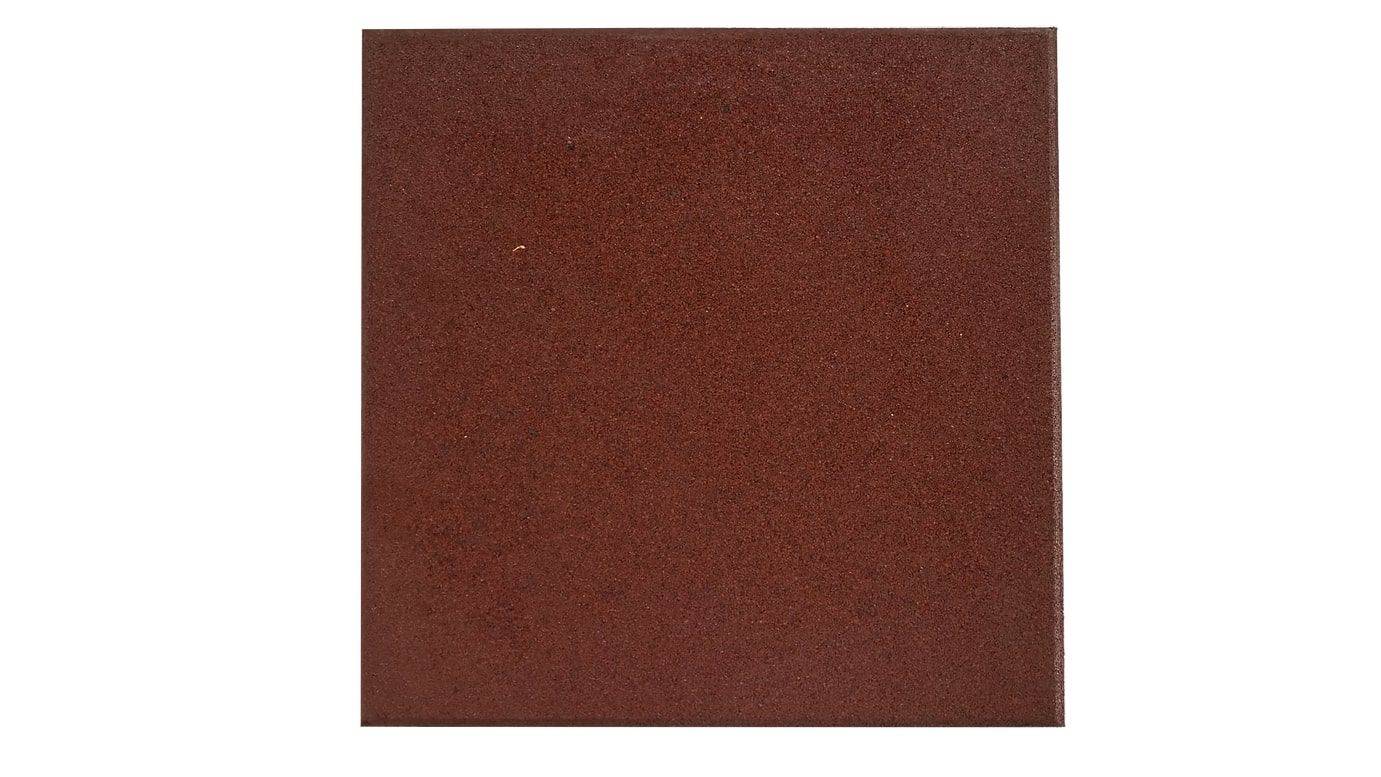
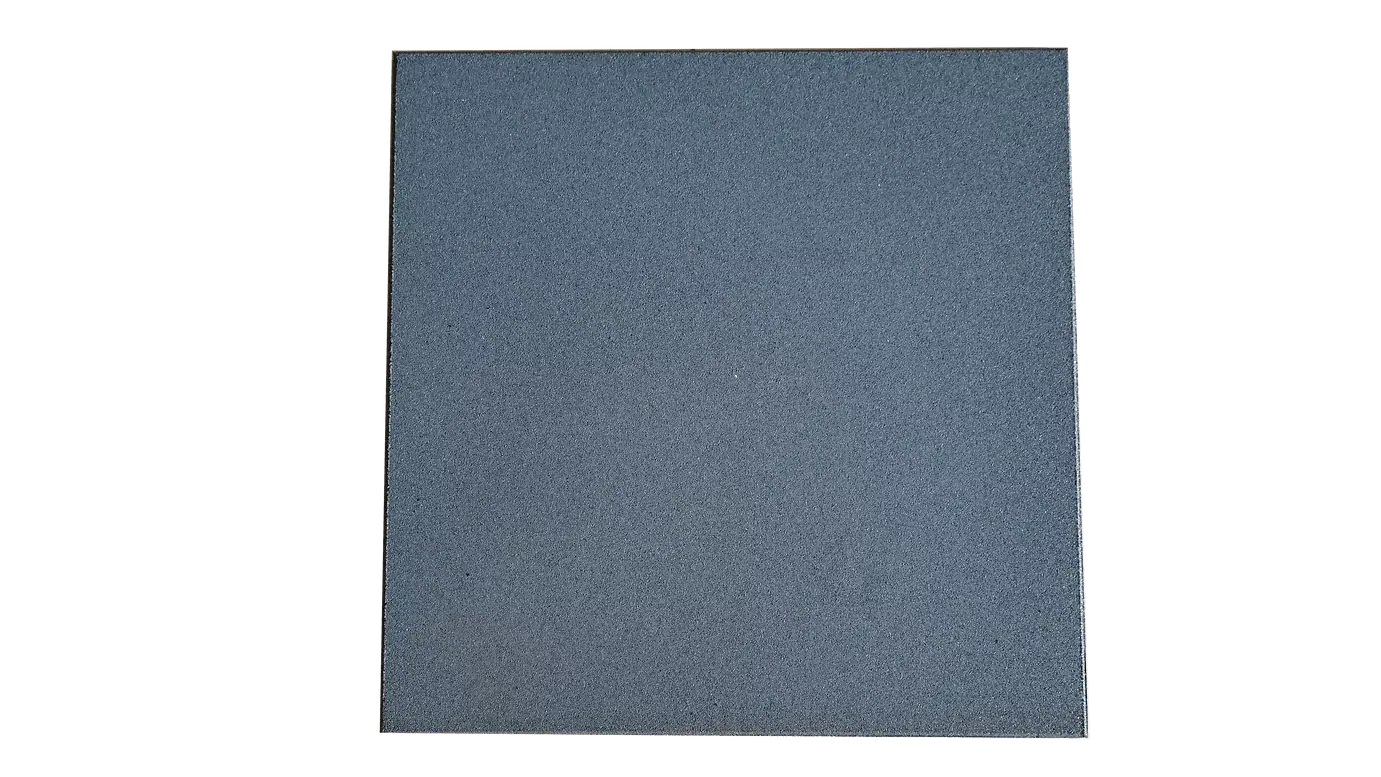
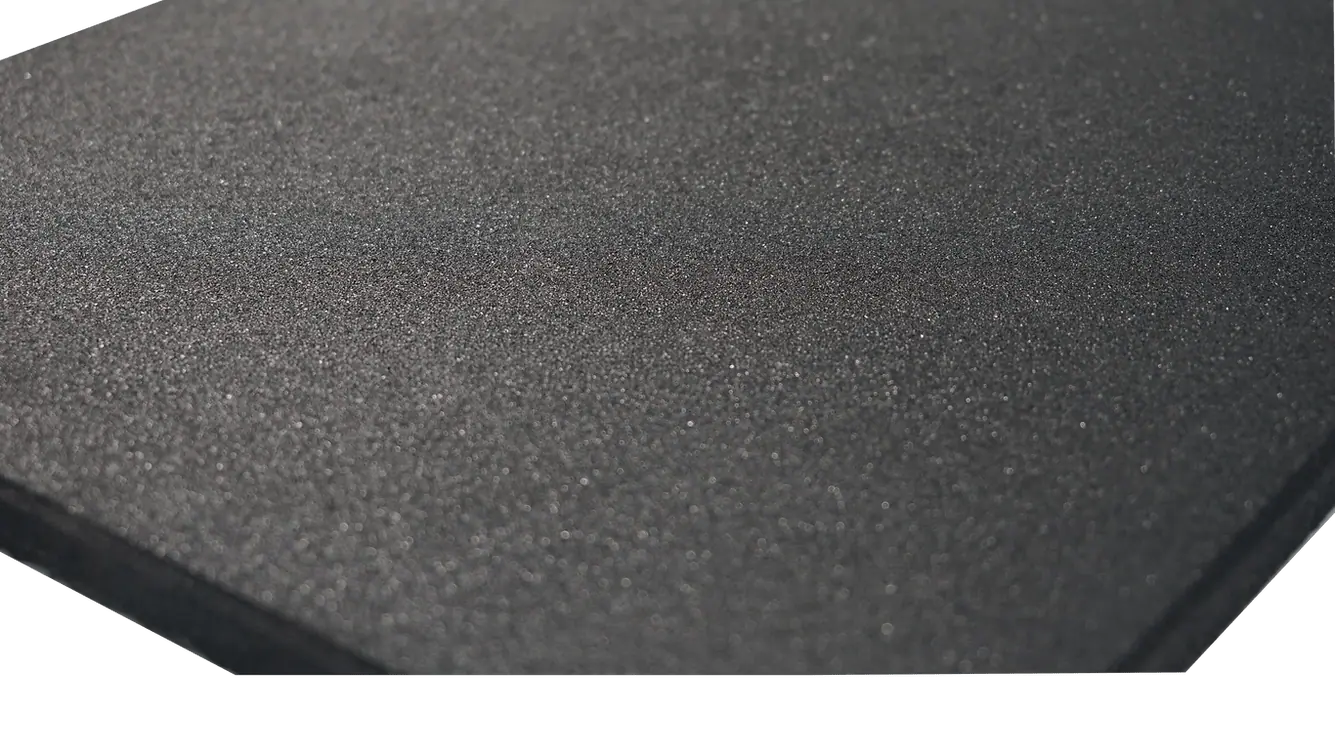
| Composition | Recycled rubber granules with polyurethane binder; coloured, wood-effect or patterned versions depending on the range |
| Impact attenuation | Critical fall height validated by HIC testing to EN 1177, published reference by reference |
| Fire classification | Three classifications backed by test reports (EN 13501-1): Bfl-s1 by SGS (SBR/EPDM tiles 15 to 40 mm), Cfl-s1 by LNE (SBR tiles 15 to 30 mm) and Dfl-s1 by LNE (SBR tiles with EPDM top layer, 25 to 30 mm); reports available on request, not published online; other thicknesses and finishes are classified by Light In Fitness declaration on these bases |
| Acoustics | ΔLw values declared by Light In Fitness on the basis of supplier testing, attestation on request |
| Installation | Loose-laid, connector-jointed or bonded depending on thickness and use. Substrate, flatness and drainage to be checked before ordering |
| Edge detailing | Finishing profiles for 20, 25 and 40 mm thicknesses, plus a sloped transition strip. Access ramps and made-to-measure edging available as an option, quoted with the layout |
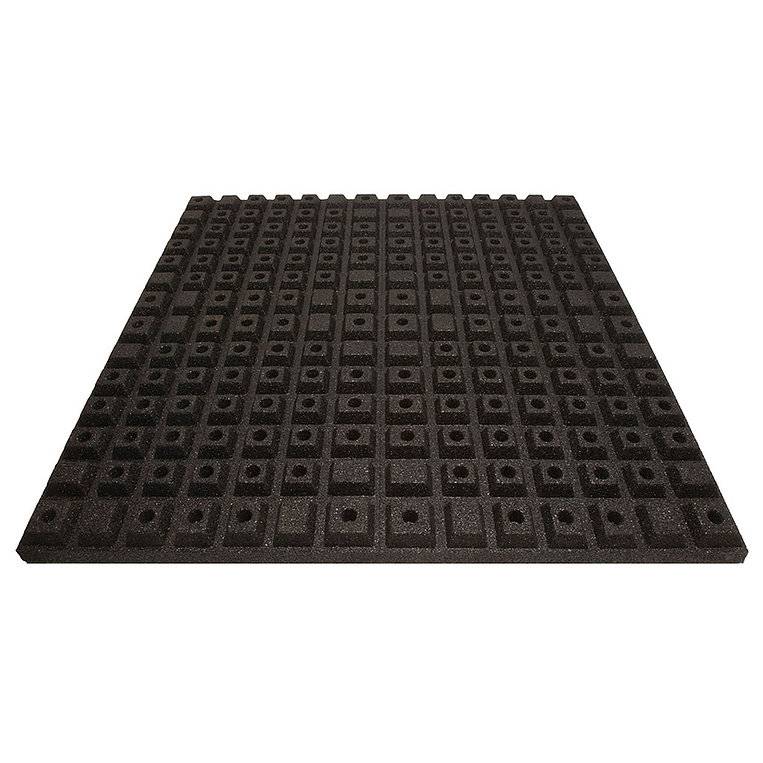
| Available on request | Cellular tiles to be filled with gravel or topsoil, made-to-measure edging and ramps, interlocking rubber pavers for stables and technical rooms |
| Choosing the thickness | By use zone — free weights, cardio, functional training, play area — never by overall floor area |
Showing all 31 resultsSorted by latest











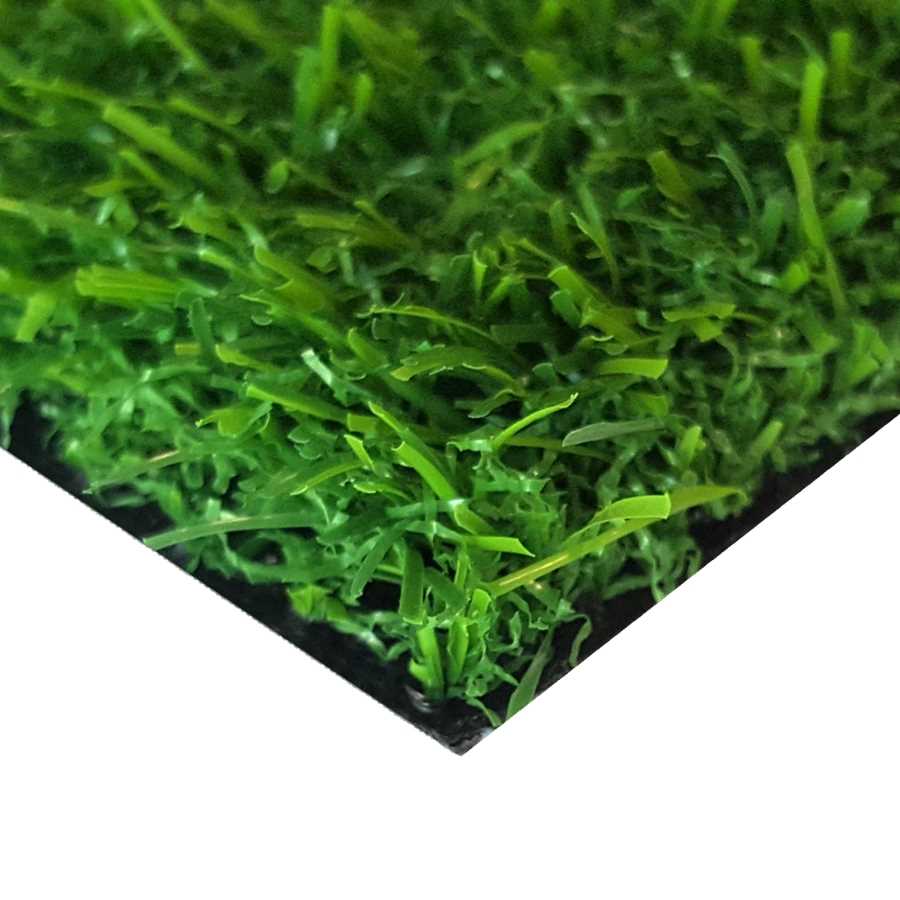
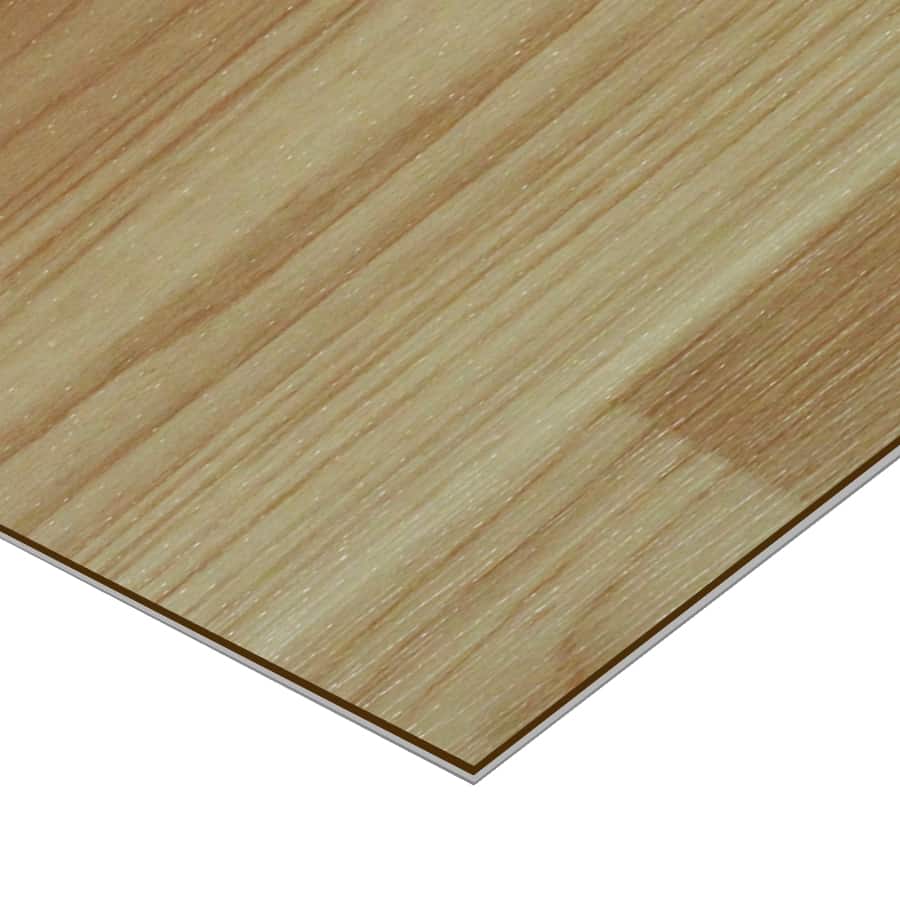
Choosing the covering from the use
Thickness is determined by the fall height to absorb, not by perceived comfort. A street workout zone with raised apparatus demands more than a walking route or an outdoor cardio area. Rubber density conditions durability over time as much as the stated thickness does, which is why two coverings quoted at the same millimetre figure can behave very differently after three winters.
| Zone | Typical requirement | Comment |
|---|---|---|
| Walking route and access paths | Thin covering or stabilised surface | No fall height to absorb, wear resistance only |
| Outdoor cardio and ground level stations | Moderate thickness | Comfort and slip resistance in wet weather |
| Street workout and calisthenics | Thick impact absorbing covering | Check the equipment fall height and the selected surfacing performance |
| Declared play area | Impact attenuation assessed to EN 1177 | Matched to the critical fall height |
| Multi sports court | Sports specific covering | Ball behaviour and grip take priority |
Weather resistance and drainage
A covering designed for indoor use degrades quickly under permanent exposure. Outdoor formulations include UV and frost resistance, and this is not an option that can be added later. The drainage of the sub base conditions the life of the whole assembly and has to be designed in from the start: standing water, slopes and outlets must be assessed for the chosen system. On sloping ground, the falls and the drainage outlets are part of the flooring specification, not of a separate trade.
Loose laid or bonded
On a flat, stable sub base, loose laying is sufficient in most cases and keeps the covering removable. Bonding becomes necessary in the presence of rolling loads, large temperature variation, or on a sloping surface. Perimeter edging is used to hold the covering and to protect the exposed edges.
Standards, warranty and delivery
Where the surface serves outdoor fitness equipment, EN 16630 sets the safety and protection zone requirements for the equipment above. In declared play areas, impact attenuation is assessed under EN 1177 against the critical fall height. Technical sheets and standard references are supplied with each reference so a tender file can be assembled directly. Standard delivery covers France, Belgium, Switzerland and Luxembourg, export is priced per project, and stocked references ship in 5 to 10 working days.
Frequently asked questions
What thickness is needed under a street workout rig?
Thickness is selected by matching the free height of fall specified for the equipment with the documented performance of the chosen covering. That figure is stated by the equipment manufacturer and is matched against the impact attenuation performance of the covering. Choosing the covering before the rig is the wrong order of operations.
Can outdoor flooring be laid on grass or soil?
The required preparation depends on the selected system, ground bearing capacity and drainage. Provide photographs and details of the ground so that the sub base can be specified before ordering.
How long does an outdoor rubber surface last?
Service life depends on the chosen reference, exposure, sub base, drainage, use and maintenance. Follow the inspection and maintenance instructions for the installed system. Ask for the technical sheet and the recommended sub base build up before ordering.
Send us the area, the equipment planned above it and the state of the ground, and we will return a surfacing specification with quantities and prices. Request a quotation for a reply within 24 working hours.