How to Open a CrossFit Box: The Operator Guide
Opening a CrossFit box is a rewarding project, but it is first and foremost a business that has to stand up commercially. Between the lease, the equipment package, the coaching payroll and the membership model, the decisions you take in the first six months set the economics of the club for years. This guide walks through the practical steps, from site selection to the day you open the doors, from the point of view of an operator buying professional equipment.
Choosing the right site for a functional training box
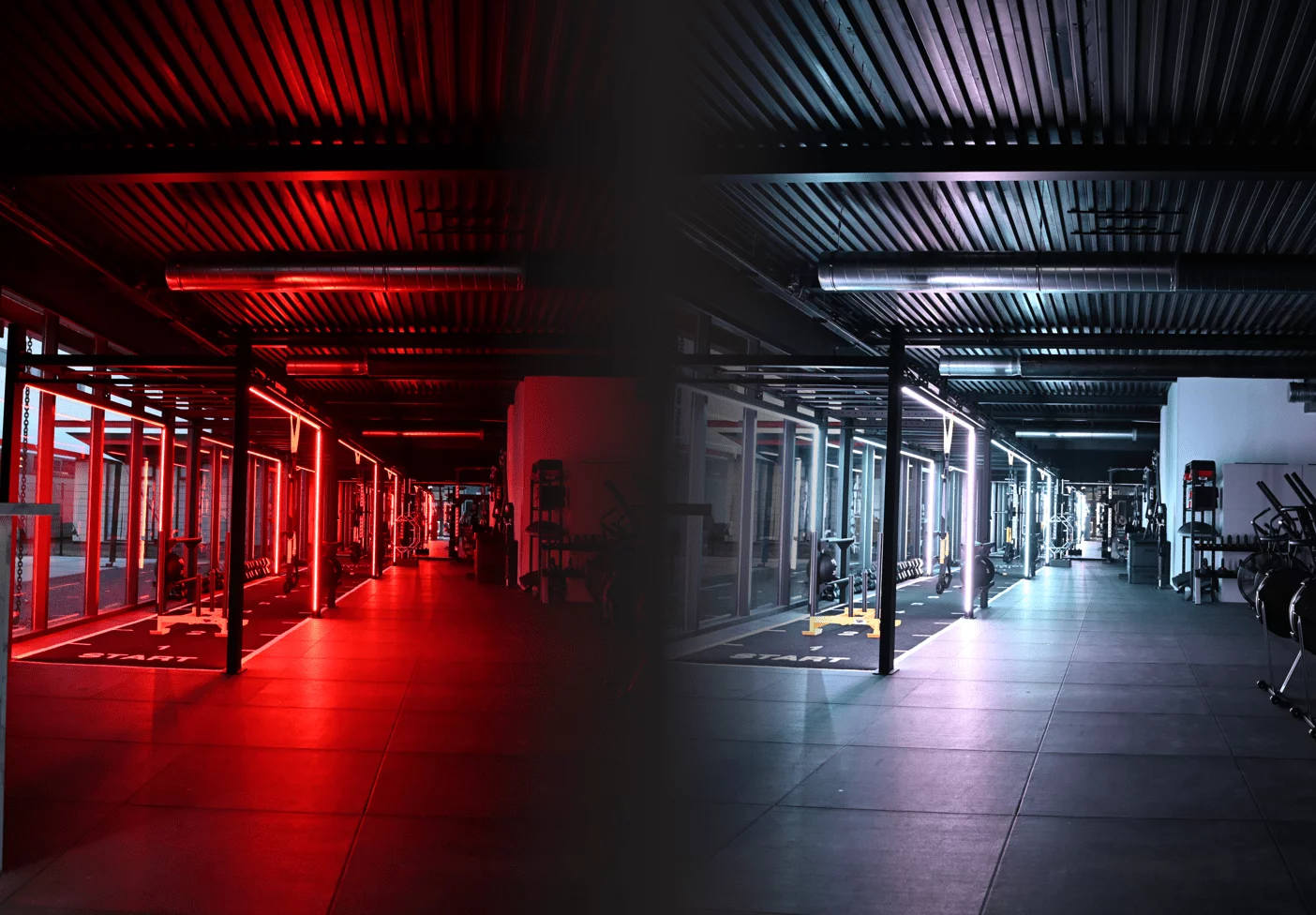
The site comes first, because everything else depends on it. Look for a unit that is easy to reach by car and on foot, with parking, and with a clear open floor area that can absorb high intensity work and group classes without the two colliding. A box is not a machine-led gym: the floor plan matters more than the wall count.
Alongside the training floor, plan the support spaces from the start: changing rooms, showers, toilets and a lounge or recovery area where members stay after the workout. Ceiling height, floor loading and the position of structural columns all decide where a rig can physically go, so bring those figures to your supplier before you sign anything.
Equipping the training floor
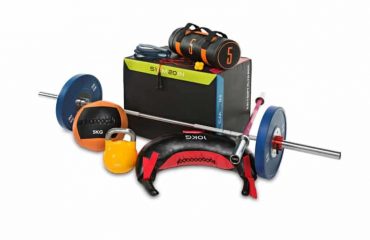
A functional training box needs a coherent equipment package rather than a list of individual purchases. The backbone is the rig: a professional CrossFit rig sized to the number of athletes you plan to run per class, either freestanding or wall mounted depending on your ceiling and your floor plan. Around it you build the rest of the offer with barbells, plates, racks, rowers, treadmills, kettlebells, medicine balls, suspension trainers, jump ropes and plyo boxes.
Two points separate a box that lasts from one that does not. The first is specification: indoor equipment for a commercial site is class S under EN ISO 20957-1, the professional class, and nothing below it will survive the loading a box puts on it. The second is flooring. Dropped barbells destroy an unprotected slab, so a proper rubber gym flooring package, with heavier tiles in the lifting zone, is part of the equipment budget and not an afterthought.
If your concept also covers race-format training, look at the wider range of CrossFit and Hyrox cages before you commit, because the two formats do not need the same footprint.
Building the coaching team
Certified coaches are what members actually pay for. They keep the sessions safe under load, scale the work to the athlete in front of them and build the programming that keeps people coming back. Recruit for the ability to correct movement in a full class, not only for a personal training background, and check that each coach holds a recognised qualification valid in your country.
Programming and class timetable
A varied timetable is what turns a first visit into a membership. Around the core functional training sessions, most boxes now add strength work, gymnastics, conditioning, cardio, mobility and stretching, and often pilates or dance-based classes to widen the audience. Every session should follow the same structure: a warm-up, work across several muscle groups, a cardiovascular block and a cool-down, so members progress without picking up avoidable injuries.
Membership and commercial model
Unlimited access memberships with no long tie-in are now the norm in functional training, because the community, not the contract, is what retains members. A free trial session remains the most effective way to convert a visitor, and class packs let you serve shift workers and visitors who cannot commit to a weekly rhythm.
Frequently asked questions
How much floor area does a CrossFit box need?
It depends entirely on your class size and on the rig you choose. Rather than working from a general figure, send your floor plan and your target number of athletes per class to your equipment supplier and have the layout drawn against the real dimensions of the unit.
Can I equip a box with equipment from the lighter ranges?
No. A commercial site needs class S equipment under EN ISO 20957-1. Lighter equipment is not designed for continuous multi-user loading and will fail early, with the liability that follows.
Freestanding rig or wall mounted rig?
A wall mounted rig saves floor space and suits narrower units; a freestanding rig gives you a fully accessible structure that can be positioned anywhere on the floor. Ceiling height, wall construction and the layout of the room decide which one is possible.
What should I budget for flooring?
Treat it as part of the equipment package. Zone the room: heavier rubber tiles under the lifting area, standard tiles across the general training floor, and turf where you run sled and sprint work.
Planning your box project
Light In Fitness has been supplying professional fitness equipment to gyms, clubs and functional training boxes since 2013, from the rig and the flooring through to the cardio and strength lines. Send us your floor plan and your concept and we will build the equipment package around them: request a quote.