CrossFit Racks, Cages and Rigs: How to Choose the Right Structure
Une cage ou un rack de CrossFit doit apporter deux choses : la sécurité sous charge et la stabilité sans reprise d'ancrage. Ces qualités dépendent de la section des montants, du mode de fixation au sol et de la qualité des soudures. Light In Fitness fabrique ces structures sur mesure et les installe.
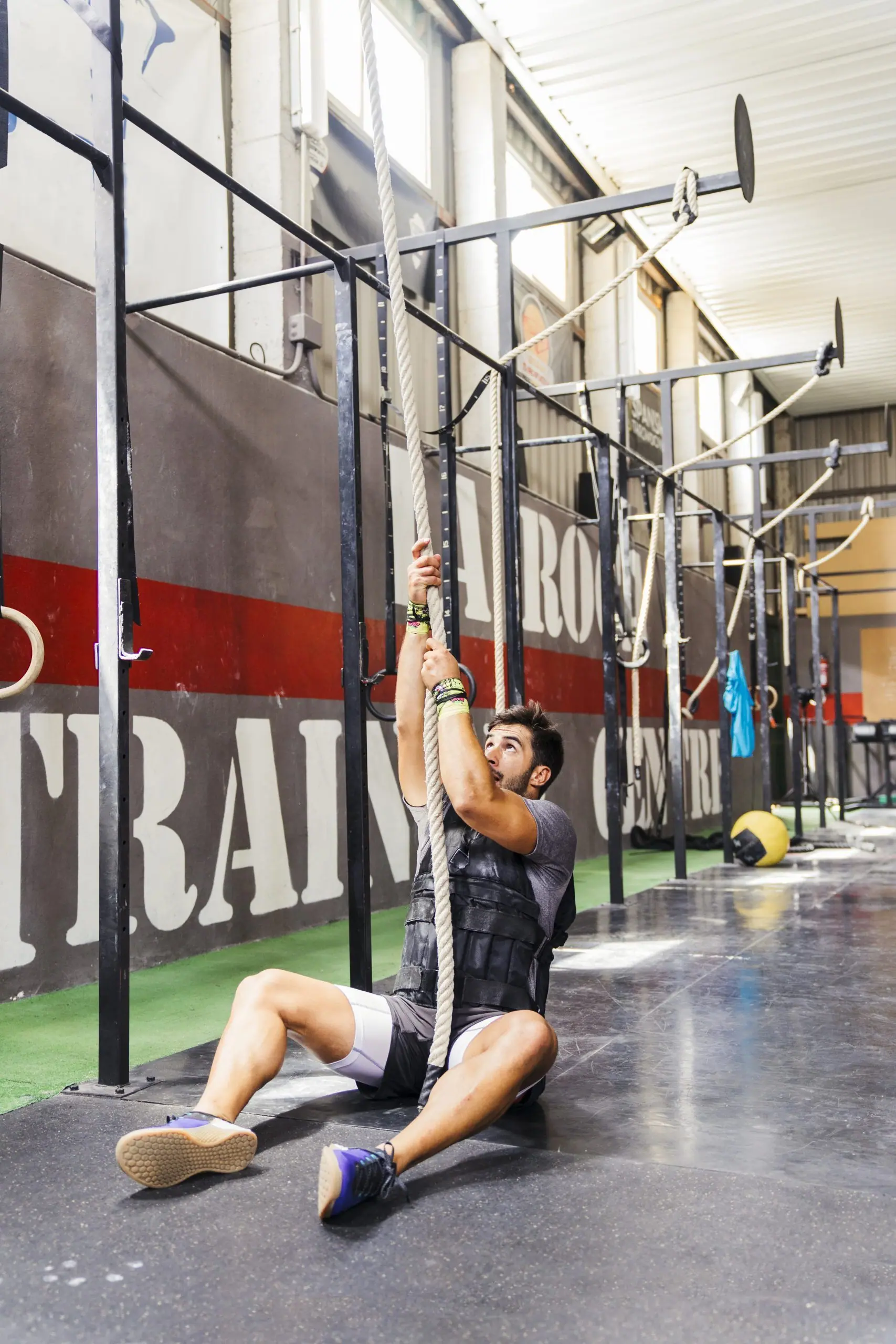
A rack, a cage or a rig is the heart of a training floor: pull-ups, squats, presses, dips, rings. Whatever the format, the structure has to deliver two very simple things: safety under load and confidence for the person using it. This guide explains who each type suits, what the real benefits are, how to choose without regret, and what to check before the order goes out.
Who a rack, cage or rig is for
Whether the users are beginners or experienced athletes, the structure quickly becomes the most productive piece of equipment on the floor, because it covers strength work and a large part of functional training at once.
- Small training studio: one to three stations, tidy and expandable.
- Coaching space: a compact structure that keeps sessions safe without permanent supervision at every movement.
- Box or club: a multi-station rig that optimises flow at peak hours.
- Hotel, corporate or municipal facility: a single stable structure that replaces several separate machines.
See the full range of racks and cages and of CrossFit and Hyrox cages.
The concrete benefits
Safety first
The primary reason to specify a cage or rack is safety: a bar can be racked cleanly, a failed rep is caught by the safety arms, and users train without improvised solutions. For any indoor installation open to the public, the reference is EN ISO 20957-1 class S, the professional class for commercial equipment.
Faster progression
Pull-ups, squats, presses and dips all happen on one stable structure. The practical result is more consistency, more confidence and better progression, because nothing about the setup discourages the next session.
An expandable base
A well-chosen structure is not fixed. It becomes the base of the room, and stations, attachments and modules are added over time as the programme develops. That is what stops a facility buying twice.
How to choose without regret
Bad purchases almost always come from one problem: choosing at random. Four questions settle most of the decision.
- The space: floor area, circulation around the structure, and ceiling height.
- The use: pure strength, WOD formats, pull-ups, rings, multi-station work.
- The intensity: occasional use or continuous commercial use.
- The horizon: is the structure meant to grow with attachments and modules?
Comparison tables
Rack, cage or rig
| Type | Best for | Main advantage | Point to watch |
|---|---|---|---|
| Rack | Small rooms, single station | Compact, simple, effective | Expandability depends on the model |
| Cage | Progression and versatility | More safety and more options | Floor area and ceiling height |
| Rig (multi-station) | Studio, box, club | Optimises flow for several users at once | Layout and anchoring |
Wall-mounted or freestanding
| Solution | When to choose it | Why operators like it | What to check |
|---|---|---|---|
| Wall-mounted | When floor area is short | Saves space, gives a clean professional look | Wall structure and fixing method |
| Freestanding | When layout freedom matters | Flexible positioning, easy multi-station configurations | Floor area and floor loading |
Compare the wall-mounted rigs with the freestanding rigs.
Typical cases
Small room: serious training without filling the space
Problem: limited area, but a safe setup is required. Solution: a compact rack or a wall-mounted structure, subject to the wall build-up. Result: stable, clean training and progression without improvisation.
Converted space: a durable, expandable base
Problem: a professional setup is wanted without buying twice. Solution: a more versatile cage, with attachments added over time. Result: a solid base that grows with the objectives.
Coaching studio: two to four stations, fluid and premium
Problem: avoiding collisions between users and keeping a clear functional zone. Solution: a multi-station rig configured to the floor area and the group size. Result: a better user experience and better use of the room.
Checklist: twelve points to validate before ordering
- Ceiling height, including pull-ups, muscle-ups and ropes if planned.
- Floor area and circulation around the structure.
- Type: rack, cage or rig.
- Wall-mounted or freestanding.
- Fixing method: wall, floor, or both.
- Intended use: strength, WOD, rings, attachments.
- Expandability: modules and accessories.
- Stability at the intensity you actually run.
- Ease of use: adjustment ranges and station spacing.
- Delivery: access route, volume and weight.
- Installation: in-house or professional.
- After-sales support when something needs attention.
What matters in a supplier
Three things make the difference once the invoice is paid. A clear range with real buying guidance, so the specification is right the first time. A genuine after-sales service covering installation, maintenance and repair, because a structure lives for years. And a build logic based on robustness and quality control rather than on the lowest possible price.
Frequently asked questions
What is the difference between a rack, a cage and a rig?
A rack is generally more compact. A cage offers more versatility and more options. A rig is a multi-station structure designed for several users at once, which is why it suits studios, boxes and clubs.
Which structure suits a small room?
Where space is short, a wall-mounted solution or a compact rack usually wins. Where an expandable base is the goal, a versatile cage is generally the better long-term investment.
Does the structure need anchoring?
It depends on the type, the height and the movements planned. Wall-mounted structures always require a suitable wall build-up; freestanding rigs may require floor fixing depending on the configuration. Confirm this with the manufacturer drawing, never by assumption.
What about after-sales support?
Installation, maintenance and repair should be part of the offer. Structures are used for years, and the ability to get a technician to site is what separates buying from being supported.
Seeing the range and getting advice
Ceiling height, floor area, anchoring, station count and future expansion all follow from your room and your programme. Share the dimensions and the intended use and a recommendation can be built from there. Request a quote for a costed proposal.