CrossFit and Cross Training: The Guide to Starting and Progressing Without Injury
Débuter en CrossFit ou en cross training suppose de maîtriser les schémas moteurs de base avant d'ajouter de la charge ou de l'intensité. Les blessures viennent le plus souvent de l'enchaînement de mouvements techniques en état de fatigue, pas de la charge en elle-même. La progression passe par l'apprentissage à vide, puis par une montée progressive du volume.
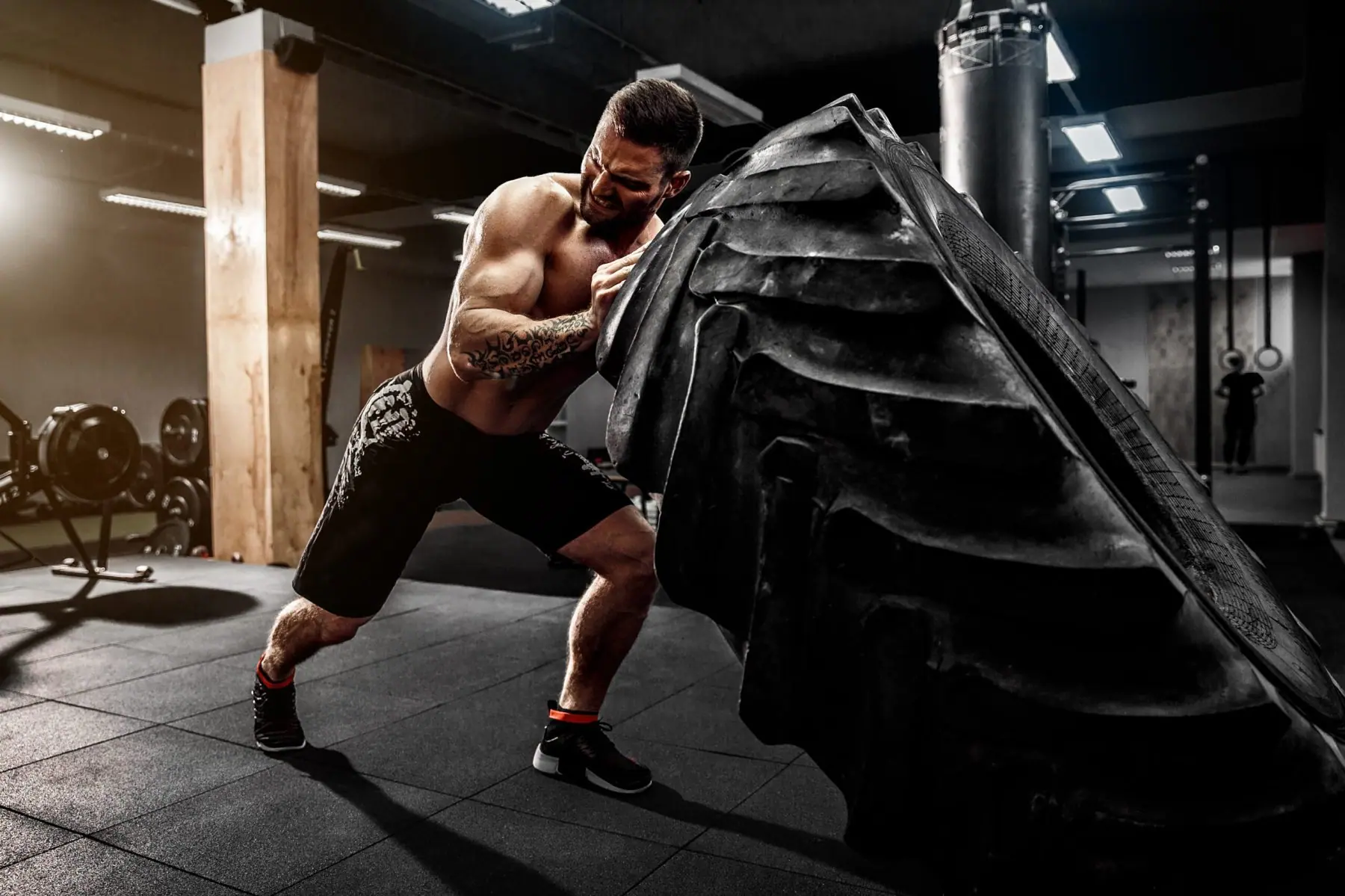
Whether you are stepping onto a box floor for the first time or opening one, the question is the same: how do people start high-intensity functional training and keep progressing without getting hurt? The answer lies partly in method and partly in the equipment they train on. This guide covers both.
CrossFit or cross training: what is the difference?
The two terms get used interchangeably, but they are not the same thing.
- CrossFit is a registered trademark with a defined methodology, combining weightlifting, gymnastics and high-intensity conditioning. Boxes that use the name are affiliated.
- Cross training is the broader term for functional cross-disciplinary training. It applies the same principles without the brand affiliation, and it is the label most independent facilities and municipal sports halls use.
For an operator the distinction matters commercially, not technically: the equipment specification is the same either way.
The vocabulary of your first WOD
Three abbreviations account for most of what a newcomer hears in a first session:
- WOD (Workout of the Day) – the session everyone in the class does that day.
- AMRAP (As Many Rounds As Possible) – complete as many rounds as you can within a set time.
- EMOM (Every Minute on the Minute) – a set piece of work started at the top of each minute, resting whatever time is left.
The movements worth building on
Progress comes from a small number of compound movements executed well: squats, deadlifts, pull-ups, presses and the olympic lifts such as the clean and jerk. A well-built programme balances strength work against agility and conditioning, and it introduces technical lifts unloaded before adding weight.
Progressing without injury: why the hardware matters
High-intensity functional training is demanding. Technique comes first, but the stability of the equipment underneath the athlete is what allows technique to hold when fatigue sets in. Most beginner injuries do not come from the load itself; they come from chaining technical movements together in a fatigued state, on equipment that moves when it should not.
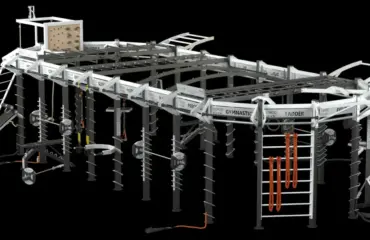
- Rig stability. A rig that flexes or shifts during kipping pull-ups, muscle-ups or bar work changes the movement pattern under the athlete. Anchoring, footprint and upright section are what determine this, and they should be specified before the first bolt goes in.
- Heavy-gauge steel and finish. Steel section and wall thickness, weld quality and an anti-corrosion surface treatment are what let a structure survive continuous use across long opening hours.
- Flooring and fire classification. Lifting platforms and rubber flooring absorb dropped loads and protect the slab. In premises open to the public, the surfacing also has to meet the reaction-to-fire classification required by the national building regulations that apply to your site; ask your supplier for the tested class of the specific product, stated in full.
Explore the cross training cages, the CrossFit and Hyrox rigs and the weightlifting rubber tiles.
Standard equipment against professional equipment
| Criterion | Entry-level equipment | Light In Fitness equipment |
|---|---|---|
| Load resistance | Limited, noticeable vibration under dynamic work | Heavy-gauge reinforced steel |
| Safety | Basic, anchoring often left to the installer | Engineered anchoring and increased stability |
| Durability | Coatings wear quickly in high-traffic use | Anti-corrosion treatment and professional finish |
The coach point of view
For a beginner, the biggest risk is trading form for speed. Perfectly calibrated, stable bars and rigs remove unnecessary joint stress from the equation. Progress should be supported by equipment that never lets you down.
Frequently asked questions
How often should a beginner train?
Three sessions a week with full rest days between them is enough to build competence in the basic movement patterns. Volume is added once the patterns hold under light load, not before.
Do I need a full rig to start a functional area?
No. A wall-mounted or freestanding rig with pull-up bars, a squat station and a lifting area covers the majority of beginner programming. Modular ranges let you extend the structure as the class sizes grow.
What surfacing does a lifting area need?
Rubber tiles or a dedicated lifting platform sized for the drop zone, with the reaction-to-fire class documented for the site. Standard gym rolls are not designed to take repeated dropped barbells.
Equipping a box or a functional area?
Light In Fitness designs and supplies cross training structures, rigs, flooring and complete fit-outs for boxes, clubs, hotels, schools and local authorities. Send us your floor plan and the class sizes you run, and we will come back with a layout and a costed proposal. Request a quote.