Zinc: Which Supplement Form Should You Choose?
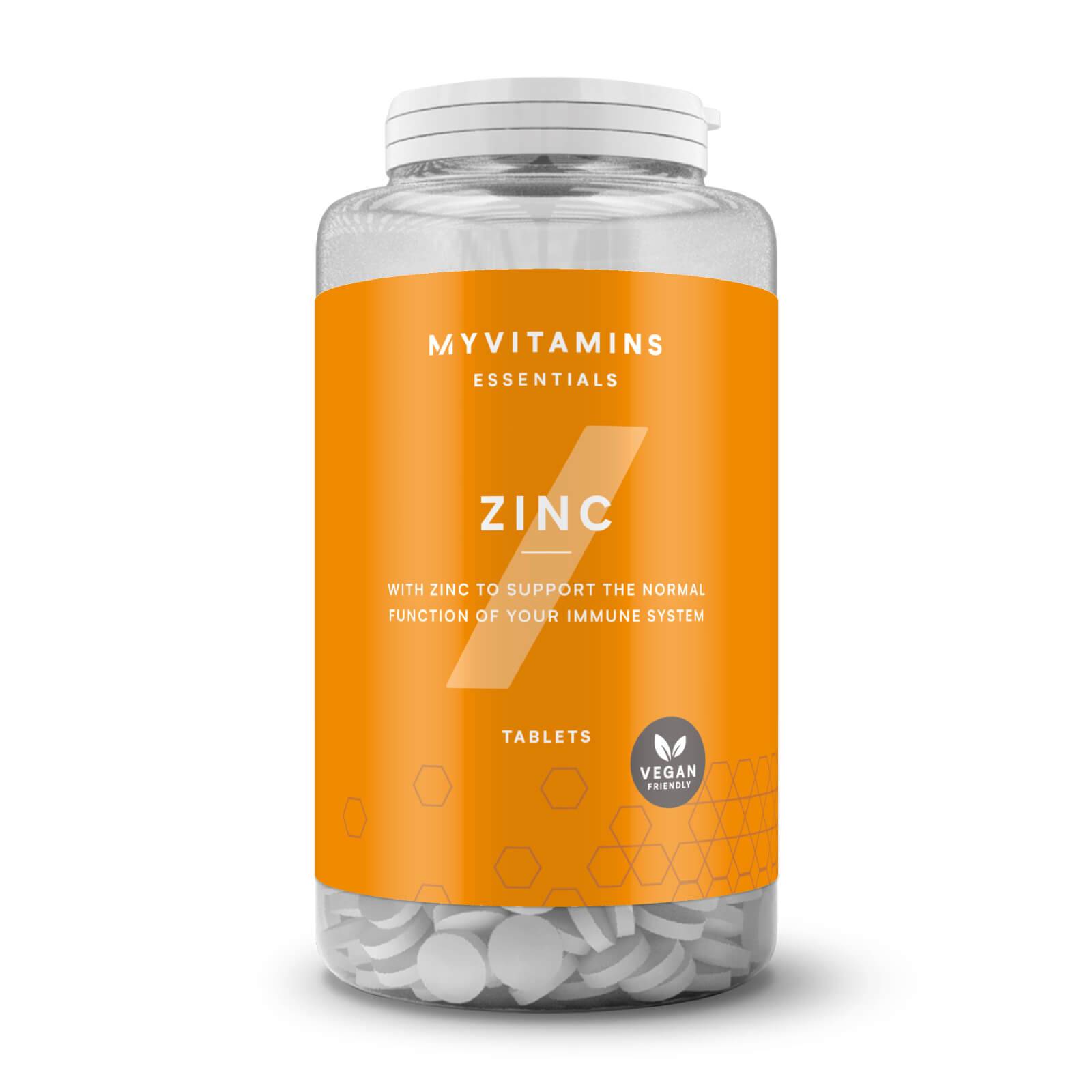
Zinc supplementation can be beneficial and, in some cases, genuinely necessary. It should nevertheless be done under supervision. High-dose zinc preparations are not something to take without a justified reason, because an excess can be harmful.
Zinc performs a long list of functions in the body. Among other things it contributes to normal immune function, to appetite, and to the condition of skin, hair and nails.
In this article:
- zinc in the diet;
- requirement and dosage;
- forms of zinc supplement;
- zinc absorption.
Zinc in the diet
Under normal circumstances a varied, balanced diet covers the zinc requirement and no supplementation is needed. For various reasons, however, supplementation is sometimes warranted.
Foods rich in zinc include meat, offal, rennet cheese, eggs, wholegrain products, seeds and nuts.
As with iron, zinc from animal products is absorbed better than zinc from plant sources.
Requirement and dosage
The zinc requirement of a healthy adult woman is 8 mg per day, and 11 mg for a man.
That requirement varies. Some people need more: pregnant women, older adults and people leading a very active life. These groups are more likely to become zinc deficient and may need higher doses.
The dose of a zinc preparation should be matched to individual needs, for instance to the degree of deficiency. It is worth consulting a doctor, because excessive supplementation can be harmful.
Zinc supplements come in various presentations: tablets, capsules, syrups and liquids. There are no significant differences in absorption between these presentations.
Forms of zinc supplement
Many forms of zinc are on the market. The most common are zinc gluconate, zinc picolinate, chelated zinc, zinc sulphate and zinc oxide. Choosing a quality product at the right concentration matters.
- Zinc picolinate is regarded as one of the most absorbable forms. Picolinate is an organic compound that helps transport zinc into cells.
- Chelated zinc is another readily absorbed form. It is bound to amino acids, which eases uptake by the body.
- Zinc gluconate is relatively well absorbed, though slightly less so than zinc picolinate or amino acid chelated zinc.
- Zinc orotate is a zinc chelate with orotic acid. It is a relatively new form gaining popularity, and for that reason it is less widely available than the forms above. There is not yet a great deal of research on its efficacy and bioavailability.
- Zinc sulphate and zinc oxide are considered among the poorest forms. They are absorbed to some extent, but less well than picolinate, gluconate and chelated zinc, which is why they are less recommended.
Zinc absorption
Absorption depends on many factors. As noted above, the form of the supplement matters: picolinate, gluconate and chelated zinc are the forms usually recommended on absorption grounds.
As a general rule, supplements are absorbed better than dietary zinc, whose absorption sits at roughly 20 to 40 per cent. That figure rises when the body is short of the element. Even so, and despite the lower bioavailability, the first place to secure zinc intake is the diet, because it is safer.
Dietary components also influence absorption. The presence of amino acids in the diet, and of vitamin C, favours zinc uptake. Vitamin C is found in many fruits and vegetables that are worth including in every meal of the day.
Zinc absorption is reduced by phytates, found mainly in pulses, cereals, nuts and seeds. Oxalates have a similar effect; their sources include strong coffee and tea, cocoa, rhubarb and spinach. Fibre from fruit, vegetables, cereals and pulses can also limit zinc uptake, so anyone with a zinc deficiency should avoid an excess of it. Some minerals reduce zinc absorption too, notably copper, non-haem iron and calcium, which is why supplements containing those should not be taken at the same time. Alcohol also has a negative effect on zinc absorption.
Frequently asked questions
Can zinc be taken on an empty stomach?
Some people tolerate it poorly on an empty stomach. Since the ideal timing depends on the form and the individual, follow the instructions supplied with the product and the advice of a health professional.
Does a very active lifestyle increase the requirement?
People leading a very active life are among the groups more likely to become deficient and may need higher doses, which should be established individually rather than assumed.
What does this mean for a fitness facility?
Nutrition advice is not the job of floor staff. What a club can do is host or refer to a qualified dietitian, and make sure the training environment itself is not the limiting factor.
Where the equipment comes in
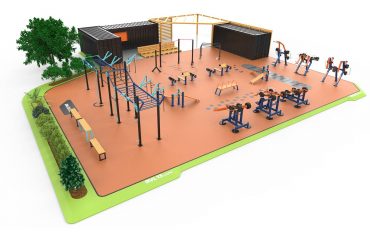
Nutrition supports recovery; the training floor determines the stimulus. If members are training on a limited or worn equipment mix, no supplement will compensate. A well-planned mix of professional strength training machines and hard-wearing fitness accessories gives coaches the range they need to programme properly. Send us your floor plan and membership profile and we will put together a costed equipment schedule. Request a quote to start.