Which Muscles Does CrossFit Training Work?
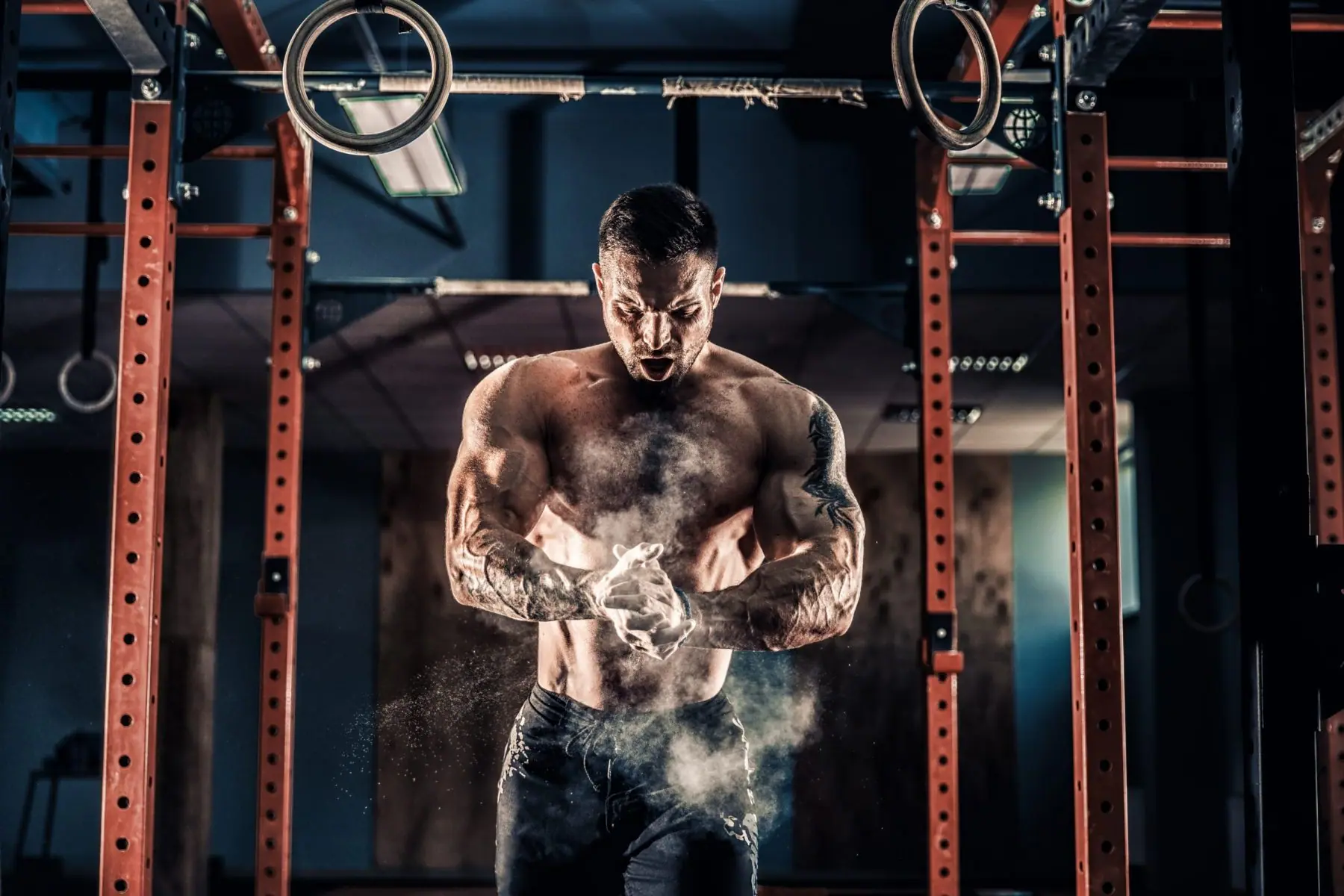
CrossFit-style training combines strength work, cardiovascular conditioning and functional movement in a single session. That combination is exactly why the question comes up so often from members and, more importantly, from operators planning a box: which muscles does it actually train, and what equipment does covering all of them require? This guide answers both, group by group, and then turns the answer into a practical specification for anyone fitting out a cross-training facility.
The muscle groups a cross-training session works
A well-programmed session touches almost every major group, but not evenly and not by accident. Understanding the distribution is what lets a coach build a week that balances, and what lets an owner buy the right stations rather than the fashionable ones.
Upper body
Pull-ups, push-ups and pressing movements load the shoulders, back and arms. The pectorals, deltoids and triceps take the bulk of the pressing work, while the latissimus dorsi and trapezius carry the pulling work and hold posture through the set. Because the same groups appear in both pulling and pressing patterns, upper-body volume accumulates faster than members expect, which is why alternating the emphasis between sessions matters more here than anywhere else.
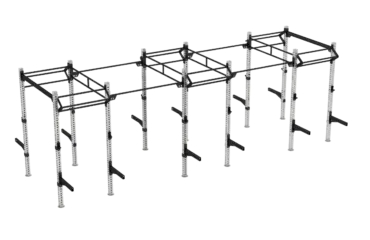
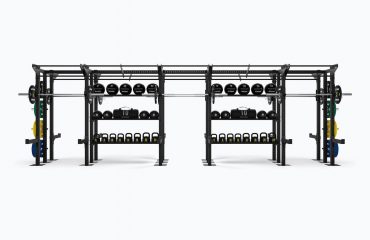
Equipment-wise, this is the part of the programme that lives on the rig. Pull-up bars at several heights, ring attachments and dip stations cover it, which is why a CrossFit rig is usually the first structural purchase in a new box.
Lower body
Squats, lunges and deadlifts drive the quadriceps, hamstrings, calves and glutes. These movements also load the stabilising musculature around the knee and hip, which is where much of the transfer to everyday and sporting movement comes from. Bodyweight variations such as air squats and step-ups build the same chain at lower loads, making them the natural entry point for new members.
Lower-body work is also what dictates your flooring specification. Loaded squats and deadlifts need shock-absorbing surfaces under the drop zone; specify that before you specify the barbells.
Core and trunk
Trunk work runs through everything. Planks, hollow holds and rotational movements train the obliques and the deep stabilisers, and every loaded carry, overhead press and kettlebell swing recruits the same musculature to keep the spine braced. The trunk in cross-training is rarely trained in isolation; it is trained as the link that transmits force between the lower and upper body, which is why dedicated abdominal blocks are a small part of a good programme rather than a large one.
Session formats and what each one develops
Circuit formats rotate members through varied stations so that muscular and cardiovascular demand alternate rather than compete. Loaded conditioning with dumbbells, kettlebells or resistance bands develops strength endurance; mixed metabolic work develops the aerobic and anaerobic systems that let a member repeat efforts within a session.
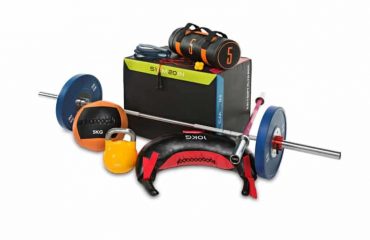
For an operator, the programming format determines the station count more than the exercise list does. A class of twelve running a circuit needs twelve viable stations, not twelve barbells, and that is where cross-training stations and a well-chosen set of fitness accessories do more for throughput than another rack would.
Warm-up and recovery
Every session should open with a warm-up that raises tissue temperature and mobilises the joints that are about to be loaded: hips, wrists, shoulders and knees, with dynamic movement rather than static holds. Closing with stretching and soft-tissue work, including foam rolling, reduces post-session soreness and maintains range of motion across a training block.
From a facility point of view, warm-up and recovery need floor area that is not competing with the working stations. A mobility zone of a few square metres with mats, rollers and bands keeps classes moving and stops the rig being used as a stretching frame between rounds.
What this means when you equip a box
Translate the muscle map directly into a specification. Upper-body pulling and pressing needs rig capacity: bars, rings, dips. Lower-body work needs racks, barbells, bumper plates and a floor built for them. Trunk and conditioning work needs open floor, mats and accessories. Cover those three and the programme is deliverable; miss one and the coaching staff will spend the next year working around the gap.
Two structural decisions carry the most weight. The first is the rig: its footprint, the number of stations along it, and whether it is freestanding or wall-mounted. The second is the flooring under it. Both are difficult to change later, and both are worth resolving before any equipment order is placed. The CrossFit and HYROX cage range covers configurations from a single freestanding station to a full multi-bay rig.
All equipment specified for a commercial box should be built and certified to EN ISO 20957-1 class S, the classification for equipment intended for supervised commercial use.
Frequently asked questions
Does cross-training work the whole body?
Across a training week, yes. Within a single session, no: a well-built session emphasises specific patterns and leaves others to recover, which is why programming across the week matters more than any single workout.
Which muscles are worked hardest?
The lower body and the trunk carry the highest total volume in most programmes, because squats, deadlifts, carries and conditioning work all recruit them, often in the same session.
Is it suitable for beginners?
Yes, with scaling. Bodyweight variations of the same movement patterns build the same muscle groups at loads a new member can handle, and a structured induction is what makes that scaling reliable.
How much space does a class of twelve need?
That depends on the format and the rig configuration rather than on a fixed figure. Size the room from the class format you intend to run and the station count it requires, and check the layout against the rig footprint before ordering.
What should a new box buy first?
The rig and the flooring. Everything else can be added incrementally; those two determine what the room can ever do.
Equipping for the full muscle map
Cross-training earns its reputation because it loads the upper body, the lower body and the trunk across a week rather than isolating them one at a time. Delivering that programme takes a rig with enough stations, a floor built for loaded work, and enough accessories to keep a full class moving.
Light In Fitness has equipped professional facilities since 2013, from single rigs to complete box fit-outs including flooring and layout drawings. Request a quote with your room dimensions and class size, and we will size the rig and the floor around them.