How to Choose CrossFit Bumper Plates for Your Gym

Choosing bumper plates is one of the decisions that shapes how a CrossFit box or functional training area actually works day to day. Material, weight, diameter and durability all affect how the floor holds up, how loud the room is and how confidently members lift. With a very wide choice on the market, it is easy to buy on price and regret it two seasons later. This guide sets out the criteria that matter for a professional installation, and the differences between competition plates and the plates you put on a general training floor.
Why bumper plates matter more than they look
Safety comes first
In CrossFit, safety is the first constraint. Bumper plates make it possible to lift heavy while keeping the risk of injury and damage under control.
- Rubber plates absorb the shock of a dropped lift, reducing the impact on the floor and on the joints of the athlete.
- On a snatch, a well-made bumper guarantees that the plate will not shatter if the bar is dropped, which protects the lifter and everyone training nearby.
The design and weight distribution of the plates also make movements such as the clean and jerk easier to perform, so athletes can concentrate on technique rather than on the landing.
Performance and progression
Bumper plates are also what makes intensive barbell programming possible in the first place. Because the bar can be dropped safely, sessions can be built around heavy, repeated lifts, and coaches can adjust loads quickly during a workout. Athletes who know they can bail out of a lift without consequence commit to the movement instead of hedging it, and that confidence is what turns a heavy session into progress.
A long-term investment
For a box or a gym, plates are a long-term asset rather than a consumable. They are built to take wear, generally from high-quality materials, and a good set that is properly looked after will stay in service for years under intensive use. The initial cost is higher than that of a basic set, but durability and consistent performance justify it across the life of the floor.
The main types of bumper plate
Standard bumper plates
Standard bumpers are the usual first choice for a training floor.
- Made from rubber, they are designed to take repeated impacts while protecting the floor underneath.
- Available from 10 kg to 25 kg, they let members progress in workable increments.
Their 450 mm outer diameter is the standard that sets the bar at the correct height above the floor, which is what allows a lift to be started from the ground in the same position every time. Compatibility with an olympic bar comes from the olympic bore, not from the outer diameter.
Compact bumper plates
Compact plates are worth considering for facilities working with limited floor area: hotel gyms, corporate training rooms, small studios and mobile or seasonal setups.
- Their smaller footprint makes storage easier without giving up performance.
- Made from high-quality rubber, they still deliver the durability and floor protection expected of a professional plate.
They suit operators whose training area has to be cleared and reset between sessions, or who move equipment between rooms.
Competition plates
Competition plates are intended for athletes taking part in official events, and for boxes that host them.
- Built to specific standards, they are more robust and held to a strict weight tolerance.
- They use higher-grade materials and cost more, but their performance over time justifies the outlay for a competition floor.
They are valued for their accuracy and for the finish, which matters when a floor is filmed or photographed.
Choosing by the level you are equipping for
Beginners: the essentials
For members starting out, 10 kg and 15 kg plates are the right first purchase. These loads allow them to learn the fundamental movements, such as the squat and the deadlift, without overloading the pattern. The bright colour coding of bumper plates also lets a coach read a loaded bar across the room, which is genuinely useful with a new group.
Intermediate: towards specialisation
As a membership progresses, the plate inventory has to widen with it. Intermediate lifters need 20 kg and 25 kg plates to work on strength and power, and a floor that is used every day justifies investing in higher-grade plates that resist wear.
Advanced: performance and competition
For advanced athletes, plate choice has to be matched to heavy lifting. Competition plates made from high-density rubber absorb impact better and are designed to take heavy loads and frequent training without losing their shape, which is what keeps performance consistent over a season.
Materials and durability
What plates are made of
Bumper plates are made mainly from rubber, valued for its capacity to absorb impact. High-quality rubber, of the kind used by established manufacturers, is formulated to reduce the noise of the plate hitting the floor, which matters a great deal in a shared building. Recycled rubber plates are an environmentally sensible option with comparable durability.
How durability affects performance
A plate that wears out quickly compromises both performance and safety. Higher-grade equipment gives lifters more confidence under the bar, and that confidence is what supports long-term progress. For an operator, it also means fewer plates pulled out of rotation mid-season.
Pairing plates with the right floor
Plates and flooring are one system, not two purchases. A dedicated weightlifting rubber floor takes the residual energy the plate does not absorb and protects the slab underneath, and it is what keeps a drop zone usable over years rather than months.
Maintenance that extends plate life
Regular, appropriate cleaning
Wipe the plates down after each session with a soft damp cloth and a mild cleaner, to remove dust and sweat before they work into the rubber.
Correct storage
Store plates in a dry place away from direct light, to avoid deformation and premature wear. Vertical storage on a dedicated tree or rack keeps them flat and off the floor.
Regular inspection
Inspect the set regularly for cracks, splits or deformation that could compromise safety, and take any damaged plate out of service immediately rather than at the next audit.
Frequently asked questions
Do I need competition plates for a training floor?
Not usually. Competition plates make sense where events are hosted or where athletes train specifically for competition; a general training floor is better served by robust standard plates and a wider range of loads for the same budget.
What weights should a new box order first?
Start with 10 kg and 15 kg plates for onboarding new members, then build up 20 kg and 25 kg pairs as the membership progresses. Loading the heavy end before the light end leaves beginners with no workable increments.
Do bumper plates fit every barbell?
They fit olympic bars, which is what the olympic bore is for. The plate diameter does not determine fit; it determines the height of the bar off the floor.
How long does a set last?
A quality set that is cleaned, stored correctly and inspected regularly stays in service for years under intensive use. The variable is not the calendar but the drop zone: plates dropped onto an unsuitable floor age far faster.
Equipping your floor
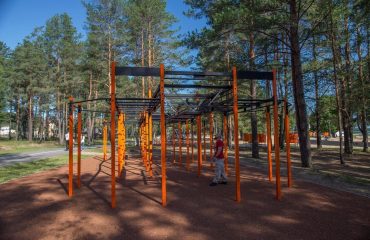
The right plates depend on who trains on your floor and how often. Match the plates to a suitable olympic barbell, a floor built for dropped loads and, where you programme rig work, a CrossFit rig sized to your space. Our team can build the full package around your surface area and your programming: request a quote and we will come back with a configuration and a price.