What Is CrossFit? A Practical Guide for Gym Operators
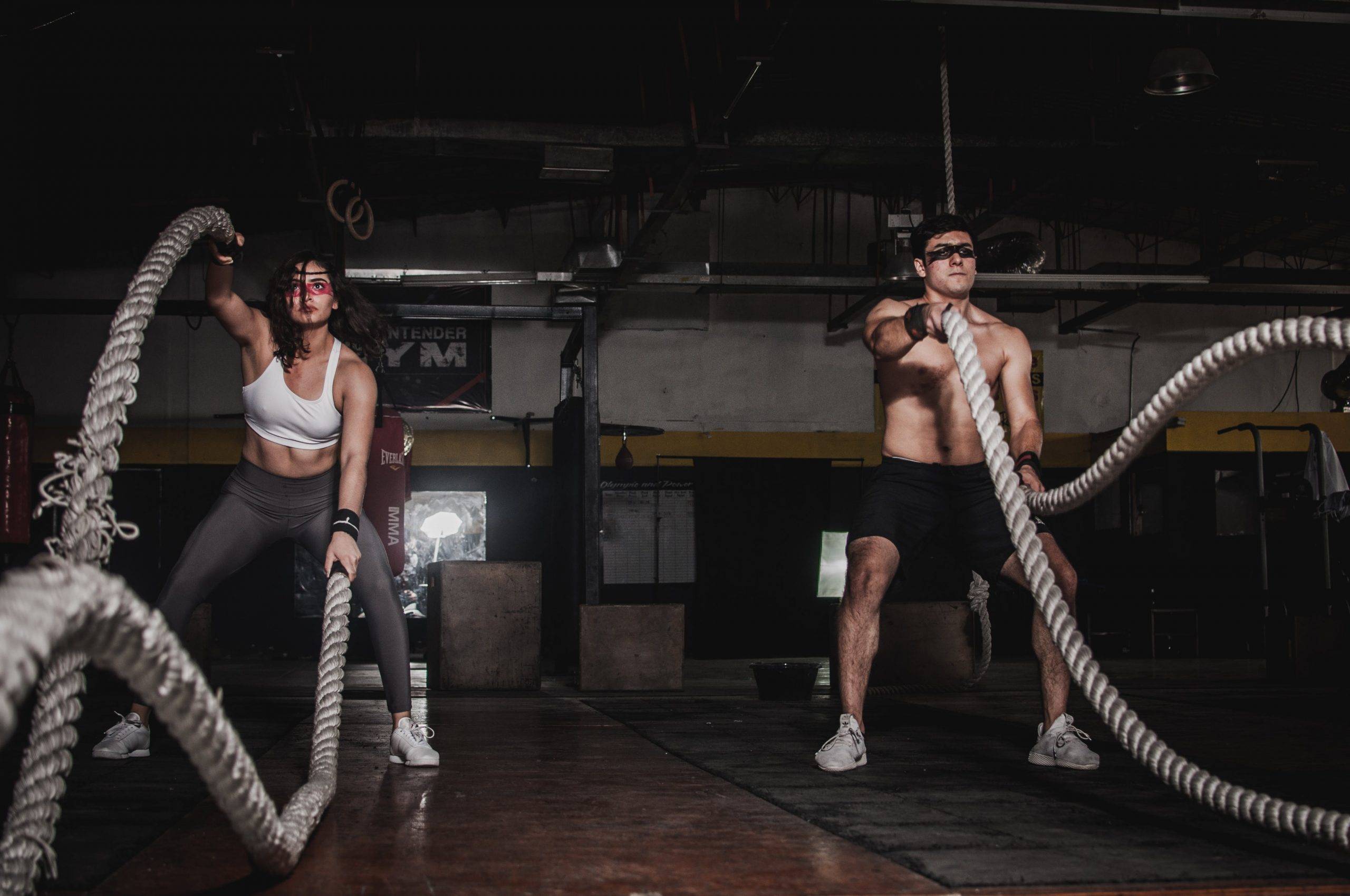
CrossFit is a training method that combines cardiovascular and strength work in one session. It is practised in a dedicated gym, usually called a box, and is coach-led rather than self-directed. For anyone considering opening or converting a facility, understanding how the method works is the first step in specifying the space and the equipment it needs.
What the method actually is
CrossFit draws on several disciplines at once: strength training, cardio work, gymnastics and general fitness. Sessions are intense and deliberately varied, so that different muscle groups and joints are loaded from one day to the next. Functional movements dominate, meaning exercises that recruit several muscles simultaneously rather than isolating one.
Most sessions are run as circuit training: members move through a sequence of exercises with little or no rest. That builds muscular endurance and produces a high energy expenditure per session, which is a large part of the method appeal to members.
What a session involves
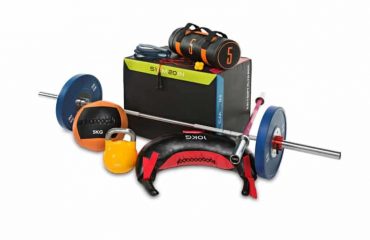
Exercises use bodyweight, dumbbells, skipping ropes, pull-up bars, rowing machines and other specific equipment. Strength and core work sit alongside cardiovascular conditioning: pull-ups, squats, abdominal and glute work, and sustained efforts that load the cardiorespiratory system.
Sessions are usually delivered to groups. That group dynamic is not incidental, it is a retention mechanism: members support each other, push each other and come back for the class as much as for the training. From an operator standpoint, that changes both the staffing model and the layout, since the room has to allow a coach to see the whole floor.
Who it is for
The method is scalable, which is why it works across ability levels. Beginners start with sessions adapted to their current condition and progress; experienced athletes use the same session structure at higher loads and intensities. Coaches are present throughout to correct movement and reduce injury risk, and that supervision is what makes intense, technical work safe for a mixed group.
What this means for equipping a box
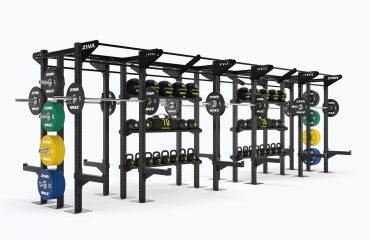
The training model dictates the specification. Because sessions are group-based and circuit-based, the critical asset is a rig with enough stations for the whole class to work simultaneously. A wall-mounted structure such as the Model 1A wall-mounted rig frees the centre of the room for floor work, while freestanding rigs suit larger spaces with clear circulation on all sides. The full choice sits in the CrossFit and HYROX cages range.
Flooring is the second decision and the one most often underestimated. Dropped barbells demand a surface built for impact, not a general gym tile: weightlifting rubber tiles protect both the slab and the equipment, and they are what keeps noise transmission manageable in a shared building.
Beyond that, the specification depends on your programming: a turf lane for sled and carry work, a rowing and ski erg row, storage for barbells, plates and accessories, and enough clear floor per member to run a full class without collisions.
Frequently asked questions
Is CrossFit suitable for complete beginners?
Yes, because sessions are scaled. Loads, volumes and movement variations are adjusted to the individual, and coaches supervise technique. A beginner and an experienced athlete can follow the same session at different intensities.
What is the difference between CrossFit and general functional training?
CrossFit is a defined, affiliated method with its own programming logic and coach certification. Functional training is the broader category. The equipment overlaps heavily, which is why a well-specified rig serves both, but the affiliation requirements and the class format differ.
How much space does a box need?
Space is driven by class size, rig configuration and the floor area needed for barbell and gymnastics work. Rather than a generic figure, the usable area is calculated from your intended class size and programme during the layout study.
Can a box be set up outside a conventional building?
Yes. A fitted container gym such as the the CF110 deployable container gym provides a complete training unit where no suitable building exists, which suits campsites, military sites, remote installations and temporary operations.
Planning a box
If you are moving from interest to a project, the useful next step is a layout built around your actual room and your intended class size. Send the dimensions, ceiling height and programme through the quote request page and you will receive a rig configuration, a flooring specification and a price for the complete fit-out.