The Latest Trends in CrossFit Equipment and Kit
The fitness world never stands still, and CrossFit has become one of the most popular disciplines of recent years. That popularity has pulled an entire supply industry along with it: manufacturers now design specifically for the discipline rather than adapting general fitness products to it. In a market expanding this fast, the hard part is working out which products are genuinely worth the money.
This guide sets out the current state of CrossFit equipment, from the structural kit that defines a box to the footwear, apparel and accessories athletes bring with them. Whether you are fitting out a facility or advising the athletes who train in it, the aim is the same: separate the innovations that change outcomes from the ones that only change the marketing.
How the CrossFit equipment market has evolved
The market for CrossFit equipment has changed dramatically in recent years. Manufacturers have developed products designed specifically to meet the particular needs of a demanding discipline, rather than repurposing what already existed.
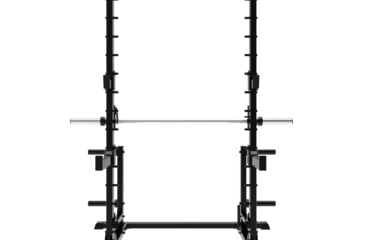
Clothing, footwear and accessories have all been rethought to deliver maximum comfort, performance and durability. The materials used are increasingly technical, allowing better sweat regulation and better freedom of movement. The same shift has happened on the structural side, where rigs and racks are now dimensioned around the movements of the discipline rather than around a general strength floor. Our range is grouped under CrossFit rigs.
What to weigh when buying CrossFit equipment
Several criteria matter when choosing equipment. First, make sure the clothing and footwear are genuinely suited to CrossFit practice: they have to be hard-wearing, comfortable, and provide good grip on the floor.
Second, check the quality of the materials. CrossFit equipment is subjected to substantial stress, so robustness and durability are not optional characteristics.
Third, take account of experience level. For a beginner, it is sensible to choose versatile equipment that suits several types of exercise. An experienced athlete can move towards more specific equipment that answers their particular needs. For a facility, that distinction translates directly into the mix you buy: versatile stations first, specialist stations once the membership justifies them. The heavier structural range sits under Ziva rigs and racks.
The best-performing CrossFit shoes on the market
Footwear is an essential part of CrossFit equipment. Shoes have to hold the foot well, provide good lateral stability, and grip the floor reliably.
Among the best-performing brands are Nike, Reebok and Nobull. All three offer models designed specifically for CrossFit, with innovations such as grippy rubber outsoles and lateral reinforcement for improved stability.
Sizing and foot shape matter as much as the model. Some designs suit wide feet better, others suit narrow feet. Trying several models is the only reliable way to find the right one, which is worth remembering before recommending a single brand to a whole class.
CrossFit apparel: style and function together
CrossFit apparel has moved on considerably in recent years, as manufacturers have understood that style and function have to be combined rather than traded off.
T-shirts, vests and leggings now come in a wide range of colours and patterns, so athletes can express a personal style. The materials are light, breathable and stretchable, which is what delivers comfort across a full session.
Some garments also carry specific technologies, such as flat seams to prevent chafing or mesh panels for better ventilation. Those details are what separate two apparently identical products at the point of choice.
The accessories that make a difference
Beyond clothing and footwear, certain accessories help athletes get more out of a session. The essentials include protective gloves to prevent blisters and hand injuries, knee sleeves to protect the joints during squatting movements, and lumbar support belts to prevent back pain.
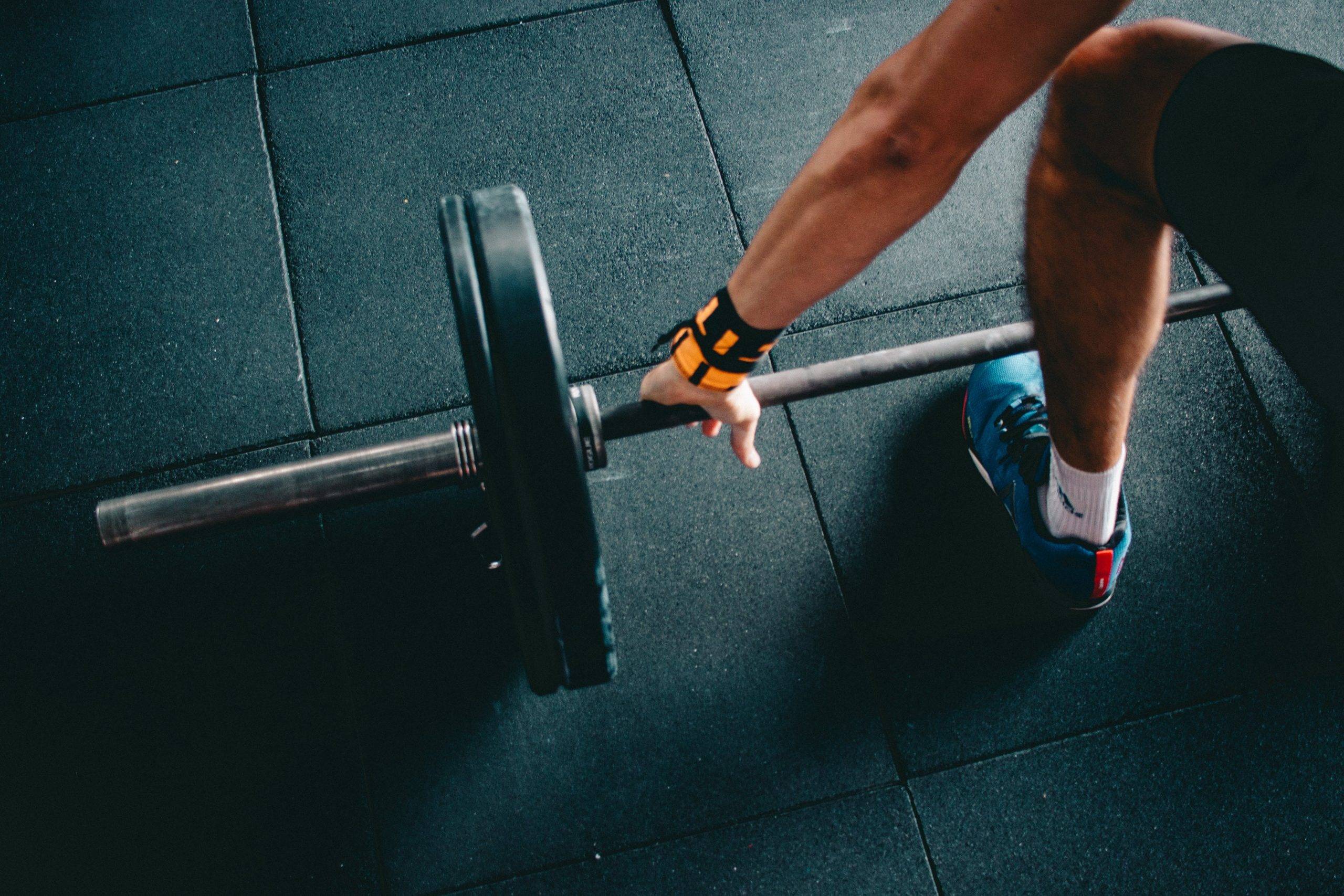
More specific accessories exist too: lifting straps to improve grip during pulling exercises, and grips to reinforce the hold during bar work.
These accessories make a real difference in practice by allowing athletes to push performance further while protecting their safety. In a box, they are also the items members forget, which is why many facilities stock a basic set behind the desk.
Technological innovation in CrossFit equipment
CrossFit equipment continues to evolve through technological innovation, with manufacturers regularly integrating new technologies to improve performance and comfort.
Among these innovations are sensors built into certain garments that measure heart rate or the number of calories burned during training. The data can be consulted through a dedicated mobile application, allowing precise performance tracking.
The equipment itself also carries advanced technology. Some weightlifting barbells, for example, are fitted with sensors that measure the speed and power of the movement. That data can then be analysed to optimise training and progress faster. For a facility, the practical question is whether the data reaches a coach in a usable form, or only reaches the athlete’s phone.
Equipment for experienced CrossFit athletes
Experienced athletes have access to specific equipment answering their most demanding requirements. Suspension straps, for example, allow aerial gymnastic movements such as muscle-ups and dips.
Gymnastic rings are also highly valued at that level. They allow a wide variety of exercises, from pull-ups to dips and swinging movements.
Finally, kettlebells and adjustable dumbbells are versatile pieces that build both strength and muscular endurance. They allow considerable freedom in exercise selection and work equally well in a full facility or in a compact training area. See professional kettlebells.
Brands worth watching
Several equipment brands dedicated to CrossFit are worth following closely.
Reebok is one of the official partners of the CrossFit Games, the discipline’s benchmark international competition, and offers a wide range of equipment designed for it, from footwear to clothing and accessories.
Nike is also strongly present in the CrossFit market with its Metcon range; Metcon shoes are known for their durability and exceptional grip.
Nobull is a relatively new arrival that gained popularity quickly thanks to high-quality products and a clean design language.
Rogue Fitness is an American brand specialising in CrossFit equipment, with a wide range running from weightlifting barbells to storage racks and kettlebells.
On the structural side, Light In Fitness, Xebex and Ziva are the ranges we supply to facilities directly, and they answer a different question from the athlete-facing brands above: they are what the box is built from rather than what the athlete arrives wearing.
Frequently asked questions
Should a facility standardise on one brand?
For structural equipment, standardising simplifies servicing and spare parts. For athlete-facing items such as footwear, standardising makes little sense, because foot shape varies and no single model suits everyone.
Are built-in sensors worth paying for?
They are worth paying for when the data reaches someone who acts on it. Velocity and power measurement on a barbell changes how a coach programmes; a calorie count on a garment usually does not.
What should a beginner buy first?
Versatile equipment that covers several types of exercise, rather than specialist items. Specific equipment answers specific needs, and a beginner does not yet know which of those needs they have.
How do I judge durability before buying?
Ask what the equipment is subjected to in your facility, not in a catalogue photograph. Robustness and durability are the criteria that decide cost per year, and they are the ones cheapest offers compromise first.
Choosing the right equipment
Choosing the right CrossFit equipment is what makes progress possible. Take the time to research the different brands and the products they offer. Take account of specific needs, experience level and budget, and choose equipment that strikes a good balance between performance, comfort and durability.
And do not hesitate to ask professionals or experienced practitioners for advice; they can guide the choice and help find the equipment that best matches your expectations.
If you are equipping a facility rather than an individual, the structural decisions come first and everything else follows from them. Send us your floor area and your programming and we will specify the rig with you: CrossFit and Hyrox rigs or request a quote.