Professional Prone Leg Curl Machine: Use, Technique and Buying Guide
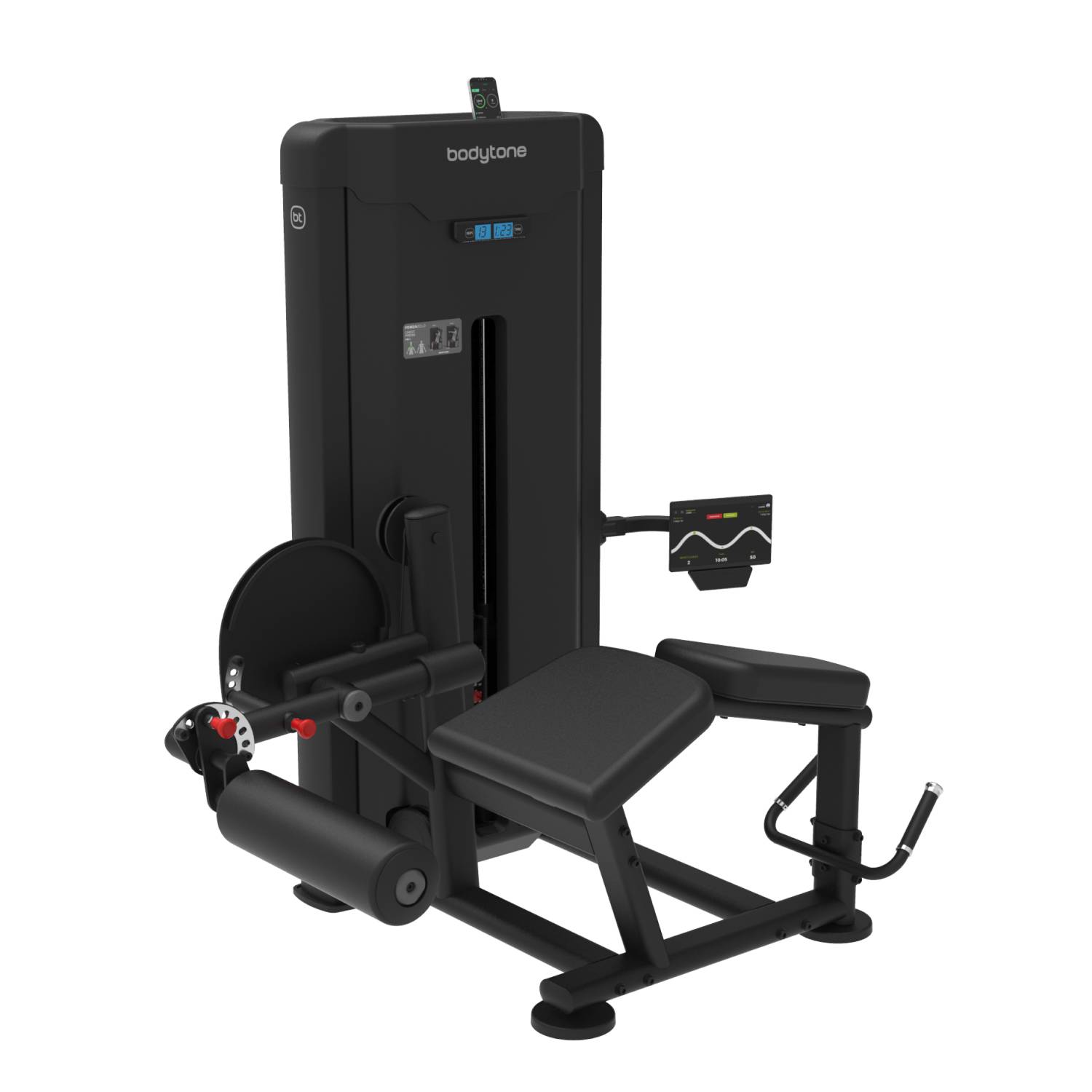
The prone leg curl is one of the few machines on a gym floor that does exactly one job and does it better than anything else. It isolates the hamstrings, the muscle group along the back of the thigh, and loads them through knee flexion with the hips supported. For a club, a hotel fitness room, a rehabilitation centre or a sports facility, it is a station that earns its footprint: hamstring strength underpins running, jumping and change of direction, and hamstring weakness is one of the most common causes of injury in field sports.
This guide covers what the machine does, how it should be used, and what a professional buyer should check before ordering one.
What a prone leg curl machine is
On a prone leg curl, the user lies face down on a padded bench with the kneecaps just off the edge of the pad, the ankles behind an adjustable roller and the hands on the grips. The movement is a controlled curl of the heels towards the glutes, driven by the hamstrings, followed by a controlled return. The hips stay in contact with the bench throughout, which is what forces the hamstrings to do the work rather than the lower back.
The seated leg curl is a different machine, not a variant of the same one. There the user sits with the thighs held under a pad and the ankles behind a roller, and the hip angle is flexed rather than extended. Both train the hamstrings, but the hip position changes the length at which the muscle works, so many well-equipped floors carry both.
Why the hamstrings deserve a dedicated station
- Targeted strength. The prone leg curl loads the hamstrings under controlled resistance in a way that squats and presses, which are dominated by the quadriceps and glutes, do not.
- Athletic performance. Stronger hamstrings contribute directly to sprinting, jumping and field sports such as football, and they help correct the front-to-back imbalance that develops in members who only train the quadriceps.
- Injury prevention. Muscular imbalance between the front and the back of the thigh is a well-recognised risk factor. A dedicated hamstring station is the simplest way to address it on a busy floor.
- Leg shape and tone. Regular hamstring work visibly changes the back of the thigh, which matters to a large share of members.
- Posture. The hamstrings act on the pelvis, and adequate strength there supports the lower back and helps limit the imbalances associated with lower back discomfort.
How to use it correctly
Guided machines are safe, but they are not immune to poor technique. The points below are what floor staff should be teaching.
- Set the roller. The ankle pad should sit just above the heel, on the Achilles tendon rather than on the calf, and the knee joint should line up with the pivot of the machine. A badly set roller is the main cause of discomfort on this station.
- Keep the hips down. Lifting the hips off the bench is the most common fault. It shortens the movement and shifts load to the lower back. Bracing the abdominals keeps the pelvis in place.
- Control the load. Start with a light weight and increase progressively. Swinging or using momentum to start the movement defeats the point of an isolation exercise.
- Breathe with the effort. Exhale as you curl the heels towards the glutes, which is the effort phase, and inhale on the controlled return.
- Vary the foot position. Pointing the toes away or pulling them towards the shin changes how much the calf contributes and shifts the emphasis within the hamstring group. It is a genuine variation and costs nothing.
- Warm up. A few minutes of general warm-up and light mobility before loading the hamstrings reduces the risk of strain, particularly early in the day.
What to check before ordering
- Certification. Indoor equipment for a supervised commercial facility must comply with EN ISO 20957-1 class S. This is the professional class and the only one appropriate for a room open to the public.
- Roller and pad adjustment. The range of adjustment decides how many of your members can use the machine correctly. Check it against tall and short users, not against an average.
- Cam and resistance curve. A well-designed cam matches the resistance to the strength curve of the movement, so the exercise is neither impossible at the start nor weightless at the end.
- Frame and welds. Steel section, weld quality and coating are what determine whether the machine still feels solid after years of daily use.
- Replaceable parts. Pads, grips and cables wear. Confirm they can be replaced individually.
- Footprint. Measure with the user in place and the movement at full range, not the catalogue outline.
Our selectorised range includes the Bodytone Forza FB55 prone leg curl and the Gold SPG015 prone leg curl, both built for continuous commercial use, and the full selectorised machine range lets you match the leg curl to the rest of the floor.
Frequently asked questions
How do I adjust the roller pad?
Most professional machines use a pin or a lever to set the roller position and the starting angle. The correct setting places the pad just above the heel with the knee aligned on the machine pivot. Check the manual supplied with your specific model for the exact procedure.
How often should the machine be used?
That depends on the individual programme and training level. As part of a general leg routine, working the hamstrings two to three times a week is a reasonable target for most members.
Which muscles does it work?
Primarily the hamstrings at the back of the thigh. The calf, through the gastrocnemius, also contributes to knee flexion, which is why foot position changes the feel of the exercise.
Is it suitable for beginners?
Yes. It is one of the easiest machines to teach, because the position is fixed and the movement is simple. Beginners should start with a light load and be shown the correct setup by a member of staff.
Can it be used with knee problems?
Anyone with a knee condition should consult a healthcare professional before using the machine. A qualified assessment will determine whether the movement is appropriate and at what load.
Should the contraction be held?
A short pause of about two to three seconds at the top of the curl before returning increases the time under tension and improves the quality of the contraction.
Adding a hamstring station to your floor
Light In Fitness has supplied professional strength equipment to gyms, clubs, hotels, local authorities, rehabilitation centres and sports facilities since 2013. If you are planning a leg area or completing an existing one, send us your layout and your member profile and we will propose the right combination of machines. Request a quote and our team will come back to you.