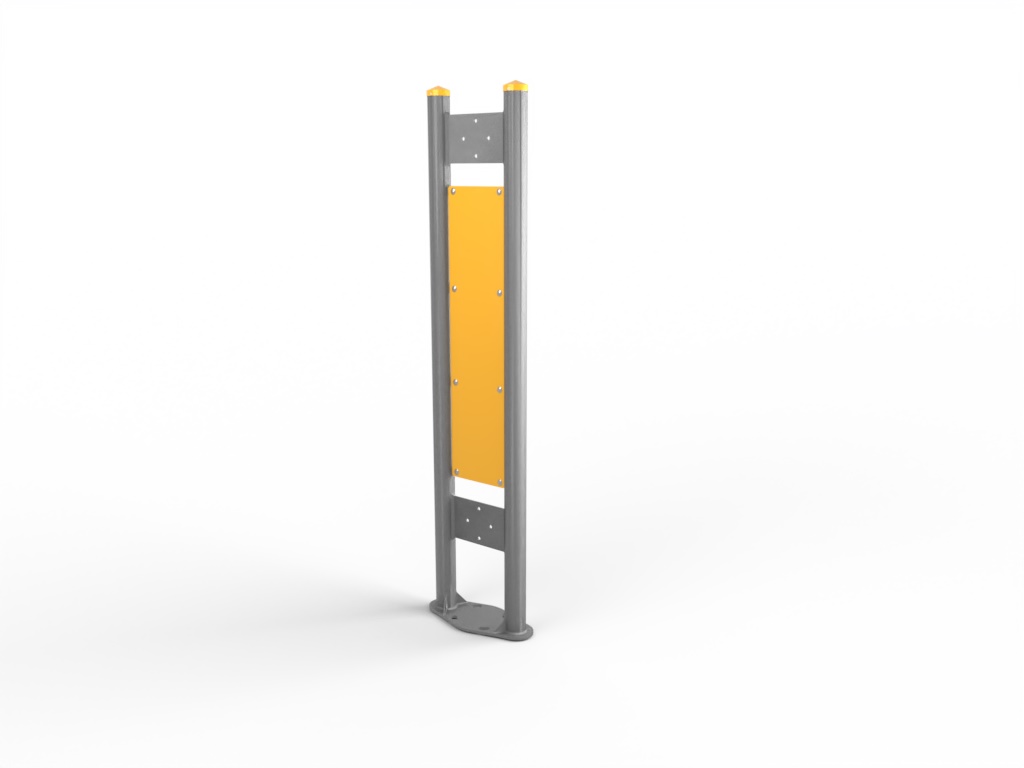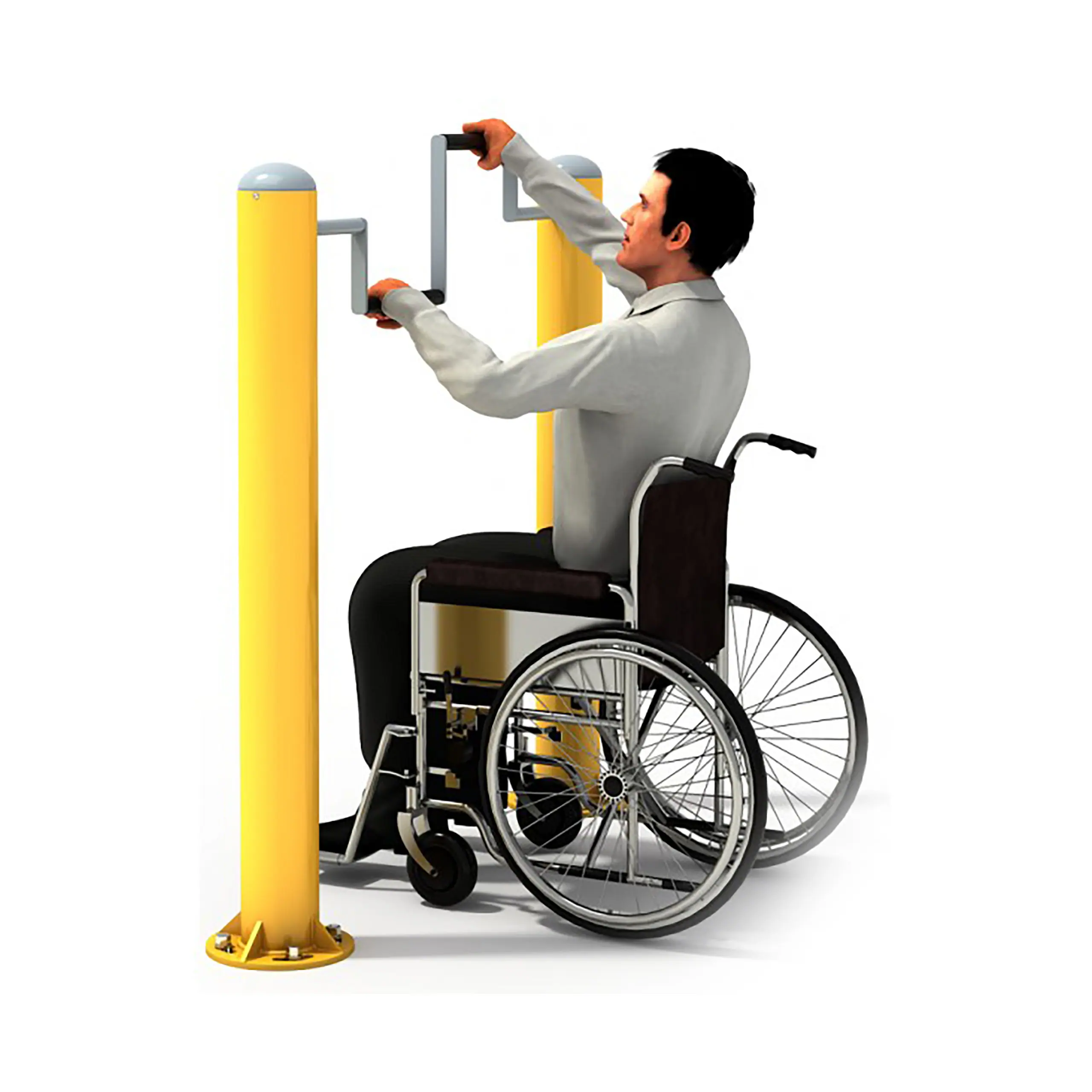
TRAINER E37 Wheelchair-Accessible High Trainer - Inclusive Outdoor Arm Station
TRAINER E37 Wheelchair-Accessible High Trainer - Inclusive Outdoor Arm Station : tRAINER wheelchair accessible outdoor fitness stations, 1 278,00 EUR excl. VAT. Encombrement 112,5 × 61 × 202 cm. Brand : TRAINER. Delivery and installation priced on quotation across Europe.
1,278.00 € excl. VAT
i.e. 1,533.60 € TTC selon la destination de livraison
Shipping quoted separately The shipping cost is confirmed before you approve the order.
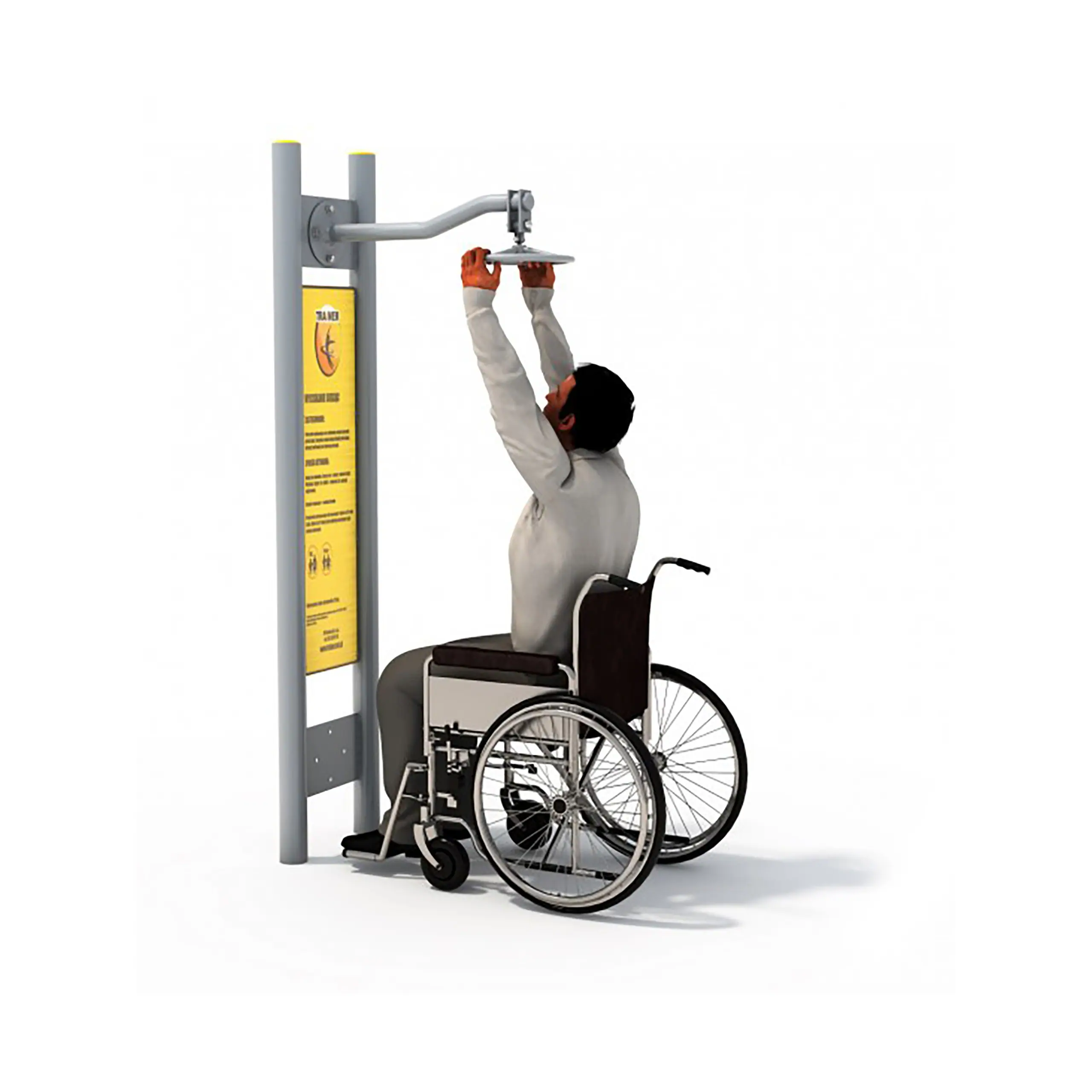
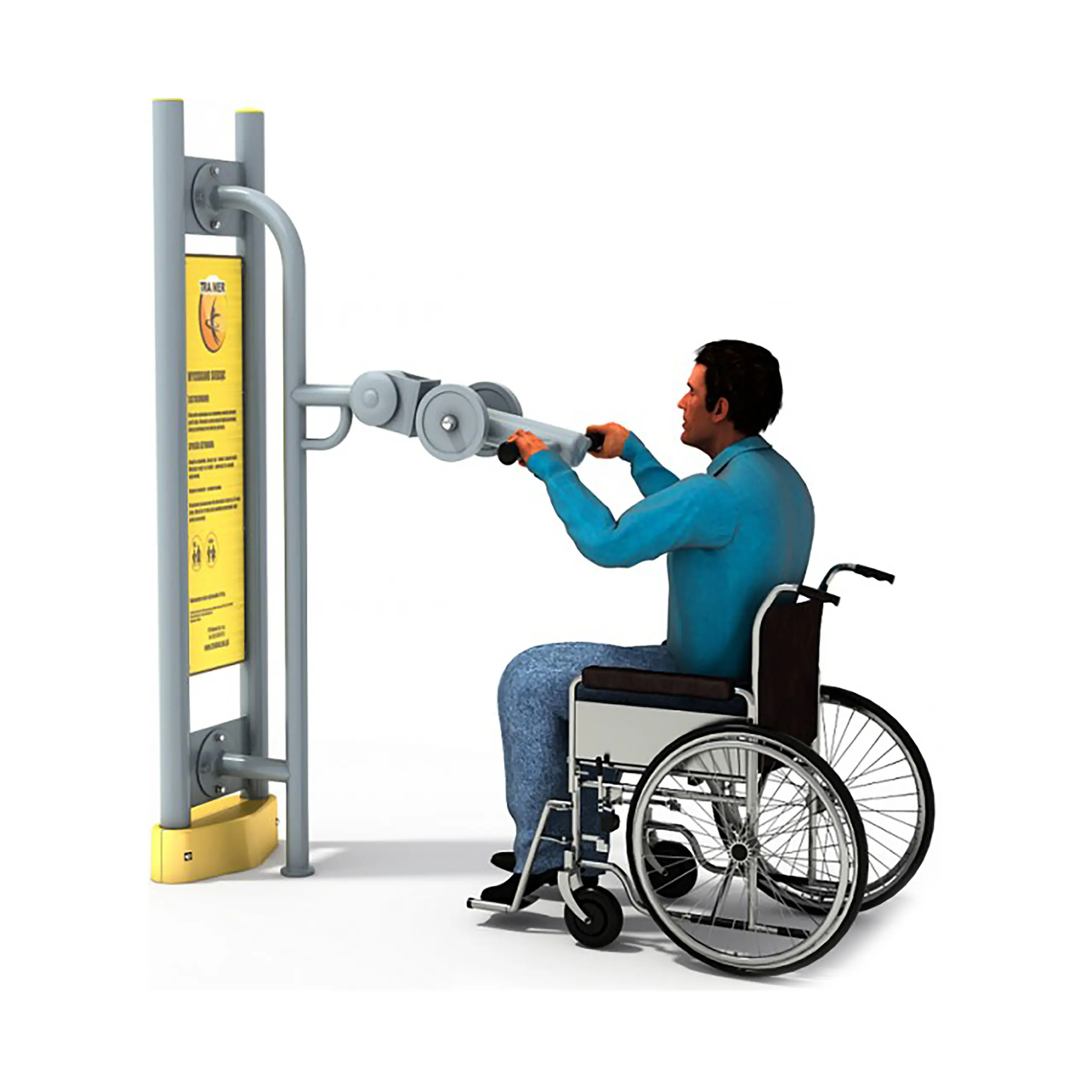
The TRAINER E37 high trainer works the arms and upper body through a high-position movement performed directly from a wheelchair, with no transfer and no assistance.
- Strengthens the arms and the upper body
- Simple interface reachable from a seated position
- Used without transferring out of the wheelchair
- EN 16630:2015-06 compliant, tested and certified by TUV Rheinland
Quotation = itemised pricing with delivery, installation and trade discounts, within 24 business hours. No commitment. Our commitments
Conformity: equipment compliant with EN 16630 (permanently installed outdoor fitness equipment), tested and certified by TÜV Rheinland; the certificate is supplied on request with the quotation.
Light In Fitness warranty: steel frame with 20-year warranty (designed by Light In Fitness in Tours, France, manufactured in Europe), wear parts 6 months — detailed conditions. Our custom design service.
Description
The TRAINER E37 high trainer measures 112.5 x 61 x 202 cm and needs a safety zone of 413 x 361 cm. It is the high-position counterpart to the low trainer: the handles sit above the user, so the movement pulls down rather than pressing forward, and it is performed entirely from a wheelchair.
Why both positions are specified together
Upper-body training divides into pressing and pulling. A station offering only one gives half a programme, and for wheelchair users the pulling pattern is the more important of the two, because it loads the back and the posterior shoulder that daily propulsion under-uses. The E37 covers that side. Installed alongside the low trainer, the pair gives a seated user a balanced upper-body circuit within a few metres.
- Muscles worked: arms and upper body, high-position movement
- Simple, intuitive interface reachable while seated
- Difficulty rating: easy
- Maximum user weight 150 kg
Materials and compliance
The structure is high-grade steel, shot-blasted and galvanised, protected by a double layer of polyester paint. The station complies with EN 16630:2015-06 and has been tested and certified by TUV Rheinland. Colourways are yellow (RAL 1018/7004), graphite (RAL 7016/9006), orange (RAL 2000/9006) and lime (RAL 6018/9006), with other shades quoted on request.
Technical specifications
| Reference / SKU | E37 |
|---|---|
| Dimensions (L x W x H) | 112.5 x 61 x 202 cm |
| Recommended safety zone | 413 x 361 cm |
| Access | Used from a wheelchair, no transfer required |
| Resistance | User body weight, no weight stack |
| Maximum user weight | 150 kg |
| Frame | Shot-blasted and galvanised high-grade steel |
| Finish | Double-layer polyester paint, four standard RAL colourways |
| Standard | EN 16630:2015-06, TUV Rheinland tested |
| Price | 1,278 EUR excluding VAT |
Site planning
The E37 needs a deeper clear area than the low trainer, 413 x 361 cm, because the approach has to allow a chair to position under the handles and reverse out again. Keep the approach side of that zone free of kerbs and level changes, and make sure the surfacing runs continuously from the access route to the station.
Frequently asked questions
Is the movement adjustable for different arm lengths?
The station is designed around a seated reach envelope, so it accommodates a range of users without adjustment. That is deliberate: an adjustment mechanism a seated user cannot operate alone would defeat the purpose.
Can standing users train on it?
Yes. It is not restricted to wheelchair users, and mixed use is preferable in practice, since equipment used by everyone stays in service and does not feel set apart.
Does it need to be installed with other accessible stations?
Not technically, but a single accessible station rarely makes an area inclusive. Pairing it with the low trainer, on a continuous firm surface, is the minimum configuration that gives a seated user a usable session.
Give us the site plan, the access routes and the number of stations, and we will return an inclusive layout proposal with a full quotation.
Additional information
| Dimensions | 112.5 × 61 × 202 cm |
|---|---|
| Brand | TRAINER |
Delivery and installation
Lead times are confirmed in the quotation according to the product, available stock and destination.
Access requirements and delivery appointments for heavy equipment are agreed before dispatch.
Installation is included when stated for the product or in the quotation; otherwise it is quoted separately.
You may also like…
-
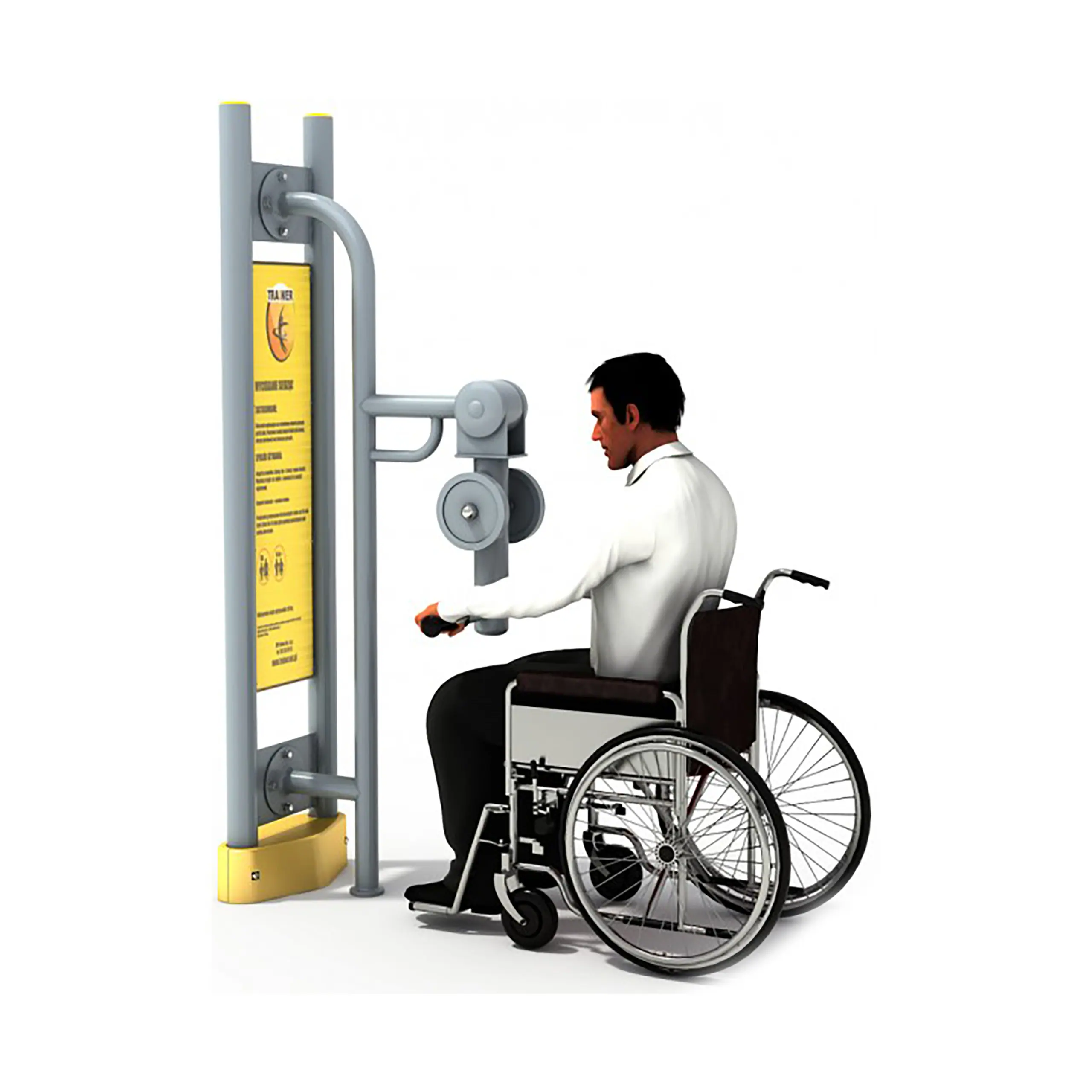
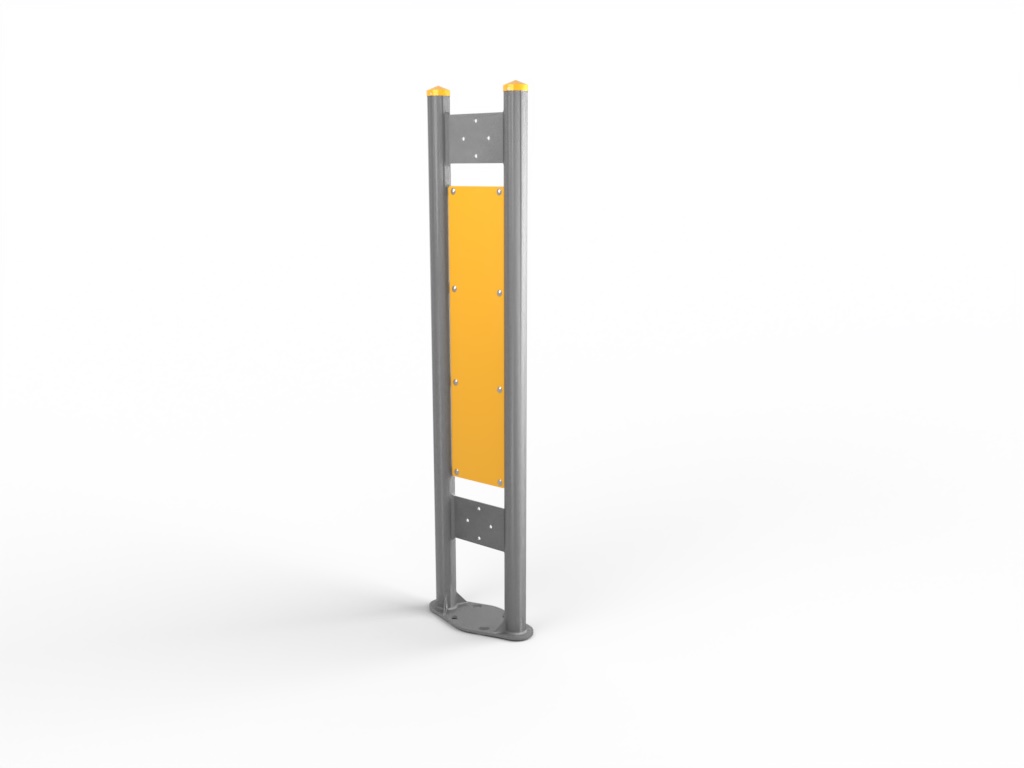
TRAINER E36 Wheelchair-Accessible Low Trainer - Inclusive Outdoor Press Station to Pinterest (opens in a new window)Save on Pinterest : TRAINER E36 Wheelchair-Accessible Low Trainer - Inclusive Outdoor Press Station
 Add to cartMORE INFO
TRAINER E36 Wheelchair-Accessible Low Trainer - Inclusive Outdoor Press Station
1,278.00 € excl. VAT -
TRAINER mixed ability pec deck with pylon to Pinterest (opens in a new window)Save on Pinterest : TRAINER mixed ability pec deck with pylon
![TRAINER E37 Wheelchair-Accessible High Trainer - Inclusive Outdoor Arm Station]()
 Add to cartMORE INFO
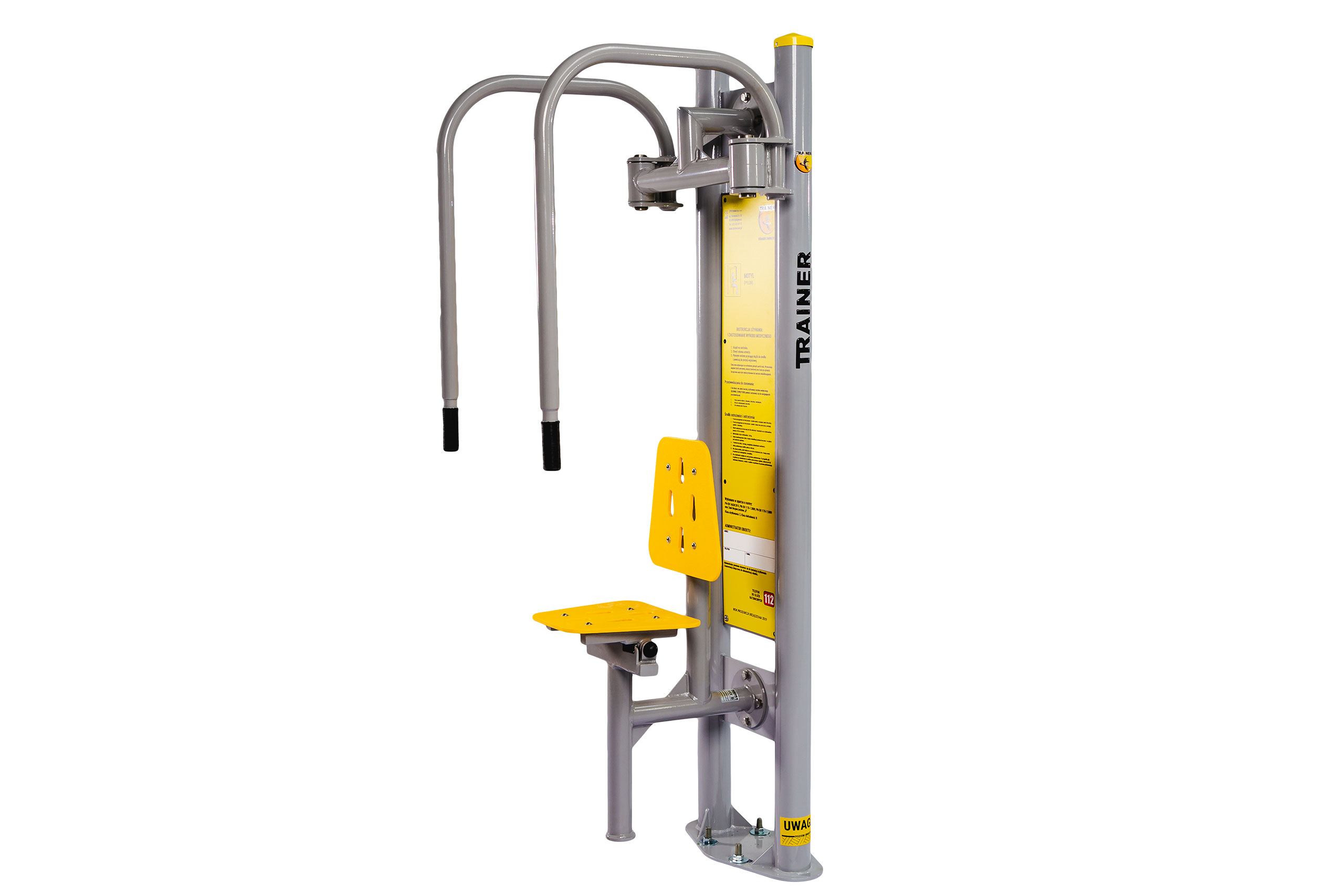
TRAINER mixed ability pec deck with pylon
2,970.00 € excl. VAT -
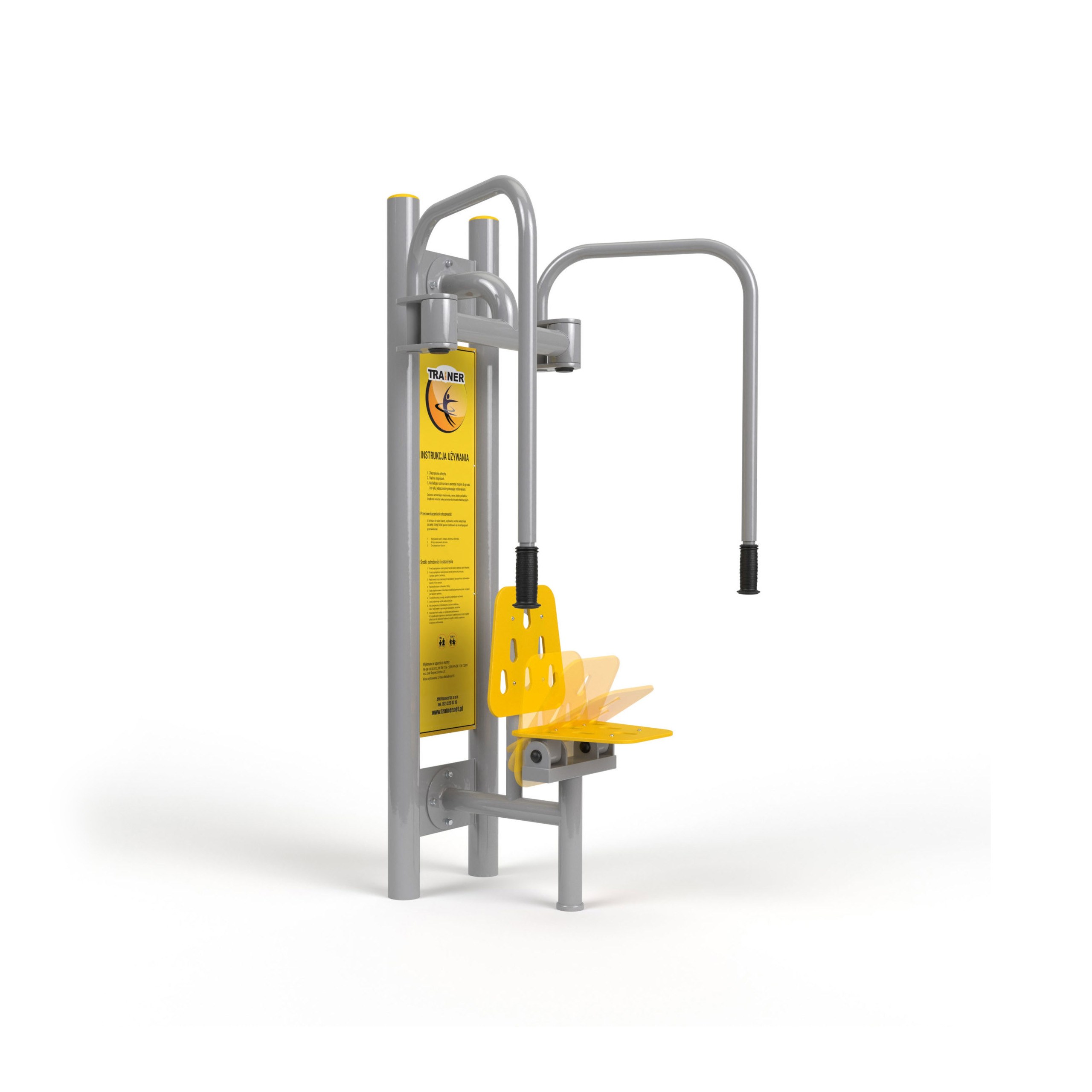
TRAINER pull station with folding seat for mixed outdoor use to Pinterest (opens in a new window)Save on Pinterest : TRAINER pull station with folding seat for mixed outdoor use
![TRAINER E37 Wheelchair-Accessible High Trainer - Inclusive Outdoor Arm Station]()
 Add to cartMORE INFO
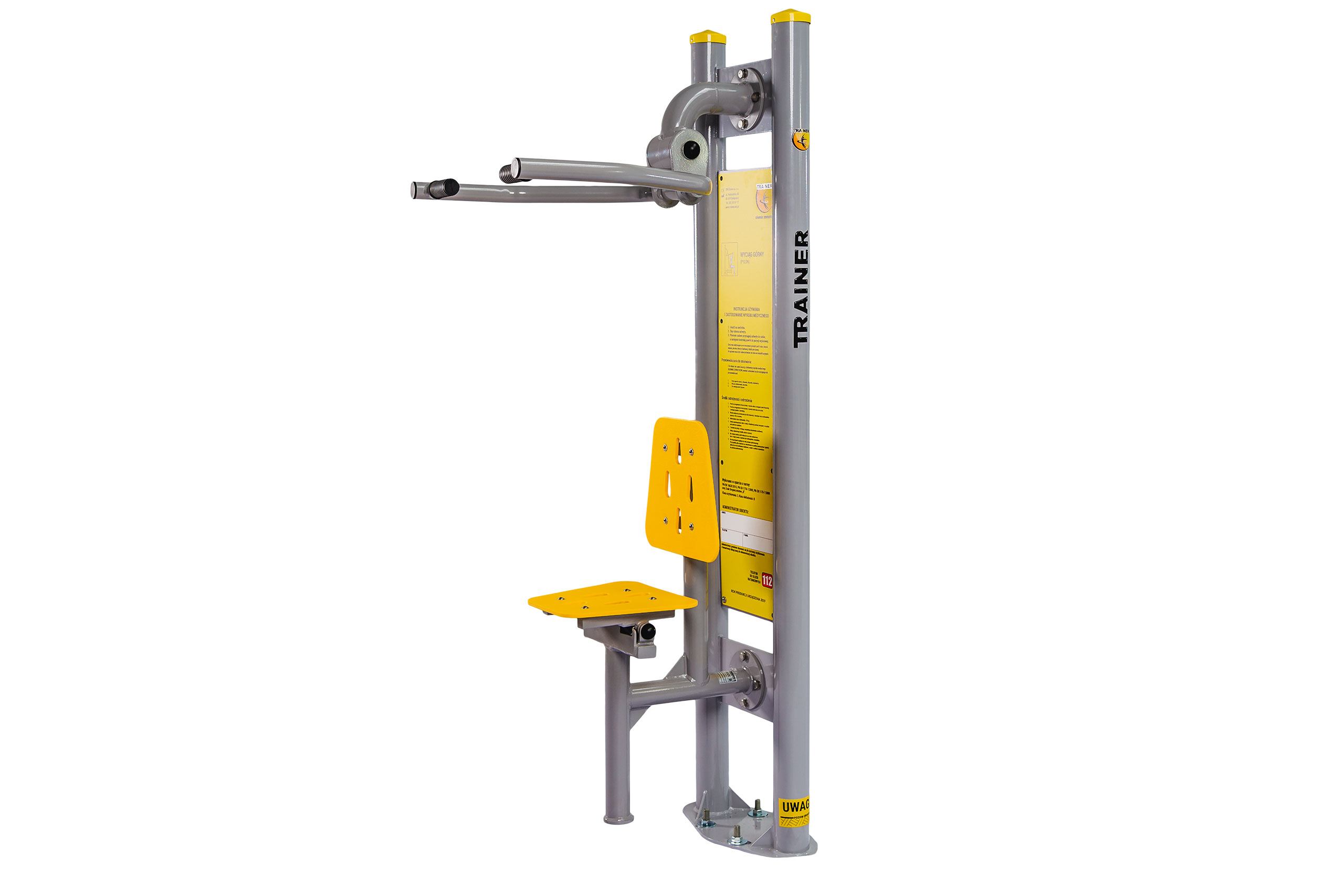
TRAINER pull station with folding seat for mixed outdoor use
2,442.00 € excl. VAT -
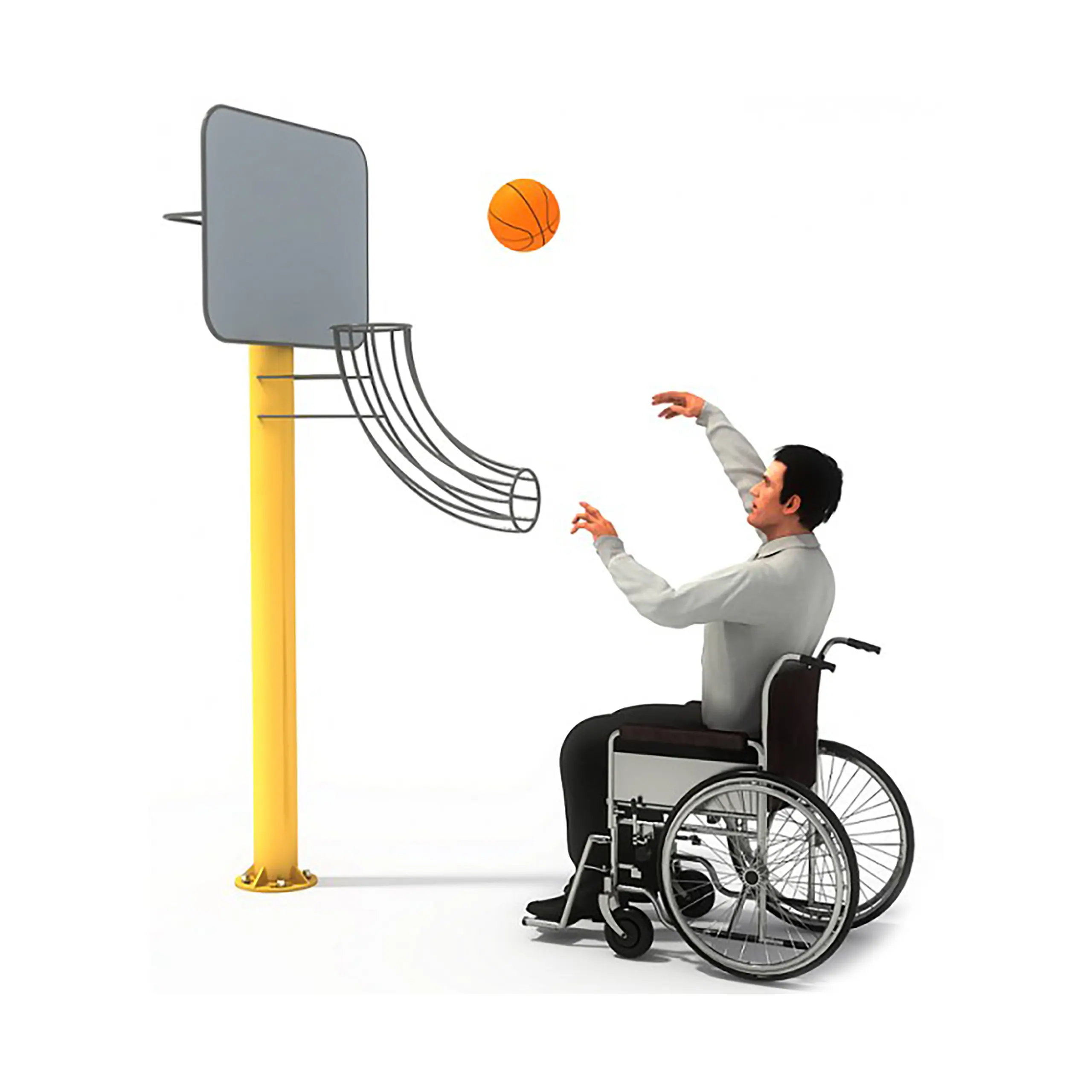
TRAINER wheelchair accessible basketball hoop to Pinterest (opens in a new window)Save on Pinterest : TRAINER wheelchair accessible basketball hoop
![TRAINER E37 Wheelchair-Accessible High Trainer - Inclusive Outdoor Arm Station]()
 Add to cartMORE INFO
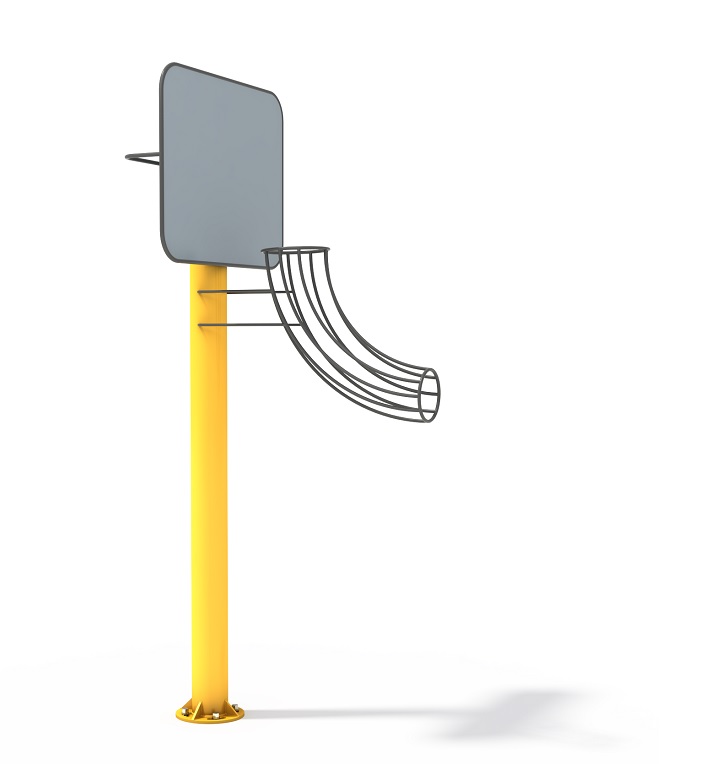
TRAINER wheelchair accessible basketball hoop
3,222.00 € excl. VAT -
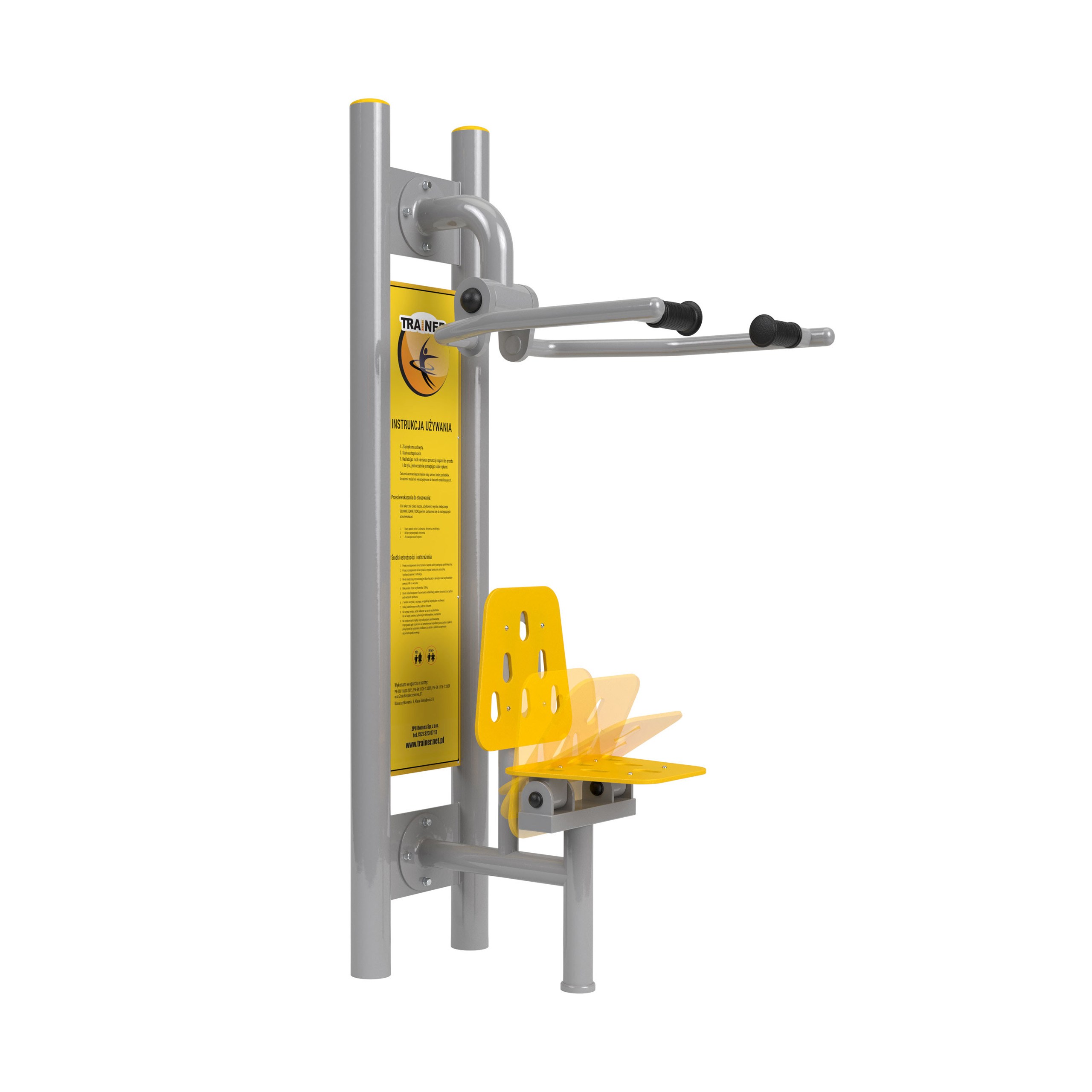
TRAINER push station with folding seat for mixed outdoor use to Pinterest (opens in a new window)Save on Pinterest : TRAINER push station with folding seat for mixed outdoor use
![TRAINER E37 Wheelchair-Accessible High Trainer - Inclusive Outdoor Arm Station]()
 Add to cartMORE INFO
TRAINER push station with folding seat for mixed outdoor use
2,442.00 € excl. VAT
Related products
-
TRAINER P01 Pylon - Support Post for Outdoor Fitness Stations to Pinterest (opens in a new window)Save on Pinterest : TRAINER P01 Pylon - Support Post for Outdoor Fitness Stations
![TRAINER E37 Wheelchair-Accessible High Trainer - Inclusive Outdoor Arm Station]()
 Add to cartMORE INFO
TRAINER P01 Pylon - Support Post for Outdoor Fitness Stations
672.00 € excl. VAT -
TRAINER arm wheel, accessible outdoor upper body station to Pinterest (opens in a new window)Save on Pinterest : TRAINER arm wheel, accessible outdoor upper body station
![TRAINER E37 Wheelchair-Accessible High Trainer - Inclusive Outdoor Arm Station]()
 Add to cartMORE INFO
TRAINER arm wheel, accessible outdoor upper body station
1,878.00 € excl. VAT -
TRAINER E42 - Outdoor Upper Twister and Arm Trainer Combination to Pinterest (opens in a new window)Save on Pinterest : TRAINER E42 - Outdoor Upper Twister and Arm Trainer Combination
![TRAINER E37 Wheelchair-Accessible High Trainer - Inclusive Outdoor Arm Station]()
 Add to cartMORE INFO
TRAINER E42 - Outdoor Upper Twister and Arm Trainer Combination
1,690.80 € excl. VAT