Cross/Golf 13 mm Synthetic Turf for Sled and Putting
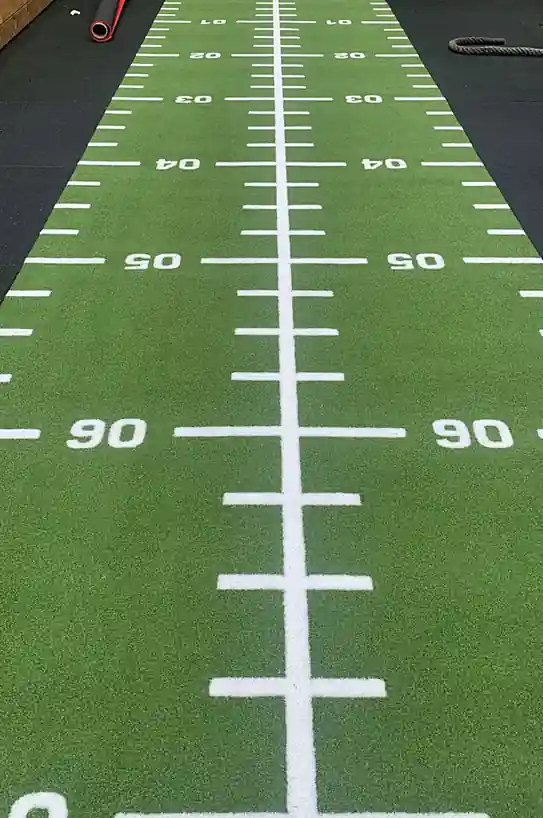
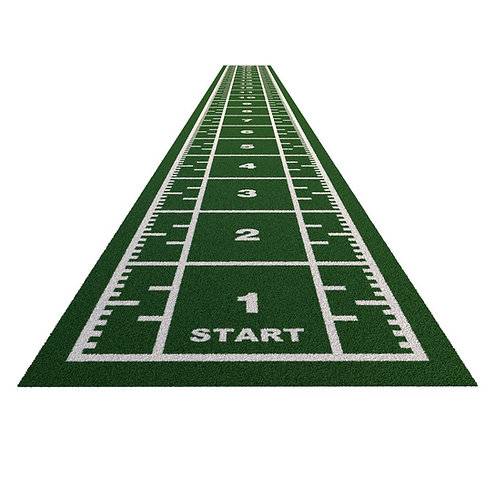
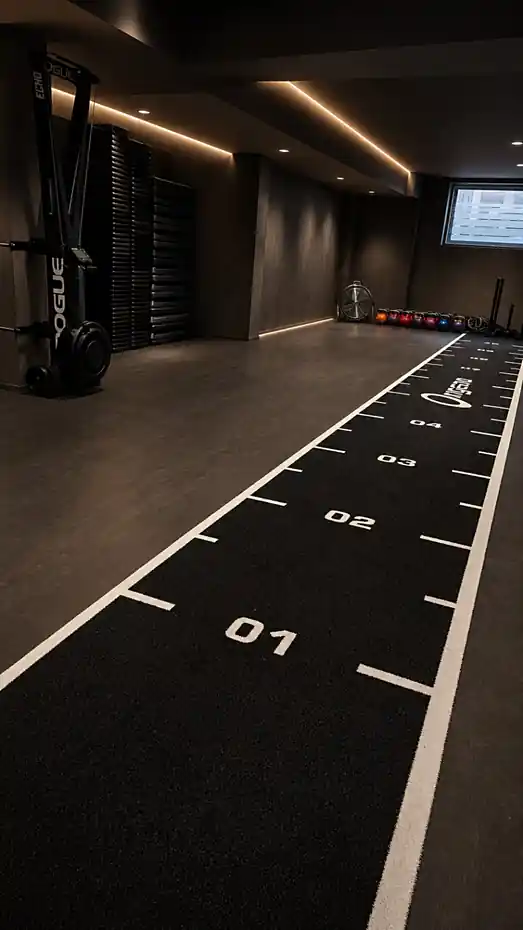
Cross/Golf 13 mm Synthetic Turf for Sled and Putting : numbered artificial turf tracks for CrossFit and Hyrox, marque Light In Fitness, 29,90 EUR excl. VAT. Width : 2 m, 3,75 m, 4 m. Length : Sur demande. Material : Polypropylène (PP). Delivery and installation priced on quotation across Europe.
29.90 € excl. VAT / m²
i.e. 35.88 € TTC selon la destination de livraison
Shipping quoted separately The shipping cost is confirmed before you approve the order.
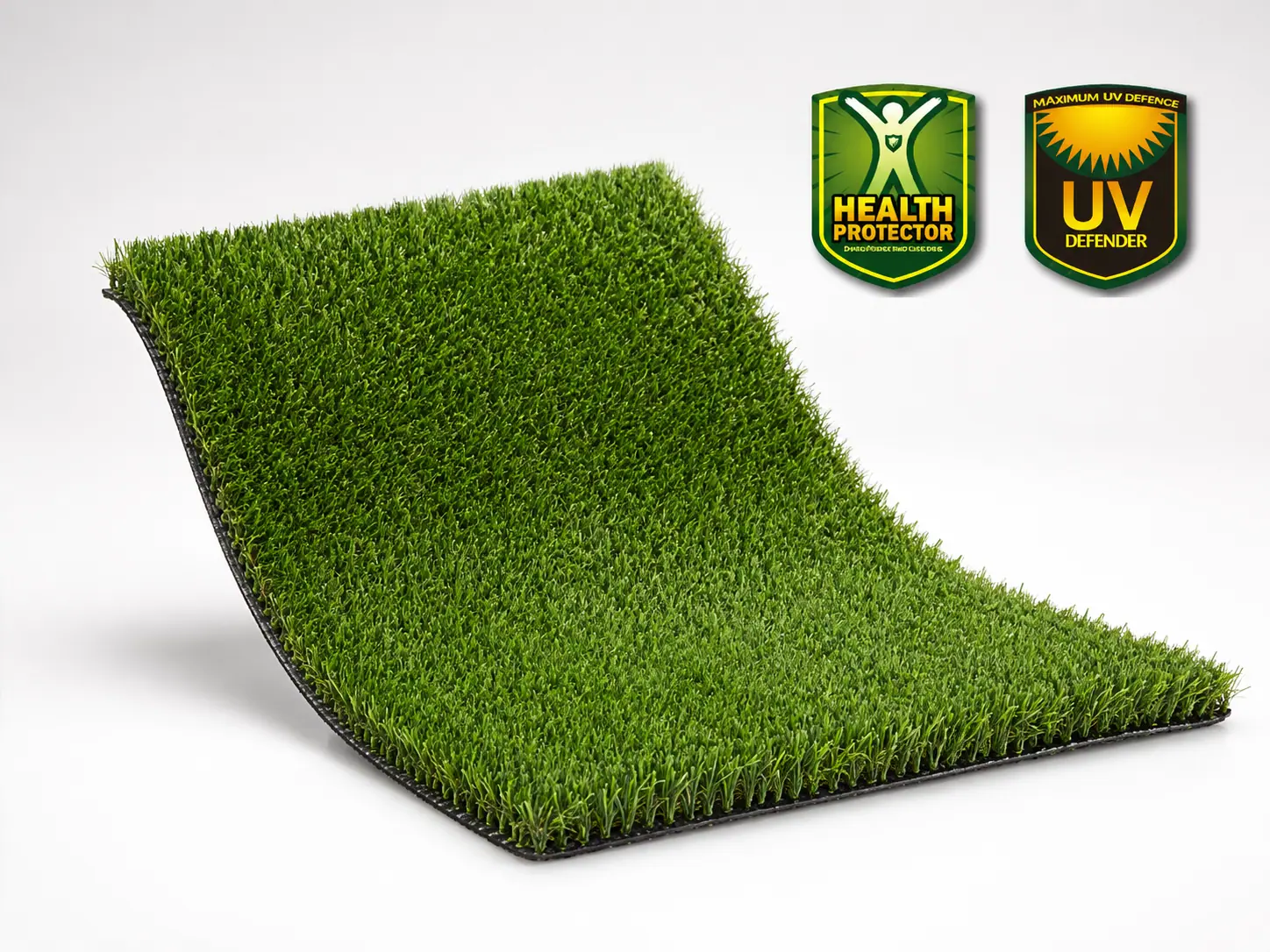
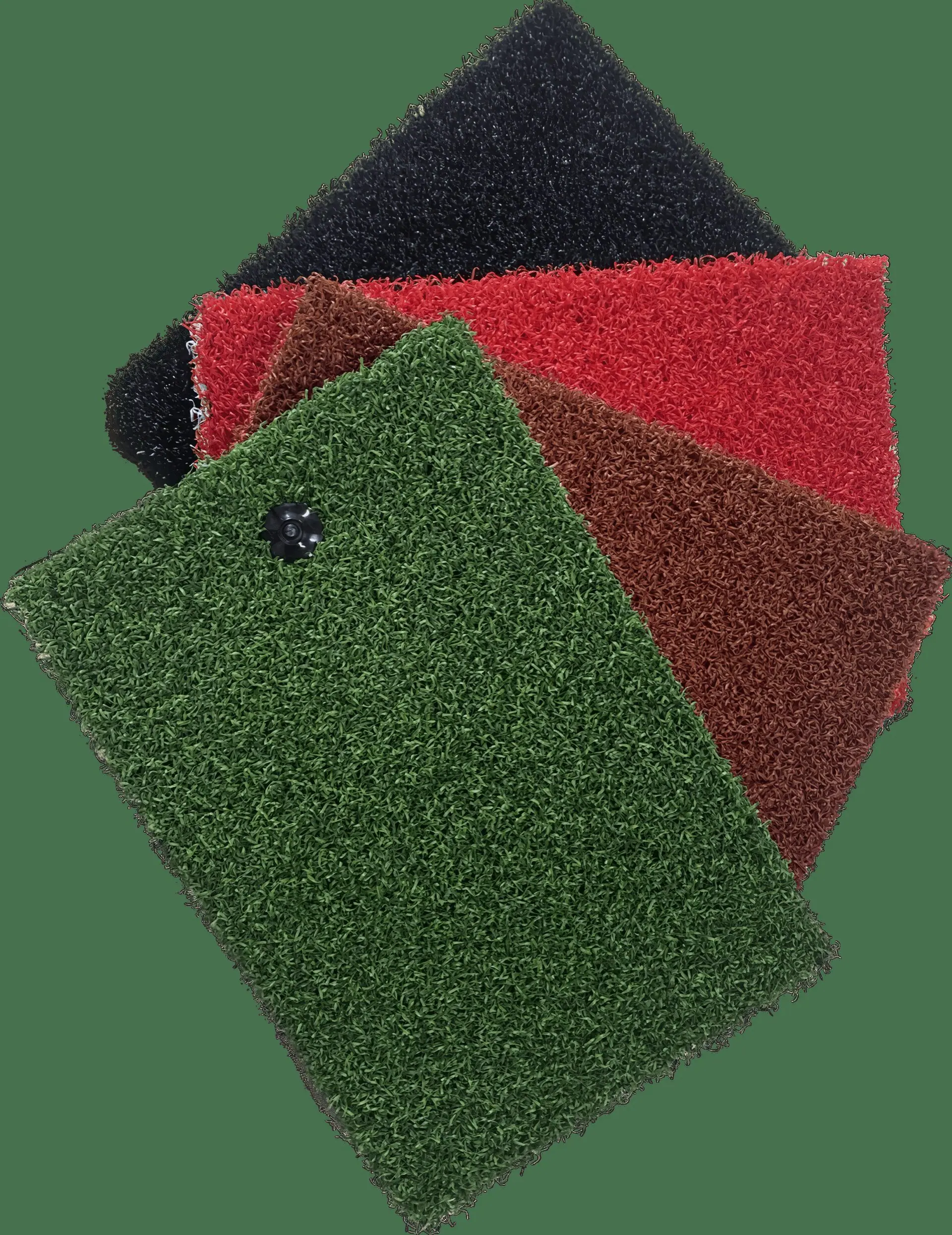
Professional bi-colour synthetic turf, 13 mm short curled fibre at 84,000 stitches per m2, 2,570 g/m2. Sled lane and putting surface in one, no infill. Price on request.
Quotation = itemised pricing with delivery, installation and trade discounts, within 24 business hours. No commitment. Our commitments
Description
The Cross/Golf 13 mm is a professional synthetic sports turf with a short curled bi-colour fibre, tufted at 84,000 stitches per square metre for a total mat weight of 2,570 g/m2. It is a genuinely hybrid surface: a calibrated sled lane and a putting surface in one product, with no infill to top up.
Why a curled fibre does both jobs
Most sports turf forces a choice. A straight fibre gives sled glide and sprint traction but will not roll a ball. A golf fibre rolls a ball but flattens under a loaded sled. The short curled polypropylene fibre used here behaves as a mechanical spring: it compresses under a sled runner and stands back up, instead of lying down permanently in the direction of travel. That keeps glide resistance consistent from lane to lane, and the dense loop forms a continuous rolling plane for a putt.
The density figure, checked
The 84,000 stitches per square metre is arithmetically consistent with the tufting parameters rather than a marketing number: a 3/16 inch gauge gives 4.76 mm between needle rows, so roughly 210 rows per metre of width, and 40 stitches per 10 cm along the length gives 400 stitches per linear metre. The product of the two is 84,000. With 16 filaments per tuft, the surface carries approximately 1,344,000 filaments per square metre.
Suitable and unsuitable uses
- Suitable: sled push and sled pull, putting greens and hotel golf corners, sprints, agility drills and farmer’s carries.
- Not suitable: barbell and dumbbell drop zones — use dedicated rubber tiles; chipping and lofted approach shots, since 13 mm will not absorb an iron; football and rugby pitches, which fall under infilled systems to EN 15330-1; cardio floors and circulation routes, where a rubber roll is more economical over large areas.
Documentation for a project file
Reaction to fire is documented by an EN 13501-1 classification report, supported by the EN ISO 9239-1 radiant panel test. An EN 71-3 supplier attestation on the migration of certain elements is available, as is a REACH declaration of conformity. EN 15330-1 does not apply: this is a fitness and putting surface, not a large-pitch system.
Technical specification
| Reference / SKU | LIF-529712 |
|---|---|
| Pile height | 13 mm, plus or minus 5% |
| Structure | Short curled fibre, bi-colour, polypropylene |
| Yarn | 5,500 Dtex, plus or minus 10%; 16 filaments per tuft; gauge 3/16 inch |
| Density | 84,000 stitches per m2, plus or minus 10% |
| Yarn weight | 1,470 g/m2 |
| Backing | Primary PP with polyester fibre and mesh, 250 g/m2; secondary latex, 850 g/m2 |
| Total mat weight | 2,570 g/m2, plus or minus 10% |
| Roll widths | 2.0 m, 3.75 m and 4.0 m; length cut to project |
| Infill | None — no sand, no rubber granulate |
| Treatment | Anti-UV; Health Protector treatment |
| Warranty | 5 years |
| Price | On request — project quotation within 24 business hours |
Frequently asked questions
Does a zero-infill turf really need no maintenance top-up?
There is no sand or rubber granulate to redistribute or replenish, so the annual infill maintenance line disappears entirely. Routine brushing and cleaning still apply.
Can barbells be dropped on it?
No. Provide dedicated rubber tiles for drop zones. A 13 mm turf is a traction and rolling surface, not an impact surface.
Which roll width should be specified?
Choose the width that minimises seams along the direction of the sled lane. For a putting area, a single width across the whole green is preferable. We calculate the optimum cut from your dimensions before quoting.
Request a quotation. Send the lane length, the total area and the intended uses, and we will return a cutting plan and a project quotation within 24 business hours.
Additional information
| Width | 2 m, 3,75 m, 4 m |
|---|---|
| Length | Sur demande |
| Material | Polypropylène (PP) |
| Use | Professionnel |
| Hauteur de fibre | 13 mm ± 5 % |
| Densité de tuftage | 84 000 points/m² ± 10 % |
| Titrage du fil | 5 500 Dtex ± 10 % |
| Poids total du tapis | 2 570 g/m² ± 10 % |
| Dossier secondaire | Latex |
| Garantie | 5 ans selon conditions Pavigrass |
Delivery and installation
Lead times are confirmed in the quotation according to the product, available stock and destination.
Access requirements and delivery appointments for heavy equipment are agreed before dispatch.
Installation is included when stated for the product or in the quotation; otherwise it is quoted separately.
You may also like…
-
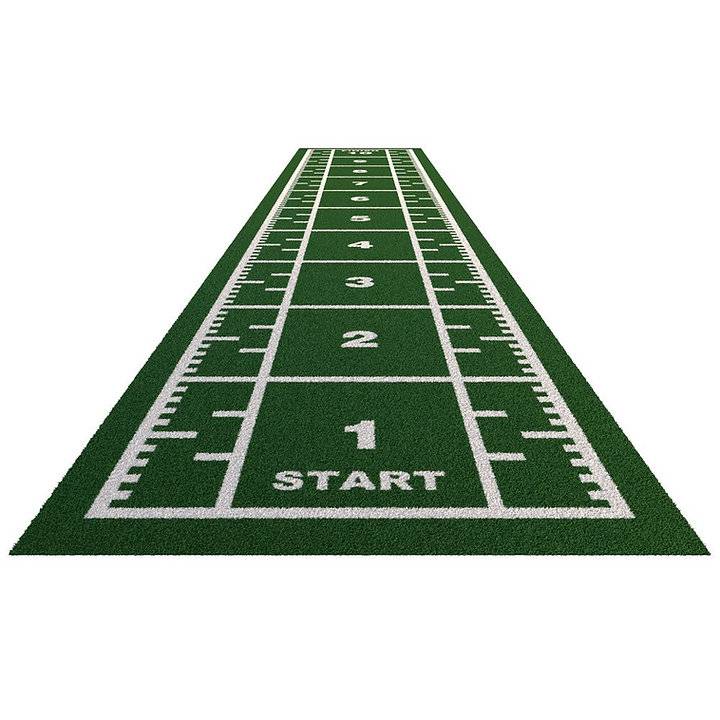
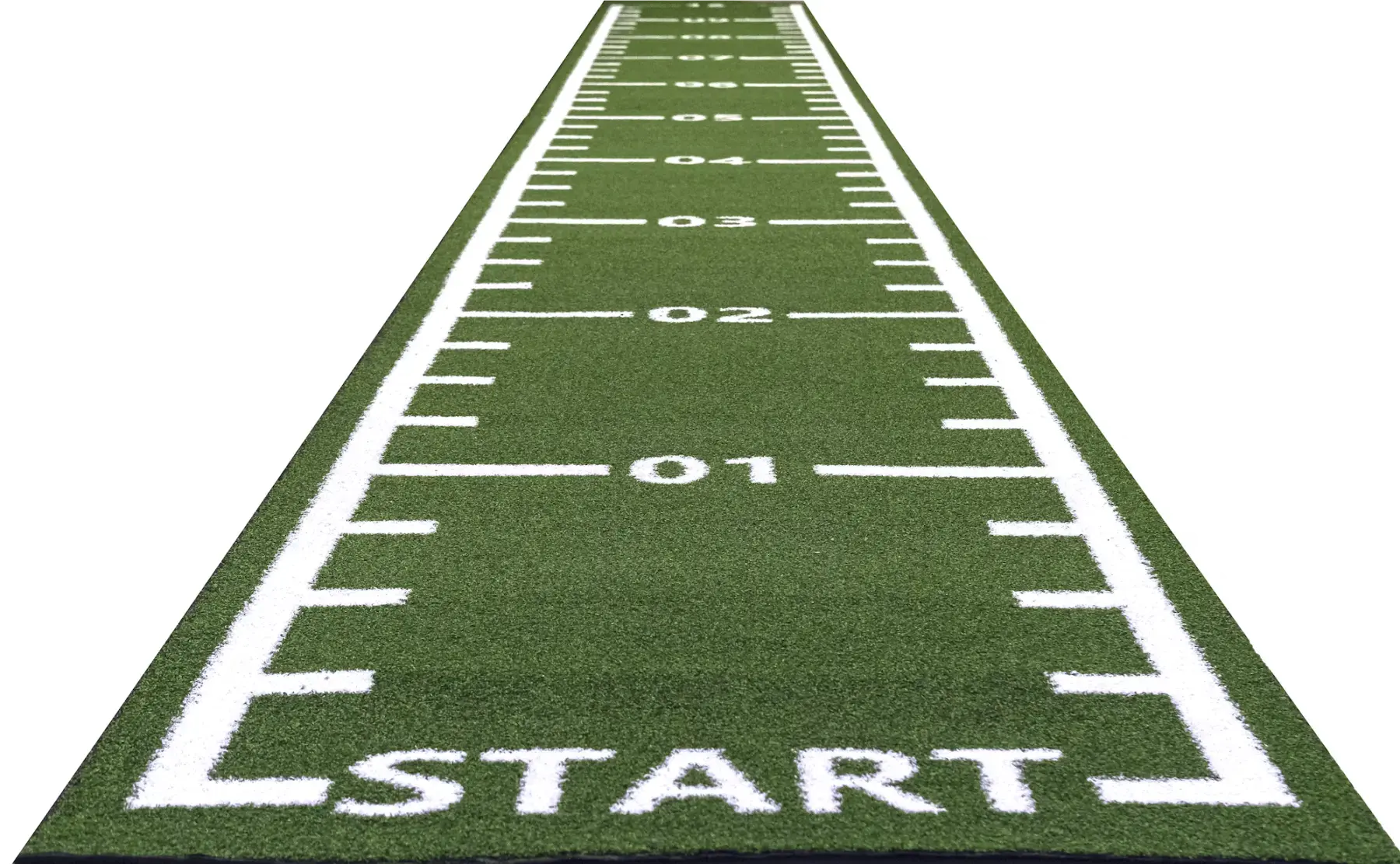
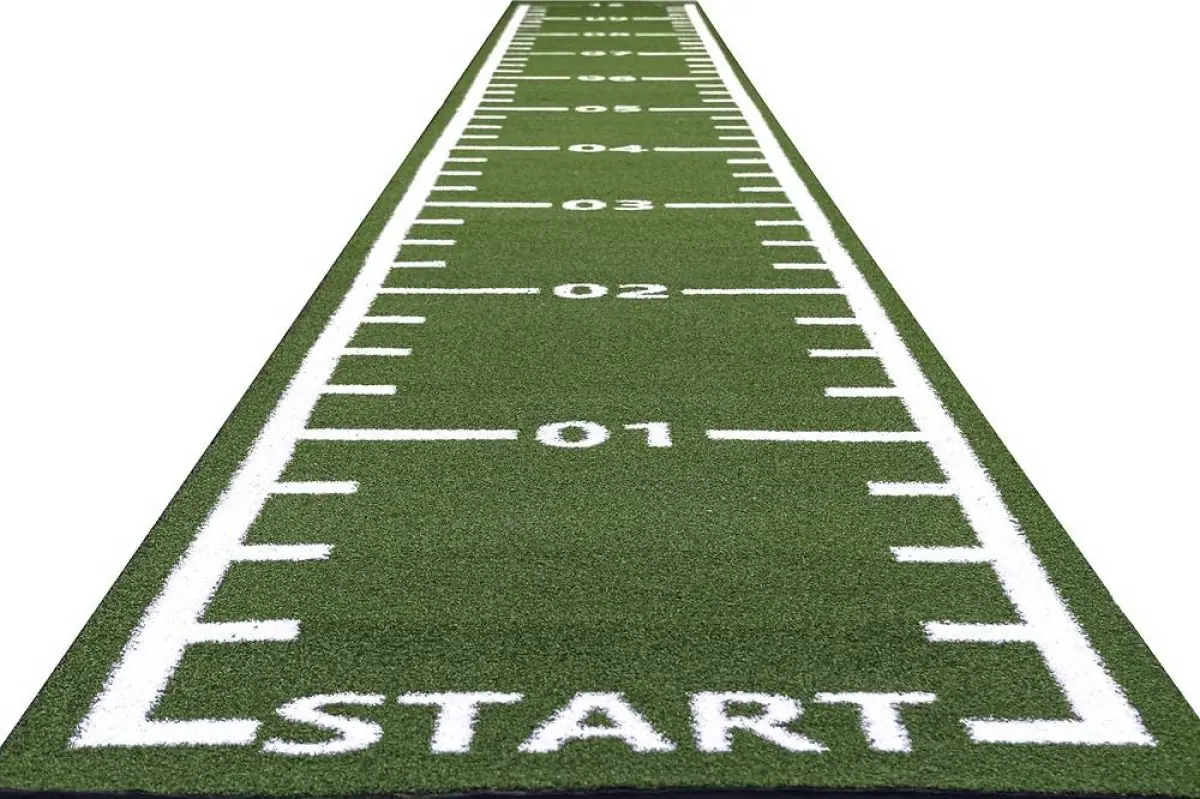
Crossfit Artificial Turf Track 10 m x 2 m - Green Short Pile to Pinterest (opens in a new window)Save on Pinterest : Crossfit Artificial Turf Track 10 m x 2 m - Green Short Pile
 Add to cartMORE INFO
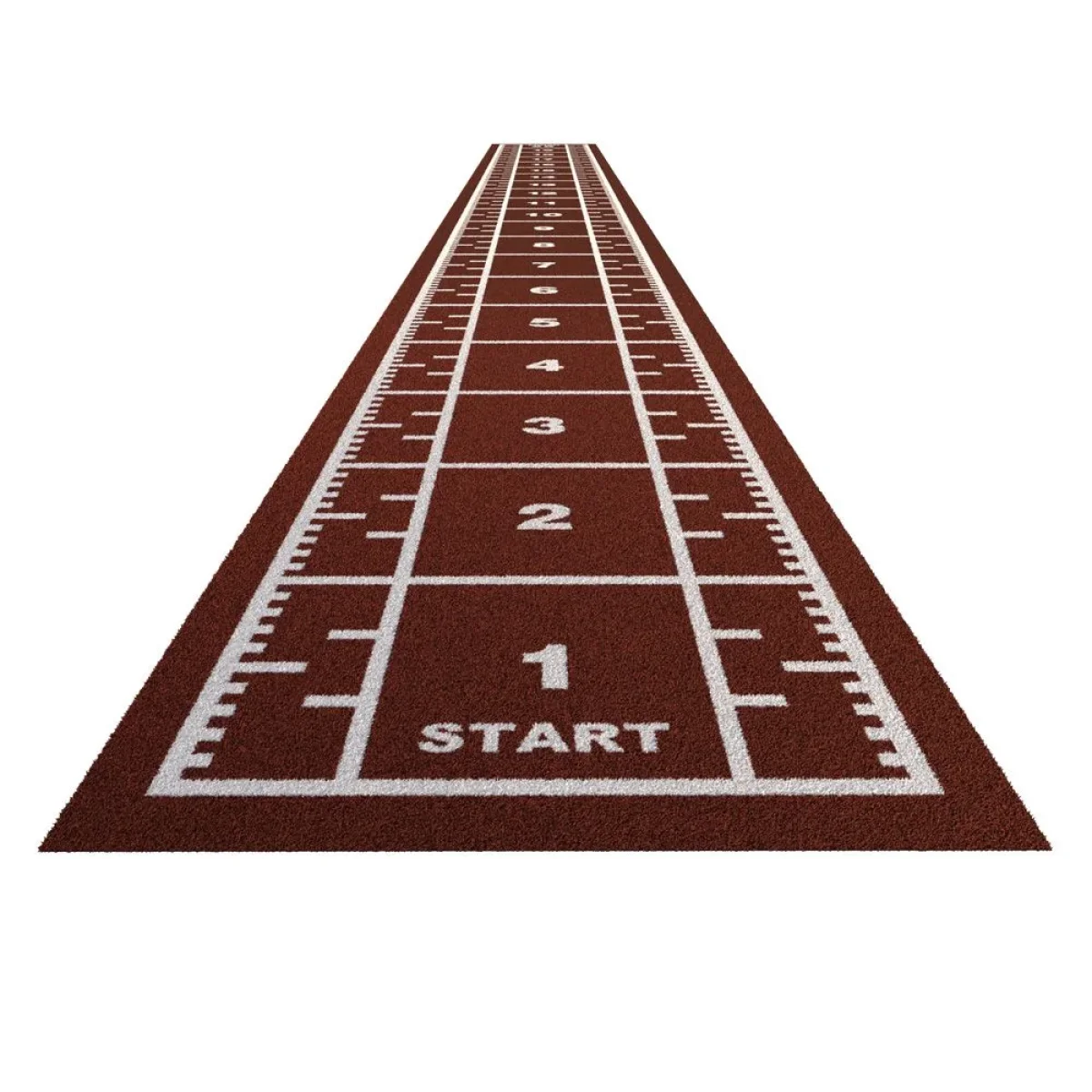
Crossfit Artificial Turf Track 10 m x 2 m - Green Short Pile
1,375.00 € excl. VAT -
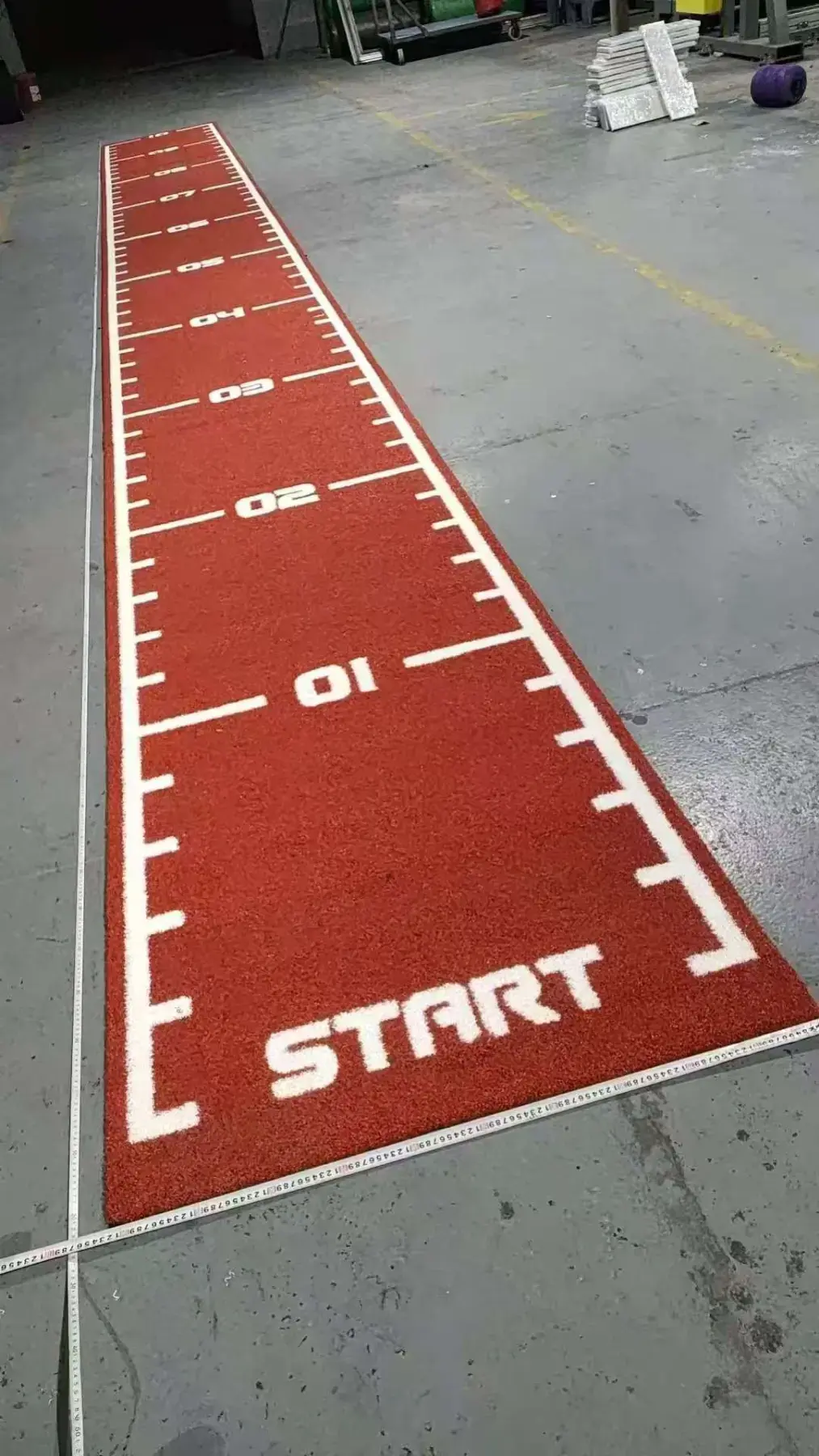
Synthetic turf sprint track 20 m x 2 m, red high density curled to Pinterest (opens in a new window)Save on Pinterest : Synthetic turf sprint track 20 m x 2 m, red high density curled
![Synthetic turf sprint track 20 m x 2 m, red high density curled]()
 Add to cartMORE INFO
Synthetic turf sprint track 20 m x 2 m, red high density curled
2,750.00 € excl. VAT -
Artificial turf sprint lane, 2 m wide, for sled and speed work to Pinterest (opens in a new window)Save on Pinterest : Artificial turf sprint lane, 2 m wide, for sled and speed work
![Couloirs de Sprint en Gazon au m²]()
 Add to cartMORE INFO
Artificial turf sprint lane, 2 m wide, for sled and speed work
33.00 € excl. VAT -
Green Curled CrossFit turf, 10 × 1 m to Pinterest (opens in a new window)Save on Pinterest : Green Curled CrossFit turf, 10 × 1 m
![Green Curled CrossFit turf, 10 × 1 m]() Add to cartMORE INFO
Add to cartMORE INFOGreen Curled CrossFit turf, 10 × 1 m
680.00 € excl. VAT -
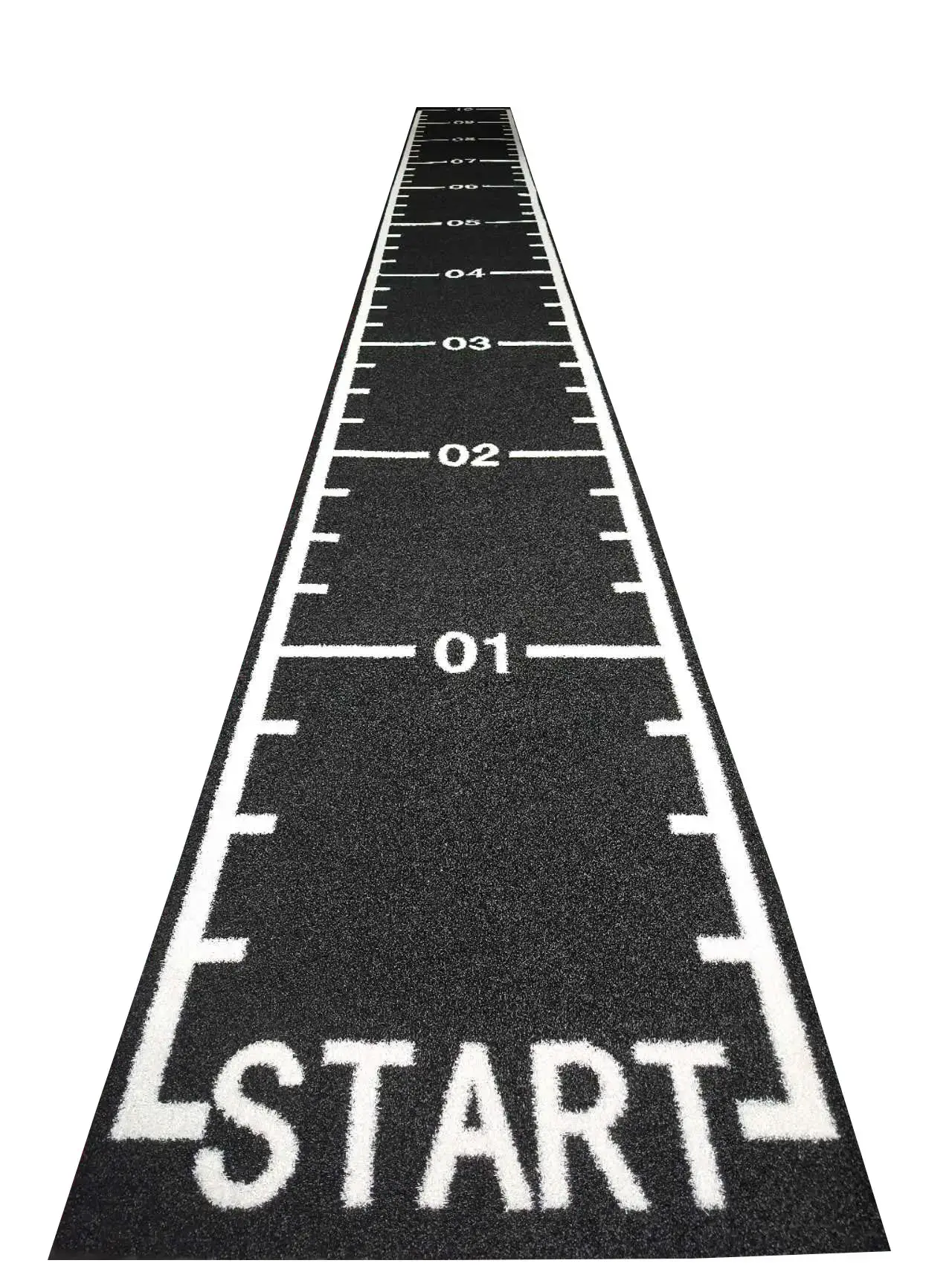
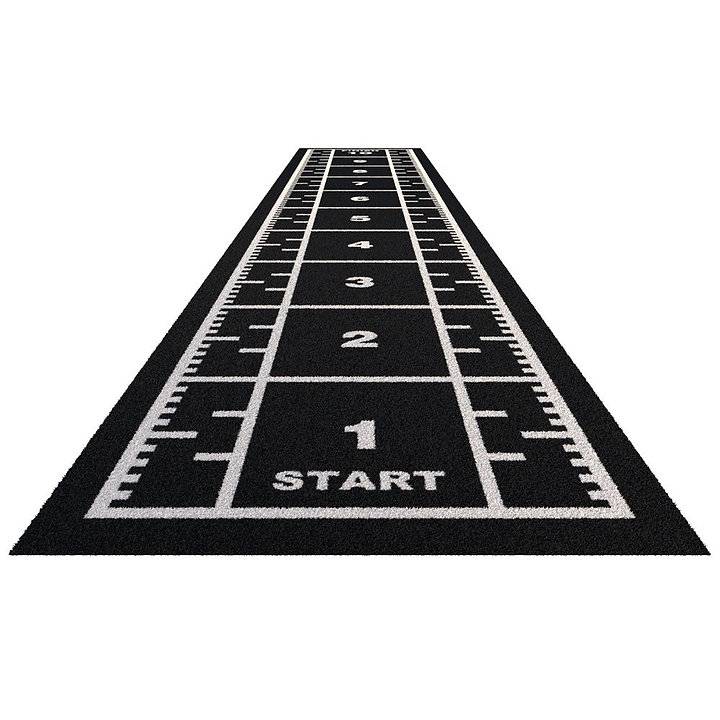
Crossfit Artificial Turf Track 10 m x 2 m - Black Curled Pile to Pinterest (opens in a new window)Save on Pinterest : Crossfit Artificial Turf Track 10 m x 2 m - Black Curled Pile
![Crossfit Artificial Turf Track 10 m x 2 m - Black Curled Pile]()
 Add to cartMORE INFO
Crossfit Artificial Turf Track 10 m x 2 m - Black Curled Pile
1,375.00 € excl. VAT
Related products
-
Graduated S-006 16 mm Turf Track - Reinforced High-Visibility Marking to Pinterest (opens in a new window)Save on Pinterest : Graduated S-006 16 mm Turf Track - Reinforced High-Visibility Marking
![16 mm Numbered Sprint Turf Track Standard 01 - CrossFit and Hyrox Lane]()
 Add to cartMORE INFO
Graduated S-006 16 mm Turf Track - Reinforced High-Visibility Marking
73.50 € excl. VAT -
Artificial turf CrossFit track 20 m x 2 m, green curled pile to Pinterest (opens in a new window)Save on Pinterest : Artificial turf CrossFit track 20 m x 2 m, green curled pile
![gazon artificiel piste crossfit 20m x 2m vert curled (poils courts)]() Add to cartMORE INFO
Add to cartMORE INFOArtificial turf CrossFit track 20 m x 2 m, green curled pile
2,750.00 € excl. VAT -
16 mm Graduated Turf Track S-003 - Low Numbered Strip to Pinterest (opens in a new window)Save on Pinterest : 16 mm Graduated Turf Track S-003 - Low Numbered Strip
![16 mm Numbered Sprint Turf Track Standard 01 - CrossFit and Hyrox Lane]()
 Add to cartMORE INFO
16 mm Graduated Turf Track S-003 - Low Numbered Strip
63.70 € excl. VAT