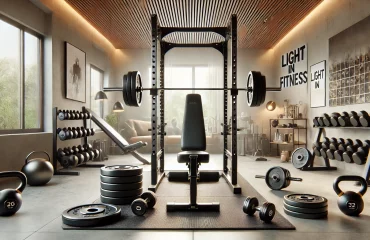
Squat Cage Technical Specifications: What to Check Before You Buy

The squat cage is one of the few pieces of equipment that no serious strength area can do without. It lets members squat, bench press and do pull-ups safely, and it covers several muscle groups from a single footprint. But cages differ far more than the photographs suggest, and the differences are all in the specification. Here is what to read on a datasheet before you compare two quotes.
1. Frame and structural strength
The cage has to carry high maximum loads without flexing. That means a heavy steel frame built for intensive commercial use rather than occasional loading. Powder-coated finishes are common on better models: they improve durability and help protect the frame against rust, which matters in humid rooms and in any facility near a pool.
2. Adjustment and adjustability
Good cages have height-adjustable support bars. That is what lets the same frame serve a member of any height and any exercise, and it is used many times a day. Adjustment that is quick and simple is a safety feature in itself, particularly when members are handling an Olympic barbell or dumbbells: a catch that is awkward to move is a catch that gets left in the wrong position.
3. Safety devices
Safety catches and substantial safety pins are the features that matter most. They ensure that a member who fails under a load can get out from under the bar without injury. Many cages also carry pull-up bars and additional handles, which extends the upper-body work available from the same frame.
4. Accessories and compatibility
Cages can be completed with a range of accessories: triceps pulleys, dip bars, benches. This is what turns a squat station into a small training area, covering rows, abdominal extensions and lower-body strength work for the glutes and thighs without buying separate machines.
5. Dimensions and footprint
Cage dimensions are decisive. The figure that matters is not the cage footprint but the footprint plus the clearance a member needs to load plates, step out under a bar and pass behind someone who is squatting. Folding or quick-assembly cages are worth considering for facilities that are genuinely short of space, or where the room has to be cleared for other uses.
6. Equipment it has to work alongside
A cage is bought as part of a group, not on its own. Dumbbells, an adjustable or incline bench and the surrounding strength machines all have to fit around it. Cages that accept a leg press attachment or a guided loading system widen the training options substantially from the same floor area, which is the argument for spending more on the frame in the first place.
7. Additional features
Extras such as an integrated squat rack section or a multi-function attachment let you diversify what the frame supports, from loaded squats to body-weight work, dips and pull-ups. For a facility, this is the difference between one queue and three separate stations.
Where to look
The full selection sits in the squat racks and power racks category. A representative example is the Gold Line squat rack and power cage, and operators comparing full rig configurations should also read the comparison of cross-training rigs.
Frequently asked questions
What is the difference between a squat rack and a full cage?
A rack supports the bar on two uprights; a cage encloses the lifting area on four, which is what allows safety catches to run the full depth of the movement. The cage takes more floor area and gives more protection to an unsupervised lifter.
Which materials should I look for?
High-quality steel for the frame, with a powder-coated finish for durability and rust protection. These are the two specification lines that separate a cage built for a commercial floor from one that is not.
How much space does a cage need?
More than its own dimensions. Allow for plate loading, entry and exit under load, and circulation behind the frame, then check the result against your ceiling height for pull-ups.
Specifying your cage
The right cage depends on your floor area, ceiling height, member profile and the equipment it has to sit alongside. Send us those and we will come back with a configuration and a costed proposal: request a quote.