Corvus – 32-mast rope play structure, 15.9 m square
Corvus – 32-mast rope play structure, 15.9 m square : rope play sets for playgrounds, marque Light In Fitness, tarif sur devis. Encombrement 1 590 × 1 590 × 380 cm. Delivery and installation priced on quotation across Europe.
Price on request
Shipping quoted separately The shipping cost is confirmed before you approve the order.
Price on request — project quotation within 24 business hours.
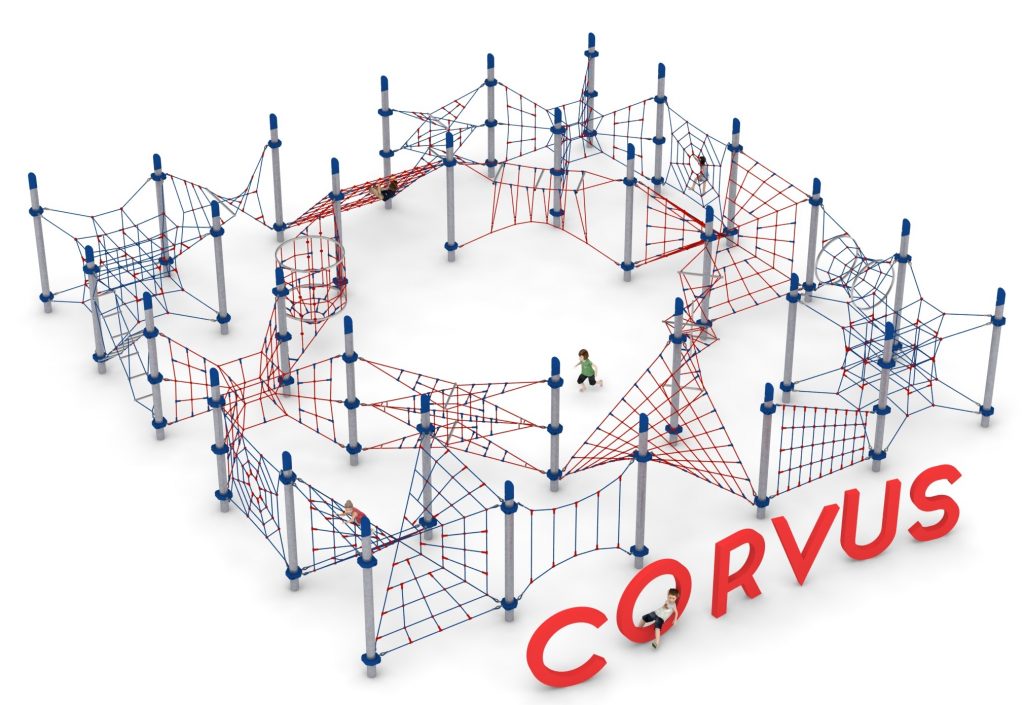
Corvus spreads twenty climbing and traversing net modules over thirty-two masts on a 15.9 m square, just 3.8 m high.
This item is supplied on quotation: configuration, delivery and installation are priced against your project.
Request a quotation +33 6 20 72 66 96
Answer within 24 to 72 business hours, quote reference LIF-CORVUS-139. Layout study, delivery, installation and after sales.
Conformity: equipment designed to EN 1176 (playground equipment); the Light In Fitness declaration of conformity for this reference is supplied on request with the quotation.
Warranty: specified in the quotation for each reference — details of our warranties.
Description
In brief — Corvus – 32-mast rope play structure, 15.9 m square: dimensions 1590 × 1590 × 380 cm, material steel, free fall height 2,85 m, age range 5 to 14 years, safety area 20,3 × 20,3 m, standards EN 1176-1:2017, price on quotation.
Corvus is a perfect square: 15.9 x 15.9 m of climbing and traversing nets carried on thirty-two masts, standing only 3.8 m high. Twenty net modules of varied shape and size are spread across the whole area rather than concentrated at a centre, which produces a continuous field of rope instead of a tower with nets around it.
A field, not a tower
The practical consequence of a low, wide layout is that the play is horizontal. Children traverse, crawl, balance and drop between modules rather than queuing to climb and queuing to descend. That distributes users evenly, removes the single high point that concentrates risk and supervision, and keeps the whole installation visible from any bench on the perimeter.
- Thirty-two steel load-bearing masts
- Twenty climbing and traversing net modules in varied shapes and sizes
- Galvanised turnbuckles for rope tension adjustment
Rope construction
The nets use 18 mm polyamide rope that is both braided and bonded, reinforced with a zinc-coated steel core. The bonding matters in service: it holds the braid together where the rope passes through connectors, which is where abrasion concentrates and where an unbonded rope starts to open up first. The core is inside the polyamide, so what children handle is textile.
Materials
Steel masts of 168.3 mm diameter, hot-dip galvanised, on concrete foundations at 1.0 m depth. Aluminium and stainless steel connectors.
Surfacing
The landing area must be laid with an impact-attenuating surface suited to the 2.85 m free height of fall and certified to EN 1177, across the full 20.3 x 20.3 m safety area — about 412 m². The equipment itself conforms to PN EN 1176-1:2017; the surface beneath it is a separate specification under EN 1177.
Technical specification
| Reference / SKU | LIF-CORVUS-139 |
|---|---|
| Dimensions (L x W x H) | 15.9 x 15.9 x 3.8 m |
| Age range | 5 to 14 years |
| Free height of fall | 2.85 m |
| Safety area | 20.3 x 20.3 m minimum |
| Foundation depth | 1.0 m, concrete |
| Frame | Hot-dip galvanised steel masts, 168.3 mm diameter |
| Finish | 18 mm braided and bonded polyamide rope with zinc-coated steel core; aluminium and stainless steel connectors |
| Standard | PN EN 1176-1:2017 |
| Price | On request — project quotation within 24 business hours |
Frequently asked questions
Why thirty-two masts for twenty modules?
Suspended nets need anchor points on more than one side, and modules set at different angles need more masts than modules set in a single plane. The mast count is what allows twenty modules to sit at varied heights and angles across one square.
Is a low structure less attractive to older children?
Not in practice. Traversing a rope field horizontally is physically demanding in a different way from climbing, and the number of possible routes across twenty modules keeps 10 to 14-year-olds occupied longer than a single tall climb.
Can a square this size be split across two smaller areas?
The mast grid is a single structural system, so it is not split. Where the ground will not take a 20.3 m square, a smaller model in the same construction system is the better route.
Send us the plot dimensions and your surfacing intentions and we will return a costed proposal with the siting drawing for Corvus within 24 business hours.
Additional information
| Dimensions | 1590 × 1590 × 380 cm |
|---|
Delivery and installation
Lead times are confirmed in the quotation according to the product, available stock and destination.
Access requirements and delivery appointments for heavy equipment are agreed before dispatch.
Installation is included when stated for the product or in the quotation; otherwise it is quoted separately.
You may also like…
-
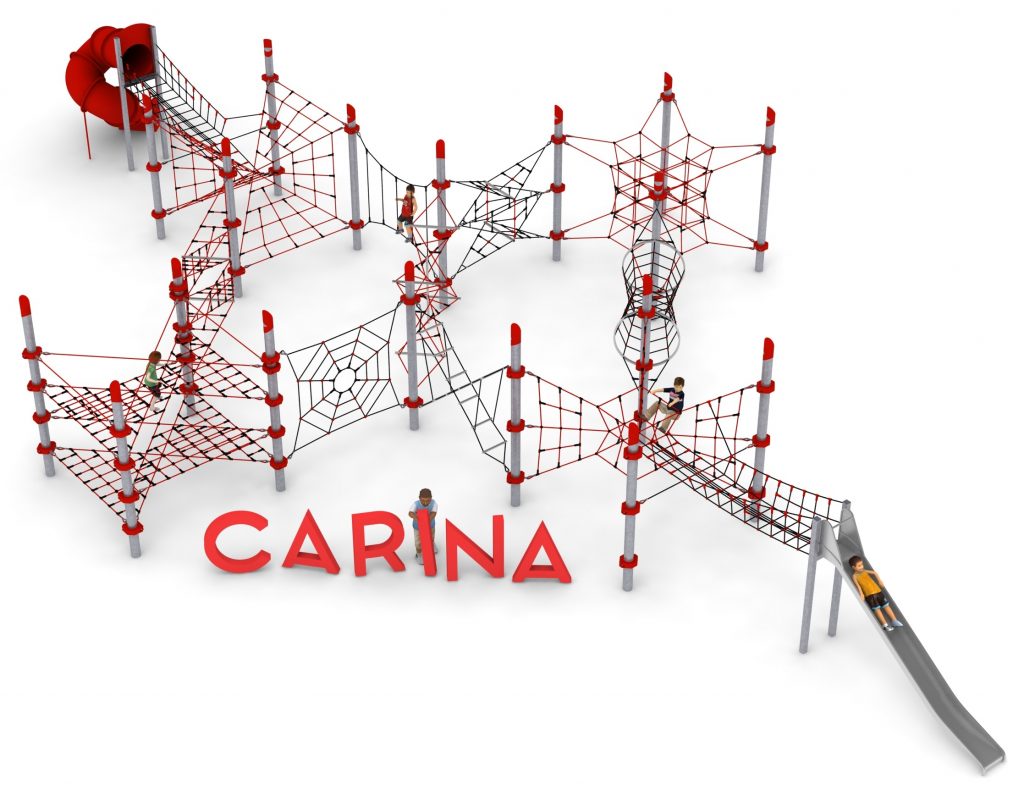
Carina – 18-mast rope structure with specialised nets to Pinterest (opens in a new window)Save on Pinterest : Carina – 18-mast rope structure with specialised nets
 View product
Carina – 18-mast rope structure with specialised nets
Price on request -
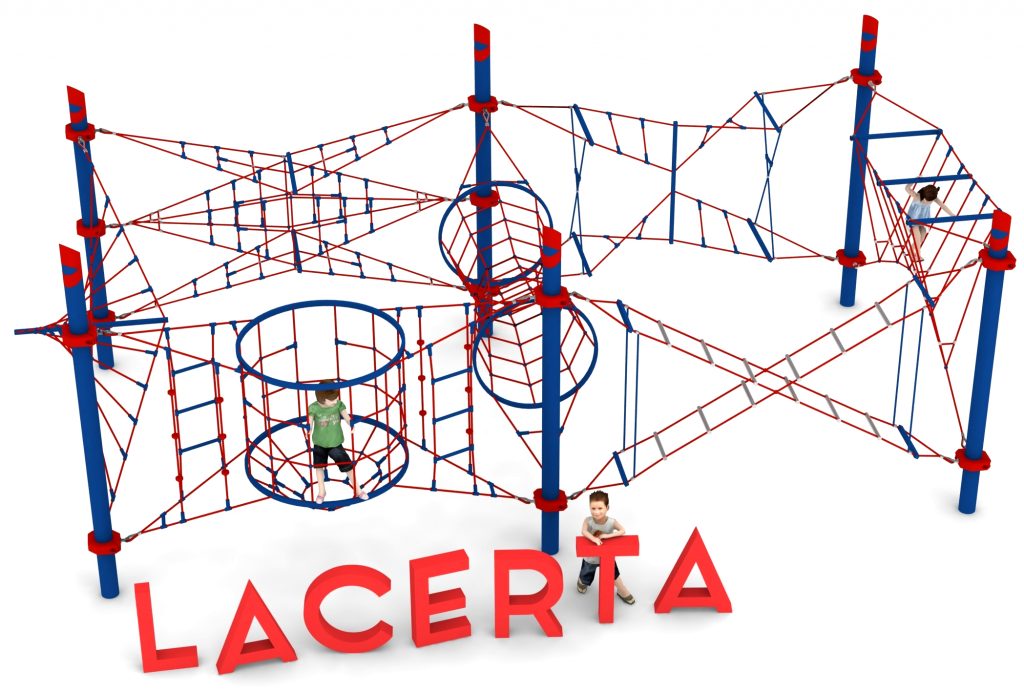
Lacerta – six-mast rope play set with seven nets to Pinterest (opens in a new window)Save on Pinterest : Lacerta – six-mast rope play set with seven nets
![Corvus – 32-mast rope play structure, 15.9 m square]() View product
View productLacerta – six-mast rope play set with seven nets
Price on request -
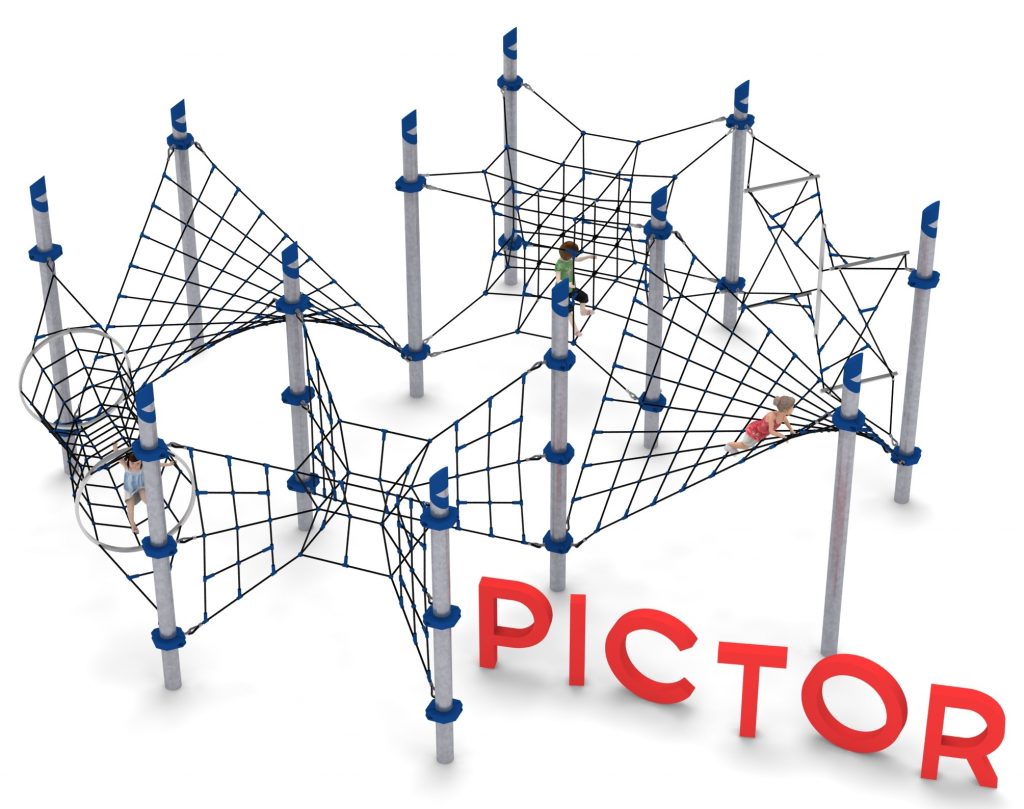
Pictor – twelve-mast rope play set with six large nets to Pinterest (opens in a new window)Save on Pinterest : Pictor – twelve-mast rope play set with six large nets
![Corvus – 32-mast rope play structure, 15.9 m square]() View product
View productPictor – twelve-mast rope play set with six large nets
Price on request -
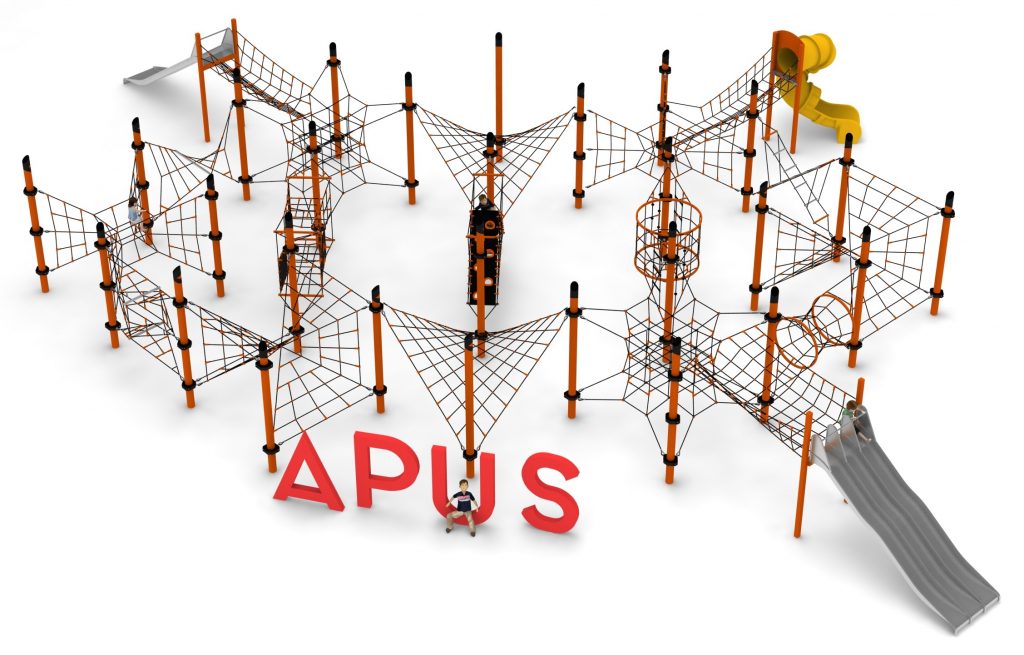
Apus – 26-mast rope structure with integrated slides to Pinterest (opens in a new window)Save on Pinterest : Apus – 26-mast rope structure with integrated slides
![Corvus – 32-mast rope play structure, 15.9 m square]() View product
View productApus – 26-mast rope structure with integrated slides
Price on request -
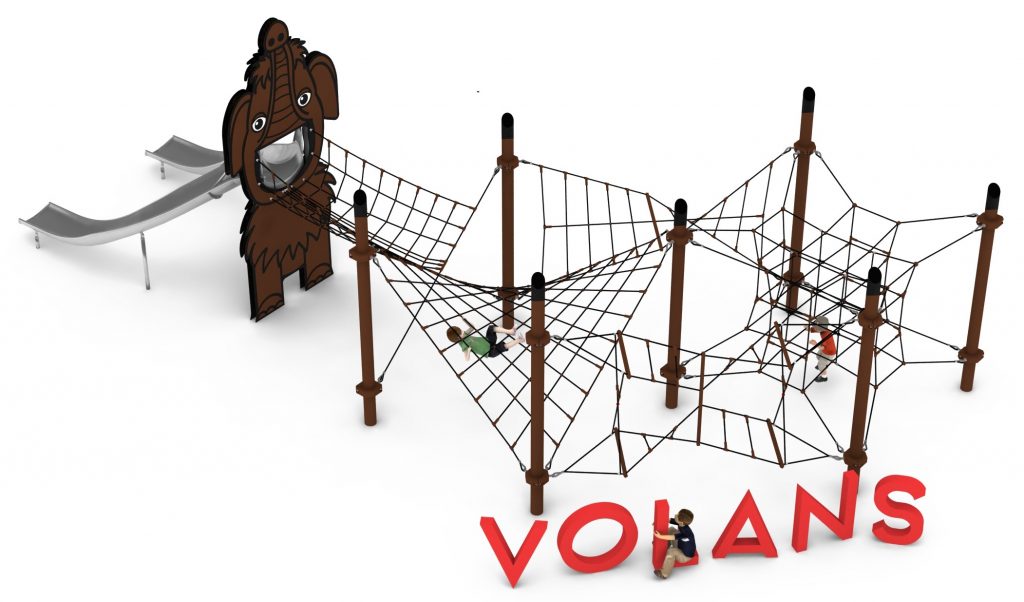
Volans – rope play set with double slide to Pinterest (opens in a new window)Save on Pinterest : Volans – rope play set with double slide
![Corvus – 32-mast rope play structure, 15.9 m square]() View product
View productVolans – rope play set with double slide
Price on request
Related products
-
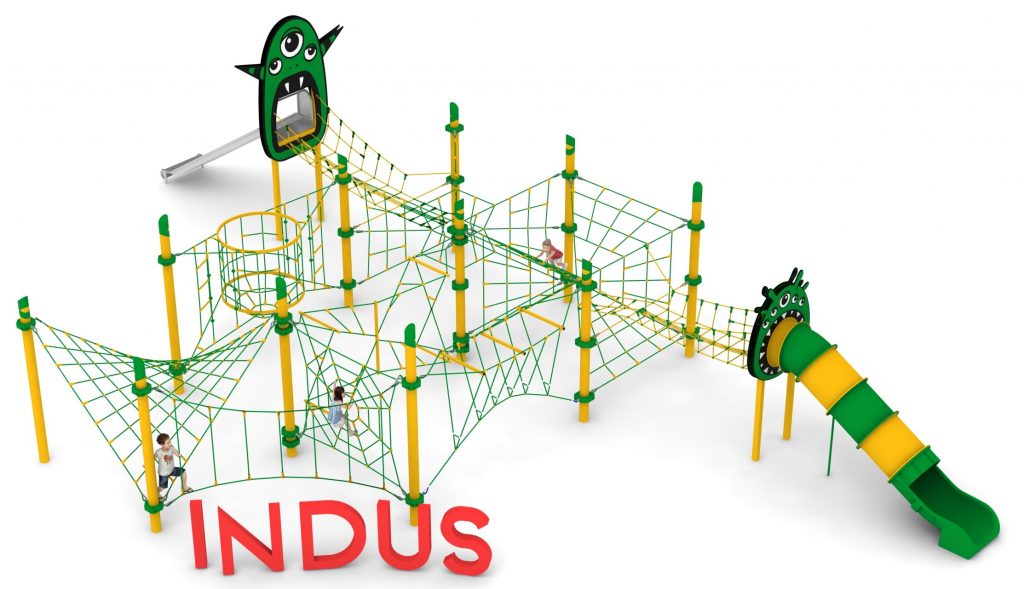
Indus Rope Play Structure with Wide and Straight Slide to Pinterest (opens in a new window)Save on Pinterest : Indus Rope Play Structure with Wide and Straight Slide
![Corvus – 32-mast rope play structure, 15.9 m square]() View product
View productIndus Rope Play Structure with Wide and Straight Slide
Price on request -
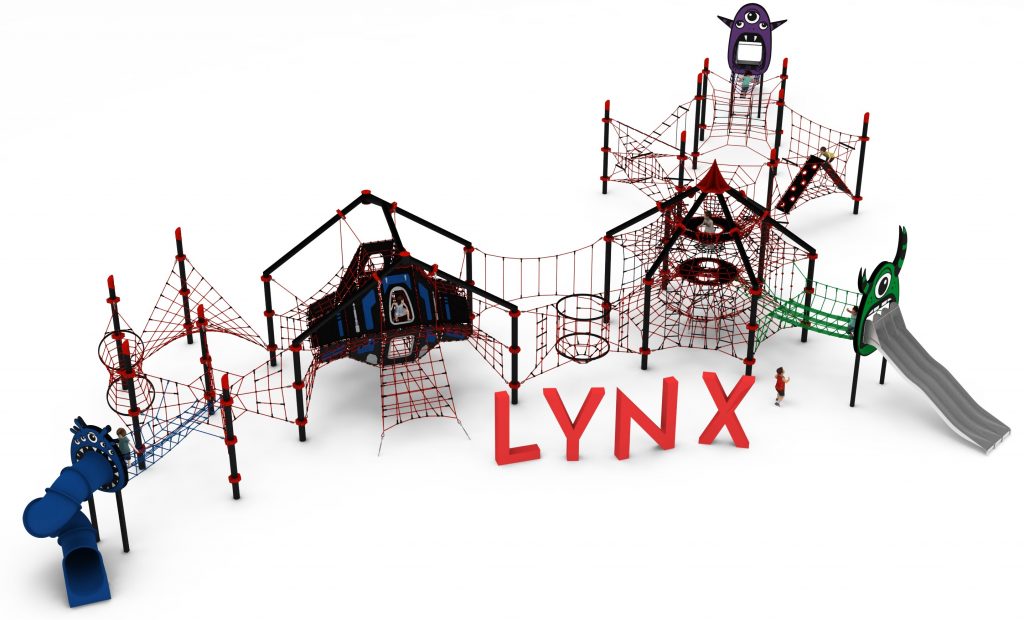
Lynx – 40 m linear rope play structure with slides to Pinterest (opens in a new window)Save on Pinterest : Lynx – 40 m linear rope play structure with slides
![Corvus – 32-mast rope play structure, 15.9 m square]() View product
View productLynx – 40 m linear rope play structure with slides
Price on request -
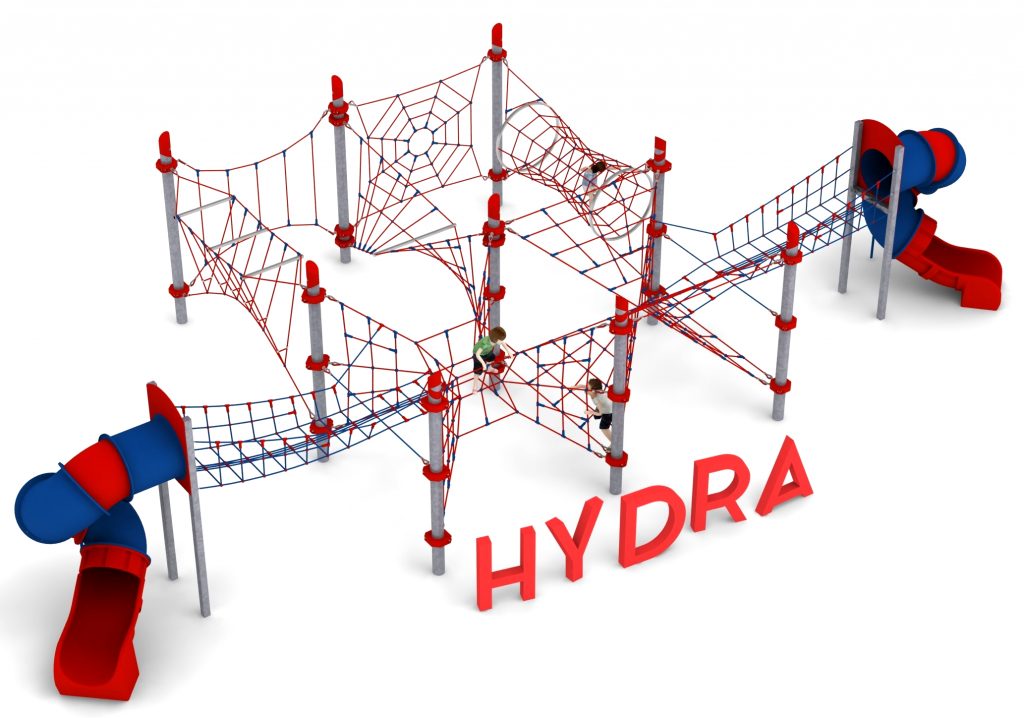
Hydra – rope play set with two tube slides to Pinterest (opens in a new window)Save on Pinterest : Hydra – rope play set with two tube slides
![Corvus – 32-mast rope play structure, 15.9 m square]() View product
View productHydra – rope play set with two tube slides
Price on request