Mobility Techniques in Strength Training
Les techniques de mobilité visent à restaurer une amplitude articulaire utilisable sous charge, pas seulement à gagner en souplesse passive. Elles se placent en échauffement pour préparer l'amplitude de travail, et en fin de séance pour l'entretien. Une amplitude gagnée sans renforcement dans cette nouvelle course n'est pas conservée.
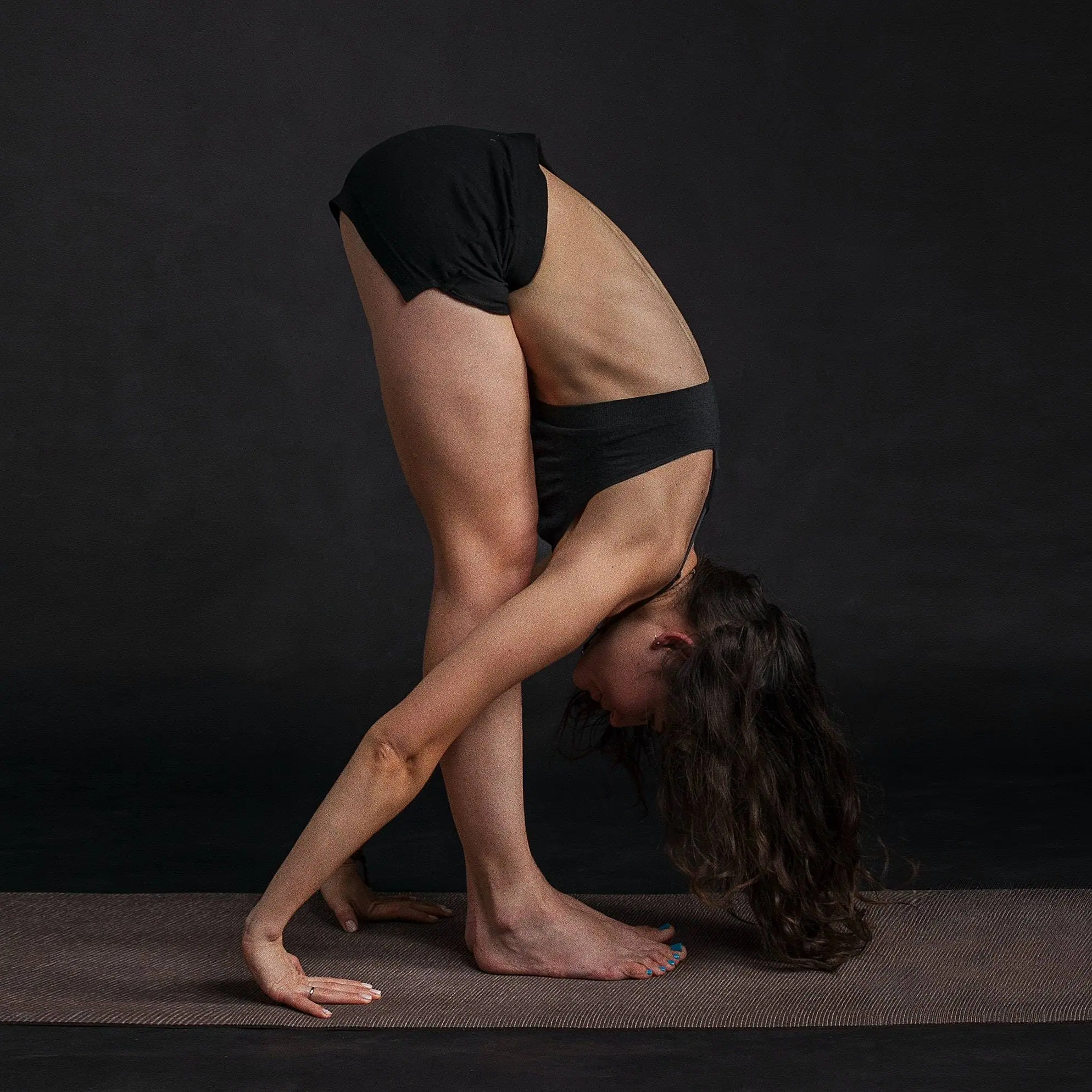
Using mobilisation techniques properly is one of the most effective ways to reduce injury risk in sport. Done correctly, mobility work restores usable joint range and the working range a movement actually needs. It also releases muscular tightness that would otherwise cap what a muscle can produce. This article covers the main mobilisation techniques, how to perform them and what a facility gains by making space for them.
What mobility means
Mobility has gained a great deal of ground in recent years, and the word is often used loosely. In training terms it refers to the range of motion available at a joint. Mobility work targets that range: by acting on different tissues and structures, the aim is to increase the movement available at the joint itself. This is not the same as passive flexibility. A range that is gained but never loaded is not retained, which is why mobilisation belongs inside the training session rather than beside it.
Which equipment is used?
Mobilisation accessories include:
- foam roller
- lacrosse balls
- double or peanut balls
- floss bands
- rubber power bands
None of these takes much space, and all of them are consumables in a commercial setting. The practical question for an operator is not the cost of the accessories but where members are meant to use them, which is a floor and zoning decision.
What to mobilise, and when
Mobility work is used above all to deepen range of motion. For the nervous system to take on a new range, that range has to be used in training. Mobilisation is therefore best placed before the main session, during the warm up.
Every technique needs time to work. Around two to three minutes on a given structure is a reasonable guide. The payoff is direct: a larger range of motion, and the ability to perform strength exercises through more of that range. Work on the structures that are actually stopping you from moving fully, not on whatever happens to be convenient.
The main mobilisation techniques
Which technique applies depends on what is limiting the movement. Stiffness comes from three areas:
- Joint mechanics. The bones are not positioned correctly in the joint, for example the humerus sitting too far forward in the shoulder.
- Sliding surfaces. The relationships between tissues: skin, muscle, fascia, tendon. These need to interact freely, move independently and glide over one another.
- Muscle dynamics. The length and elasticity of the tissue itself.
Once the cause of the limitation has been identified, the right tool can be selected.
- Banded joint positioning. Where joint mechanics are the problem, a power band is useful. The band is wrapped around the joint being worked, for example the shoulder, which allows it to be drawn into a better position. Once the joint is set, rotational movement can be added to move the joint capsule; this applies mainly to the shoulder and the hip. Bands can also be wrapped around the ankle or the wrist.
- Joint distraction. Creating space in the joint releases compressed joint surfaces. The band is anchored and used to pull the joint apart while the limb is moved through range.
- Compression with a roller or ball. This is by far the most popular form of mobility work. Roller and ball are used to release tight structures, particularly the points commonly called trigger points.
- Contract and relax. The muscle is taken to the end of its range, then alternately tensed and relaxed every five to ten seconds. This is one of the more reliable ways to add range.
- Compression with floss bands. The band is wrapped firmly around the joint or muscle being mobilised, and the area is then moved through range before the band is released.
What mobility work delivers
A well planned mobility routine brings only upside:
- increases the range of motion available at the joints
- speeds up recovery after training
- reduces joint and muscle pain
- allows a faster return to training after a break or an injury
It is worth building mobility permanently into the training plan. It increases progress in the weights room and lets each exercise deliver its full potential. Rolling before a session is also time efficient: done properly, it warms the body up while delivering the mobility benefit at the same time.
What this means for your facility
Mobility work needs a dedicated area, however small. A quiet corner with matting, a wall for banded work and storage for rollers and balls is enough, and it keeps this work off the lifting platforms where it slows everyone down. Members will use the space if it exists and skip the work entirely if it does not.
Our professional fitness accessories range covers the tools involved, exercise mats cover the floor, and the strength training machines the mobility work is meant to serve sit alongside them.
Frequently asked questions
What is mobility, exactly?
The range of motion available at a joint. Mobility training acts on the tissues and structures around the joint in order to increase that range, and differs from passive stretching in that the range gained is then loaded.
Which equipment is needed?
A foam roller, lacrosse balls, double or peanut balls, floss bands and rubber power bands. That set covers the main techniques and takes very little storage space.
When should mobility work be done?
Best before the main session, during the warm up, so that the new range is used under load straight away. Allow around two to three minutes per structure worked.
How much space does a mobility area need?
Less than most operators assume. Matting, a clear wall and a storage unit for accessories are enough for two or three members at once.
Equipping your training floor
Light In Fitness supplies gyms, cross training boxes, clubs, hotels and rehabilitation centres with professional equipment and the accessories that go with it. Tell us your floor area and your member profile and we will propose a layout that gives mobility work its own space. Request a quote and we will come back with a costed proposal.