Buying a Cross Trainer: Choosing, Setting Up and Accessorising
Un elliptique se juge sur la longueur de foulée, la masse d'inertie et la qualité des roulements, avant les fonctions de la console. Ces paramètres déterminent la fluidité du mouvement et la durée de vie. Light In Fitness propose des gammes professionnelles livrées et installées en France.
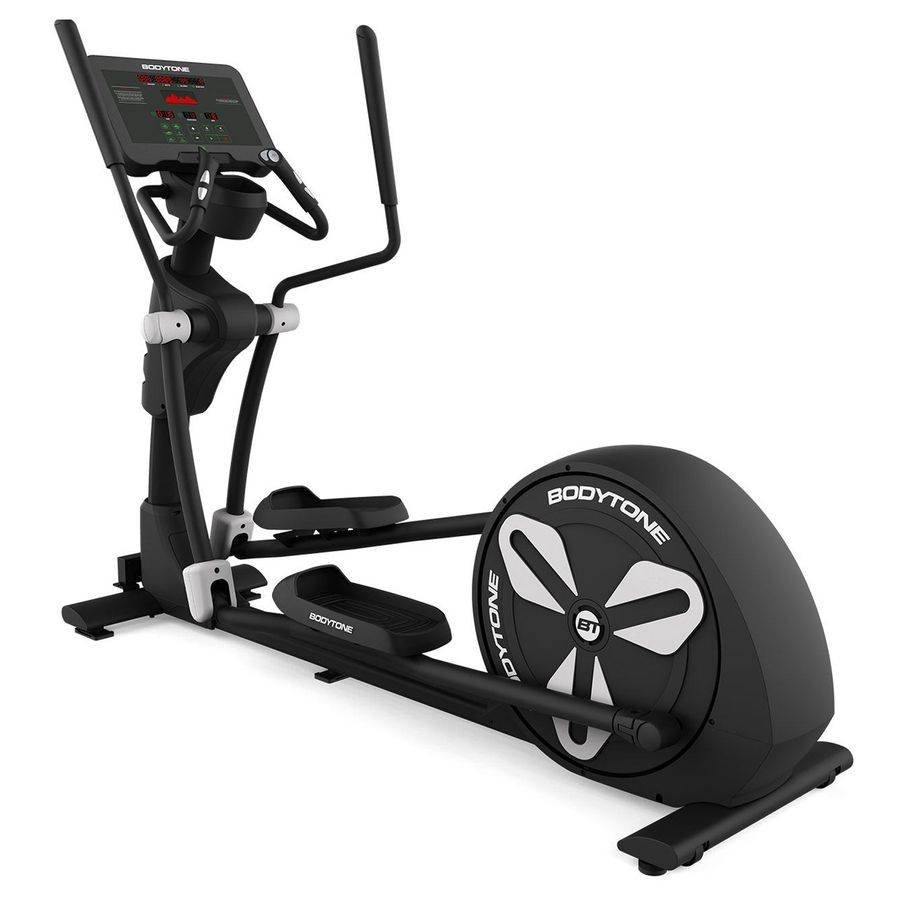
Welcome to the world of cross trainers. Whether you are adding two machines to a hotel gym in Dublin, building out a cardio row in a club, or specifying a rehabilitation room, the elliptical is one of the safest bets on the floor. This guide walks through why it earns its place, how to choose the right model, the ancillaries that actually matter, and how to get the most out of the machines once they are installed.
Why put a cross trainer on the floor
The cross trainer is one of the few cardio machines that suits almost every member of a mixed facility, which is why it is rarely the one standing empty.
- Cardiovascular training. Regular work on a cross trainer builds aerobic capacity and supports cardiovascular health, which is what most members put at the top of their list when they join.
- Low impact on the joints. Anyone who has run on hard ground and felt it in their knees for days understands the appeal. The foot never leaves the pedal, so the loading is smooth and continuous rather than a series of impacts. That makes the machine usable by members who cannot run, and by rehabilitation and senior groups.
- Whole-body work. With moving handles, the legs, arms and trunk work at the same time. One station covers what would otherwise take two.
- Efficient sessions. Because several large muscle groups are working together, a member gets a substantial session in a moderate amount of time. How many calories that represents depends on the person, the resistance and the duration, not on the type of machine, so treat comparative burn claims between cardio machines with caution.
Our range of professional cross trainers covers front-drive, rear-drive and adaptive-motion layouts.
How to choose the right cross trainer
Choosing a cross trainer is a decision you live with for years, so it is worth spending an hour on it before the order goes out.
Set the budget first
Decide whether you are buying a top-of-the-range machine with a full media console, or a simpler model that puts the money into the frame and the drive rather than the screen. Both are legitimate. What is not legitimate is paying for a console in a room where nobody uses it.
Measure the space
Cross trainers have a long footprint and need clearance behind and above. Measure the space before you choose the model, including the ceiling height where the pedal reaches its highest point, and the door and corridor the machine has to pass through on delivery day.
Look at the specification
Stride length, flywheel mass, resistance system, pedal spacing and handle geometry decide how the machine feels. A console with connectivity is useful in a club that runs challenges and a distraction in a hotel gym used twice a day. Match the specification to the room, not to the brochure.
Read what other operators say
Reviews and references from other facilities are worth more than any specification sheet, because they tell you what the machine is like after two years, how noisy it is, and how quickly spare parts arrive.
The ancillaries that make a difference
These look like extras. In a commercial room they are not.
- Protective matting. A mat under each machine protects the floor from marking, contains vibration and keeps the frame from creeping. In a full cardio row, continuous rubber gym flooring does the same job across the whole zone and is easier to clean.
- Towel and bottle provision. Sweat is what corrodes consoles and rusts fixings. Towel points and bottle holders are cheap and they extend machine life.
- Cleaning stations. Wipes and a dispenser within reach of the row do more for hygiene ratings than a policy on the wall.
- Cable management and power. Self-powered machines remove the socket problem entirely; mains-powered ones need a sensible layout so cables are not crossing walkways.
Small consumables and grips are covered in our fitness accessories range.
Getting the most out of the machines
Once the machines are in, a few habits decide whether members keep using them.
- Programme the sessions. A structure, even a simple one, beats an open machine and no plan. Give members a printed or app-based progression to follow.
- Vary the intensity. Staying at the same resistance for months is the single most common reason progress stalls. Alternate harder and easier blocks.
- Coach the posture. Back straight, shoulders relaxed, eyes forward rather than down at the console. Poor posture on a cross trainer is what turns a low-impact machine into a sore lower back.
- Finish with stretching. A few minutes at the end of the session helps the muscles recover properly and makes the next session better.
Frequently asked questions
How much space does a cross trainer need?
Allow for the machine footprint plus clearance behind for the user to step on and off, and enough ceiling height for the highest pedal position. Check the delivery route as well as the final position.
Does every machine need its own mat?
In a small room, yes. In a full cardio zone it is usually simpler and cheaper to lay continuous rubber flooring across the whole area.
Console or mechanics?
If the budget forces a choice, put it into the frame, the drive and the bearings. Console functions date quickly and are hard to replace; a good chassis stays usable for many years.
Can members use a cross trainer every day?
Yes, provided intensity is varied. Daily work at the same resistance produces boredom and a plateau rather than an injury, but it wastes the machine.
Specifying your cardio row
Tell us the floor area, the ceiling height, the membership profile and whether the room is staffed, and we will propose the models, the flooring and the layout together rather than one at a time. Request a quote for a costed proposal.