What Is Pilates in Fitness? The Complete Guide by Light In Fitness
Introduction: a discipline between wellbeing and performance
Pilates is far more than a fitness trend. This training method, which combines strength, flexibility and concentration, has become essential for anyone looking for a balance between a toned body and a settled mind. At Light In Fitness we value practices that change physical and mental health for the long term. Here is what an operator, a coach or a member needs to know about Pilates: where it comes from, what it does, and how to build it into a training routine or a class timetable.
Origins and principles of Pilates
1. A short history
Pilates was created in the 1920s by Joseph Pilates with a clear objective: to strengthen the body in depth while improving posture and flexibility. The method was initially intended for the rehabilitation of injured soldiers and dancers, before it went on to conquer the fitness world.
2. The founding principles
Pilates rests on six key principles:
- Concentration: full awareness of every movement.
- Control: complete mastery of the body in space.
- Centring: engagement of the centre, or core, including the abdominals, the lumbar muscles and the pelvic floor.
- Flow: graceful and continuous movement.
- Precision: every exercise is executed meticulously.
- Breathing: synchronisation with the breath to optimise performance.
The benefits of Pilates in fitness
1. Deep muscular strengthening
- Pilates targets the stabilising muscles, which are essential for holding correct posture and preventing injury.
- It is ideal for working the abdominals, the lumbar muscles and the muscles of the pelvic floor.
2. Better flexibility and mobility
- It increases range of motion, leaving the body more agile and less prone to tension.
3. Stress reduction
- Through controlled breathing and mental focus, Pilates acts as a genuine antidote to stress.
4. Prevention and rehabilitation
- It is recommended for people with chronic pain or in post-injury rehabilitation.
5. Improved sporting performance
- An ideal complement for athletes: it improves functional strength, balance and coordination.
Types of Pilates: which method to choose?
| Type | Description | Ideal for |
|---|---|---|
| Mat Pilates | Performed on the floor with a mat, often with props such as balls or resistance bands. | Beginners and members who prefer minimal equipment. |
| Reformer Pilates | Uses a dedicated machine with springs and pulleys. | Precise muscular targeting and advanced training. |
| Studio Pilates | Includes several specialised pieces of equipment such as the Cadillac and the Chair. | Enthusiasts looking for the complete experience. |
| Pilates fitness fusion | Combines Pilates with other disciplines such as yoga or dance. | Members who like to vary their training. |
Pilates and fitness: why they complement each other
Building Pilates into a training programme brings benefits that fit neatly alongside other disciplines:
- Cross-training: combine Pilates with activities such as strength training or cardio to strengthen the deep muscles and improve endurance.
- Injury prevention: exercises focused on mobility and balance reduce the risk of excessive tension or a badly executed movement.
- Better performance: whether for running, cycling or cross-training, Pilates improves posture and coordination.
The essential equipment for Pilates
At Light In Fitness we know that equipment plays a decisive role in how Pilates is practised. Here are the essentials.
Basic equipment
- Pilates mats: comfort and grip for fluid movement.
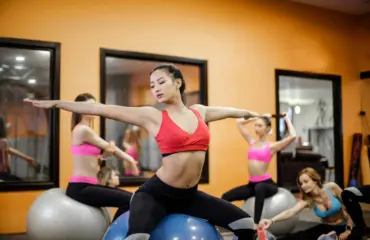
- Stability balls: to intensify exercises and work on balance.
- Resistance bands: progressive muscular strengthening.
Advanced equipment
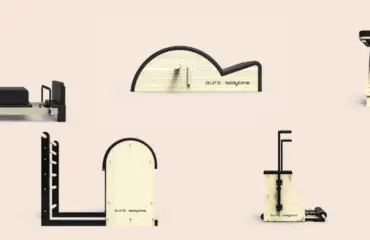
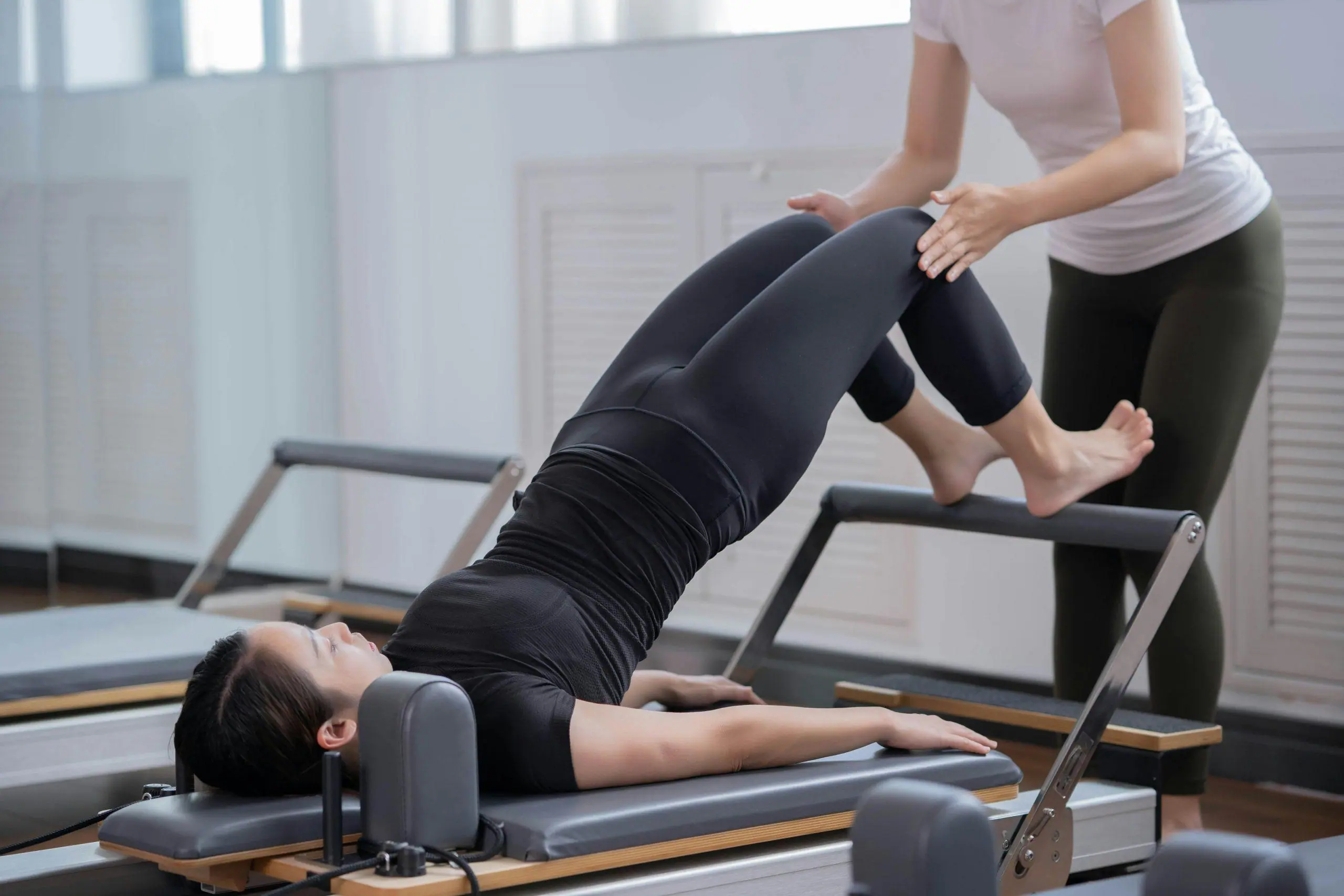
- Reformer: the emblematic machine for extremely precise training.
- Cadillac: ideal for complex movements and for rehabilitation.
- Foam rollers: for muscular massage and the release of tension.
For a studio, the choice of reformer is the structural decision: it fixes the class size, the floor plan and the price point of the timetable. Our Pilates reformer range covers wooden and aluminium frames, folding and fixed models, with or without a tower. The reformer machines section lists the full line, and the ESSENTIAL reformer in solid maple is the reference model for a studio equipping its first row.
Pilates for everyone: who can practise?
Pilates is a universal discipline that suits very different profiles:
- Beginners: accessible thanks to simple, progressive movements.
- Experienced athletes: to improve performance and prevent injury.
- Older adults: an excellent method for preserving mobility and easing joint pain.
- Pregnant women: an adapted practice that strengthens the pelvic floor and prepares the body for childbirth.
Pilates compared with other fitness disciplines
| Criteria | Pilates | Yoga | Strength training |
|---|---|---|---|
| Main objective | Core strength and posture | Flexibility and relaxation | Increase in muscle mass |
| Accessibility | Very accessible | Accessible with regular practice | Beginners need guidance |
| Impact on the joints | Low | Low | Varies with the load |
| Equipment required | Optional or specific | Minimal (a mat) | Weights and machines |
FAQ: answers to the most common questions about Pilates
1. How many times a week should you practise Pilates?
Ideally, 2 to 3 sessions a week are enough to see results.
2. Does Pilates help with weight loss?
Indirectly, yes. By strengthening the muscles and improving posture, Pilates supports the metabolism.
3. Is it suitable for people with injuries?
Absolutely. Pilates is often used in rehabilitation to strengthen the muscles around an injured area gently.
4. How much floor space does a reformer studio need?
It depends on the model, the number of stations and the circulation you want between them. Send us your plan and we will lay the room out with you rather than quote a surface that would not match it.
Conclusion: adopt Pilates with Light In Fitness
Pilates is not simply a discipline, it is a philosophy of movement. Accessible, beneficial and versatile, it meets the needs of everyone from the first-time member to the seasoned athlete. Light In Fitness is committed to supplying quality equipment and expert advice to support that practice.
Light In Fitness, based in Tours, France, has been equipping gyms, clubs, hotels and public facilities since 2013. To open a Pilates studio or add a reformer area to an existing club, send us your plan and your requirements through our quotation request page.