How to Design, Lay Out and Equip a Premium Pilates Reformer Studio
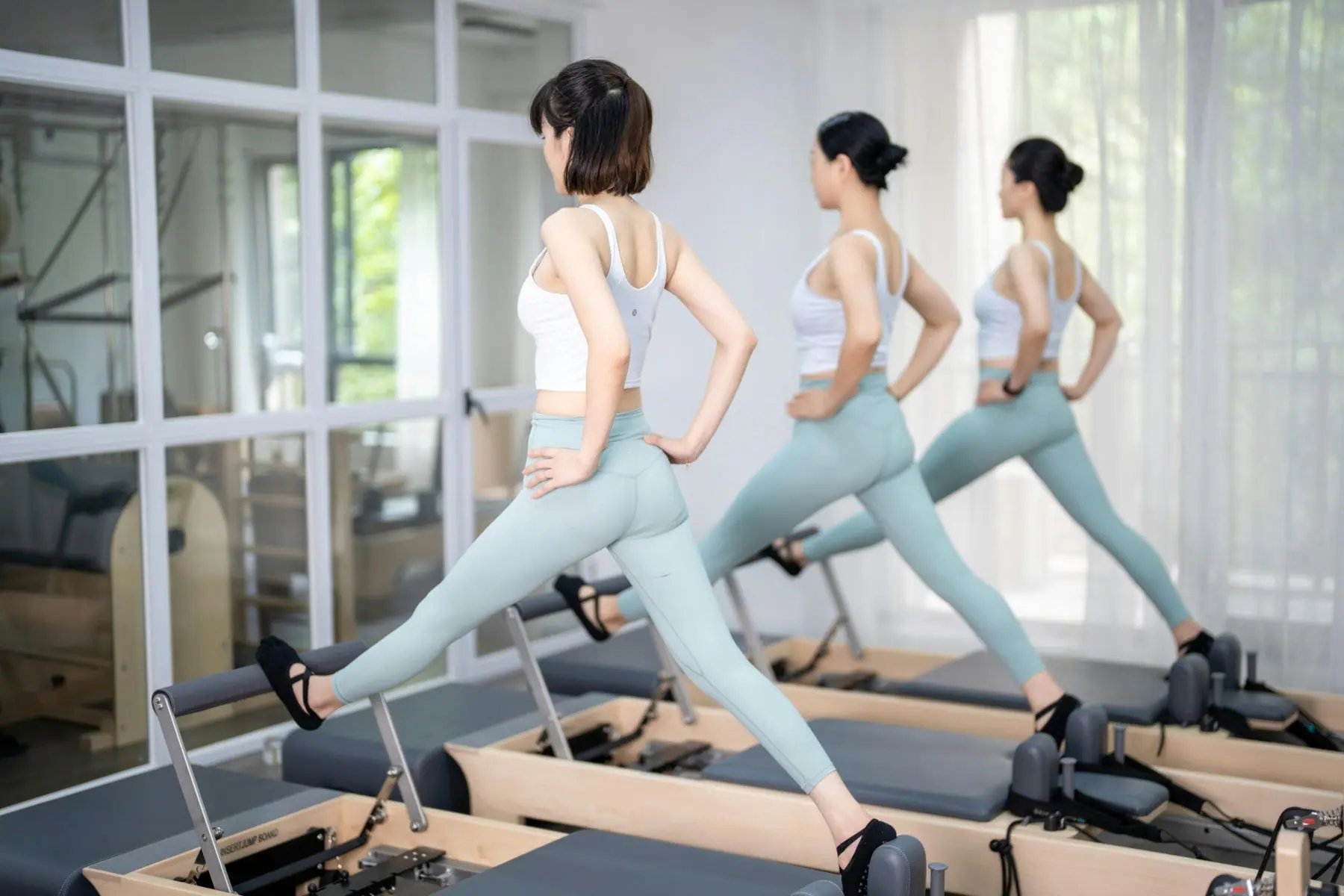
Opening a premium Pilates Reformer studio is a property decision, an equipment decision and a scheduling decision, in that order. Get the floor area and the reformer count right and the rest of the business model follows; get them wrong and no amount of interior design recovers the margin. This guide sets out how to design, lay out and equip a high-end reformer studio, whether it is a standalone site or a dedicated zone inside an existing club.
1. Location and layout
The site drives everything. Look for a bright, well-ventilated and easily accessible space, ideally within or adjacent to an existing fitness club so that the studio inherits an existing membership base rather than building one from zero.
Layout principles
- Design for clean circulation between zones, with no crossing of class flow and reception flow.
- Separate the space into distinct areas: the reformer class floor, a strength area, a cardio area, and a quieter zone for stretching, mat work and recovery.
- Plan approximately 8 to 10 m2 per reformer. That figure includes the machine footprint plus the working clearance an instructor needs to move around it safely during a class.
A well-planned layout is what produces the calm, uncluttered atmosphere clients associate with a premium studio, and it is far cheaper to get right on the plan than to correct after fit-out.
2. Equipment specification
A premium studio is defined by its equipment. The reformer is the centrepiece, and it is a machine clients feel the quality of within the first ten minutes.
- Professional reformers – robust, ergonomic and adjustable across all levels from beginner to advanced. Our range is in the Pilates reformer machines section.
- Pilates frames and towers – for a wider repertoire of strength and mobility work from a single station.
- Floor barres – postural and core work, and a low-cost way to run a second class format in the same room.
- Treadmills and rowing machines – complementary cardio conditioning, from the professional cardio equipment range.
- Cross trainers – low-impact cardiovascular sessions that suit a joint-conscious clientele.
- Mats and studio accessories – see Pilates studio accessories.
Specification note: indoor equipment for a commercial studio should be built to EN ISO 20957-1 class S, the class for professional indoor use. Class S is what guarantees the stability and durability a studio needs under continuous class-based traffic; consumer-grade equipment does not belong on a commercial floor whatever its appearance.
3. Class formats: group and one-to-one
Revenue per square metre depends on programme mix more than on price per class. Build a schedule that serves several profiles.
- Group classes – targeted work on the core, glutes and legs, with a fixed reformer count that sets the class size.
- Varied formats – conditioning, dance-based fitness and aquatic sessions where the site allows.
- One-to-one coaching – individually programmed sessions with a qualified instructor, for postural correction, body composition goals and targeted strengthening.
The one-to-one offer carries the higher margin and drives retention. The group offer fills the room. A studio needs both.
4. Complementary practices
A high-end studio is not limited to low-impact strength work; it sells an experience.
- Yoga and gentle conditioning – mobility, breathing and balance.
- Stretching and postural work – hip mobility, back strengthening and relief of lower-back discomfort.
These formats use the same room outside reformer hours, which is the simplest way to raise utilisation without buying more machines.
5. Building an efficient schedule
- Run early-morning and evening sessions so the timetable fits working clients.
- Offer classes adapted to pregnancy, a segment reformer studios serve particularly well.
- Include postural and reconditioning programmes to broaden the client base beyond fitness-motivated members.
The objective is maximum flexibility with a coherent teaching progression, so that a client can move between slots without losing the thread of their programme.
6. Atmosphere and interior
- Soft, calm colour palette
- Natural light and low-impact materials
- Effective ventilation and controlled temperature
- Dedicated areas for meditation, rest or reading after sessions
On flooring, specify a non-slip, shock-absorbing surface: comfort underfoot for mat work, stability under the reformer feet, and acoustic damping between the studio and neighbouring spaces. Our fitness, gym and Pilates mats cover that requirement.
7. Launch and retention
To attract the first clients: open days, free trial sessions and a launch offer with a defined end date. To keep them: a loyalty programme with exclusive benefits, a personal reassessment every three to six months, and genuine client testimonials with real progress documented. These build the trust that converts a trial into a recurring subscription.
Frequently asked questions
What is the difference between a mat studio and a reformer studio?
The reformer is a machine with springs and straps that adds resistance and precision to the movement, allowing deeper and more individually adjusted work than mat Pilates alone.
How much floor area should I plan per reformer?
Allow approximately 8 to 10 m2 per reformer for comfortable and safe practice, including instructor circulation.
Is Pilates suitable for beginners?
Entirely. The exercises are adjusted to the level and physical condition of each client, which is why the format works for a very broad client base.
Do instructors need a formal qualification?
Requirements for teaching physical activity for remuneration are set nationally and differ from one country to another. Check the qualification rules applicable in the country where the studio operates before hiring, and verify your insurance conditions at the same time.
What flooring should I specify?
A non-slip, shock-absorbing surface. The relevant criteria are slip resistance, comfort and acoustic performance, plus the reaction-to-fire classification required by the building regulations for your premises.
Can Pilates and cardio be combined?
Yes, and it is a sound commercial decision as well as a physiological one: a cardio zone raises utilisation of the site outside class times and broadens what a single membership covers.
Planning your studio
Send us the floor plan, the ceiling height and the number of places per class you intend to sell, and we will return a costed equipment layout with the reformer count the room actually supports: request a quote.
Réalisations documentées
- Dalles et sols sportifs : livraisons documentées – plusieurs chantiers
- Sol sportif extérieur, square Georges-Vallerey – Taverny (95)
À lire aussi sur le même thème
- Boostez votre flexibilité avec ces 8 postures de yoga (dos, hanches, épaules)
- Boutique Pilates Studio Specification: Reformer, Cadillac, Wunda Chair and Barrel
- Pilates reformers and studio equipment: Light In Fitness compared with Balanced Body
- Peur d’aller à la salle de sport ? C’est totalement infondé.
- Équiper une box de cross training (CrossFit & HYROX) – matériel, plan d’aménagement, normes et méthode pro