Strength training for women: the benefits
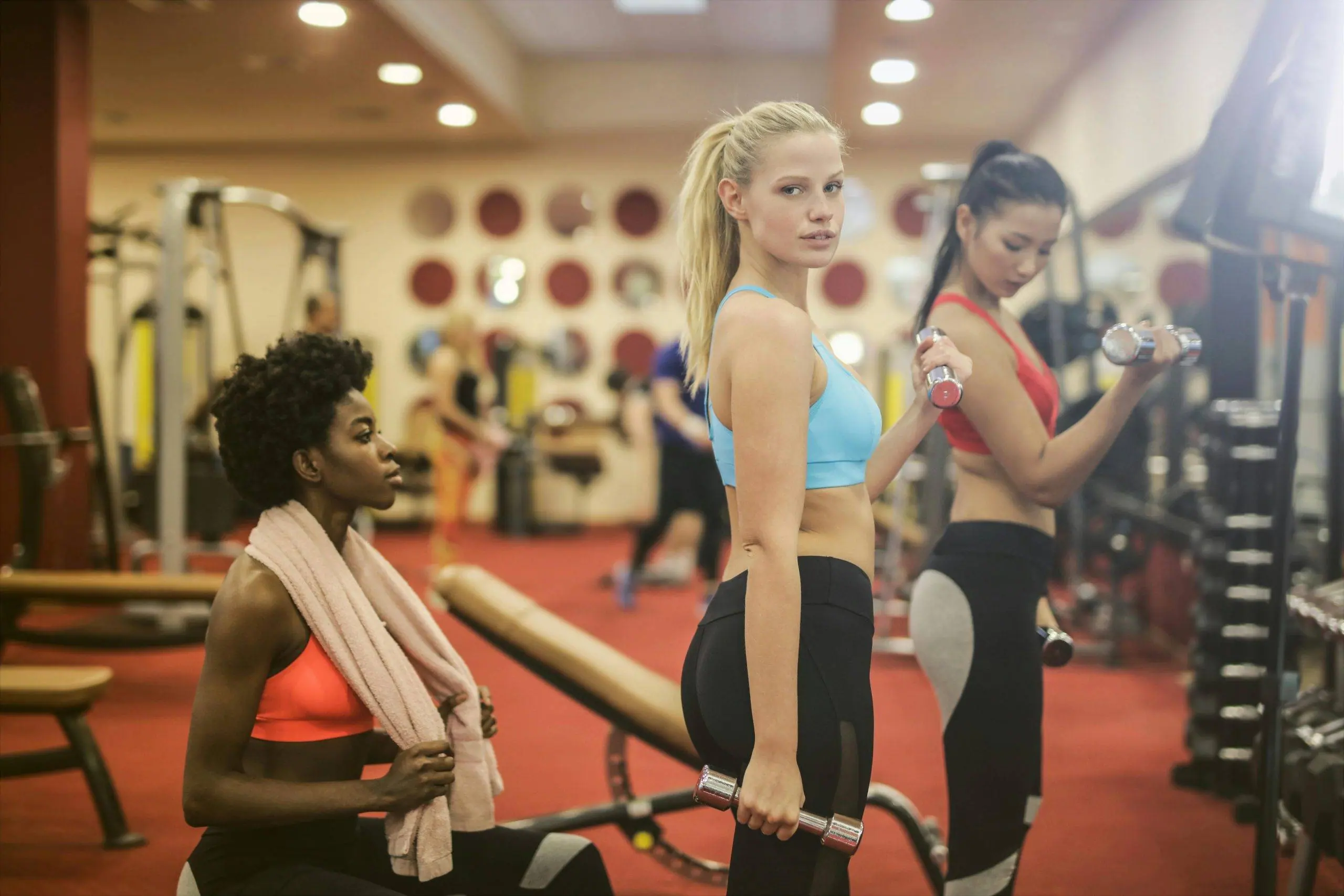
Strength training keeps gaining ground. More gyms open every year and more people train with resistance on a regular basis. Yet one hesitation comes up again and again from women considering the weights area: the fear of building too much muscle. It is worth answering plainly, because it costs clubs members. Gaining a significant amount of muscle mass is difficult, and training with weights several times a week will not turn anyone into a bodybuilder.
This article covers three things: what strength training actually involves, what it does to body composition, and what it does for health.
What strength training involves
Resistance work is naturally associated with loaded exercises in the gym. That is one form, and a very effective one, but not the only one.
Strength exercise also includes work performed with body weight alone, known as calisthenics: push-ups, squats and sit-ups among others. Performed correctly and regularly, bodyweight work also produces muscle gain, changes in body shape and health benefits.
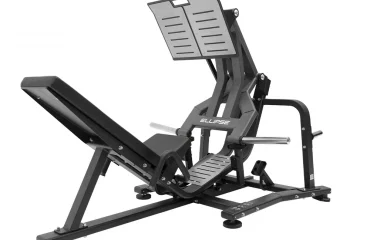
For an operator this matters when planning the floor. A strength offer that appeals to women is rarely a wall of heavy free weights: it is a combination of selectorised machines with an easy, guided path, a functional area for bodyweight work, and enough space around each station that nobody feels observed.
What strength training does to body composition
Reaching a desired physique is one of the most common reasons people start. Resistance exercise contributes substantially to shaping the body, whose appearance is determined mainly by the proportion of fat tissue and muscle tissue.
Combined with appropriate nutrition, resistance training contributes significantly to muscle protein synthesis and muscle growth. At the same time it can help reduce body fat.
Weight loss pursued only through an energy deficit, with no strength work at all, tends to produce a body that is lighter but soft, with muscle lost alongside fat. Adding resistance exercise during that period preserves muscle mass, and can even increase it.
Resistance exercise itself requires energy, so performed regularly it contributes to weight loss. It is not usually the first-choice method for losing weight, but it is an effective complement to cardio training.
By strengthening the muscles, strength exercise also helps improve posture. That affects both health and appearance, and better posture can reduce back pain. Practised regularly, this type of activity improves overall body firmness.
What strength training does for health
Regular resistance training has a positive effect on overall health, not only on appearance, and it lowers the risk of a long list of conditions in women and men alike.
Longevity and independence. Research indicates that strength training can extend the life expectancy of older women. Maintaining an adequate reserve of muscle tissue in later life reduces the risk of sarcopenia, the age-related loss of muscle mass and function, and it improves physical capacity and independence.
Metabolic health. Excess fat tissue creates an inflammatory environment in the body and contributes to numerous conditions, among them diabetes, lipid disorders, polycystic ovary syndrome and cardiovascular disease. Resistance training reduces fat mass and increases muscle mass. Physical activity also increases insulin sensitivity and can prevent the development of type 2 diabetes.
Bone density. Regular resistance exercise increases bone mass and mineral density, or slows their loss. That lowers the risk of osteoporosis and of the fractures associated with it. It matters particularly for post-menopausal women, who face a higher risk of osteoporosis because of reduced oestrogen production. Strength training can form part of both prevention and slowing of the disease.
Mental health. Strength training has a positive effect on mental health and wellbeing. It contributes to greater self-confidence and better sleep quality. For many people it functions as a form of therapy, a rest for the mind and a way to discharge stress, and that recovery often translates into more energy through the day.
Frequently asked questions
Will lifting weights make a woman bulky?
No. Building a significant amount of muscle mass is difficult and slow. Training with resistance several times a week does not turn anyone into a bodybuilder; it changes body composition gradually.
Is strength training or cardio better for losing weight?
Resistance work is not usually the first-choice tool for weight loss, but it preserves muscle during an energy deficit and it burns energy in its own right. The effective combination is both, alongside appropriate nutrition.
Can bodyweight exercise replace machines?
Bodyweight work produces real muscle gain and real health benefits when it is done correctly and regularly. Machines add progressive, measurable load, which is what allows continued progression once bodyweight becomes easy.
Is strength training safe after the menopause?
It is one of the most useful forms of exercise at that stage, because of its effect on bone mineral density and muscle mass. As with any new programme, members with an existing medical condition should take medical advice first.
What does a club need to attract more women to the weights area?
Guided machines that are quick to learn, a functional zone for bodyweight work, clear circulation and generous spacing between stations. Layout does more for participation than any single machine.
Designing a strength area that works for everyone
A strength floor that only serves experienced lifters leaves a large share of the membership on the cardio machines. If you are equipping or reorganising a facility, tell us the surface available, the profile of your members and your budget, and we will propose a layout and an equipment list that widen the audience for your weights area. Request a quote and our team will come back with a costed proposal.