The Cutting Phase in Bodybuilding: Principles, Programming and Facility Impact

A cutting phase is the period in which a lifter reduces body fat while holding on to the muscle mass built during a bulking phase. The point is definition: making the existing muscle visible rather than adding more. For a gym operator or a personal training studio, cutting season is not an abstract nutrition topic. It changes what members ask of the floor, which zones fill up, and which equipment gets used at times of day it previously did not. This guide covers the principles a coach applies and what each of them asks of a facility.
What a cutting phase actually is
Cutting is a specific training phase whose main objective is to lower the percentage of body fat while maintaining muscle mass. It is usually run after a bulking phase, whose objective was to gain muscle and strength.
During the phase the client has to be in a calorie deficit, consuming fewer calories than the body expends, which forces the body to draw on fat reserves to cover the shortfall. The important word is controlled. Done gradually, the deficit protects the muscle already built; done abruptly, it eats into it.
The five principles a coach works with
1. Create a calorie deficit
The first step is a calorie deficit: consuming fewer calories than the body expends each day. Requirements can be estimated with a formula such as the Harris-Benedict equation, or established with a nutrition professional.
A moderate deficit of around 500 calories per day is the usual recommendation. It produces gradual weight loss and preserves muscle mass. Cutting calories drastically is what causes unwanted muscle loss.
2. Prioritise protein and vegetables
Protein supports muscular recovery and the preservation of muscle mass; vegetables are low in calories and dense in nutrients, which makes them the obvious volume food in a deficit.
Recommended protein sources include lean meat, fish, eggs, low-fat dairy and pulses. The vegetables to favour are the low-calorie, high-fibre ones such as broccoli, spinach, courgettes and peppers.
3. Limit refined carbohydrates and saturated fat
Refined carbohydrates such as white pasta, white bread and confectionery are digested quickly and can drive up blood glucose and insulin. Saturated fats, found in fried food, fatty meats and full-fat dairy, are associated with a rise in cholesterol.
Complex carbohydrates are the better default: wholegrain cereals, brown rice, sweet potatoes and pulses. Healthy fats, such as those in avocados, nuts, seeds and oily fish, can be eaten in moderation.
4. Strength training and cardio together
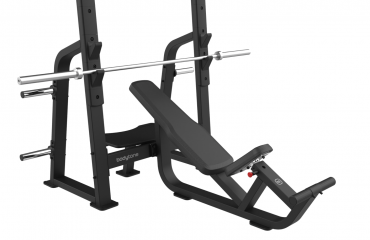
Strength training is what preserves muscle mass during a deficit, and it is therefore the non-negotiable part of the programme. Regular sessions with appropriate loads, built around compound movements such as squats, deadlifts and bench press, are the base.
Cardio can be added to burn additional calories and accelerate fat loss. Running, cycling, swimming and skipping are the usual choices. The balance between the two is the whole art of the phase: too much cardio and the muscle goes with the fat.
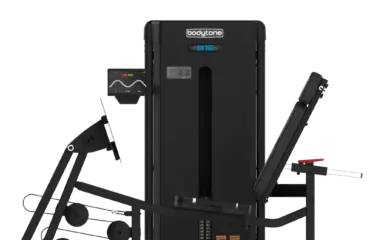
For a facility, this is the practical consequence: during cutting season the same member now uses both the strength training machines and the cardio equipment in the same visit, and average session length rises. Rowers and ski ergometers absorb that demand better than a single line of treadmills, because they let a member work hard without adding joint impact on top of a heavy lifting week.
5. Hydration and recovery
Drinking enough across the day supports digestion and muscular recovery, and matters more in a deficit than outside one.
Recovery is equally decisive. Sufficient sleep, regular rest days and recovery work such as stretching, massage and cold immersion help prevent injury and protect the results of the phase. This is the part most clubs under-equip: a recovery area with cold plunge baths and a sauna or steam room is what turns a training floor into a place a member can sustain a twelve-week phase in.
Further points that decide the outcome
Follow a structured eating plan
The plan should be built on balanced, nutrient-dense meals while respecting the deficit needed for weight loss. A nutritionist or dietitian is the right person to personalise it.
Supplements, in their proper place
Protein powder, branched-chain amino acids, creatine and fat burners are the products most often used. None of them replaces a balanced diet and consistent training, and a coach who presents them as optional support rather than as the mechanism will keep the client’s expectations where they belong.
Adapt the training programme
Alongside strength work and cardio, a cutting programme can include isolation exercises to target specific muscles, high-intensity circuits and intensification techniques such as supersets and drop sets. Circuits are where floor layout starts to matter: they need a zone where a member can move between stations without crossing the lifting area.
Track progress and adjust
Progress is tracked by weighing regularly, taking progress photographs and assessing training performance. If the results are not there, the eating plan or the training programme is what gets revised, not the client’s motivation.
Patience and consistency
Cutting takes time. Every body responds differently, and the phase asks the client to keep following an agreed plan when the visible results lag behind the effort.
Frequently asked questions
How long should a cutting phase last?
It depends on the individual objective and on how much body fat is to be lost. In general a cutting phase runs from 8 to 12 weeks. It has to stay gradual and controlled throughout, in order to preserve muscle mass.
Is it possible to cut quickly without losing muscle?
Yes, with a balanced and progressive approach: a moderate calorie deficit, an emphasis on protein and vegetables, and consistent strength training. Those three together preserve muscle mass while fat is lost.
Are supplements necessary during a cutting phase?
They can support the phase, but they are not essential. Protein powder, BCAAs, creatine and fat burners are commonly used, and none of them substitutes for a balanced diet and regular training.
How long between the end of a cut and the start of a bulk?
Around 2 to 4 weeks is the usual recommendation. It lets the body stabilise and recover after the period of calorie restriction. During that window the client keeps eating in a balanced way and keeps training regularly.
How is weight regain avoided afterwards?
By keeping a balanced diet and an active lifestyle: continuing with a structured eating plan, training regularly and monitoring weight. Cutting is a long-term process, and slight fluctuation in weight afterwards is normal.
What this means for your facility
Cutting phases concentrate demand: more cardio use, longer sessions, more pressure on recovery space. Clubs that lose members in month three of a cut usually lose them because the floor could not absorb that pattern, not because the coaching was wrong.
If you are sizing a strength line, a cardio line or a recovery area around how your members actually train, send us the floor area, the number of members and the zones you already run. We will come back with an equipment plan and a quotation: request a quote.
Sources et références
- ANSES – avis et rapport sur les compléments alimentaires destinés aux sportifs
- NF V94-001 – prévention du dopage dans le sport : bonnes pratiques visant l’absence de substances dopantes (AFNOR)