Strength Training Equipment for Effective Muscle Building
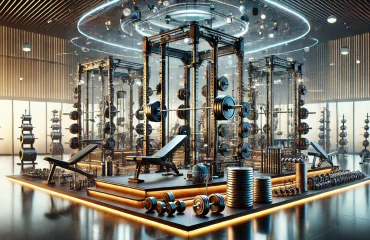
Strength training is the backbone of almost every commercial fitness offer, from a club floor to a rehabilitation room, a corporate gym or a hotel wellness area. For a professional buyer the real question is not which exercise targets which muscle, but which machines absorb continuous multi-user traffic, cover the movement patterns your members expect, and remain serviceable years after commissioning. This guide sets out how to specify strength training equipment for a facility that is open to the public.
What professional grade actually means
Indoor strength equipment intended for commercial use falls under EN ISO 20957-1, and the category that concerns you is class S. Class S covers studio and club use: frames, welds, cables, bearings and guide rods are dimensioned for uninterrupted operation by users of very different sizes and skill levels. Class I is also a professional category, aimed at inclusive access, not a step above class S in intensity. Equipment specified below class S has no place on a supervised commercial floor, whatever the marketing says about its build quality.
Beyond the standard, three details separate a machine that lasts from one that does not: the steel section of the frame, the quality of the pulleys and cables, and the availability of spare pads and cables several years after purchase. Ask for all three in writing before you compare prices.
The three families that make a complete strength floor
A coherent strength area is built from three complementary families rather than one.
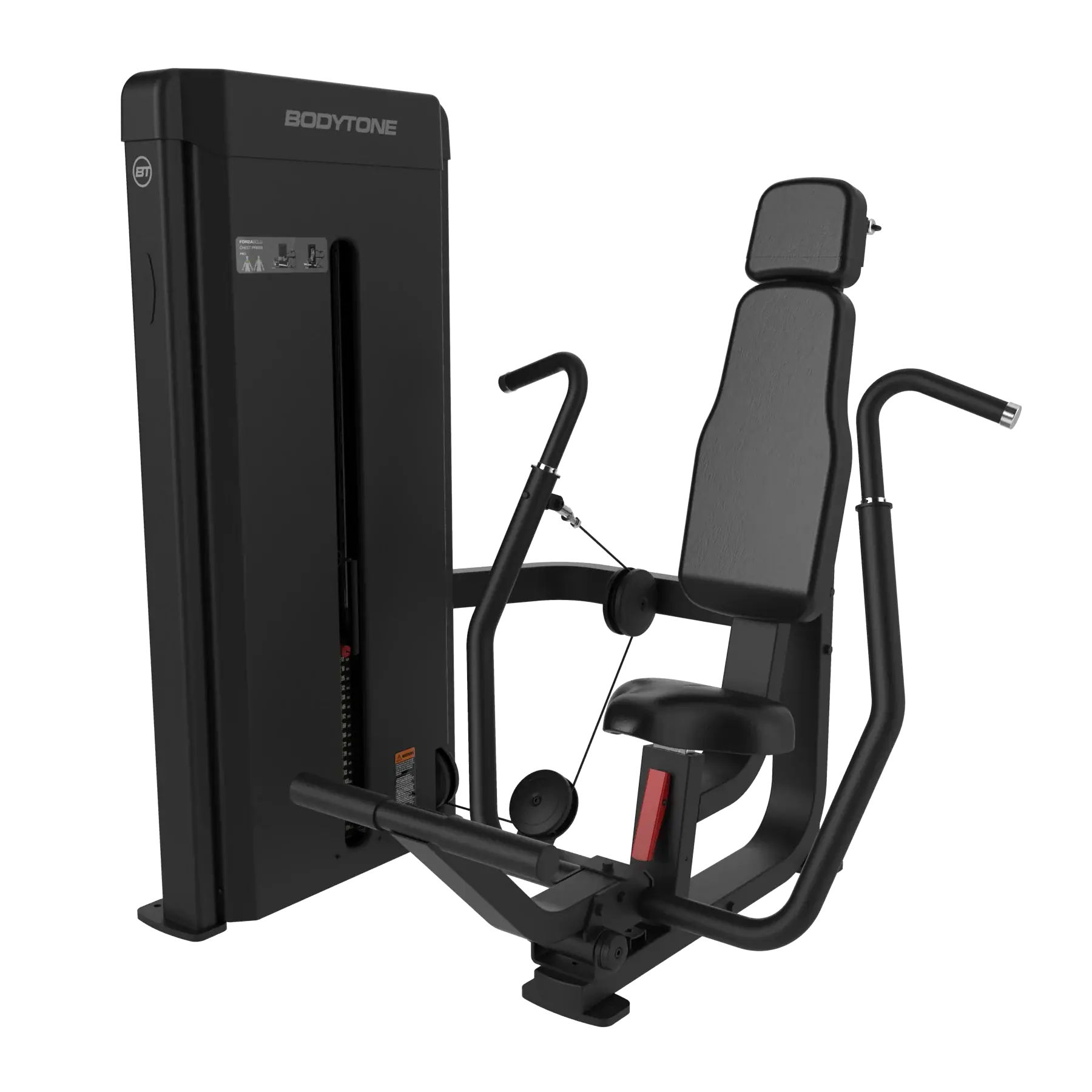
Selectorised machines guide the movement along a fixed path and let a user change load in seconds. They are the safest entry point for beginners, the fastest option at peak hours, and the backbone of circuit layouts. Our selectorised machines cover every major muscle group with a consistent user interface across the range.
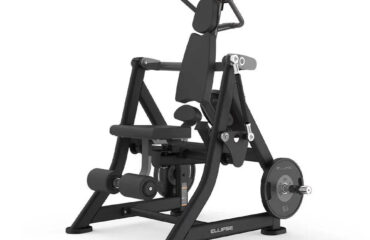
Plate-loaded machines reproduce the feel of free weight while keeping the movement guided. They suit strength-focused clubs, cross-training boxes and any site where users already train seriously. Loading is visible and progressive, and there is no weight stack to service.
Free weights, benches and racks remain indispensable for compound work such as the bench press, the squat and the deadlift. They need more supervision and more floor area per user, but no machine replicates the stabilisation demand they create.
Most commercial sites end up with a mix weighted towards their audience: a wellness or hotel gym leans heavily on selectorised machines, a performance club balances all three. Browse the complete range of professional strength training machines to see how the families combine.
What makes strength training effective
Equipment is only one of the variables. Training outcome depends on the machines available, the number of sets, the number of repetitions, the load selected and the trainee nutrition and energy supply. A facility that provides a wide enough range of loads and movement patterns lets a coach programme properly; a facility with three machines and one bench does not, however good those items are.
In practice this means specifying enough load granularity at the low end for deconditioned or older users, and enough at the top end for experienced members, rather than buying a single mid-range configuration for everyone.
Space, flooring and circulation
Allow for the full working envelope of each machine, not its static footprint, and keep clear circulation between stations. Heavy strength areas need a floor that protects the slab and controls impact noise; a rubber floor specified for the load in question is part of the equipment budget, not an afterthought. Where free weights are dropped, plan the dedicated lifting zone from the start.
Frequently asked questions
Can I equip a commercial gym with class H equipment?
No. Class H is outside the scope of a facility open to the public. Specify class S under EN ISO 20957-1 for indoor commercial use.
How many strength stations do I need?
It depends on your peak attendance and your programme, not on your floor area alone. Tell us your busiest hour and your member profile and we will build the station count around it.
Do you supply single machines or complete floors?
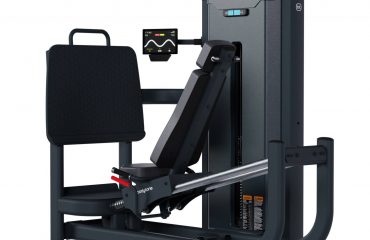
Both. A single replacement machine, a themed area such as a leg zone built around a vertical leg press, or a complete turnkey strength floor.
What warranty applies?
Warranty terms depend on the range and on the frame material. They are stated line by line on every quotation, so you can compare like with like.
Specifying your strength floor
Light In Fitness has equipped professional sites since 2013 and works from your plan, your audience and your budget rather than from a catalogue page. Send us your floor drawing and your opening hours and we will return a station list, a layout and a costed proposal. Request a quote to start the conversation.