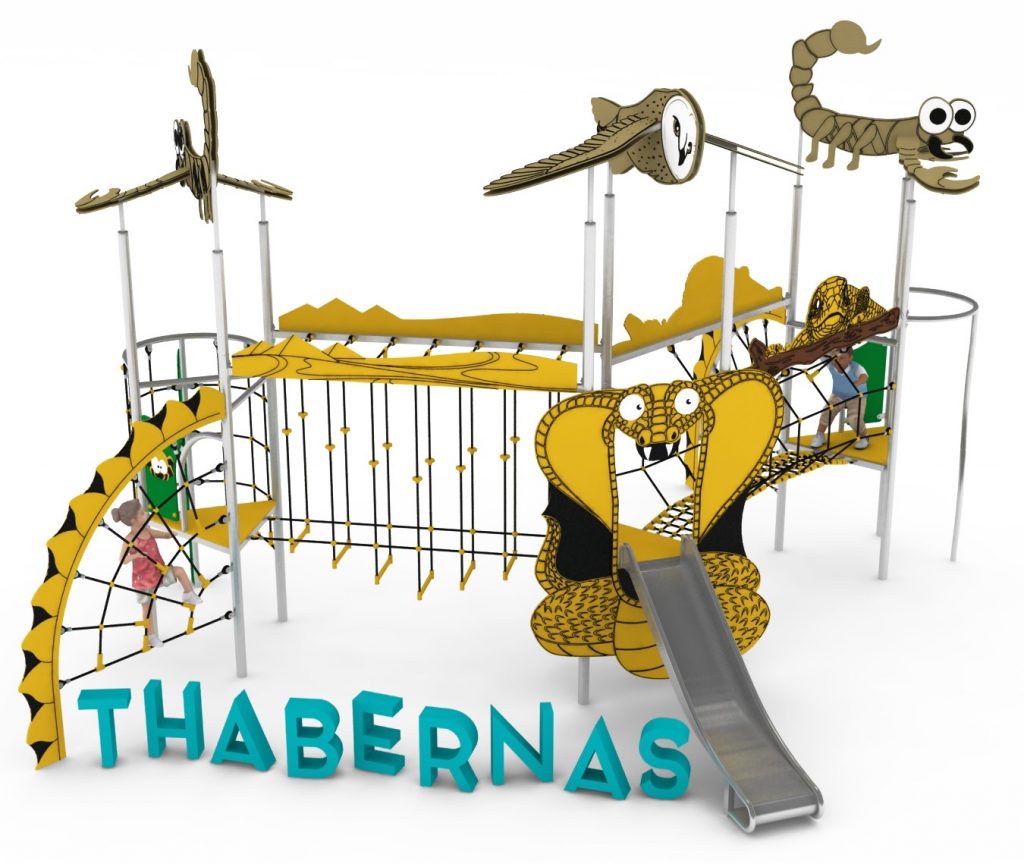
THABERNAS Progressive Rope Climbing Structure
THABERNAS Progressive Rope Climbing Structure : diamond Collection large rope play structures, marque Light In Fitness, tarif sur devis. Encombrement 790 × 610 × 430 cm. Delivery and installation priced on quotation across Europe.
Price on request
Shipping quoted separately The shipping cost is confirmed before you approve the order.
Price on request — project quotation within 24 business hours.
Rope climbing structure with graduated routes to the same platforms, for children building confidence. Ages 3 to 14, EN 1176.
This item is supplied on quotation: configuration, delivery and installation are priced against your project.
Request a quotation +33 6 20 72 66 96
Answer within 24 to 72 business hours, quote reference LIF-THABERNAS-1368. Layout study, delivery, installation and after sales.
Conformity: equipment certified compliant with EN 1176 (playground equipment) by an independent certification body; the certificate is supplied on request with the quotation.
Warranty: specified in the quotation for each reference — details of our warranties.
Description
In brief — THABERNAS Progressive Rope Climbing Structure: dimensions 790 × 610 × 430 cm, material stainless steel, free fall height 2,8 m, age range 3 to 14 years, safety area 10,6 x 9,1 m, standards EN 1176, certification certificate of conformity from an independent certification body, price on quotation.
THABERNAS is organised around progression. The raised platforms and the nets between them are arranged so that a child can start on the easiest route, master it, and then find a harder way to the same place. Over a school year that matters more than the size of the structure: children who can always find the next step keep using it, while children who meet a single fixed difficulty either conquer it and move on or give up at the first attempt.
How the difficulty is graduated
- Multi-level nets of differing angle and tension: a steep net demands more grip and commitment than a shallow one covering the same height.
- Linked platforms that can be reached by more than one route, so the choice of difficulty stays with the child rather than with the layout.
- Dedicated gripping and climbing elements that add a genuinely hard option for the strongest climbers.
- An overall height of 4.3 m with a free height of fall of 2.8 m: enough exposure for the challenge to feel real to a ten-year-old.
Use in schools and holiday sites
Progressive structures suit settings where the same children return: primary schools, after-school clubs, campsites with returning families. Teaching staff can use the routes as a visible measure of physical progress across a term, and children set their own targets without needing an adult to define them.
Materials and construction
Stainless steel structural posts; 18 mm polyamide rope with a braided galvanised steel core, cut-resistant and UV-stable; aluminium and stainless steel connectors; impact and weather resistant HPL decorative panels; high-strength concrete foundations at 0.6 m depth. See the wider Diamond Collection play structures.
Technical specification
| Reference | LIF-THABERNAS-1368 |
|---|---|
| Dimensions | 7.9 m (L) x 6.1 m (W) x 4.3 m (H) |
| Age range | 3 to 14 years |
| Free height of fall | 2.8 m |
| Safety area | 10.6 x 9.1 m |
| Frame | Stainless steel posts |
| Rope | 18 mm polyamide with braided galvanised steel core, cut and UV resistant |
| Finish | Stainless steel and aluminium connectors; HPL decorative panels |
| Foundation depth | 0.6 m, high-strength concrete |
| Standard | EN 1176, certificate issued by an independent certification body |
| Price | On request — project quotation within 24 business hours |
Frequently asked questions
Is a 2.8 m free height of fall appropriate for a primary school?
Yes, provided the surfacing is tested for it and the impact area is respected. Managed exposure to height is part of what the standard permits and part of what children need; the control is the surface, not the removal of the challenge.
Can younger children use the easy routes safely?
The structure is specified from three years and the lower routes are designed for that end of the range. In practice younger children stay low and older children go high, which is how a progressive structure manages a mixed playground.
How does it compare with a fixed climbing frame?
A rope net yields under load and supports a hesitant climber, so children attempt more than they would on rigid bars. It also offers many more distinct routes on the same footprint.
Tell us the age profile of your users and the area you can clear, and we will return a costed proposal covering equipment, foundations, installation and the compliance file within 24 business hours.
Additional information
| Dimensions | 790 × 610 × 430 cm |
|---|
Delivery and installation
Lead times are confirmed in the quotation according to the product, available stock and destination.
Access requirements and delivery appointments for heavy equipment are agreed before dispatch.
Installation is included when stated for the product or in the quotation; otherwise it is quoted separately.
You may also like…
-
TANAMI Narrow Rope Play Structure to Pinterest (opens in a new window)Save on Pinterest : TANAMI Narrow Rope Play Structure
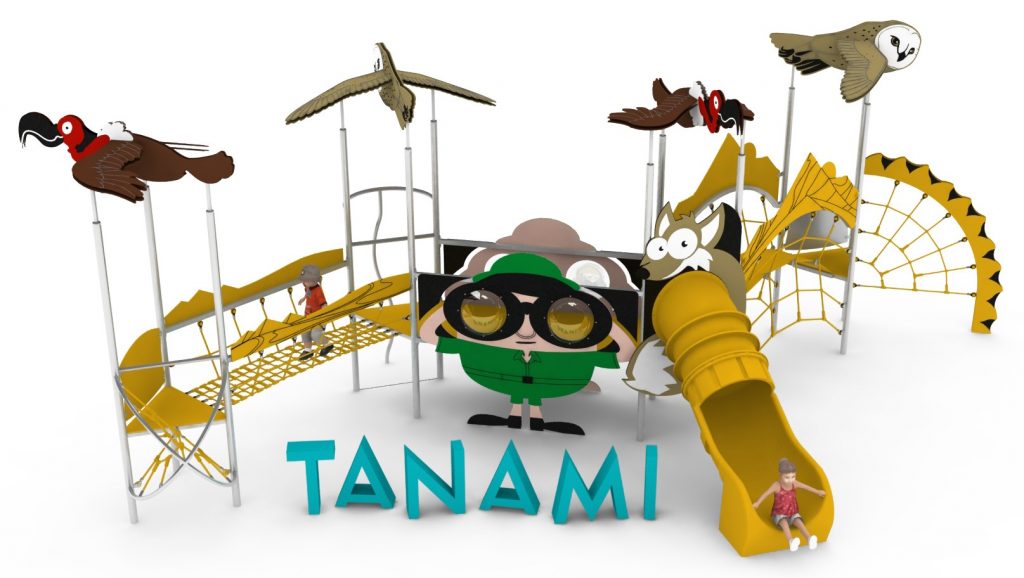 View product
TANAMI Narrow Rope Play Structure
Price on request -
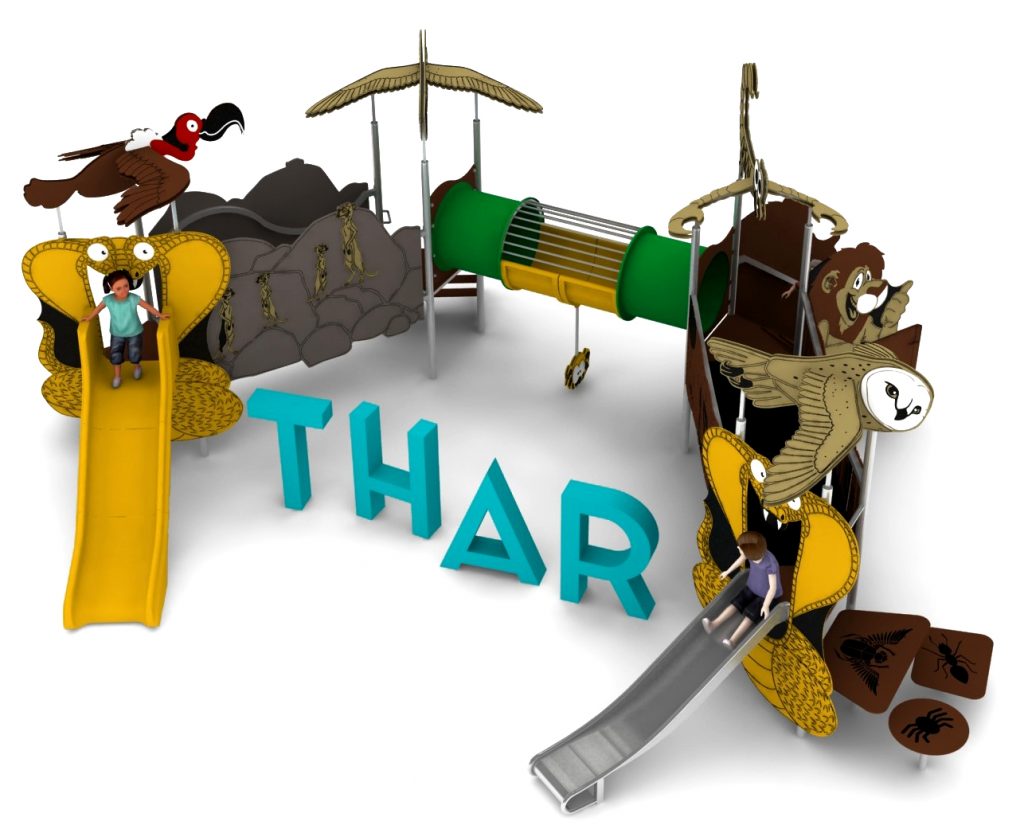
THAR Large Low-Fall Rope Play Structure to Pinterest (opens in a new window)Save on Pinterest : THAR Large Low-Fall Rope Play Structure
![THABERNAS Progressive Rope Climbing Structure]() View product
View productTHAR Large Low-Fall Rope Play Structure
Price on request -
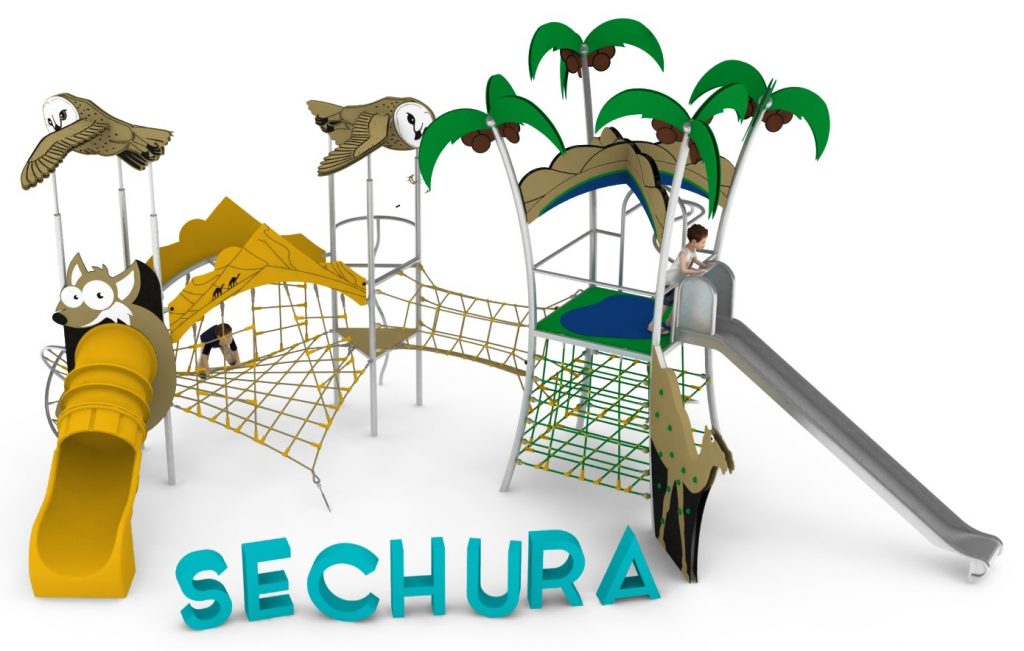
SECHURA Large Rope Play Structure for Groups to Pinterest (opens in a new window)Save on Pinterest : SECHURA Large Rope Play Structure for Groups
![THABERNAS Progressive Rope Climbing Structure]() View product
View productSECHURA Large Rope Play Structure for Groups
Price on request -
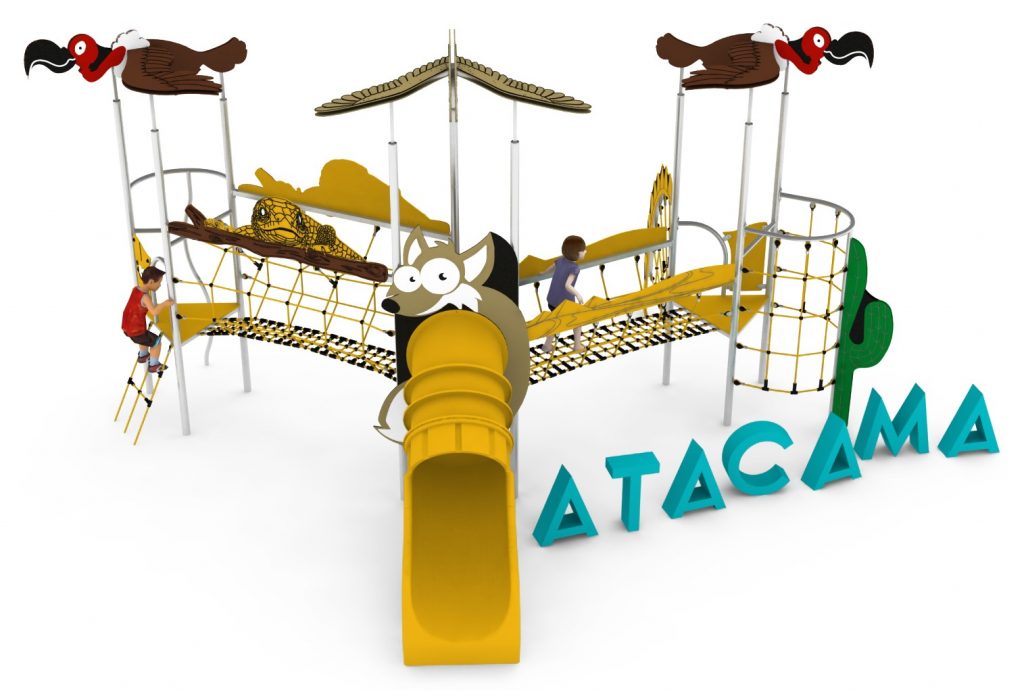
ATACAMA Open Rope Play Structure to Pinterest (opens in a new window)Save on Pinterest : ATACAMA Open Rope Play Structure
![THABERNAS Progressive Rope Climbing Structure]() View product
View productATACAMA Open Rope Play Structure
Price on request -
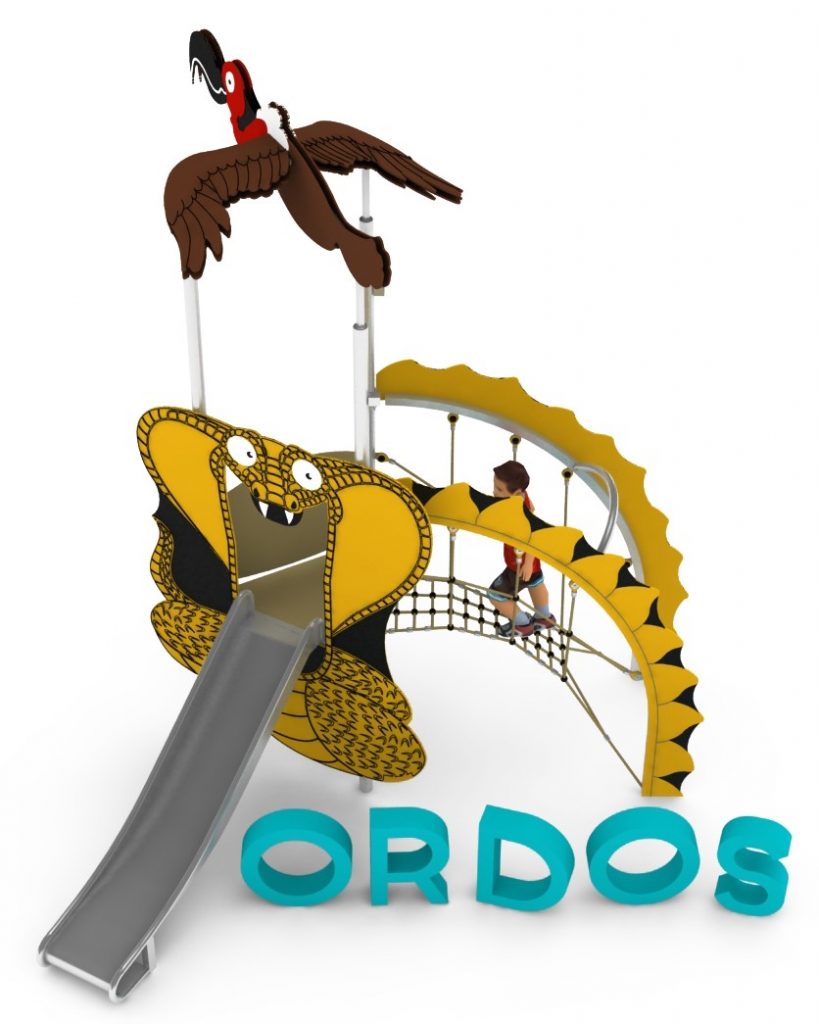
ORDOS Compact Vertical Rope Climbing Structure to Pinterest (opens in a new window)Save on Pinterest : ORDOS Compact Vertical Rope Climbing Structure
![THABERNAS Progressive Rope Climbing Structure]() View product
View productORDOS Compact Vertical Rope Climbing Structure
Price on request
Related products
-
SHAH – multi-platform rope play structure to Pinterest (opens in a new window)Save on Pinterest : SHAH – multi-platform rope play structure
![THABERNAS Progressive Rope Climbing Structure]() View product
View productSHAH – multi-platform rope play structure
Price on request -
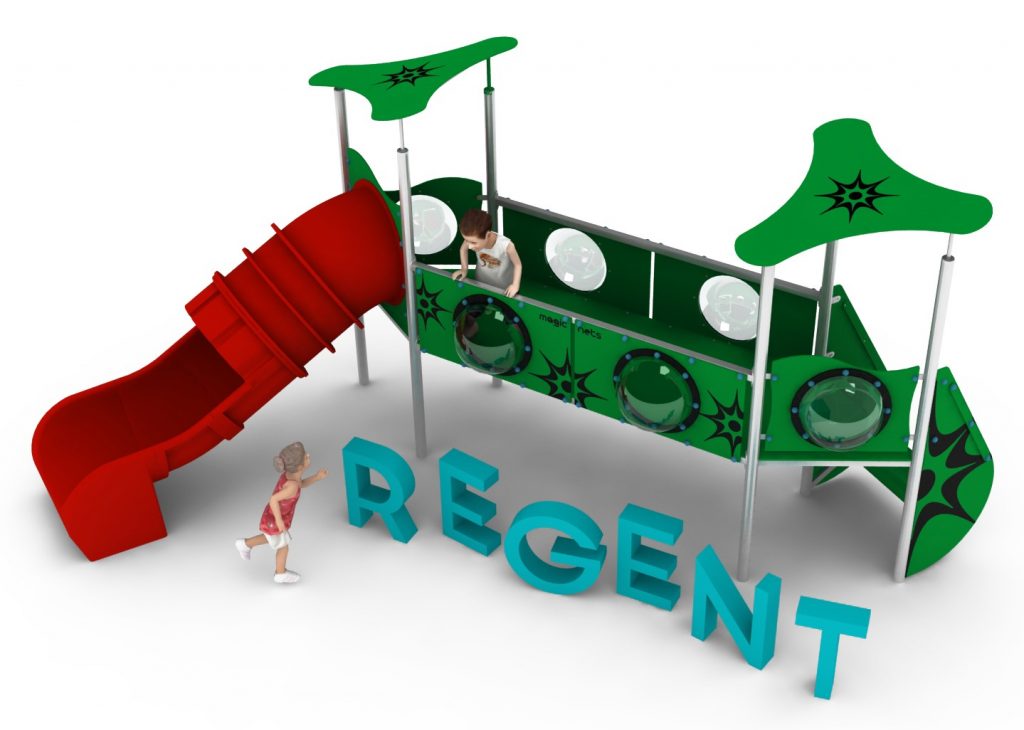
REGENT – elongated rope play structure for narrow sites to Pinterest (opens in a new window)Save on Pinterest : REGENT – elongated rope play structure for narrow sites
![THABERNAS Progressive Rope Climbing Structure]() View product
View productREGENT – elongated rope play structure for narrow sites
Price on request -
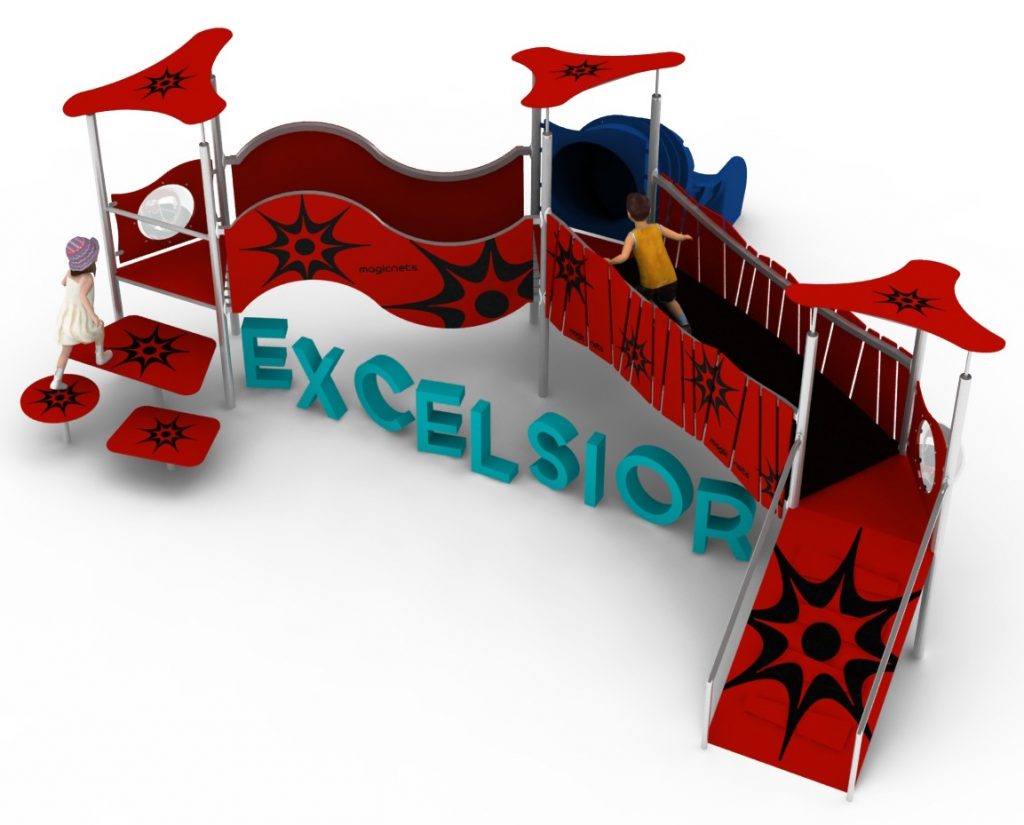
EXCELSIOR wide-spread rope play structure to Pinterest (opens in a new window)Save on Pinterest : EXCELSIOR wide-spread rope play structure
![THABERNAS Progressive Rope Climbing Structure]() View product
View productEXCELSIOR wide-spread rope play structure
Price on request