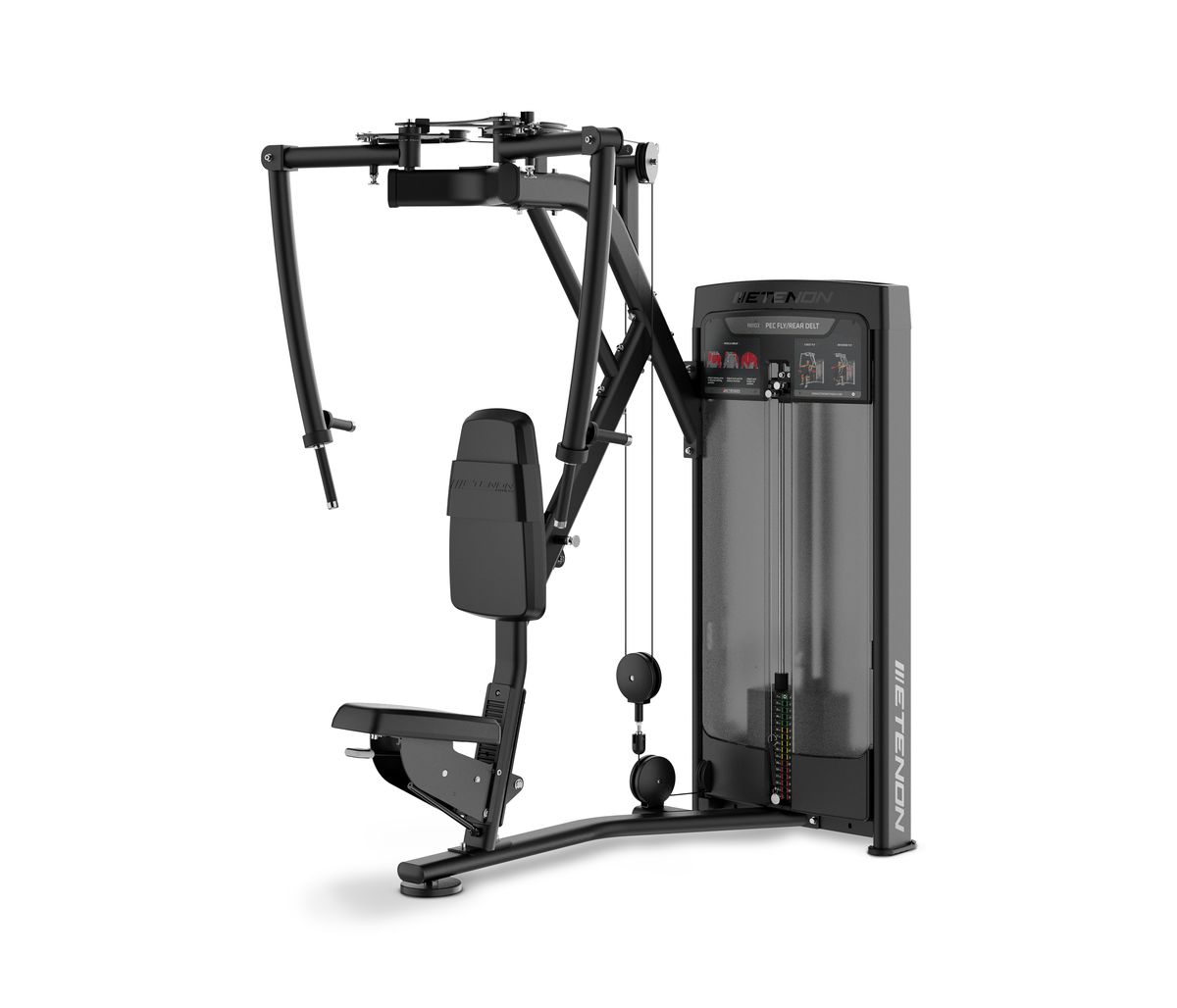
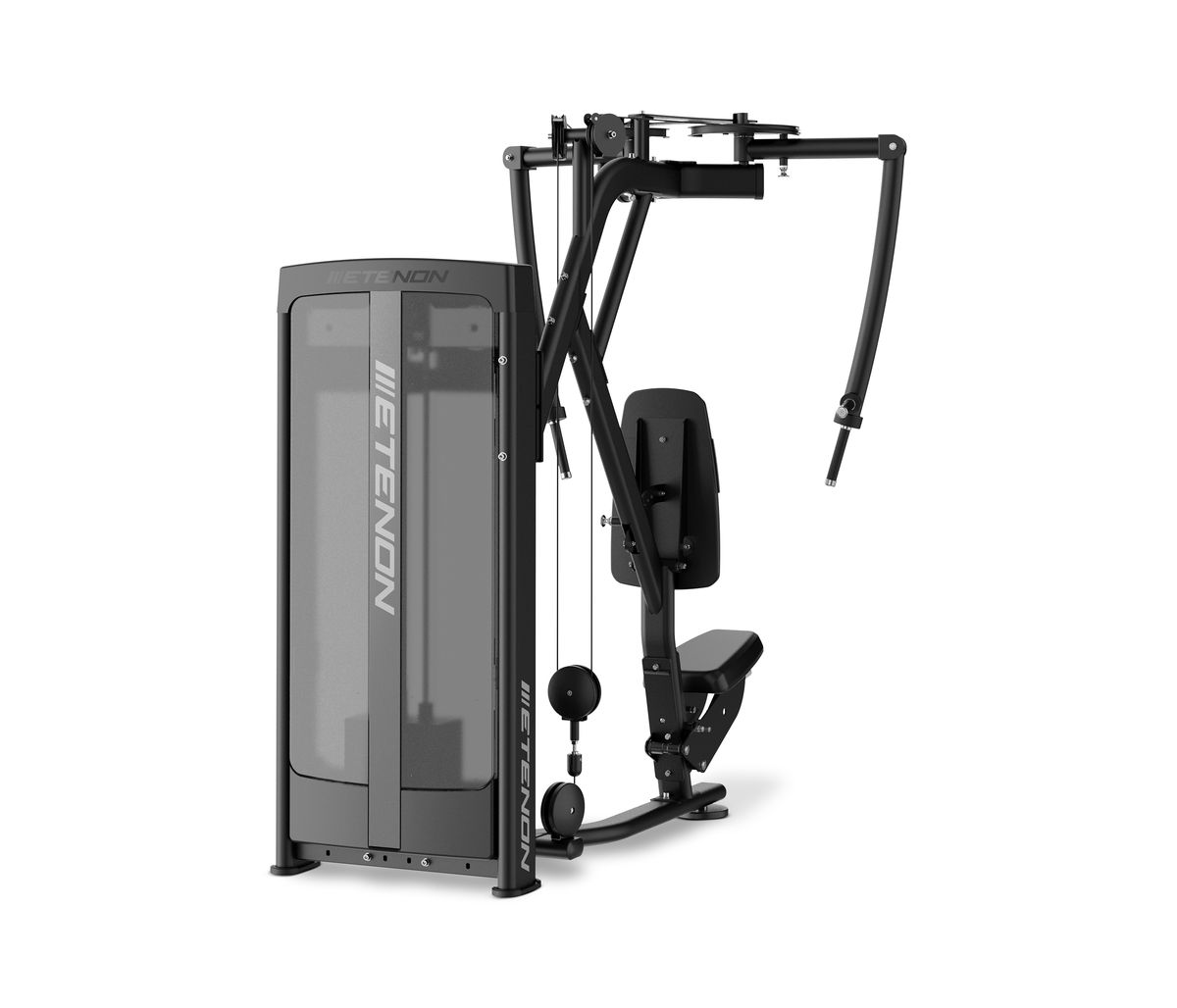
Etenon R8103 Pec Deck and Rear Delt Machine, Dual Function Selectorised Isolation Station
Etenon R8103 Pec Deck and Rear Delt Machine, Dual Function Selectorised Isolation Station : etenon R8 selectorised strength machines, 3 680,00 EUR excl. VAT. Maximum load / stack : 118 kg. Frame material : Acier Q235A. Brand : Etenon. Delivery and installation priced on quotation across Europe.
3,680.00 € excl. VAT
i.e. 4,416.00 € TTC selon la destination de livraison
Shipping quoted separately The shipping cost is confirmed before you approve the order.
Dual function selectorised machine combining a converging pec deck and a reverse pec deck with a progressive cam and a 91 kg stack. Specified for clubs, hotels, corporate wellness rooms and physiotherapy practices where floor area is limited.
Quotation = itemised pricing with delivery, installation and trade discounts, within 24 business hours. No commitment. Our commitments
Conformity: equipment compliant with EN ISO 20957 (stationary training equipment, formerly EN 957) according to the certification of the manufacturer Etenon; the conformity document is supplied on request with the quotation.
Warranty: manufacturer’s warranty Etenon, specified in the quotation — details of our warranties.
Description
The Etenon R8103 combines a converging pec deck and a reverse pec deck on one selectorised frame, isolating the inner chest in one direction and the posterior deltoids and rhomboids in the other. Two isolation exercises that would normally occupy two machines share a single compact footprint, which is why the R8103 is specified so often in clubs where usable floor area is the binding constraint.
A progressive cam controls the resistance curve so the load stays constant through the whole range of movement instead of falling away at the end. That is what stops members recruiting the shoulders and the trunk to finish a repetition, and it is the difference between an isolation machine that isolates and one that only appears to. The pivoting arms adjust through three starting positions, so shoulder width and arm length are accommodated from a small member to an advanced lifter without compromise on either.
The finish is commercial grade throughout: welded steel frame with scratch resistant epoxy paint, dual density synthetic leather upholstery, and a duty rating of 8 to 12 hours of daily use over 8 to 10 years. The machine weighs around 195 kg and is declared compliant with EN ISO 20957.
Technical specification
| Reference | Etenon R8103, R8 selectorised range |
|---|---|
| Functions | Pec deck for the chest, reverse pec deck for the posterior deltoids and rhomboids |
| Weight stack | 91 kg, pin selector |
| Arm adjustment | Three starting positions |
| Resistance curve | Progressive cam, constant load through the range |
| Frame | Welded steel, scratch resistant epoxy paint |
| Upholstery | Dual density synthetic leather |
| Machine weight | Approximately 195 kg |
| Duty rating | 8 to 12 hours daily over 8 to 10 years |
| Standard | EN ISO 20957, class S professional and commercial use |
| Warranty | 24 months parts, 10 years frame |
| Price | 3,680 EUR excluding VAT |
Building a chest and shoulder zone around it
The classic arrangement puts the R8103 beside a chest press so that members move from a compound push to an isolation movement without crossing the floor, which keeps rotation high in the busiest zone of the gym. Because it also covers the posterior deltoid, it does something for the back of the shoulder that most chest areas neglect, and that has become a selling point in corporate wellness rooms where postural complaints drive attendance. Allow the arms to open fully in the reverse position when you draw the plan, since that is the widest the machine ever gets and it is routinely underestimated. Physiotherapy practices use it for controlled isolation after shoulder or chest surgery. We provide a free layout study from your floor plan before quotation.
Frequently asked questions
What is the difference between the pec deck and the reverse pec deck?
The pec deck brings the arms together in front of the body and works the pectorals in convergence. The reverse pec deck opens the arms outwards and works the posterior deltoids and rhomboids. The R8103 does both without changing machine.
Can members use it without a coach?
Yes. The path is guided and the load is selected by pin, so the machine is safe for unsupervised use, which is why it suits hotels and corporate fitness rooms as well as staffed clubs.
Is 91 kg enough load for an isolation machine?
For a fly and reverse fly movement, yes. Isolation exercises are performed at lower loads than compound presses, and the stack is sized to reach advanced users while starting light enough for beginners and rehabilitation.
Request a quotation or browse the full Etenon R8 selectorised machines range.
Additional information
| Maximum load / stack | 118 kg |
|---|---|
| Frame material | Acier Q235A |
| Brand | Etenon |
Delivery and installation
Lead times are confirmed in the quotation according to the product, available stock and destination.
Access requirements and delivery appointments for heavy equipment are agreed before dispatch.
Installation is included when stated for the product or in the quotation; otherwise it is quoted separately.
You may also like…
-
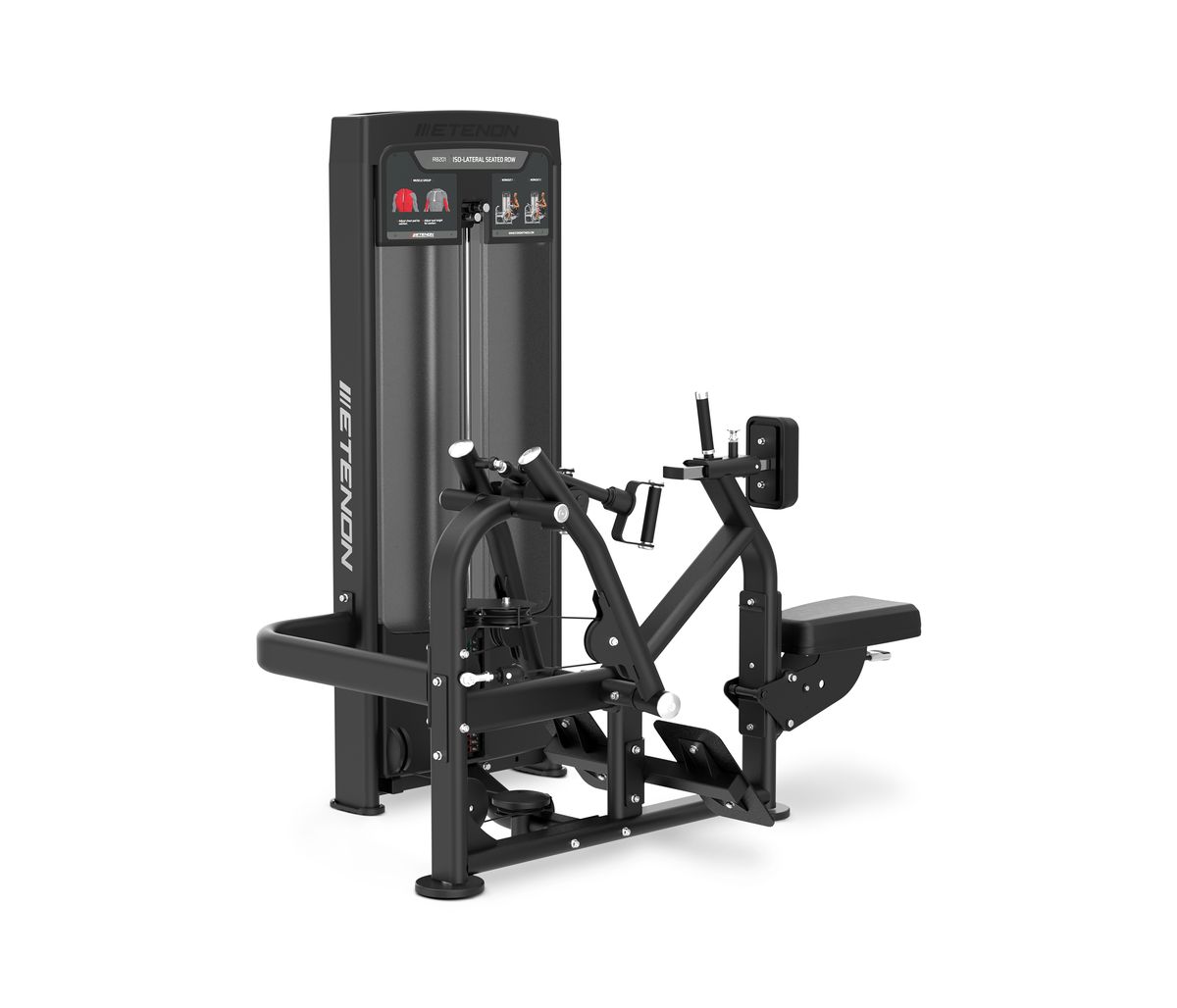
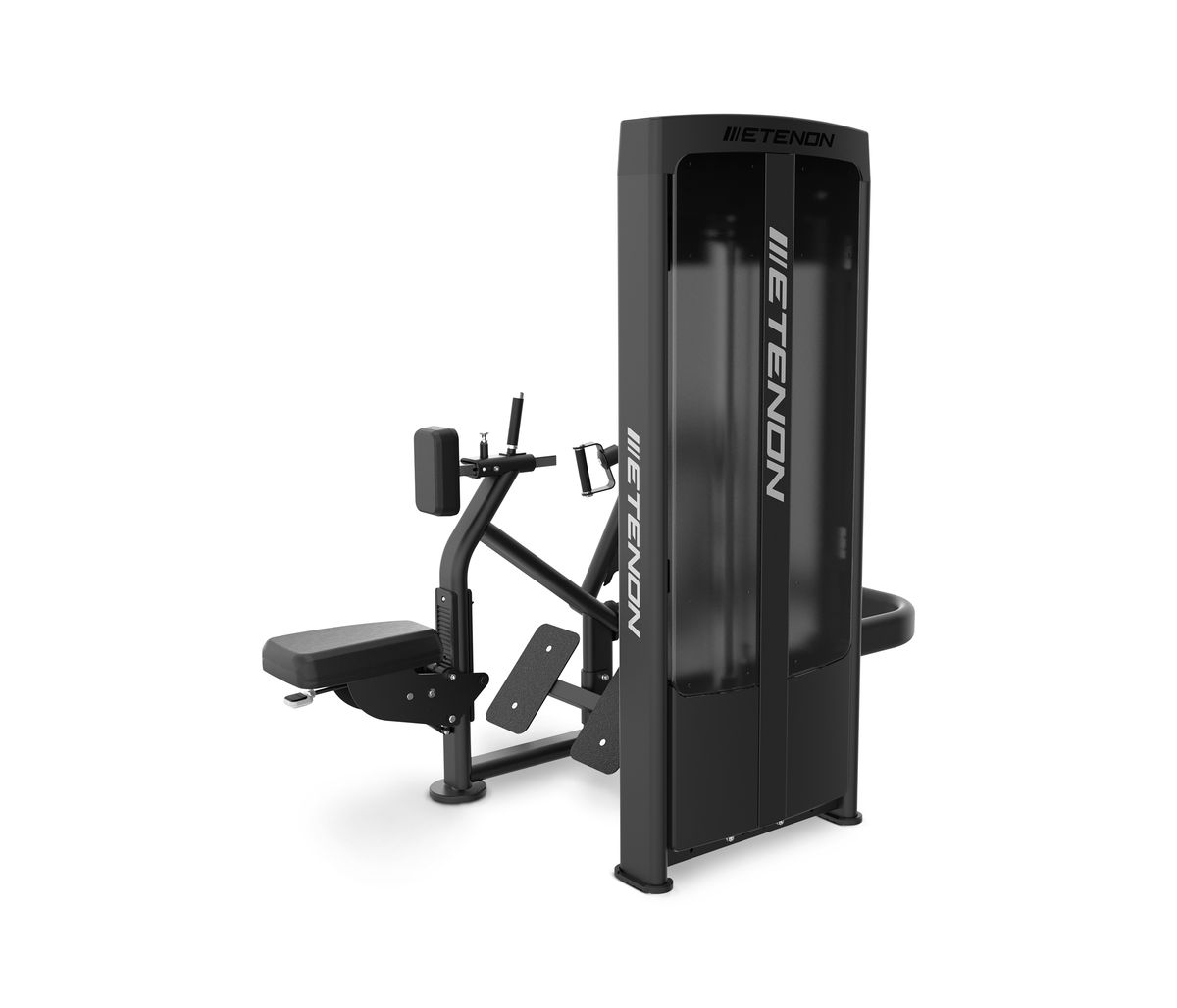
Etenon R8201 selectorised seated row with 360 degree handles to Pinterest (opens in a new window)Save on Pinterest : Etenon R8201 selectorised seated row with 360 degree handles
 Add to cartMORE INFO
Etenon R8201 selectorised seated row with 360 degree handles
3,450.00 € excl. VAT -
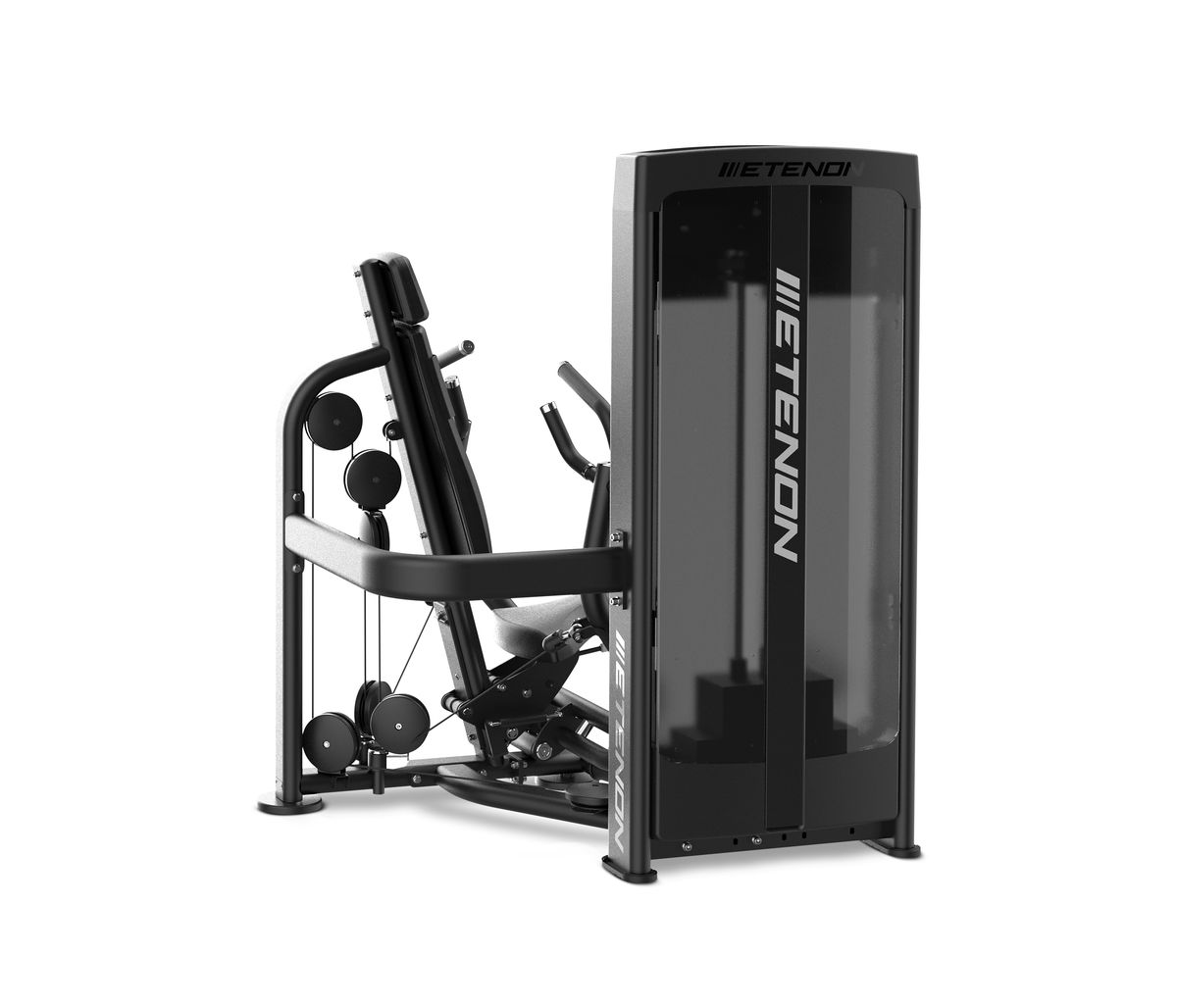
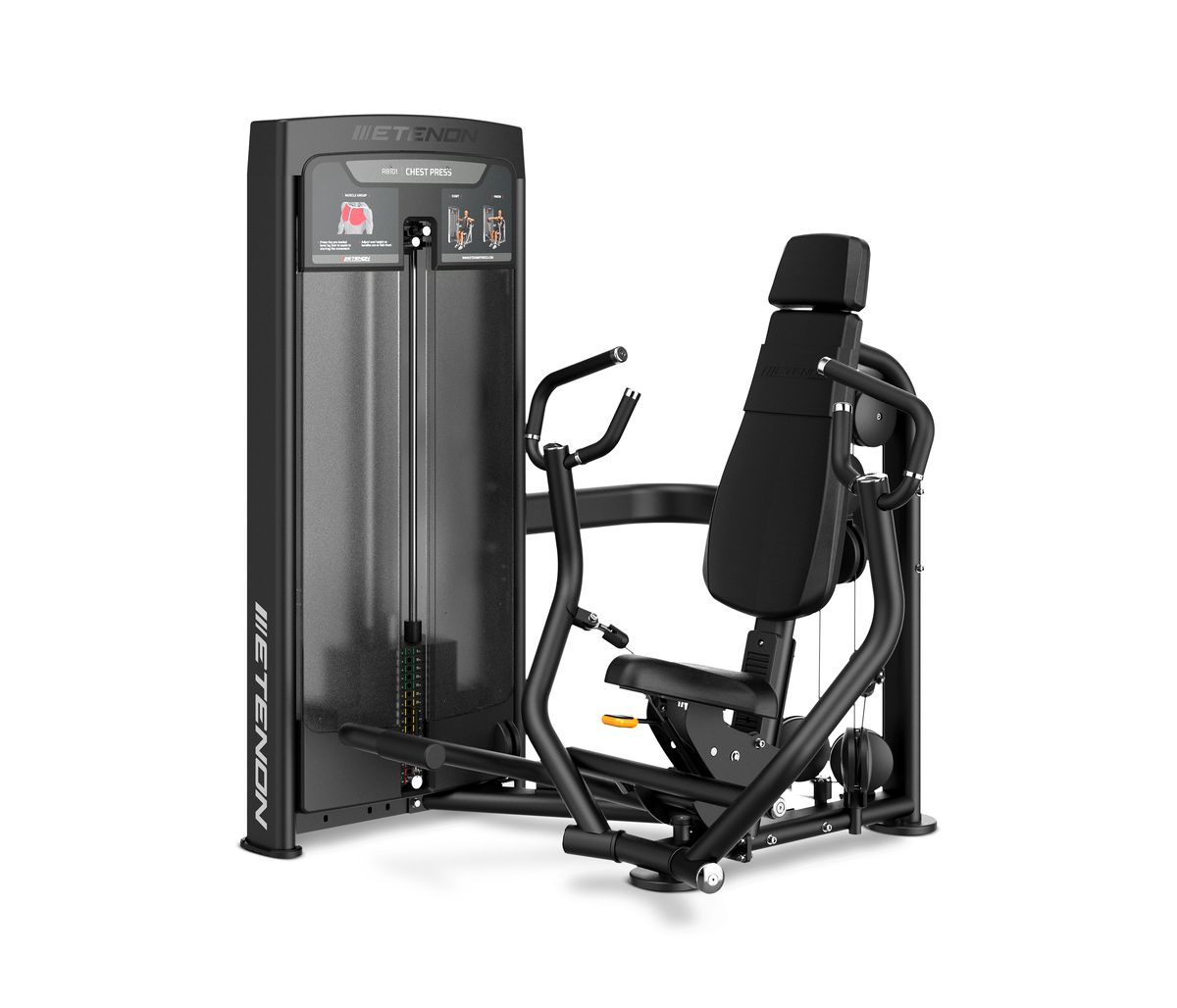
Etenon R8101 selectorised chest press with converging arms to Pinterest (opens in a new window)Save on Pinterest : Etenon R8101 selectorised chest press with converging arms
![Etenon R8101 selectorised chest press with converging arms]()
 Add to cartMORE INFO
Etenon R8101 selectorised chest press with converging arms
3,450.00 € excl. VAT -
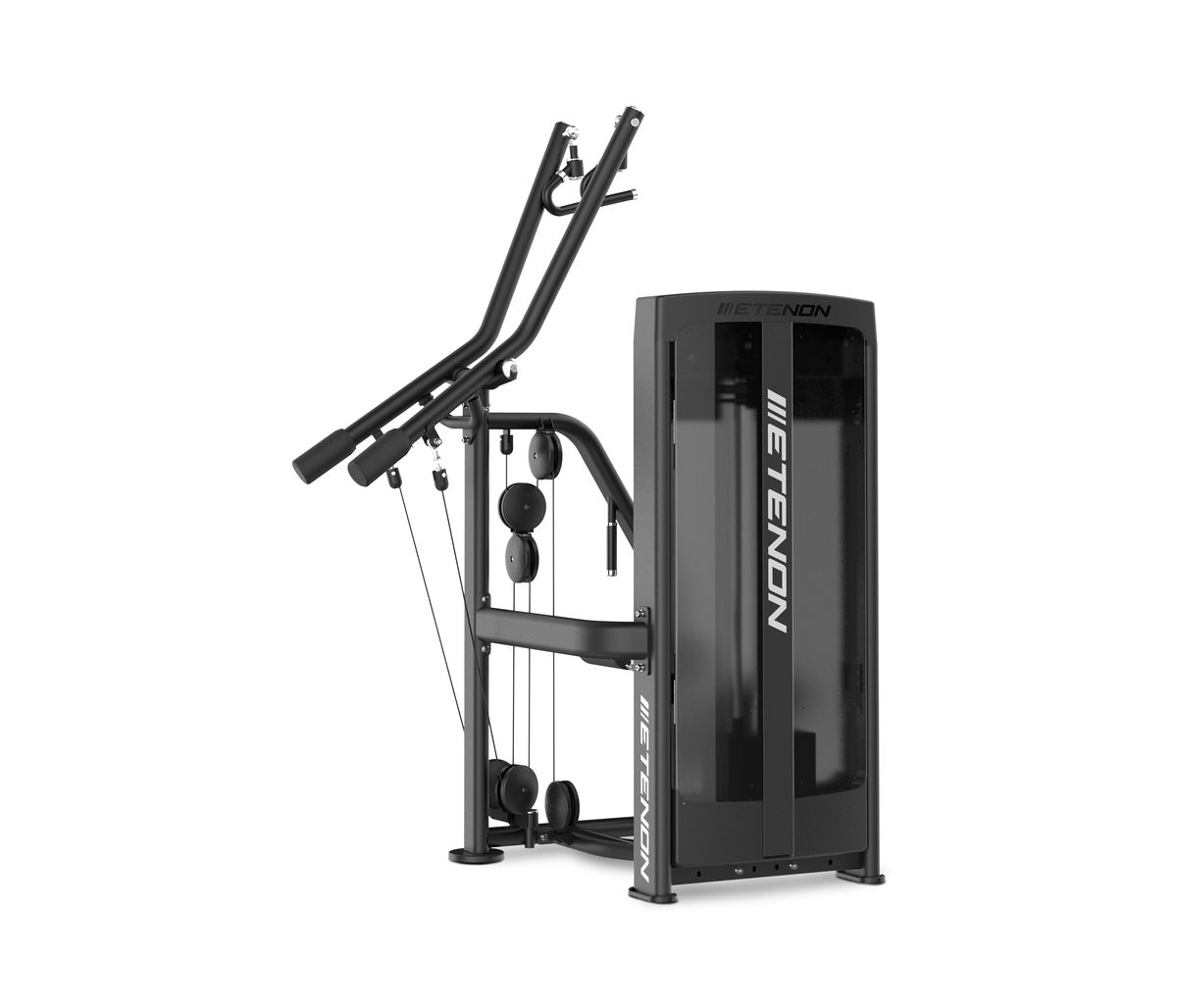
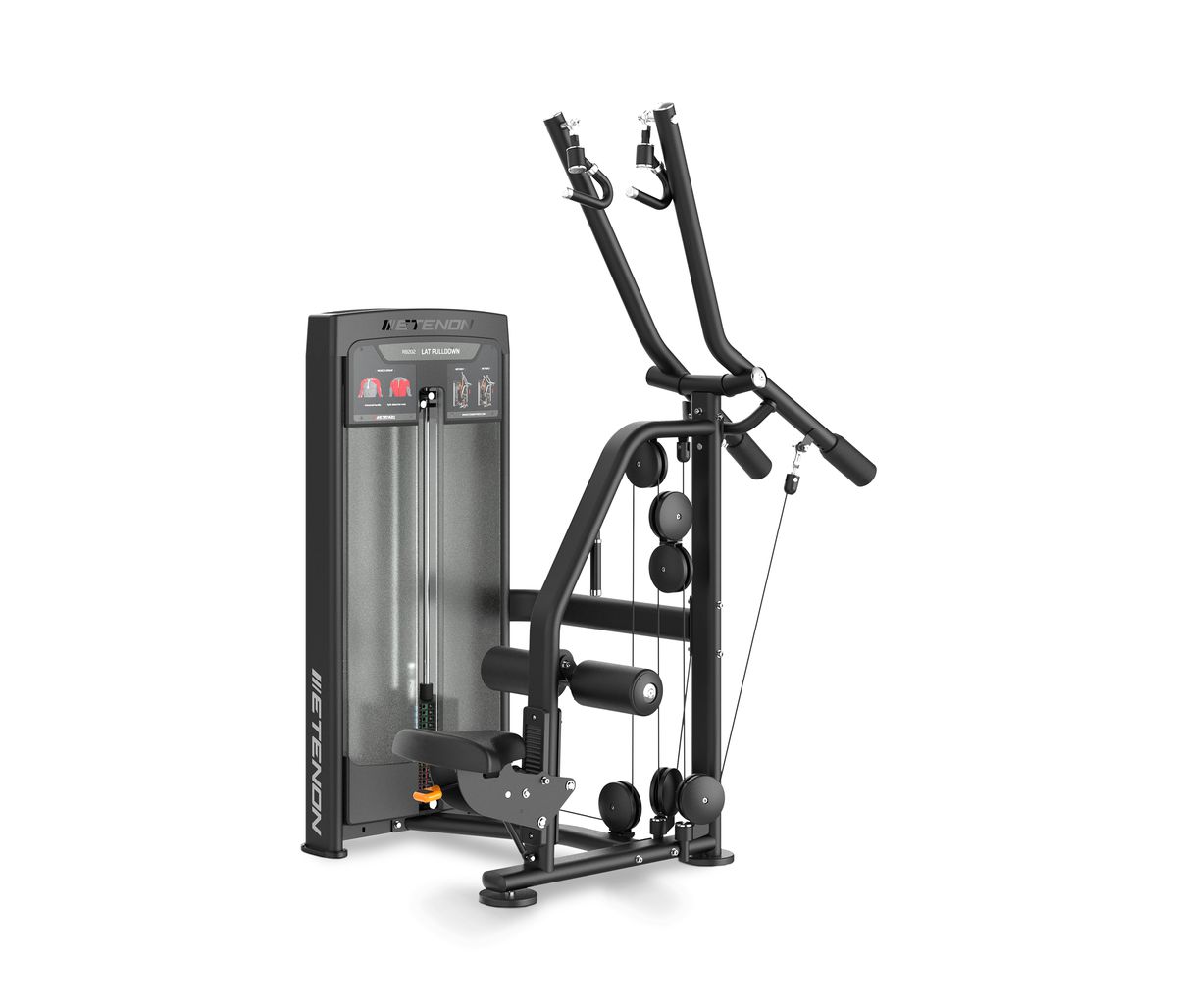
Etenon R8202 Iso-Lateral Lat Pulldown, Independent Arms and Three Grips Supplied to Pinterest (opens in a new window)Save on Pinterest : Etenon R8202 Iso-Lateral Lat Pulldown, Independent Arms and Three Grips Supplied
![Etenon R8202 Iso-Lateral Lat Pulldown, Independent Arms and Three Grips Supplied]()
 Add to cartMORE INFO
Etenon R8202 Iso-Lateral Lat Pulldown, Independent Arms and Three Grips Supplied
3,750.00 € excl. VAT -
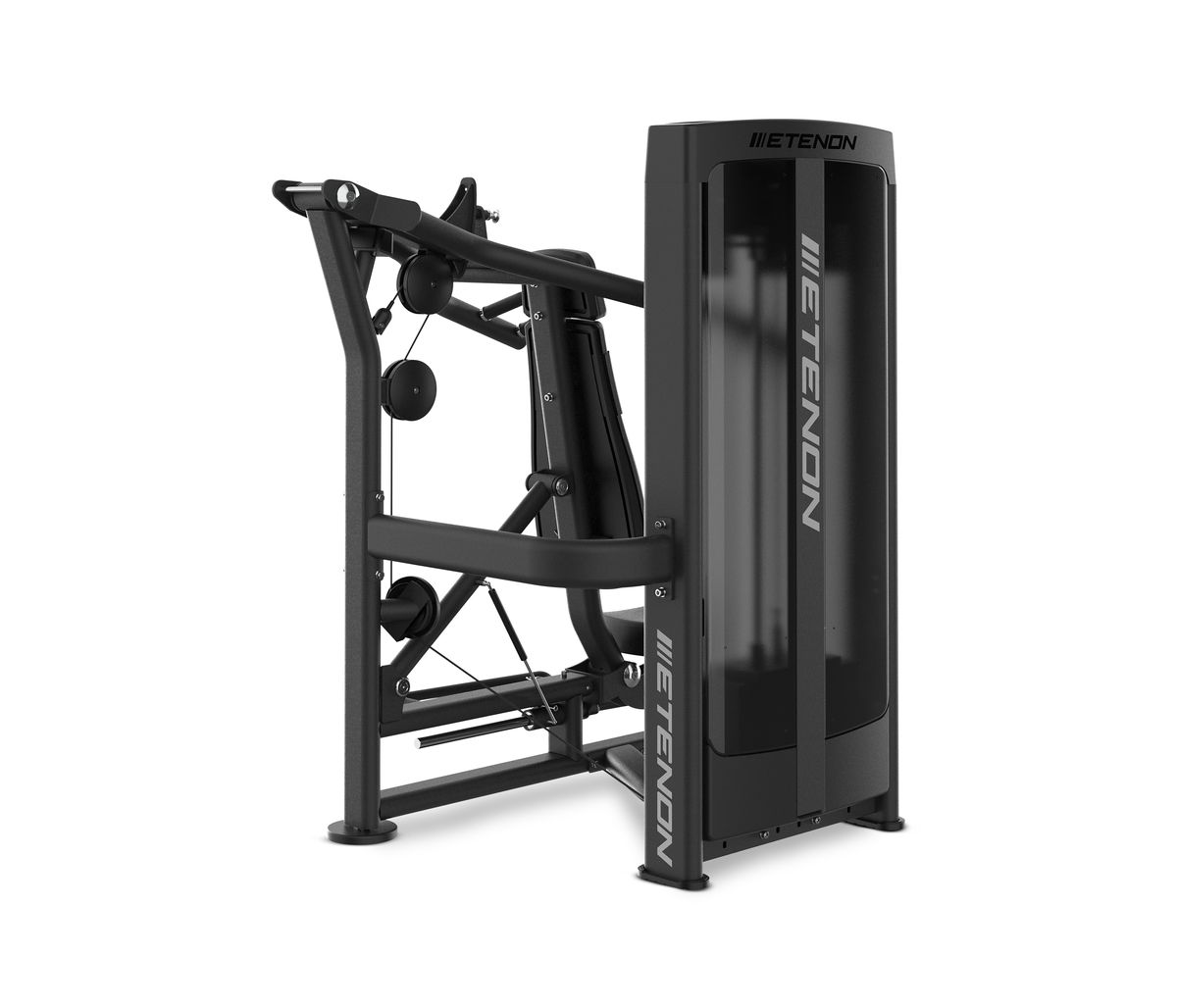
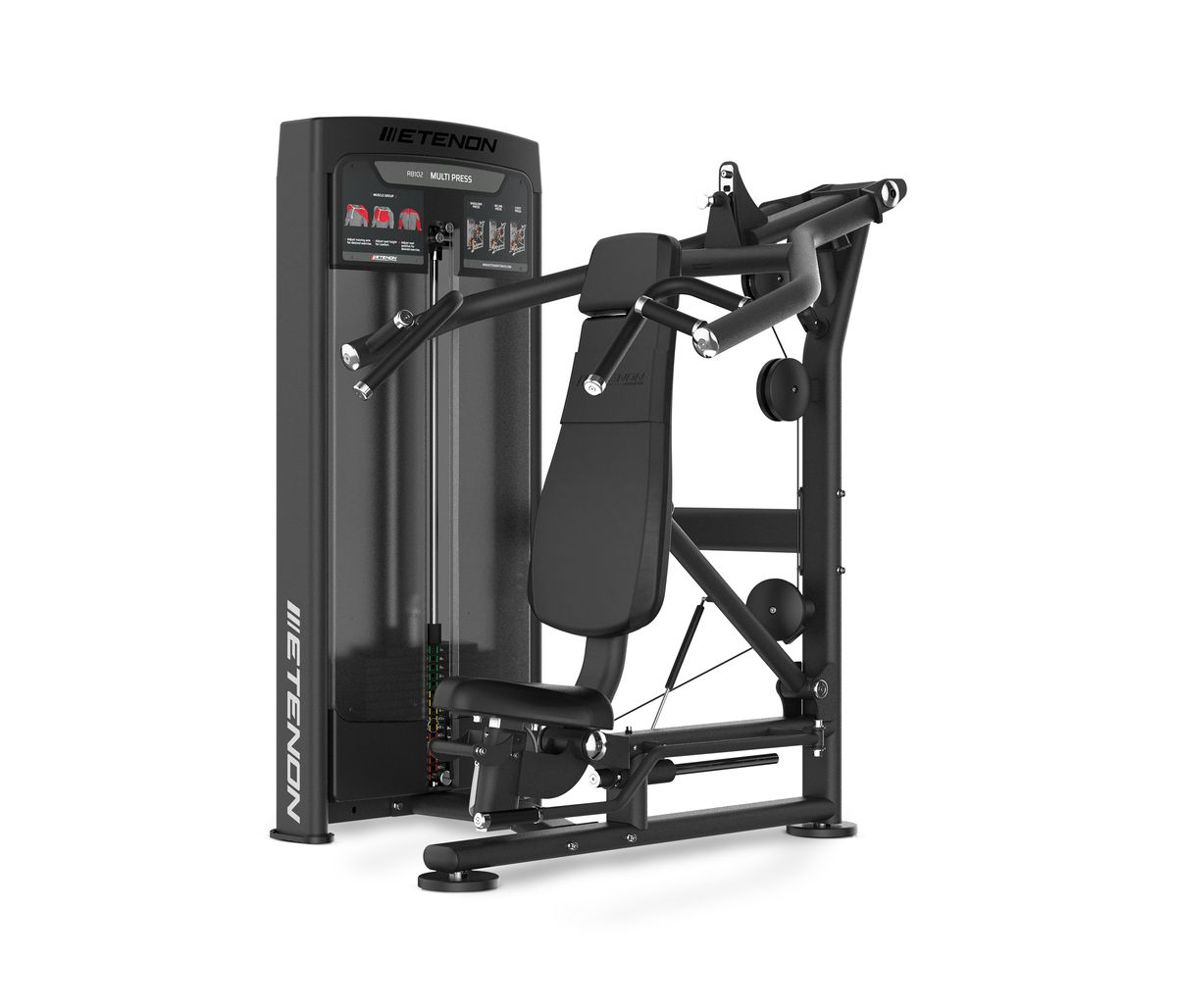
Etenon R8102 Chest and Shoulder Press, Three in One Iso-Lateral Selectorised Machine to Pinterest (opens in a new window)Save on Pinterest : Etenon R8102 Chest and Shoulder Press, Three in One Iso-Lateral Selectorised Machine
![Etenon R8102 Chest and Shoulder Press, Three in One Iso-Lateral Selectorised Machine]()
 Add to cartMORE INFO
Etenon R8102 Chest and Shoulder Press, Three in One Iso-Lateral Selectorised Machine
3,750.00 € excl. VAT -
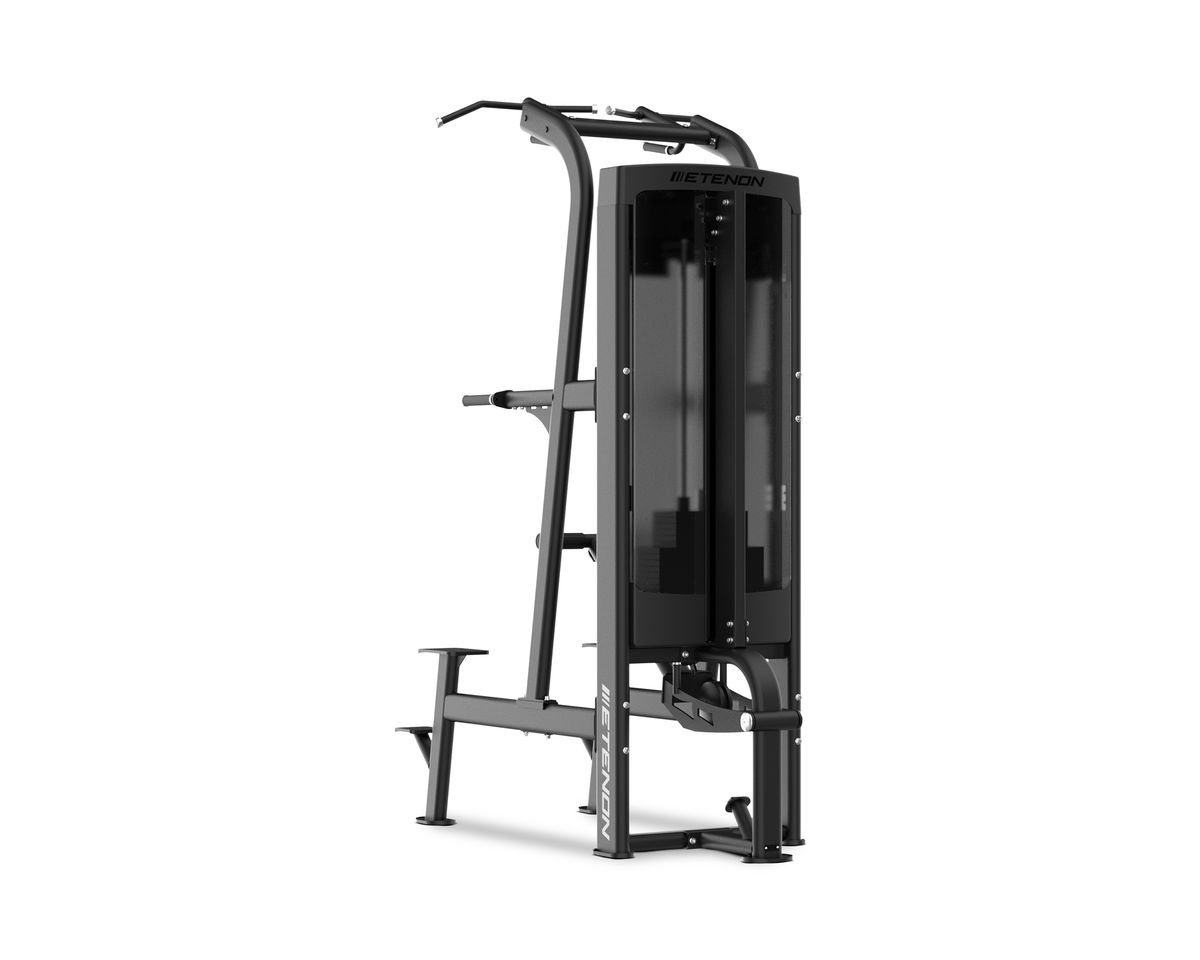
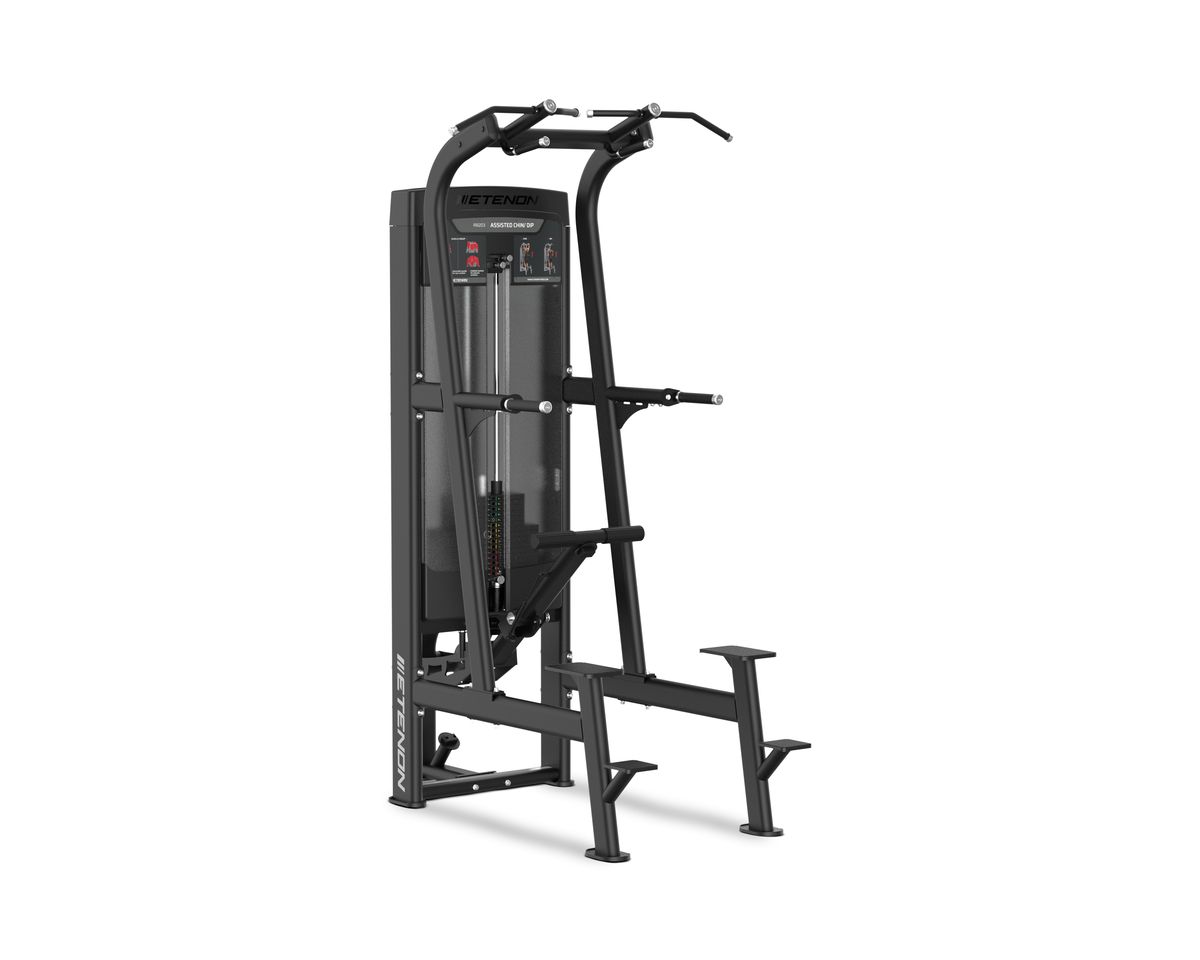
Etenon R8203 Assisted Pull-Up and Dip Station, Selectorised Counterweight and Retractable Platform to Pinterest (opens in a new window)Save on Pinterest : Etenon R8203 Assisted Pull-Up and Dip Station, Selectorised Counterweight and Retractable Platform
![Etenon R8203 Assisted Pull-Up and Dip Station, Selectorised Counterweight and Retractable Platform]()
 Add to cartMORE INFO
Etenon R8203 Assisted Pull-Up and Dip Station, Selectorised Counterweight and Retractable Platform
3,850.00 € excl. VAT
Related products
-
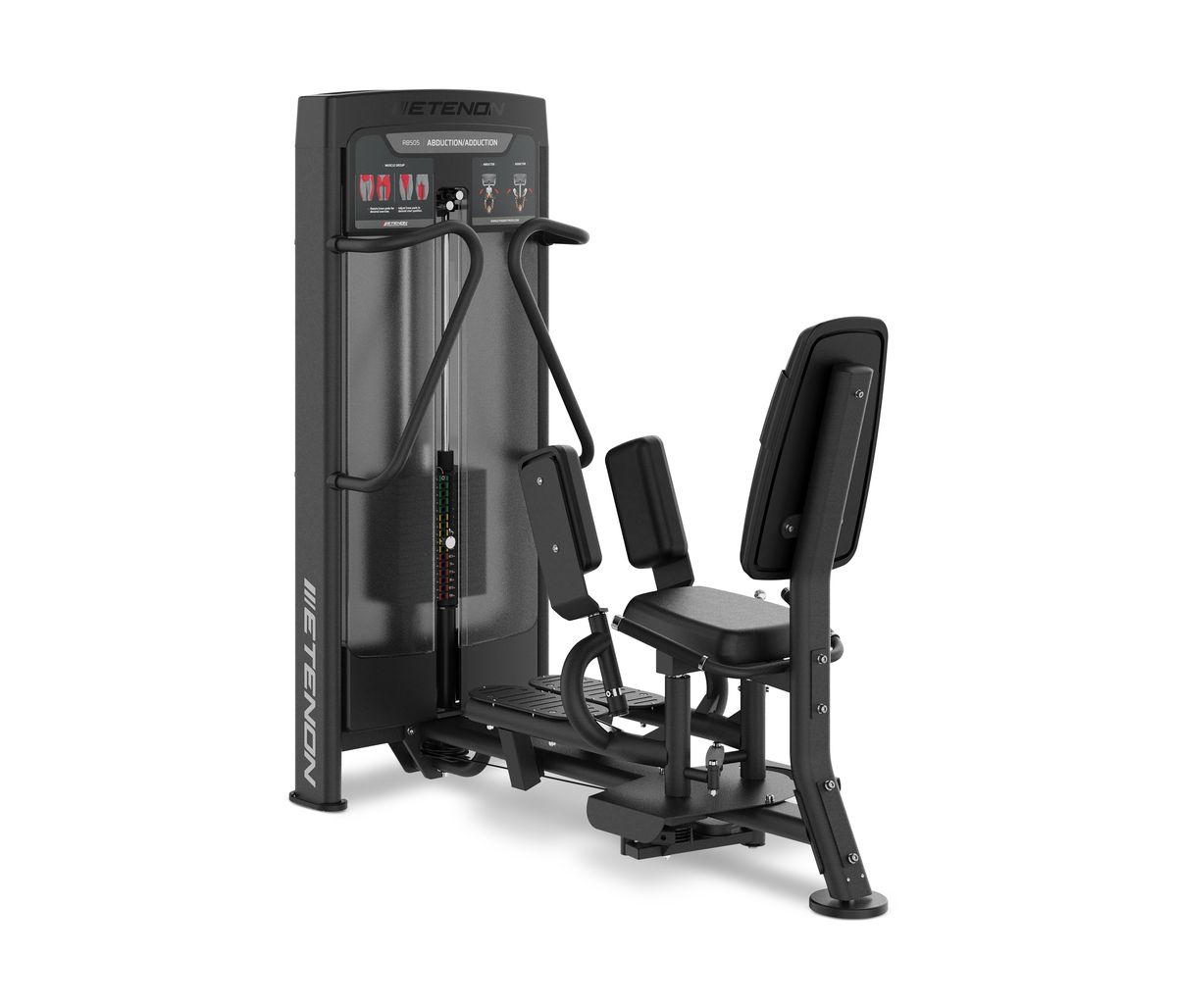
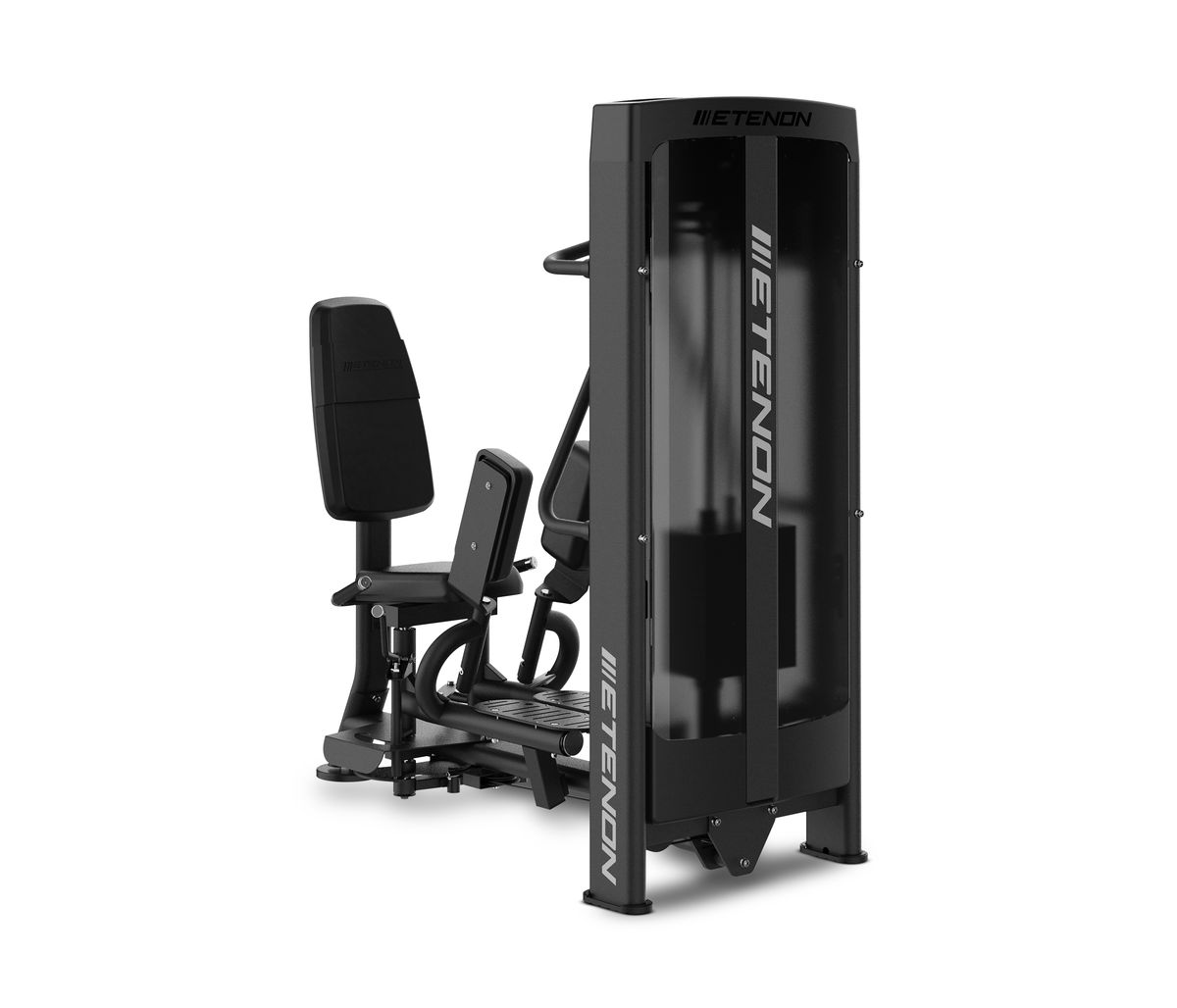
Etenon R8505 Dual Abductor and Adductor Machine, 105 Degree Backrest and Pivoting Supports to Pinterest (opens in a new window)Save on Pinterest : Etenon R8505 Dual Abductor and Adductor Machine, 105 Degree Backrest and Pivoting Supports
![Etenon R8505 Dual Abductor and Adductor Machine, 105 Degree Backrest and Pivoting Supports]()
 Add to cartMORE INFO
Etenon R8505 Dual Abductor and Adductor Machine, 105 Degree Backrest and Pivoting Supports
3,850.00 € excl. VAT -
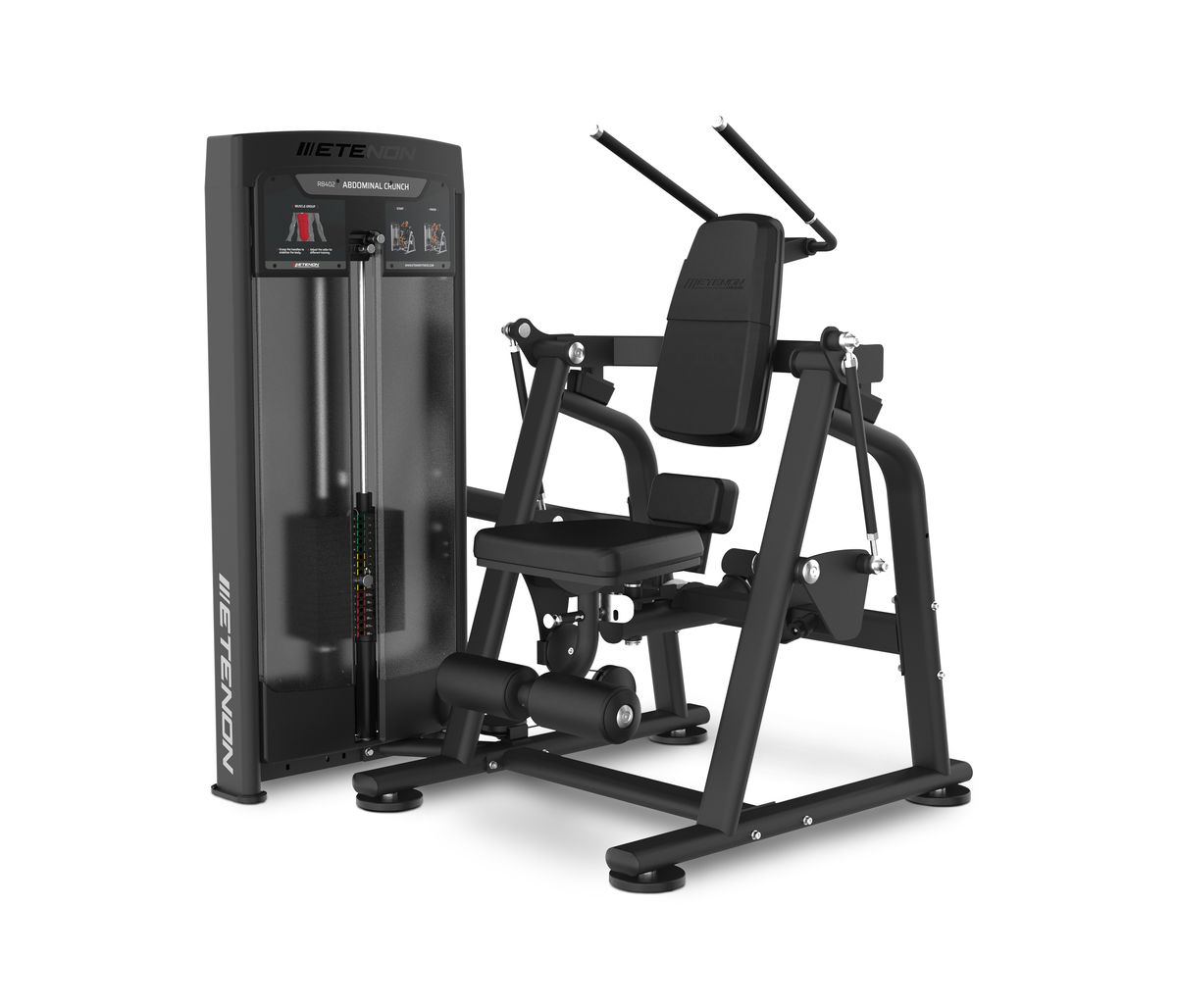
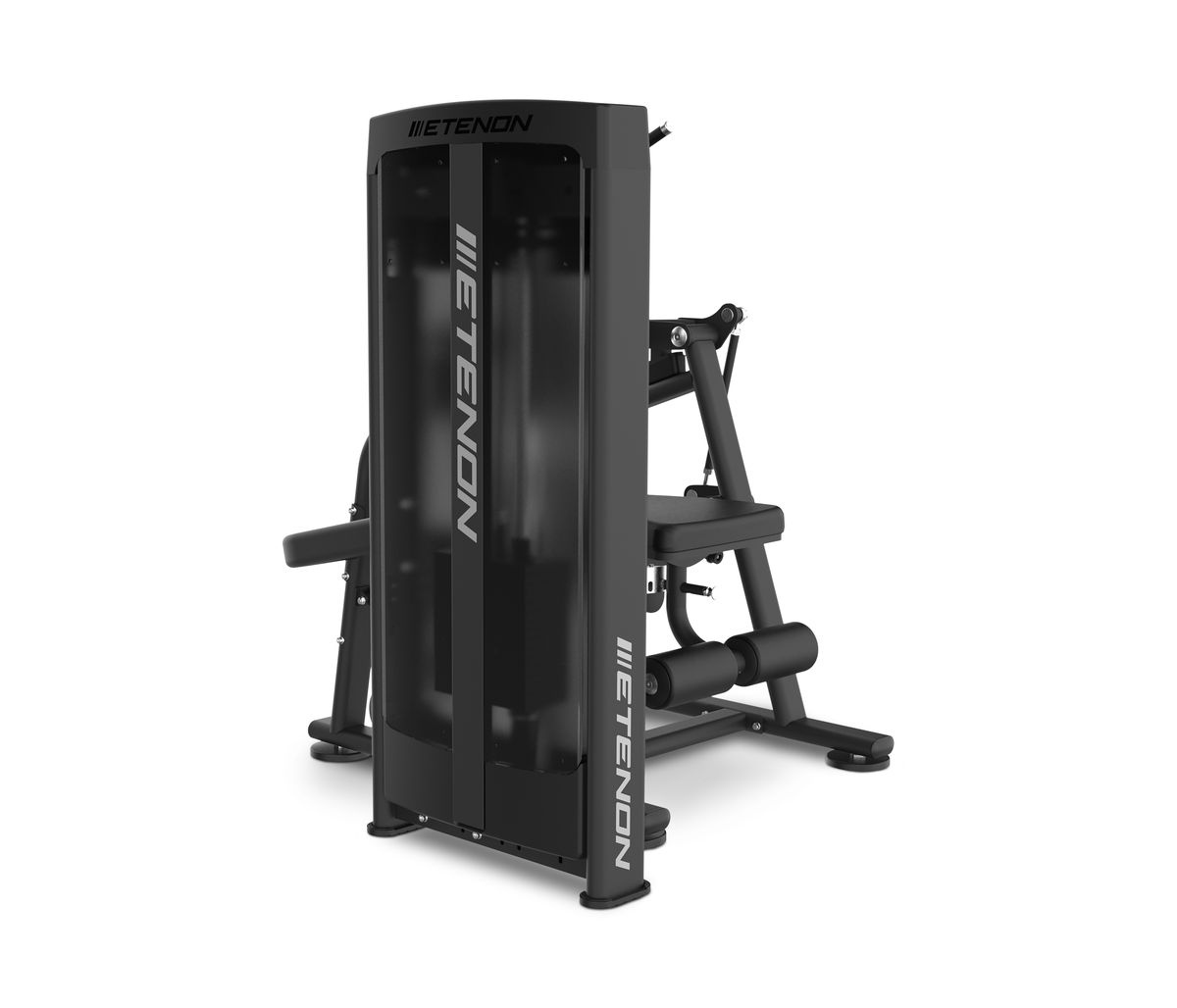
Etenon R8402 Abdominal Crunch Machine, Chest Strap and Three Position Pivoting Seat to Pinterest (opens in a new window)Save on Pinterest : Etenon R8402 Abdominal Crunch Machine, Chest Strap and Three Position Pivoting Seat
![Etenon R8402 Abdominal Crunch Machine, Chest Strap and Three Position Pivoting Seat]()
 Add to cartMORE INFO
Etenon R8402 Abdominal Crunch Machine, Chest Strap and Three Position Pivoting Seat
3,680.00 € excl. VAT -
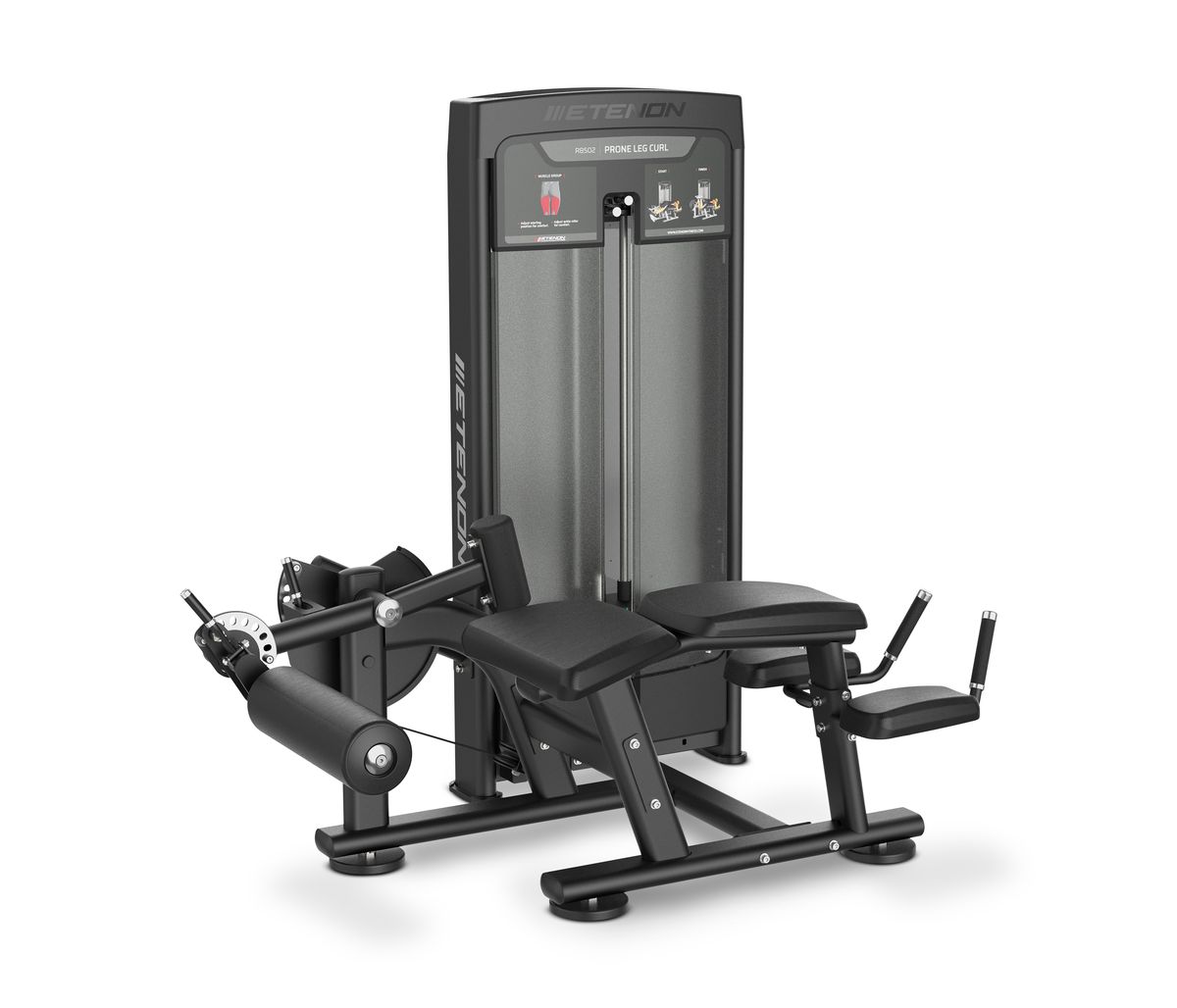
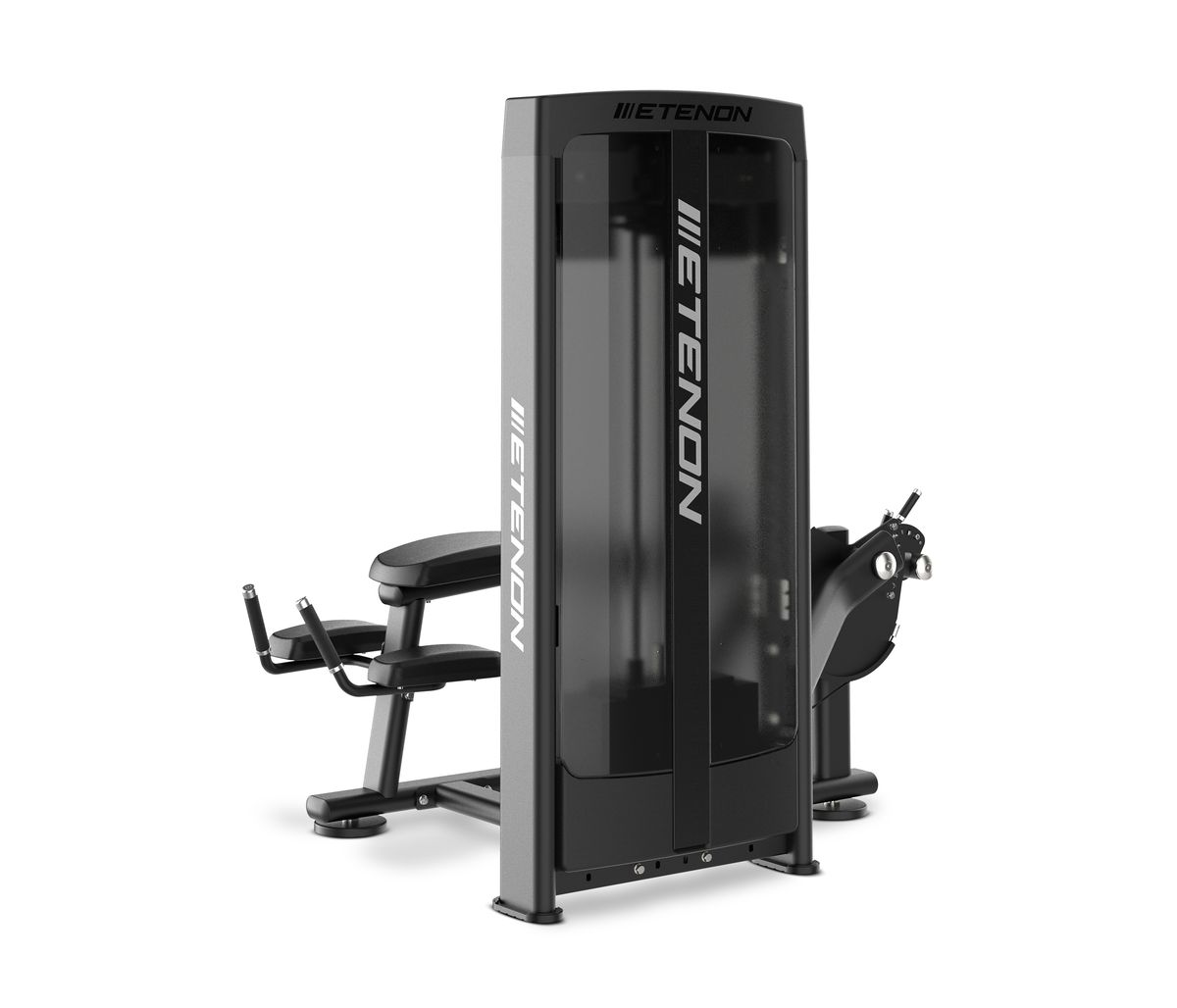
Etenon R8502 Lying Leg Curl, Counterbalanced Arm for Hamstring Isolation to Pinterest (opens in a new window)Save on Pinterest : Etenon R8502 Lying Leg Curl, Counterbalanced Arm for Hamstring Isolation
![Etenon R8502 Lying Leg Curl, Counterbalanced Arm for Hamstring Isolation]()
 Add to cartMORE INFO
Etenon R8502 Lying Leg Curl, Counterbalanced Arm for Hamstring Isolation
3,450.00 € excl. VAT