Loss of Strength During Training: What to Do When Members Stall

Every regular gym user has bad days, sessions where lying down and sleeping deeply looks far more appealing than training. An occasional dip in strength is nothing to worry about. When it becomes a pattern, though, it needs a cause. Most of the time the culprit is physical or mental fatigue, or training that is simply too intense for the current recovery capacity. For club operators and coaches, understanding this matters commercially as well as physiologically: members who stall lose motivation, and members who lose motivation cancel. Here is what sits behind a loss of strength and how to address it.
Loss of strength during training: the usual causes
A lack of strength is rarely the problem itself. It is a symptom, and the list of what it points to is fairly short:
- lack of sleep;
- disrupted recovery;
- training that is too intense;
- an unsuitable diet;
- unsuitable supplementation;
- a significant vitamin and mineral deficiency;
- hormonal disorders;
- prolonged stress in personal or professional life, which raises prolactin and cortisol.
Beginners in particular, though not only beginners, struggle to assess and diagnose themselves. People with years of gym experience generally handle it far better. Consulting a doctor, a dietitian or a personal trainer remains the most reliable way to identify the reason for the energy slump and deal with it properly.
That said, frequent energy crashes that stop someone training are most often dietary in origin.
A poorly chosen diet and supplementation plan can lead to:
- sleep disorders and insomnia;
- disruption of the recovery process;
- lack of energy during training;
- reduced appetite;
- difficulty concentrating;
- fatigue and overtraining;
- poor physical and mental condition.
When physical activity is the counterweight to a working day, nutrition has to be adjusted accordingly. Personal trainers, dietitians and properly formulated products all have a role to play.
How do you deal with losing strength at the gym?
What do you do when strength drops mid-programme but stopping is not an option? One workable answer is a well-chosen pre-workout supplement, in other words a stimulant formulation. These products typically contain caffeine, taurine, arginine, beta-alanine and plant extracts.
Loss of strength and diet
The key to progress is a sound training plan, sleep and good nutrition. When the nutrition programme genuinely fits the person and their lifestyle, effective training becomes possible. For the body to function correctly it needs adequate macronutrients per kilogram of bodyweight, together with vitamins and minerals.
When it is hard to eat enough, supplements help: vitamin and mineral complexes, protein and carbohydrate supplements, amino acids. It is worth remembering that an adequate vitamin status supports hormonal balance, which in turn governs how the whole body operates.
What should you eat when energy is low?
Poor nutrition is very often at the root of a strength slump, and there are well-established foods that help when energy runs out during a session. The glycaemic index of what is eaten matters a great deal, and that index depends not only on the composition of a dish but also on how it is prepared.
What to eat for more energy:
- complex carbohydrates such as groats, rice and pasta;
- lean meat such as turkey and chicken breast;
- vegetables and fruit such as bananas, apples and strawberries;
- oats;
- peanut butter.
What this means for a gym operator
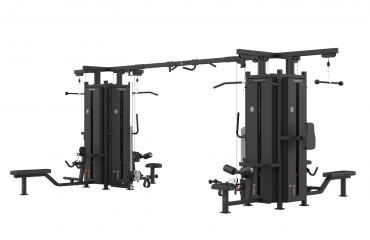
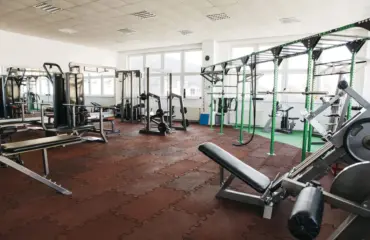
Members who plateau blame the club before they blame their sleep. Two operational levers make a measurable difference. The first is programming variety: a floor where every member does the same three machines produces stagnation, whereas a mix of guided strength training machines and varied cardio equipment lets coaches rotate stimulus and manage load properly. The second is a genuine recovery offer, even a modest stretching and mobility corner, which signals that recovery is part of training rather than a lack of it.
Frequently asked questions
Is a drop in strength always overtraining?
No. Overtraining is one possible cause among several. Sleep debt, an inadequate diet, prolonged stress and underlying medical issues produce the same visible result, which is why self-diagnosis is unreliable.
Should a club recommend supplements?
Advice on supplementation belongs to qualified professionals. A club can host a dietitian or refer members to one, but staff should not improvise nutritional prescriptions.
How long should a deload last?
That depends on the individual and the programme, and it should be set by the coach following the athlete rather than by a fixed rule.
Equip a floor that keeps members progressing
Programming solves part of the problem; the equipment mix solves the other part. Tell us about your membership profile and the surface you have available, and we will propose an equipment schedule built for progression rather than for a catalogue page. Request a quote and we will work through it with you.