How to Buy Professional Strength Equipment from Light In Fitness
Buying strength equipment for a commercial site is not a shopping exercise, it is a specification exercise. A club, a hotel, a municipal facility or a rehabilitation centre each need a different mix, and the wrong mix is expensive to correct once the floor is laid out. This guide sets out how the purchase works at Light In Fitness, from the first brief to the equipment being commissioned on your site.
Start from the site, not from the catalogue
The first question is never which machine, it is who trains here and how many of them at once. A members club with a peak-hour rush needs a different pulling and pressing ratio to a hotel gym used by a handful of guests, and a rehabilitation setting needs accessible loading and generous circulation before anything else. Give us the floor area, the ceiling height, the access route and the profile of your users, and the equipment list follows from that.
What the range covers
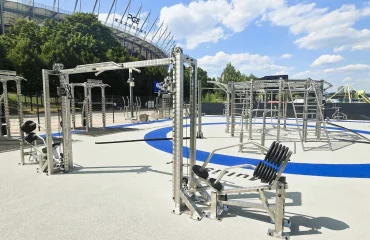
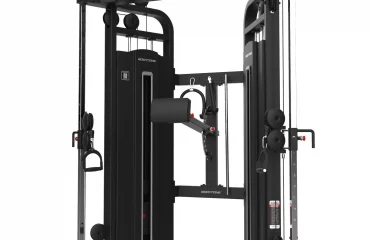
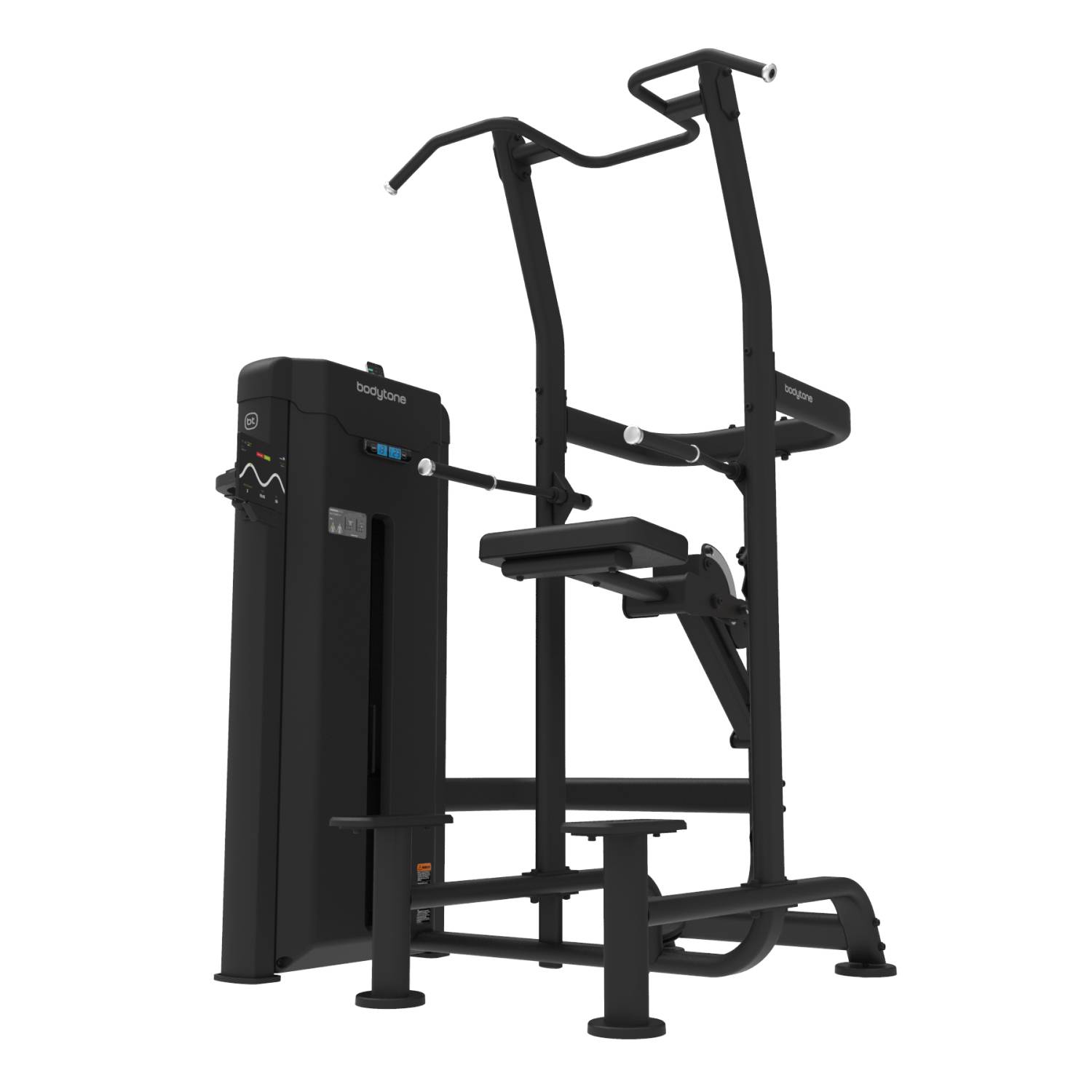
The catalogue is built for professional use throughout. On the strength side you will find selectorised and plate-loaded strength machines covering the full body, together with racks, cages, benches and multi-station units. On the endurance side the professional cardio range covers treadmills, upright and recumbent bikes, indoor cycling bikes, cross trainers, rowers, ski ergometers and stair climbers. Around both sits the accessories range: dumbbells, kettlebells, olympic barbells, plates and bumpers, functional training kit and gym flooring.
The brands on the floor
Light In Fitness distributes its own lines alongside Lexco, Bodytone, Xebex, Ziva and Toroz. Mixing brands across a floor is normal and often the right answer, but it needs to be deliberate: loading increments, upholstery colours and footprint conventions differ between manufacturers, and we align them at the specification stage rather than leaving you to discover the mismatch at installation.
How the purchase actually runs
The process is deliberately short. You send a brief, we return a costed proposal with a layout, you adjust it, and the order is confirmed against a final equipment schedule. Along the way we check three things that buyers routinely underestimate: whether the machines physically pass through your access route, whether the floor build-up under the strength area is right for the loads involved, and whether the electrical provision matches the cardio you have chosen. Sorting those out on paper costs nothing; sorting them out on delivery day costs a great deal.
What to have ready before you ask for a quote
A dimensioned floor plan, even a rough one, is worth more than any other piece of information. Add the ceiling height, the width of the narrowest door or lift on the delivery route, your expected peak occupancy, and any equipment you are keeping. If you already have a budget envelope, say so: it lets us propose the strongest possible floor within it rather than a proposal you then have to cut back.
Frequently asked questions
Can I order a single machine rather than a full floor?
Yes. Single units are quoted the same way as a complete fit-out, and replacing one station in an existing line is a common request.
Can I mix brands in the same area?
Yes, and most floors do. The point to watch is consistency of loading increments and of footprint, which we check across the whole schedule before the order is confirmed.
Do you advise on layout as well as equipment?
Layout is part of the proposal. Circulation space, sightlines and the separation between free-weight and machine areas all shape which units are worth installing in the first place.
What about warranty and spare parts?
Warranty terms differ by manufacturer and by component, so they are stated explicitly on your quotation for each line rather than summarised here.
Getting a proposal for your site
The fastest route to an accurate figure is to send us the plan and the user profile and let us build the schedule around them. Request a quote and our team will come back with an equipment list, a layout and delivery arrangements for your market.