How to Buy Professional Strength Equipment from Light In Fitness
Buying strength equipment for a facility is not the same exercise as buying a single machine for yourself. A gym operator, a hotel, a local authority, a club, a rehabilitation centre or an armed forces base is buying a configuration: a set of stations that has to cover the muscle groups, fit the floor area, survive the duty cycle and stay serviceable for years. This page explains how that purchase works at Light In Fitness, from the first conversation to installation.
Start from the project, not from the catalogue
Before any reference is discussed, four things need to be on the table: the type of facility and who will use it, the usable floor area and its constraints, the expected daily hours of use, and the budget envelope. Everything else follows from those. A hotel gym used by a handful of guests each morning, a municipal hall open all day and a performance club with a competition membership call for very different machines even when the exercises are identical.
This is also the point at which the muscle-group coverage is decided. A strength area that leaves a pattern uncovered, typically knee flexion, hip work or vertical pulling, pushes members towards the machines that are already busy and leaves the training programme incomplete.
The ranges available
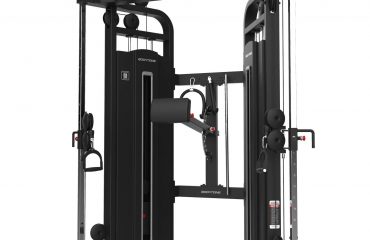
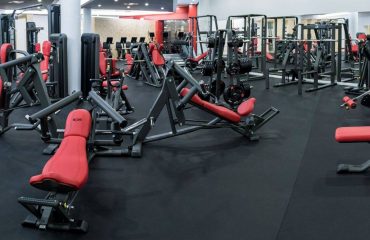
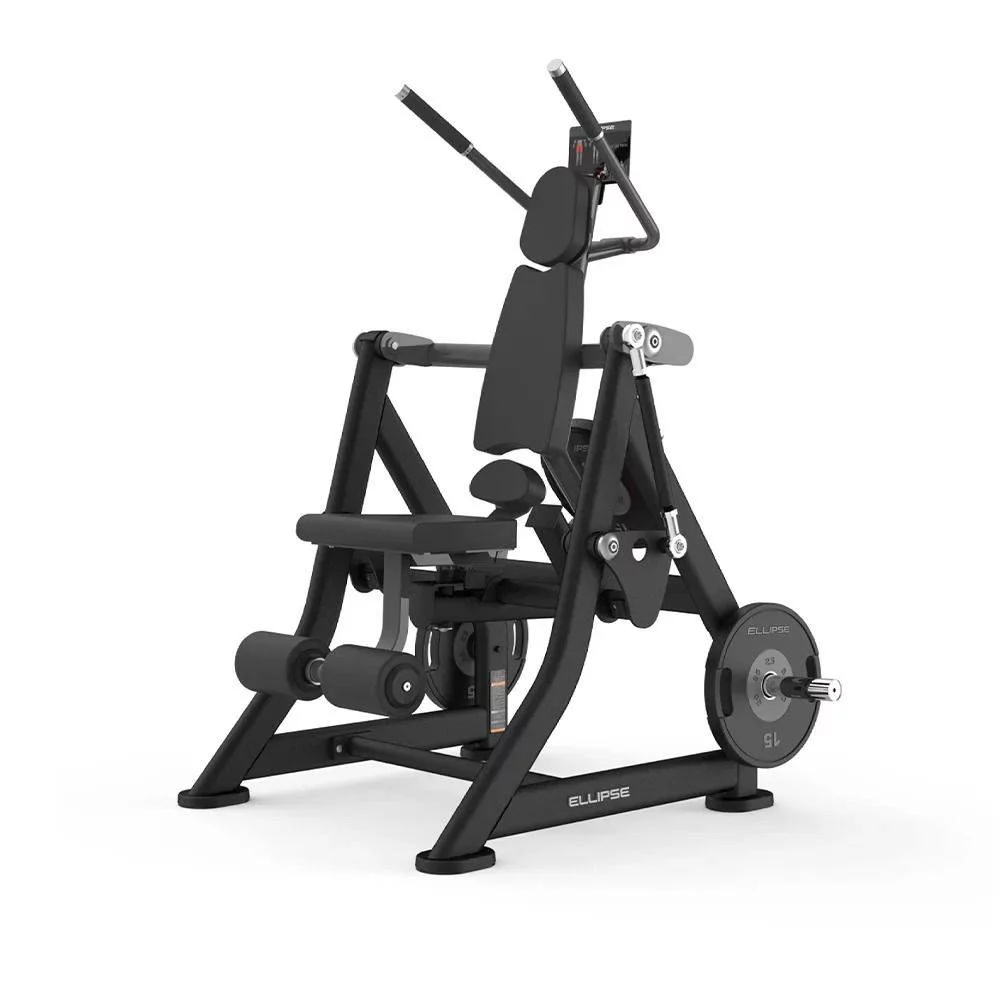
Strength. Our professional strength machines cover selectorised stations, plate-loaded machines, multi-stations, racks, cages and benches, in ranges built for continuous commercial use.
Cardio. Treadmills, exercise bikes, indoor cycling bikes, cross trainers, rowing and ski ergometers and stair climbers make up the professional cardio range.
Functional and cross training. Rigs and racks, storage, barbells, plates, dumbbells and kettlebells for functional zones and boxes.
Flooring, outdoor and wellness. Rubber flooring and tiles, outdoor fitness trails and street workout structures, playground equipment, saunas and cold plunge baths, so that a whole site can be equipped from one supplier rather than five.
The brands we distribute
Alongside our own Light In Fitness lines, we distribute Bodytone, Lexco, Ziva and Xebex. Each range has a place: some are built around a general membership and easy adjustment, others around heavy loading and a performance audience. Part of our job in a project is saying which range fits which zone, rather than pushing a single brand across the whole floor.
Technical advice, layout and compliance
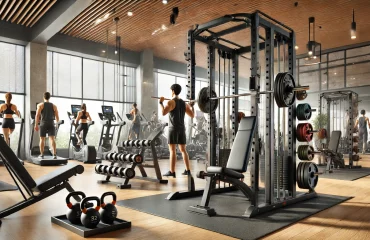
Equipment selection is only half the work. Our team also works on the layout: how many stations a zone can absorb, the circulation between them, the safety clearances, the flooring underneath and the order in which the area is used. On larger projects that includes a floor plan before anything is ordered.
On compliance, indoor equipment for a facility open to the public should be built and certified to EN ISO 20957-1 class S, the class written for supervised professional installations. Class I is the professional class covering inclusive access, a different scope rather than a level above class S. Outdoor adult fitness equipment falls under EN 16630, and children playground equipment under EN 1176-1 with impact-attenuating surfacing under EN 1177. We will tell you which standard applies to which part of your project, and what documentation to expect with the delivery.
Beyond the specification, national and local rules on public access, fire behaviour of materials and accessibility apply in the country where the facility is located. Check those with your own authority having jurisdiction at the design stage rather than after the equipment arrives.
From enquiry to installation
- Brief. Tell us the facility type, the area, the number of users and the budget. Plans and photographs help more than a list of references.
- Proposal. We come back with a configuration, the corresponding references and a layout, with alternatives where a range choice is genuinely open.
- Quotation. A costed quotation covering the equipment, the accessories that are usually forgotten (handles, storage, flooring) and the logistics for your site.
- Order and delivery. Lead times depend on the ranges selected and on the destination country, and are confirmed in writing with the order rather than promised in advance.
- Installation and handover. Assembly, positioning against the agreed plan, and the documentation for your maintenance file.
Frequently asked questions
Do you supply single machines or only complete projects?
Both. A single replacement station and a complete turnkey facility go through the same specification process, only at a different scale.
Can you advise on the equipment mix for our membership?
Yes. That advice is technical and commercial: which stations cover which patterns, what an area can physically absorb, and where a range choice will and will not make a difference. Programming the training itself remains the job of your own coaching team.
What information should we send with an enquiry?
The type of facility, a plan or the dimensions of the room including ceiling height, the expected number of users and peak hours, any equipment already in place, and the budget range. That is enough for a first proposal.
Do you work with public bodies and tenders?
Yes. Local authorities, schools, clubs, rehabilitation centres and armed forces are a regular part of our order book, and we can supply the technical documentation a tender file requires.
Next step
Send us the project rather than a shopping list, and we will come back with a configuration that fits the site. Request a quote and our team will take it from there.