Strength training for women: the equipment brief for gym operators
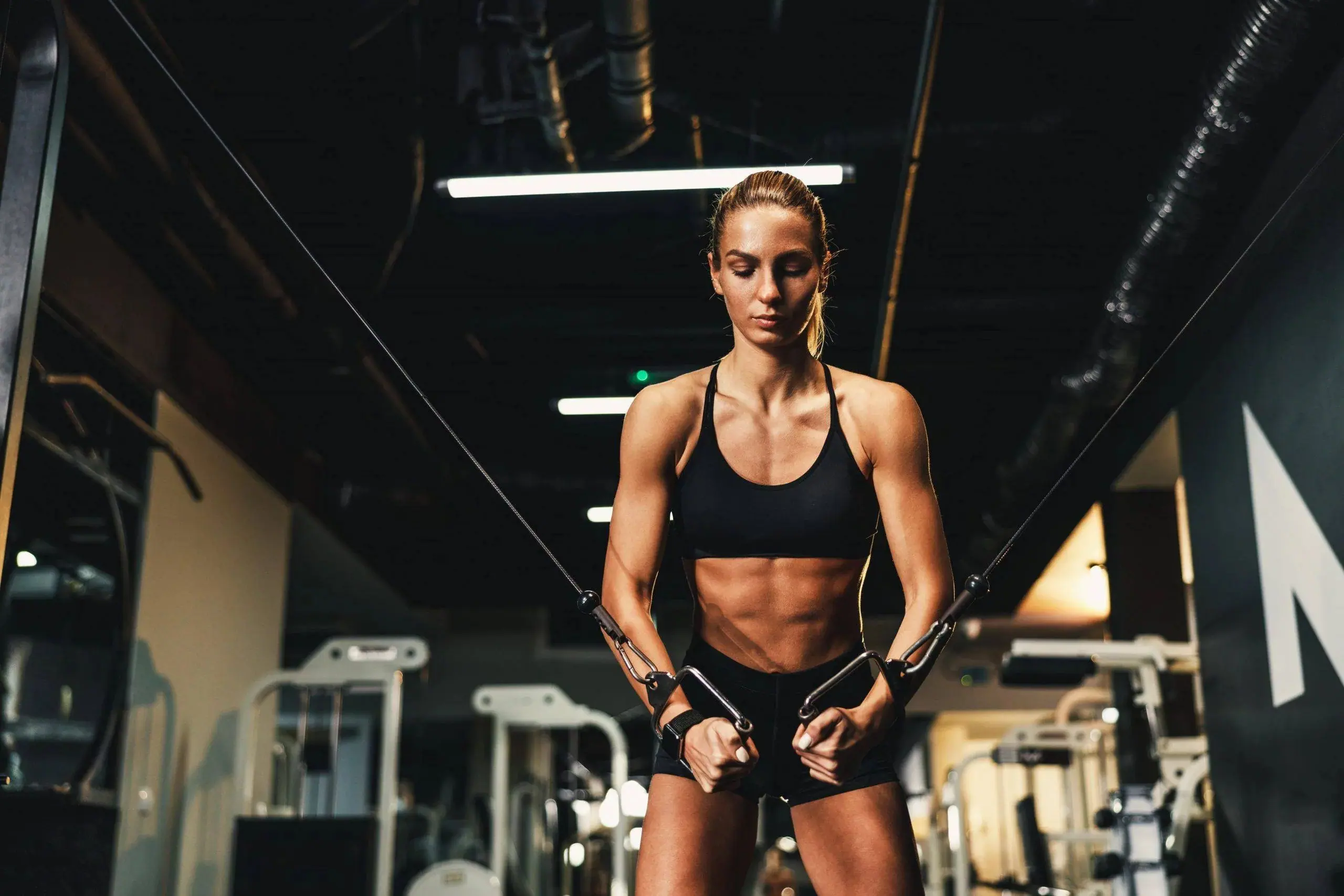
Women are now a decisive share of the paying membership on almost every commercial gym floor, and an equipment brief that still treats resistance training as a male activity is the brief that loses renewals. The old objection, that lifting will make a woman look masculine, is not a training reality: without pharmacological help and a large calorie surplus, resistance work produces a firmer, stronger, better conditioned body, not a bulky one. What it does produce, for an operator, is demand: for floor space, for loading options, and for machines that fit a wider range of body sizes than the equipment specified fifteen years ago.
Why the old objection still costs you money
Every member who believes that strength work will ruin their shape stays on the cardio deck, plateaus, and leaves. The commercial consequence is a shorter average membership life on a segment that is often the most loyal one you have. Correcting the belief is partly a coaching job, but it is also a layout job. A strength area that is visibly usable by everyone, well lit, not tucked behind the free weight zone, and equipped with machines that adjust down as well as up, does more to convert hesitant members than any poster campaign.
Compound movements are not a men’s category
Squats, hip hinges, presses and pulls are the fastest route to general strength, and general strength is what makes every other session productive. They also load the trunk hard, which is exactly what stabilisation work is for, and they carry a high energy cost per session because the whole body is recruited. None of that is sex specific. The equipment consequence is straightforward: racks, adjustable benches, a lifting platform if you take barbell work seriously, and enough clear floor around each of them for a coach to stand and correct a position.
Free weights and loaded carries
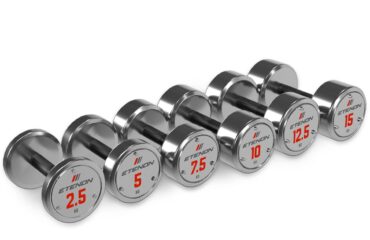
Dumbbells and professional kettlebells remove the support that a machine provides. The user has to hold the position together herself, which recruits the trunk, the scapular stabilisers and the feet at the same time as the prime movers. Bodyweight work follows the same logic and needs almost no equipment beyond a rig and a mat, which makes it the cheapest way to widen what a small floor can offer. Both belong in the brief alongside machines, not instead of them.
Machines that actually fit a wider range of users
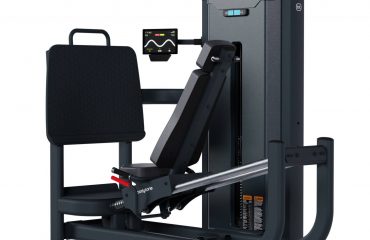
The single most useful specification question when you extend a strength area is adjustability. Seat height range, back pad and start position adjustment, handle spacing, and the size of the increment on the weight stack all decide whether a lighter or shorter user can train productively on the same machine as a heavier one. A stack whose smallest step is a large relative jump for a light user makes progression impossible; add on plates that halve the increment solve it cheaply. Our professional strength training machines are specified with that adjustment range in mind, and the glute and hip focused stations cover the movements that draw this segment onto the floor in the first place.
Layout: what changes in practice
Three changes cover most of it. Put at least one rack or half rack where it is visible from the entrance rather than in the far corner, so that using it does not feel like crossing a territory. Keep an uncluttered induction area where a coach can run a first session without an audience. And place the mobility and floor work zone next to the strength area rather than next to the studio, so that warm up and main session happen in the same place.
Specification and standards
Everything that goes into a staffed, publicly accessible gym is professional equipment. For indoor machines that means EN ISO 20957-1 class S, which is the class written for facilities where users are supervised and the equipment is in service all day. Frames, upholstery, cable runs and bearings on class S equipment are dimensioned for that duty cycle, and warranty terms follow the same logic.
Frequently asked questions
Will strength training make female members bulky?
No. Visible hypertrophy on that scale requires a sustained calorie surplus and, in most cases, pharmacological support. What resistance training produces in normal conditions is denser, firmer muscle under the skin, better posture and better bone loading.
Do we need a separate women’s area?
Not necessarily, and a badly executed one can reinforce the very idea you are trying to remove. A better first move is to make the main strength area usable and welcoming, then decide on the basis of what your members actually ask for.
What should we buy first when budget is limited?
An adjustable rack with benches, a dumbbell set with small increments, and one or two lower body stations. That combination covers the widest range of programmes per euro invested and leaves the floor plan open.
Does this change our maintenance load?
More users on the same machines means more cycles, so the inspection interval matters more than the equipment choice. Professional class S equipment is built for that, but the checks still have to be scheduled and recorded.
Building your brief
The decision is not whether to equip for this segment, it is how much of your floor to give it and in what order to buy. Send us your floor plan, your member profile and your budget, and we will come back with a zoned layout and a costed equipment list. Request a quote and we will work through it with you.