Which Strength Training Machine Is the Most Effective?
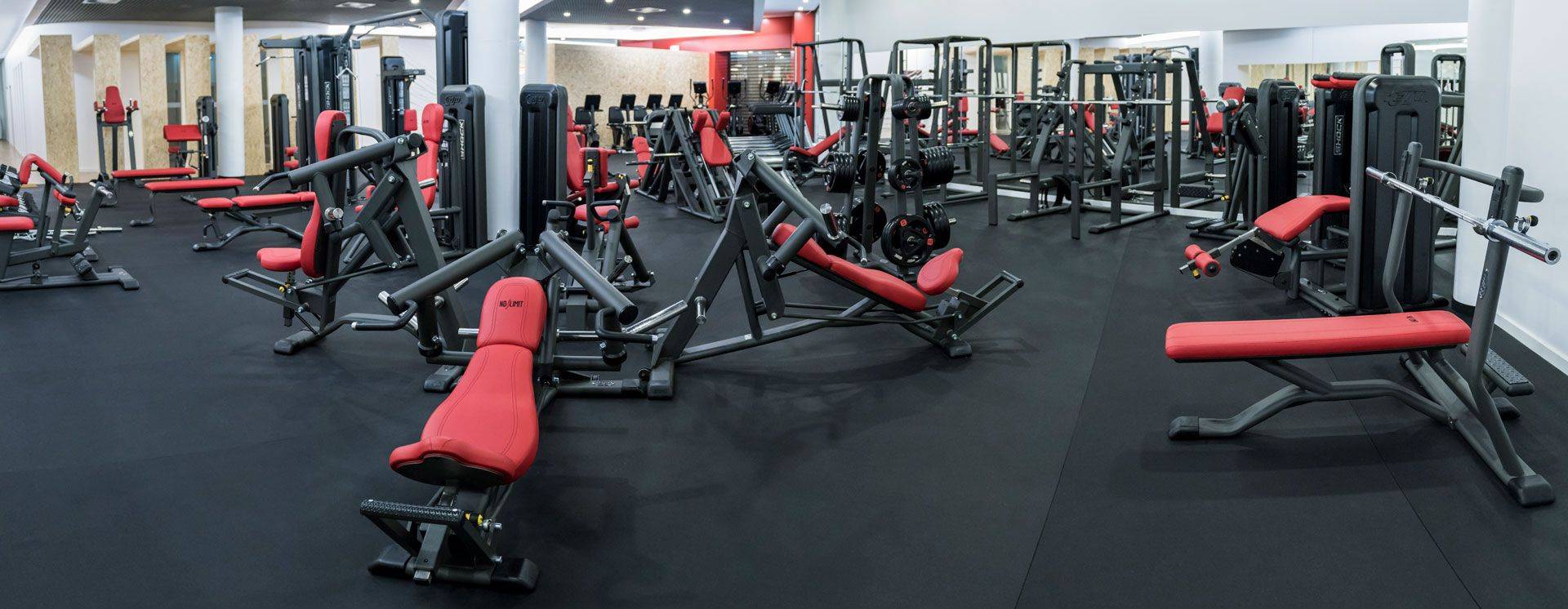
Ask ten gym operators which strength training machine is the most effective and you will get ten answers. The honest one is that no single machine wins on its own. Effectiveness depends on who trains in the room, what they are training for, and how much floor area each station can be given. What does change from one fit-out to the next is which pieces carry the most work per square metre, and that question has a usable answer.
Effective for whom? The question behind the question
A machine is effective when it puts a member under useful load safely, repeatedly, and without a queue forming behind them. Three criteria decide it in a room that opens to the public:
- Movement coverage: how many exercise patterns a single footprint delivers.
- Throughput: how quickly one user hands over to the next, including load changes and seat adjustment.
- Commercial durability: indoor equipment for professional installations is built to EN ISO 20957-1 class S. Below that class, a machine does not belong in a facility open to members.
Rank any shortlist against those three criteria and the argument about the single best machine settles itself.
The five pieces that do most of the work
| Equipment | Areas worked | What it is best at |
|---|---|---|
| Squat rack with barbell and plates | Legs, core, back | Building strength and muscle mass |
| Weight bench | Chest, shoulders, triceps | Developing the chest and the arms |
| Rowing machine | Arms, legs, back | Cardiovascular conditioning and calorie burn |
| Treadmill | Legs, cardiovascular system | Cardiovascular conditioning and calorie burn |
| Skipping rope | Legs, core | Cardiovascular conditioning and calorie burn |
Why the rack usually comes first
If a room can only be equipped in stages, the squat rack with barbell and plates is the station that justifies itself fastest. One footprint covers the legs, the core and the back, and it serves beginners on an empty bar as readily as loaded lifters. It is the closest thing a commercial floor has to a universal station, which is why the squat racks and power racks range is the usual starting point of a strength area rather than an addition to it.
The counterpart is supervision. A rack invites heavy loading, so spotter arms, clear circulation on all sides and a floor able to take dropped plates are part of the specification, not options to be added later.
The bench: upper body coverage in a small footprint
The weight bench works the chest, the shoulders and the triceps, and it does so in a footprint smaller than almost any selectorised machine. In a facility where floor area is the constraint, that ratio is what makes it effective. Adjustable models extend the same frame to incline and shoulder work, which is where the weight benches range earns its place next to the racks.
Cardio is not a compromise
Rowing machines, treadmills and skipping ropes are often treated as the filler around the strength area. In practice they carry a large share of the sessions, because they suit members who will never queue for a rack. The rowing machine is the most complete of the three: arms, legs and back in one movement, seated, low impact. The treadmill works the legs and the cardiovascular system, and the skipping rope adds legs and core for the price of a storage hook. Facilities building a conditioning zone usually start with the rowing machines and add running and free-form work around them.
What no machine can do
The equipment produces the stimulus, not the result. Optimal outcomes come from combining machine work with balanced nutrition and regular training, and members should be supervised so that they use the equipment safely and effectively. For an operator this is a staffing question as much as an equipment question: an induction session and a visible instructor on the floor change the outcome of a fit-out more than any single machine in it.
Frequently asked questions
So which machine should be bought first?
The rack, in the majority of commercial rooms. It covers the widest range of movement patterns per square metre and it is the station members cannot substitute with anything else on the floor.
Are machines better than free weights for a public facility?
They are different tools. Guided machines lower the supervision burden and suit newcomers and rehabilitation work. Racks and benches allow progression that machines cannot reproduce. Most rooms need both, in a ratio set by the membership rather than by preference.
Does the same answer apply to a hotel or a residential gym?
No. Where there is no instructor on site, coverage matters less than safety and simplicity, and the balance shifts towards guided machines and cardio. The criteria stay the same; the weighting changes with supervision.
What certification should professional indoor equipment carry?
EN ISO 20957-1 class S, the class for equipment intended for professional and commercial use. It is the first thing to check on a data sheet, before any discussion of effectiveness.
Specifying the right mix for your facility
There is no most effective machine in the abstract. There is a most effective mix for a given floor area, a given membership and a given level of supervision, and that mix is what a specification should describe. Send us the room dimensions and the profile of your users and we will put together the equipment list that gets the most out of the surface available: request a quote.