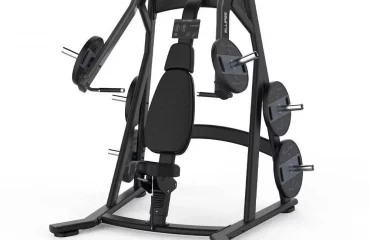
The Different Weight Bench Ranges at Light In Fitness
Un banc de musculation se choisit sur trois critères : la tenue de la sellerie à l'écrasement, le verrouillage du réglage sous charge et la rigidité du châssis. Les formats plat, inclinable, déclinable et multiposition couvrent l'essentiel des besoins. Light In Fitness propose ces gammes pour salles, box, hôtels et collectivités.

A weight bench is judged on three things: how the upholstery holds up to crushing, whether the adjustment locks reliably under load, and how rigid the frame stays when the load is off-centre. Everything else follows from those. Because facilities differ enormously in traffic and in user profile, we group benches into four ranges rather than offering a single specification. This guide explains what separates them and which one belongs in which room.
The four weight bench ranges
1. Entry range
Best for: low-intensity commercial settings – hotel fitness rooms, residential gyms, corporate wellness rooms and secondary training areas.
- Solid but light construction, easy to move when the room is reconfigured.
- Basic adjustment covering incline, decline and flat positions.
- Comfortable padding giving adequate support.
- Moderate load capacity, suited to light and medium working weights.
- The most accessible price point in the range, for constrained equipment budgets.
Typical exercises: bench press, curls, abdominal work.
2. Intermediate range
Best for: regular training floors where members need a wider variety of movements.
- Robust structure with increased stability.
- Versatile adjustment covering a wide spread of positions.
- Ergonomic padding for improved comfort and better support.
- High load capacity, suited to medium and heavy working weights.
- Additional features such as adjustable foot supports.
Typical exercises: bench press, shoulder press, pull-ups, leg raises.
3. Professional range
Best for: commercial gyms, clubs and performance facilities in continuous use.
- Extremely robust construction for maximum durability.
- Advanced adjustment allowing precise positioning.
- Premium upholstery keeping comfort and support through intensive sessions.
- Very high load capacity, suited to heavy training.
- Integrated accessories such as weight storage, bar supports and cable systems.
Typical exercises: every kind of press, shoulder work, squats, dips, cable exercises.
4. Multifunction range
Best for: operators who need an all-in-one station rather than a bench alone.
- Multifunctional design covering a variety of exercises on a single unit.
- Full adjustment so users move from one exercise to the next without tools.
- Integrated accessories for complete sessions: pulleys, pull-up bars and similar.
- Compact structure that makes the most of the available floor area.
- Solid construction able to take intensive use.
Typical exercises: press, pull-ups, shoulder work, squats, cable exercises, dips, curls.
How to choose between them
Start from the intensity your room actually sees, not from the specification sheet. An unsupervised hotel room with light traffic and a club floor running from early morning to late evening wear a bench out at completely different rates, and the upholstery goes first in both cases. Then check that the adjustment mechanism locks positively under load rather than relying on friction, and that the frame section is sized for off-centre loading, which is what a decline position or a single-arm movement produces.
The formats themselves – flat, incline, decline and multi-position – cover the bulk of what a facility needs. Compare them across the full weight benches range, and plan them alongside the racks and cages they will be used inside, since bench height and rack spacing have to work together.
Why buy from Light In Fitness
- Build quality: first-grade materials and precise engineering, so the equipment lasts under commercial duty.
- Continuous development: designs updated as comfort and functionality standards move.
- After-sales support: ongoing assistance for questions, parts and maintenance across the equipment we supply.
Whether you are fitting out a single training room or a full commercial floor, the bench range is chosen from the intensity of use, not from a category label. See the wider strength training machines offer for the stations that go with it.
Specifying your benches
Send us the room, the expected traffic and the movements you want covered, and we will come back with the right range, the quantities and a costed proposal: request a quote.