Olympic Barbells: Types, Sizes and How to Choose
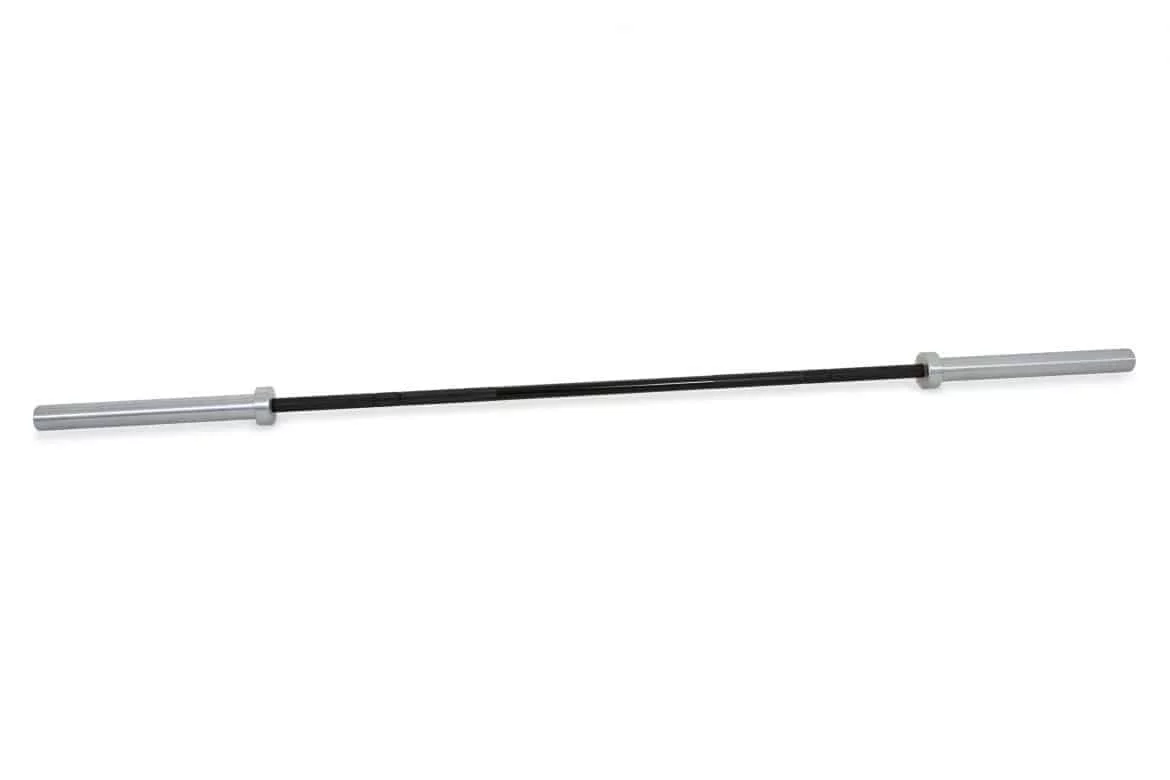
An Olympic barbell is defined by its 50 mm sleeves, which accept Olympic plates and bumpers, and by a knurled grip section that is usually 28 mm in diameter. Straight bars, EZ bars and trap bars each serve a different training purpose, and the choice for a commercial floor comes down to bar length, bar weight, sleeve rotation and rated load. Light In Fitness supplies chromed and coated Olympic bars for gyms, CrossFit boxes, clubs, armed forces and rehabilitation centres.
What makes a bar an Olympic bar
Standard bars use 25 or 30 mm sleeves. An Olympic bar uses 50 mm sleeves, which is what lets it carry heavy loading and what makes plates interchangeable across a whole fleet of equipment. On better bars the sleeves rotate on bushings or bearings, so the plates keep turning while the grip stays under the hands – the detail that makes cleans and snatches possible without wrecking wrists. The grip section is knurled, and the knurl marks position the hands consistently from one athlete to the next.
Types of Olympic bar
Straight bars
The straight bar is the reference tool of a strength floor. It carries the heaviest loads and it is the bar for the core lifts:
- deadlift
- clean, snatch and the Olympic lifts
- bench press
- back and front squat
A short straight bar is also available as a replacement for dumbbells on smaller footprints; the knurled centre section adds grip stability under load.
EZ bars
The cambered EZ bar puts the wrists in a semi-supinated position and takes strain off the joint, which makes it the usual first choice for members new to free weights. It suits:
- biceps curls
- triceps extensions and skullcrushers
- close-grip pressing variants
Slightly cambered bars are the more versatile option across a mixed membership; heavily cambered bars target more specialised isolation work.
Trap bars
The hexagonal trap bar lets the lifter stand inside the frame, so the load sits in line with the body rather than in front of it. It shortens the learning curve for deadlift patterns and is widely used in athletic preparation and in return-to-sport programmes.
What to check before ordering
Olympic bars in the catalogue run from 11 kg to 20 kg, in several lengths and grip diameters. Three parameters decide whether a bar fits the room and the programme.
Bar length and loadable sleeve
The longer the bar, the wider the range of exercises it allows, and the more plate space each sleeve offers. Length also has to match the rack spacing and the width of the lifting platform, so it is a room decision as much as a training one. Shorter bars are available for tighter footprints, including a 150 cm bar with a 28 mm grip diameter.
Bar weight
The two reference weights are 20 kg for the men bar and 15 kg for the women bar, which is also the smaller grip diameter. Lighter technique bars are used for teaching and for rehabilitation work, where the movement pattern matters more than the load.
Rated load and finish
Check the maximum rated load of the bar against the heaviest work actually programmed, and check the finish against the environment: chrome for a standard indoor floor, coated or stainless finishes where humidity or chalk exposure is high.
Frequently asked questions
What diameter is an Olympic barbell?
The sleeves that carry the plates are 50 mm in diameter, which is what distinguishes an Olympic bar from a standard bar. The grip section is narrower, typically 28 mm on a men bar and slightly less on a women bar.
How much does an Olympic barbell weigh?
The two standard weights are 20 kg and 15 kg. The catalogue also lists lighter bars from 11 kg for teaching, technique work and rehabilitation.
Which Olympic bar for a commercial gym?
Plan a mix: straight bars for the racks and platforms, EZ bars for the free-weight area, and at least one trap bar if you run athletic preparation. Bars with rotating sleeves are the ones that matter wherever the Olympic lifts are coached.
Browse the professional Olympic barbell range and the coloured Olympic bars, or request a quote for a complete free-weight area.