Strength Equipment: How to Choose Your Barbells and Dumbbells
Une barre se juge sur trois critères techniques : la nuance et la résistance de l'acier, le type de roulement (bagues ou roulements à aiguilles) et la profondeur du moletage. Ces paramètres déterminent le whip, la rotation et la tenue en main selon la discipline pratiquée. Powerlifting, haltérophilie et musculation générale n'appellent pas la même barre.
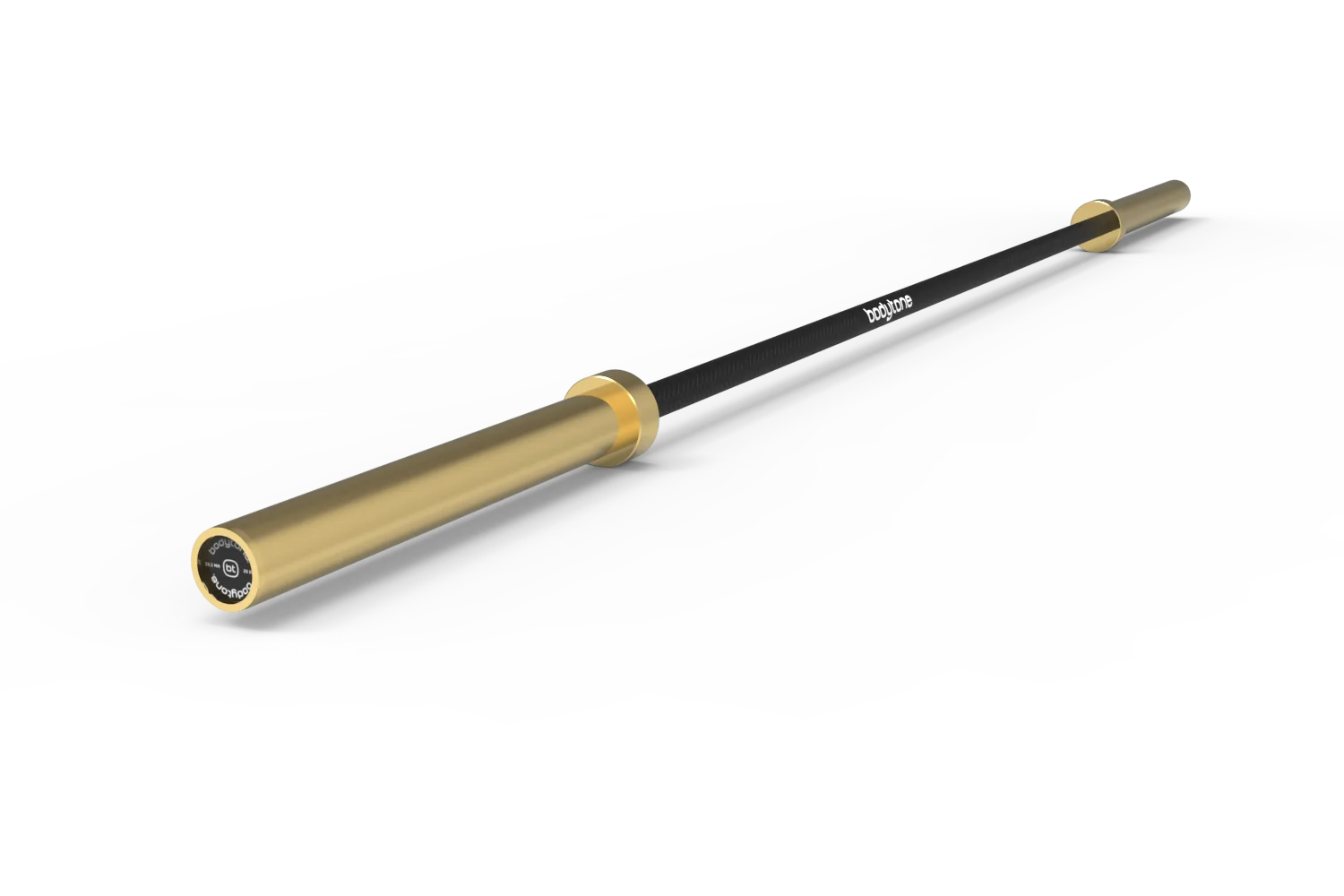
In strength training, the bar is the direct link between the lifter and the objective. Whether the discipline is powerlifting, weightlifting or general strength work, the choice of barbell is not a detail. Steel grade and tensile strength, the type of sleeve bearing, and the depth of the knurl are the three criteria that decide how a bar behaves, and they are what a professional buyer should be comparing.
Those three parameters determine the whip of the bar, how freely the sleeves rotate and how it holds in the hand. Powerlifting, weightlifting and general strength work do not call for the same bar, which is why a well equipped floor rarely buys a single reference and spreads it everywhere.
Bar types and what they are for
It is worth being clear about the difference between a true training barbell and a lighter fitness bar.
- The Olympic barbell, 20 kg. Designed to carry extreme loads. It has rotating sleeves, which protect the wrists during explosive movements by letting the plates turn independently of the bar.
- The fitness or standard bar. Lighter and often shorter, ideal for group classes and light conditioning work, but it shows its limits quickly under heavy loading.
- Specialist bars, EZ and curl bars. Essential for limiting strain on the elbows and wrists during arm work, and a sensible addition once the free weight area is established.
The full range of Olympic barbells covers these categories, and bars are also available in colour-coded finishes where a facility wants weights identifiable at a glance.
Which bar for a small facility or a hotel gym?
For a compact commercial room, a versatile Olympic barbell is the right starting point. It serves beginners and experienced users alike, so the facility does not have to replace equipment as the membership progresses. Paired with a suitable set of professional dumbbells, it forms the basis of a complete free weight offer that can be extended rather than replaced.
What separates a professional bar
Low quality equipment can bend permanently under load or carry balance defects that are dangerous in use. On a commercial floor, where a bar is loaded by dozens of different people every day, that is not a theoretical risk. Industrial manufacturing standards are what prevent it.
- High tensile steel. Bars are forged from steels with a high elastic limit, so they return to their original shape after flexing under heavy loads rather than taking a permanent set. Tensile strength, expressed in PSI, is the figure to compare, and it is stated on the technical sheet.
- Finish and knurl. The knurl pattern is designed to give a secure grip without being abrasive, which matters for bench pressing and deadlifting alike. Too shallow and the bar slips under chalk-free hands; too aggressive and members stop using it.
- Safety and conformity. Indoor equipment for supervised commercial use falls under EN ISO 20957-1 class S, and that applies to the racks, benches and storage around the bar as much as to the machines on the rest of the floor. Ask for the conformity documentation covering the specific references you buy.
Bearings: bushings or needle bearings
How the sleeves rotate is what separates a powerlifting bar from a weightlifting bar. Bronze or composite bushings give a controlled, slower rotation that suits slow heavy lifts. Needle bearings give a faster, freer spin that suits the clean and jerk and the snatch, where the plates have to keep turning as the bar changes direction. Neither is better in the abstract, and specifying the wrong one is the most common mistake on a mixed floor.
Essential accessories
Whether the room is a compact studio or a full commercial floor, the accessories are part of the specification.
- Collars. For securing loaded plates, and non-negotiable wherever a bar is used without a spotter.
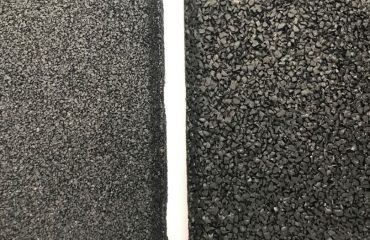
- Protective flooring. High density tiles with a declared reaction to fire classification, to protect the substrate and absorb impact. Ask for the exact class stated for the product, including its smoke index, rather than a general fire rating claim; fire-rated rubber tiles are supplied for projects where that documentation is required.
- Storage racks. For keeping bars and plates ordered and off the floor, which is a safety measure before it is a tidiness one.
Selecting a bar by user level
| User level | Recommended bar | Key characteristic |
| Beginner or fitness | Standard bar or 15 kg bar | Lighter weight and ergonomics |
| Intermediate | Versatile Olympic barbell | Smooth bearing rotation |
| Advanced or competitive | High tensile powerlifting bar | High tensile steel, 200,000 PSI and above |
Frequently asked questions
How many bars does a commercial floor need?
Count the platforms, racks and benches that can be in use simultaneously at peak hour, then add bars for the specialist movements you programme. A bar that lives on a rack is not available to anyone else, which is the point most schedules miss.
Bushings or needle bearings?
Bushings for powerlifting and general strength work, needle bearings for Olympic lifting. On a mixed floor, specify both rather than compromising, and mark clearly which bar is which so they stay on the right platforms.
What does the PSI figure mean?
It is the tensile strength of the steel, not its density. A higher figure means the bar tolerates more load before deforming permanently. Compare it between references on the technical sheet, alongside the stated load rating.
Which standard applies?
EN ISO 20957-1 class S for indoor equipment in supervised commercial use, covering the bars, racks, benches and storage together. Keep the conformity documentation with your facility records.
Do bars need maintenance?
Yes. Sleeves need periodic cleaning and lubrication, knurl needs brushing to clear chalk, and the finish needs protecting against sweat corrosion. Build it into the cleaning schedule; a neglected bar seizes long before it wears out.
Specifying your free weight area
A barbell is a long-term investment: choose the tensile specification, the bearing type and the knurl to match the discipline actually practised, and the equipment will serve for many years of commercial use. Detailed quotations, covering bars, plates, dumbbells, racks and flooring as one package, are available for any professional project.
À lire aussi sur le même thème
- ZIVA pour les zones poids libres & entraînement fonctionnel : construire une zone belle, robuste et Instagram‑friendly
- Haltères et Poids Libres 2026 : Guide Complet pour Musculation
- Rubber vs Urethane vs Chrome Dumbbells: Which Coating Should You Choose?
- How to Choose Fitness Accessories in 2026: The Complete Buyer Guide
- Street Workout Park: Installation, Budget and Training Guide