How Strength Training Improves Physical and Mental Wellbeing
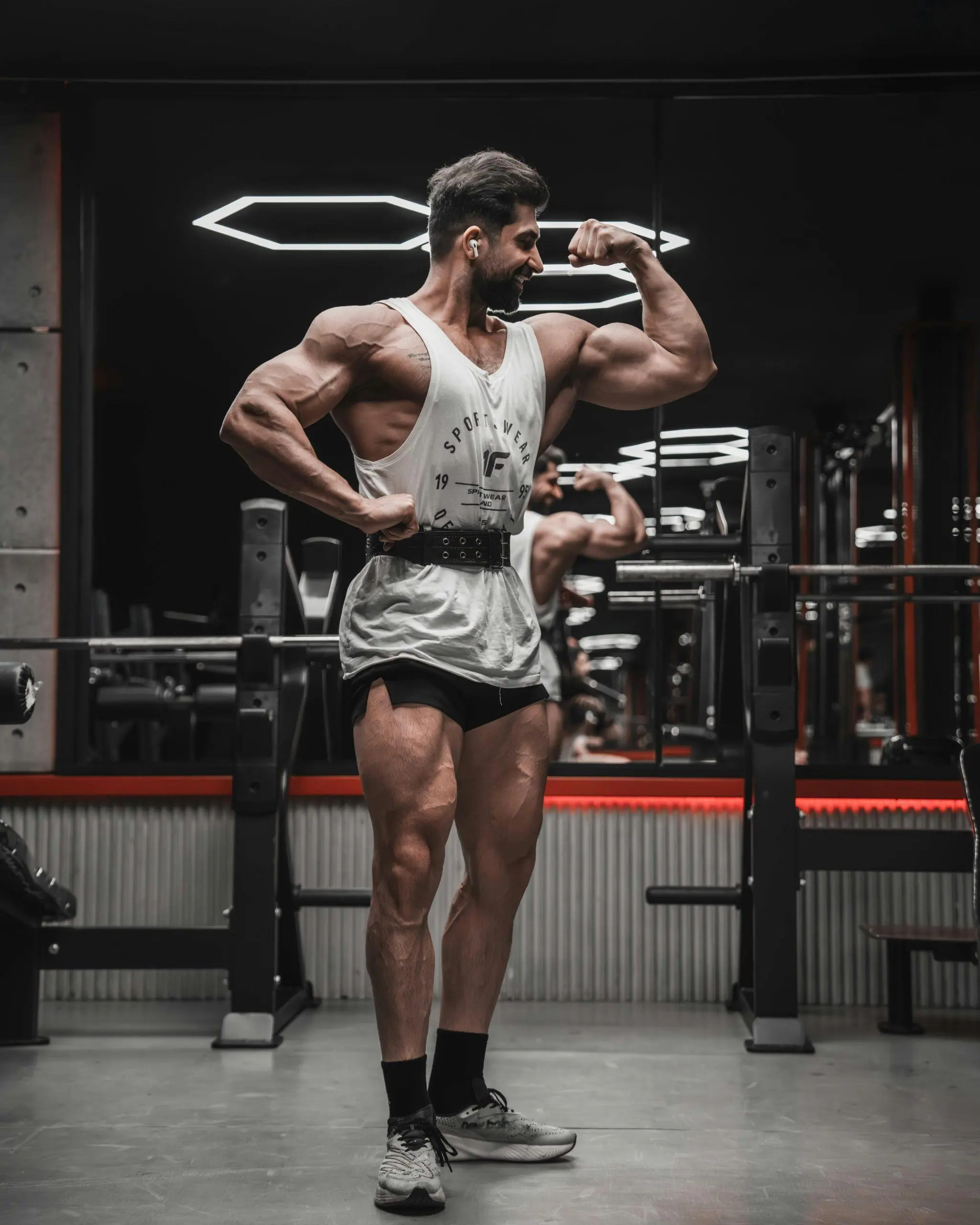
Strength training is still widely seen as something for athletes and dedicated gym-goers, yet its benefits reach far beyond appearance. For anyone who operates a facility, that gap between perception and reality is a commercial opportunity: the strength floor is what turns a short-lived membership into a long one, and it is the argument that opens doors with corporate clients, insurers, local authorities and rehabilitation partners. This article sets out what regular strength training actually does for the body and the mind, and what that means when you plan and equip a strength area.
The physical case for a strength floor
Training with resistance builds muscle mass, and muscle mass is what keeps a healthy metabolism running. More muscle means more calories burned at rest and a better body composition through a lower fat percentage. That is the outcome most members arrive looking for, and it is the one they are most likely to abandon if the equipment does not let them progress.
Strength work also supports bone health by increasing bone density, which matters particularly for the prevention of osteoporosis and especially among older users. This is the point that turns a strength area into a service for an age group many operators under-serve.
It plays a decisive role in functional strength too. Everyday tasks such as lifting heavy objects or climbing stairs become easier and less tiring. Strength exercises also reinforce joints and ligaments, which reduces injury risk. Adding strength work to a training programme therefore improves physical performance and quality of life at the same time, by giving people more independence in daily activities.
Summary of the benefits
- Strength training improves strength, flexibility and posture.
- It reduces the risk of cardiovascular disease and diabetes.
- It helps reduce stress, anxiety and depression.
- It improves sleep quality.
- It builds self-confidence and self-esteem.
What strength training does for mental health
The mental health benefits
Strength training is not limited to physical gains; it has a significant effect on mental health. Studies have shown that exercise in general, and strength training in particular, can reduce the symptoms of anxiety and depression. When we exercise, the body releases endorphins, often called the happiness hormones.
The effect of endorphins
These natural chemicals act as painkillers and lift mood, which contributes to a general sense of wellbeing. Strength training also builds mental resilience. By setting goals and working towards them, people develop a discipline and determination that carry over into other areas of their lives.
Confidence and self-esteem
Overcoming physical challenges reinforces confidence and self-esteem. Practised regularly, strength training becomes a powerful tool for improving both the body and the mind. For an operator, this is the part of the offer that belongs in a corporate wellbeing proposal, not just on a price list.
How strength training improves quality of life
Bringing strength training into a daily routine has a deep effect on quality of life. Better physical strength and endurance let people take a fuller part in social and recreational activities. Whether that is playing with children, gardening or playing a sport, better physical condition makes those moments more enjoyable.
The sense of achievement that comes from reaching personal goals adds to day-to-day happiness and satisfaction. Strength training also promotes better posture and body alignment. That can reduce chronic pain linked to poor posture, such as lower back or neck pain.
With better posture, people not only feel better physically but also project a more confident and energetic image. The benefits of strength training therefore extend well beyond the physical, influencing many aspects of daily life. For facilities serving office workers, this posture argument is often the most persuasive one of all.
The positive effects of strength training on sleep
| Positive effects of strength training on sleep |
|---|
| Improved sleep quality |
| Shorter time to fall asleep |
| Longer total sleep duration |
| Fewer sleep disturbances |
| More regular sleep patterns |
Another frequently overlooked benefit is the positive effect on sleep. Many people suffer from insomnia or sleep problems linked to stress or anxiety. Regular strength training helps regulate the sleep-wake cycle by producing healthy fatigue and reducing stress levels.
Physical exercise releases tension accumulated in the body, which makes falling asleep easier. Studies have also shown that people who take part in regular physical activity, including strength training, tend to benefit from deeper and more restorative sleep. Better sleep leads to better concentration, a more stable mood and better overall performance in daily activities.
Building strength training into a routine is therefore an effective way to improve sleep quality and general wellbeing alike.
Strength training as a stress management tool
Stress management has become a major concern. Strength training is an effective way of dealing with it: physical exercise releases accumulated tension and discharges stress through intense activity.
A strength session works as a pressure valve after a busy or stressful day. Concentrating on specific movements and on technique during training also draws the mind away from everyday worries. This form of active meditation lets people refocus on themselves and feel a sense of achievement after each session.
Strength training therefore does more than improve the body; it also offers a space for managing stress and building a positive frame of mind. That is the exact language a corporate wellbeing buyer responds to.
Strength training and self-confidence
Where confidence comes from
Regular strength training has a direct effect on self-confidence. By developing physical strength and reaching personal goals, people feel an accomplishment that reinforces their self-esteem. This can be particularly valuable for those who have struggled with body image or confidence in the past.
Visible progress and self-esteem
As they see tangible progress in their bodies and their performance, they begin to see themselves in a new light. Committing to a strength routine also creates a sense of belonging to a community. Whether in a gym or in a group class, interacting with others who share the same goals strengthens social bonds and provides mutual support.
Social dynamics and their effect on confidence
This social dynamic reinforces confidence further and creates a positive environment for personal development. Strength training can therefore become a key element in building a positive self-image and solid self-confidence. By combining the physical and social sides of training, people can experience a change that goes well beyond physical condition. Floor layout matters here: an area designed so that members train alongside each other rather than in isolation is what produces that effect.
Fitting strength training into a wider wellbeing routine
To get the full benefit, strength training has to sit inside a wider wellbeing routine. That means regular resistance sessions, but also a balanced lifestyle with healthy nutrition and sufficient sleep. A holistic approach to wellbeing optimises the results of strength training while supporting overall health.
Listening to the body and adapting the programme to individual needs matters too. Whether through personalised coaching or by joining supportive groups, there are many ways to fit strength training into daily life effectively.
Equipping a strength area that delivers these results
None of the above happens on equipment that intimidates beginners or breaks under continuous use. Indoor equipment for a gym, hotel, residence, school, club or public facility should be certified to EN ISO 20957-1 class S, the class intended for professional and supervised environments. Class I is a professional class covering inclusive access, not a step above class S in intensity.
In practice, a floor that serves the wellbeing outcomes described above needs three things: guided-motion machines that a newcomer can use safely and unsupervised, a free-weight area for members who progress, and enough space between stations that people are not deterred from using them.
Our range of professional strength training machines covers both ends of that spectrum. For sites with limited floor space, a multi-station gym such as the Bodytone FC4S V2 four-station multi-gym gives several exercises in a single footprint, which suits hotel, residence and corporate facilities in particular.
Planning your strength floor
Strength training improves physical and mental wellbeing together, and that combination is what keeps members training year after year. Tell us the size of your space, the profile of your users and your budget, and we will propose a layout and a costed configuration: request a quote.
Réalisations documentées
- Functional Rig inox – installations sur trois continents
- iGreenMill, tapis de course extérieur – installations sur trois continents