Hard boiled eggs: the reference protein for athletes and weight management

Hard boiled eggs are often described as the absolute reference for protein. The reason is straightforward: they contain the nine essential amino acids needed to build muscle. Among them, leucine plays a key role by directly stimulating protein synthesis in muscle, which matters to any athlete trying to optimise recovery and growth. In terms of bioavailability, egg protein outperforms almost every other source: a biological value of 100 makes it the reference standard, against which meats, protein powders and even pulses do not always compete.
Micronutrients: a performance support, not just protein
Beyond protein, hard boiled eggs are a concentrate of micronutrients. They are rich in B vitamins, notably B2 and B12, which are essential to energy production and to muscular recovery after effort. Choline supports fat metabolism and cognitive function, two elements that help maintain concentration through demanding sessions. On the bone health and immunity side, vitamin D and selenium play a supporting role. And for athletes exposed to oxidative stress, antioxidants such as lutein and zeaxanthin protect cells from damage caused by free radicals.
Practical and inexpensive for people who train
Quick, simple and cheap, hard boiled eggs suit athletes with crowded schedules. They are prepared in minutes, keep easily in the fridge and travel well in a training bag. On cost they compare very favourably with supplements or quality meat while delivering substantial nutrition. For high protein diets or a cutting phase, they help hold a controlled calorie intake without sacrificing nutrient quality.
Cooking them properly to preserve the nutrients
Boiling an egg seems trivial, but the method matters both for nutrient retention and for texture. Place the eggs gently into a pan of cold water. Bring the water to the boil, then reduce the heat slightly to keep a gentle simmer. Cooking time is nine to twelve minutes depending on the size of the eggs and the texture wanted: nine minutes for a soft yolk, twelve for a firm one. As soon as they are done, transfer the eggs into iced water to stop the cooking and make peeling easier.
One caution: overcooking produces a greenish ring around the yolk, a sign of slight protein alteration and of the loss of some nutrients. Controlling the process preserves the nutritional value while giving the best taste and texture.
Satiety and weight management
One hard boiled egg provides roughly 70 calories and 6 grams of protein, a ratio that combines satiety with useful nutrition. The protein, together with the fats in the yolk, helps maintain the feeling of fullness between meals, which is an advantage against cravings during a cutting or weight loss phase. Low in calories but nutrient dense, the hard boiled egg is a dependable partner for anyone working on body composition.
Cholesterol and whole eggs: separating fact from myth
The most common criticism concerns cholesterol. Recent studies show that dietary cholesterol has only a limited effect on blood cholesterol, except in predisposed individuals. In moderation, around three to six eggs per week depending on your needs, they fit perfectly into a healthy diet. As for the perennial whole egg versus egg white debate, the yolk carries essential nutrients such as choline and the antioxidants mentioned above. Removing it means giving up a valuable part of the benefit.
Practical ways to use them around training
Hard boiled eggs are versatile. After a session, combine them with a fresh vegetable salad or add them to a protein wrap for a fast meal. During a mass gaining phase, pair them with complex carbohydrates such as rice or sweet potato to support recovery. Between meals they often stand on their own. On quantities, adapt to the objective: eat more when building muscle, and rely on the satiating effect without excess when losing fat.
Why this matters to a facility
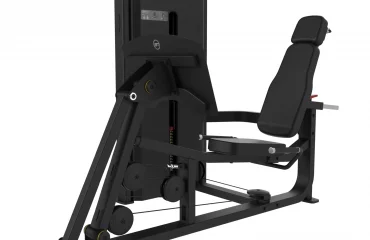
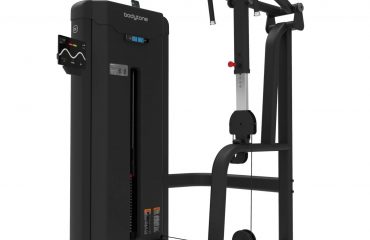
Nutrition questions land on the gym floor constantly, and staff answers are more credible when they rest on something specific: amino acid profile, biological value, calories per unit. Facilities that run body composition or coaching programmes usually pair that conversation with structured training, which is where a well specified strength line and cardio zone earn their place. Our ranges are listed under strength training machines and cardio equipment.
Frequently asked questions
How many eggs per week?
Around three to six per week depending on individual needs, according to the moderation principle set out above. Individual medical situations belong with a healthcare professional.
Whole eggs or whites only?
Whole eggs, unless a professional has advised otherwise: the yolk carries the choline and the antioxidants.
How long should they be boiled?
Nine to twelve minutes, from nine for a soft yolk to twelve for a firm one, depending on egg size.
Are they a substitute for a protein supplement?
For many people they cover the same need at lower cost, with a biological value of 100. Specific sports nutrition strategies should be discussed with a qualified professional.
Equipping the training that goes with it
If you are fitting out a club, a corporate room or a performance facility, send us the space and the audience and we will propose a layout and a quotation: request a quote.