How to Equip a Glute Training Area: Racks, Machines and Floor Space

Glute training has moved from a niche request to one of the most consistent demands on a gym floor, and it is one of the few areas where members will happily queue. For an operator that is both an opportunity and a layout problem: the exercises that build glutes need floor space, loadable racks and a small number of dedicated machines. This article sets out what a glute area actually requires, and how to programme it once it is installed.
The movements your equipment has to support
Three compound movements carry most of the work: the squat, the lunge and the hip thrust. All three recruit the glutes alongside the quadriceps and hamstrings, and all three can be run with body weight or loaded, which is what lets the same corner of the room serve a beginner and a strong lifter at the same time.
Around them sit the isolation movements: glute bridges, kickbacks and donkey kicks. These need very little equipment, usually a mat, a bench or a low pad, but they need floor area that is not crossed by circulation. An isolation corner that people walk through does not get used.
What that means in equipment terms
The hip thrust is the movement most operators get wrong. Done with load, it needs a bench at the right height and a bar that can be racked safely, which in practice means either a dedicated bench or space inside a rack. The full selection sits in the squat racks and power racks range, and one rack will usually serve both squats and hip thrusts if you size the footprint for it.
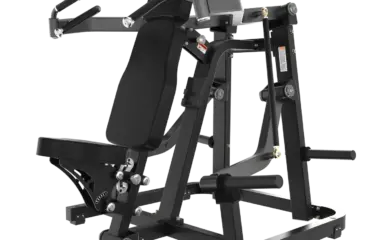
For facilities that want a purpose-built area rather than a repurposed rack, there is dedicated equipment: the Bodytone glute area groups the machines designed specifically for this training. The advantage over improvised setups is throughput. A dedicated machine takes one user, one set-up, no plates to load and no bar to rack, which matters when three people are waiting.
Varying angles and loads
A glute area works better when it allows variation, not just repetition. Squats with a wide or narrow stance, lunges forward and backward, hip thrusts light and heavy: these load the same muscles differently and keep a programme progressing. Practically, that means adjustable benches, a range of plate weights and enough space around the rack for someone to step out of it.
Cable work adds another set of angles. A cable station covers kickbacks and standing abduction without any floor work at all, which is useful in rooms where mat space is short.
Do not forget the cardio side
Members who come in for glute training almost always have a body composition goal alongside the strength goal, and they will use cardio equipment to pursue it. If your glute area is well equipped but your cardio equipment is undersized, they will train elsewhere. The two areas are planned together or not at all.
Programming advice worth passing to members
Two to three glute sessions a week is the usual recommendation, with recovery time between them so the muscle can rebuild. Consistency does more than intensity here: results build over months, not weeks, and members who understand that stay subscribed. Nutrition matters too, and adequate protein intake alongside a balanced diet supports the training, but that is advice for a qualified professional to give rather than something a gym should improvise.
Genetics also influence shape, and it is worth being honest with members about it. Training changes strength and muscle development; it does not change the underlying structure someone was born with.
Frequently asked questions
Which exercises should a glute area be built around?
Squats, lunges and hip thrusts as the loaded compound work, plus glute bridges, kickbacks and donkey kicks as the isolation work. Equip for the first three and the rest need little more than floor space and a bench.
How often can members train glutes?
Two to three sessions a week is the common recommendation, with recovery days in between. That frequency also tells you how much capacity the area needs at peak hour.
Do squats build the thighs rather than the glutes?
Squats load glutes, thighs and hips together. Stance, depth and load change the emphasis between them, which is one more reason to give the area enough space for varied set-ups rather than a single fixed machine.
Are weights necessary?
No, but they raise the ceiling. Body weight work suits beginners and small studios; loaded work is what keeps trained members progressing, and it is the reason a rack belongs in the area.
How much floor area should I allow?
That depends on whether you build around a rack or around dedicated machines, and on your peak attendance. Send us the plan and we will size it against your traffic rather than a rule of thumb.
Planning your glute area
A glute area is one of the easiest ways to add perceived value to an existing floor, provided it is sized for the traffic it will attract. Send us your floor plan, ceiling height and peak attendance, and we will come back with a layout and a costed equipment list: request a quote.