Back training machines for a professional strength floor
Le travail du dos se répartit entre tirage vertical, tirage horizontal et extension lombaire, sollicitant des muscles différents. Le tirage vertical cible le grand dorsal, le tirage horizontal les rhomboïdes et le trapèze moyen, l'extension les érecteurs du rachis. Un plateau complet propose au moins un poste par famille.
Back training machines: what a professional strength floor actually needs
Back work splits into three families, and they recruit different muscles: vertical pulling, horizontal pulling and lumbar extension. Vertical pulling loads the latissimus dorsi, horizontal pulling the rhomboids and mid trapezius, extension the erector spinae. A complete strength floor carries at least one station from each family. This guide is written for the person specifying the equipment rather than the person using it: which machines earn their footprint, how they should be laid out, and what to check before signing a purchase order.
The three families and the stations that cover them
| Family | Primary recruitment | Typical stations | Catalogue |
|---|---|---|---|
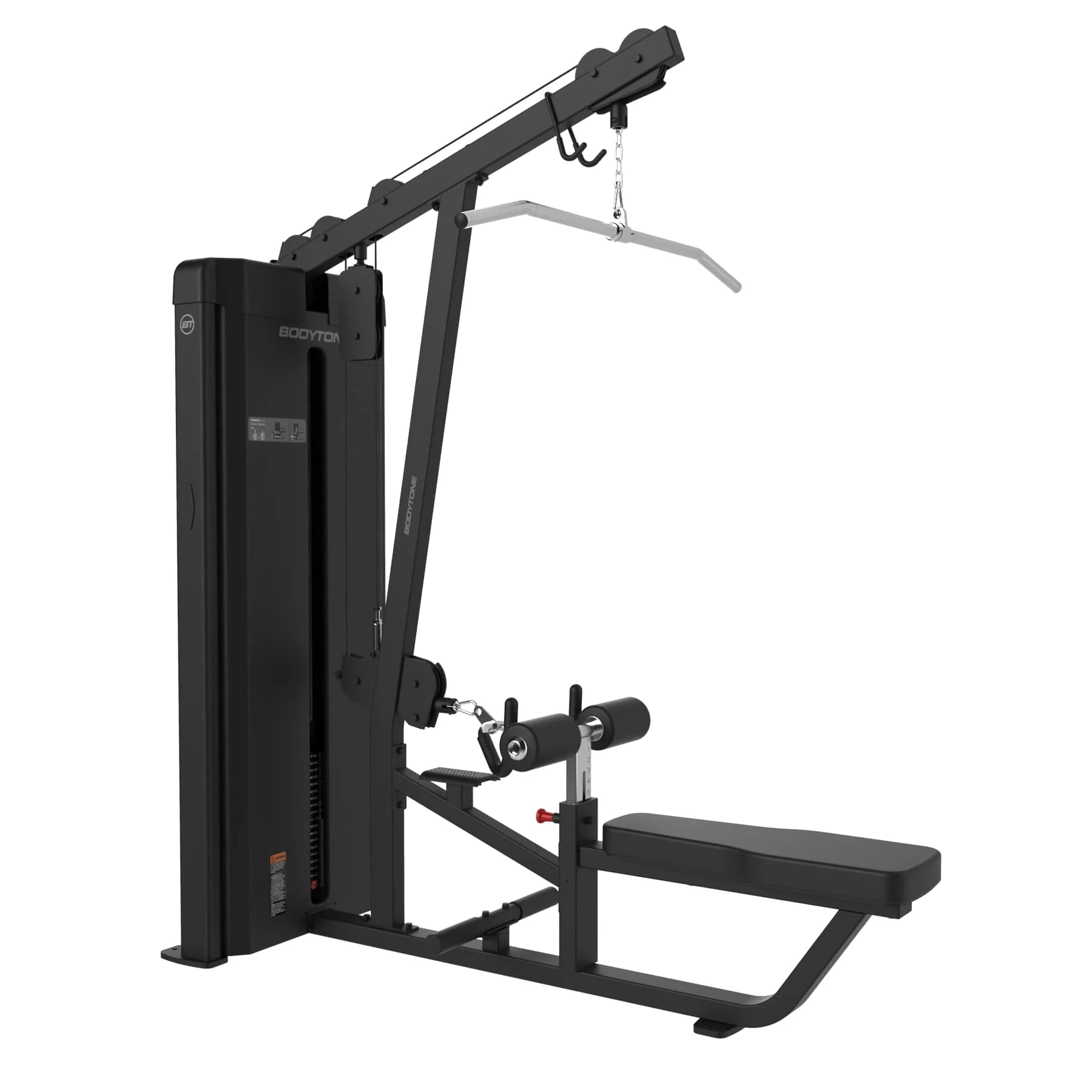
| Vertical pulling | Latissimus dorsi | Lat pulldown, assisted pull-up, high row | Selectorised machines |
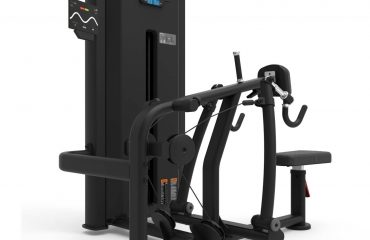
| Horizontal pulling | Rhomboids, mid trapezius, rear deltoid | Seated row, chest-supported row, plate loaded row | Plate loaded machines |
| Lumbar extension | Erector spinae, glutes | Back extension bench, roman chair, lumbar extension machine | Strength training machines |
| Complementary work | Full posterior chain, endurance | Rowing ergometer, cable stations, pullover | Rowing machines |
Vertical pulling: the anchor station
The lat pulldown is the station that never stops being used, from the first session of a new member to the accessory work of an advanced lifter. In commercial specification terms, that continuous use is the whole point: it is the machine where cable, pulley bearings and upholstery wear fastest, and where a poor thigh pad design shows up as members sliding out of position under load. Assisted pull-up stations serve the same movement pattern for populations that cannot yet perform a bodyweight pull-up, and they take pressure off the pulldown at peak hours.
Horizontal pulling: the family most often under-equipped
Rooms are usually short on horizontal pulling rather than vertical. Seated row and chest-supported row stations load the rhomboids and mid trapezius, the muscles that hold the shoulder blades back, and they are the ones that matter most for the postural complaints that bring deconditioned members into a gym in the first place. Chest-supported variants are worth the extra square metres in mixed-population facilities because they remove the lower back from the equation and let a beginner train the movement without technical supervision.
Lumbar extension and the posterior chain
Back extension benches and lumbar extension machines load the erector spinae and the glutes. In a professional room these stations serve two very different populations at once: performance members building the posterior chain, and members working on stability and low back conditioning. Adjustable pad height is what allows both groups to use the same station, so it is the specification detail to check, along with the stability of the frame when someone larger loads the end of the lever.
Complementary stations
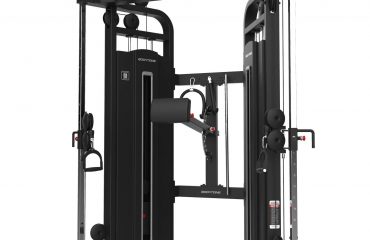
Rowing ergometers belong in the cardio area rather than the strength floor, but they carry a real share of the back work in most facilities and are worth counting when you size the room. Cable stations add the pulling variations that fixed machines cannot cover, which matters in coached environments and in rehabilitation. Pullover machines load the latissimus dorsi through a different path and remain useful in performance-oriented rooms, though they are a refinement rather than a first purchase.
Selectorised or plate loaded
Selectorised stations are the right answer wherever throughput and safety matter more than maximum load: fitness clubs, hotels, corporate gyms, rehabilitation units, schools. The weight stack is faster between sets, it removes the handling of loose plates, and it does not leave a room full of stray discs at the end of the evening. Plate loaded stations belong where the population is trained and the loads are higher: performance gyms, clubs, boxes, armed forces. Most rooms run both, and the ratio should follow the actual membership rather than a catalogue.
Specification checklist for commercial buyers
- Usage class. Indoor stationary training equipment for supervised commercial use falls under EN ISO 20957-1 class S. Class I is a professional class for inclusive access, a different scope rather than a higher grade. Ask for the class in the technical documentation.
- Adjustment range. Seat height, pad position and chest support travel decide how many different bodies one station can serve. In a mixed facility this is what determines whether a machine is used or walked past.
- Wear items and spares. Cables, pulleys, upholstery and grips are consumables in commercial use. Confirm how long they will remain available and who replaces them.
- Footprint and access. Pulling stations need clearance behind and beside them, and weight stacks need service access. A plan that ignores this produces a room that is full before it is finished.
- Floor build-up. Strength areas need a floor that protects the slab and controls impact noise, particularly where plate loaded equipment and free weights sit alongside the machines.
Frequently asked questions
How many back stations does a commercial gym need?
Count the members present at peak hour and cover the three families first: one vertical pull, one horizontal pull, one extension station. Duplication comes second, and it should start with whichever family your peak-hour queue forms at.
Should machines replace free weight back work?
No, they cover different needs. Machines give a guided path that beginners, deconditioned members and rehabilitation users can follow without supervision, which is exactly what a busy floor requires. Free weight rows, deadlifts and pull-ups remain the reference for trained populations. A professional room carries both.
What matters most in a seated row for club use?
Chest pad adjustability, the quality of the cable and pulley assembly, and the stability of the frame under a heavy set. Those three decide whether the station still feels right after several years of continuous use.
Are back machines suitable for members with existing back problems?
Any member with a diagnosed condition should be referred to a health professional before training, and facilities running medical or rehabilitation programmes should select the equipment with the clinical team. Guided machines with a wide low-load range and a good adjustment range are the appropriate starting point in those settings.
Specifying your strength floor
Light In Fitness supplies selectorised, plate loaded and Olympic strength ranges to gyms, hotels, clubs, municipalities, schools, rehabilitation units and armed forces, and has equipped commercial facilities since 2013. Send the floor plan, the ceiling height and the member profile, and the station mix can be laid out around them. Request a quote for a costed proposal.