What Does It Really Cost to Equip a Professional Gym in 2026?
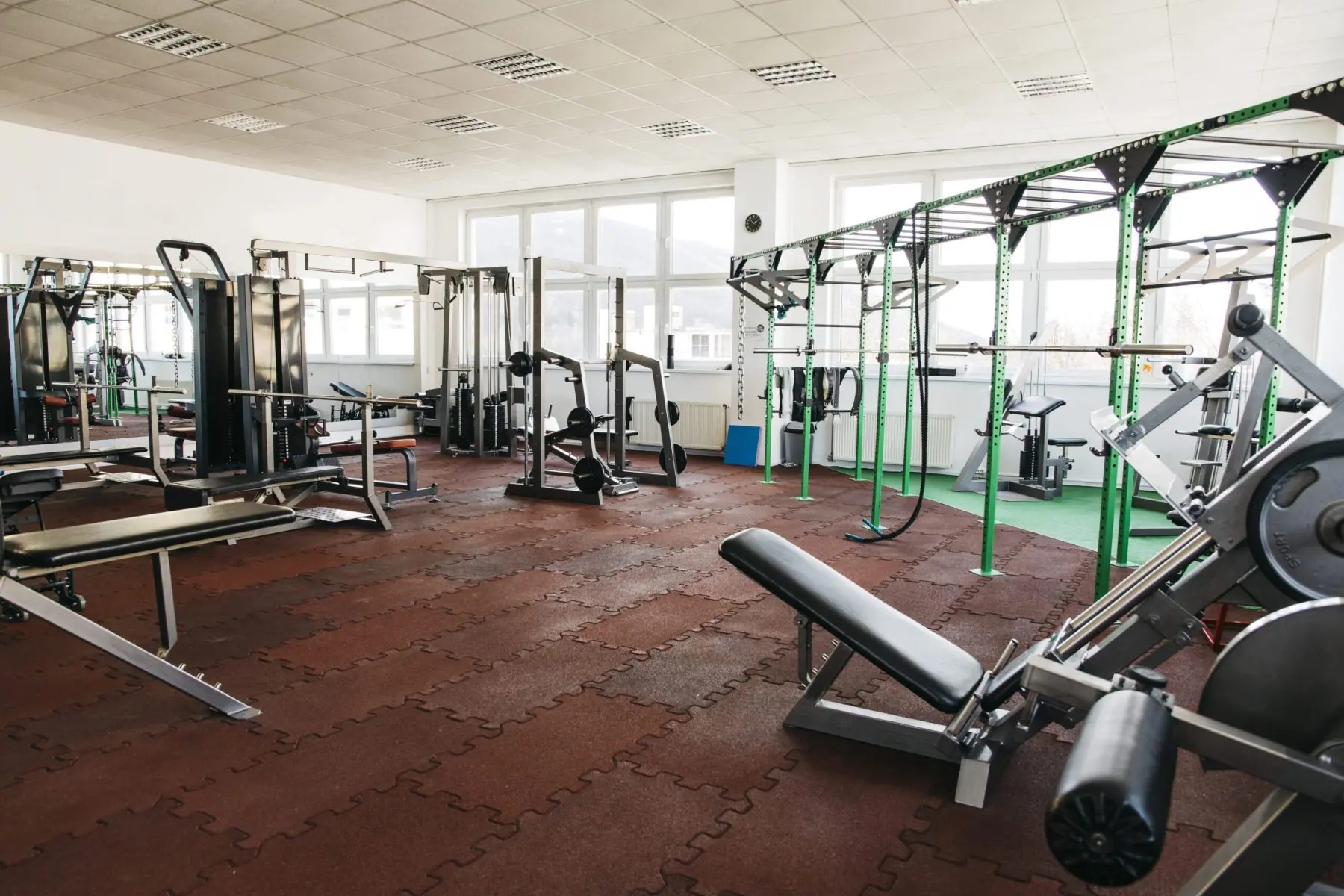
Equipping a gym in 2026 is not a matter of laying down a few mats and buying two benches. It is a substantial investment, running from 20,000 EUR excluding VAT to more than 200,000 EUR excluding VAT depending on floor area, concept and the quality of the equipment. This guide gives realistic ranges and a method for building an equipment budget without falling for false economies.
1. The broad equipment budget ranges in 2026
The figures that circulate are often vague, or mix in building works, rent, software and marketing. Here we are talking only about sports equipment: strength, cardio, functional, flooring and accessories.
- Micro gym or studio, 80 to 120 square metres. A coherent professional equipment budget: 20,000 to 60,000 EUR excluding VAT, depending on the level of the range and the strength-to-cardio mix.
- Commercial gym, 250 to 400 square metres. A realistic professional equipment budget: 60,000 to 150,000 EUR excluding VAT, depending on equipment density, brands chosen and market.
- Gym of 500 to 800 square metres or more. Professional equipment budget: 100,000 to 250,000 EUR excluding VAT and above, with several zones (a complete strength floor, a large cardio park, functional, group classes, possibly a wellness area).
This is where the Light In Fitness model changes the arithmetic: working as a direct manufacturer and distributor often allows a reduction of 30 to 40 per cent compared with a conventional supply chain, at equal or better quality on the structure.
2. What weighs most in the budget
Not every euro is spent in the same place. Knowing which lines carry the most weight is what allows sensible trade-offs.
- Selectorised strength machines and heavy racks: the bulk of the ticket on any serious strength floor.
- Motorised cardio (treadmills, cross trainers, premium bikes): highly visible to members, and very heavy in the budget if you go through the largest brands throughout.
- Sports flooring (rubber tiles, tatami, lifting platforms): consistently underestimated, yet decisive for durability and comfort.
- Accessories (dumbbells, bars, plates, kettlebells, small functional items): a discreet line that quickly reaches several thousand euros.
Optimising that mix is precisely the work: heavy structure on strength and impact zones, intelligent brand selection on cardio, and professional accessory packs without paying a premium for the logo.
3. Worked budget scenarios by type of gym
Figures only speak when they are placed in real cases.
Studio or micro gym, 80 to 120 square metres
Objective: a focused concept, small group, coaching, functional, quality-led strength.
- Typical equipment list: 2 to 4 versatile selectorised machines plus 1 squat rack or cage; 2 to 4 cardio stations (treadmill, bike, rower, air bike); rubber flooring across the strength and functional zone, with some tatami or mats; a complete kit of dumbbells, bars, plates, kettlebells and bands.
- Realistic budget: 20,000 to 40,000 EUR excluding VAT for a well-conceived professional fit-out, rising to 60,000 EUR excluding VAT for a genuinely premium standard with a heavier cardio park.
Commercial gym, 250 to 400 square metres
Objective: a real neighbourhood or city gym, with a strength floor, cardio and functional.
- Typical equipment list: 10 to 20 selectorised machines (legs, back, chest, shoulders, duals); one serious free weight zone (racks, benches, bars, plates); 10 to 20 cardio stations depending on positioning (treadmills, bikes, cross trainers, rowers); a functional zone (rig or cage, accessories, appropriate flooring).
- Realistic budget with professional equipment: 60,000 to 130,000 EUR excluding VAT with an optimised brand mix, up to 150,000 EUR excluding VAT if you specify the largest cardio brands throughout.
Large gym, 500 to 800 square metres and above
Objective: a fully equipped club, usually multi-zone, sometimes with a cross training space, heavy group class provision, a performance zone or a wellness area.
- Typical equipment list: 20 to 40 selectorised machines, complete lines by muscle group; a large free weight zone (multiple racks, many benches, a substantial plate inventory); 20 to 30 cardio stations across several lines, sometimes doubling up the most used machines; functional and cross training, satellite studios, possibly a wellness area.
- Realistic equipment budget: 100,000 to 250,000 EUR excluding VAT, depending on the finish level, the brands and how far stations are duplicated (two leg presses, two chest machines and so on).
4. Where you can save, and where you must not
Not everything has to be top of the range, but some lines simply do not tolerate a low-cost specification.
Do not cut corners on:
- Leg machines (leg press, hack squat, curl and extension): heavily used and very sensitive to the quality of the structure.
- Racks, bars and benches in the free weight zone: safety, and the impression of solidity the zone projects.
- Treadmills: frequent failures if under-specified, with a large impact on member satisfaction.
Where you can optimise:
- Certain highly specific isolation machines, which can be added later.
- The cardio park, by playing intelligently on quantities (fewer duplicates, more rotation) and on the brand mix.
- Accessories, through sensible packs rather than scattered unit purchases.
All of it should be specified to EN ISO 20957-1 class S, the class intended for professional and commercial use. That is the line below which a saving stops being a saving.
5. Outright purchase, leasing and return: think in cost per month
An equipment park is not judged on its purchase price alone, but on its monthly cost across its service life.
- With leasing or structured finance, a park at 80,000 EUR excluding VAT can represent a very reasonable monthly figure compared with the revenue the gym is capable of generating.
- Equipment that costs more to buy but lasts longer, with fewer breakdowns, can cost less over 7 to 10 years than cheap equipment that has to be repaired or replaced continually.
- A manufacturer and distributor can help size the park against your business plan: target membership, pricing and contract types.
Put plainly, the equipment budget is not simply an expense. It is a production tool. The point is not to buy as cheaply as possible, but to secure the best ratio of quality, cost and profitability for your gym model in 2026.
Where the money actually goes
In budget terms, the three lines that decide most fit-outs are strength training machines, professional cardio machines and rubber gym flooring. The first two are visible to members and dominate the invoice; the third is invisible and is the one most often cut, which is why it is also the one most often replaced early.
Where the concept is built around classes and small group training, a functional training rig frequently delivers more usable capacity per euro than an equivalent spend on additional machines.
Frequently asked questions
Do these figures include installation and building works?
No. The ranges above cover sports equipment only: strength, cardio, functional, flooring and accessories. Building works, rent, software and marketing sit outside them.
Can a gym be equipped in phases?
Yes, and it is often the sensible approach. Specific isolation machines and additional cardio can follow later. What cannot be phased is anything requiring groundwork, anchoring or flooring under a heavy zone.
What drives the difference between the bottom and the top of each range?
Mainly the cardio brands chosen and the degree to which stations are duplicated, followed by the finish level of the strength line.
Is the cheapest equipment ever the right answer?
Not on the lines listed above. Leg machines, racks and treadmills fail early when under-specified, and the replacement cost usually exceeds the original saving.
Building your own budget
Start from the floor area and the concept, allocate the heavy lines first, and only then optimise the rest. That order produces a budget you can defend to a lender and live with for a decade.
Light In Fitness has equipped professional gyms since 2013, from studios to multi-zone clubs. Send us your floor plan, your concept and your target membership, and we will come back with a configuration and a costed proposal. Request a quote to get started.