Equipping an Independent Gym: Layout, Zones and Equipment List
An independent gym does not have a chain’s purchasing budget, but its members compare the training floor with everything else they have used. The objective is therefore to equip like a professional operator: a coherent, robust and profitable line-up, without spending the budget on equipment that will stand idle. This guide sets out the priority zones, a realistic equipment base and the specification mistakes that cost independent operators the most.
1. Settle the concept before talking about machines
Before a single machine is ordered, decide what kind of club this is: generalist, coaching-led, performance-oriented, low-cost, premium or strongly functional. The concept drives the equipment list, never the other way round.
Three questions to answer first:
- Who is the core membership? Beginners, experienced lifters, a family mix, competitive athletes, corporate members, older adults.
- What level of service? Open access, induction and support, structured programming, group classes, personal training.
- What is the promise? Simple and effective, premium, performance-focused, a versatile neighbourhood club.
Our approach starts from those answers and builds the line-up zone by zone, rather than handing over a generic list.
2. The priority zones
A well-performing independent gym is not one uniform floor but a space organised into legible zones. For a project of roughly 200 to 400 m², four zones are essential.
- Cardio. Treadmills, bikes, cross trainers, rowers, and possibly a climber or air bike for high-intensity work. The full range sits under cardio equipment.
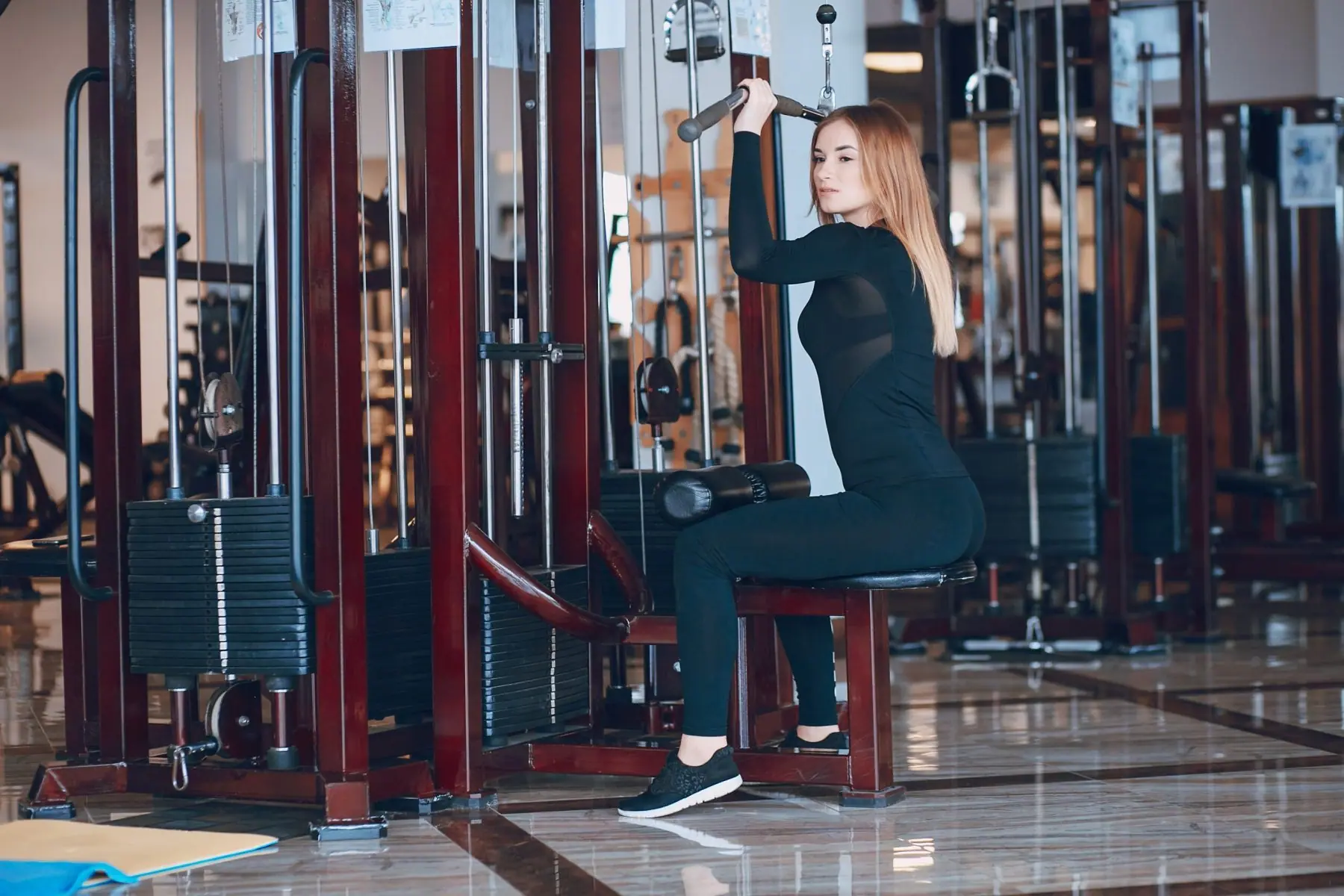
- Guided strength. Machines that a beginner can understand without help, covering legs, back, chest, shoulders, pulldowns and cable work. See selectorised machines.
- Free weights. Racks, benches, bars, plates and dumbbells. This is the zone that retains regular members, and it is grouped under squat racks and power racks.
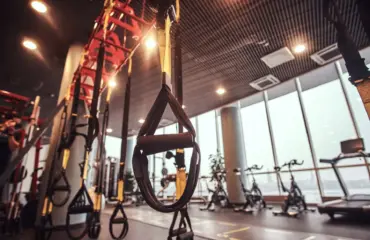
- Functional. A clear area for circuits, bodyweight work and accessories: kettlebells, medicine balls, suspension trainers, bands and plyometric boxes.
The building blocks are the same as in a large commercial club. For an independent site the difference is quantity: fewer units per zone, and a much more carefully optimised selection.
3. The equipment mistakes that cost the most
Independents have very little margin for error on the equipment list. Three or four bad decisions weigh on the budget, the image and the profitability of the club for years.
- Over-investing in spectacular but rarely used machines while under-equipping the basics: legs, back, chest and pulldowns are where the queues actually form.
- Buying equipment designed for home or light use because it looks like a bargain. Under continuous commercial traffic it deteriorates within months. Indoor stationary equipment for a facility should be specified to EN ISO 20957-1 class S, the professional and commercial class for unsupervised access, and nothing below it.
- Mixing too many brands and ranges without any logic, which produces a patchwork floor, an incoherent look and a service and spare-parts situation that becomes unmanageable.
A coherent line-up across strength, cardio, functional and flooring is what buys homogeneity, a credible visual identity and simple maintenance.
4. A realistic equipment base
For an independent gym of roughly 250 to 350 m², the following base is a workable starting point.
Cardio, 8 to 12 stations
- 3 to 4 professional treadmills.
- 2 bikes, upright or recumbent depending on the membership.
- 2 cross trainers and 1 rower, plus optionally 1 air bike or climber for HIIT formats.
Guided strength, 7 to 10 stations
- 3 to 4 leg machines: leg press, leg curl, leg extension, and abductor and adductor or a glute station depending on the membership profile.
- 3 to 4 upper-body machines: lat pulldown, seated row, chest press, shoulder press.
- 1 to 2 cable stations, either a dual cable crossover or a multi-station unit.
Free weights and functional
- 1 to 2 squat racks or cages, several adjustable benches, dumbbells up to at least 30 to 40 kg, bars and plates.
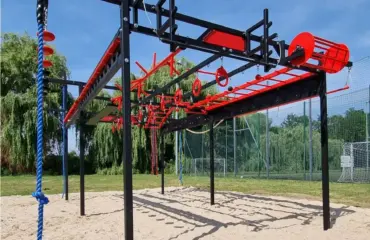
- A functional zone: a compact rig, kettlebells, medicine balls, a battle rope, resistance bands and plyometric boxes.
That base converts directly into a costed list with references, quantities and the matching flooring specification.
5. What actually differentiates an independent club
Against the chains, an independent gym does not win on membership price alone. It wins on the overall experience: how the machines feel, the atmosphere, the support, and the absence of out-of-order signs.
- Movement quality. Smooth travel, natural paths and comfort are what a member feels in the first session and what they compare with the club down the road.
- Visual coherence and perceived robustness. A floor that looks professional reassures visitors, supports annual sign-ups and justifies your pricing.
- Equipment that keeps running. Fewer breakdowns means fewer repair notices and more confidence in the club, which is the single most visible quality signal you have.
Frequently asked questions
How much space does an independent gym need? Most viable independent projects fall in the 200 to 400 m² range, with 250 to 350 m² the typical sweet spot for the base described above.
Should I buy cardio or strength first? Neither in isolation. Both zones have to be credible on opening day; what varies is the number of units in each, driven by your membership profile.
Can I equip in phases? Yes. Plan the final layout first, then install in phases so flooring, power supply and circulation still work once the room is complete.
Which standard should I ask for? EN ISO 20957-1 class S for indoor stationary equipment. Anything described as semi-professional is out of scope for a commercial club.
Building your equipment list
Send us your floor plan, your concept, your target membership and your budget, and our team will return a zoned layout, a full equipment list with quantities and references, the flooring specification and a costed proposal. Request a quote and we will build the project with you from plan to opening.