Financing and Leasing Gym Equipment Without Draining Your Cash
Le leasing d'équipements sportifs étale l'investissement sur 36 à 60 mois et préserve la trésorerie nécessaire aux travaux, à la communication et au recrutement. Il transforme un achat en charge d'exploitation, avec un effet direct sur la fiscalité. L'arbitrage se fait entre coût total du financement et capacité à investir ailleurs au lancement.
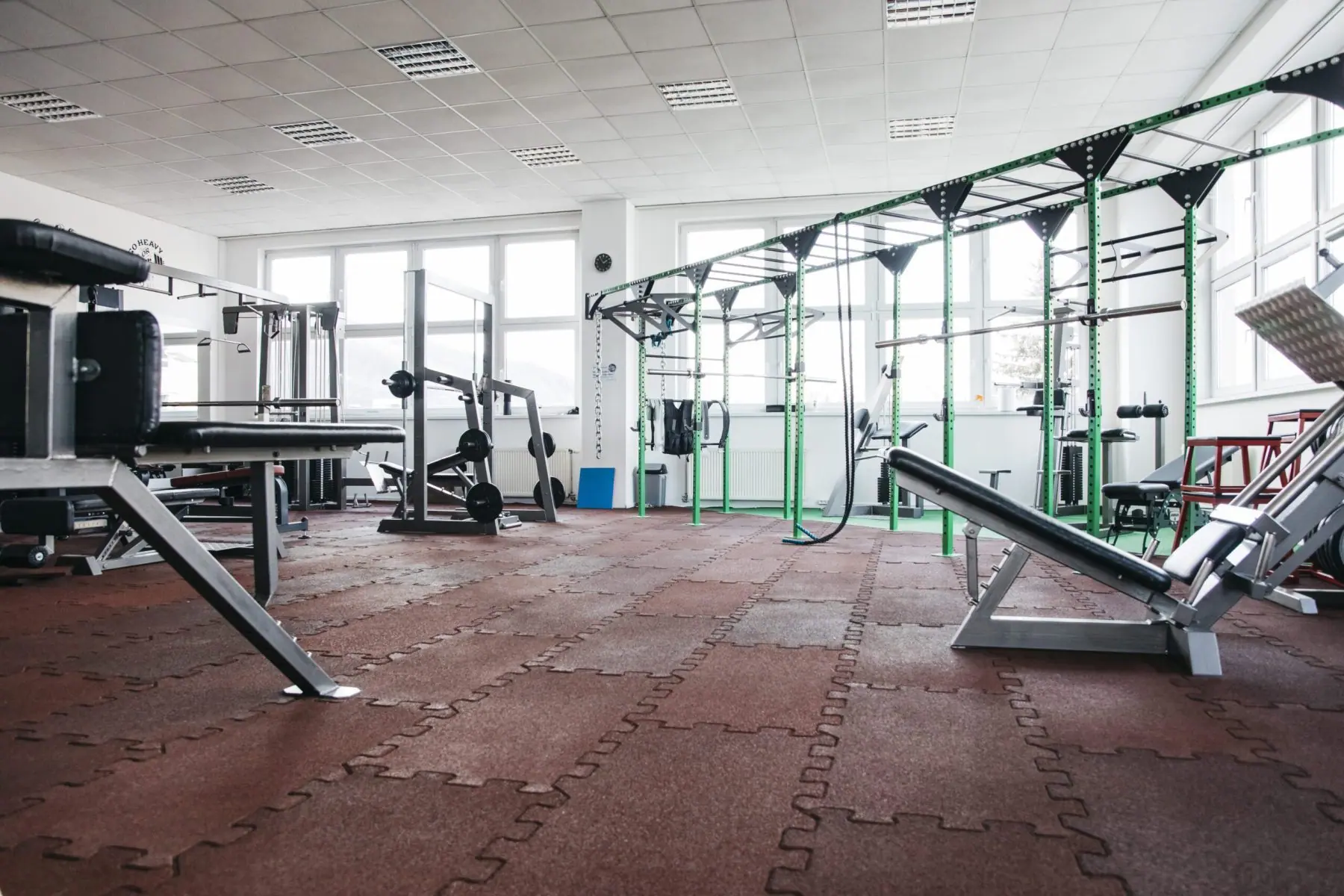
A surprising number of fitness projects run into trouble for a simple reason: the whole budget goes into the equipment, and nothing is left for everything else. Fit-out works, signage, marketing, recruitment and the opening campaign all need funding too, and they are usually where the return actually comes from. Financing and leasing exist to solve exactly that problem: they let an operator equip the site properly without draining the cash the business needs to open and trade.
This guide explains how the two routes differ, when each one makes sense, what a lender expects to see, and what the cost really is compared with paying outright.
Financing and leasing: the difference in plain terms
Financing, or spreading the purchase
You buy the equipment and it becomes your asset, but you pay for it over an agreed period rather than in one payment. The asset sits on your balance sheet and you carry it to the end of its useful life.
Leasing, or paying to use
You pay a rental over an agreed term and under agreed conditions. Depending on the structure, the agreement may end with a purchase option, a return of the equipment or a renewal on newer machines. The point is the same in every case: protect working capital and turn a large one-off outlay into a predictable monthly figure.
The exact terms, the accounting treatment and the tax treatment depend on the structure, on the profile of the business and on the finance partner, and they differ from one country to another. Have your accountant confirm the treatment for your own company before you sign anything.
Why it is often the right call
You keep cash for the launch
Marketing, signage, social media, coaching staff and the first months of operation are where a new site wins or loses its members. Equipment bought outright locks that money into steel; equipment financed or leased leaves it available.
You open sooner
Waiting until the full amount is saved usually costs several months of trading. Bringing the equipment into service earlier means memberships start earlier, and the revenue arrives while the market interest created by the opening is still there.
You manage the budget more easily
A fixed monthly figure is far easier to plan around than an irregular capital programme. Charges are predictable, forecasting is simpler and the cost of the equipment can be compared directly against the revenue it generates.
You can renew rather than repair
Cardio equipment in particular ages on a known curve. A leasing structure with a defined term lets an operator plan renewal instead of running machines until they are unreliable, which is a quieter but real benefit for member retention.
Building an application that goes through smoothly
Finance partners assess the project, not only the buyer. The faster you can describe the project in their terms, the faster the answer comes back. Prepare the following before you ask for a simulation.
| What to prepare | Why the lender asks for it |
|---|---|
| Type of activity | A club, a company gym, a municipal facility, a hotel or a rehabilitation centre are read as different risk profiles |
| Scope of the project | Floor area, list of equipment, flooring and installation define what is actually being financed |
| Target budget | The monthly figure you are aiming at frames the term and the structure |
| Timing | Opening date and delivery window decide when the agreement has to start |
| Company documents | Accounts, registration details and, for a new business, the plan behind the numbers |
Requirements and eligible structures differ by country and by finance partner, so treat the list above as the common core rather than a complete file.
Finance the right scope, not the longest list
The discipline that saves the most money is deciding what belongs in the scope. Equipment that carries the business plan comes first: the cardio line and the strength stations that determine how many members can train at once, and the flooring that the whole room depends on. Items that are pleasant but not load-bearing can wait for a second phase funded out of trading.
Light In Fitness helps operators frame that scope before the finance conversation starts, across the professional cardio equipment, strength training machines and rubber gym flooring ranges, so that what gets financed is what the site actually needs to trade.
Frequently asked questions
Is leasing only for large operators?
No. Small independent sites use it precisely because it protects working capital, rather than putting everything into equipment on day one.
Can flooring and installation be included?
Depending on the structure, yes. A project can often be framed as a whole, equipment plus flooring plus installation, subject to the file and the conditions of the finance partner.
Does it cost more than paying outright?
There is a cost of finance, and it should be compared honestly against paying cash. It can still be the better decision if it lets you open earlier, start collecting subscriptions sooner and keep a cash reserve for the launch instead of trading with none.
What happens at the end of a lease?
That depends on the agreement: purchase option, return, or renewal on newer equipment. Ask for the end-of-term options in writing at the point of signature, not later.
Who decides whether the payments are an expense or an asset?
Accounting and tax treatment follow national rules and the exact structure of the agreement. Your accountant confirms the treatment for your company; a supplier cannot and should not answer that for you.
Can a public body or an association use these routes?
Public bodies, schools, associations and other non-commercial operators are subject to their own procurement and budgeting rules, which vary by country. Check what your own framework allows before building the project around a leasing assumption.
Ask for a simulation
The best equipment is not the one that empties the account: it is the one that lets you open and operate on realistic terms. Send us the type of site, the surface area, the scope you have in mind and the monthly budget you are targeting, and we will help you frame a workable package of scope, budget and schedule. Start with our quote request form.